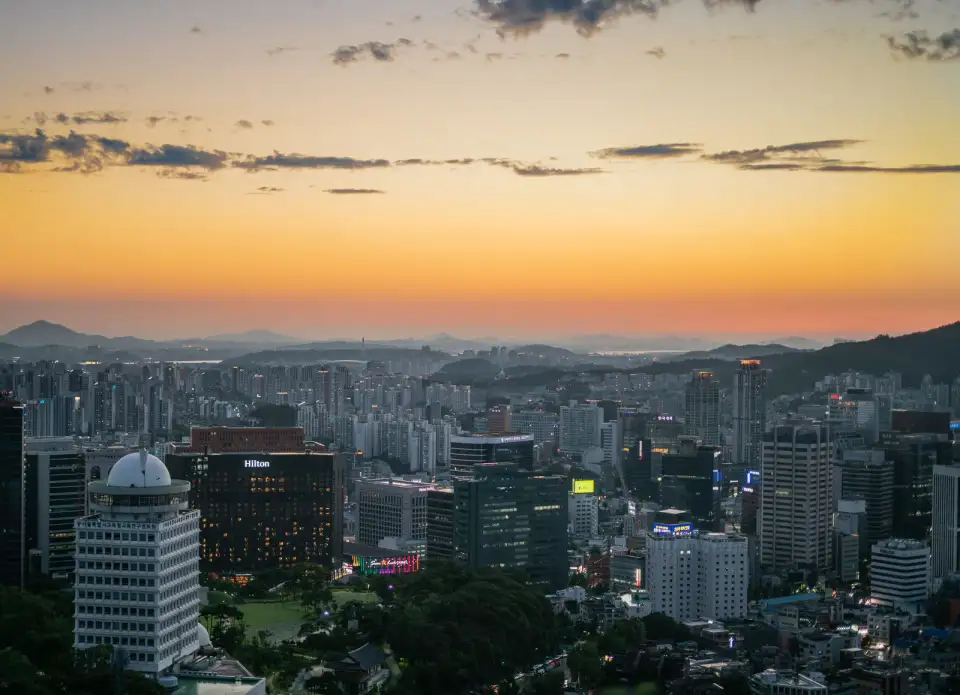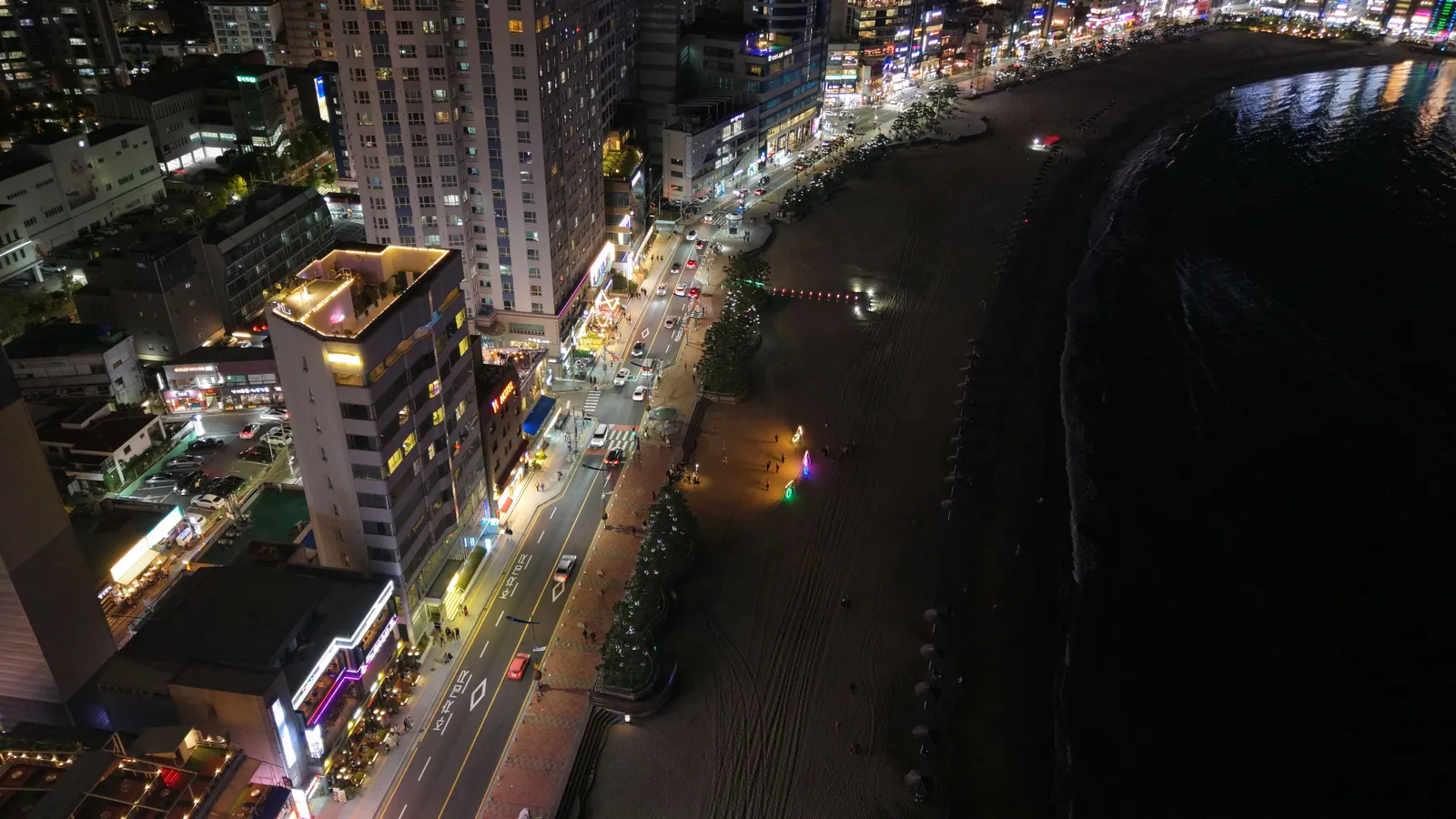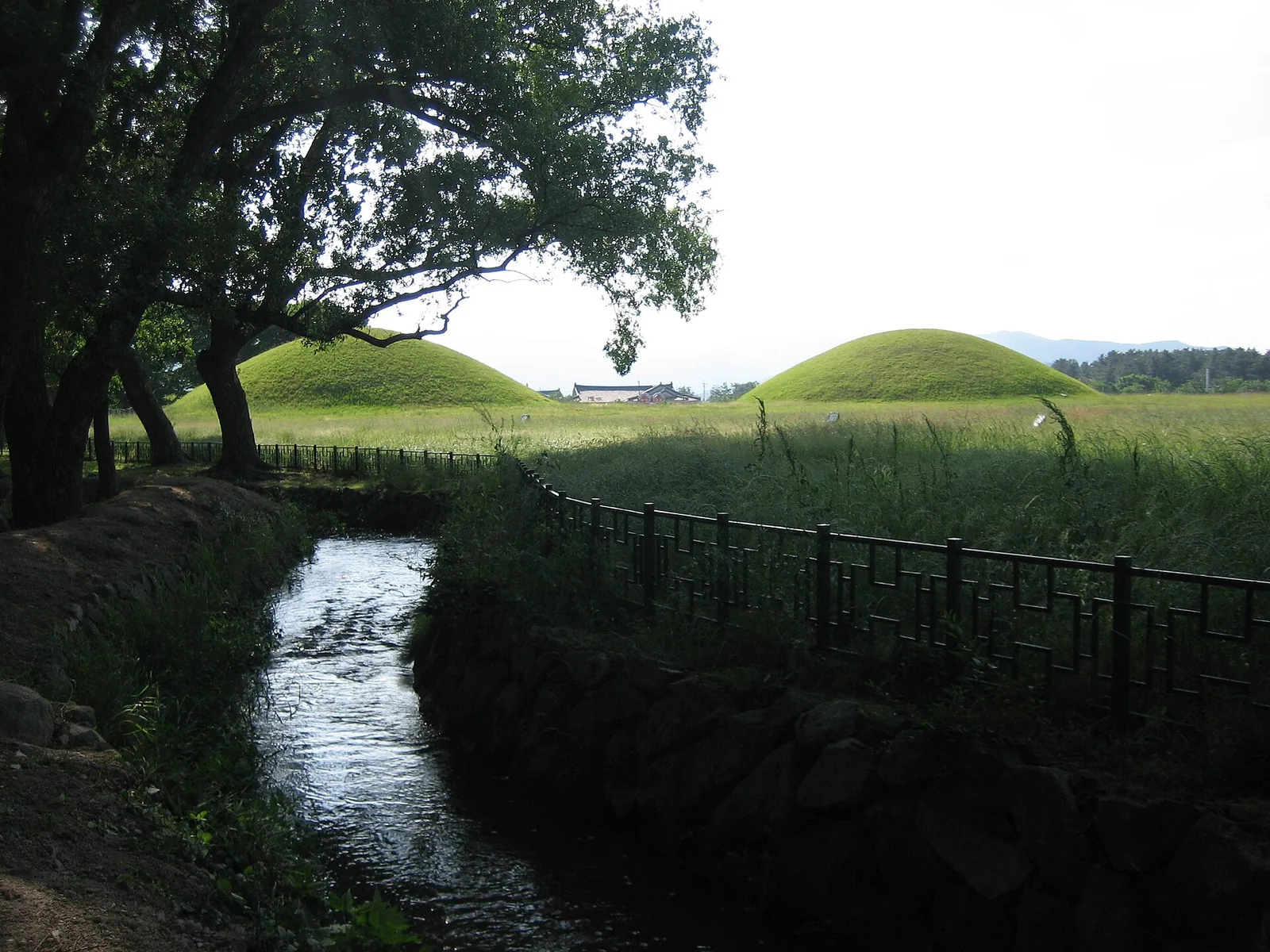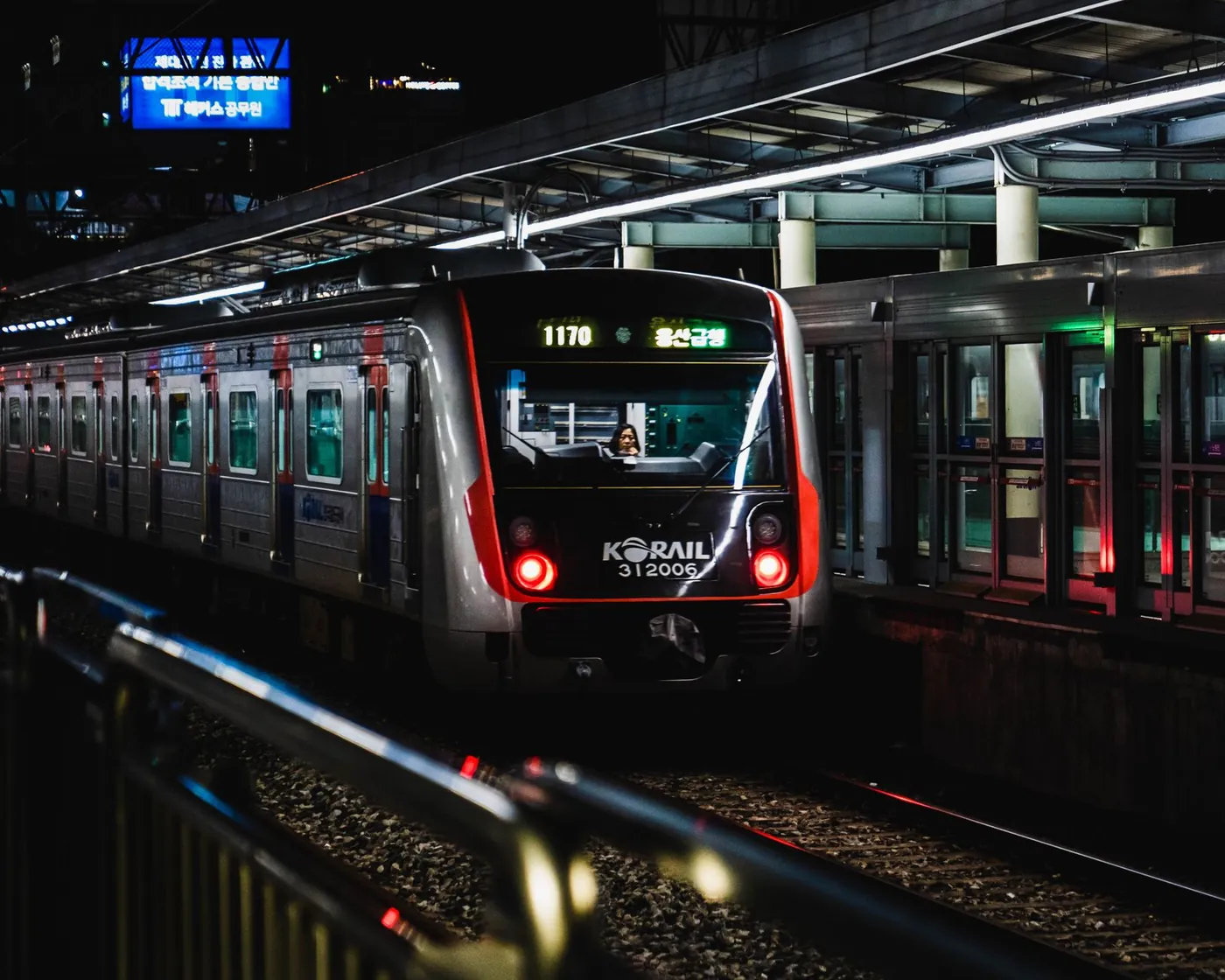
Most Korea trips longer than a week end up in roughly the same place, and it is not because visitors run out of imagination. Seoul, Gyeongju and Busan is the route the country’s own geography and rail network point you towards: a capital with everything a first visit expects, a former royal capital that feels like nowhere else in the country, and a coastal city that closes the loop with beaches, seafood and a completely different pace.
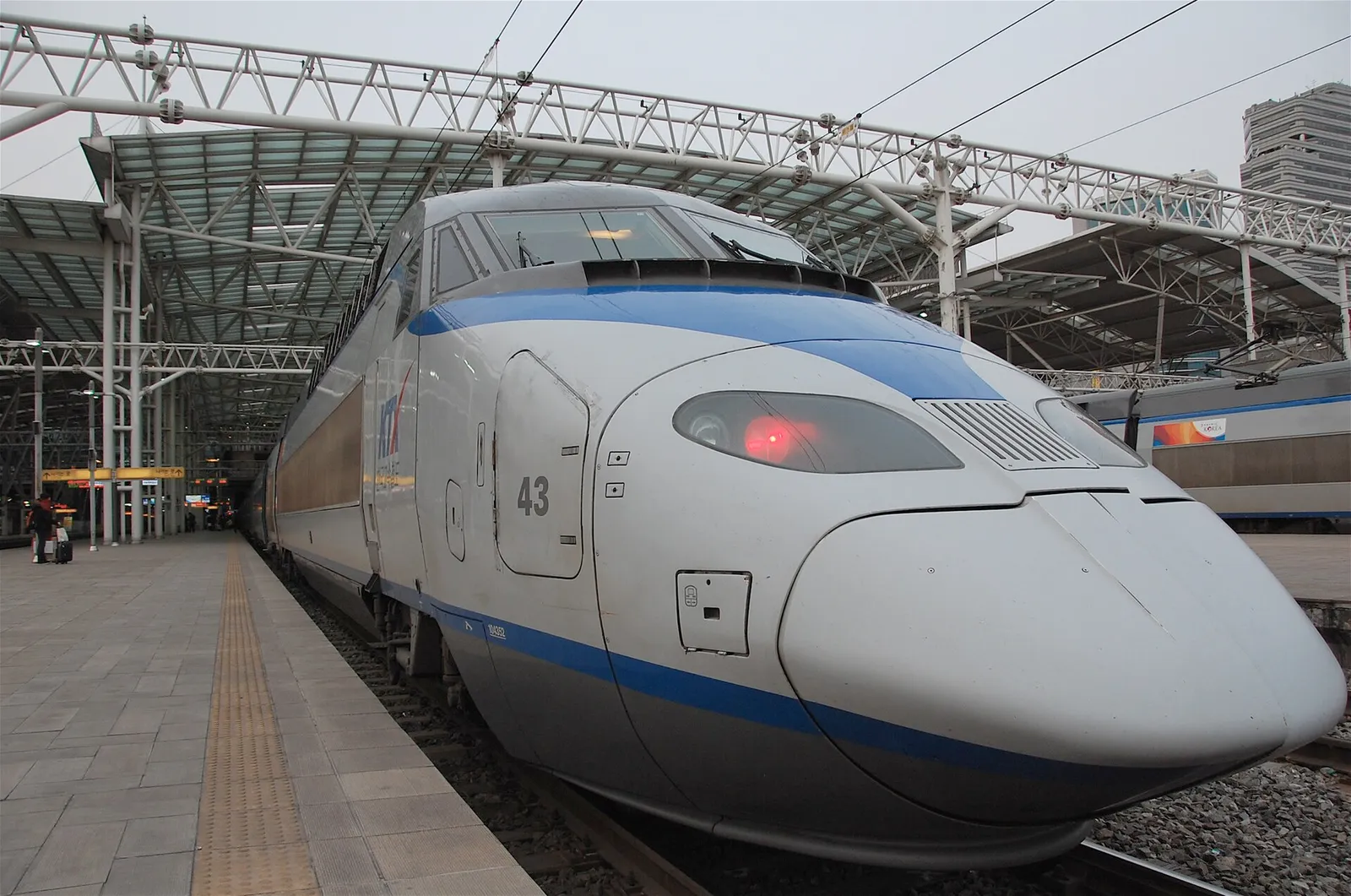
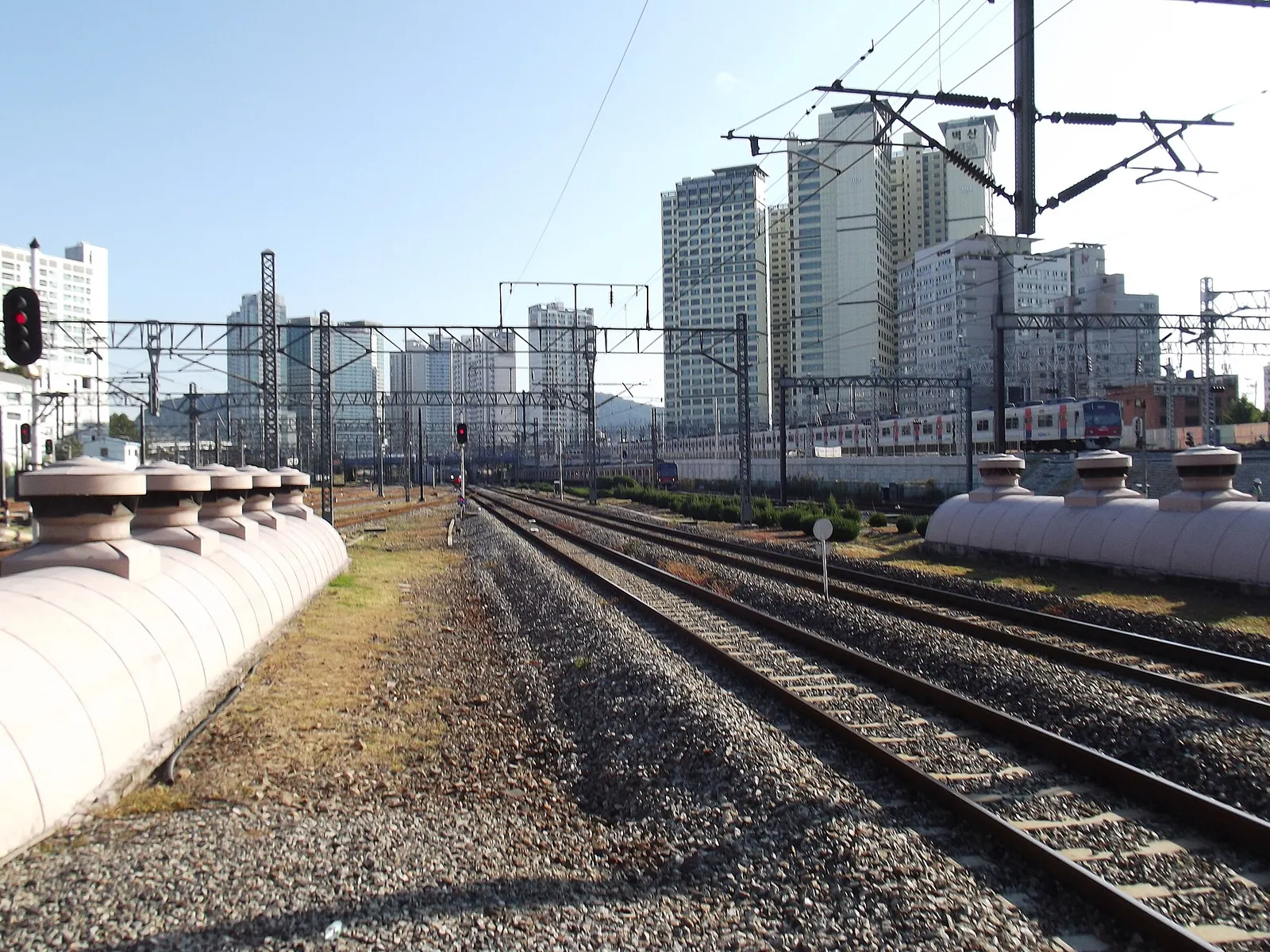
The reason it works as well as it does is the KTX. Once the journey between cities drops to a couple of hours, three destinations that would otherwise be separate trips become one continuous route, and the itinerary can afford to spend real time in each place rather than burning a day on transit between them.
It is worth saying plainly that this is a route, not the only good one. Travellers who have already done Seoul once, or who are more drawn to mountains than to cities and coastline, sometimes build an entirely different itinerary around the interior or the west coast instead. But for a first or second trip that wants a rail-linked route with a genuinely varied set of stops and no wasted travel, Seoul, Gyeongju and Busan is the version that keeps coming up, and for good reason.
Why this specific route, and not another one
Three things line up to make this the route rather than one of several equally good options. First, the KTX runs Seoul to Gyeongju to Busan in a single direction, so there is no backtracking built into the plan. Second, each city does something the other two do not: Seoul is scale and modern pace, Gyeongju is ancient history at walking speed, and Busan is coastline and seafood. Third, it descends gradually south, which means the weather and the mood of the trip shift gently rather than jumping around the map.
Plenty of other Korean cities are worth a visit on a second or third trip. This particular three does the best job of covering different sides of the country without asking you to double back on the train more than once.
The day-by-day shape
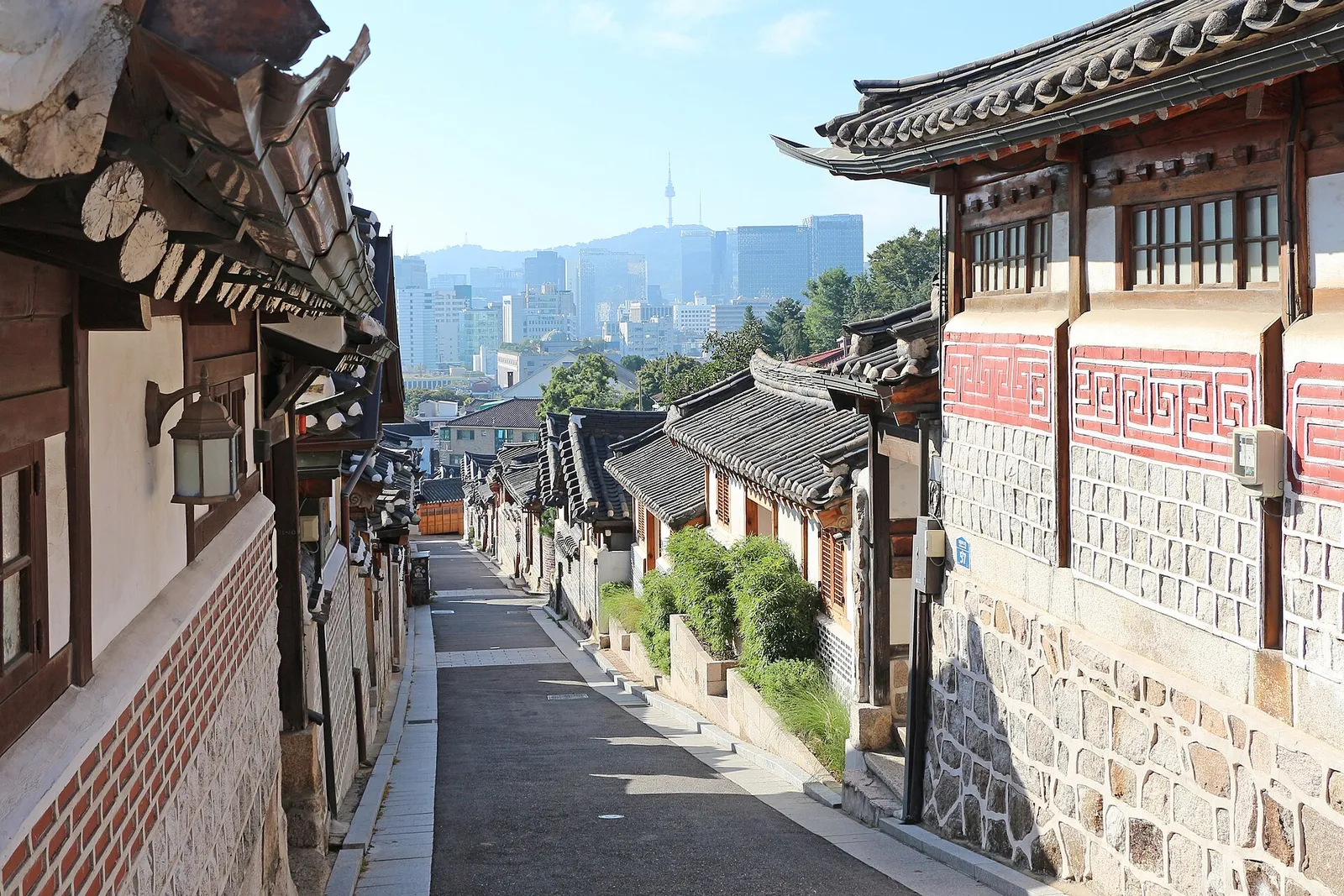
Seoul, five to six nights. This is the anchor of the trip and deserves the largest share of it: palaces, neighbourhoods, museums, food streets and at least one day trip out of the city. Rushing Seoul to make room for the rest of the route is the single most common regret travellers report afterwards.
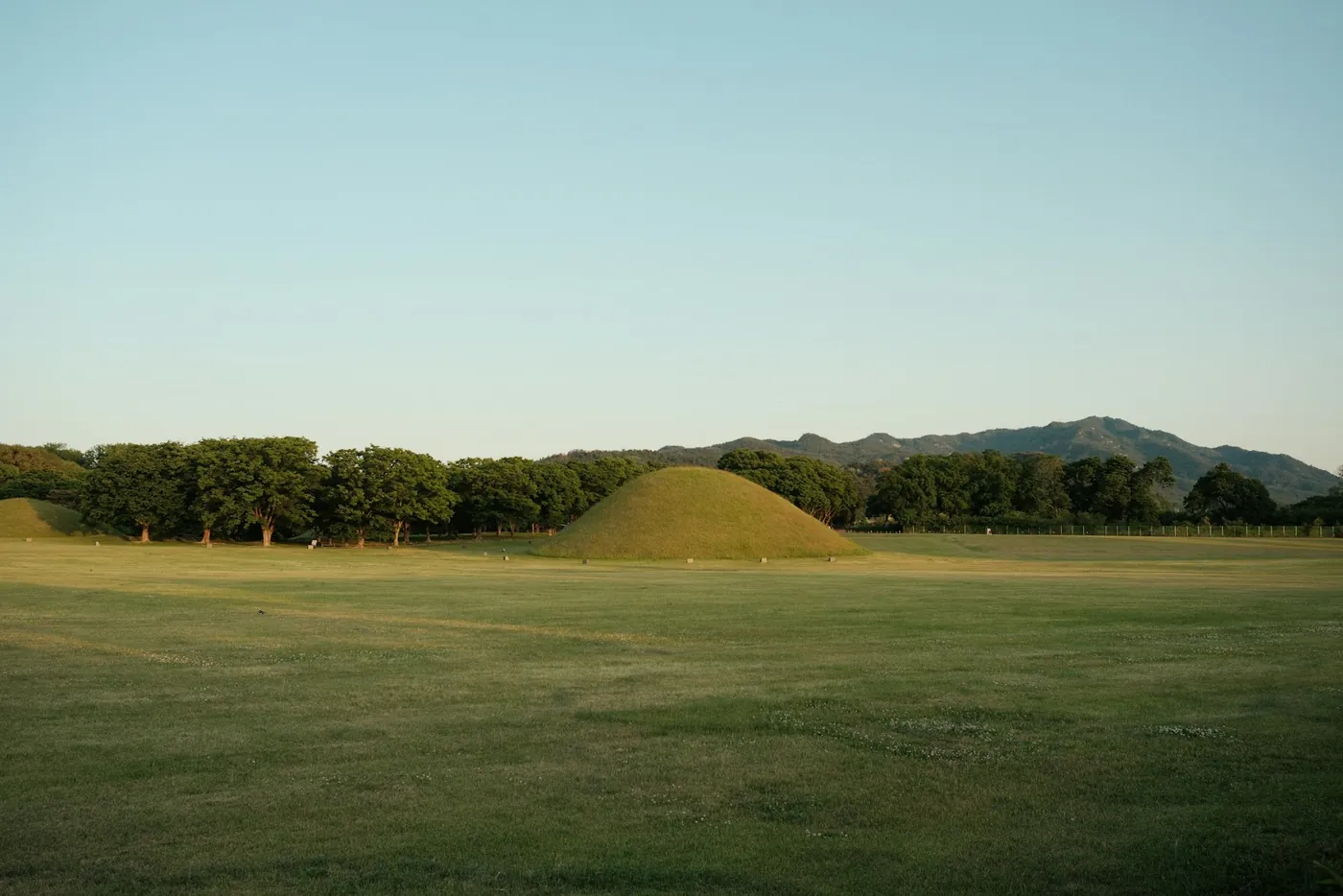
Gyeongju, two nights. A short KTX ride to Singyeongju station, then a bus into town. The central burial mounds, the ancient observatory and the palace pond sites are flat and walkable, and the UNESCO listed temple in the hills outside town needs a local bus and half a day of its own. Two nights covers both without treating either as an afterthought.
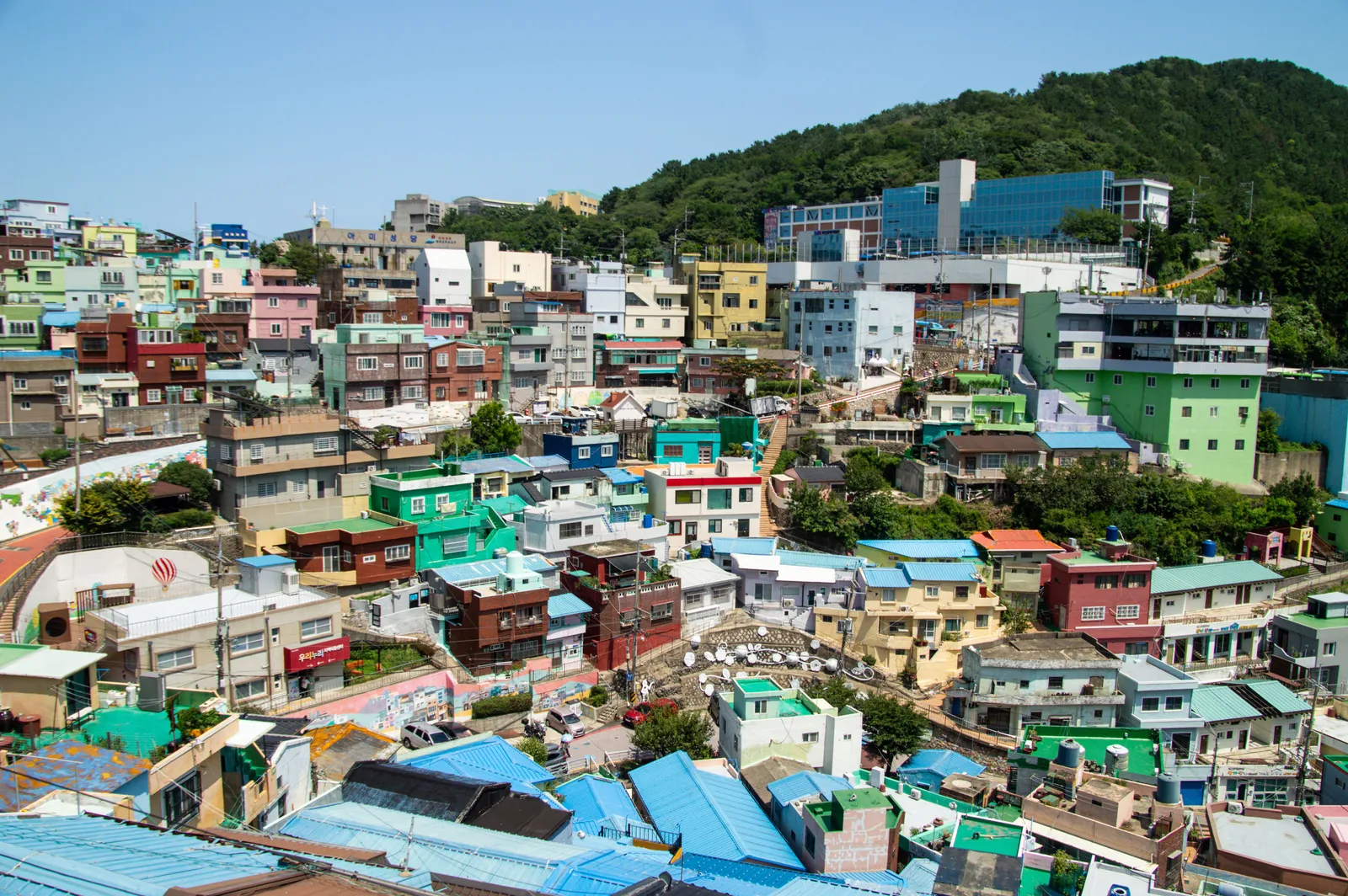
Busan, two to three nights. The final KTX leg south brings you to the coast: beaches, the hillside Gamcheon Culture Village, the roaring Jagalchi fish market and a genuinely different food culture built around the city’s history as a wartime refuge. It is also the more relaxed close to a trip that started at Seoul’s pace.
Flying in or out of Busan?Compare fares if this route ends on the coastHow the length changes the plan
| Total length | Seoul | Gyeongju | Busan |
|---|---|---|---|
| 9 days | 4 nights | 1 night, day trip style | 2 nights |
| 10 to 12 days | 5 to 6 nights | 2 nights | 2 to 3 nights |
| 14 days or more | 6 nights | 2 nights | 3 nights, plus Jeju |
The shortest version turns Gyeongju into something closer to a long day trip with one night attached, which works but means skipping either the central sites or the temple in the hills rather than seeing both properly. The longer versions give every stop room to breathe, and past two weeks there is enough time to add Jeju without any city feeling shortchanged for it.
For the practicalities of the trains themselves, booking as a visitor, the difference between classes, and whether a rail pass makes sense for this specific route, our guide to KTX trains in Korea covers it in detail.
Where Jeju fits, if you want it
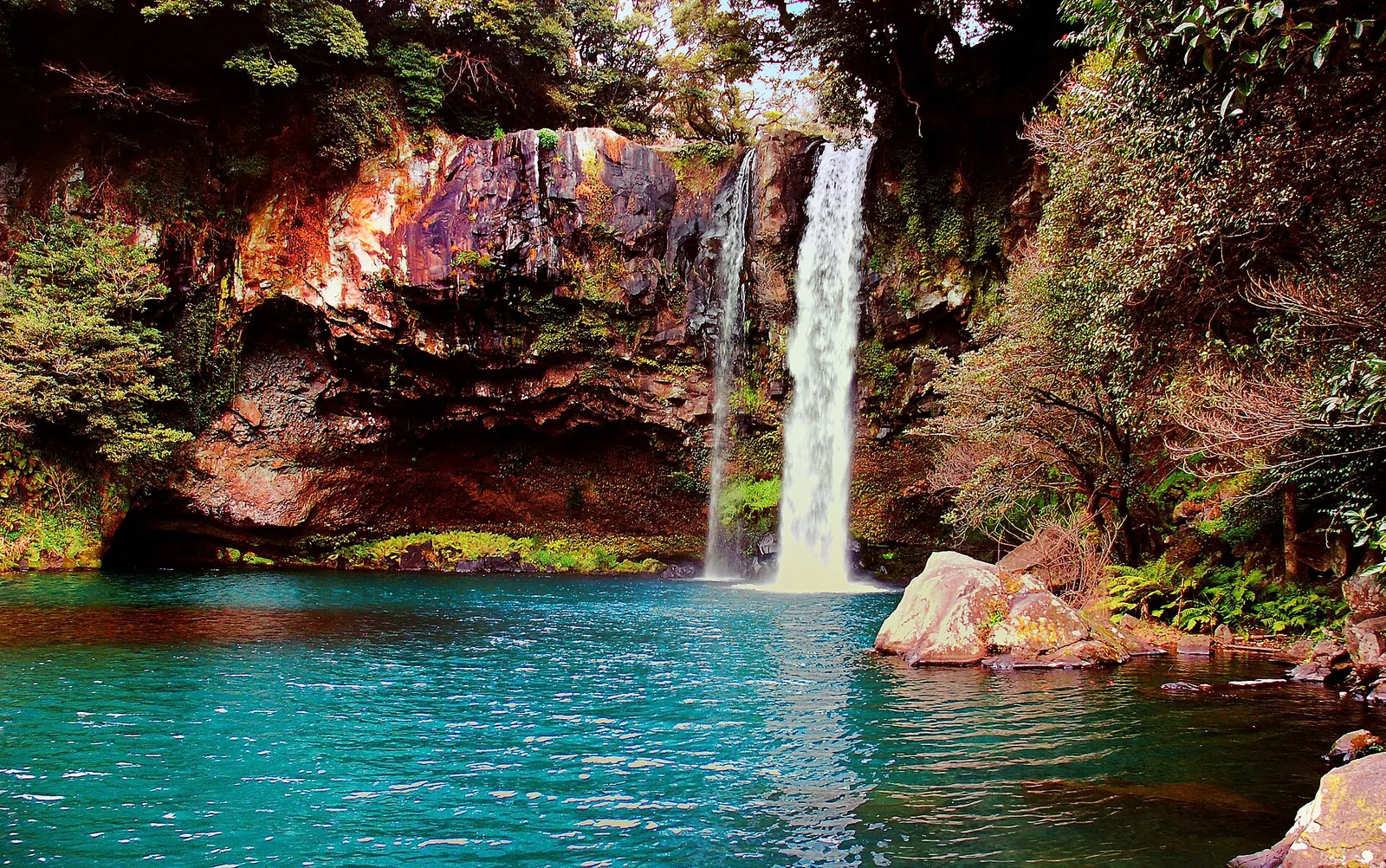
Jeju is not part of the classic route in the way Seoul, Gyeongju and Busan are, because there is no rail link to the island and it needs a flight from either end of the mainland leg. That is not a reason to skip it, only a reason to treat it as a distinct add-on rather than a stop along the way.
The common pattern for travellers with two weeks or more is to finish the mainland route in Busan, fly to Jeju for three or four days, and fly home from there rather than returning north. It keeps the trip moving in one direction the whole way through, and it means Jeju gets treated as the slower, island-paced close to the trip that it is, rather than squeezed between two busy mainland stops.
Travellers with less time sometimes ask whether Jeju can replace Busan rather than follow it. It can, but it changes the character of the trip rather than simply shortening it: Busan is a walkable coastal city, reached by train with no extra booking, while Jeju is a rural, driving-paced island that needs its own flight and usually its own rental car. Treat the choice as two different kinds of ending rather than a straight substitute for one another.
Getting the order right
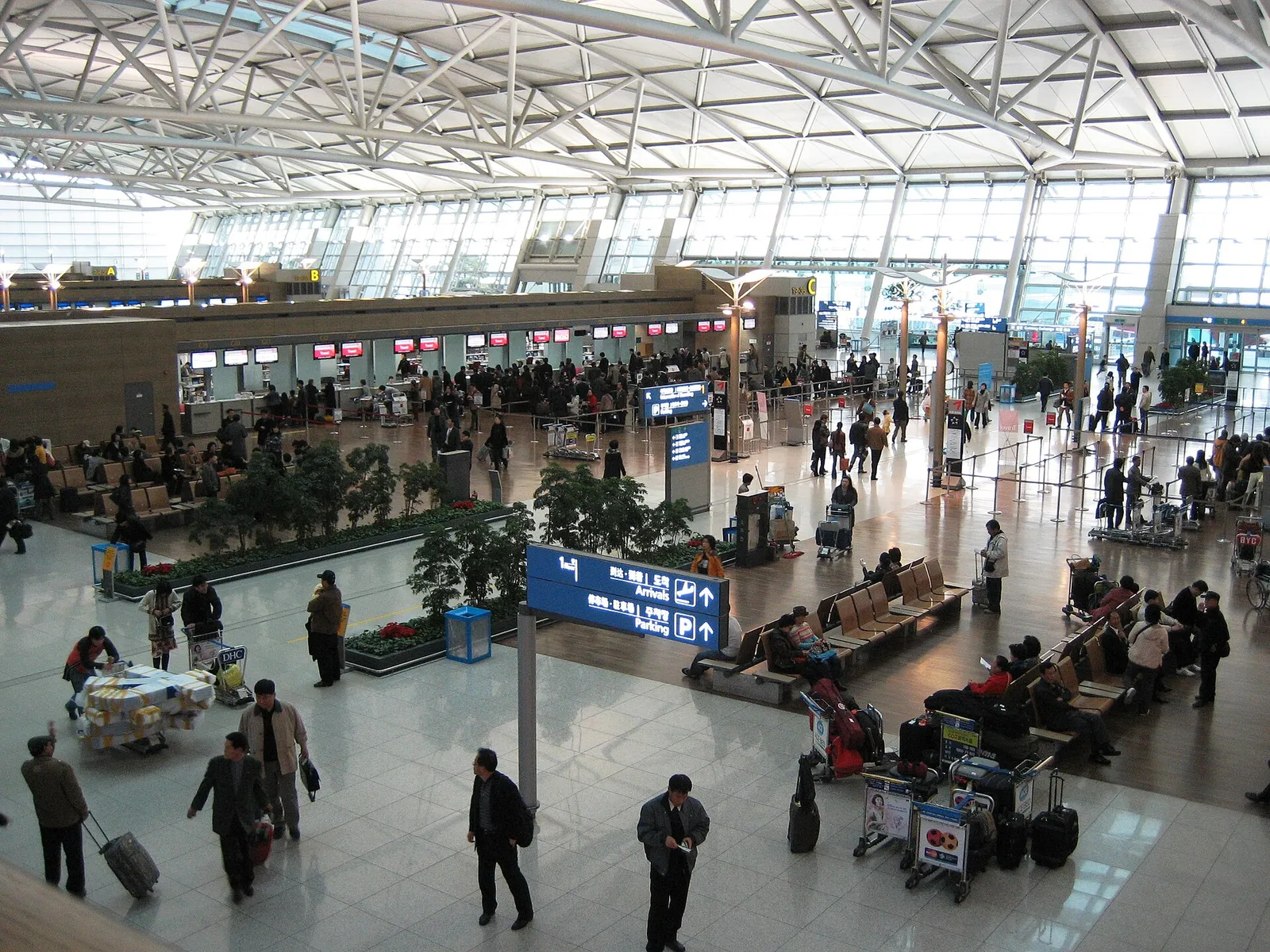
Run the route Seoul to Gyeongju to Busan and not the reverse, for a simple reason: Busan is the natural place to end. It has an international airport of its own, so a trip that finishes there does not require a return journey north just to fly home, and finishing on the coast rather than back in the capital tends to suit the slower, wind-down mood most travellers want in their last days.
Whichever version of the timing you settle on, the constant across all of them is the same: give Seoul the most time, give Gyeongju enough to see both the town and the temple, and let Busan close the trip at a different pace. For everything the city itself covers once you arrive, our Busan guide has the beaches, the markets and the food worth building the final days around, and for making the most of Gyeongju’s flat, walkable centre, our guide to Gyeongju by bike covers the route between the sites.
The short version
Seoul, Gyeongju and Busan works as a route because the KTX makes it one continuous trip rather than three separate ones, and because each city shows a genuinely different side of the country. Give Seoul the largest share of the time, two nights to Gyeongju, and two to three to Busan, and add Jeju at the end by air if the trip runs past two weeks. Trim any of the three and the shortest workable version is around nine days, but the shape of the route stays the same however long you have.