South Korea on a Budget: What Things Cost
What a trip to South Korea actually costs: where the money goes on beds, food and transport, the free half of Seoul, the cheap wins nobody tells you about, and how to travel well without spending much.
Between a tteokbokki stall and a temple on the sea Korea is waiting for you
This is one real day from a schedule our planner builds. Yours will look different, because it is built around your answers.
Day 2 · Seoul
Every hour worked out, every place open
The rest is already waiting, it just needs a few answers
Build me a day like thisPick a region and get all of its guides.
Every season has its own reason to come.
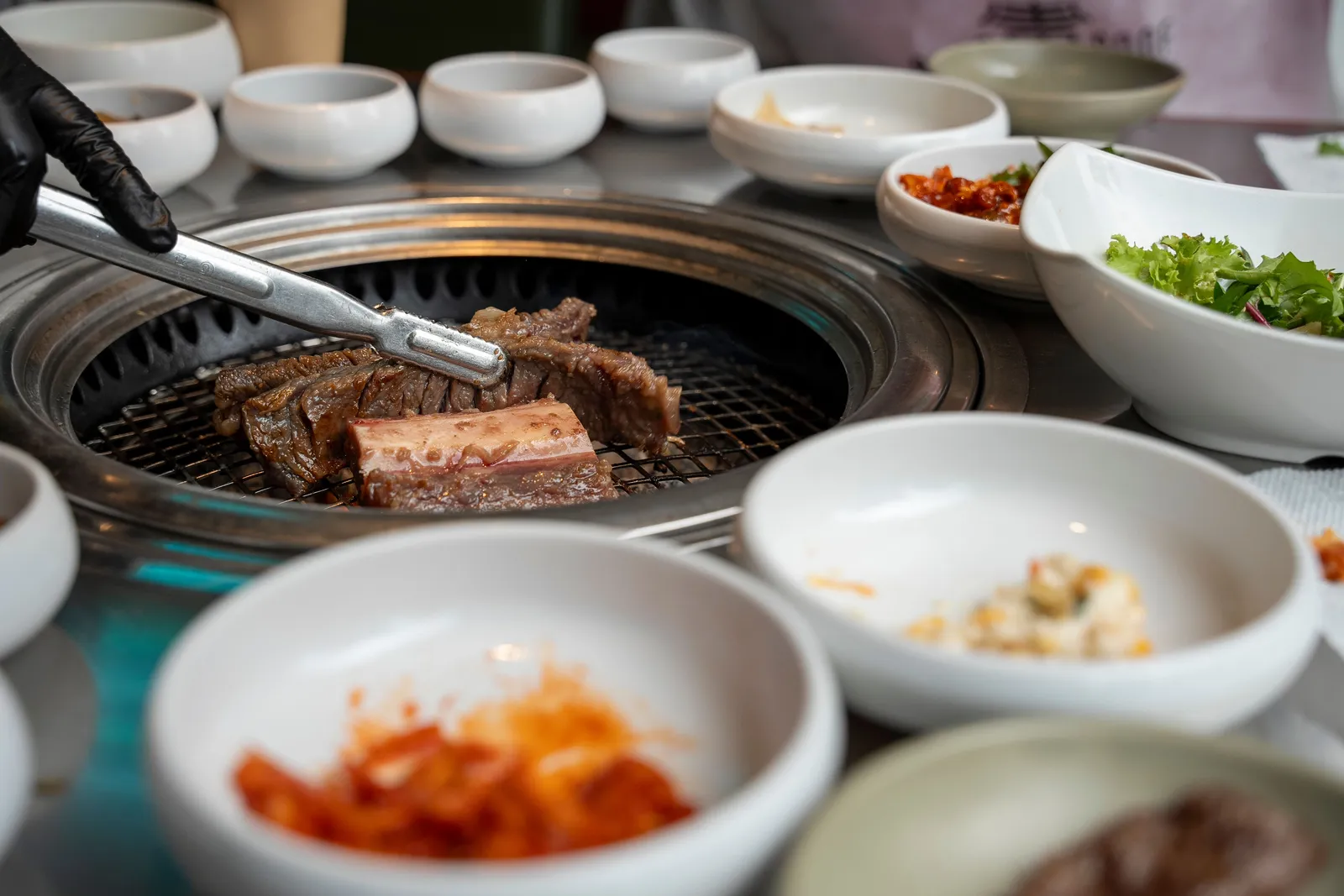
Korea is a table too: meat grilled over charcoal, steaming bibimbap, kimchi with every meal and K-pop in the background. Do not leave without knowing what to order and where to sit.
Every city, palace, beach and mountain from our guides, on one map.
All the best places in South Korea, in one guide with photos and tips.
The core guides to start from.
What a trip to South Korea actually costs: where the money goes on beds, food and transport, the free half of Seoul, the cheap wins nobody tells you about, and how to travel well without spending much.
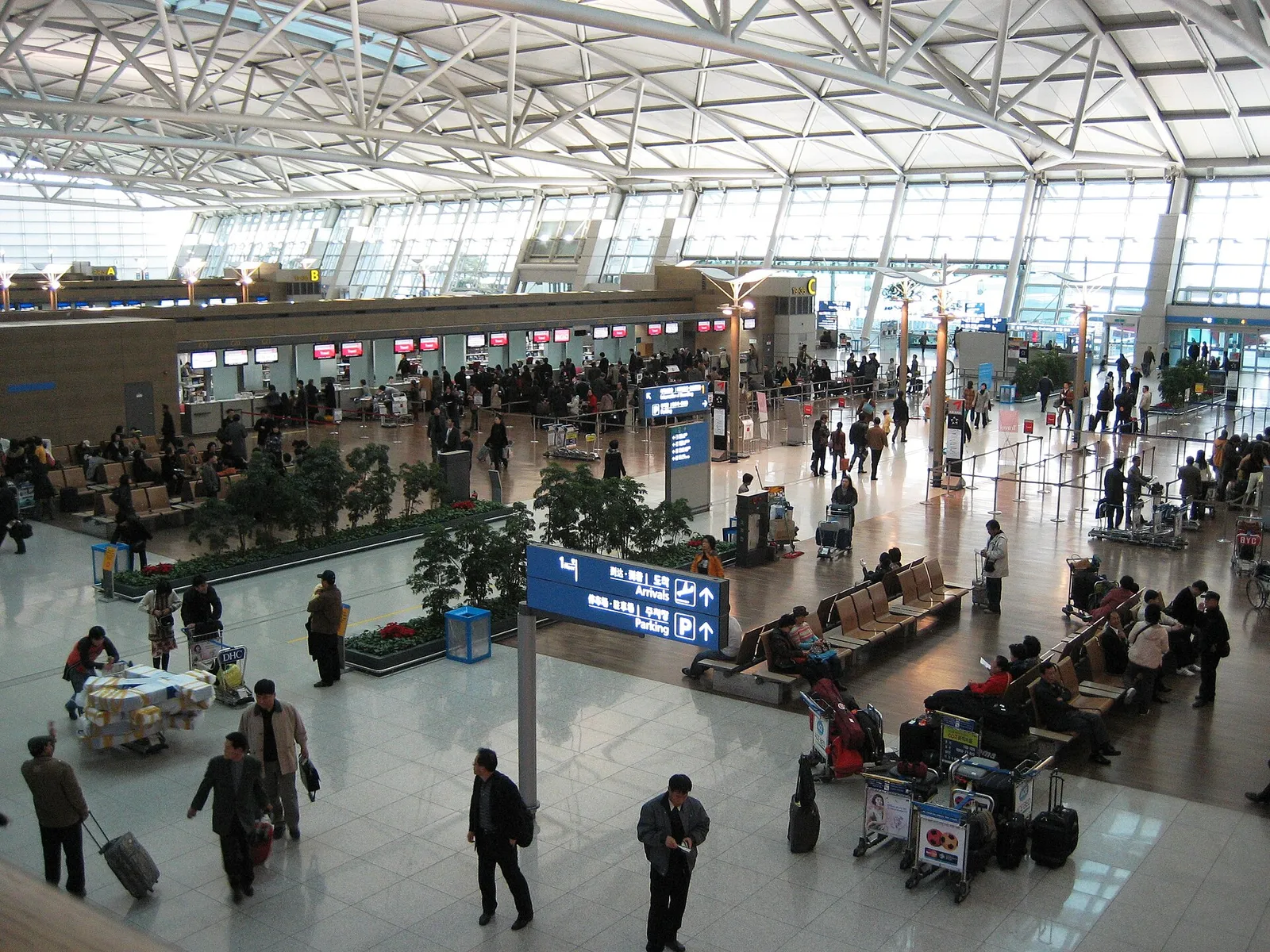
How entering South Korea works: who needs a visa, what K-ETA is and who is currently exempt, the arrival paperwork, passport validity, and the official sources to verify your own nationality against before you fly.
The Korean manners that actually matter to a visitor: two hands, shoes off, chopstick rules, pouring for others, how age shapes conversation, quiet trains, and why nobody expects a tip.
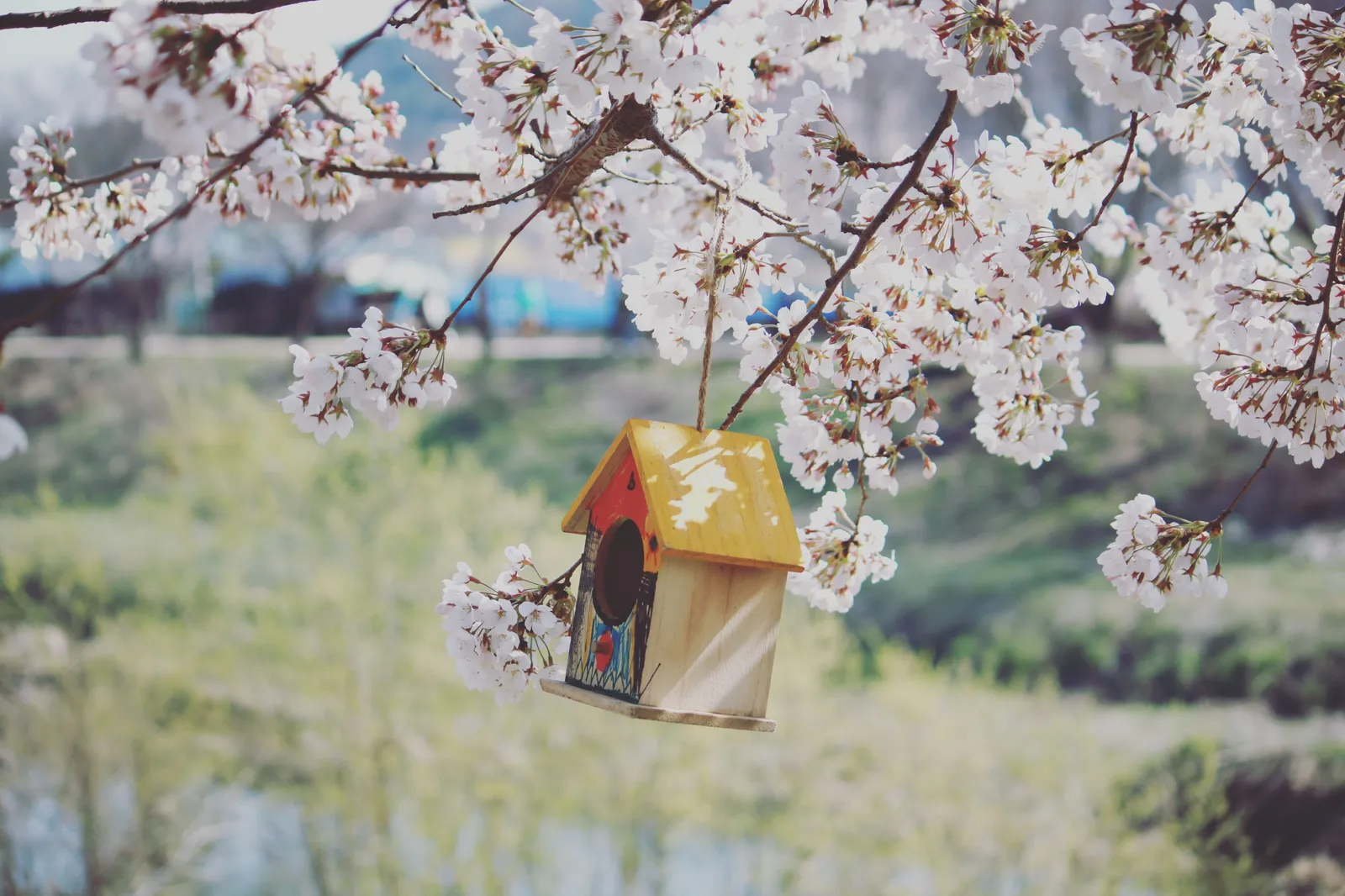
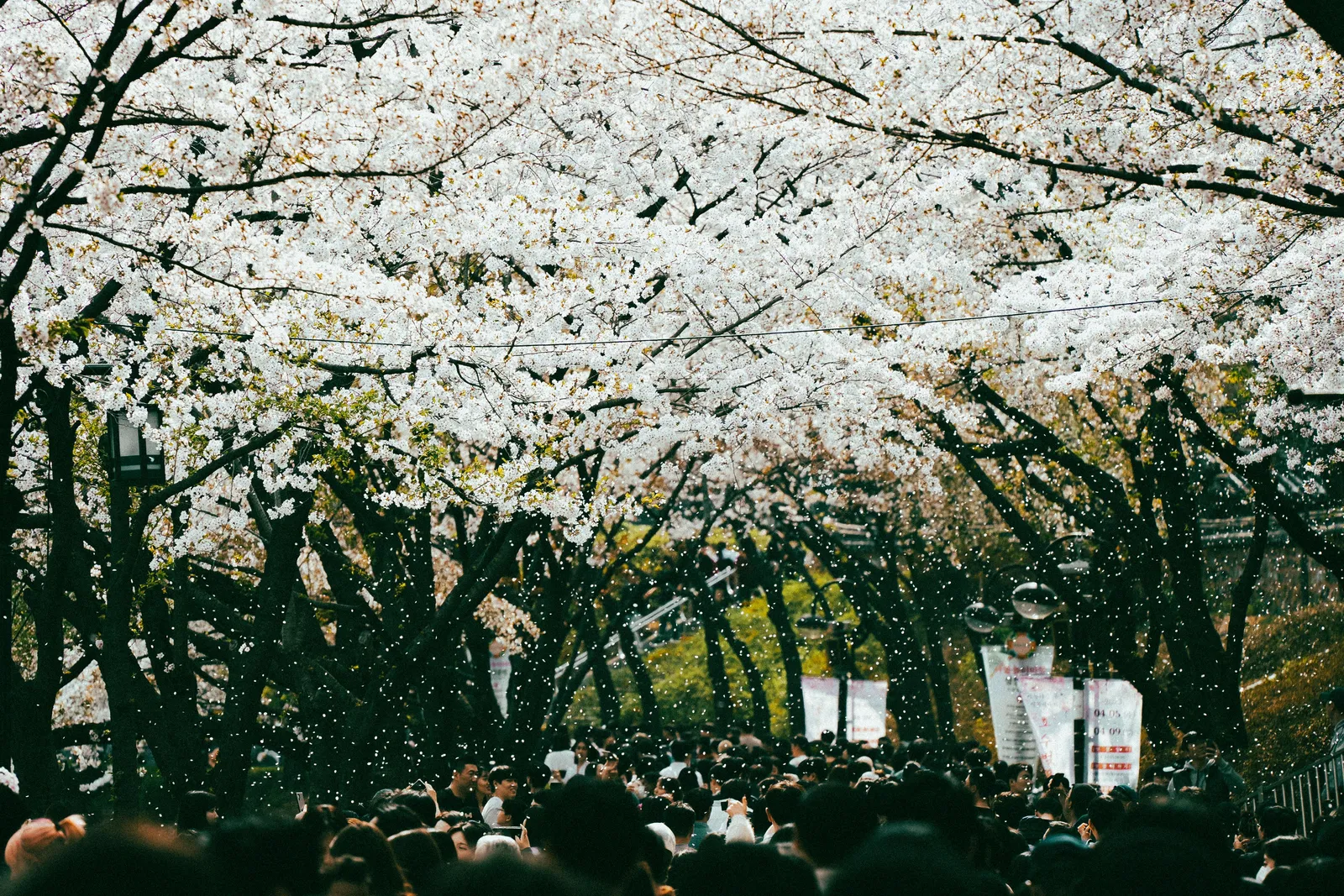
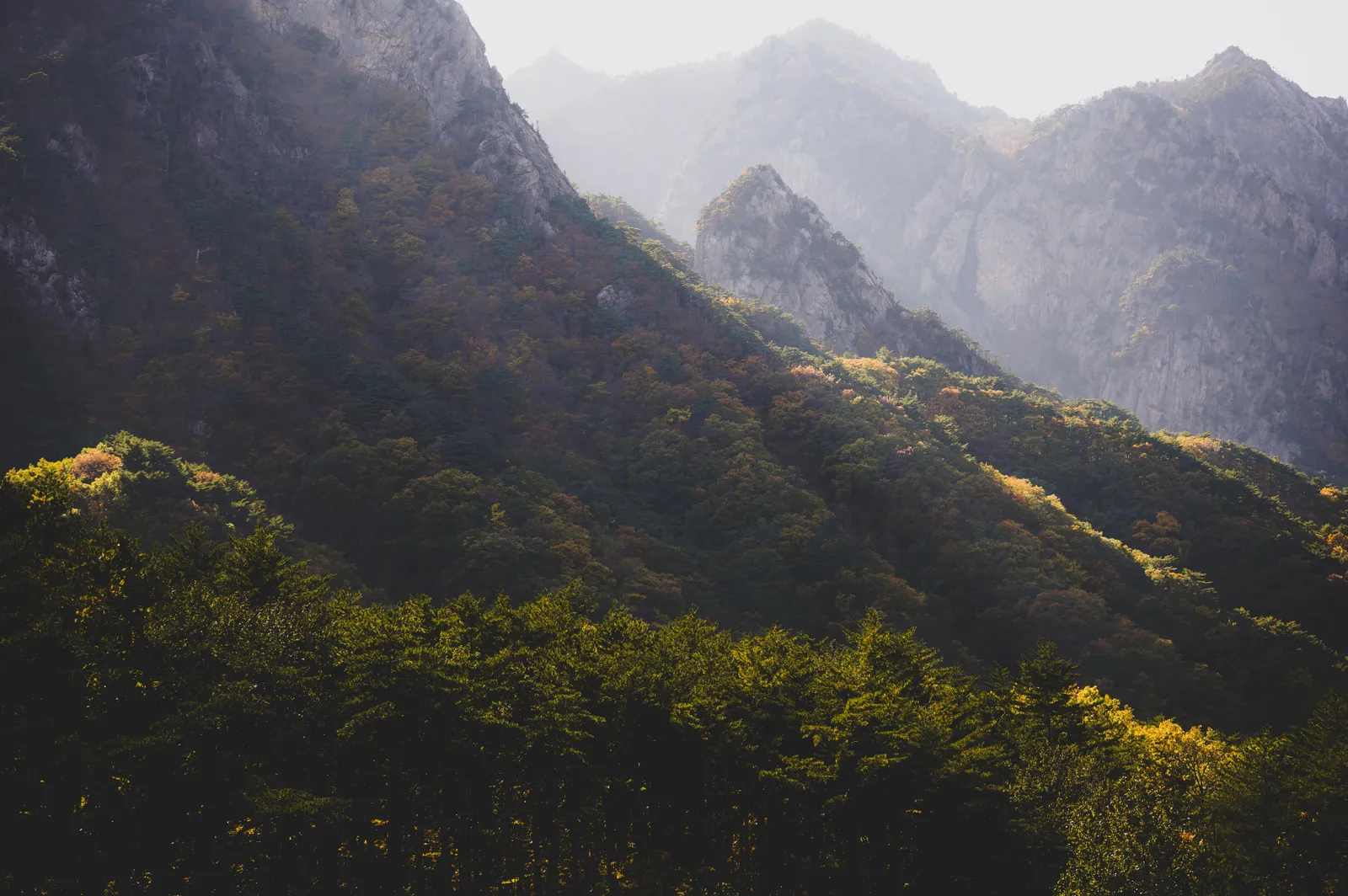
When to visit South Korea: cherry blossoms in spring, fiery autumn foliage, hot festival summers and crisp ski winters, month by month, with the best times for weather, crowds and value.
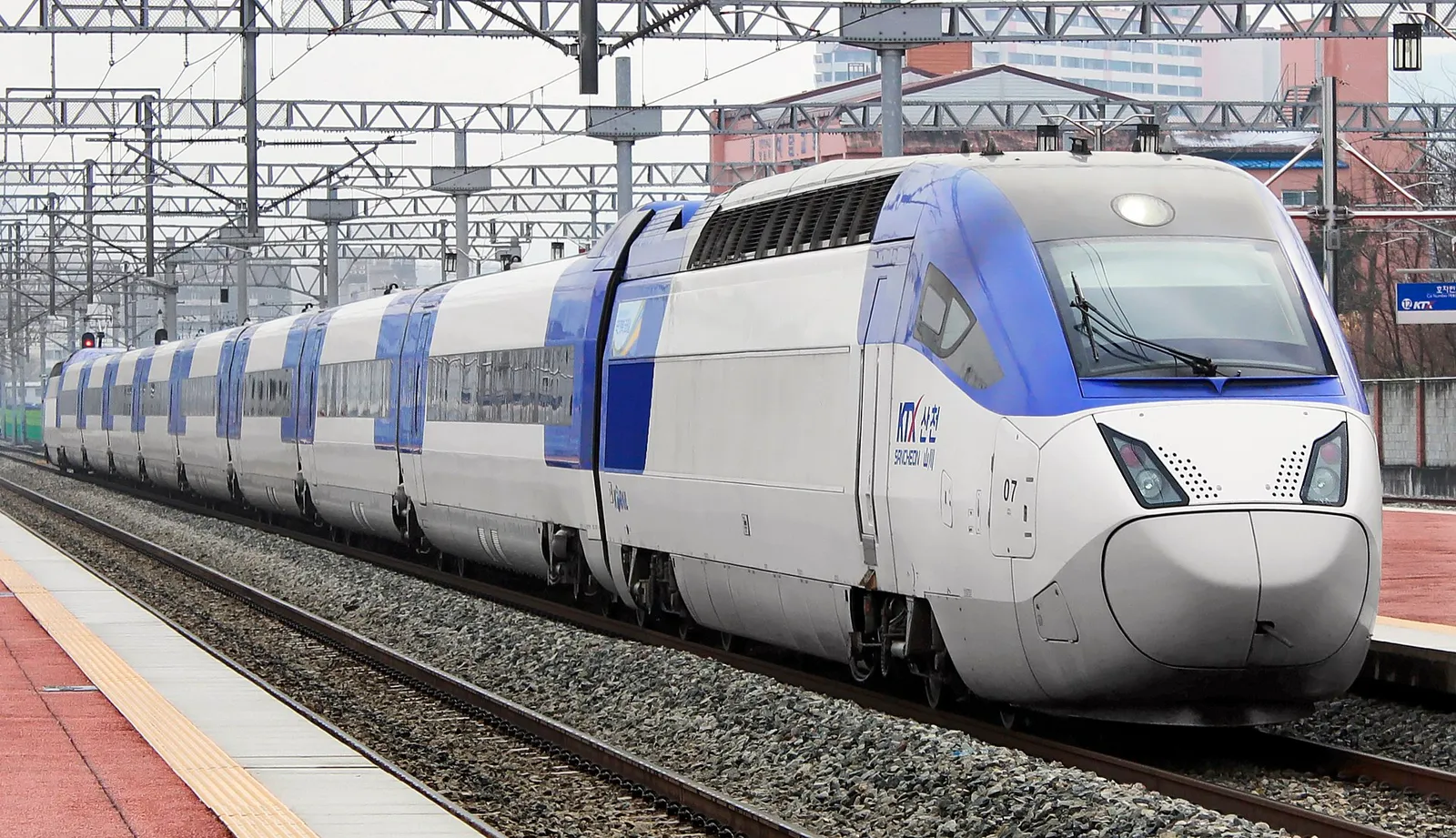
How to get around South Korea: the KTX bullet train, city subways, buses and taxis, the all-in-one T-money card, domestic flights to Jeju, driving, and the map apps you actually need.
A traveller guide to Korean food: barbecue, stews and street food, the free banchan side dishes, kimchi and fermentation, what to order for beginners, drinking culture and simple table etiquette.
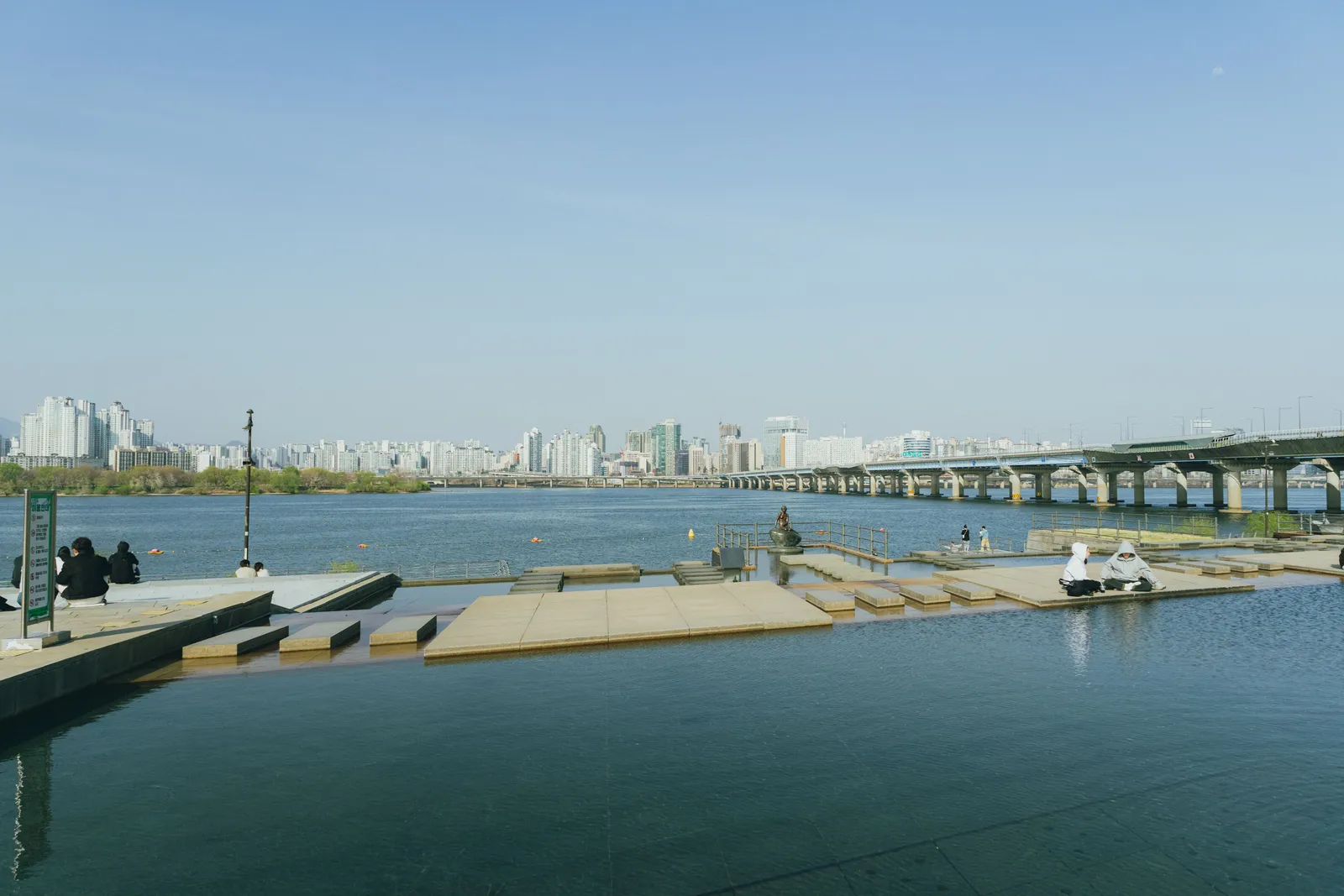
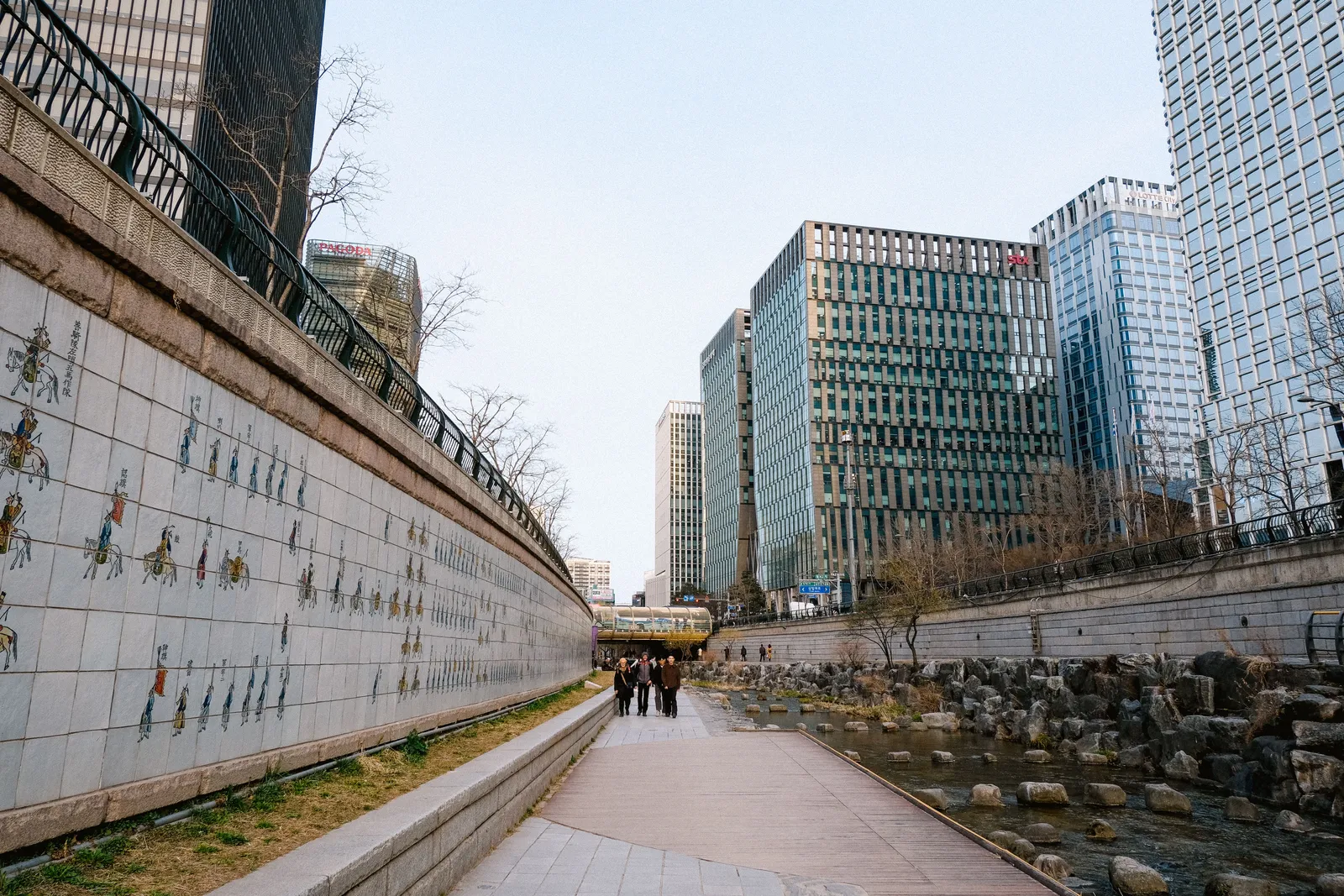
The river is Seoul's living room, used for picnics, cycling and sunset walks rather than sightseeing. Which parks suit which evening, how the convenience-store picnic actually works, and where to rent a bike.
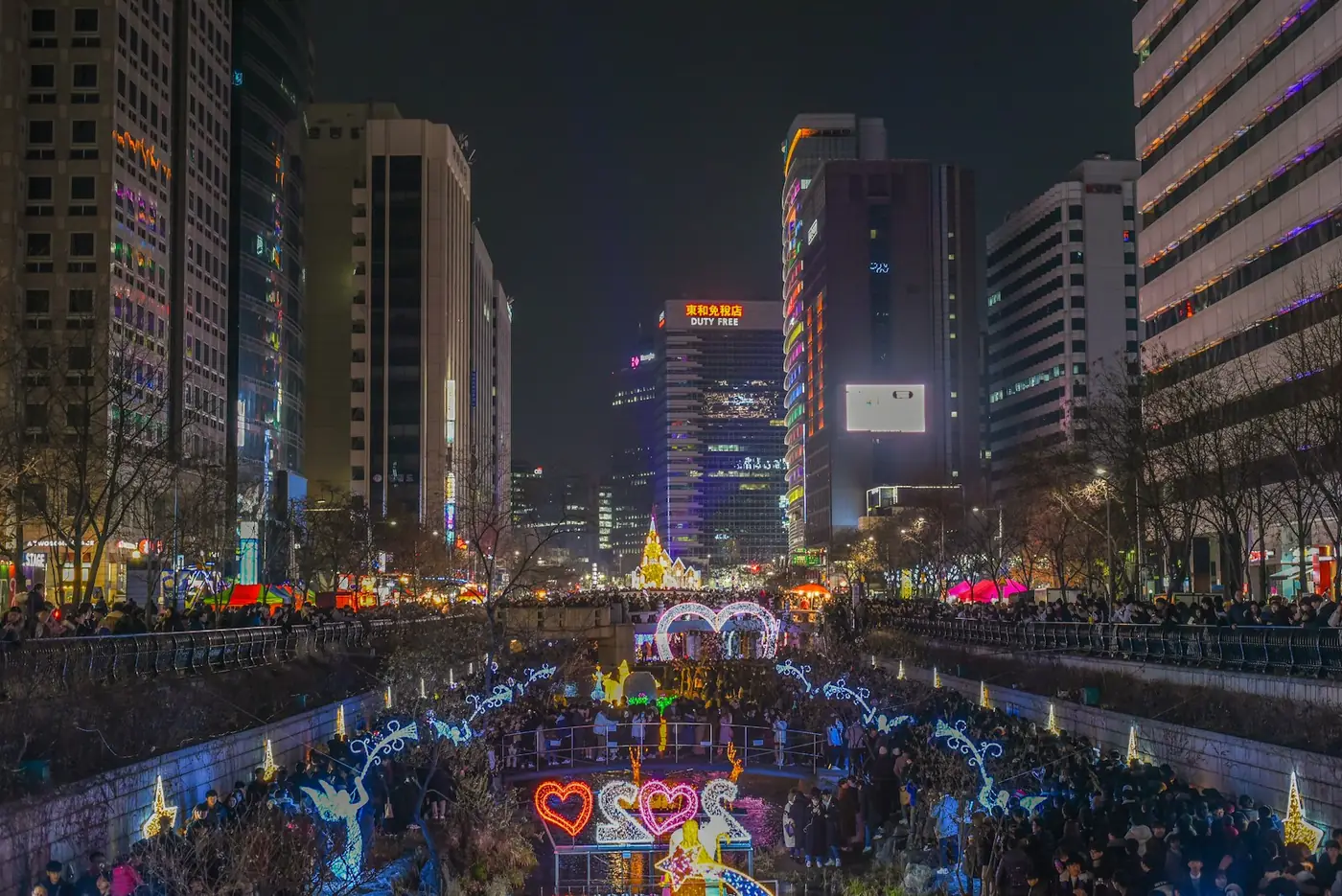
Christmas in South Korea is a public holiday built around couples more than family dinners. Where the winter lights and markets are, what to eat in the cold, and what usually happens as one year turns into the next.
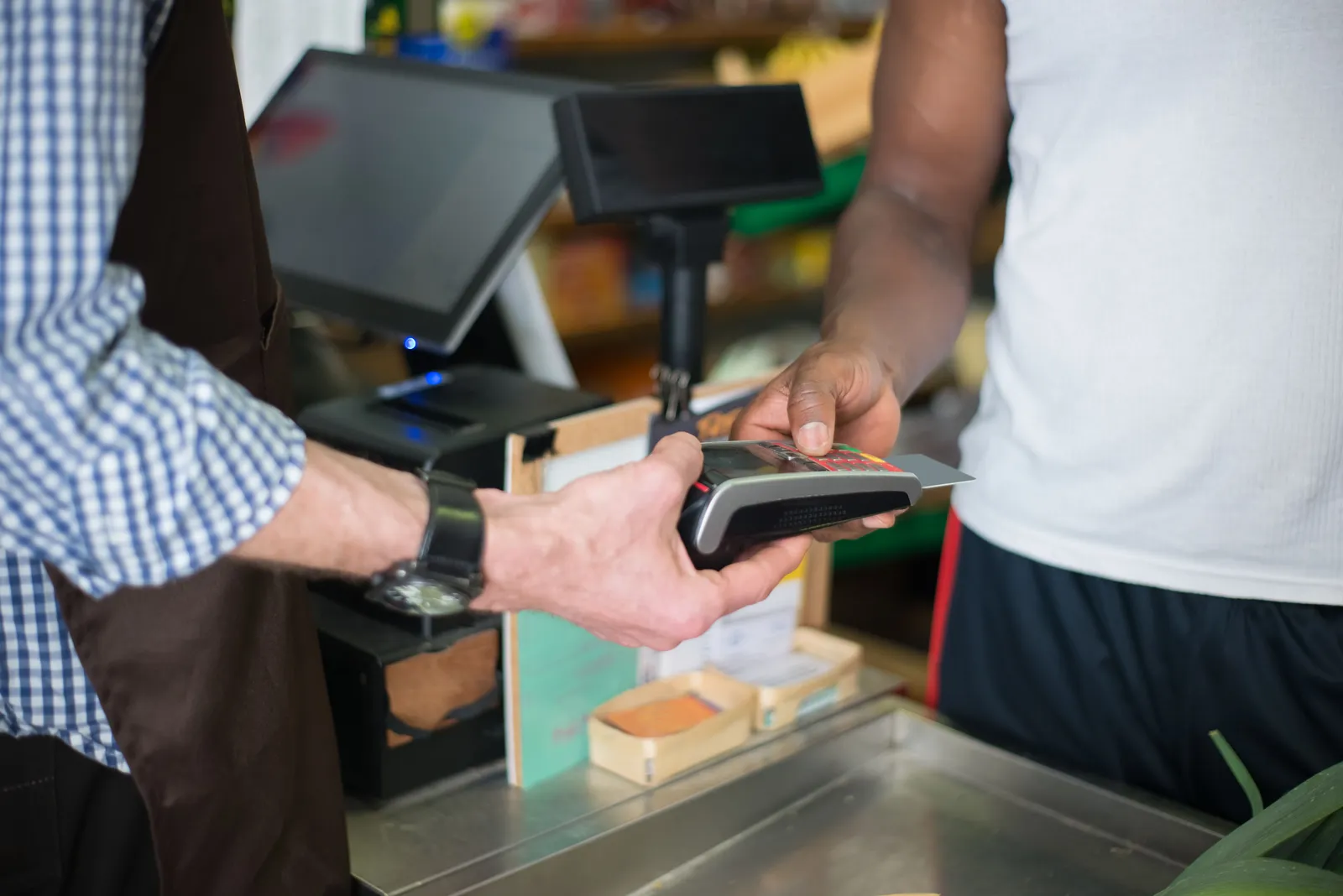
Where a foreign card works without a second thought in Korea, where it does not, which cash machines actually accept it, and why leaving a tip can cause more confusion than gratitude.
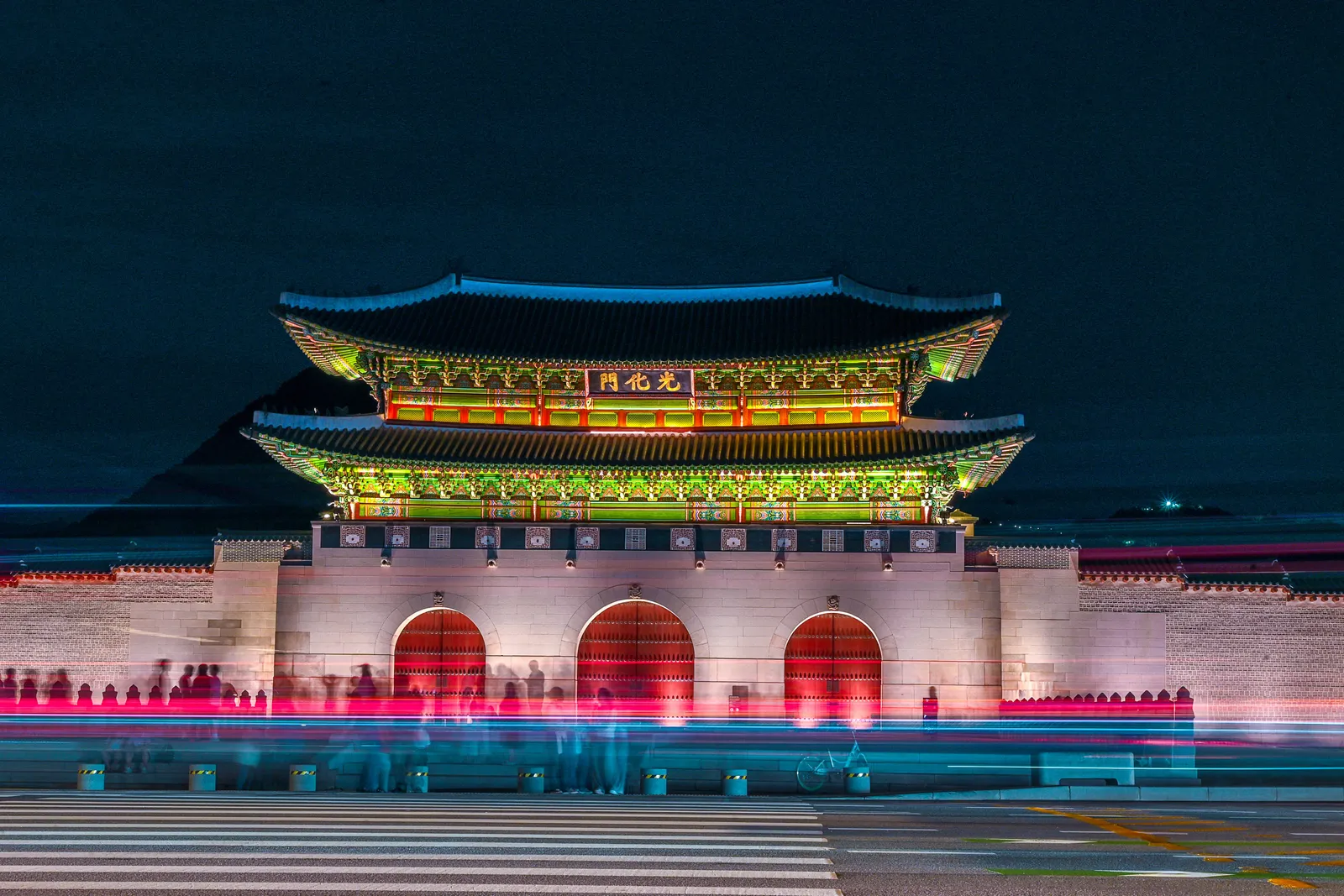
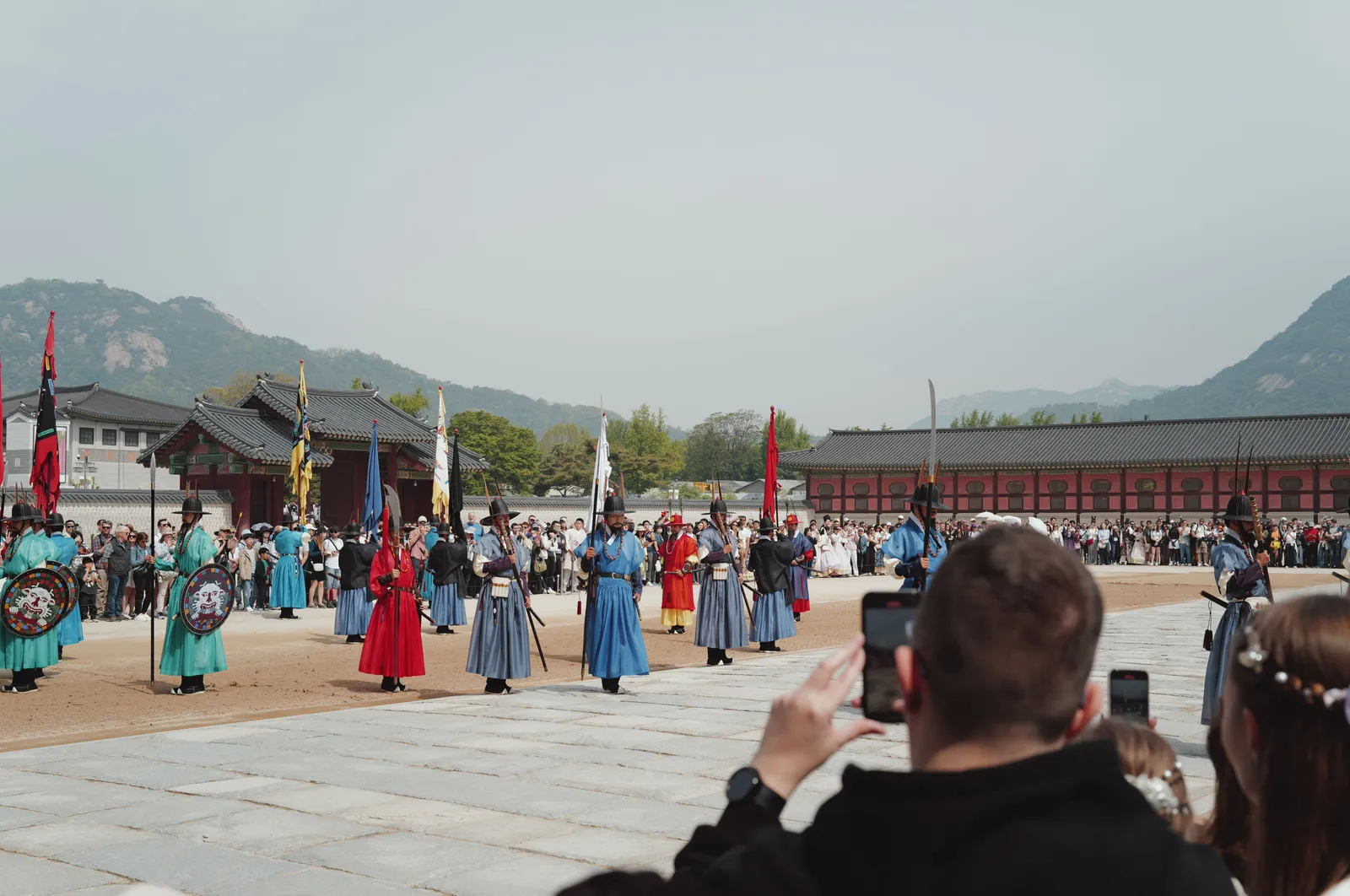
What five days in Korea actually covers: four days built around Seoul, palaces, neighbourhoods and food, one day outside the city, and what you are trading away by skipping Busan or Jeju.
Seoul reuses the same stairs, murals, bridges and cafes across dozens of dramas. Where they actually are, what looks different in person, and how to see them without a paid tour or bothering the people who live there.
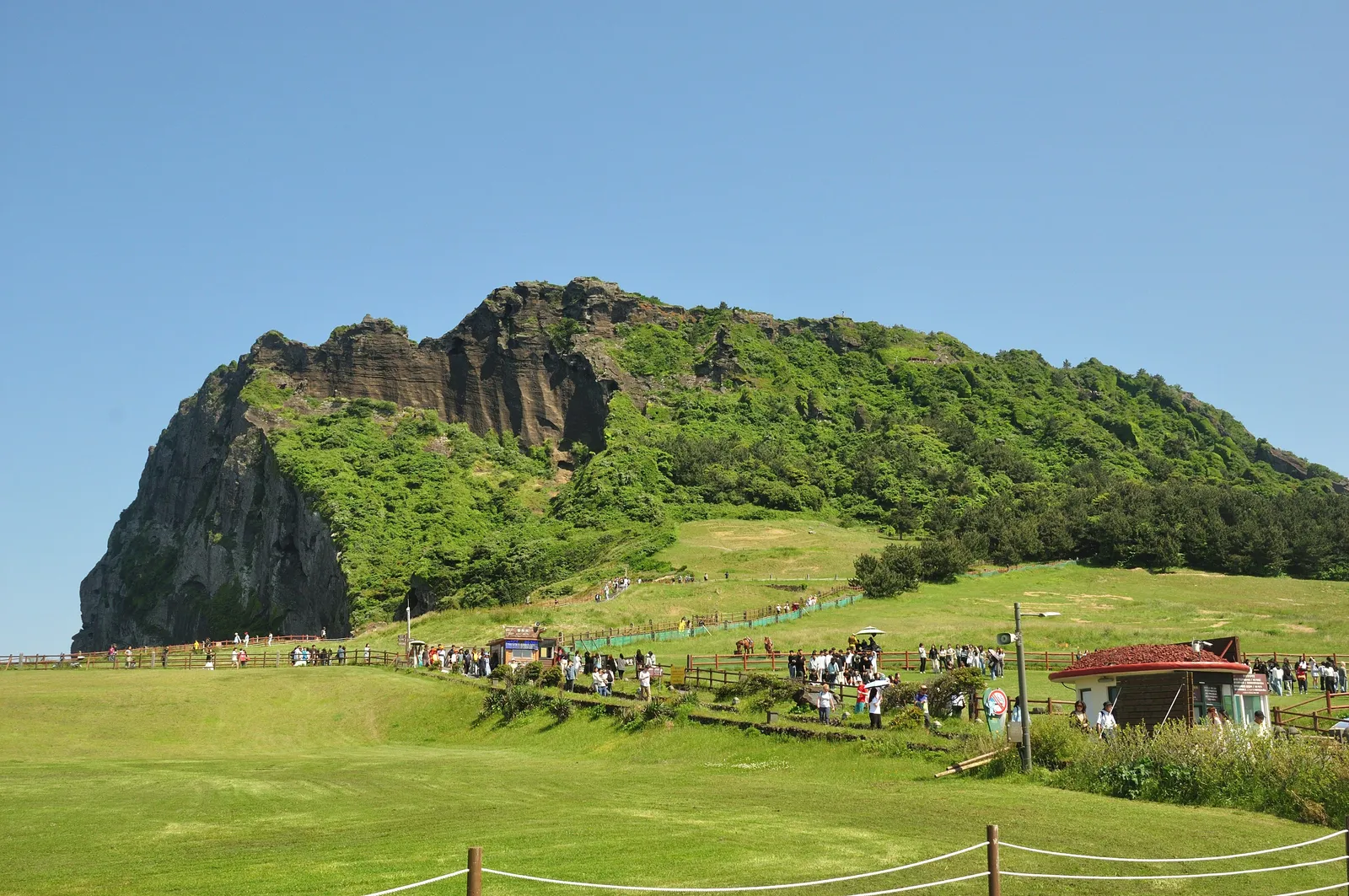
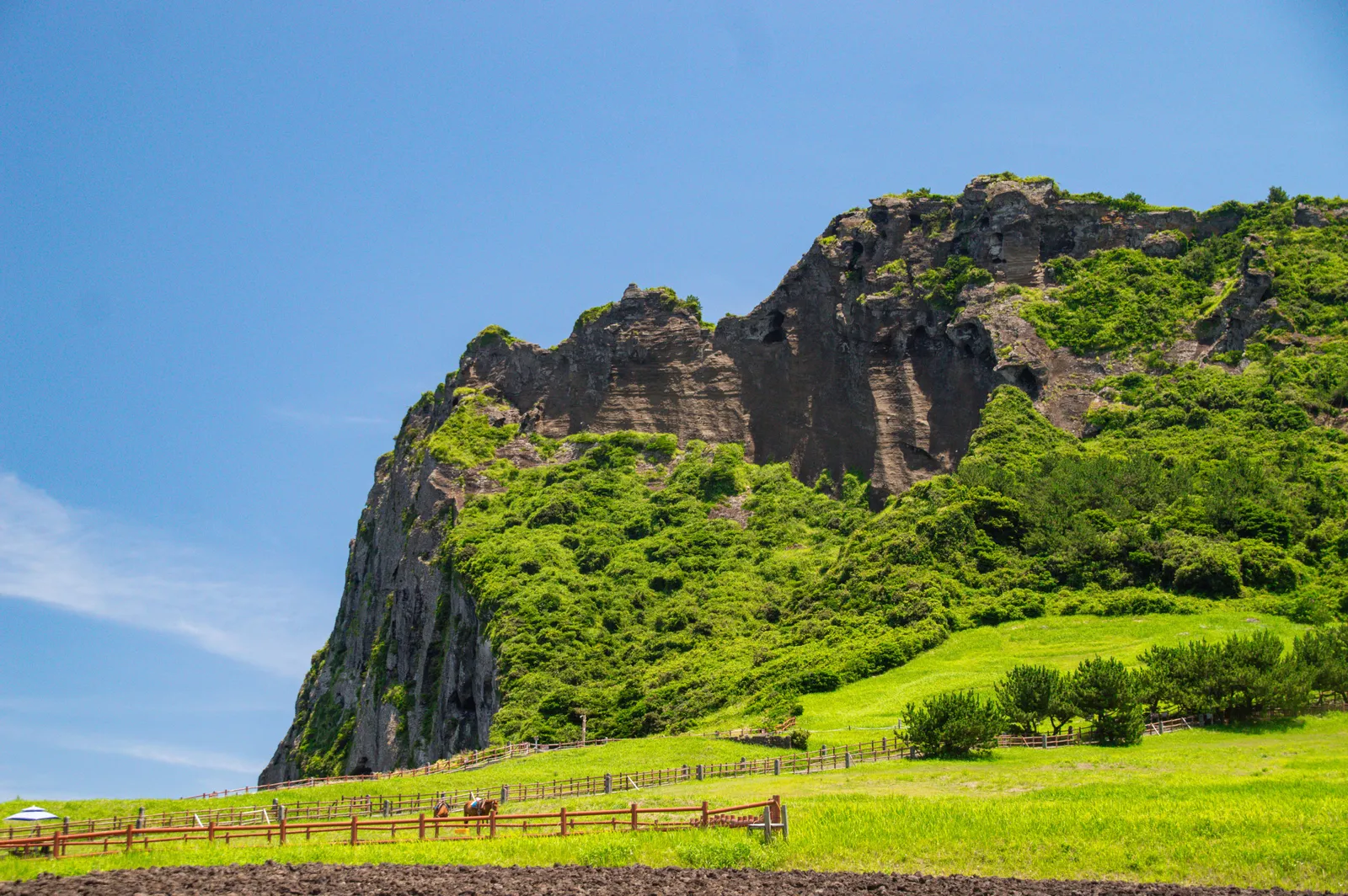
The eastern side of Jeju holds a tuff cone rising straight out of the sea and a lava tube you can walk inside. How to fit both into one day, in the right order, and what to wear underground.
Browse everything by what you are planning.
Many nationalities can visit visa-free for up to 90 days for tourism. Before you fly, check whether you need the online K-ETA travel authorisation or fall under a temporary exemption, and make sure your passport is valid. Our arrival guide has the full details.
Spring (late March to April, the cherry blossom season) and autumn (October to November, when the leaves turn) are the most beautiful and comfortable. Summer is hot and humid with a rainy season, and winter is cold but great for skiing and for fewer crowds.
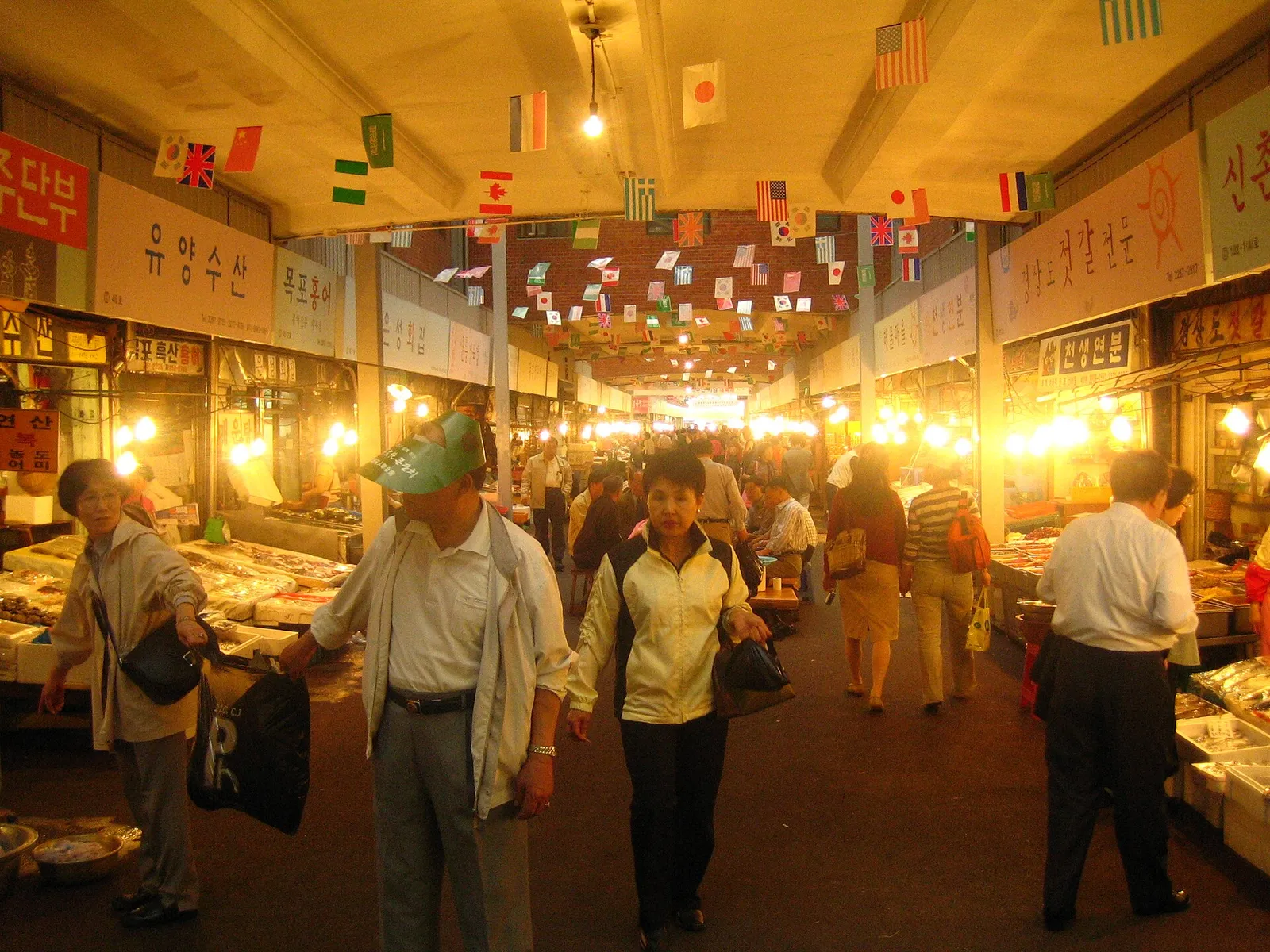
Korea is pricier than Southeast Asia but cheaper than Japan. The currency is the won (KRW) and credit cards are accepted almost everywhere. Pick up a T-money transit card for the metro and buses. A good local meal runs around 8 to 12 dollars.
Korean food is built around rice, vegetables, seaweed and grilled meat, so there is always plenty to choose from. Barbecue, bibimbap and kimchi are everywhere, side dishes come free with most meals, and vegetarians will find tofu and vegetable dishes on most menus. Our food guide breaks down what to order.
Public transport is excellent: fast KTX trains between cities, and an easy metro in Seoul and Busan with English signage. Apps like Naver Map and Kakao Metro replace Google Maps, which is limited in Korea, and an eSIM sorted in advance means navigation works from the moment you land.
New guides, itineraries and South Korea tips, straight to you, no spam.