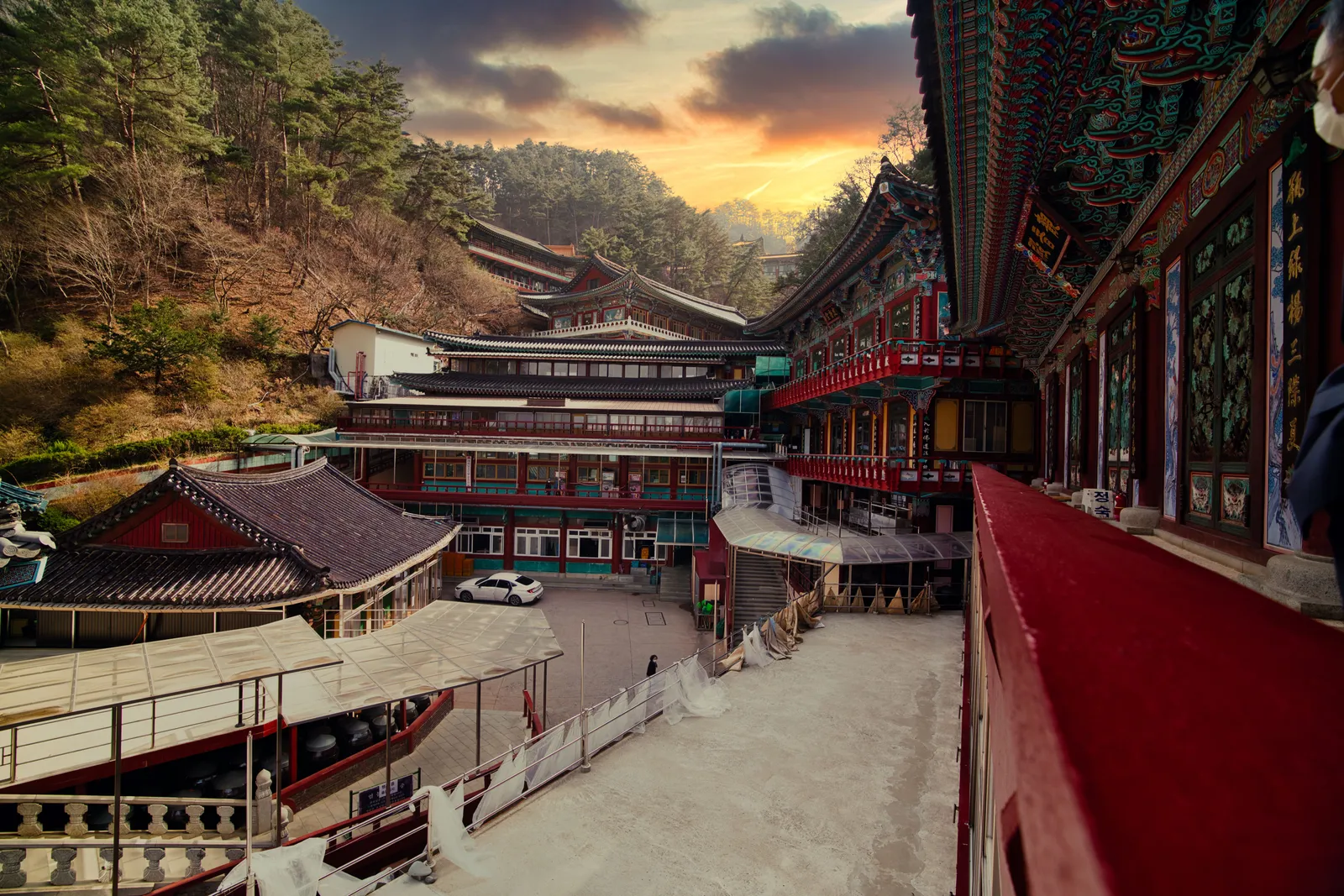
Korea has a national programme that lets anybody book a night inside a working Buddhist monastery, eat what the monks eat, and get up when they get up. It is called templestay, it is coordinated centrally rather than temple by temple, and it is one of the few genuinely unusual things a visitor can do here without any special connection or language.
The important word is working. These are not museums with a guest wing. The community lives there, keeps its own schedule, and you are fitting into it rather than the other way around.
What it actually is
A coordinated national programme, run by the cultural body of the main Korean Buddhist order, with a single official booking site listing the participating temples and what each one runs.
Mostly mountain temples, many of them inside or beside national parks, which is a large part of the appeal and the reason the journey needs planning.
One or two nights in most cases, with a set programme rather than an open-ended stay.
🔑 And a very low bar to entry. No religious background is expected, no commitment is asked for afterwards, and a large share of the people doing it alongside you will be Korean city workers looking for two days of quiet.
Two formats, and picking the right one
The structured format is the one people picture: a full programme of ceremonies, meditation, a tea conversation with a monk, and the early service. Some temples add things they are particularly known for, from lantern making to martial arts.
The rest format is closer to a retreat. You are given a room, the meal times and the freedom to walk, read and sleep, with the ceremonies optional.
⚠️ These are genuinely different products and the mismatch is the most common disappointment. Somebody hoping for silence lands in a full timetable, or somebody hoping for an immersion is handed a key and left alone.
Read the listing for the specific temple and the specific programme, not the general description of templestay, before you book.
A night, in order
Arrival in the afternoon, registration, and a change into the issued clothing. Shoes come off at every threshold, and stay off.
An orientation, covering the layout, the bowing, and what happens in the halls. This is where you are told the schedule.
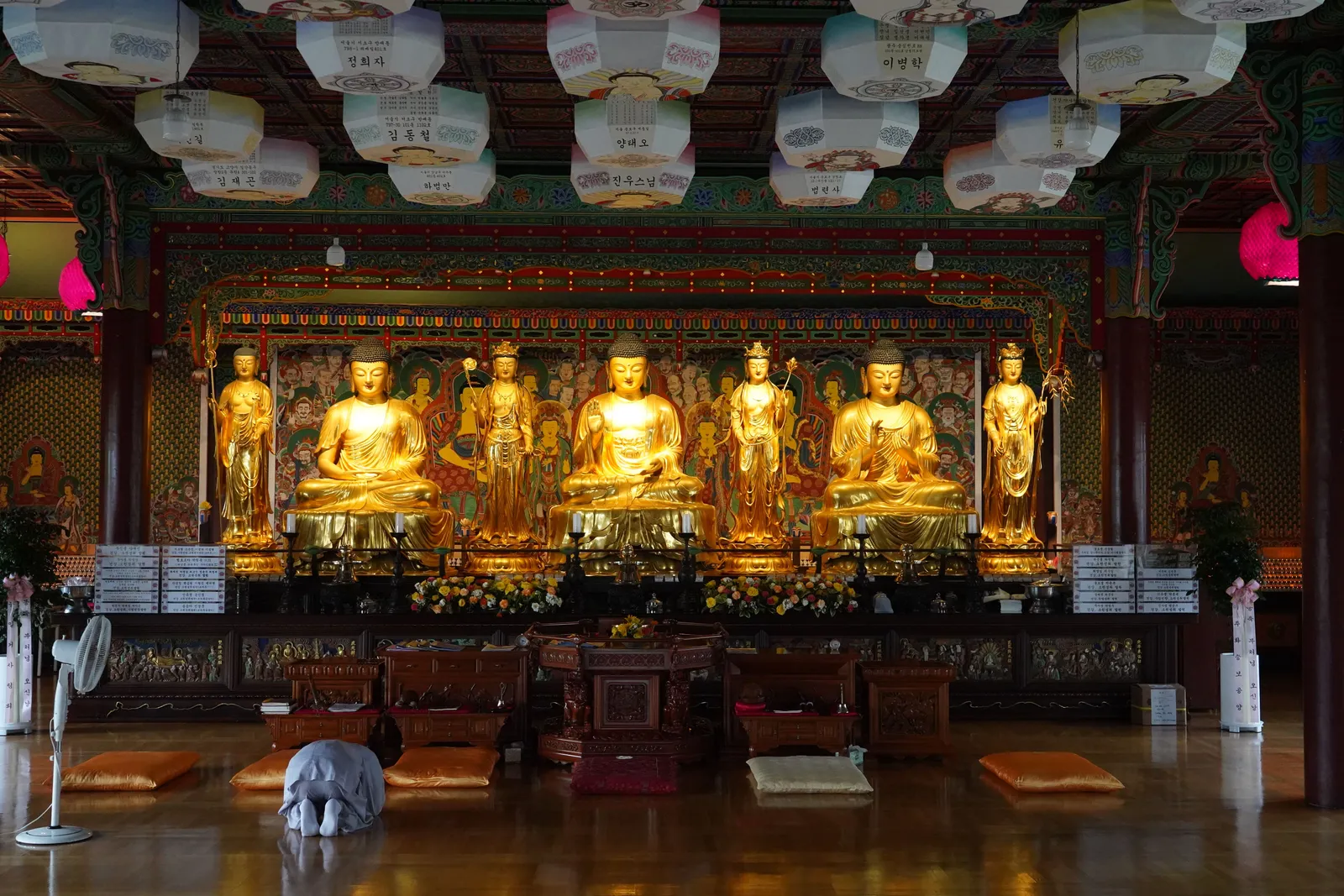
The evening service, with drumming and the great bell in the courtyard at some temples, which is the moment most guests remember.
A shared room on a heated floor, sleeping on a mat rather than a bed, usually separated by gender. Lights out is early because the morning is early.
The pre-dawn service in the dark, which anchors the whole monastic day and is optional on rest programmes.
A walk, a meal, a tea, and departure late morning.
The food, which is a highlight
Temple cuisine is vegetarian, and it goes further than that: the tradition leaves out garlic and onion as well as meat, on the grounds that they agitate the mind.
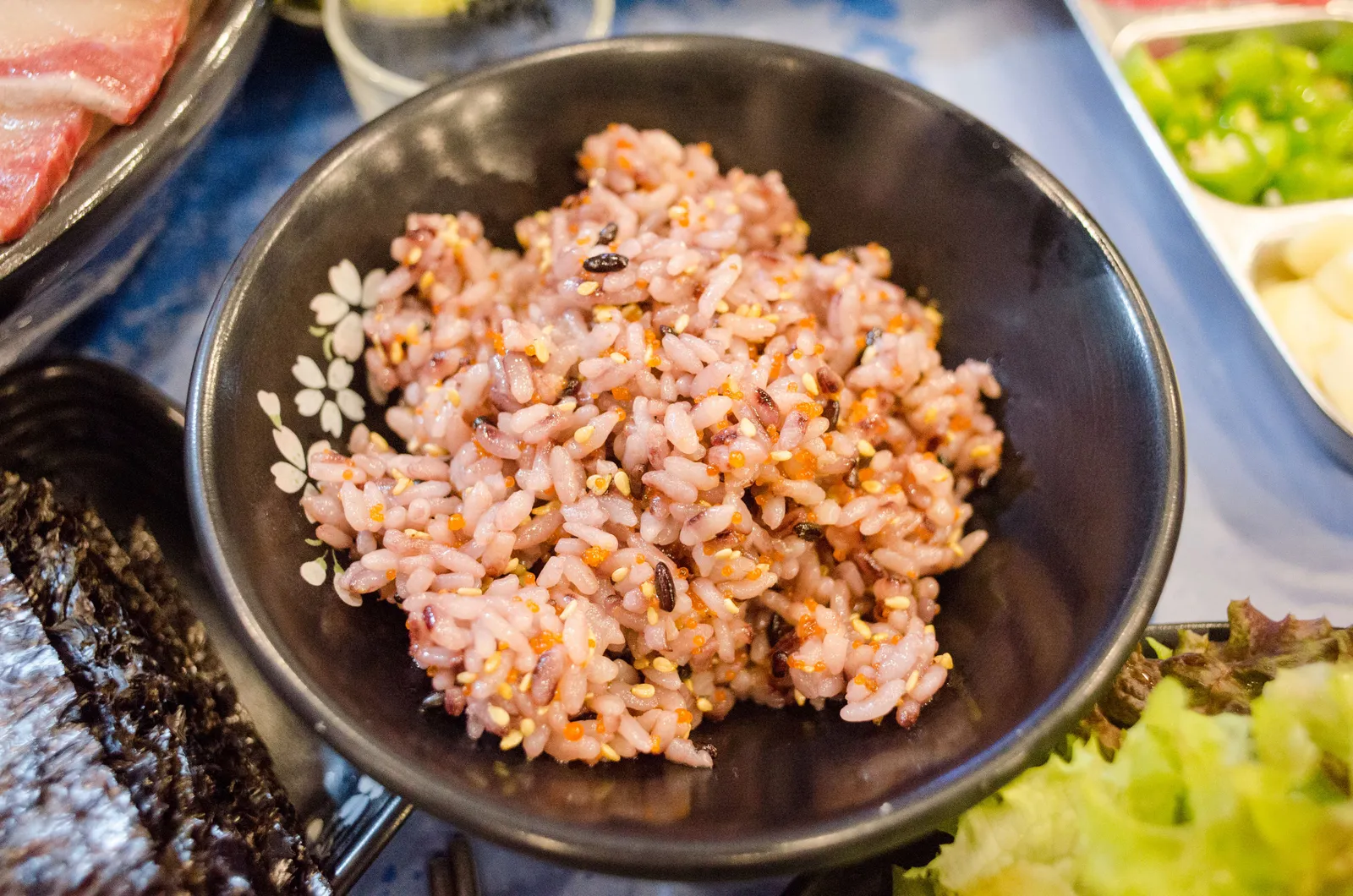
The result is cleaner and more distinct than restaurant Korean food, built on rice, soup, mountain vegetables, fermented things and kimchi made without the usual seafood.
Some temples run the formal monastic meal, barugongyang, which is a ceremony rather than a dinner. You are given a set of nested bowls, you take only what you will finish, you eat in silence, and you clean the bowls at the table with water and a piece of vegetable, then drink the water.
🔑 Nothing is thrown away, and that is the entire point of it. It is the single most memorable half hour of most templestays, and it is not a performance for guests.
What is asked of you
Quiet, particularly in the early morning and around the halls.
Shoes off, phones away, and modest clothing outside the issued uniform.
Bowing in the halls, which is demonstrated and which nobody expects you to get right on the first attempt.
No alcohol anywhere on the grounds, and no smoking outside a marked area if one exists.
Photography with permission only, and never during a ceremony unless you are told otherwise.
The underlying rules are the ordinary Korean ones, sharpened. Our guide to Korean etiquette covers the floor and shoe conventions, the bowing and the temple manners that apply here in a stricter form than they do outside.
Get to the mountain the night beforeThe last leg is a local bus or a taxi, and it is the part of this trip that goes wrongBooking, language and getting there
Book through the official programme site, which lists the temples, the formats, the dates and which programmes provide English support. That last filter matters more than the fame of the temple.
Book early for weekends and for the autumn foliage weeks, when Korean demand for a mountain temple is at its highest.
Expect a two-stage journey. Intercity bus or train to the nearest town, then a local bus or a taxi up the valley, and that final leg is where timetables get thin.
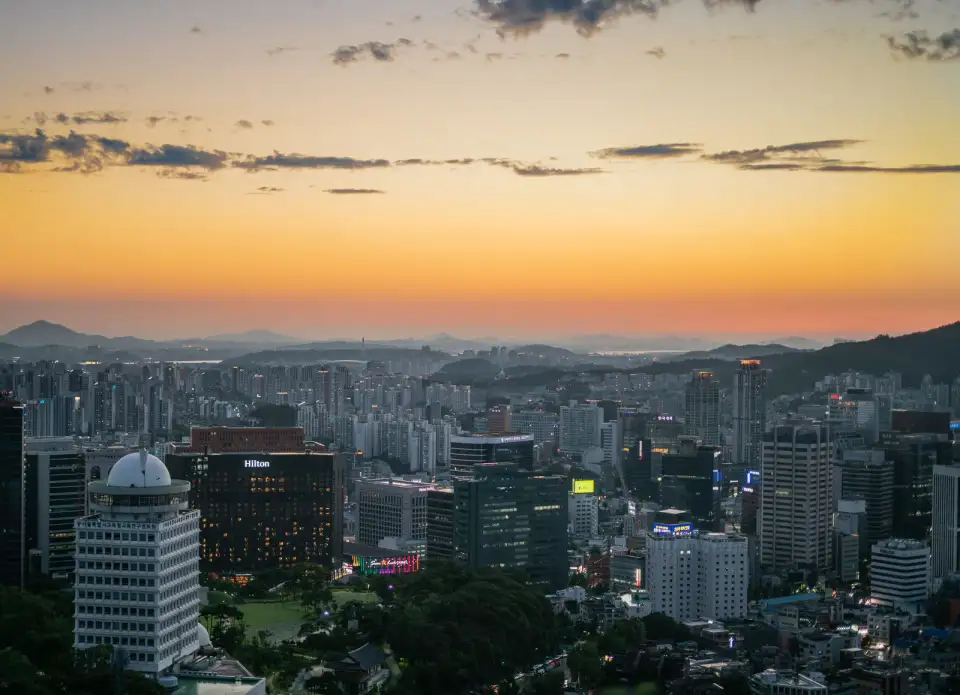
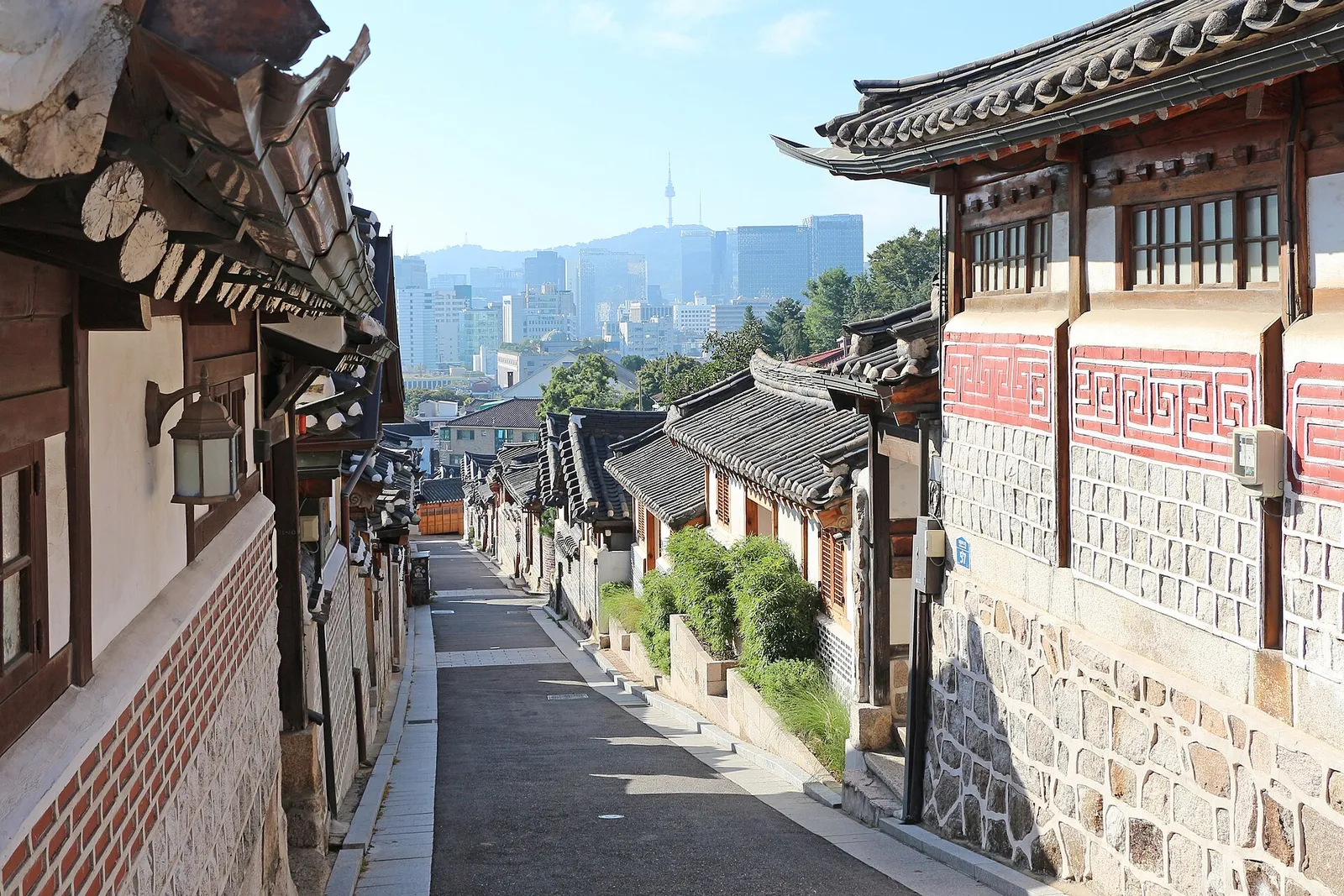
There is a Seoul option, if a travel day is not available. Jogyesa sits in the centre of the city, minutes from a subway station and the head temple of the order, with the trade-off that the city is audible. Jingwansa lies on the northwestern edge against the Bukhansan hills, which buys a genuinely quiet setting without leaving the city limits. Both are popular with international visitors and fill early.
Fees vary and change. They sit in a modest range that generally undercuts a guesthouse for the same night including meals, but check the current figure on the listing rather than trusting any number written elsewhere, including here.
If a night is too much
A day visit costs nothing but the walk in, and Korean temples are open to visitors going about their day.
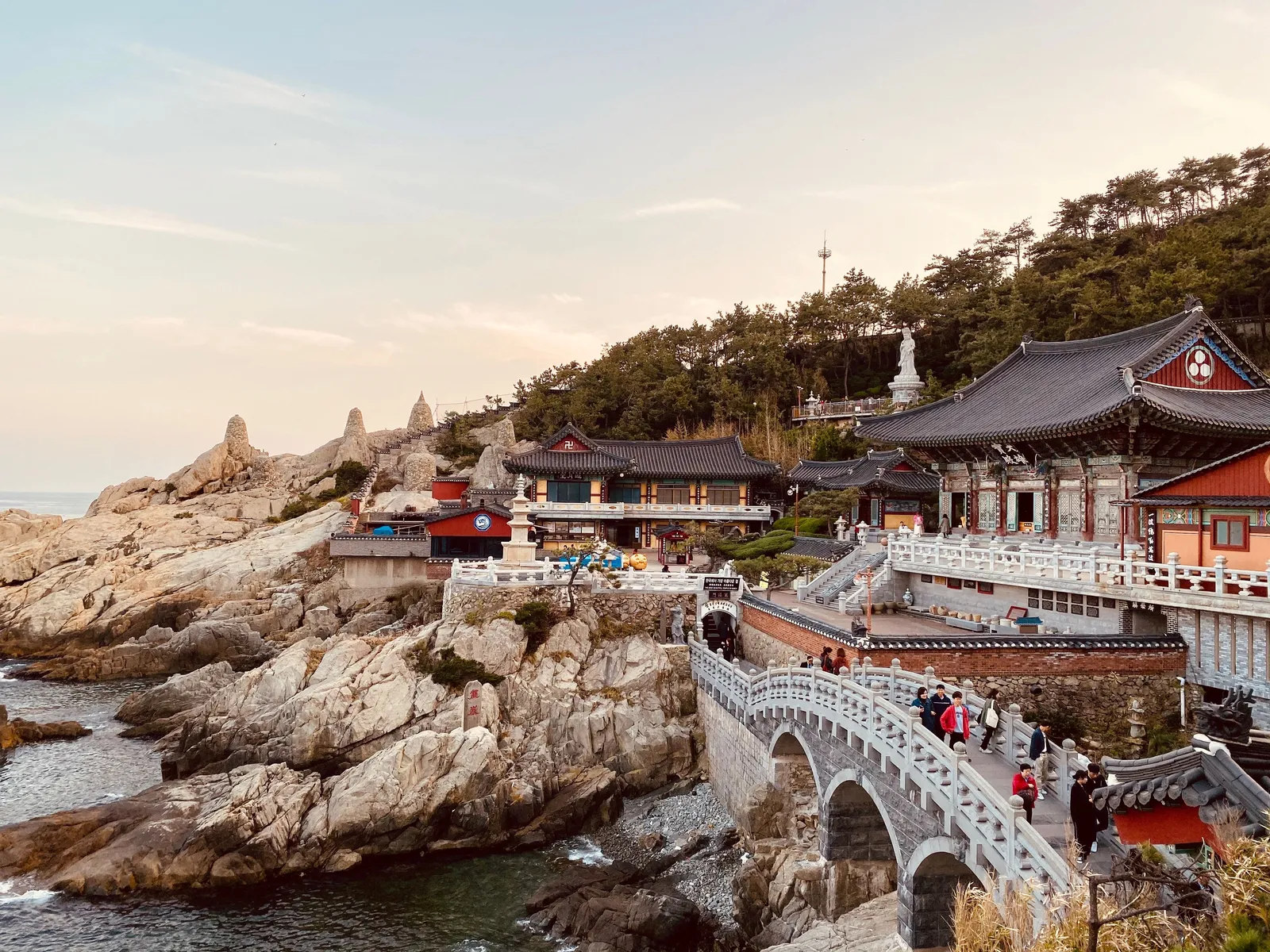
Coastal temples are a different mood entirely. Our guide to Haedong Yonggungsa covers the one built on the rocks above the sea near Busan, which is a morning rather than a night.
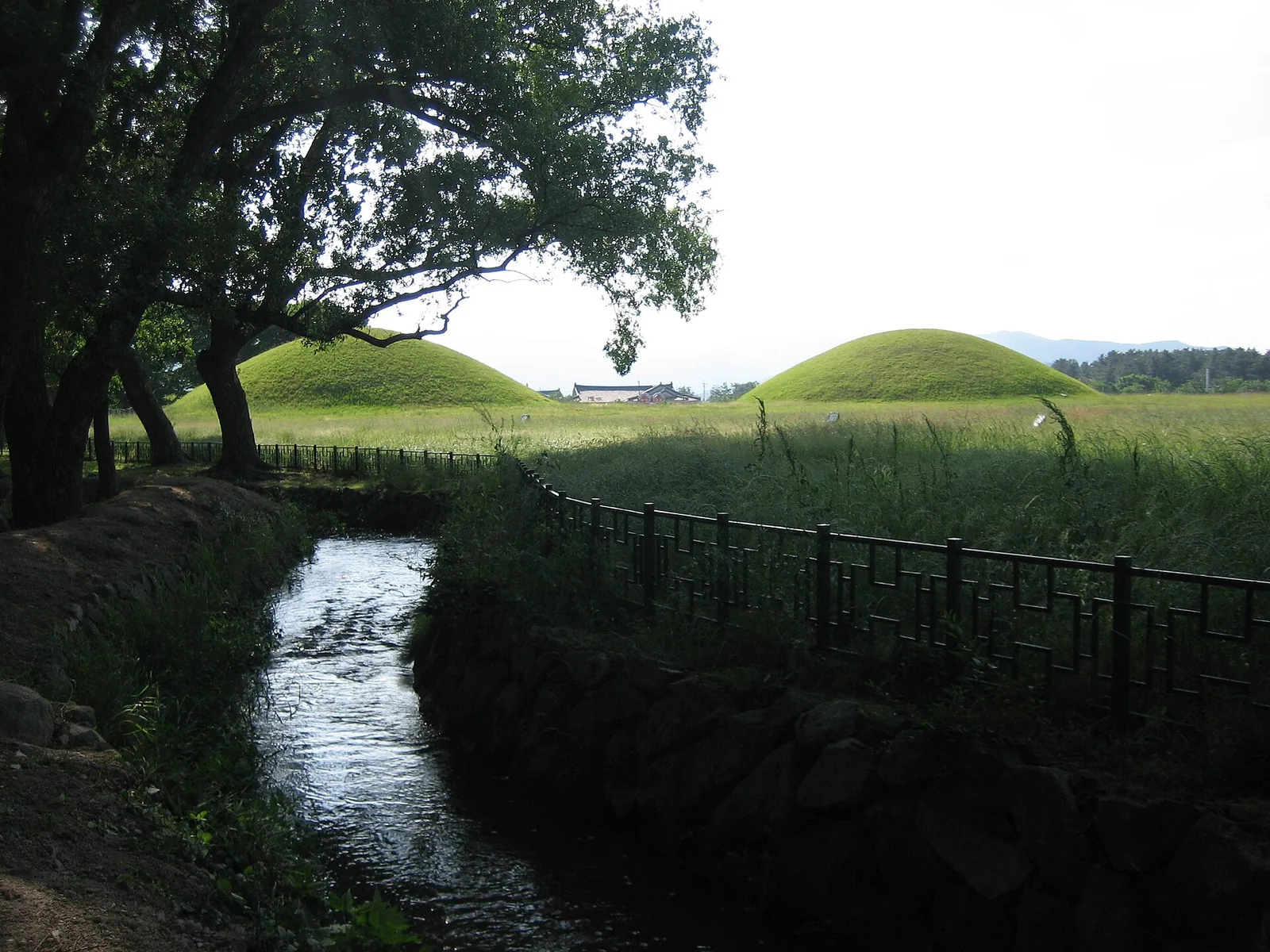
And the old Silla capital is dense with them. Our guide to seeing Gyeongju by bike covers a flat, rentable day that takes in temple sites, tombs and hillsides in one loop.
Who it suits
People who want one night that is not like the rest of the trip, and who are comfortable being told what happens next.
People who sleep badly in cities and would trade a mattress for a mountain valley with no traffic in it.
⚠️ Less so anybody on a tight itinerary. The journey out, the early night and the late-morning departure quietly consume the better part of two days, and a temple slotted into a gap is a temple you will resent.
The short version
A templestay is a night inside a functioning monastery, booked centrally, cheap, and unlike anything else on a Korean itinerary. Choose the structured format if you want ceremonies and the rest format if you want silence, book a programme that states English support, get to the nearest town the evening before, and pack almost nothing because the clothes and the bedding are provided. Say yes to the formal meal if it is offered, and give the whole thing two days rather than squeezing it into one.