There is a specific kind of disappointment that comes from travelling across the world to stand in front of a building that does not exist. KPop Demon Hunters has produced more of it than most, because almost every guide to its Seoul locations makes the same mistake in the first sentence: it calls them filming locations.
Nothing was filmed here, and that is the useful part
The film is animation. There was no shoot, no camera, no crew standing on a Seoul pavement at four in the morning waiting for the light. What exists instead is a set of backgrounds built by artists who worked from real reference and then did what animators do, which is to move things closer together, raise a horizon, delete a car park and invent a stadium.
That distinction is not pedantry, it is the whole planning problem. A live-action location is a place you can stand in. An animated reference is a place that may be faithful, may be two places blended into one, or may have supplied nothing more than a roofline. Sorting them into those three groups before you set out is the difference between a good day and a wasted afternoon.
It also explains why the honest version of this list is short. Our guide to Korean drama filming locations covers the places where cameras genuinely rolled, and some of them overlap with this list geographically without overlapping at all in kind.
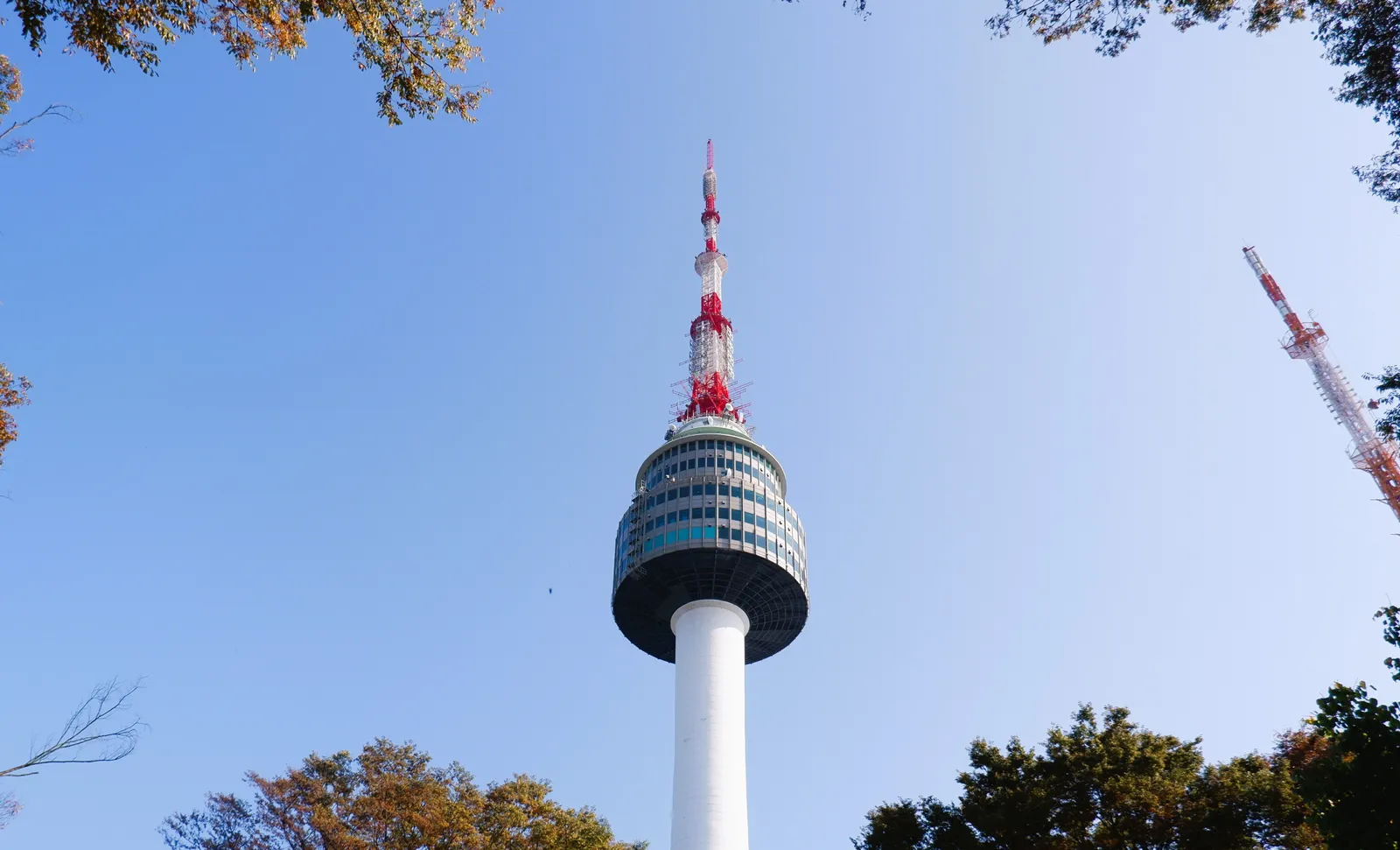
Namsan and N Seoul Tower: a real hill under an invented stadium
Namsan is the wooded hill in the middle of Seoul, and the tower on its summit is the most recognisable object on the skyline. Both are rendered closely enough that the silhouette reads instantly, and the sense of the city opening out below the terraces is accurate.
The stadium beneath it is not real. The venue staged on the hillside for the finale does not exist and has no real-world counterpart, which is worth saying plainly because it is the thing fans most often go looking for. There is no arena on Namsan.
What you can actually do is walk up through the woods, ride the cable car, or take the bus, and stand on the terraces where the padlock fences are. Sunset is the obvious slot and therefore the crowded one. A clear weekday morning gives you the same view, a fraction of the queue and better light for photographs of the tower itself.
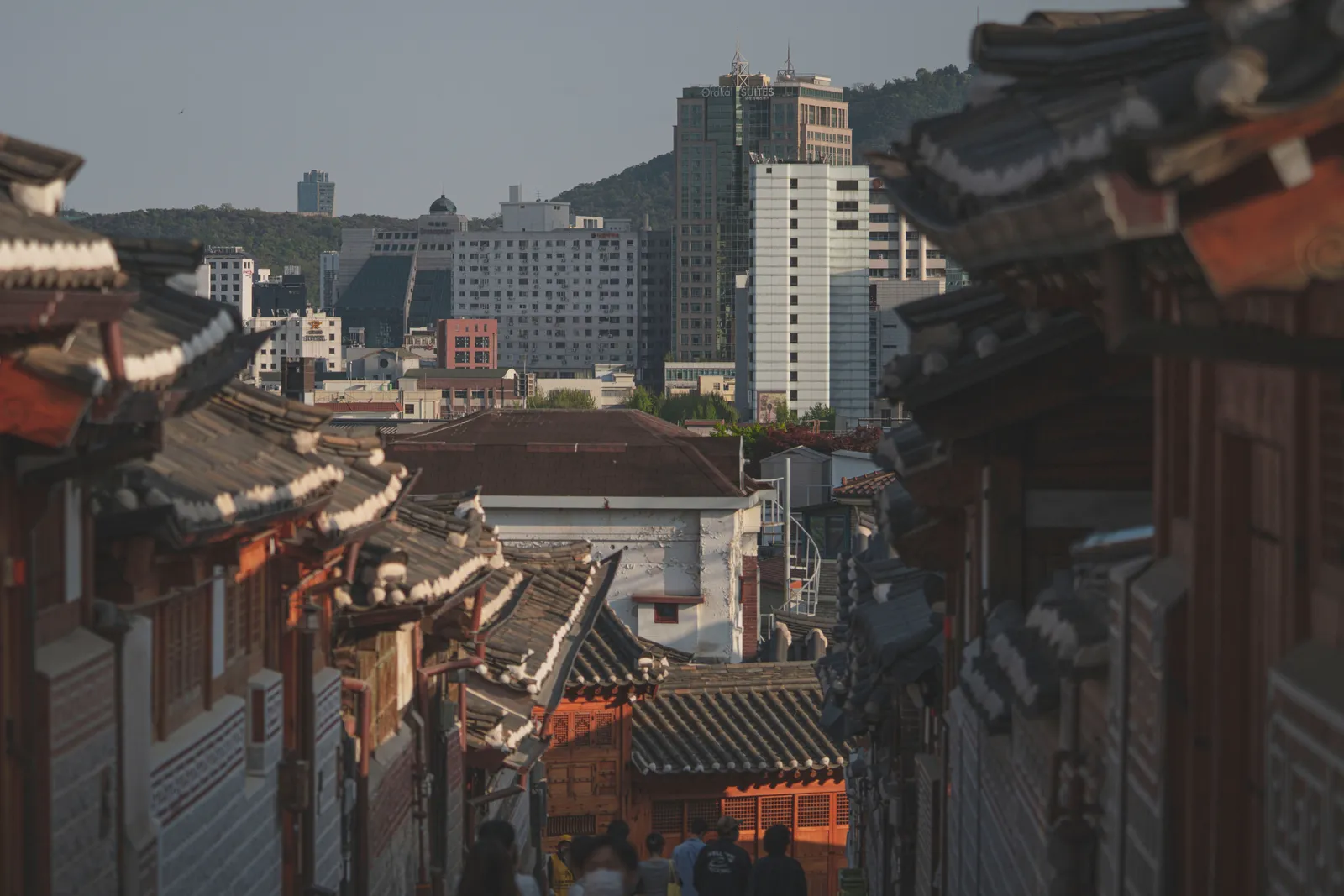
Bukchon and the Naksan wall: the two most faithful walks
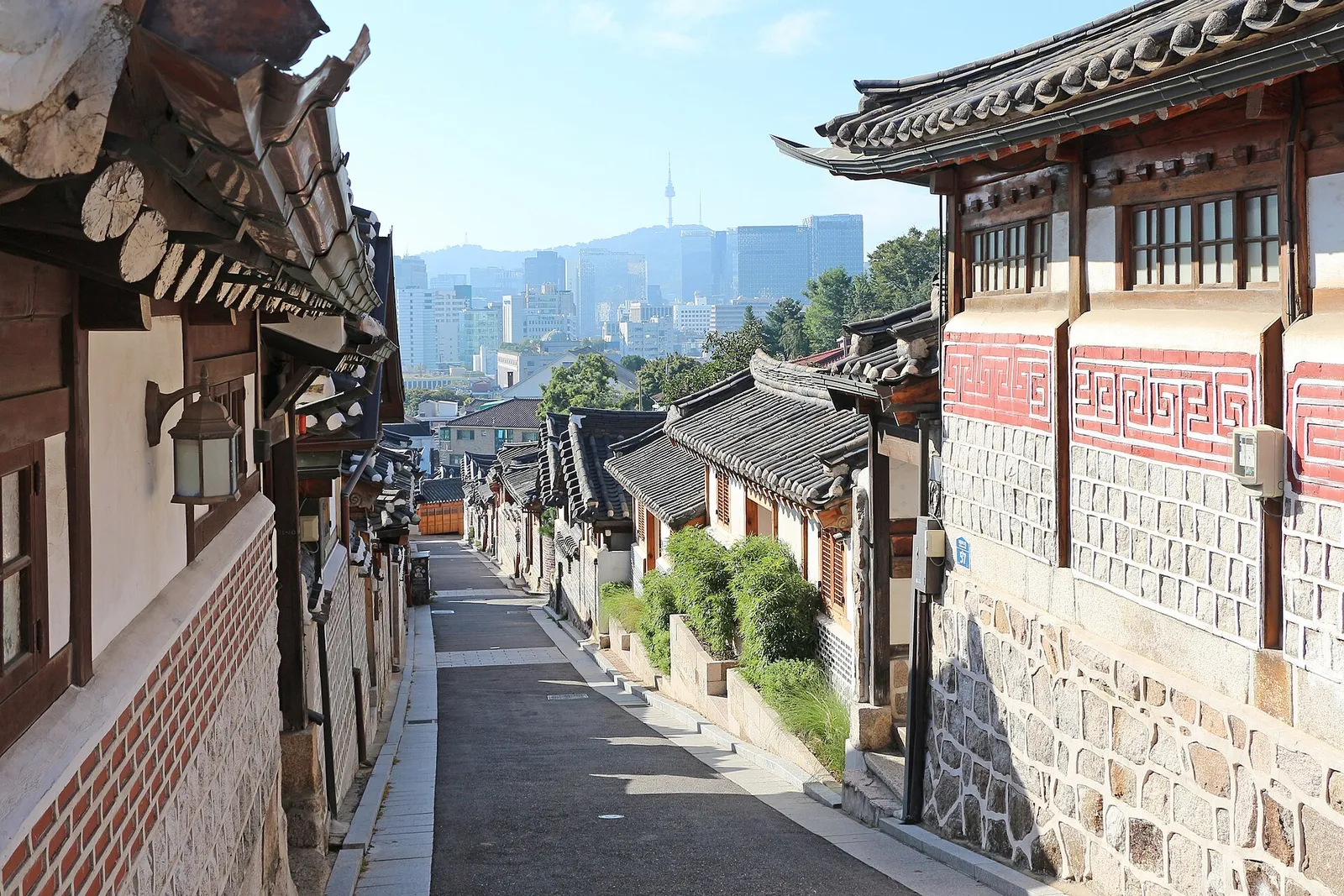
Bukchon Hanok Village is among the closest matches in the film. The sloping lanes, the low walls and the curved tiled roofs are drawn faithfully, and arriving there feels like recognition rather than approximation. What the animation leaves out is that Bukchon is several hundred private homes rather than a heritage park. Its most photographed lane is a restricted zone open to tourist visits during posted hours only, and walking in outside them can attract a fine. The signs at the entrances set the hours and the boundaries, and both are subject to change.
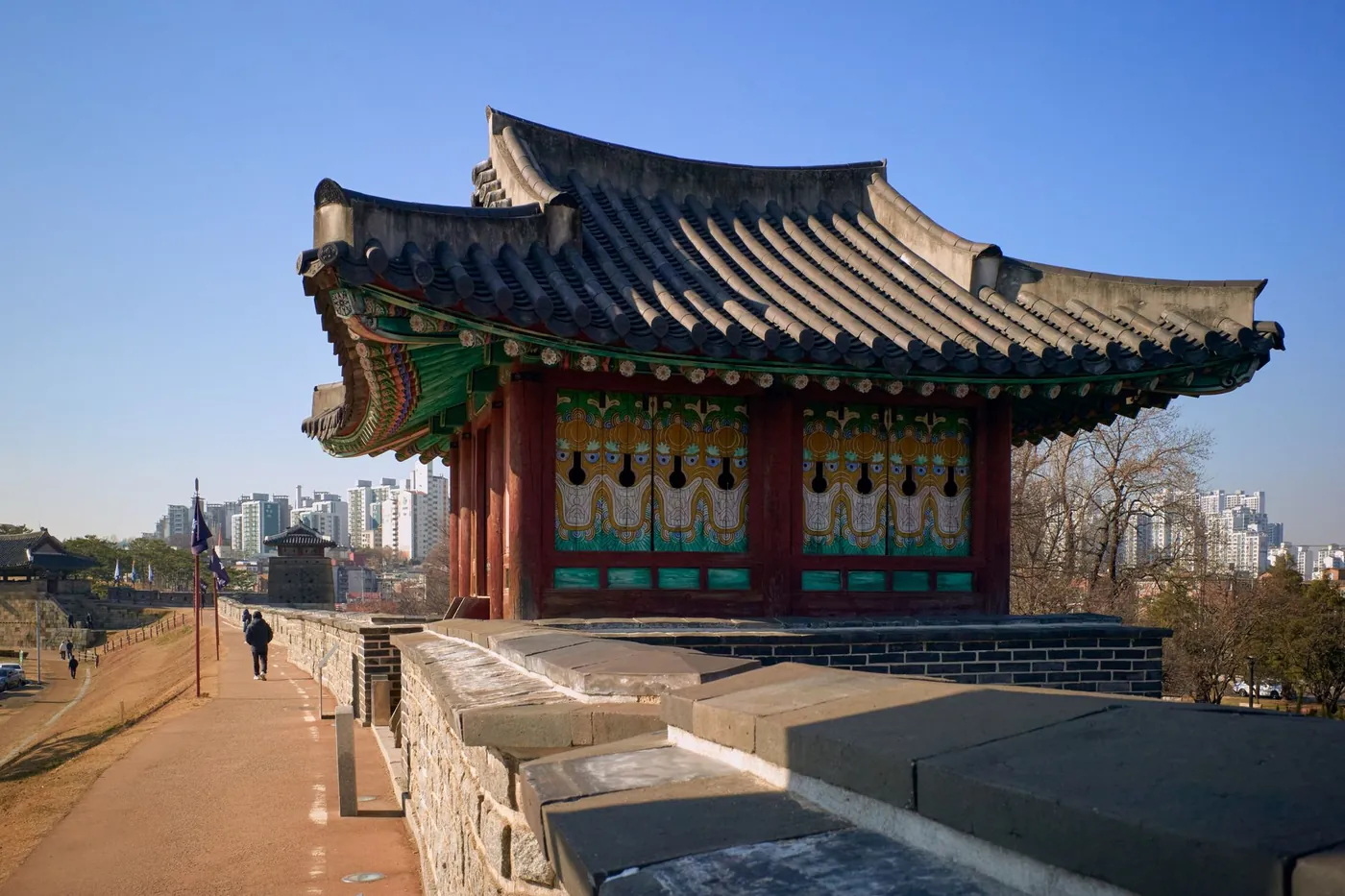
Naksan Park and its fortress wall is the quieter and, for a fan, probably the more rewarding of the two. The path runs alongside a surviving stretch of the Joseon-era city wall, the Hanyangdoseong, climbing a low hill on the eastern side of the old city with the whole of Seoul stacked up behind it. The walking scenes set against a long stone wall on a slope are unmistakable once you are on it. It is free, open, and reachable on foot from Hyehwa station.
A guided walk is worth it for the fortress wallA local guide fills in the history the animation leaves out, and handles the route between sitesCOEX K-Pop Square and Myeongdong: real places, rebuilt scenes
K-Pop Square at COEX in Gangnam is real, and so is the enormous curved screen that wraps the corner of the building above the plaza. The screen is the draw and it runs constantly, so there is no timing to plan. What the film does is rebuild the space around it, adjusting the scale and the crowd to suit a scene, which means you will recognise the screen and not much else. Ten minutes if you are already in Gangnam, rather than a special trip.
Myeongdong is treated even more loosely. The film gives you the idea of a dense, lit, sign-heavy shopping street rather than a block you could navigate. That is a fair impression of Myeongdong and a poor map of it. Go because it is a good street food and cosmetics street in its own right, which our guide to K-pop for travellers puts in context alongside the official stores and the Hongdae busking scene, rather than to match a frame.
The bathhouse scenes, which are a type of place rather than an address
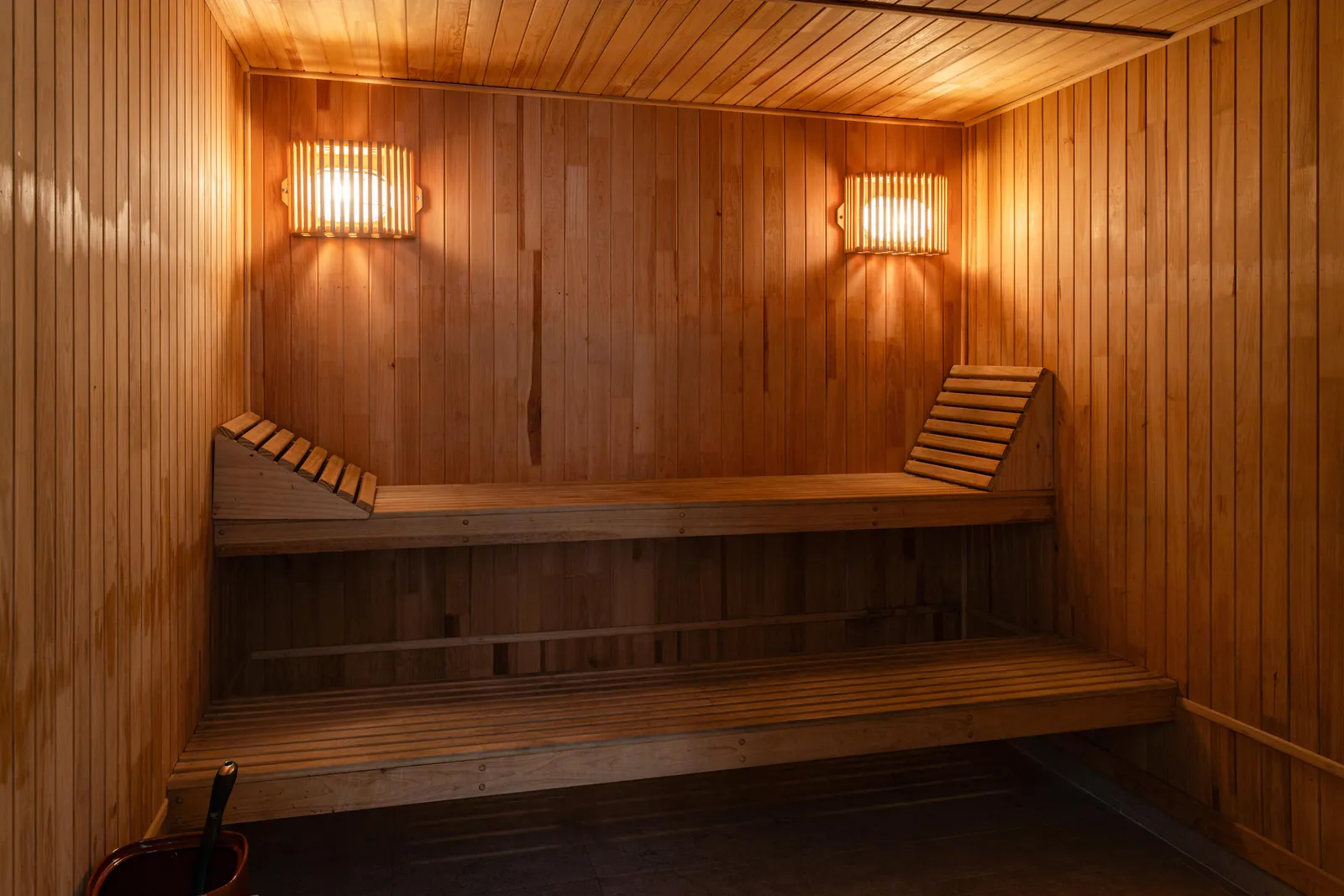
The jjimjilbang sequences are the clearest example of the third category. What is drawn is a kind of place, not a particular building: the shared hot pools, the heated rooms, the issued shorts and t-shirt, the mats on the floor and the people asleep at all hours. Korean bathhouses genuinely look and work like that, which is why the scenes land.
There is no point hunting for the specific one. Almost any decent neighbourhood jjimjilbang delivers the experience the film is drawing on, and it is an excellent thing to do on the evening of a long day of walking. Our guide to visiting a jjimjilbang covers the order of operations and the one rule that actually matters, which is showering thoroughly, seated, before touching any water.
Doing it in a day, and behaving while you do
The three places worth real time sit close enough together to link. Start at Naksan Park early, walking the wall while it is quiet and the light is low. Drop down into Bukchon once its restricted lane opens for the day, and keep to the main streets where visiting is genuinely welcome. Leave Namsan for late afternoon and stay for the lights, or reverse the whole thing to a weekday morning if you would rather have the terraces to yourself.
Two things are worth saying about conduct, because the film has sent a lot of new visitors to two residential neighbourhoods. Bukchon and the streets below Naksan are people’s homes, with front doors opening directly onto the lanes that photograph so well. Keep your voice down, stay off private steps, and do not photograph through gates or windows. Residents in this part of Seoul have pushed back before when a neighbourhood became a backdrop, and they were right to.
The rest is easy. Everything here is free, everything is reachable by metro, and none of it needs a ticket. Bring the film with you as a reason to look closely at an ordinary hillside, and leave the stadium where the animators put it.