Updated 26 October 2026
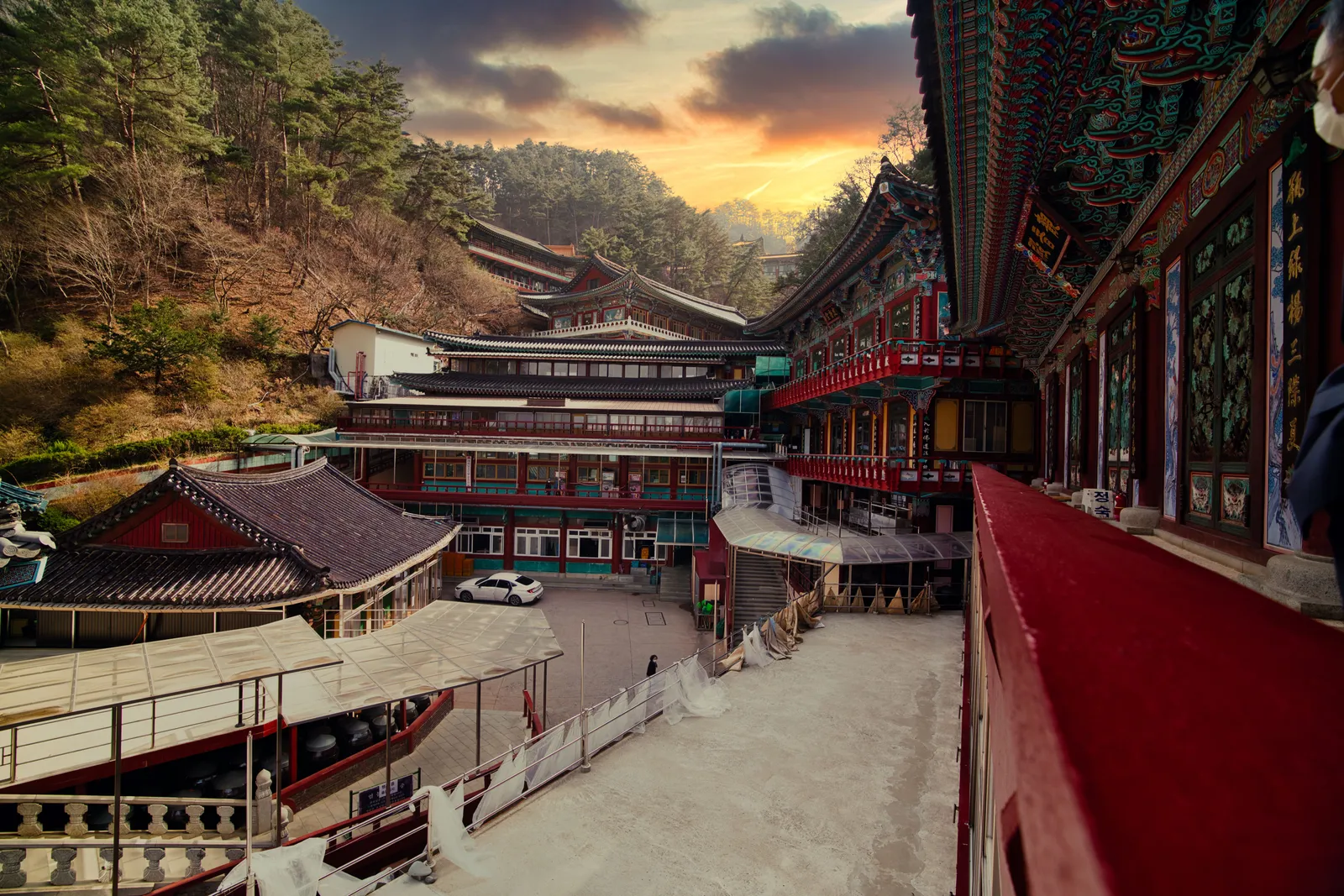
Templestay in Korea: A Night in a Working Monastery
What a Korean templestay involves: the two programme formats, the pre-dawn service, the formal monastic meal, and how to book one that runs in English.
Every guide about Culture & K-culture for a trip to South Korea, in one place.
What a Korean templestay involves: the two programme formats, the pre-dawn service, the formal monastic meal, and how to book one that runs in English.
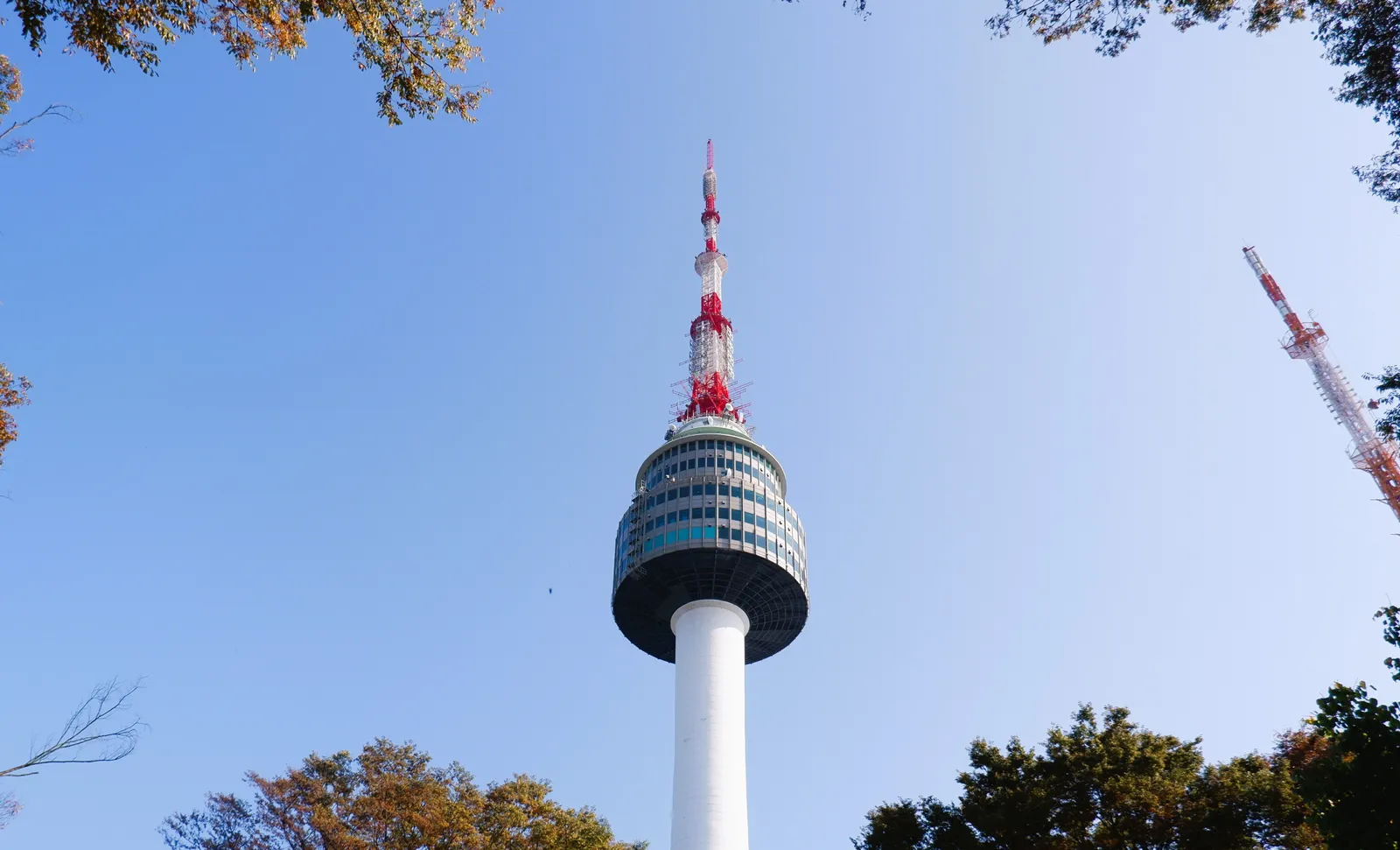
Which Seoul places in KPop Demon Hunters are drawn faithfully, which are composites, which are pure invention, and how to visit the real ones.
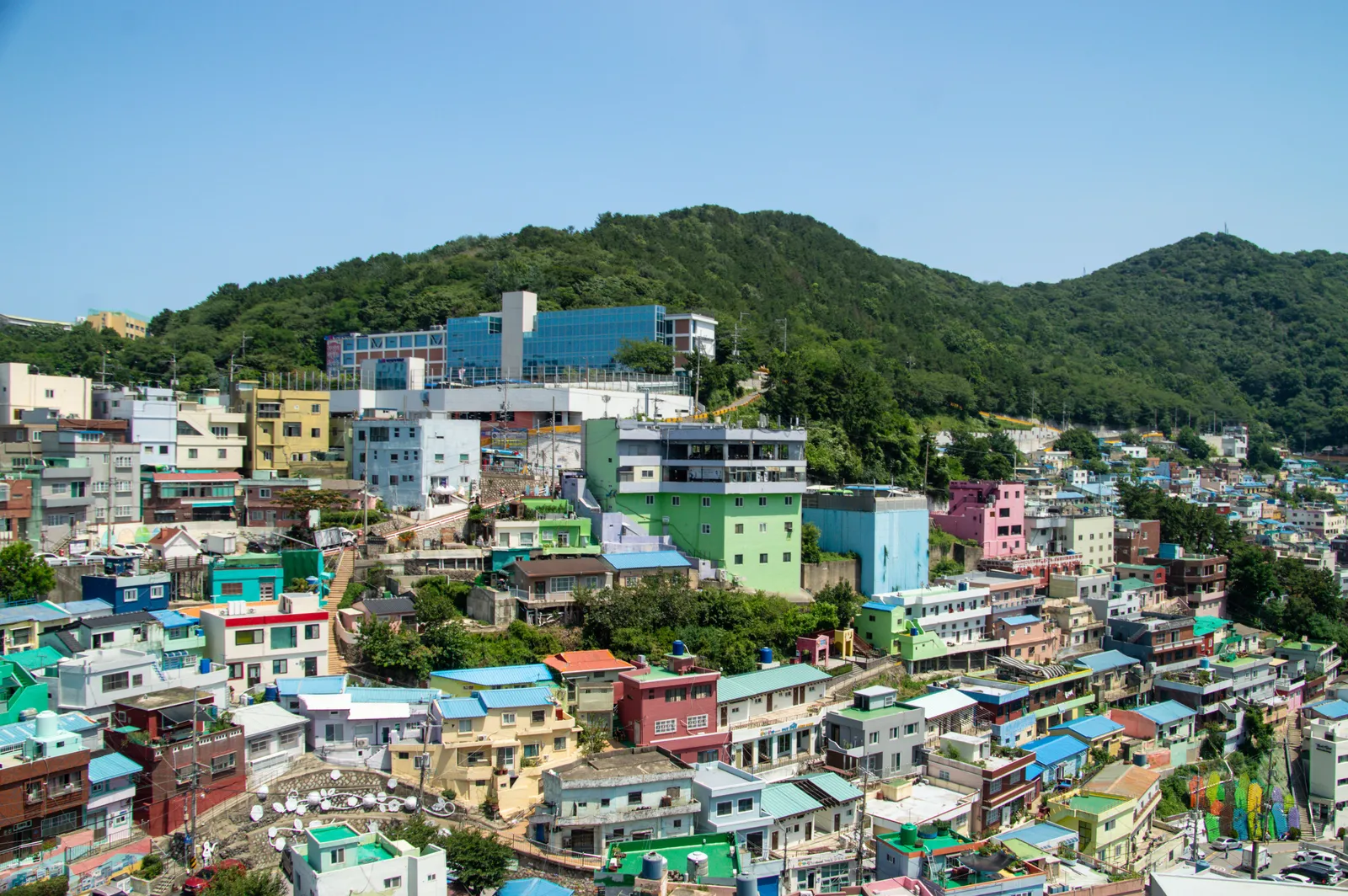
A refugee settlement on a Busan hillside, repainted by artists into one of Korea's most photographed places, with residents behind every door.
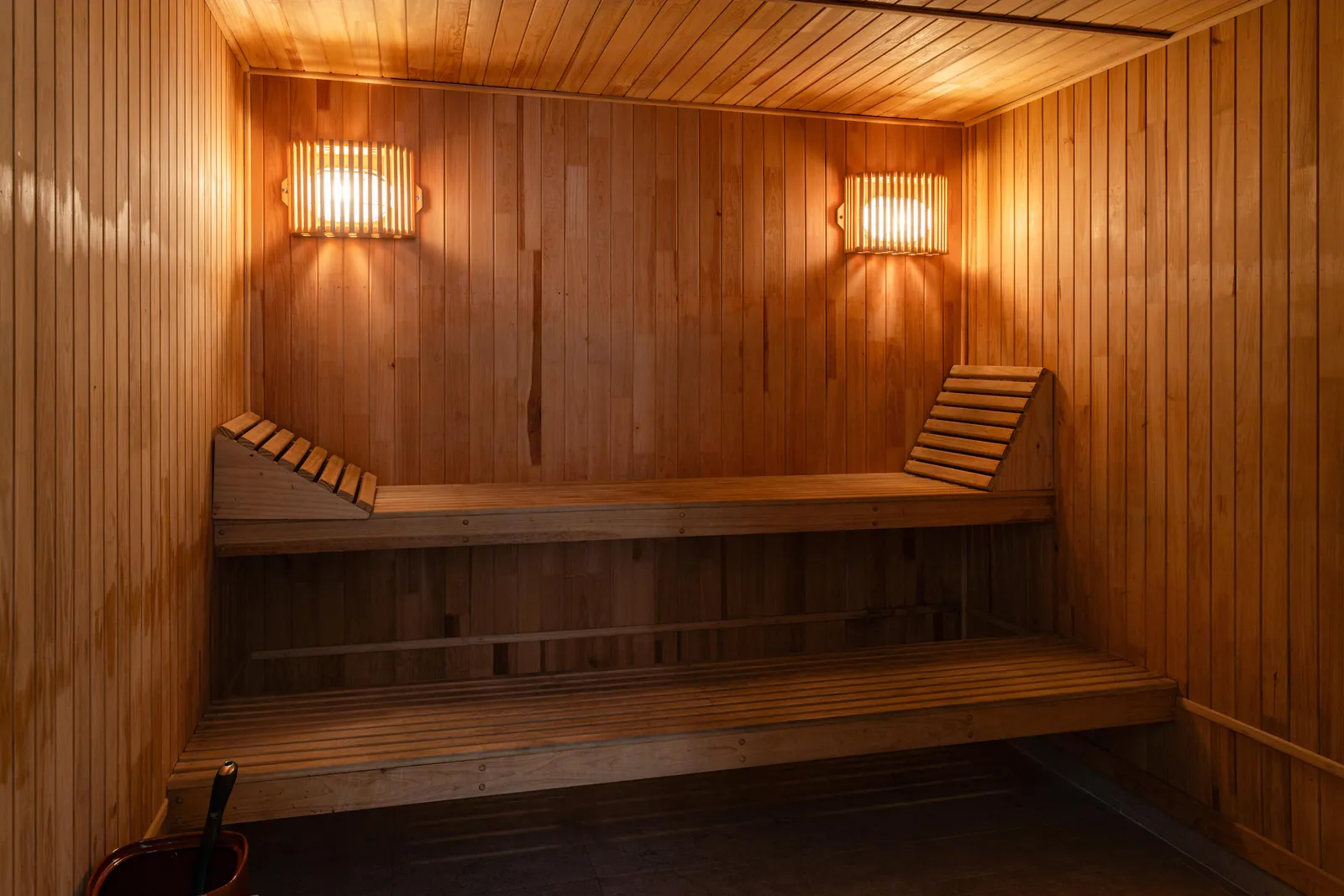
Naked bathing by gender, shared heated rooms in issued pyjamas, a snack bar, a reading room and permission to sleep there. Here is the order of operations.
The Korean manners that matter to visitors: two hands, shoes off, chopstick rules, pouring for others, quiet trains, and why nobody expects a tip.
Where Seoul's drama stairs, murals, bridges and cafes are, what looks different in person, and how to visit without a paid tour or bothering residents.
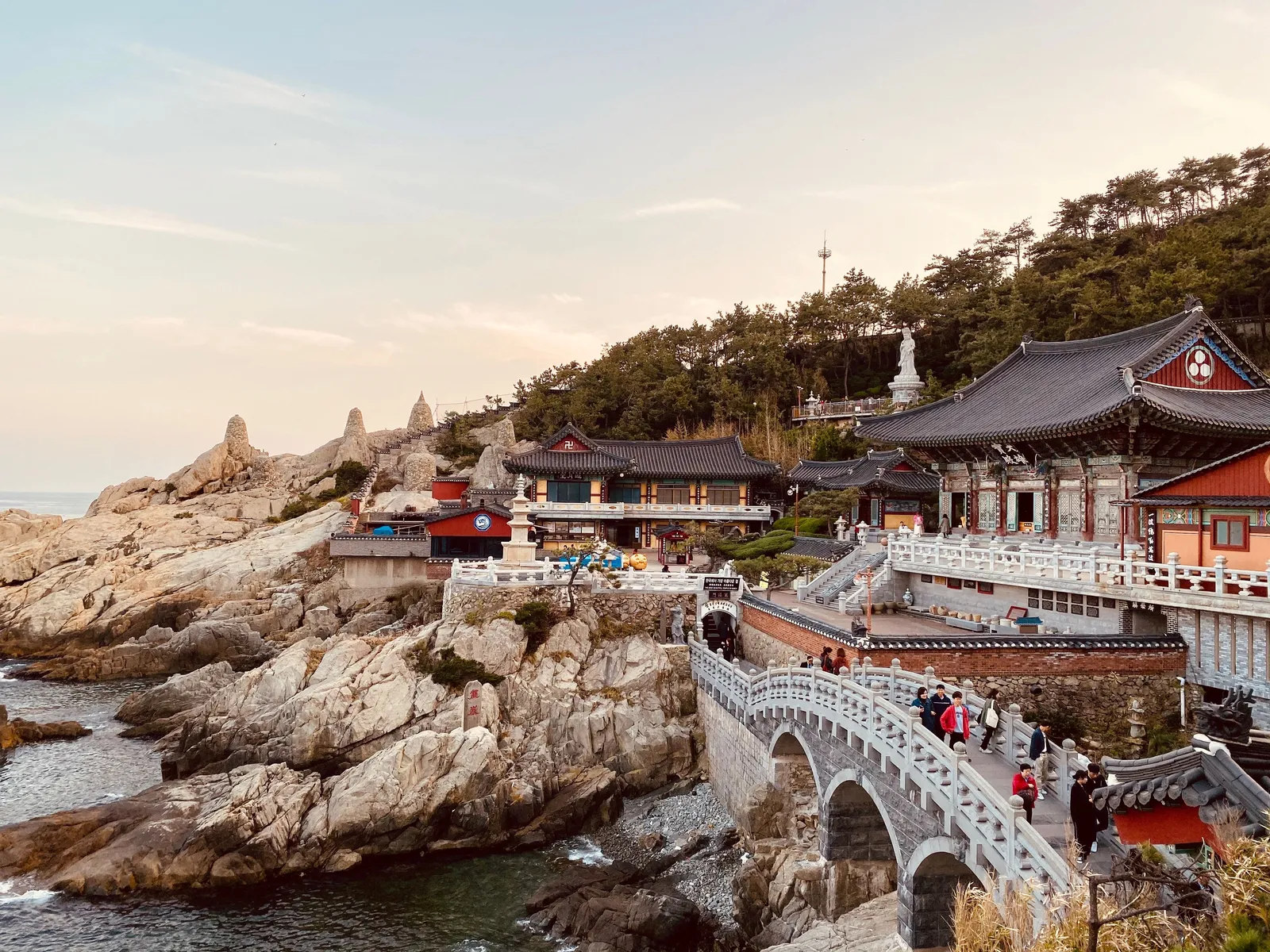
Busan's seaside temple sits on rocks above the water, not up a mountain. Why sunrise is the visit, how to reach it from Haeundae, and temple manners.
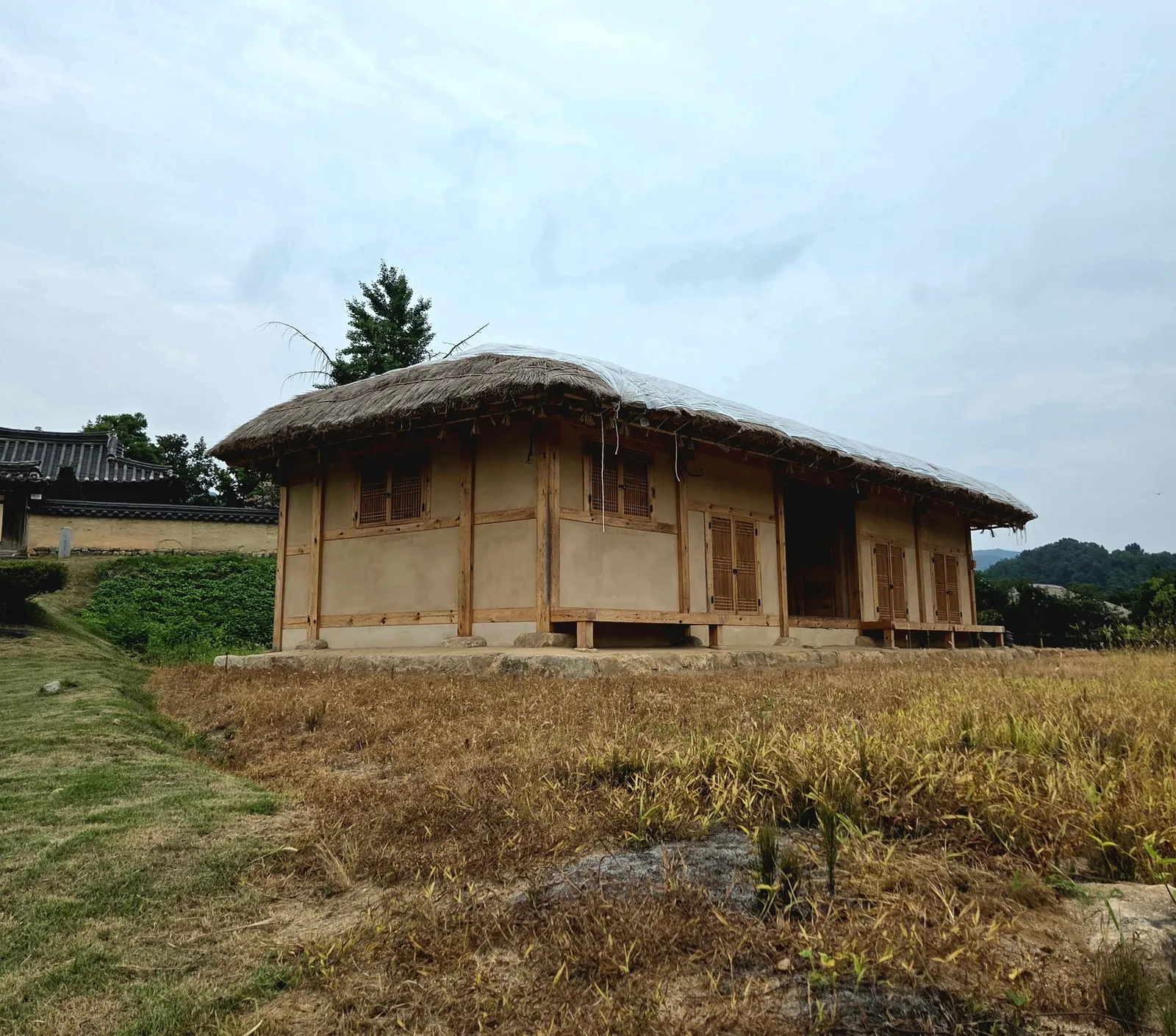
A Confucian village in a river bend where an aristocratic clan lived for six hundred years, a satirical masked dance, and the town's two great dishes.
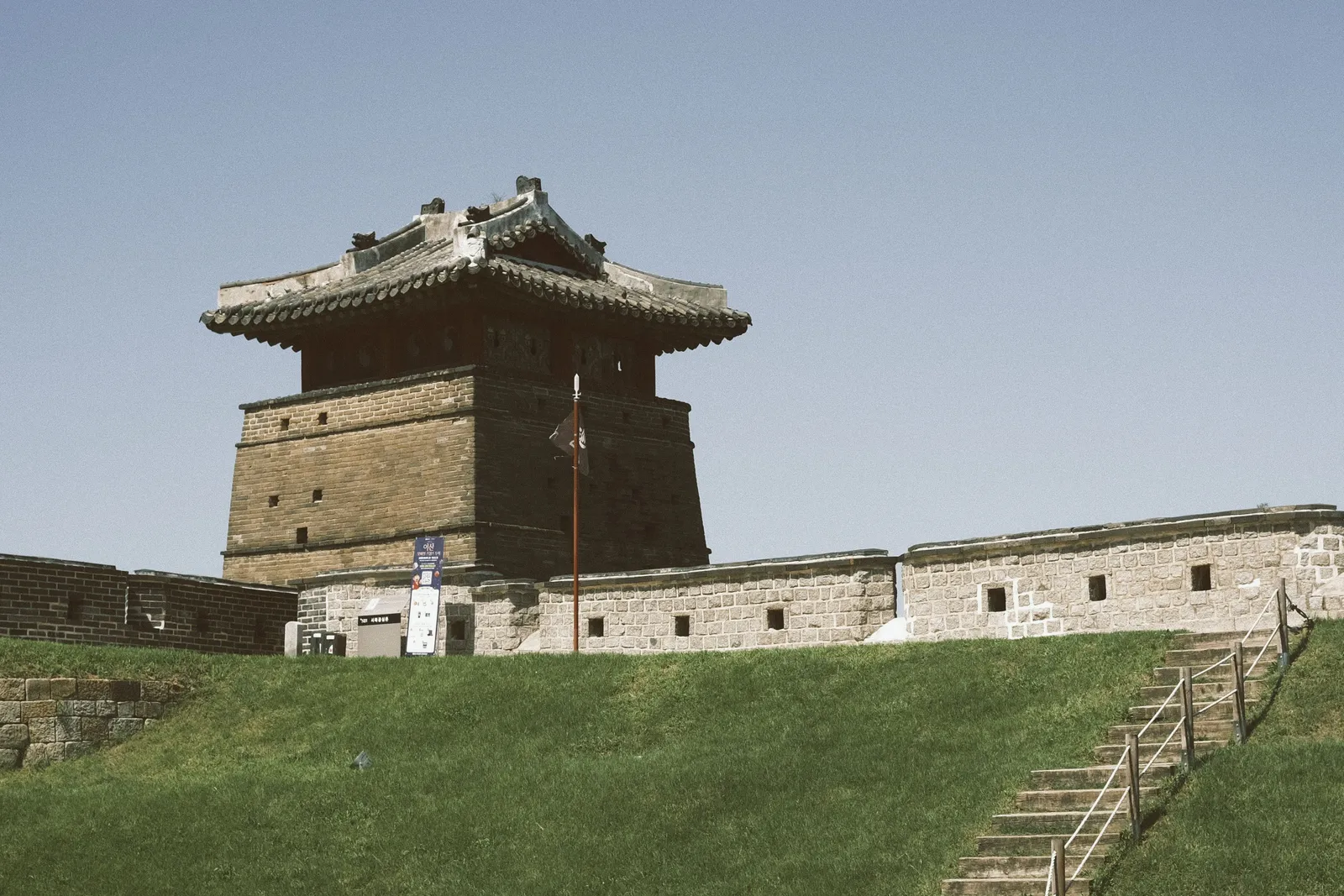
Nearly six kilometres of eighteenth century fortress wall with a walkway along the top, a palace inside it, and a working Korean city around it.
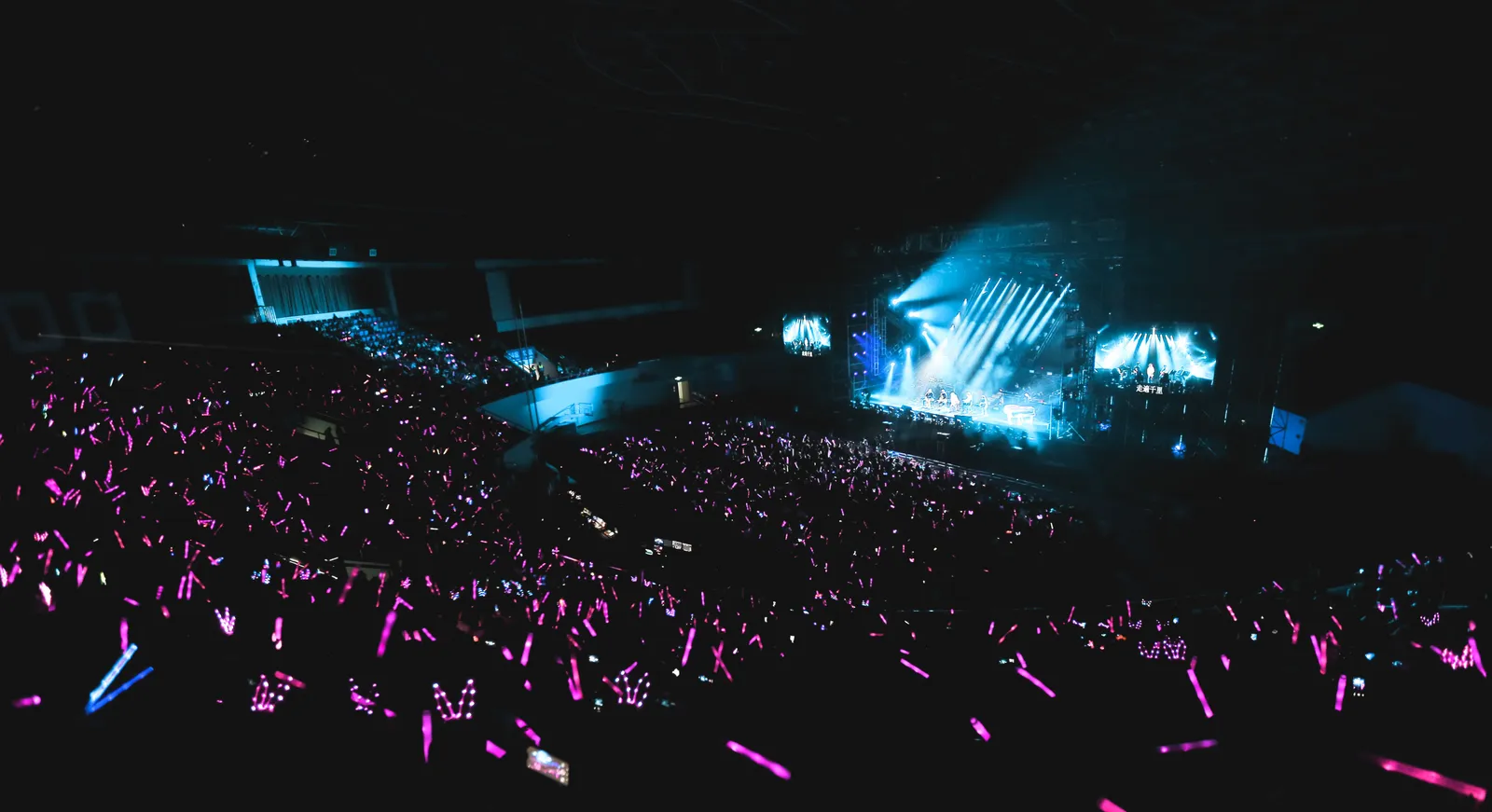
Agency buildings you can photograph from outside, busking in Hongdae, plenty of merchandise, and music show tickets that mostly need a fan club membership.
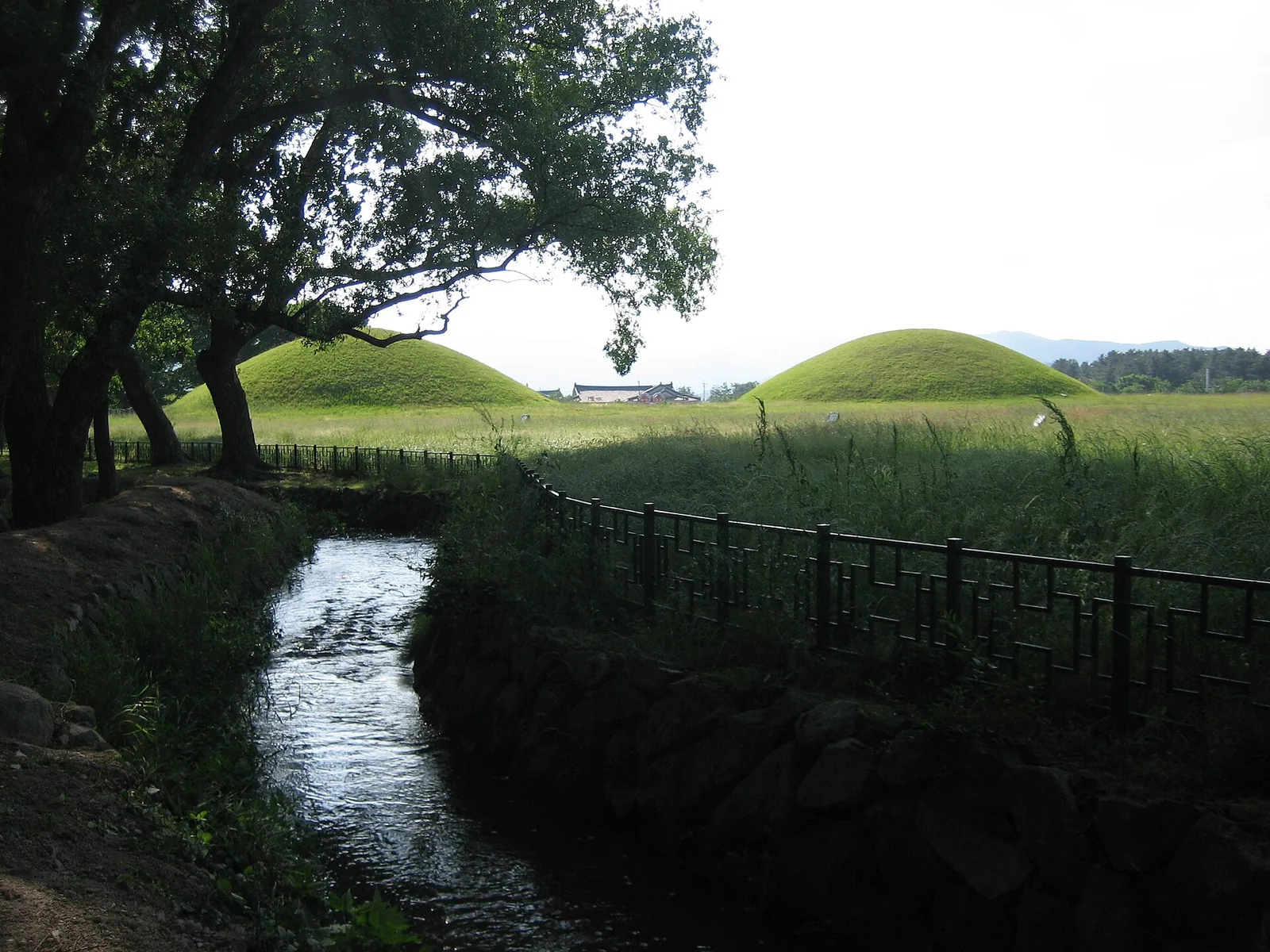
Royal burial mounds in the middle of town, an observatory, a UNESCO temple in the hills, and a city flat enough that a bicycle is the obvious way round it.
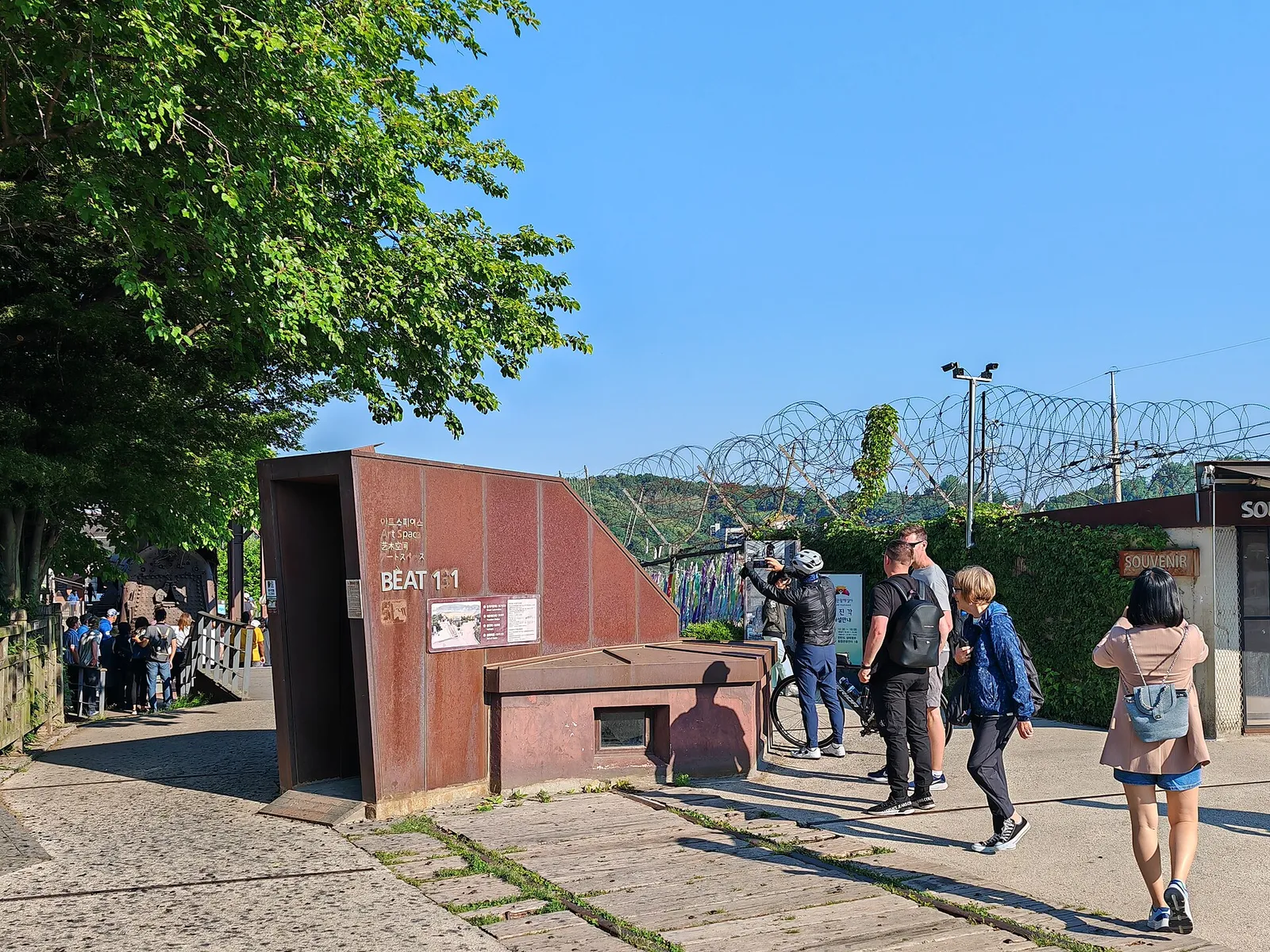
A four kilometre strip of no man's land an hour from Seoul, visitable only on an authorised tour, where what is open changes with the politics.
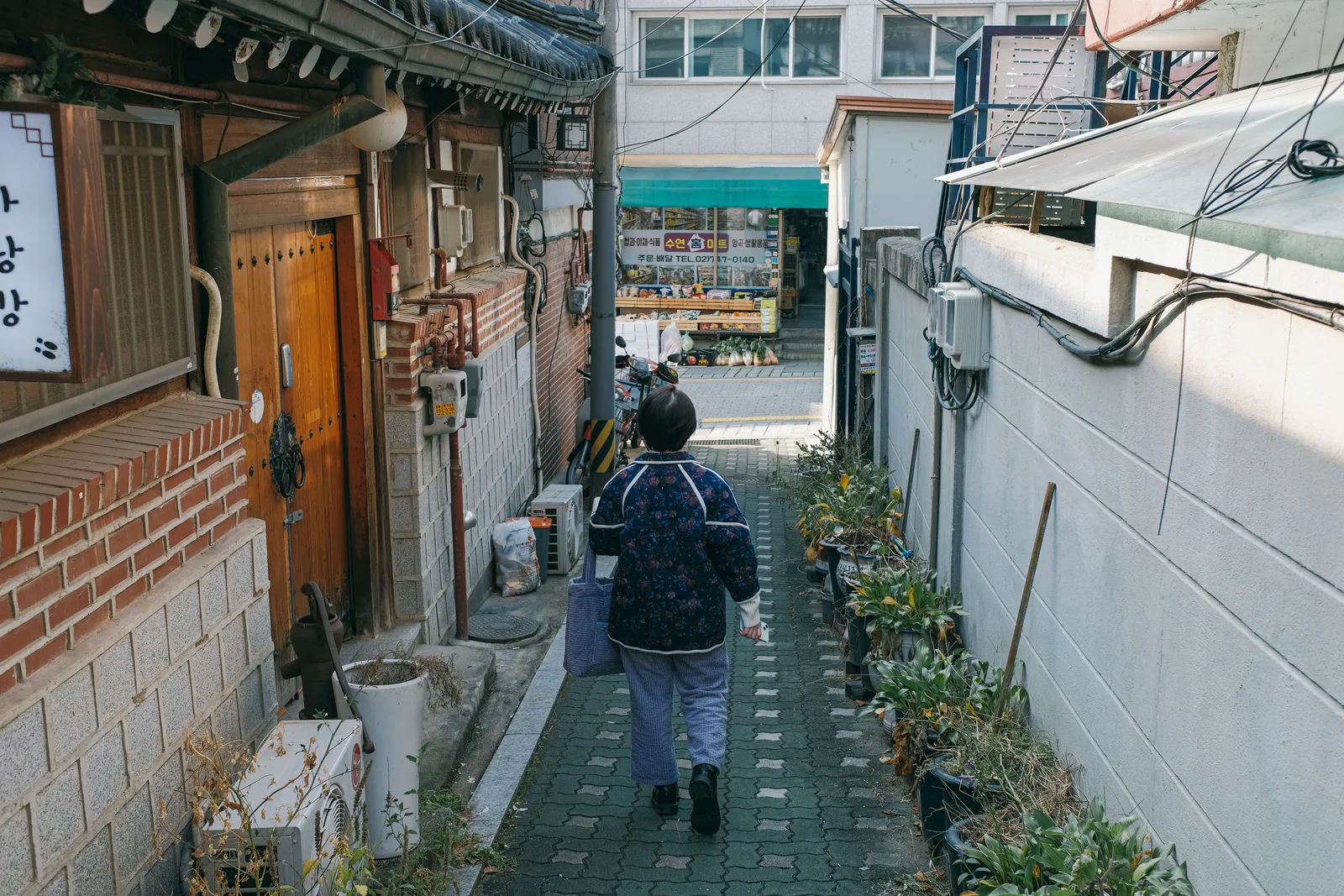
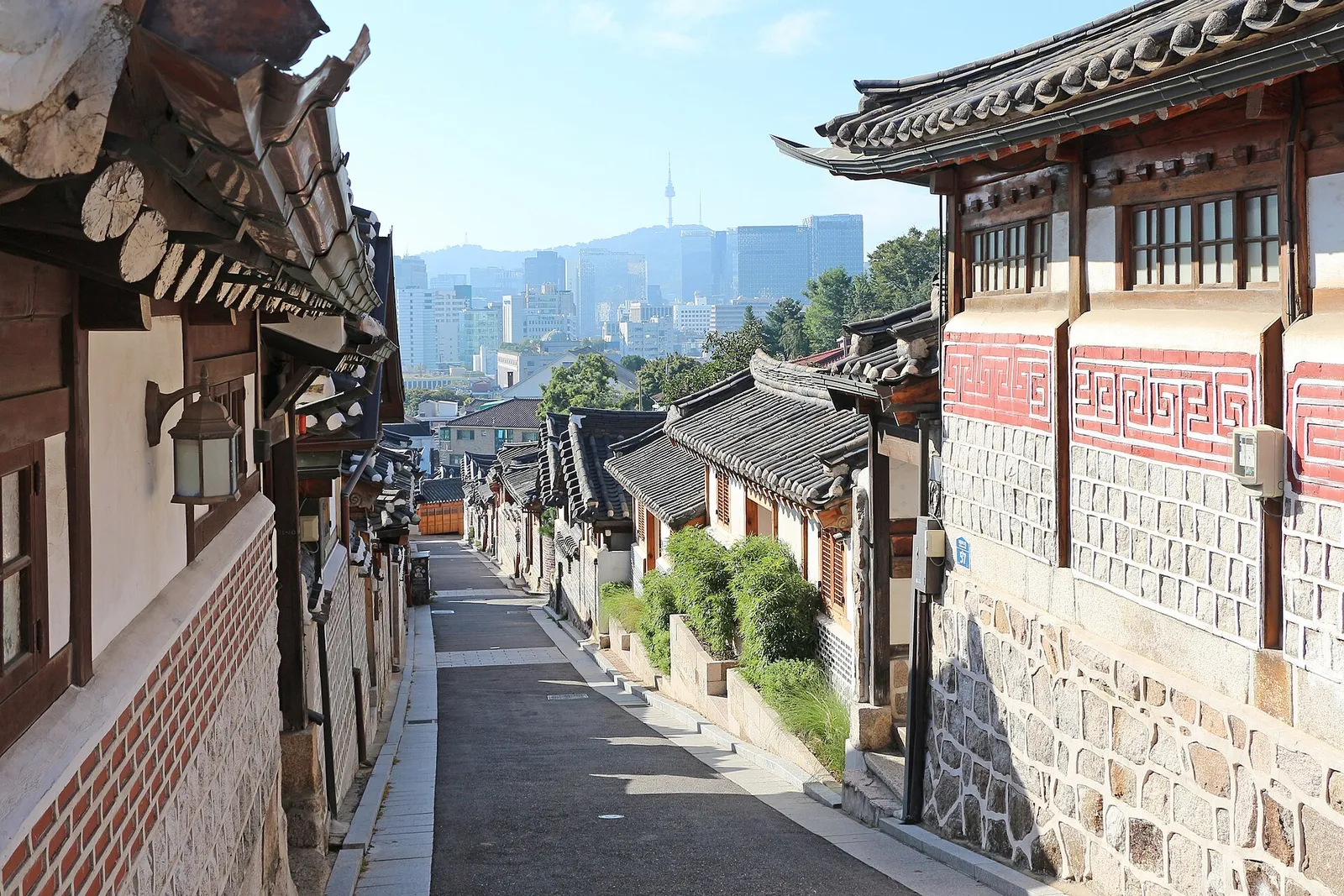
Six hundred traditional courtyard houses on a hillside in central Seoul, with people living in them, quiet hours signs on the gates and a view over roofs.
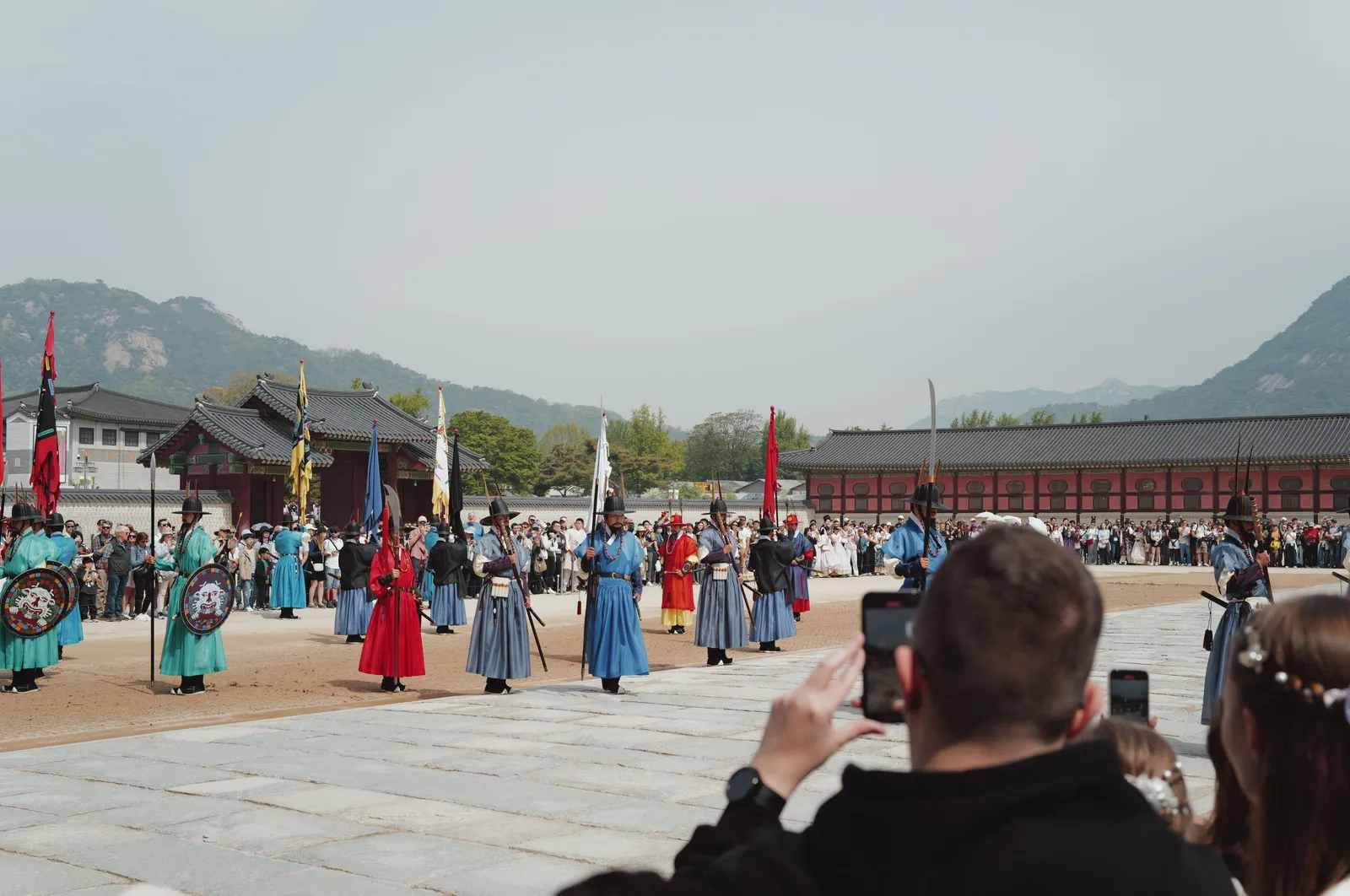
The main royal palace of Seoul, a guard changing ceremony twice a day, and a rule that lets anybody in traditional dress walk in for nothing.