Korea is a good place to buy things, and it hands part of the tax back to visitors who ask properly. The scheme is genuinely worth using, particularly since the qualifying threshold came down. It is also routinely oversold, because almost every guide quotes the headline tax rate as though that is what lands in your hand.
What the refund actually is
Korea charges value added tax at 10% on most goods. Visitors who are not resident in the country can reclaim part of that on qualifying purchases, on the principle that the goods are being exported rather than consumed here.
There are two mechanics, and confusing them is the source of most of the trouble. Immediate refund happens at the till: the shop deducts the amount at the point of sale and you walk out having paid less. Airport refund happens on departure: you pay the full price, keep the paperwork, and claim it back after customs has confirmed the goods are leaving with you.
Both run through private refund operators rather than through the tax office directly, and that is the detail that explains the next section.
Why you do not get 10% back
The refund operators take a handling fee, and they take it out of the refund rather than adding it to your bill. What reaches you in practice sits typically somewhere between 5 and 8% of the purchase price rather than the full tenth.
The proportion is worse on small purchases, because the fee is not scaled evenly, and better on large ones. Anyone budgeting a trip around reclaiming a tenth of their shopping will be disappointed by a meaningful margin, which matters most if you are buying something expensive and have built the number into a comparison against buying it at home. Our budget guide to South Korea puts shopping in proportion against the rest of a trip’s costs.
The published refund brackets are set by the operators and change, so treat any table you find, including one you find here, as indicative and check the sign at the till.
Who qualifies, and what counts as a qualifying purchase
Eligibility is straightforward: foreign nationals who have been in Korea for less than six months. That covers every normal visitor and excludes long-stay residents. Bring the physical passport rather than a photo, because the shop scans it.
The threshold is where the useful change sits. The minimum qualifying purchase is now around 15,000 won in a single transaction at one store, down from a previous 30,000 won. Confirm the current number with the National Tax Service or the Korea Tourism Organization before you plan around it.
The structure is more stable than the number, and it is what actually changes your behaviour. The threshold applies per transaction at one shop. Three separate small receipts from the same store on the same afternoon do not add up into one qualifying purchase, so it is worth consolidating a basket rather than paying as you go.
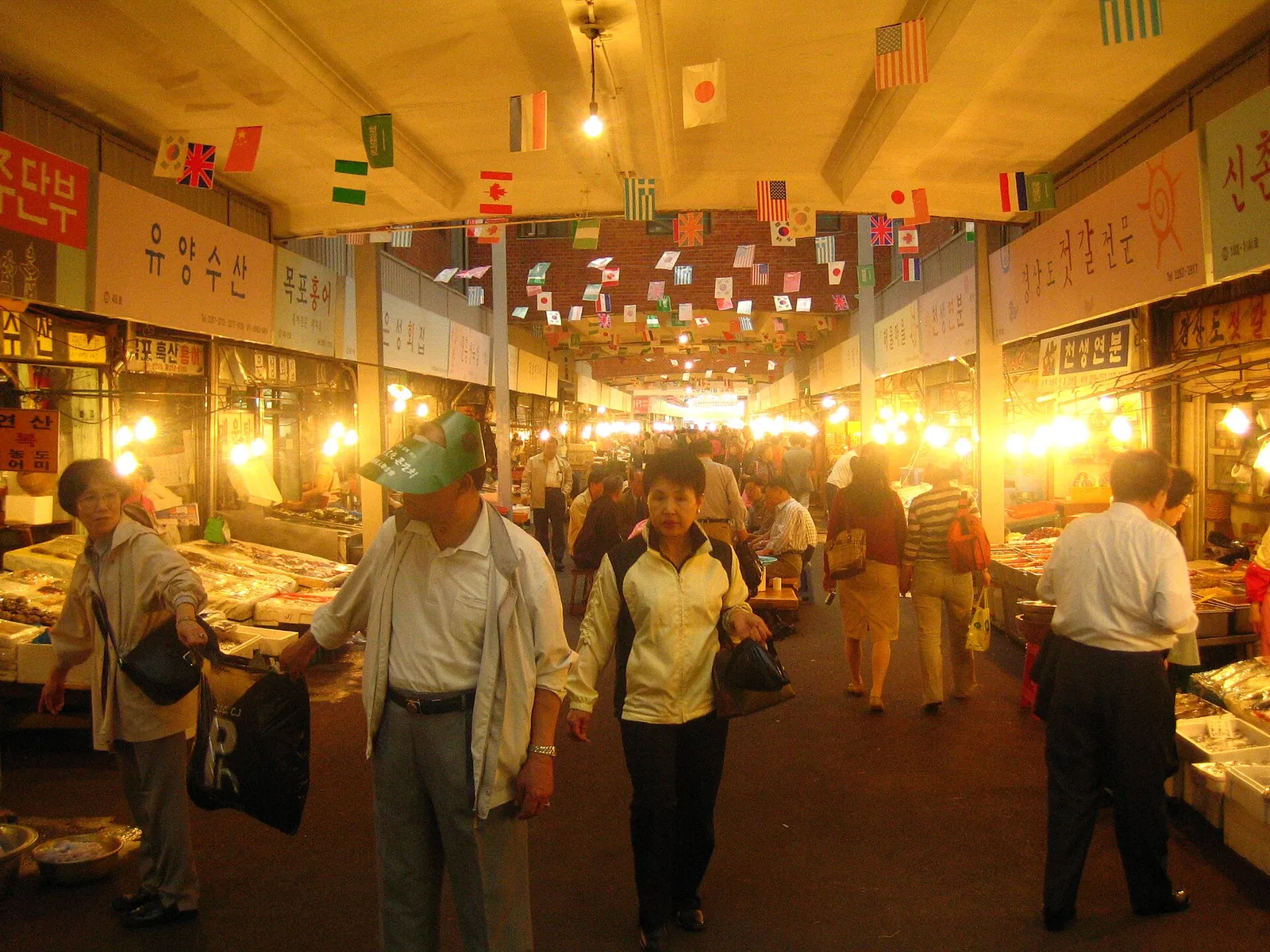
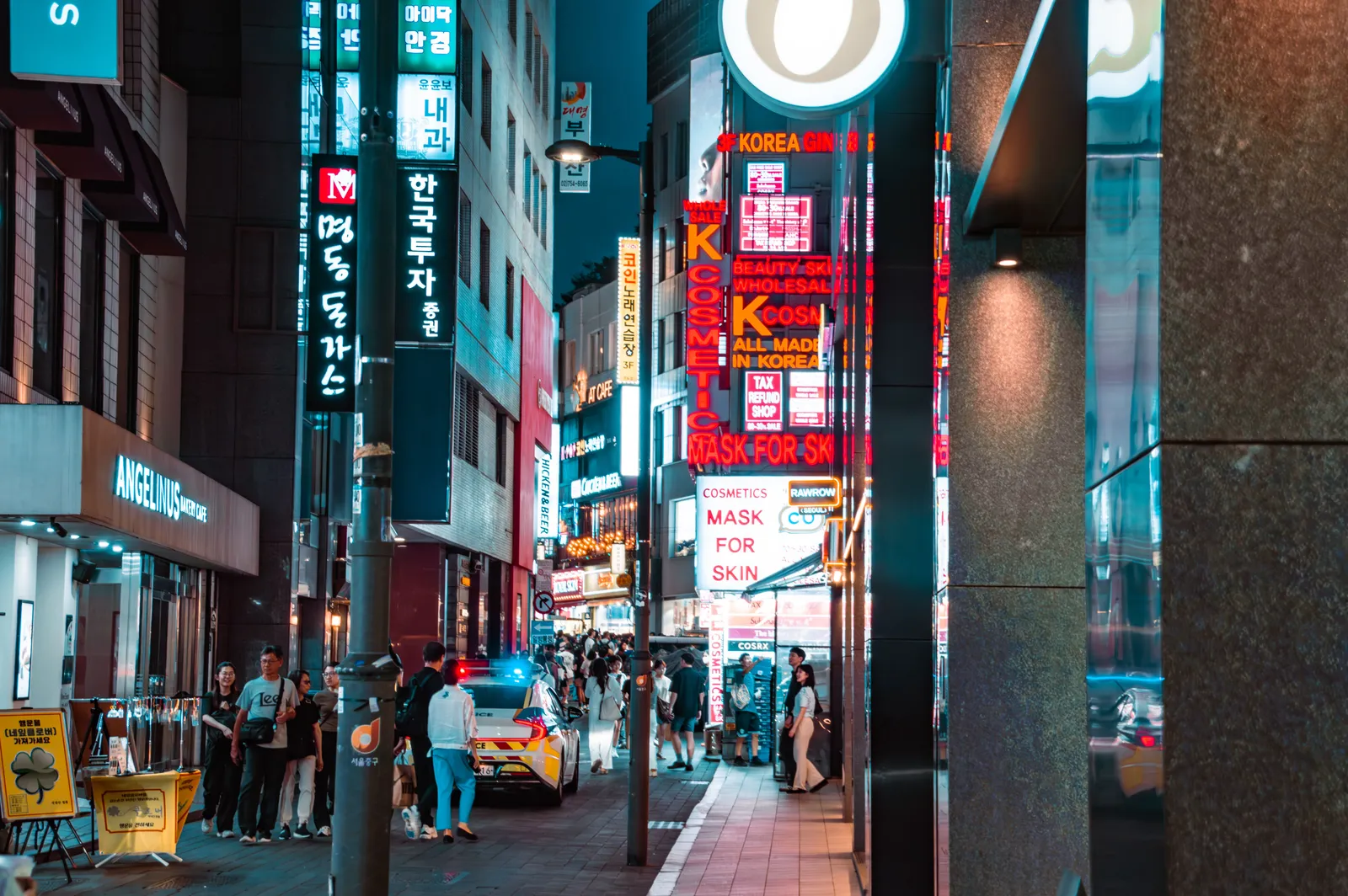
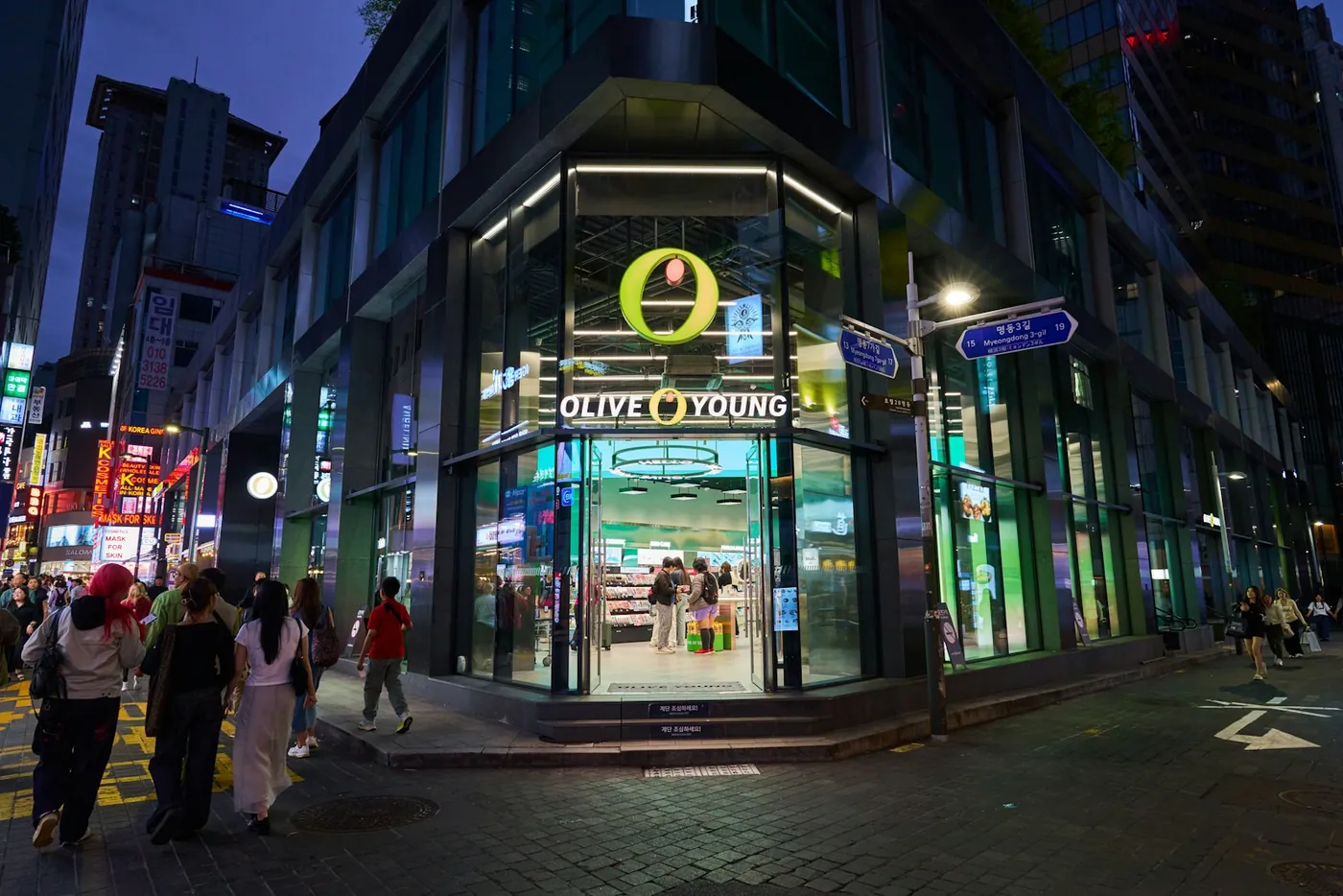
Participating shops display a tax free sign, and coverage is broad across department stores, the large cosmetics chains and much of Myeongdong and Dongdaemun, though it is far from universal in small independent shops and effectively absent in traditional markets. Ask at the till before you pay, not after. Our guide to shopping in Seoul covers which districts are worth the trip in the first place.
Immediate refund at the till, or claiming at the airport
Immediate refund is the easier route and the one to prefer where it is offered. The deduction happens at the point of sale and there is nothing further to do, beyond keeping the receipt in case customs asks.
It comes with caps, and this is the part people meet unexpectedly at a counter. There is a limit on the size of a single qualifying payment, in the region of 1,000,000 won, and a ceiling on total immediate-refund spending across a whole visit, in the region of 5,000,000 won. Both are set by regulation and have been raised before, so treat them as approximate, confirm them with the National Tax Service and expect the till to be the arbiter. Go over either and the purchase moves to the airport route instead.
Airport refund has no equivalent ceiling but costs you time on departure day and depends on you still having the goods, the receipts and enough of a margin before boarding.
Get to the airport with time for the refund deskA fixed-price transfer removes the variable that makes people skip the kioskThe rule about keeping things unopened
The commonly stated condition is that refunded goods must leave Korea unused and in their original packaging. The logic follows from what the scheme is for: it refunds exports, not things you consumed while you were here. Customs at the airport can ask to see the items, and something visibly opened can have its refund refused.
Treat it as the working rule rather than as a quoted regulation, and confirm with the Korea Customs Service if you are buying something you were hoping to use before you fly. In practice the safe habit is simple: keep refund purchases packed, and keep them in your cabin bag rather than in luggage you are about to check in.
Two recent changes, and the airport sequence
Alongside the lower threshold, the second change is narrower but significant for anyone it touches: cosmetic surgery, dermatology and aesthetic procedures were removed from the tourist refund scheme with effect from 1 January 2026, ending an arrangement that had run since 2016. Retail shopping is unaffected. Anyone budgeting around a medical or aesthetic trip should confirm the current position with the National Tax Service rather than relying on older guides, many of which still describe the previous arrangement.
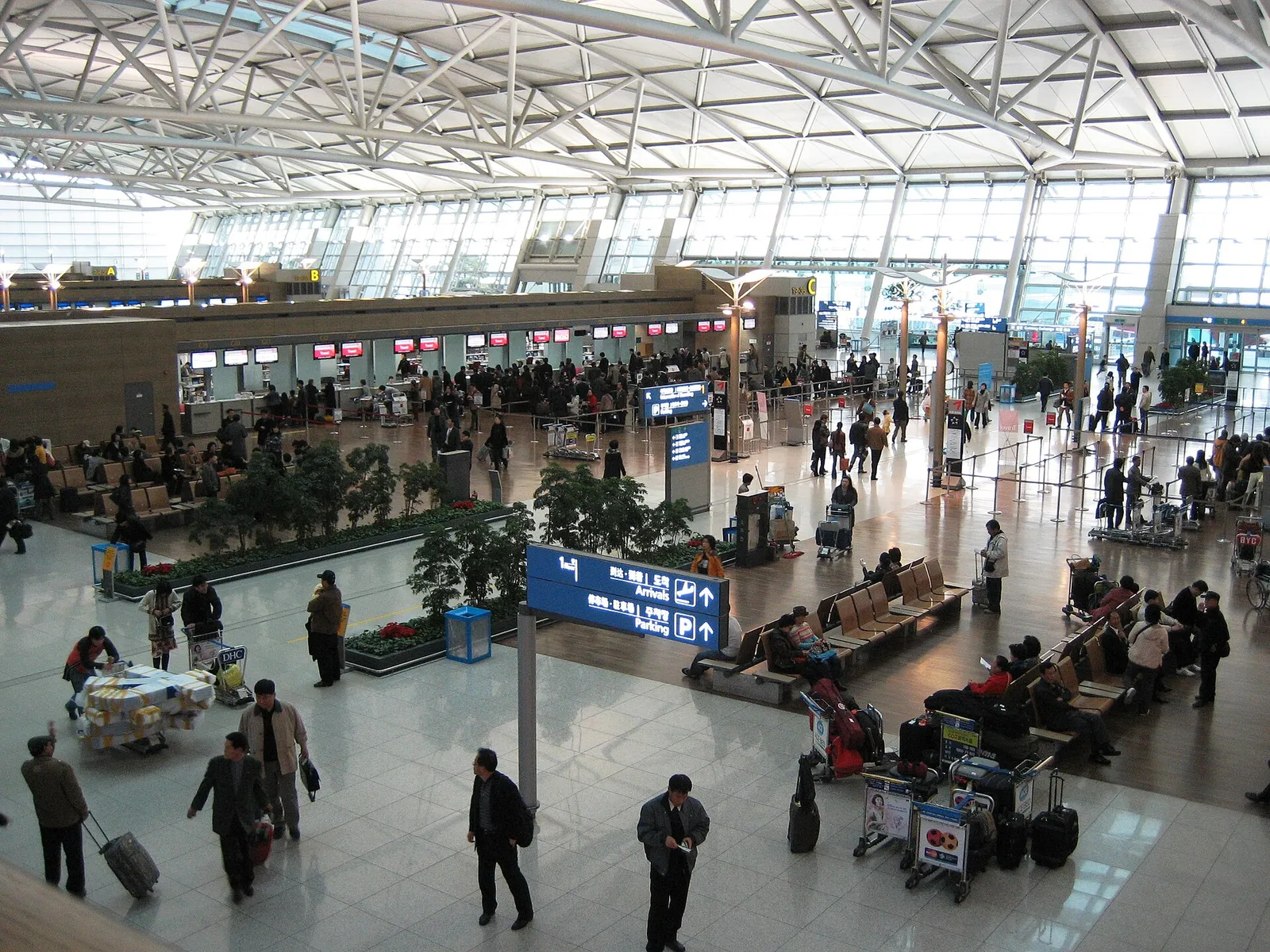
For the airport itself, the sequence matters more than the paperwork. Arrive early, ideally with an extra half hour beyond what you would otherwise allow. Find the customs kiosk before you check in, because you may need to present the goods, and once a suitcase is on the belt the claim is effectively over. Scan your passport and receipts at the kiosk, which either clears the items or refers you to an officer for inspection. Then collect at the refund counter, in cash or back to a card, after security depending on the airport layout.
Two habits prevent almost every failure. Keep every tax free receipt together in one place rather than distributed through a wallet, and keep the goods with you. For how to handle the rest of the money side, including why the currency choice at a card terminal matters more than the refund does, our guide to paying by cash or card in Korea covers it.