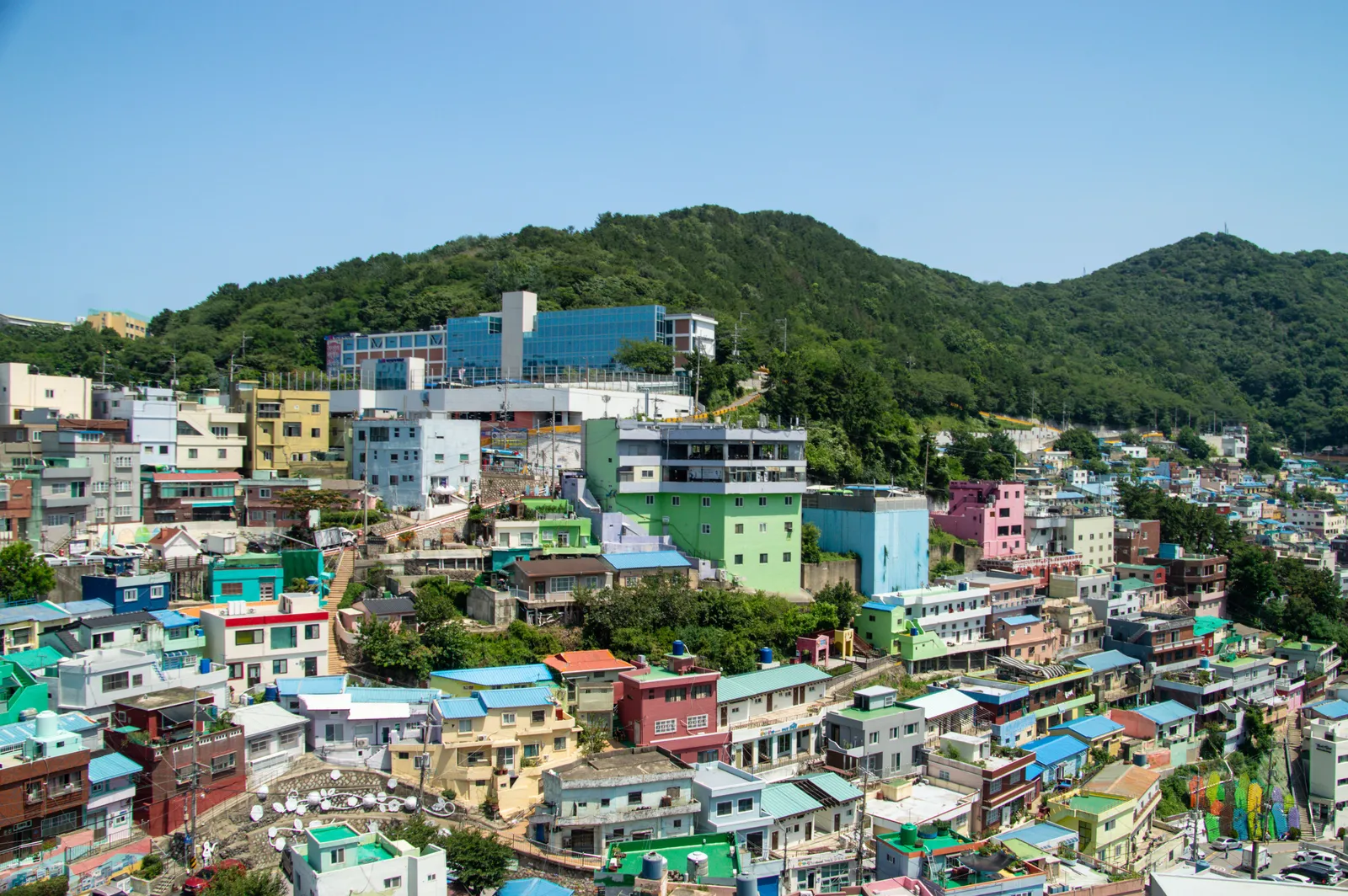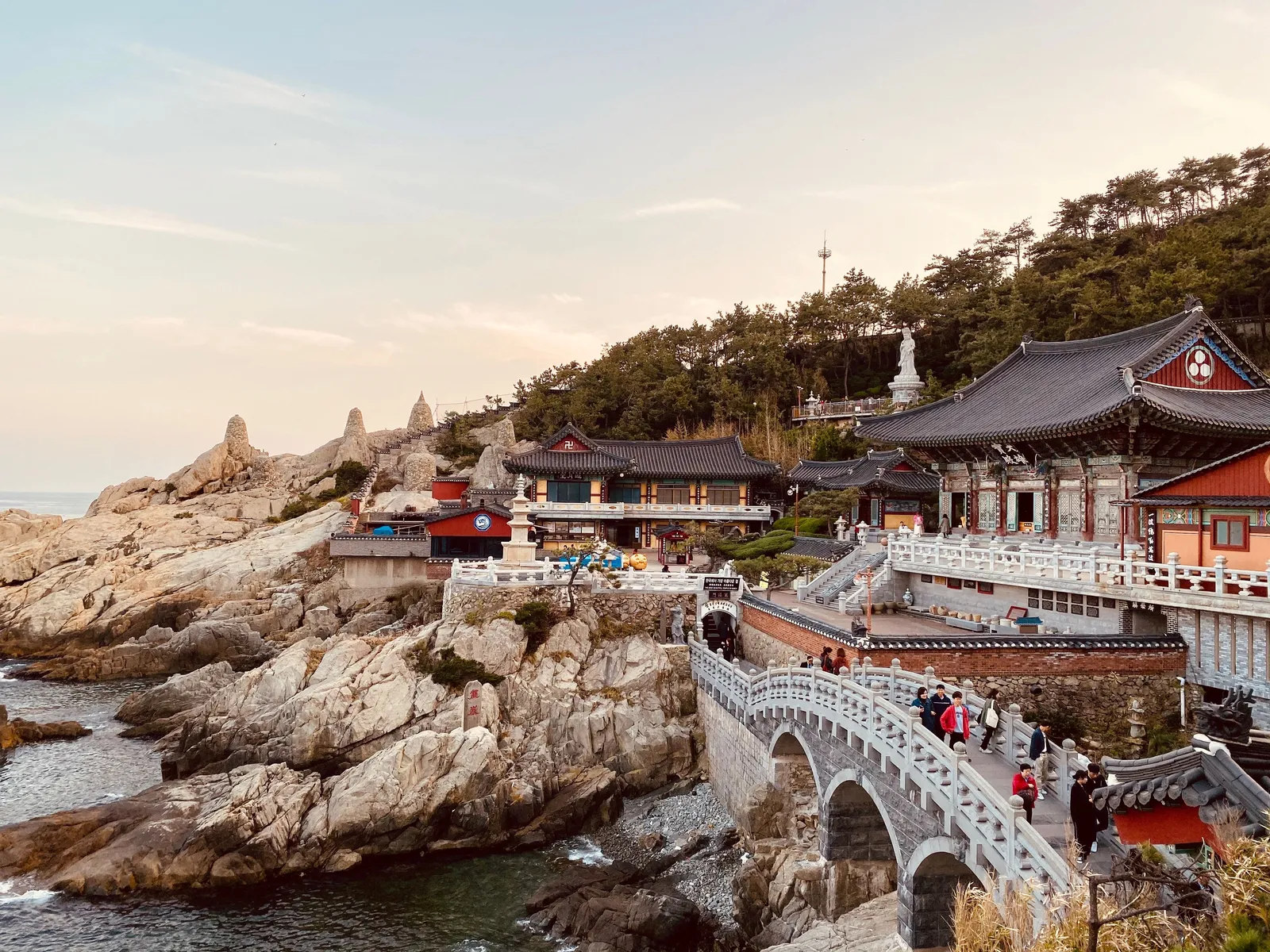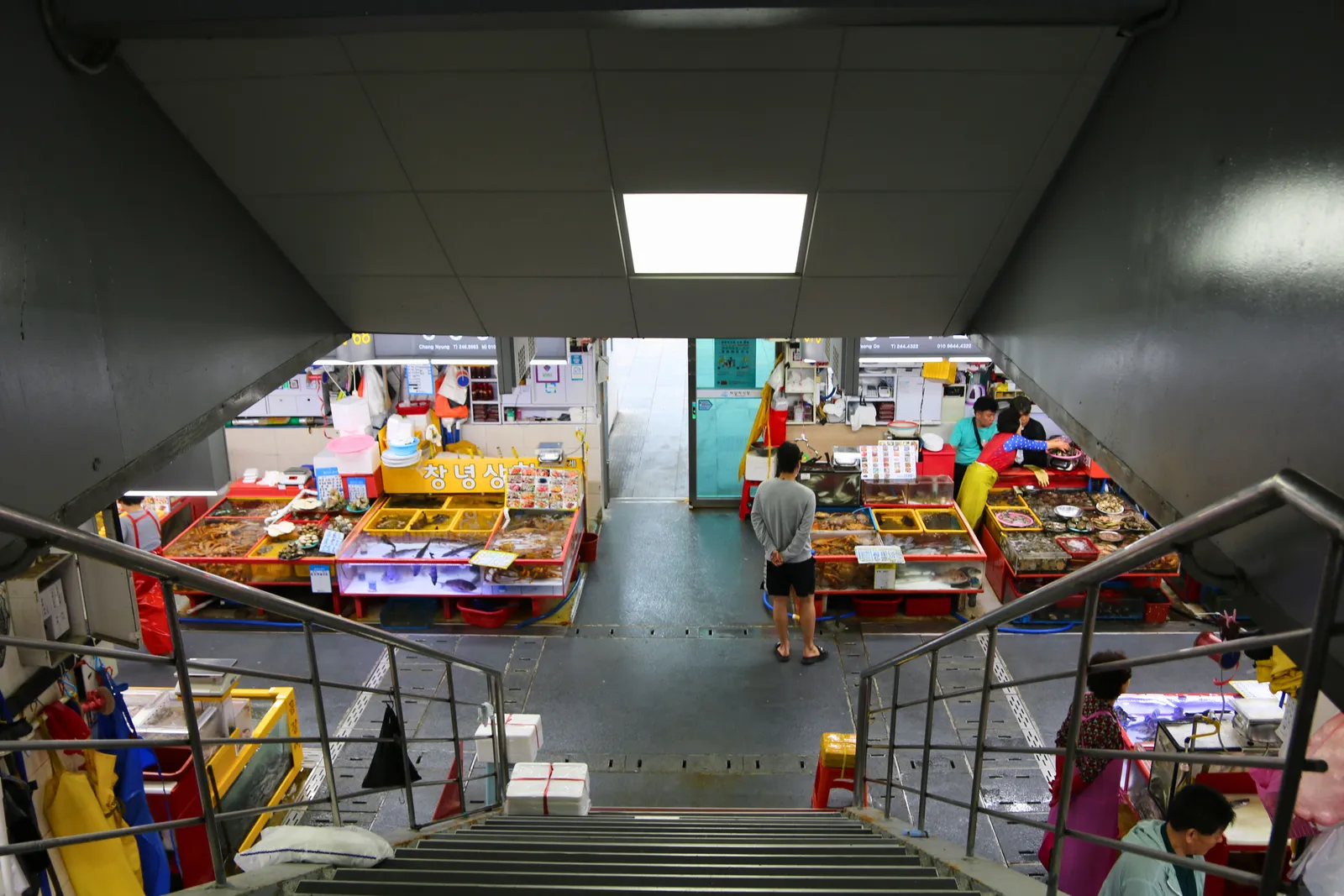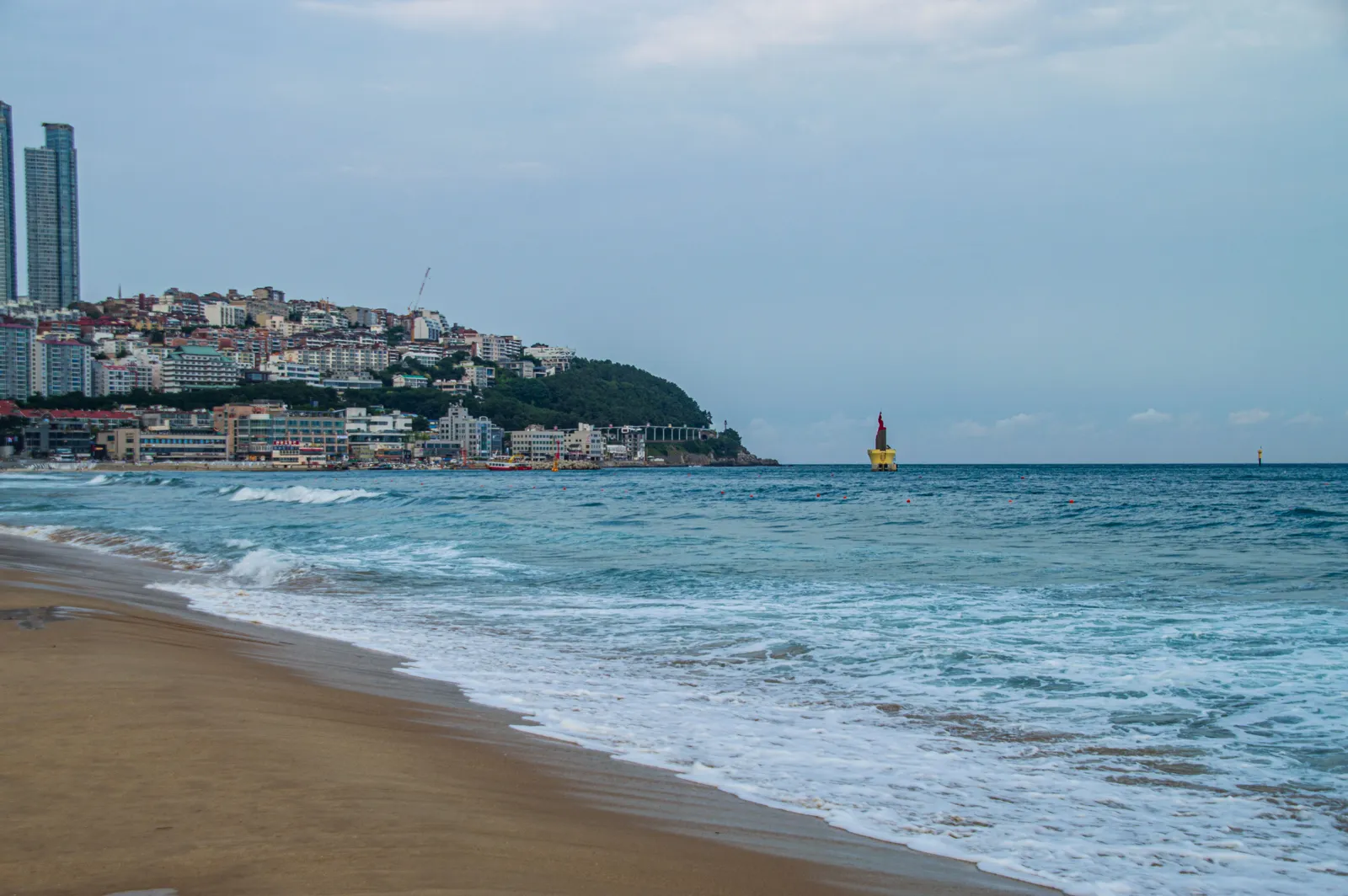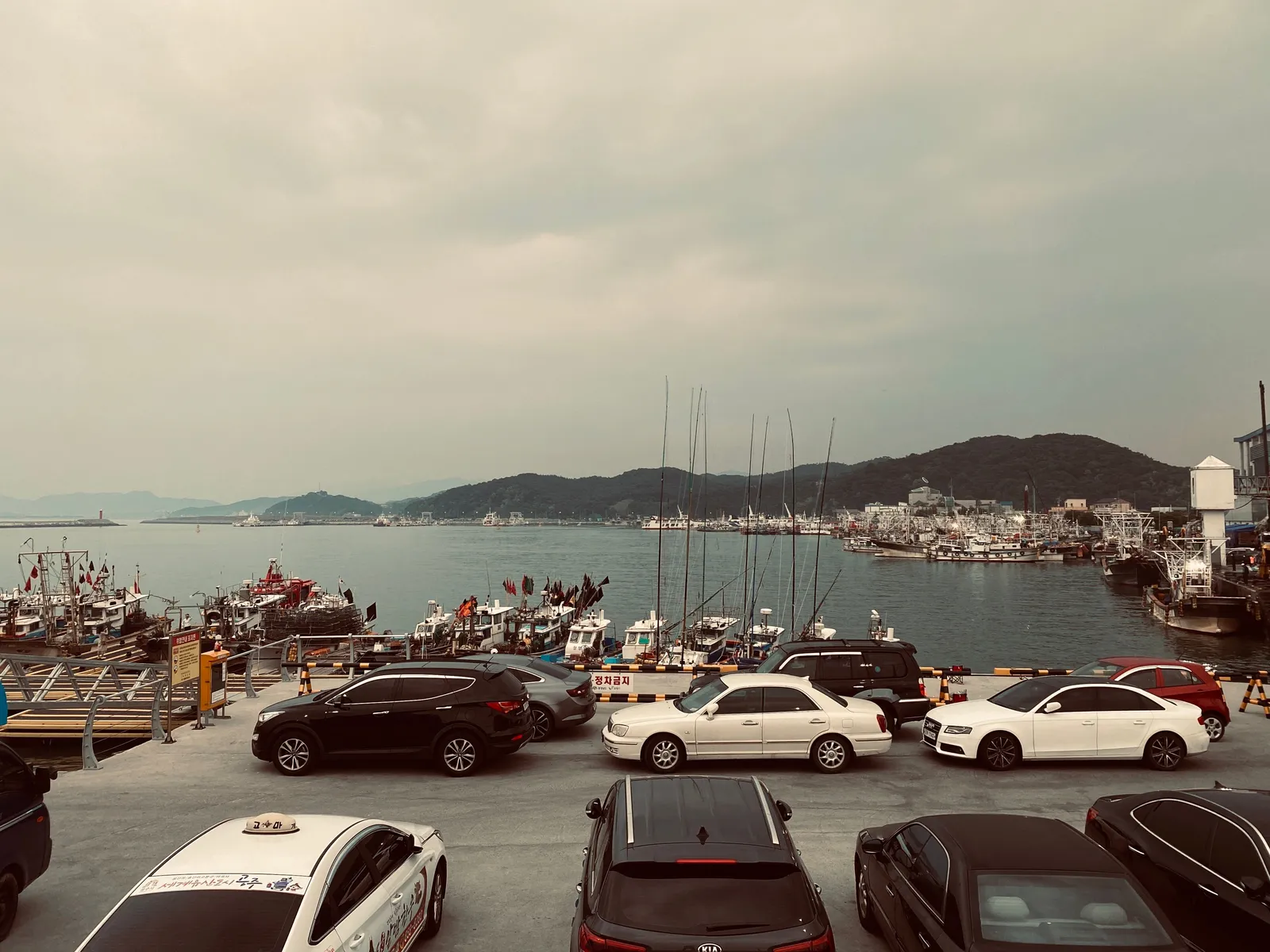
Busan gets most of the attention on Korea’s southern coast, and for good reason, but an hour or two further along the same stretch of water sits a pair of towns that see a fraction of the visitors and are, in their own way, just as worth the trip. Tongyeong and Geoje are not trying to be a smaller Busan. They are a working fishing harbour and a large coastal island, and the appeal is exactly that they have not been built around tourism the way a bigger city has.
Tongyeong, a harbour city built around the water
Tongyeong sits on a peninsula wrapped around a natural harbour, and the city’s layout still reflects the fishing industry it grew from, with boats, seafood markets and net-mending sheds working right alongside the parts that have opened up to visitors. The town has long attracted painters, poets and musicians drawn to the light on the water, and a handful of small galleries and museums around the centre reflect that history without turning the place into anything precious about it.
The cable car up Mireuksan, the hill rising behind the city, is the single most popular thing to do here, and it earns the popularity: the summit gives a wide view over the harbour, the roofs of the old town and a scatter of islands stretching out towards the open sea. Visibility genuinely makes or breaks the experience, so a clear morning is worth prioritising over convenience if your schedule allows it, and weekends draw longer queues than weekdays.
The islands, and getting to them
A string of islands sits within reach of Tongyeong’s harbour by ferry, ranging from short hops with frequent boats to smaller islands with only a handful of sailings a day. Passenger ferries leave from the main harbour, and which islands are running and how often varies with the season, so checking the current timetable once you have picked a destination is worth doing rather than assuming a boat will simply be there. Some of the islands are quiet enough that a few hours is genuinely enough time, built around a walking loop, a lighthouse or a viewpoint rather than a full day of things to do.
Geoje's coastline is easier with your own carA rental covers the beaches and viewpoints a bus route does not reach directlyGeoje, the island next door with the beaches
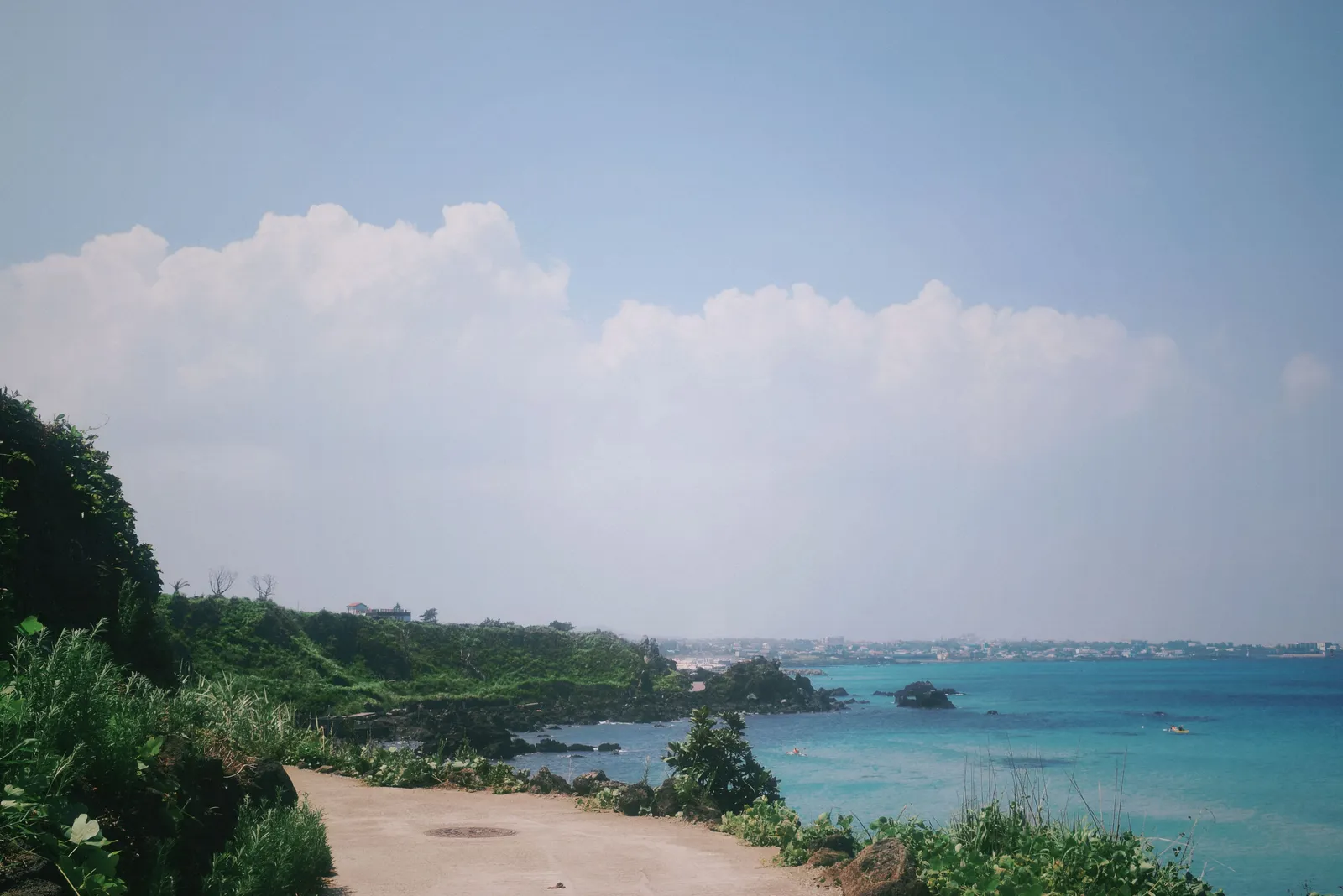
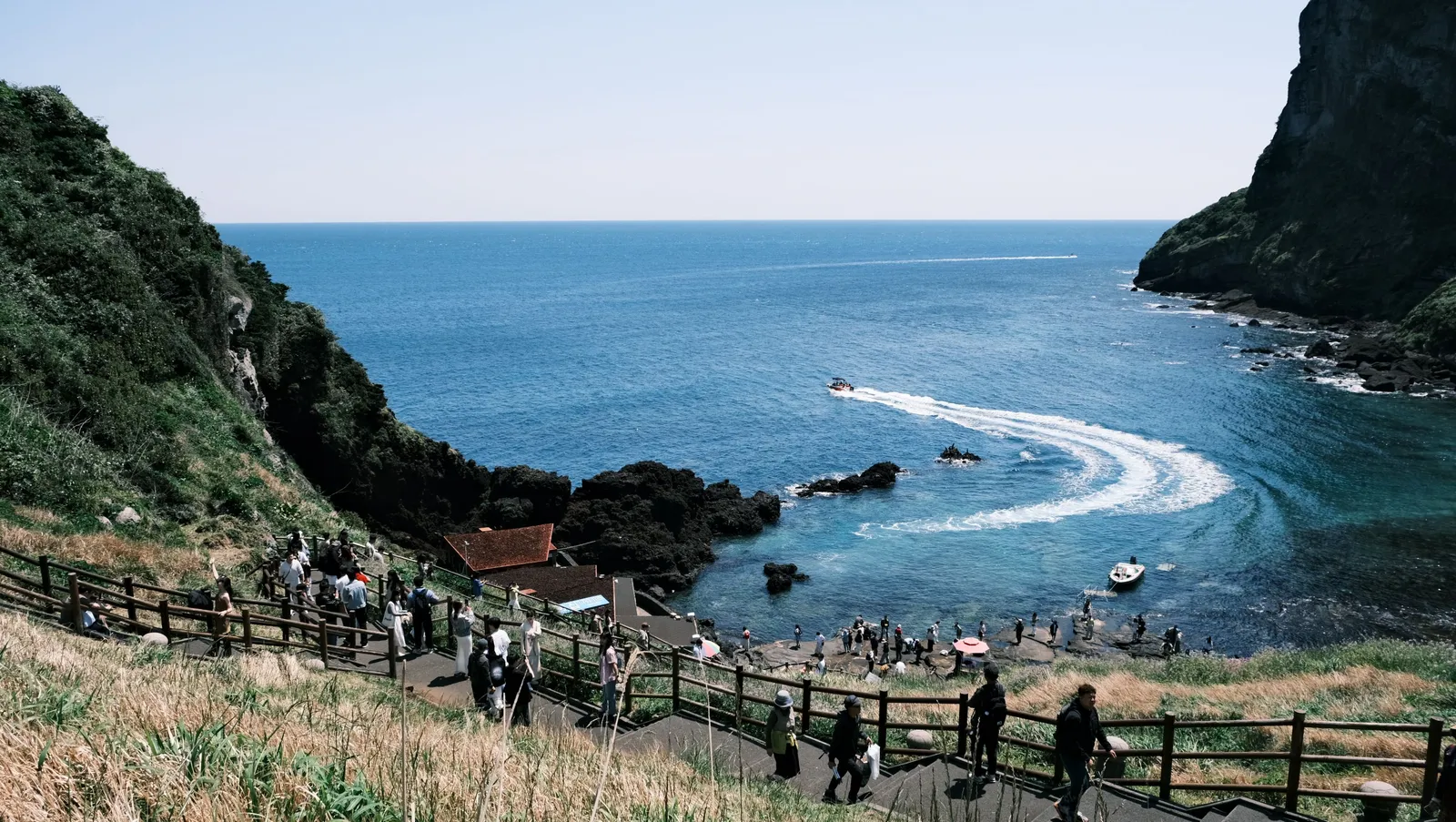
Geoje is Korea’s second largest island after Jeju, connected to the mainland by bridge, and it trades Tongyeong’s harbour atmosphere for a coastline of beaches, cliffs and viewpoints spread across a much larger area. The island’s shipbuilding industry sits alongside a genuinely scenic coastal road, and the two rarely feel like they are competing for the same visitor: the industrial side stays around the ports, and the coast road curves past small fishing villages and beach after beach with very little of it built up.
A car makes Geoje considerably more workable than trying to piece together bus routes between beaches that are not close to each other, and a full loop of the island’s coast road is a comfortable day out on its own. Public buses do connect the main towns and some of the better known beaches, but the schedule is a real constraint if you are trying to reach more than one or two spots in a day.
When the beaches are actually worth packing for
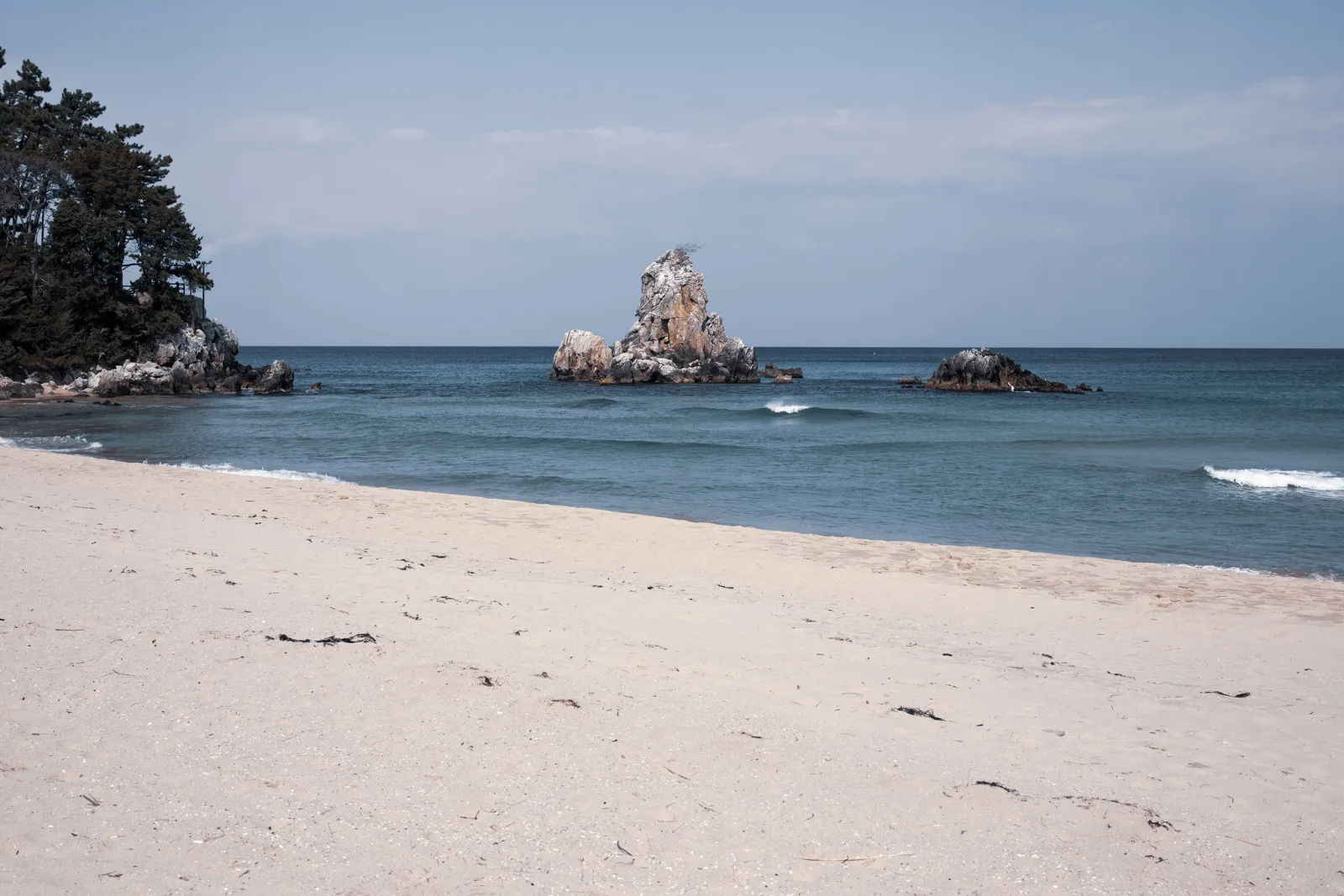
Geoje’s beaches are genuinely swimmable through the summer, once the water has warmed and lifeguard cover is typically in place, and considerably less so outside that window, when the water turns cold and some seasonal facilities close down. A visit built specifically around swimming is best aimed at summer, while the cable car, the harbour and the coast road drive all work reasonably well across a wider stretch of the year, weather allowing.
Getting there without a car of your own
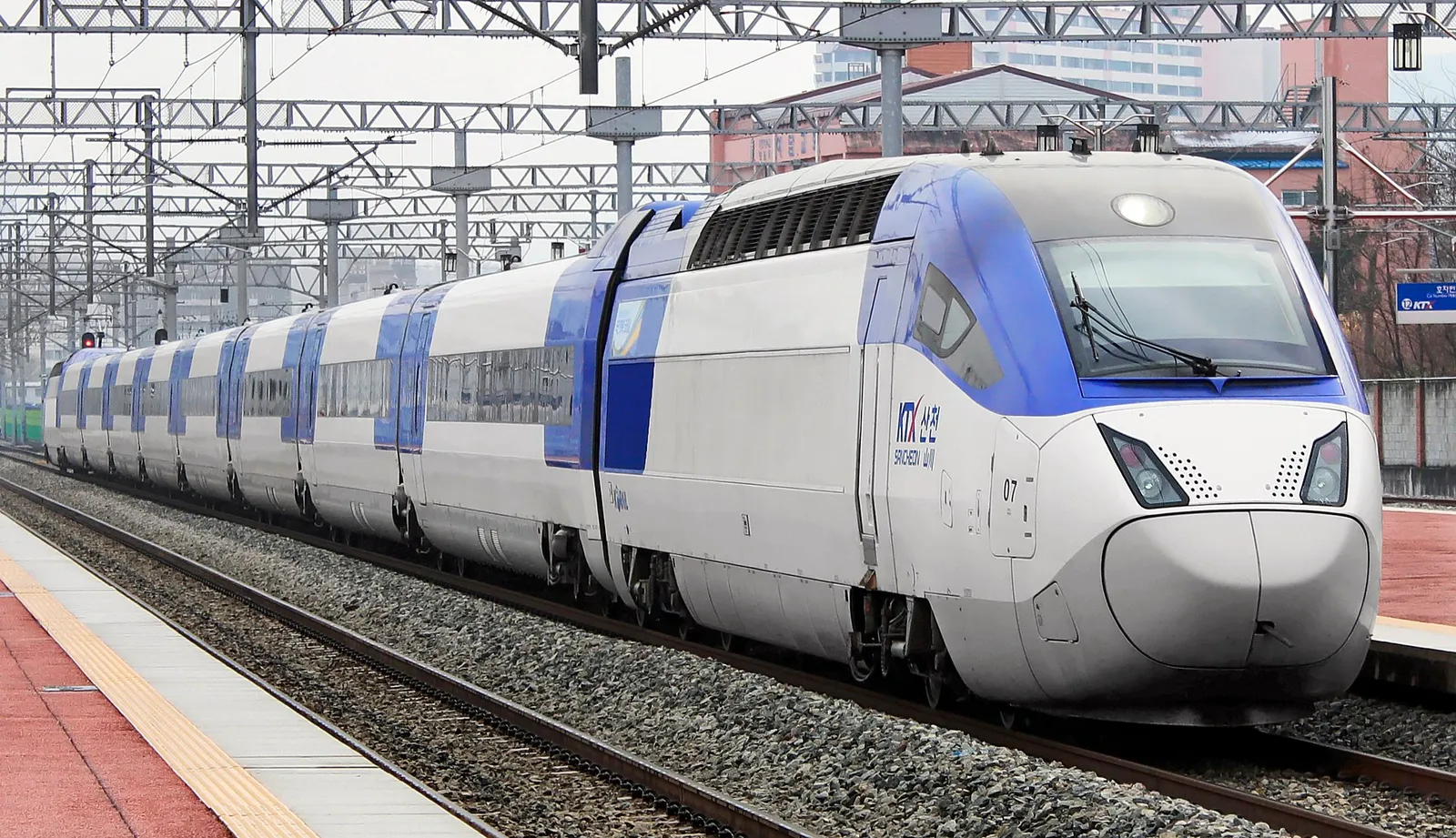
Buses run from Busan to both Tongyeong and Geoje, and the journey is straightforward if not especially fast, generally a couple of hours or so depending on traffic and the exact route. Our guide to getting around South Korea covers the wider bus and train network this route fits into, including how to check current timetables before you travel. Once you are in Tongyeong itself, the harbour area, cable car base and old town are close enough together to manage on foot, with local buses filling in the gaps for anywhere further out. Hikers exploring this stretch of coast might also recognise the region from Korea’s long-distance coastal trail, covered in our guide to the Olle Trail, which runs through similar coastal terrain further south on Jeju.
Who this trip suits, and who might prefer Busan
If the appeal of a coastal trip is a big city with a beach built into it, restaurants at every price point and a lively night out, Busan remains the better choice, and our guide to Busan covers that side of the coast in full. Tongyeong and Geoje suit a traveller who wants the same water and the same seafood without the crowd, prefers a slower couple of days to a packed itinerary, and does not mind a route that occasionally depends on a ferry timetable or a rental car rather than a metro line.
The short version
Tongyeong is a working harbour city built around a cable car view, an old town and a scatter of nearby islands reached by ferry. Geoje trades that harbour atmosphere for a long, scenic coast road and beaches that are genuinely worth swimming at in summer. Neither strictly requires a car, though one makes Geoje considerably easier, and both are a comfortable bus ride from Busan for anyone who wants the southern coast without its busiest city.