Yes, it is fine to travel in Korea during Chuseok, provided you accept that many small businesses will be shut and intercity trains and buses will be full. Chuseok falls on the fifteenth day of the eighth lunar month, so the date moves every year, usually landing in September and occasionally in early October.
For a few days once a year, the entire country moves at the same time, and it catches visitors who arrive without checking the calendar first. Chuseok is Korea’s autumn harvest holiday. It does not close the country to travellers, but it reshapes what a trip looks like, from which restaurants open their doors to how far ahead you need to book a train.
Is it okay to travel to Korea during Chuseok?
It is, and for the right kind of trip it can be a good time to be here. The problems are practical rather than serious: some places you wanted to eat at will be closed, and getting between cities is the real pinch point. The upside is a calmer capital and, in some years, special holiday events at palaces and cultural sites.
The simplest way to decide is to ask what your trip looks like. If you can stay in one city, the holiday costs you very little. If you have a tight multi-city route that depends on same-day trains, it will cost you a lot, and you may want to shift your dates or restructure the route.
When is Chuseok?
Chuseok follows the lunar calendar rather than a fixed date, so it lands somewhere in autumn each year, most commonly in September and occasionally sliding into early October. Do not assume it repeats where it fell last year. Check a current calendar for your specific travel year, since the dates are confirmed well in advance.
How long does the holiday last?
Chuseok typically brings a public holiday period of a few consecutive days, centred on the day of the full moon. The days around the central day are when families travel to and from their hometowns, so the disruption to transport and opening hours begins before the main day and can last a little after it. When you check dates, look at the whole holiday block, not just the single central day.
What Chuseok actually is
Chuseok is a harvest festival with roots going back centuries, built around family memorial rites, a visit to ancestral graves and a shared meal, most famously songpyeon, a small rice cake steamed over pine needles. It sits alongside Seollal, the lunar new year, as one of the two holidays that genuinely empty Korea’s cities, because both send people back to the hometown their family comes from, often for several generations at once.
That is the key to understanding everything that follows. Chuseok is not a party holiday aimed at tourists. It is a family holiday, and most of the closures and crowded roads are simply the result of millions of people heading home at once. Seeing it that way makes the shut shutters easier to accept, and it explains why the quiet in the big cities is so pronounced.
For wider seasonal context, our guide to the best time to visit Korea covers the calendar in full, including how autumn compares with the other seasons.
What closes
The practical effect of a holiday built around going home is that the people who usually staff small businesses are, for a few days, not at their business. Independent restaurants, family-run shops, some markets and smaller cafes commonly close for part or all of the core holiday period. This is felt most strongly outside the largest cities, where a single family often runs the whole operation.
Food and shopping
Small independent restaurants frequently post a closure notice covering the main holiday days.
Traditional markets often run reduced hours or close entirely on the peak day.
Local shops and services away from the main tourist districts are the most likely to be shut.
Services and errands
Some clinics and pharmacies reduce hours, so plan any errand of that kind for before or after the core days.
If you rely on a particular small restaurant, a specific market stall or an appointment of any sort, treat it as unconfirmed until you have checked. Closure is common but not universal, so a quick check on the place’s own listing or social page is better than assuming either way. Opening hours shown on map apps can be out of date over holidays, so the business’s own notice is the more reliable source.
What stays open, and what can open up
Not everything pauses. Convenience stores stay open around the clock as they do year round. Large chain restaurants, department stores and shopping malls generally continue trading, sometimes with shortened hours on the single most central day. Hotels operate normally throughout.
That gives you a reliable fallback for meals: convenience stores, chain restaurants, and the restaurants inside hotels and larger shopping complexes. It is worth knowing where the nearest of each is to your accommodation before the holiday starts, so a closed local favourite does not leave you hunting for dinner.
Palaces and cultural sites
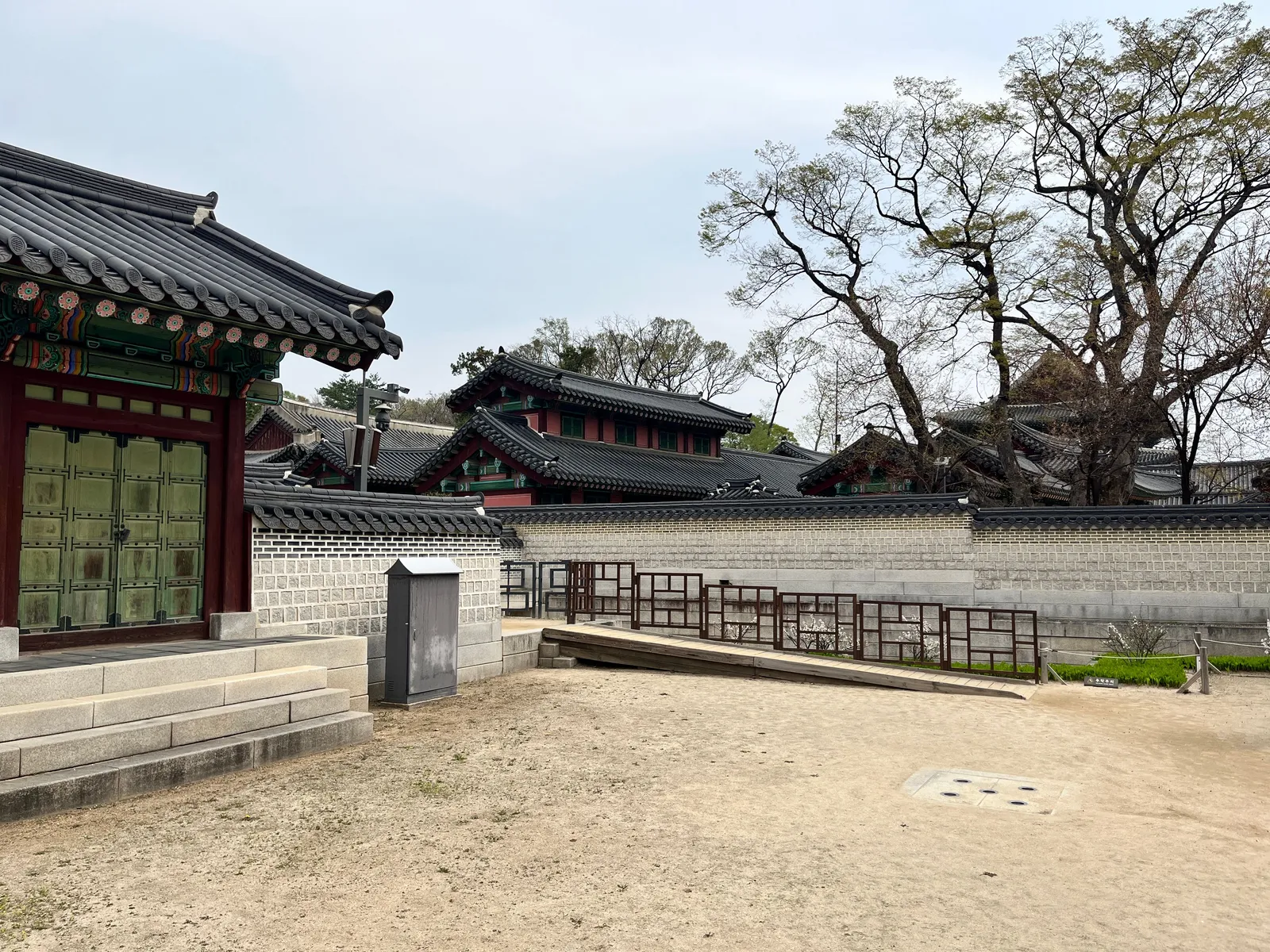
Some royal palaces and cultural sites have, in past years, waived admission or run special holiday programming during Chuseok, since it is treated as a moment to celebrate rather than to shutter heritage sites. Whether a specific palace or museum is doing this in any given year is worth checking closer to your dates rather than assuming it will repeat, since programming changes annually.
Folk villages and cultural centres
Traditional folk villages and some cultural centres have also, in some years, put on themed activities such as folk games, hanbok events or a demonstration of the memorial rites themselves, aimed partly at foreign visitors who happen to be in the country at the time. These are a good way to see something of what the holiday actually means rather than only experiencing it as a set of closed shutters, and a quick search closer to your dates for that year’s programme is worth the few minutes it takes.
Flying in or out around the holiday?Fares spike as the dates approach, so lock in flights well before the calendar is confirmedGetting around during the holiday
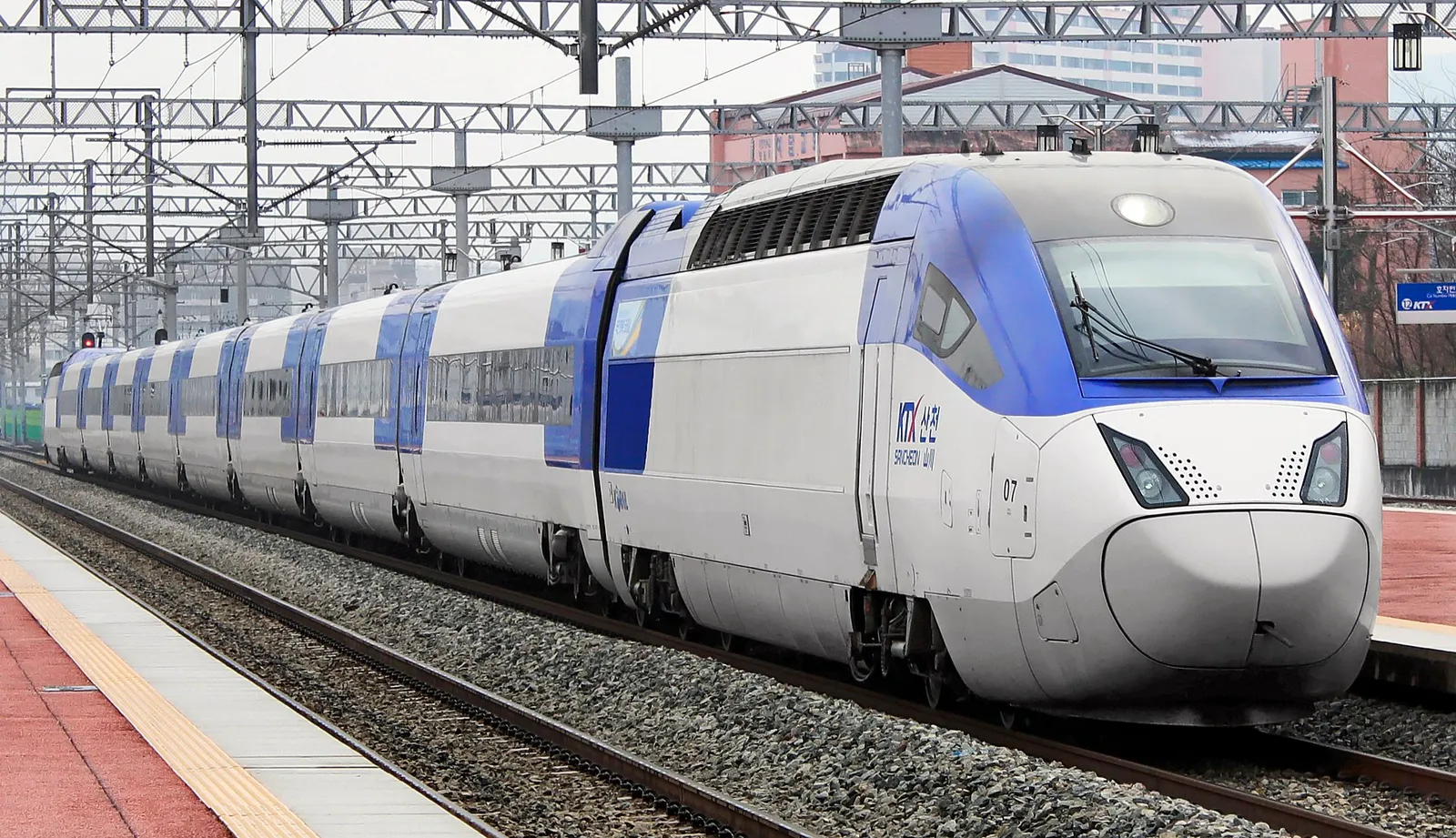
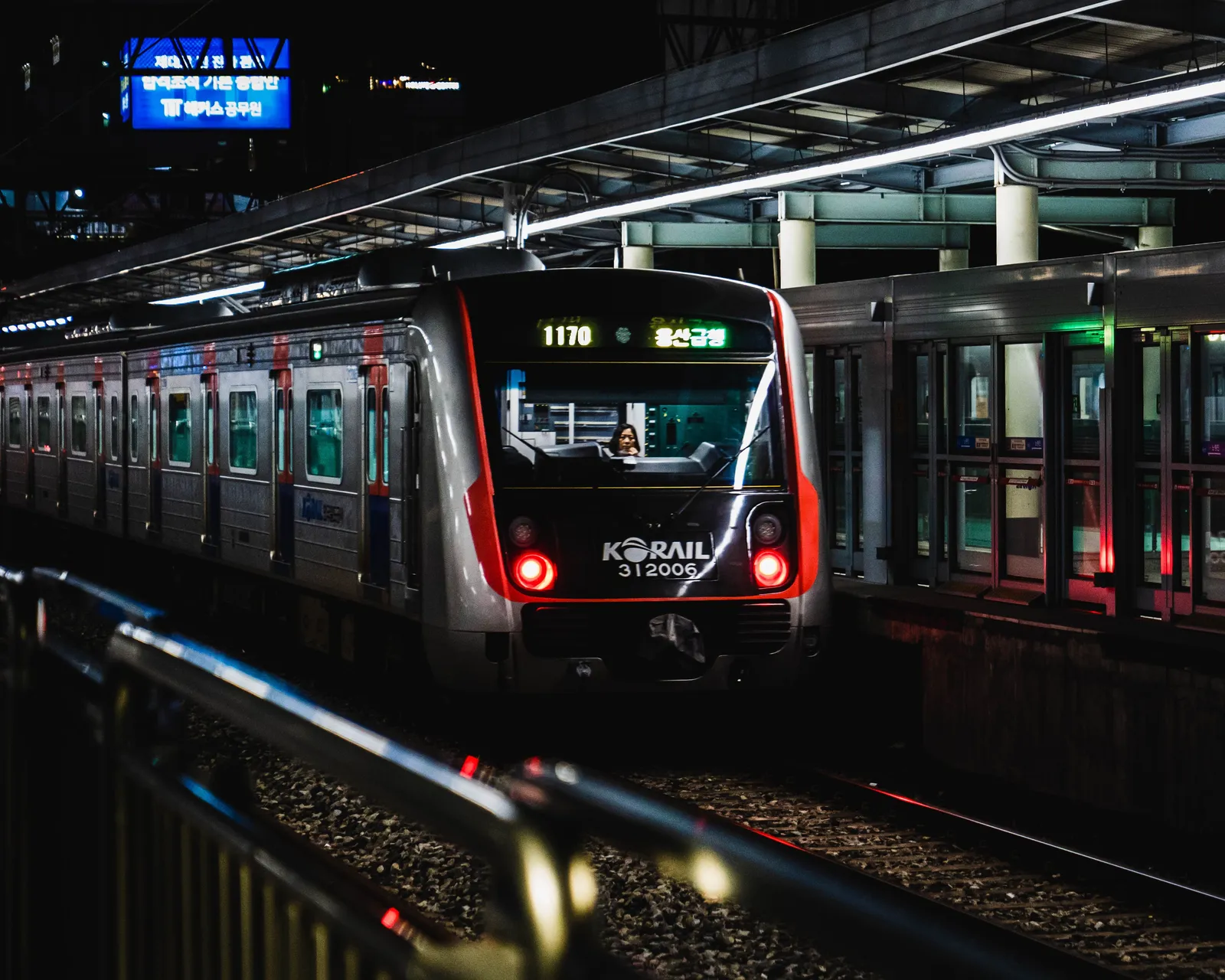
This is where Chuseok has the biggest practical impact on a visitor’s plans. Trains, particularly the KTX between Seoul and the rest of the country, sell out weeks ahead as the entire population tries to reach a hometown on the same few days. Express buses fill in the same way, and motorways are known for some of the longest queues of the year, turning what is normally a short intercity drive into a much longer one.
| Transport type | What to expect during Chuseok |
|---|---|
| KTX and intercity trains | Sell out well in advance, book as early as possible |
| Express and intercity buses | Heavily booked, limited last-minute seats |
| Motorways | Significant queues on the days around the holiday |
| City subways and buses | Running, though quieter than usual |
| Domestic flights | Prices rise, seats tighten closer to the dates |
If your trip overlaps the holiday, book intercity journeys the moment tickets open rather than waiting, and build in the assumption that same-day travel between cities will not be possible. Within a single city, subways and buses continue running on a broadly normal schedule, just with noticeably lighter crowds.
How to book intercity travel for the holiday
- Confirm the exact holiday dates for your year, including the days either side of the central day.
- Find out when the operator you want releases tickets for that period. Release timing for holiday travel can differ from normal days, so check the official site or app rather than a third-party summary.
- Decide your intercity journeys first, then fit hotels and activities around them, not the other way round.
- Have a backup mode in mind, such as a bus if the train is full, or the reverse, and compare them on the day tickets open.
- Allow extra time on any road journey, and avoid scheduling a tight connection after one.
Our guide to getting around Korea explains how the main transport options work the rest of the year and what changes during holiday periods.
Common transport mistakes
Assuming a same-day ticket will be available at the station. During the holiday it often will not be.
Planning a long drive on the busiest days. Even short intercity trips can take far longer than the usual estimate.
Leaving the return journey until last. Everyone heads back to the cities at the end of the holiday, so the return leg is as full as the outbound one.
Forgetting airports. Arriving or departing around the holiday can mean busier airport transfers, so leave extra time for them.
Why Seoul can be unusually pleasant right then
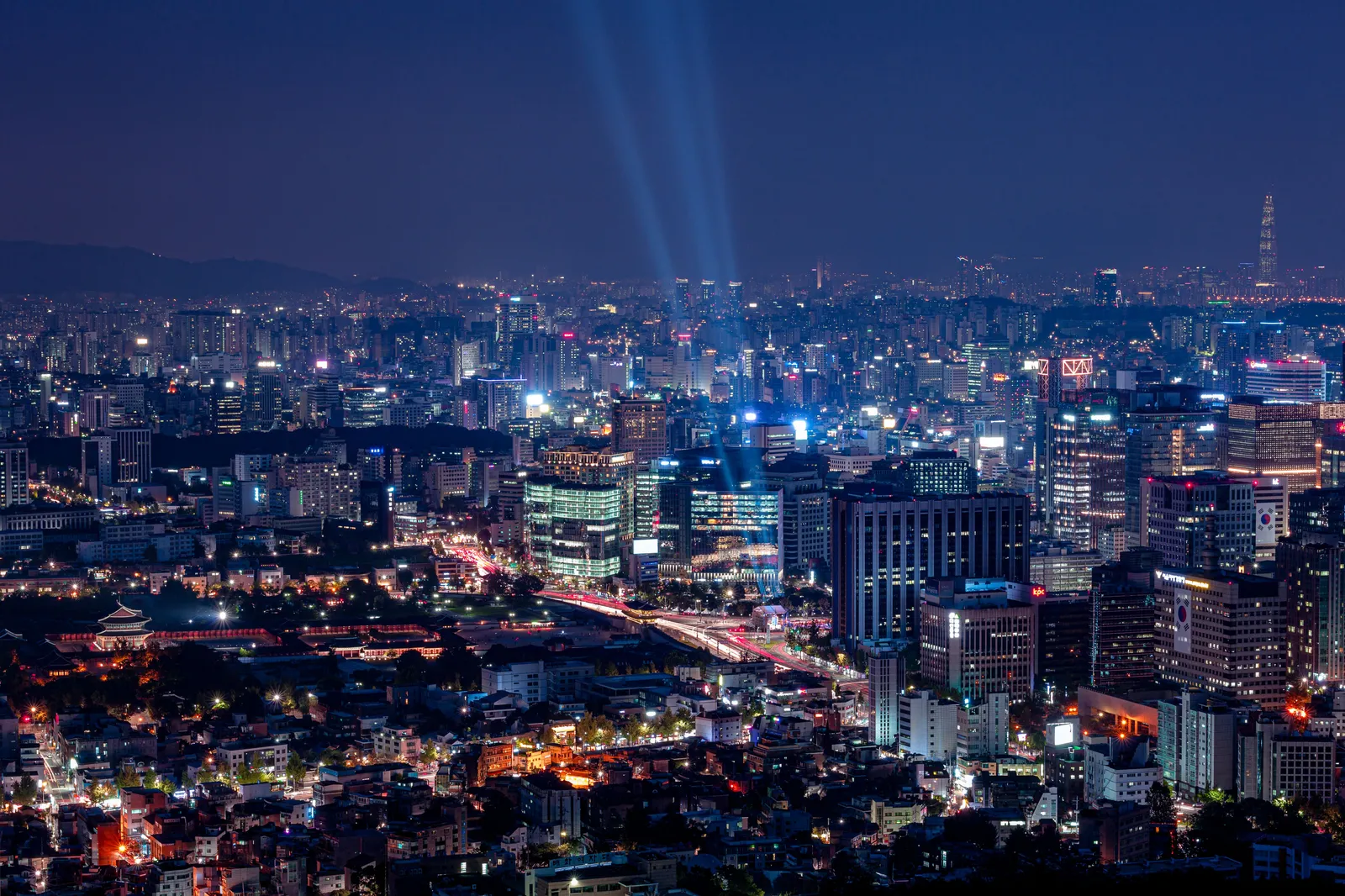
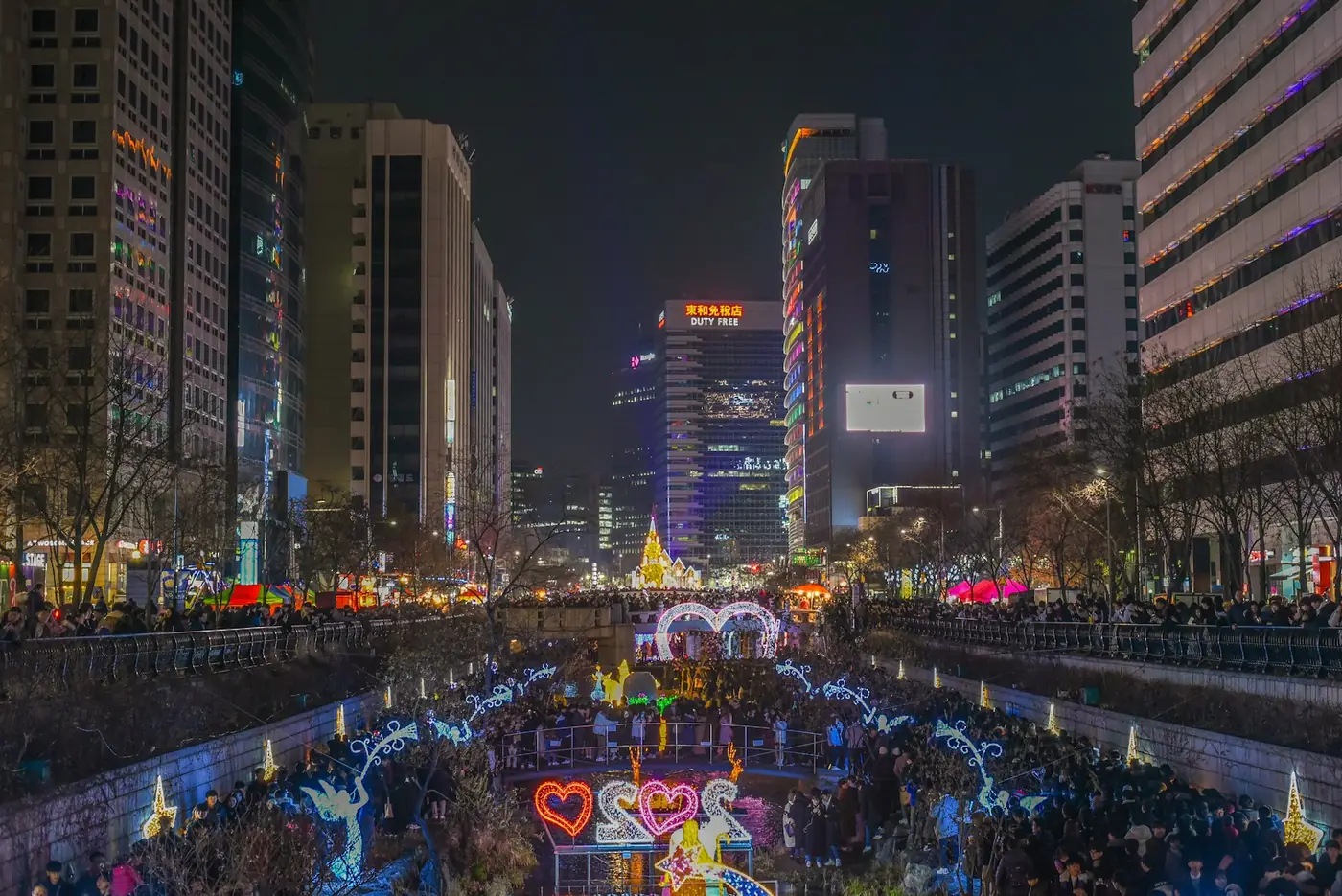
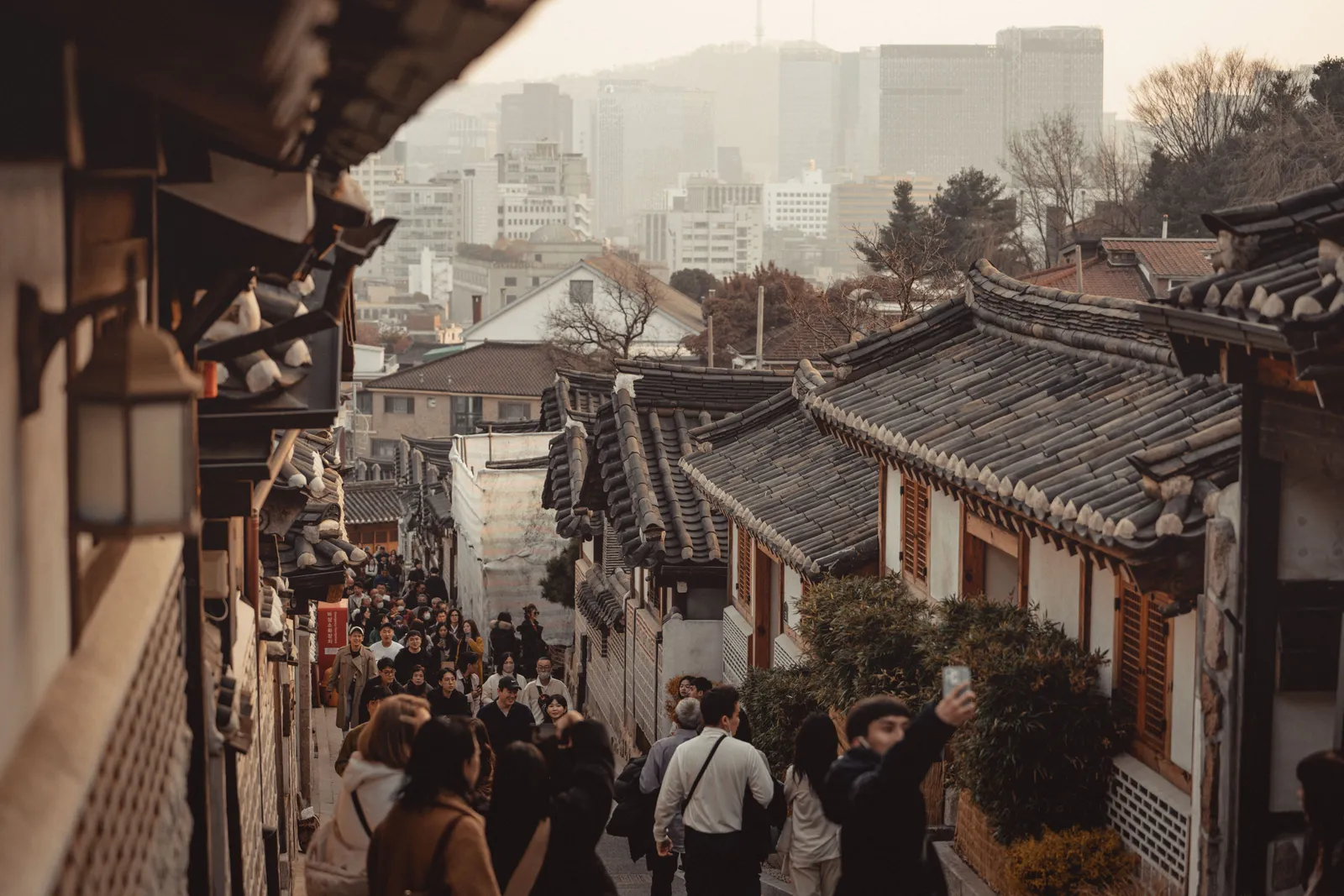
The flip side of an emptying country is a quieter capital. With a significant share of Seoul’s residents away visiting family, some of the city’s most crowded spots, from palace courtyards to popular shopping streets, can feel noticeably calmer than on an ordinary week. Photographs without a crowd in them and shorter queues at the more famous sights are a genuine upside for a visitor who is not trying to move between cities during the core days.
The trade-off is that some of the restaurants and shops around those same attractions may also be closed, so pairing the holiday with a base in one city, rather than a multi-stop itinerary, tends to work best.
The exceptions to the quiet
Airports and the main tourist areas of Seoul are the exception to the general quiet, since incoming visitors and returning residents still pass through them regardless of the holiday. Expect the airport itself and its transfer routes to be busy even while the neighbourhoods further out feel unusually calm.
Planning a trip around it
Who should travel during Chuseok, and who should rethink
| Your trip | Verdict |
|---|---|
| One-city stay, mostly Seoul | A good fit, with quieter streets and possible holiday events |
| Two cities with tickets booked early | Workable, if you commit to the fixed journey days |
| Multi-city route with flexible same-day hops | Risky, consider moving dates or cutting stops |
| Trip built around small local restaurants or markets | Disappointing, many may be closed |
| Self-drive road trip | Possible, but expect very heavy traffic on the holiday days |
Your checklist
Check the exact dates for your travel year, since they move annually with the lunar calendar and are usually confirmed well in advance.
Base yourself in one city rather than planning to move between destinations during the core holiday days.
Book intercity transport as early as tickets open, treating any journey between cities as something that needs a reservation rather than a same-day decision.
Check hours for specific restaurants and small businesses you are relying on, since closures are common but not universal.
Keep a fallback for meals, such as a convenience store, chain restaurant or hotel restaurant near where you are staying.
Consider it a strong option for a Seoul-based trip, where the quieter streets and possible special holiday events can outweigh the businesses that are shut.
And for everything else to prepare before a first trip, our guide for first-time visitors to Korea is a good starting point.
The short version
Chuseok is Korea’s autumn harvest holiday, set by the lunar calendar and usually falling in September. Expect small restaurants, markets and local shops to close for some of the period, while convenience stores, chains and hotels stay open. Book any intercity train or bus the moment tickets are released, since the whole country travels at once and same-day journeys are not realistic. If you stay based in one city, particularly Seoul, the quieter streets and palace grounds can make the holiday one of the more atmospheric times to be there rather than a reason to avoid the dates.