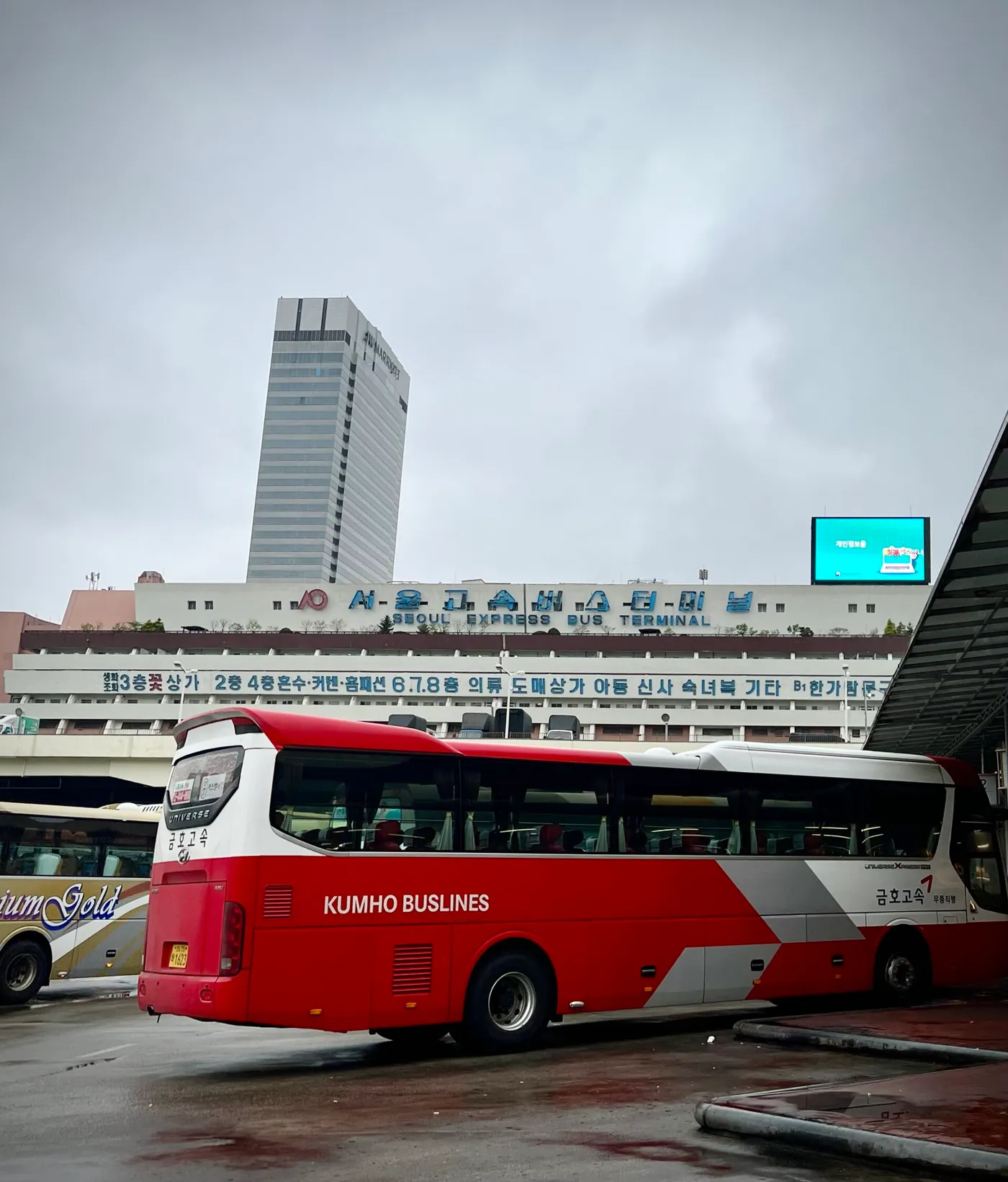
Korea has a famous railway and a bus network that most visitors never open, and the second one reaches considerably more of the country than the first.
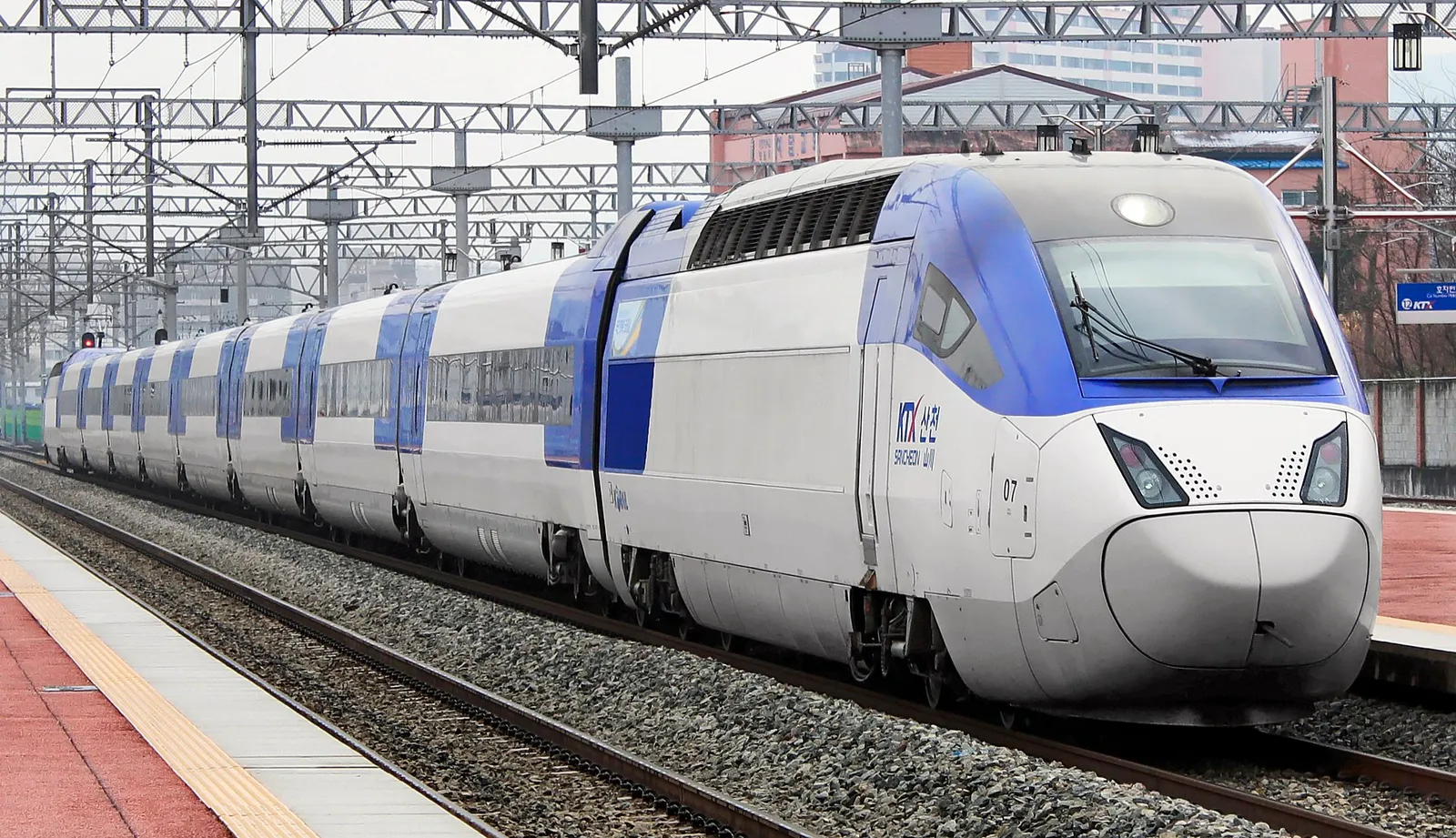
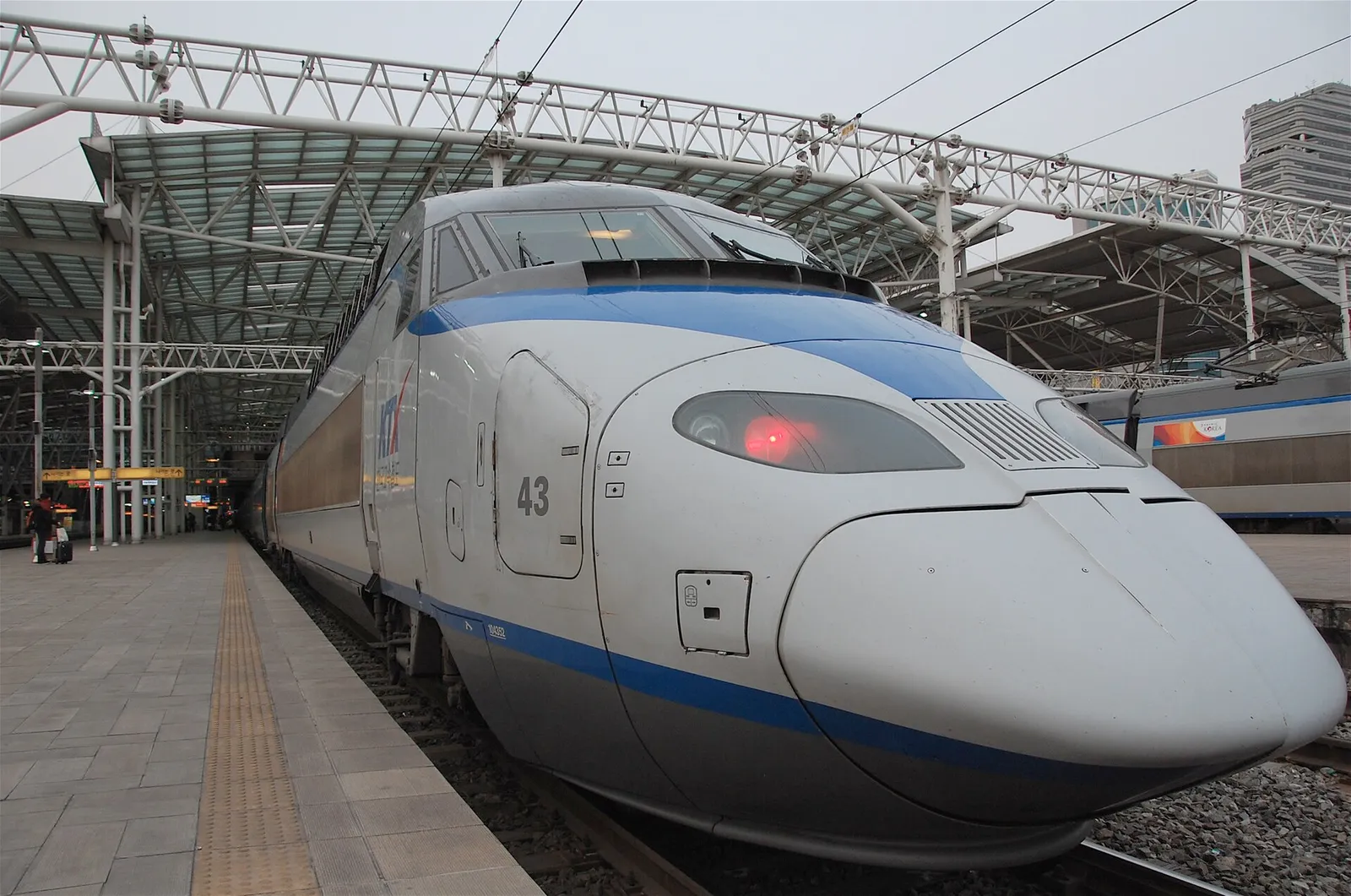
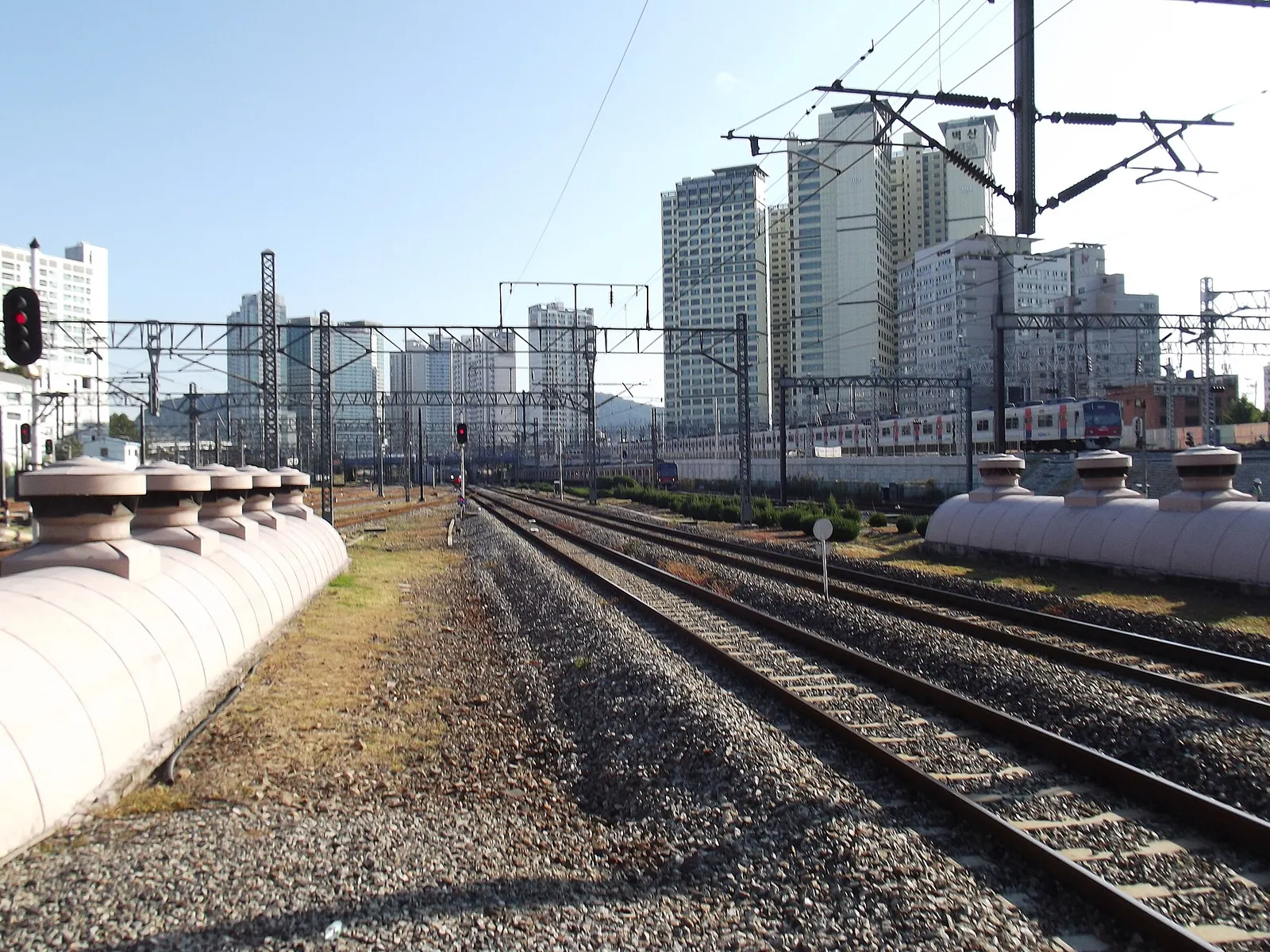
The trains are the reason the buses get ignored. The KTX is fast, comfortable and straightforward to book in English, so it becomes the default, and the map of Korea quietly shrinks to the dozen or so cities it serves. Everything else starts to look difficult, which it is not.
Two bus networks, not one
Express buses, gosok in Korean, run city to city along the expressways with few stops or none at all. These are the long-haul services and they leave from dedicated express terminals.
Intercity buses, sioe in Korean, cover everything else: smaller cities, county towns, national park gateways, coastal villages. They stop more often, they take back roads where they have to, and they reach the places the expressway network never touches.
🔑 The distinction matters because the two are booked and boarded separately. Two categories, two official booking systems, and in several cities two different terminals. A route that looks as though it does not exist is very often simply sitting on the other network.
The seat classes, decoded
Standard, ilban, is four seats across and the cheapest fare. Entirely comfortable for an hour or two and unremarkable in every direction.
Premium, udeung, drops to three seats across, which makes each one much wider, and reclines considerably further. On anything over about two hours this is the class to book, and the fare difference is usually modest enough that the decision makes itself.
The top tier, sold as premium on a selection of longer routes, goes further still: a smaller number of very deep reclining seats, each with a privacy shade and a screen. It is the most comfortable way to cross the country at ground level.
⚠️ The class is chosen when you book, not at the terminal, and on a popular route the wider seats go first. If comfort is the point of taking the bus, book earlier rather than turning up.
What Korea does not have
There are no lie-flat sleeper coaches. Nothing on the Korean network resembles the bunk buses that run in Vietnam, India or Turkey, and nobody is going to hand you a duvet.
What exists instead is a very deep reclining seat. On the best buses it gets close enough to horizontal that sleeping is genuinely possible rather than theoretically possible.
And there are late-night departures, simya services, which leave after the last trains have gone and typically cost more than the same route in daylight.
🔑 So the honest framing is a night bus rather than a sleeper. If you arrived expecting a bed, adjust downwards. If you were picturing an ordinary coach seat, adjust upwards, because the premium classes are a long way better than that.
Booking, and the one wrinkle
Both networks have official booking sites and apps, with some English coverage, selling exactly the same seats you would buy at a counter.
Foreign cards are the wrinkle. Acceptance varies between platforms and it changes, so test a single booking early in the trip rather than assuming every leg can be reserved from home.
The fallback is completely reliable. Terminal counters and machines sell tickets on the day, take cash, and the staff at the major terminals deal with visitors constantly.
Book ahead for the crowded weeks, meaning the national holidays and the autumn foliage weekends. Our guide to KTX trains in Korea covers the same squeeze on the railway, and it hits both networks at once.
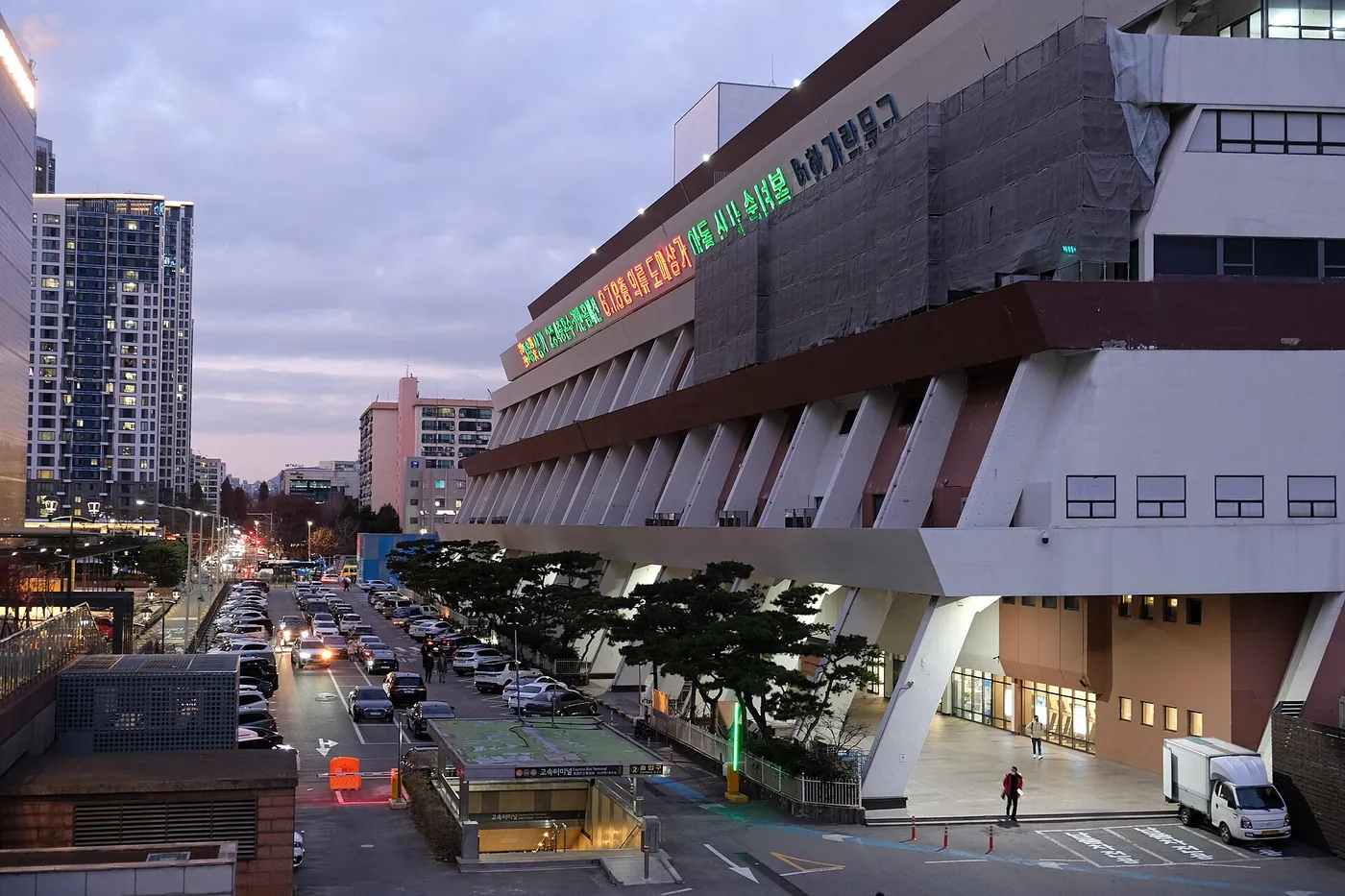
Seoul does not have a bus station
It has several, and arriving at the wrong one is the most common mistake visitors make with this network.
The Express Bus Terminal complex in Gangnam handles a large share of express departures and sits directly on the metro, which makes it the one most people meet first.
Dong Seoul, on the eastern side of the city, and Nambu, to the south, cover different sets of destinations, including a good deal of the intercity network.
⚠️ Check the departure terminal at the moment you book, not on the morning you travel. Crossing Seoul from one terminal to another is the better part of an hour, and it is an hour nobody has built into their plan.
Where the bus genuinely wins
National park gateways. Sokcho for Seoraksan, and most of the other park towns, are bus destinations rather than rail ones, and the coach is not a compromise there. It is the service.
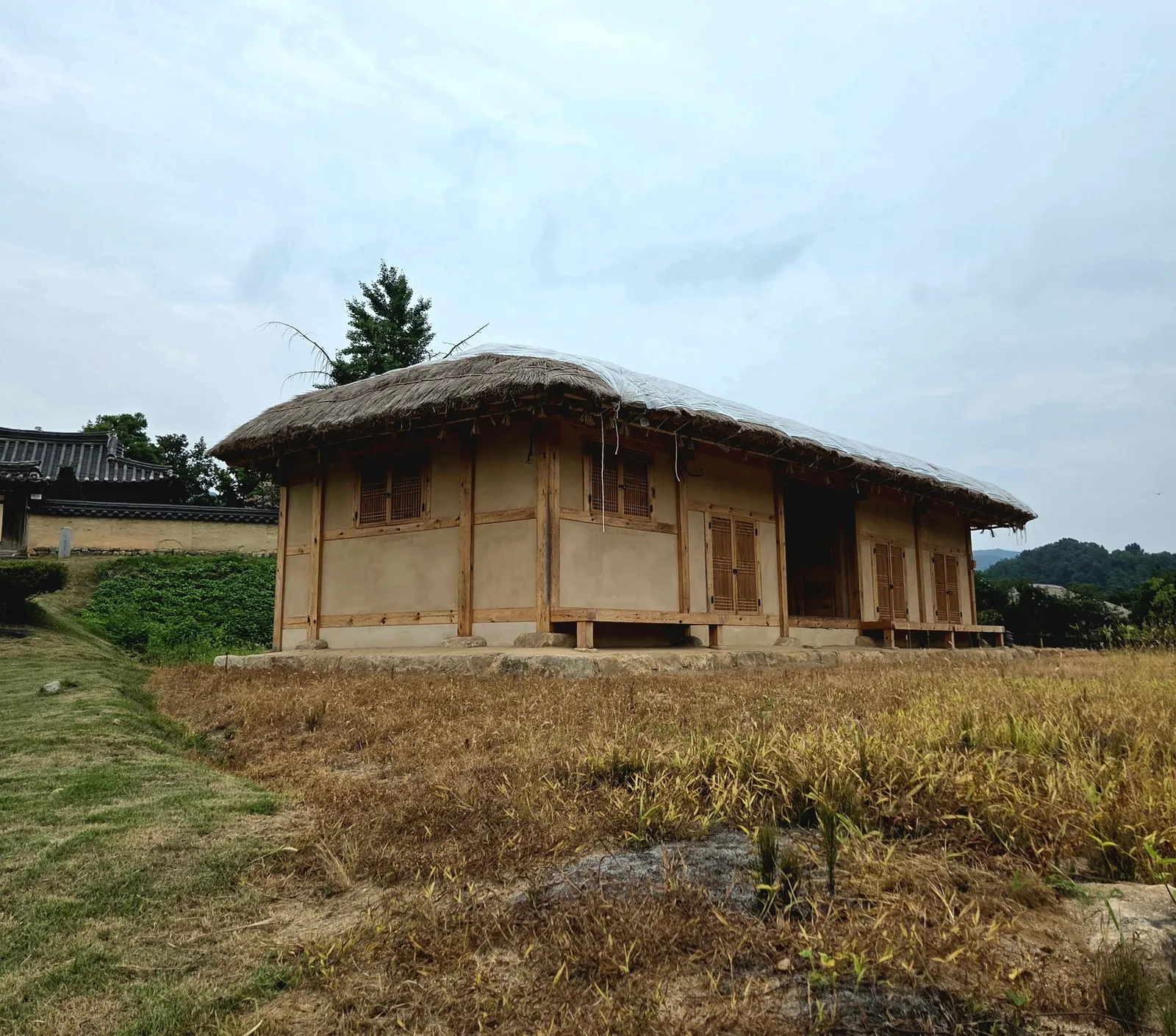
Small historic towns. Andong is the clearest case in the country, and our guide to the mask village at Andong covers what is waiting when you arrive.
Anywhere off the high-speed spine. The railway runs down the peninsula in a line with a few branches. The bus network fills the space between them.
And the fare. On almost every route where both exist, the bus is meaningfully cheaper than the fast train, which adds up quickly across a two-week trip.
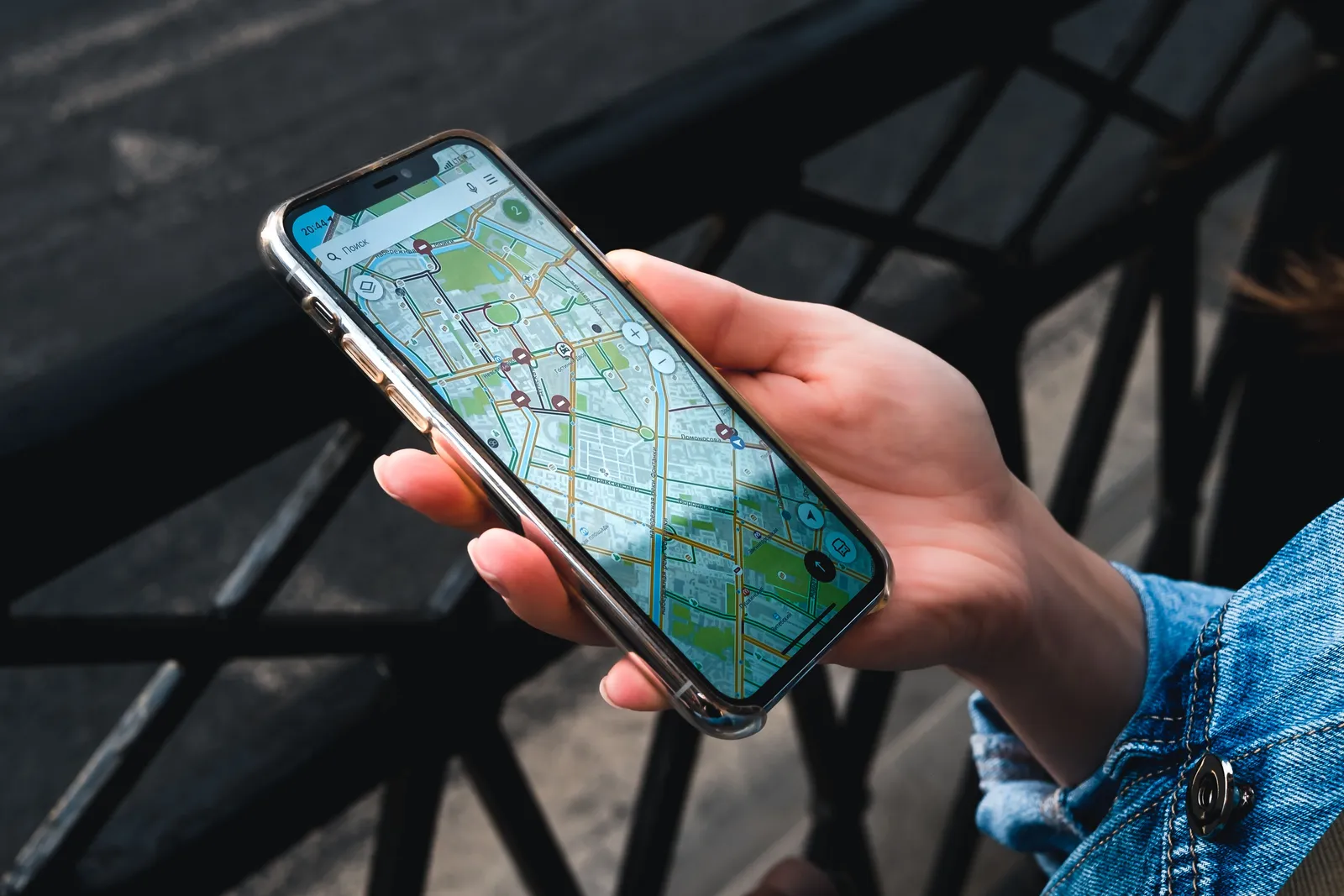
Terminals move faster than a phrasebookLive departures and Korean map apps both need data before you reach the platformThe onboard reality
Most intercity coaches have no toilet. This is not an oversight, it is the reason the rest stop exists, and the two facts belong together in your planning.
Longer routes pull into a highway service area, generally for something around fifteen minutes, and the driver announces the departure time in Korean. Photograph the number plate and note the bay, because there will be a row of nearly identical coaches when you come back out.
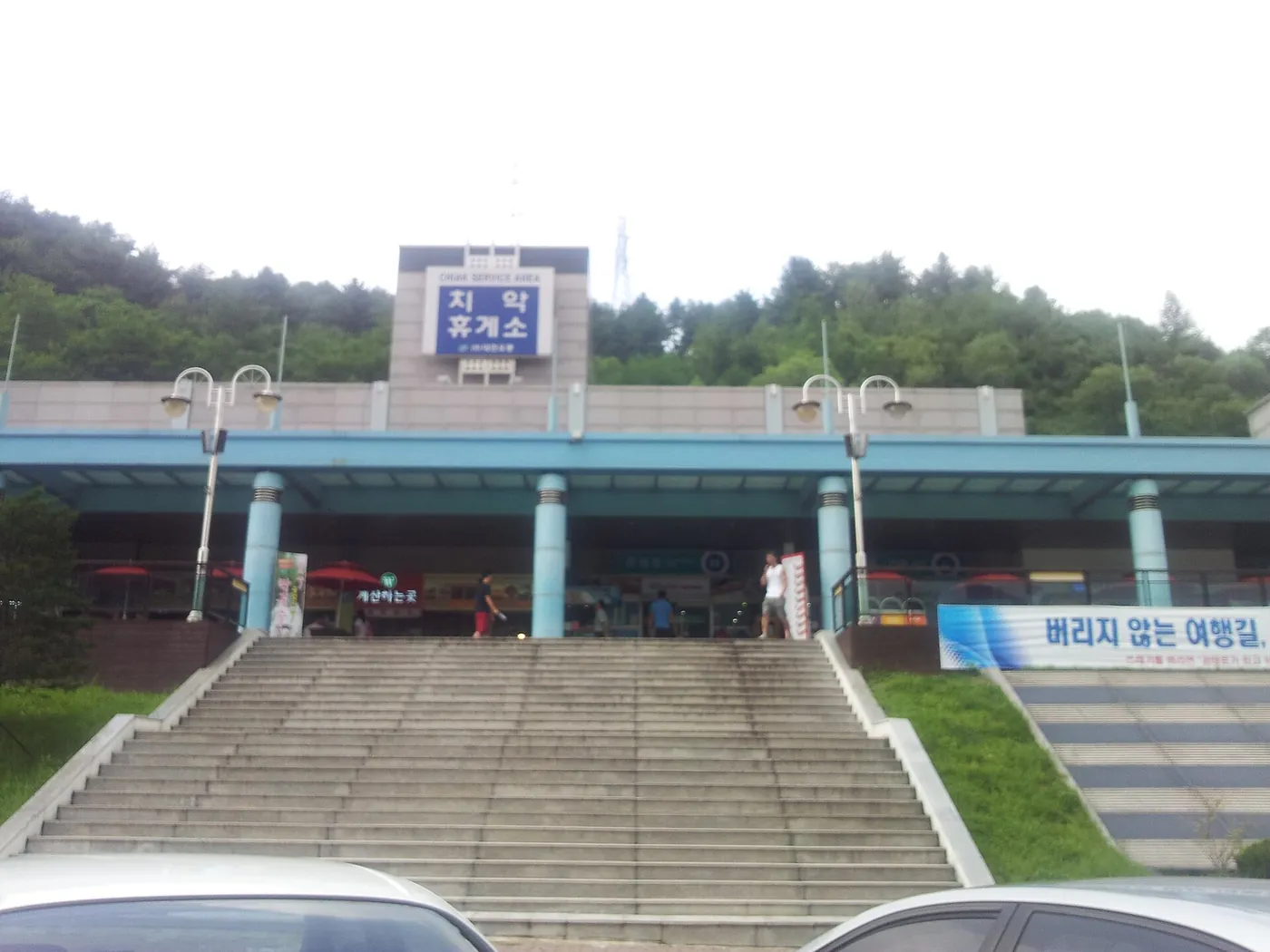
Service areas are worth the stop in their own right. Korean motorway stops sell proper food rather than sad sandwiches, and they are a small window onto how the country actually travels.
Seatbelts are worn and this is enforced. Curtains stay closed, cabins are often dark in the middle of the afternoon, and the air conditioning is enthusiastic year round, so carry a layer.
When the night bus is actually right
When it saves a hotel night and delivers you somewhere at the beginning of a day instead of the end of one.
When the last train has already gone and the alternative is cutting an evening short to be back in time for it.
⚠️ And not when the following morning matters. A reclining seat on a moving coach is not a bed, and Korea is small enough that the hours saved rarely repay the sleep lost.
The full picture of how the buses sit alongside the trains, the subways and the tap card is in our guide to getting around South Korea, which is the place to start if this is your first trip here.
The short version
Korea runs two bus networks: express services between cities and intercity services to everywhere else. Book the premium class on anything over two hours, check which of the several Seoul terminals your route uses before the day itself, expect a rest stop rather than a toilet, and treat the late-night departures as a very good reclining seat rather than a bed. Where the railway stops, this is how the rest of the country moves, and it is neither difficult nor expensive.