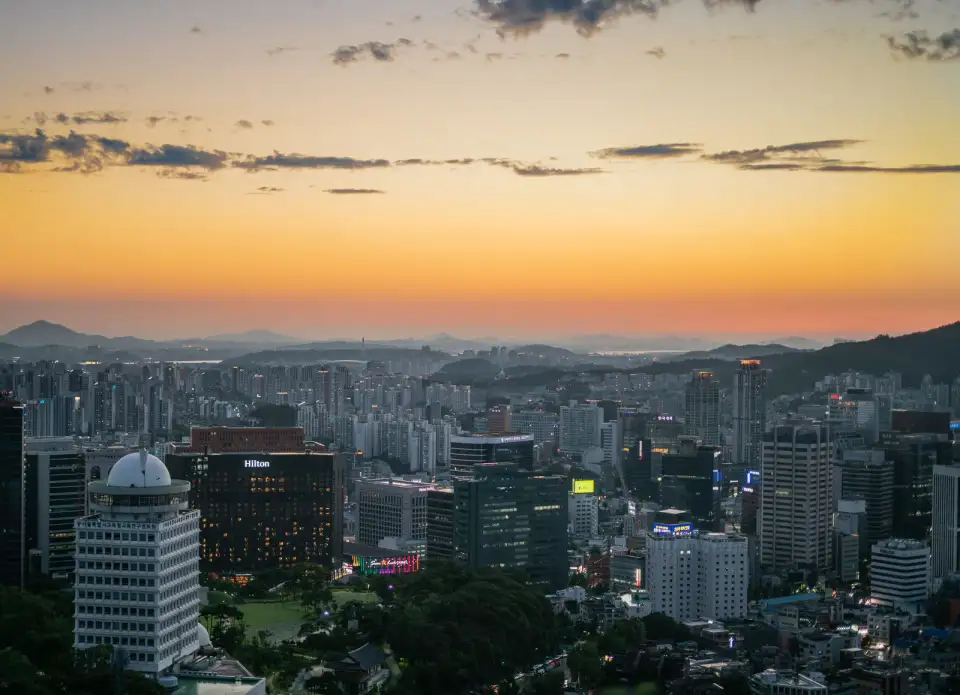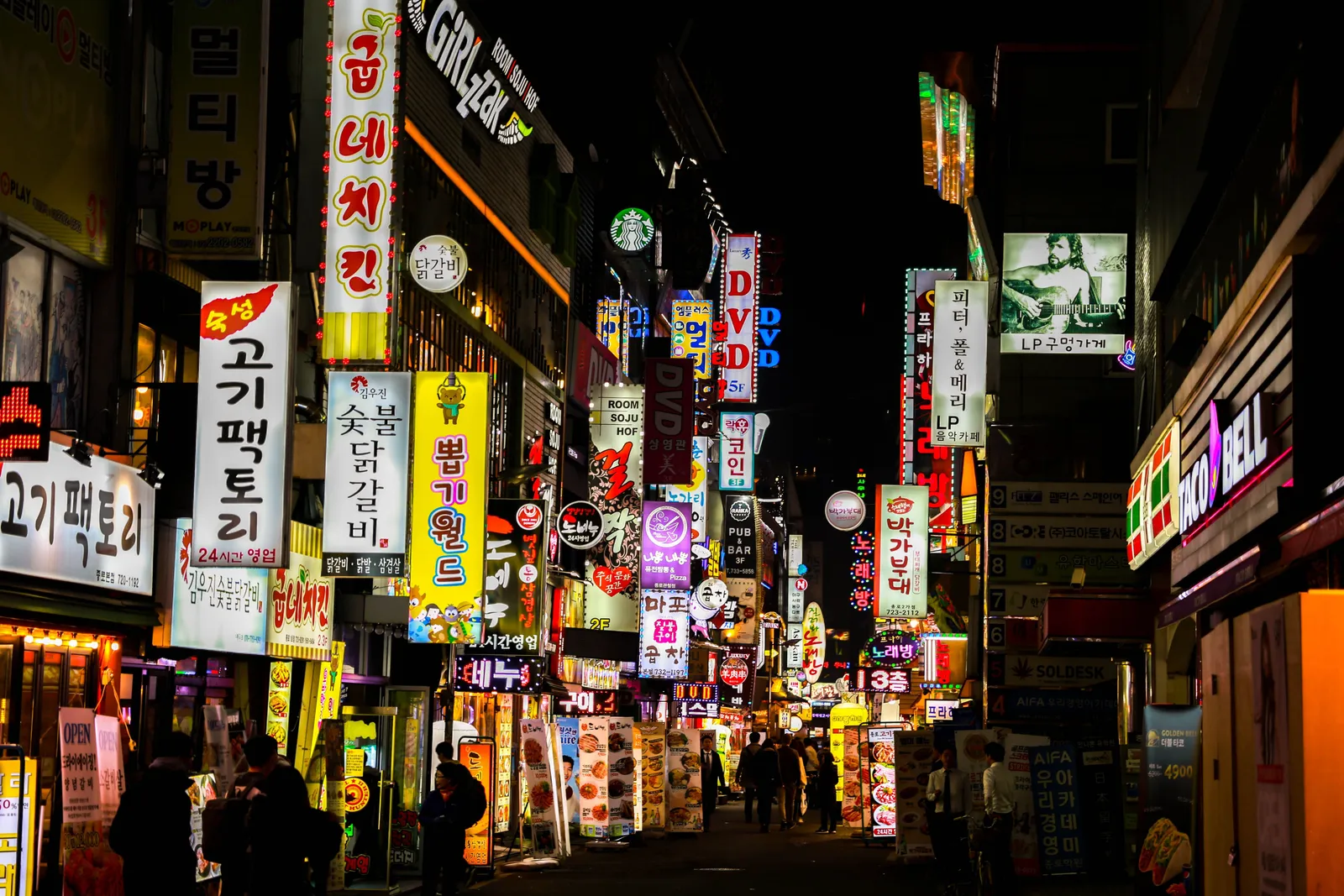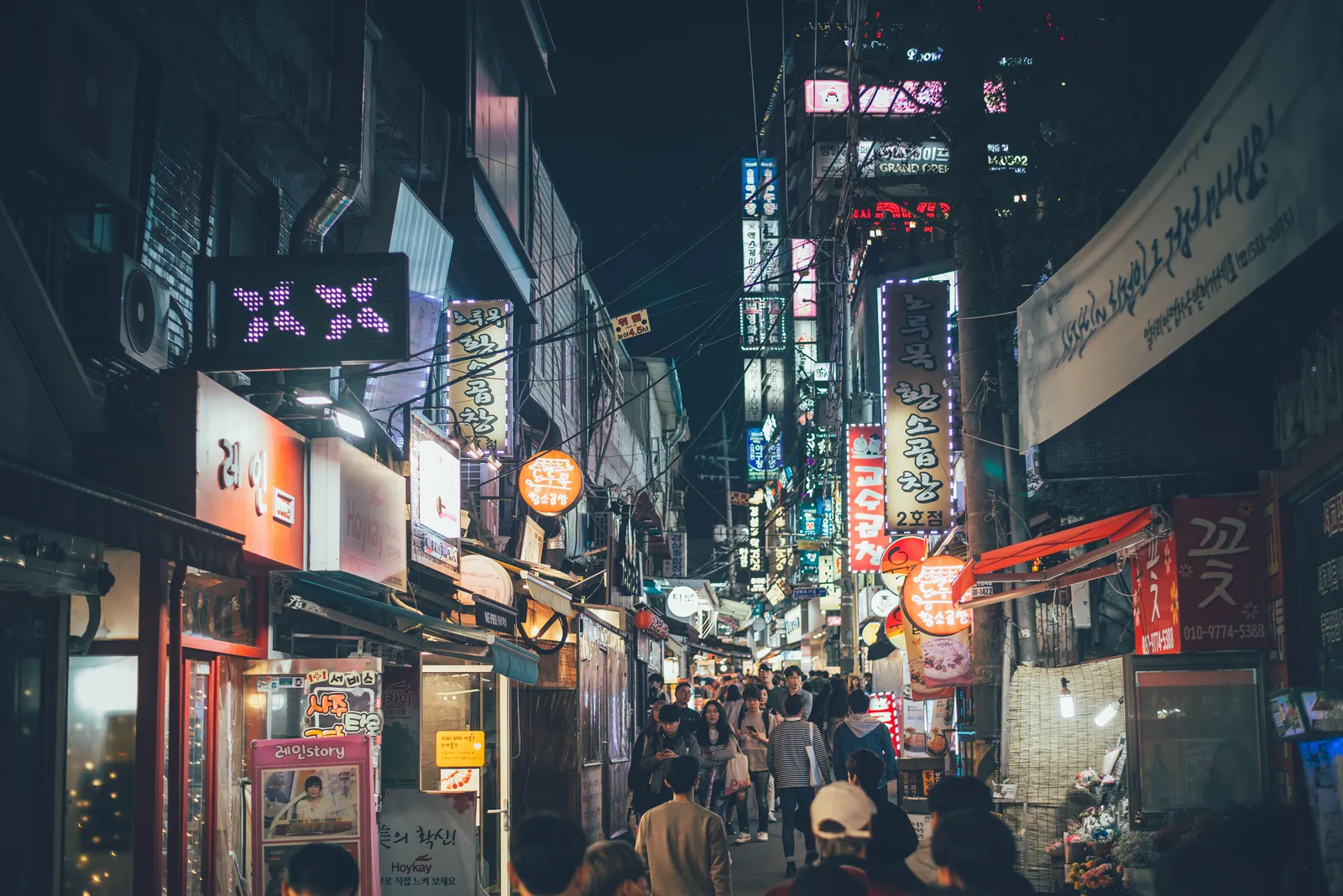
Most visitors who land in Seoul hear about Hongdae and head straight there, and that makes sense: it is cheap, loud and needs no introduction. But Seoul after dark has more than one centre, and two of its other districts, Itaewon and Gangnam, offer nights that feel almost nothing alike, and nothing like Hongdae either.
Itaewon: the district that needs no plan
Itaewon grew up around an international community, and that is still what defines it. One main road runs uphill with a web of side streets branching off it, and inside those side streets sit restaurants from every corner of the world, tiny bars with room for ten people, pubs, and places with live music most nights.
What makes it especially easy for a visitor is that you can arrive with no plan at all. There is no need to book a table, no dress code in most places, and it is simple to walk in, have one drink, and move on. The side streets hold the quieter, cheaper bars, and both prices and noise fall the higher up the hill you climb.
Two smaller pockets are worth knowing about specifically: Gyeongnidan-gil, a long strip of cafes and small bars that reads as a calmer, more design led version of the main road, and Hangang Jin, close to the river. Both are within walking distance and both are calmer than the main strip in the evening. Itaewon sits alongside Hongdae and Gangnam as one of the three nightlife hubs covered in our full Seoul guide.
Gangnam: money, planning and a much bigger dance floor
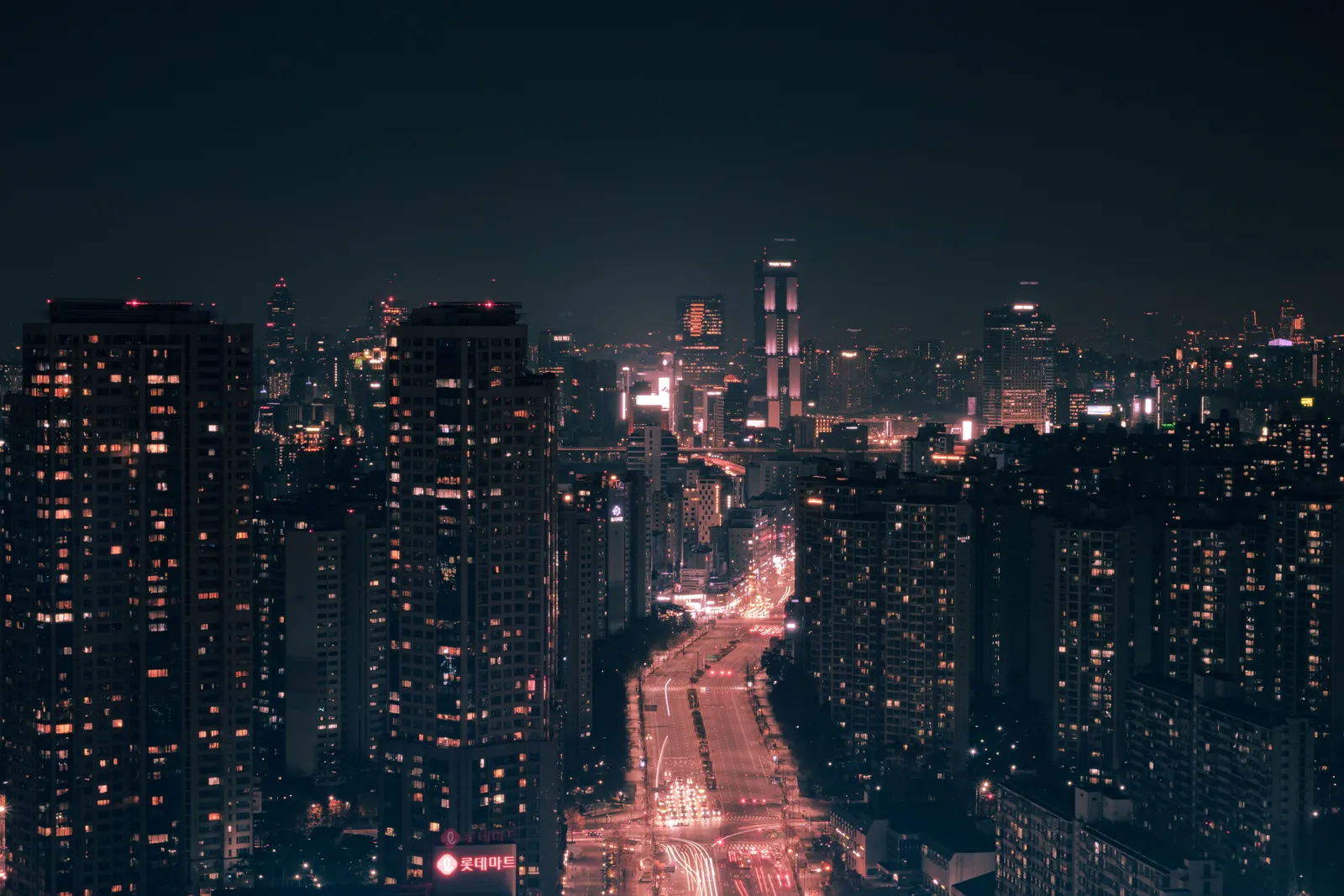
Gangnam is the opposite in almost every way. The streets are wide, the buildings are tall, and the night out is not spread across a neighbourhood so much as concentrated into specific addresses, from large clubs to basement cocktail bars to rooftop lounges with a view over the city.
This is a district that rewards a little planning. The big clubs charge an entry fee, sometimes enforce a dress code, and can queue on weekends. Anyone chasing a serious electronic music night with a big dance floor will not find the same intensity in Itaewon.
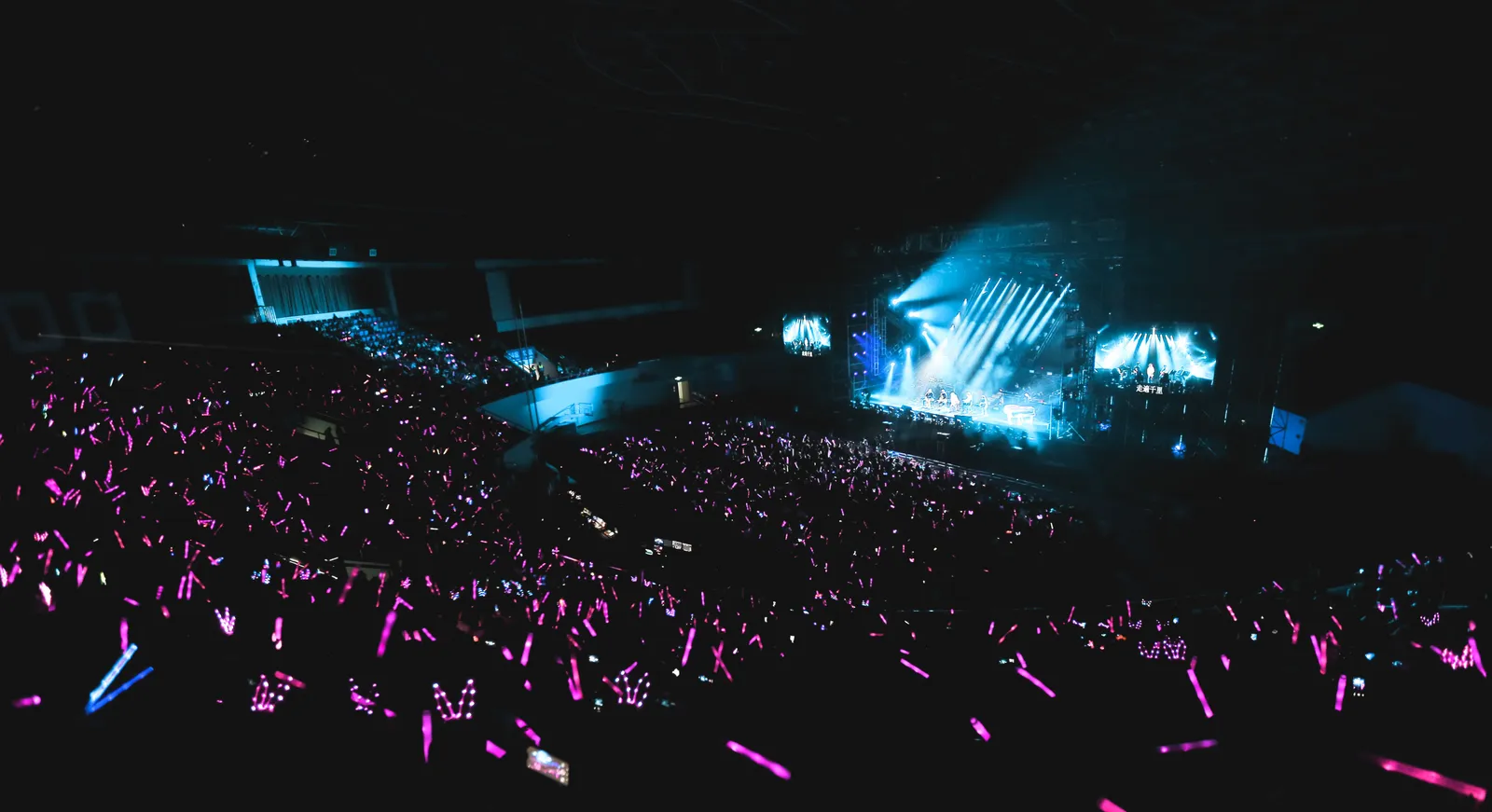
Gangnam is also home to a number of Korean entertainment agencies and K-pop stores close to the clubs, though several of the biggest names, such as HYBE in Yongsan and YG in Mapo, are based in other districts; our guide to K-pop for travellers covers what you can actually see and do around them.
There is a quieter side too, and it is easy to miss: Garosu-gil in Sinsa, a street of cafes and shops by day that fills with wine bars and seated venues by night. It is the best option in Gangnam for anyone who wants to sit and talk rather than dance.
The real decision of the night is the last train
Seoul’s subway closes around midnight and reopens early the next morning, and the exact time shifts between lines and stations. That single fact splits every night in the city into one of two shapes.
The first is the night that finishes before midnight. Check when the last train leaves your station, and start moving roughly half an hour before it does. Simple, cheap, and it suits most evenings out.
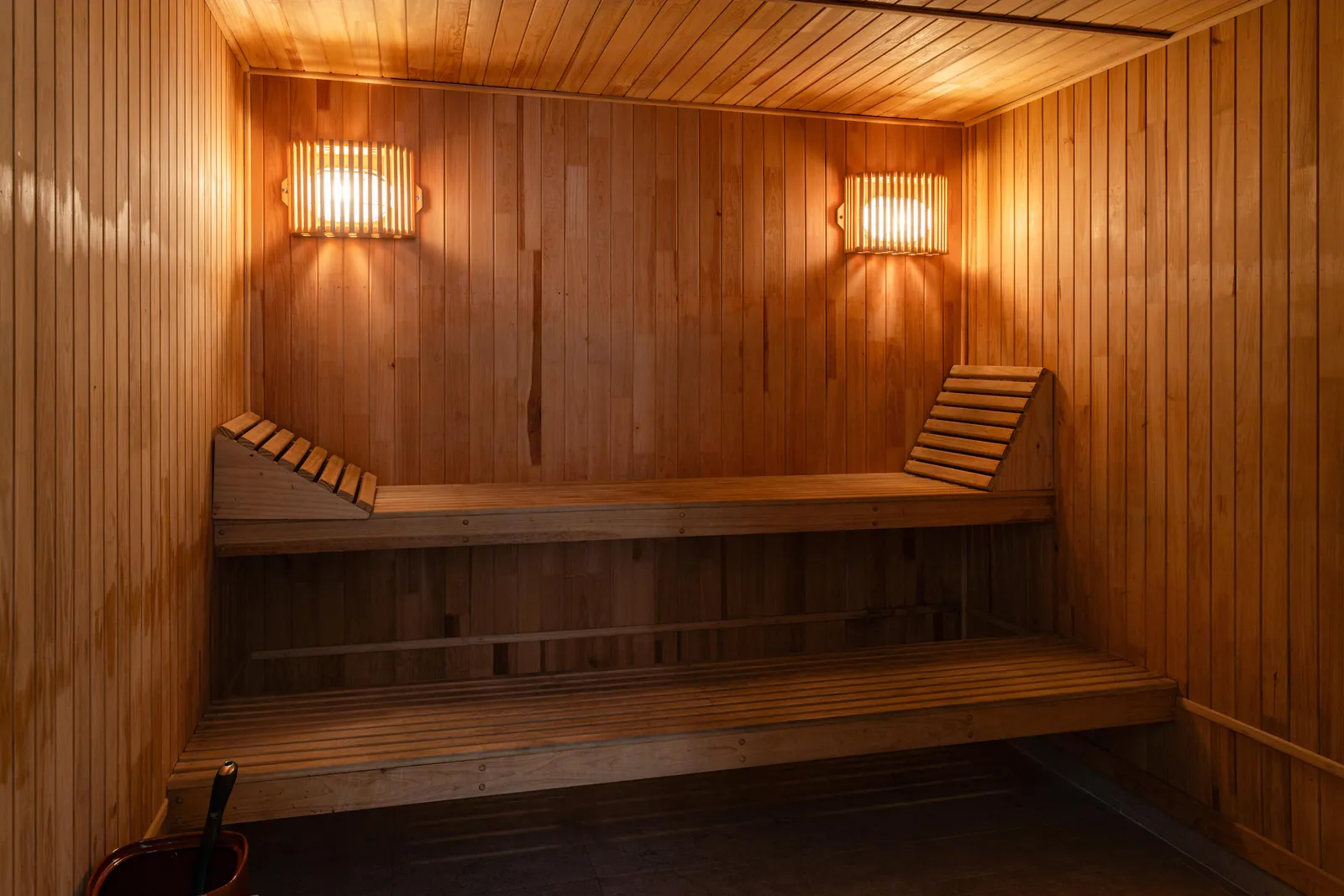
The second is the night that runs until morning, and this is a genuine local pattern rather than a joke. Once the trains stop, people move on to whatever stays open, whether that is a restaurant, a cafe or a jjimjilbang, the public bathhouse where you can also sleep for a few hours. When the trains restart at dawn, everyone heads home.
What happens once the trains stop
What to avoid is a third option, which is stepping out onto the street at three in the morning on a weekend and trying to flag down a taxi. That exact window, right as the clubs empty out, is the hardest time of the whole night to catch one. Night buses run set routes right through until dawn and cost very little, which is the better fallback if you are not staying until the trains restart.
If you decide to stay out, our guide to the jjimjilbang explains how the bathhouses work and why they are a genuinely comfortable way to wait out the gap rather than an odd last resort.
Anju: why a Korean bar expects you to order food too
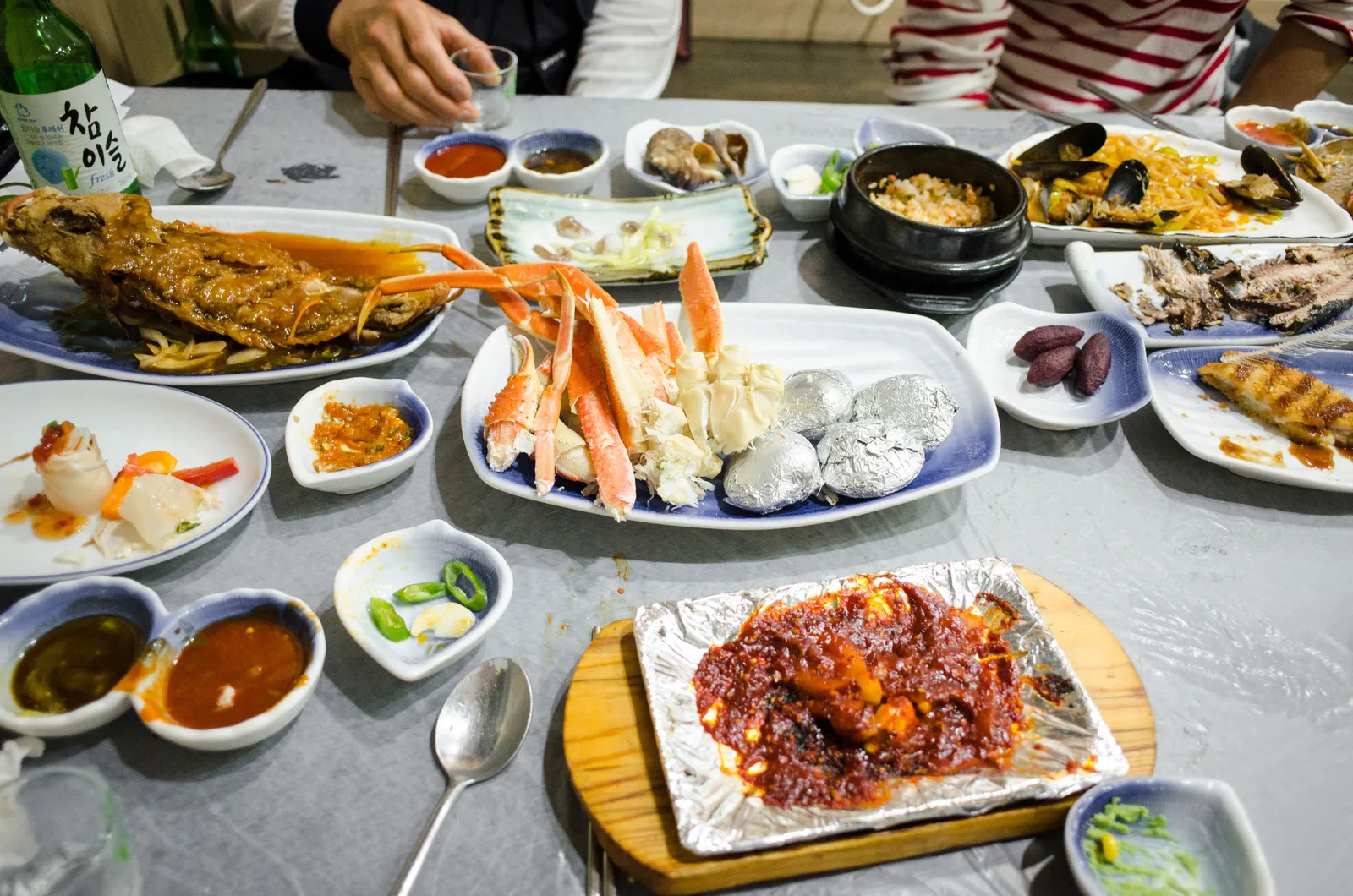
At a traditional Korean bar, drinks are not the whole order. You are also expected to order anju, the food that goes with the drinking, and in some places this is closer to a house rule than a suggestion. It can be fried chicken, a savoury pancake, sausages, or any number of other dishes, and the effect is that a night at the bar looks and feels much more like a long meal than a quick round of drinks.
It changes the bill too, and it is worth budgeting for. Drinks alone are simply not the local pattern, so build it into your expectations rather than your total. Western style venues in Itaewon are more relaxed about this, and traditional spots, especially in Gangnam, are stricter about it, but the habit is worth expecting either way.
One evening, both districts: a route that actually works
If you only have one night and want a taste of both sides, this order works well.
Start with an early dinner in Itaewon, around seven, while the streets are still easy to move through. Move to a small bar in one of the side streets for an hour or two afterwards. Ride the subway across to Gangnam before it closes for the night, since the journey itself is short. Finish in Gangnam, either at a bar with a view if you want to sit, or a club if you want to dance.
If you have several nights in the city, the simpler answer is to give each district its own evening: one for Itaewon, one for Gangnam and one for Hongdae. All three sit close together on the subway, and each one shows you a genuinely different city.
Quieter corners in both neighbourhoods, if you would rather talk than dance
Both districts have a loud reputation that does not tell the whole story. Itaewon’s side streets and Gyeongnidan-gil, and Gangnam’s Garosu-gil, all sit a short walk from the main strips and offer an evening built around conversation rather than volume.
Choosing between the two comes down to what kind of night you want rather than which is better. Itaewon suits improvising and easing in gradually. Gangnam suits deciding in advance and committing to it. Most visitors end up trying both within the same trip, on different nights, and come away with two very different memories of the same city after dark.