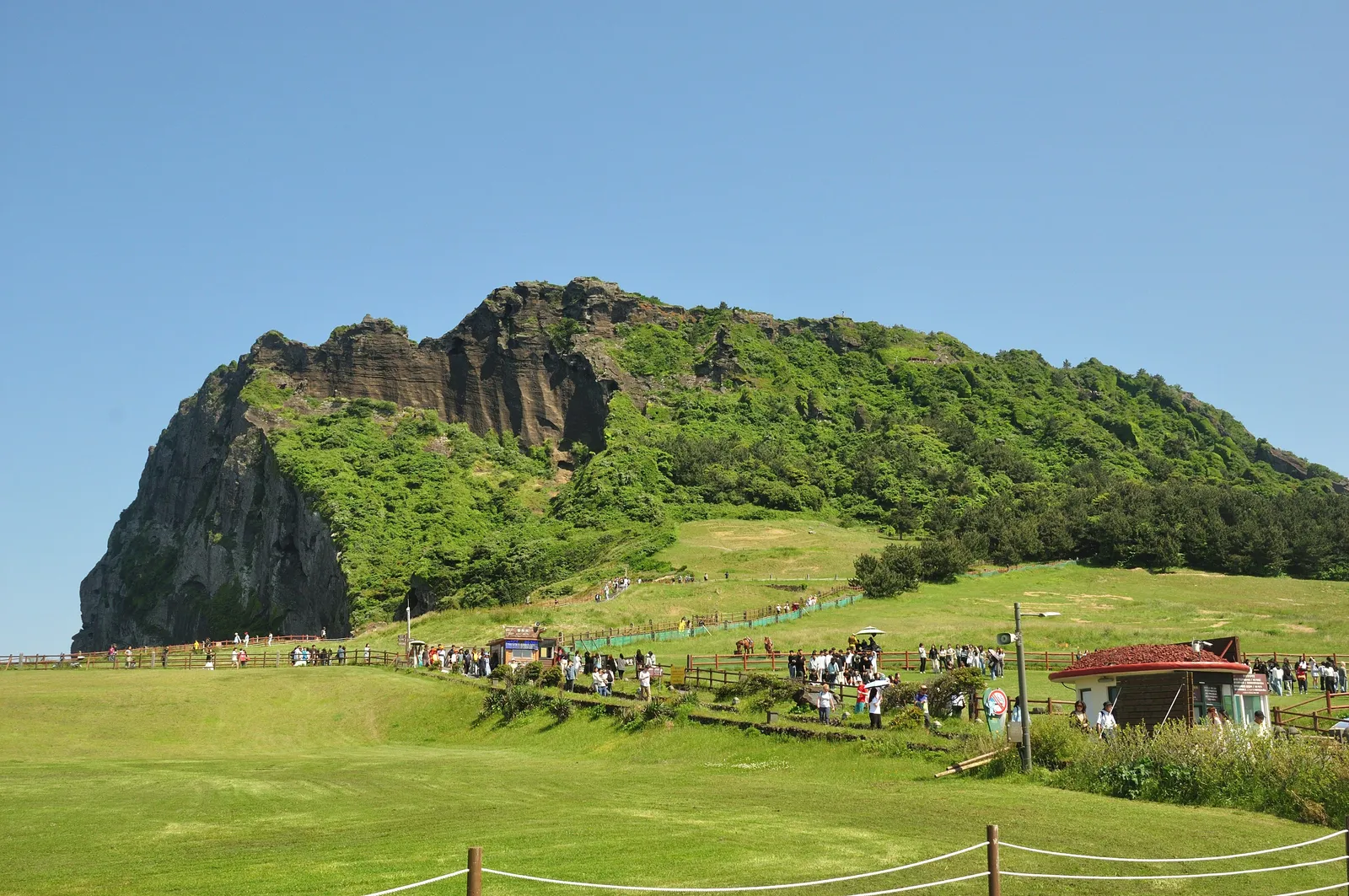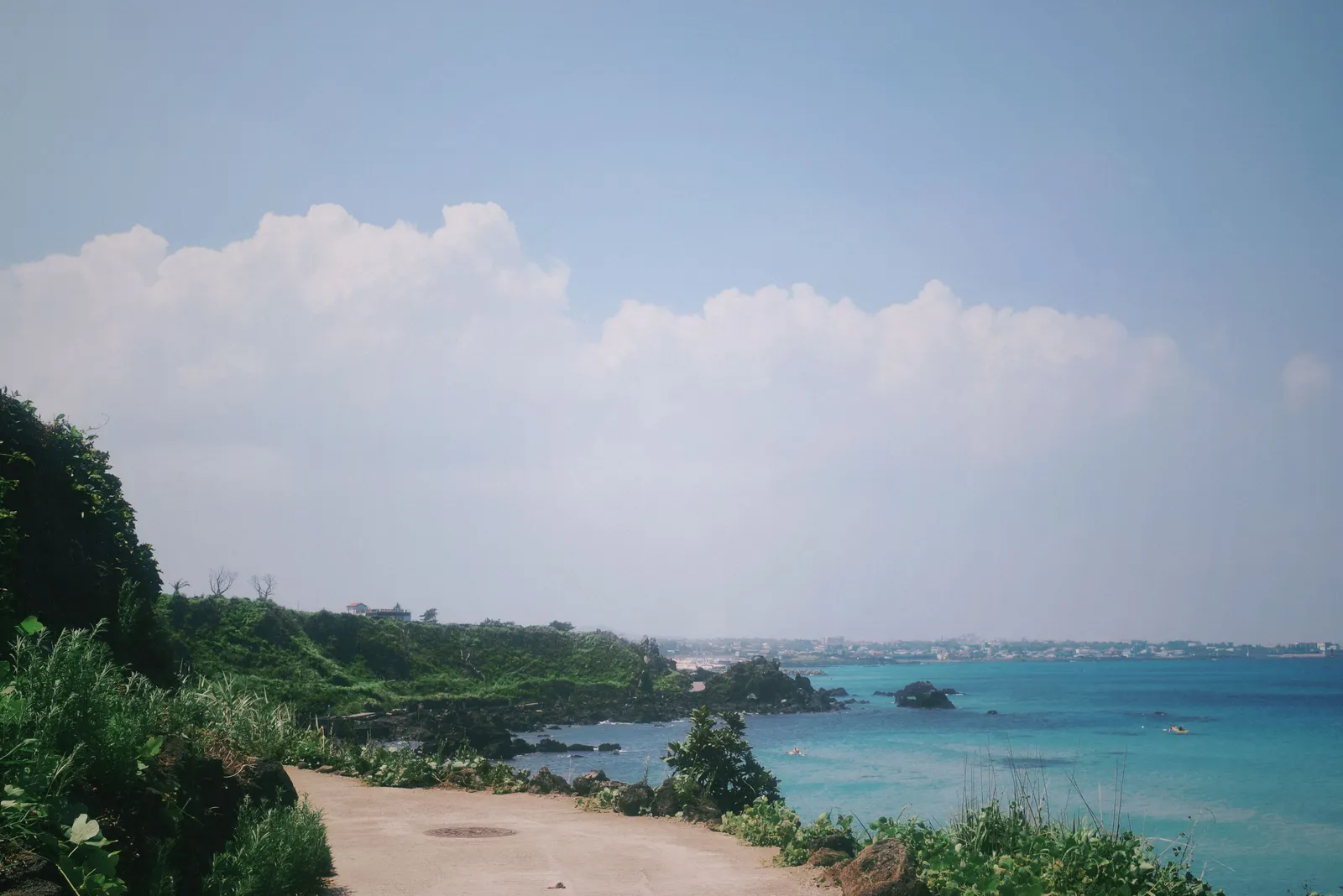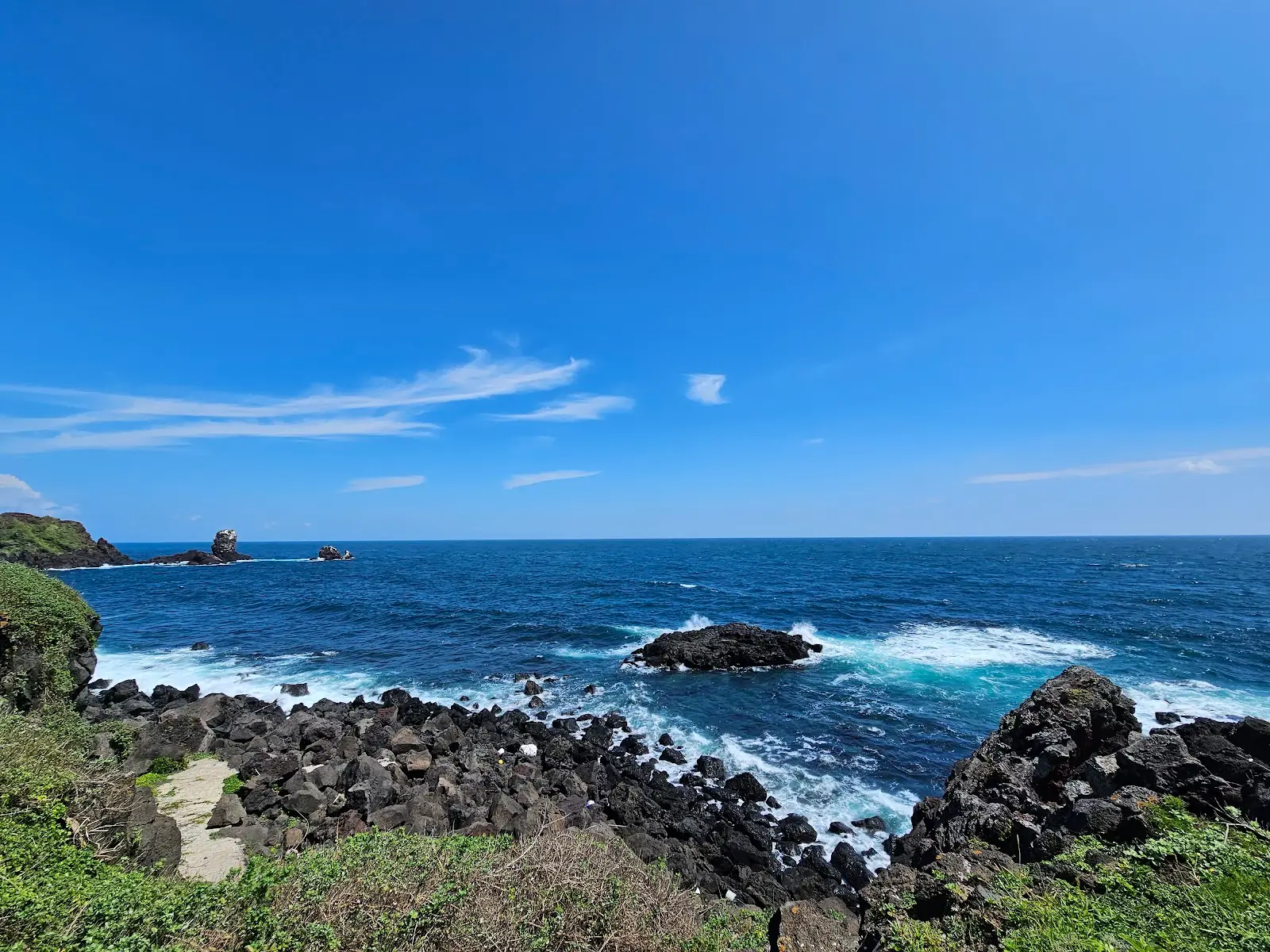
The first time I landed on Jeju I made the classic mistake: I booked a slick hotel near the airport in Jeju City for the whole week, then spent every morning driving forty minutes south to the waterfalls and every evening driving back in the dark. By day three I understood that the real question is not which hotel is nicest, but where to stay on Jeju so that the island actually opens up to you. This is a place you drive around, and your base decides how much of the day you spend behind the wheel.
So let me walk you through the honest version of each area, who it suits, and whether you truly need a car from there. If you want the wider picture first, the pillar Jeju Island Guide: Volcanoes, Beaches and the Slow Life sets the scene, and this article is the part that gets you a bed.
Jeju City: land here, eat well, but do not stay all week
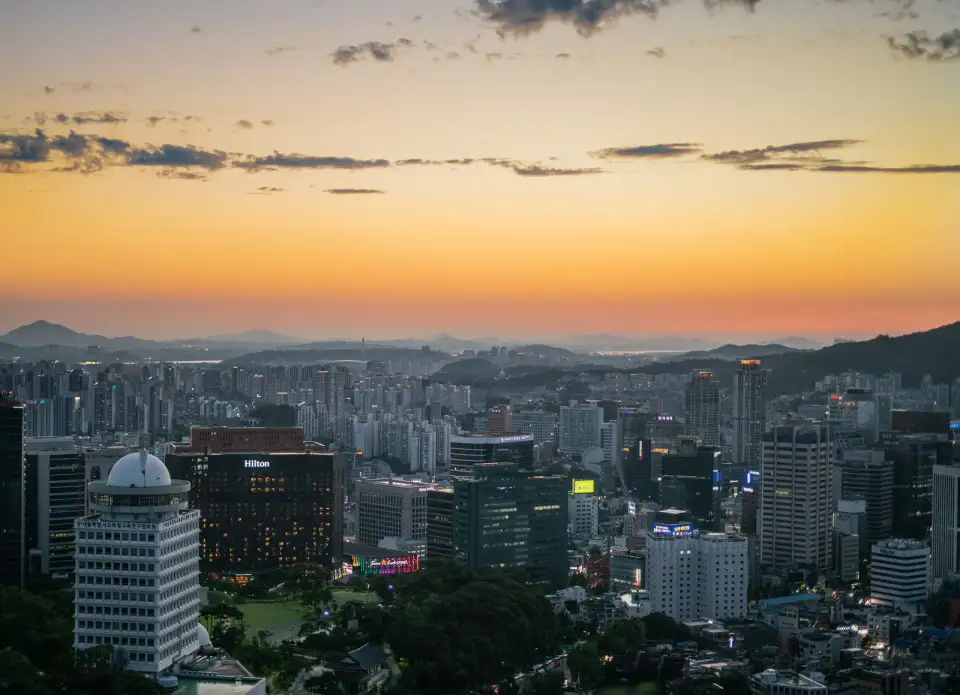
Jeju City is the northern hub, right beside the airport, and it is where nearly everyone arrives. If your flight lands late or leaves early, one night here is genuinely sensible. The food scene is the real draw: the black pork alley near the old downtown, the noodle houses, the late-night stalls. You can walk to dinner, which you cannot do at most beach resorts.
The downside is that Jeju City is a working city, not a holiday postcard. The seafront is more port than beach, and the sights you came for are scattered around the coast. You can survive here without a car for a night or two, using taxis and buses, but if you plan to explore you will still want to rent one.
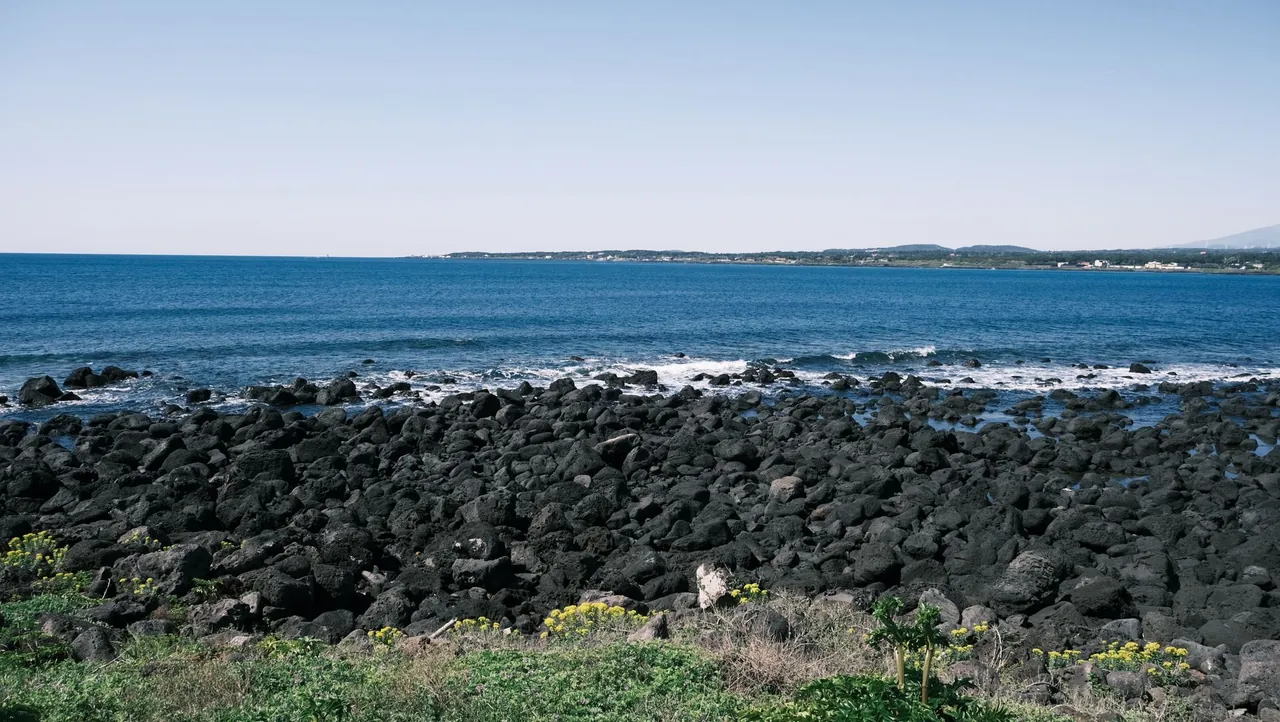
Seogwipo: the south coast, warmer air and waterfalls
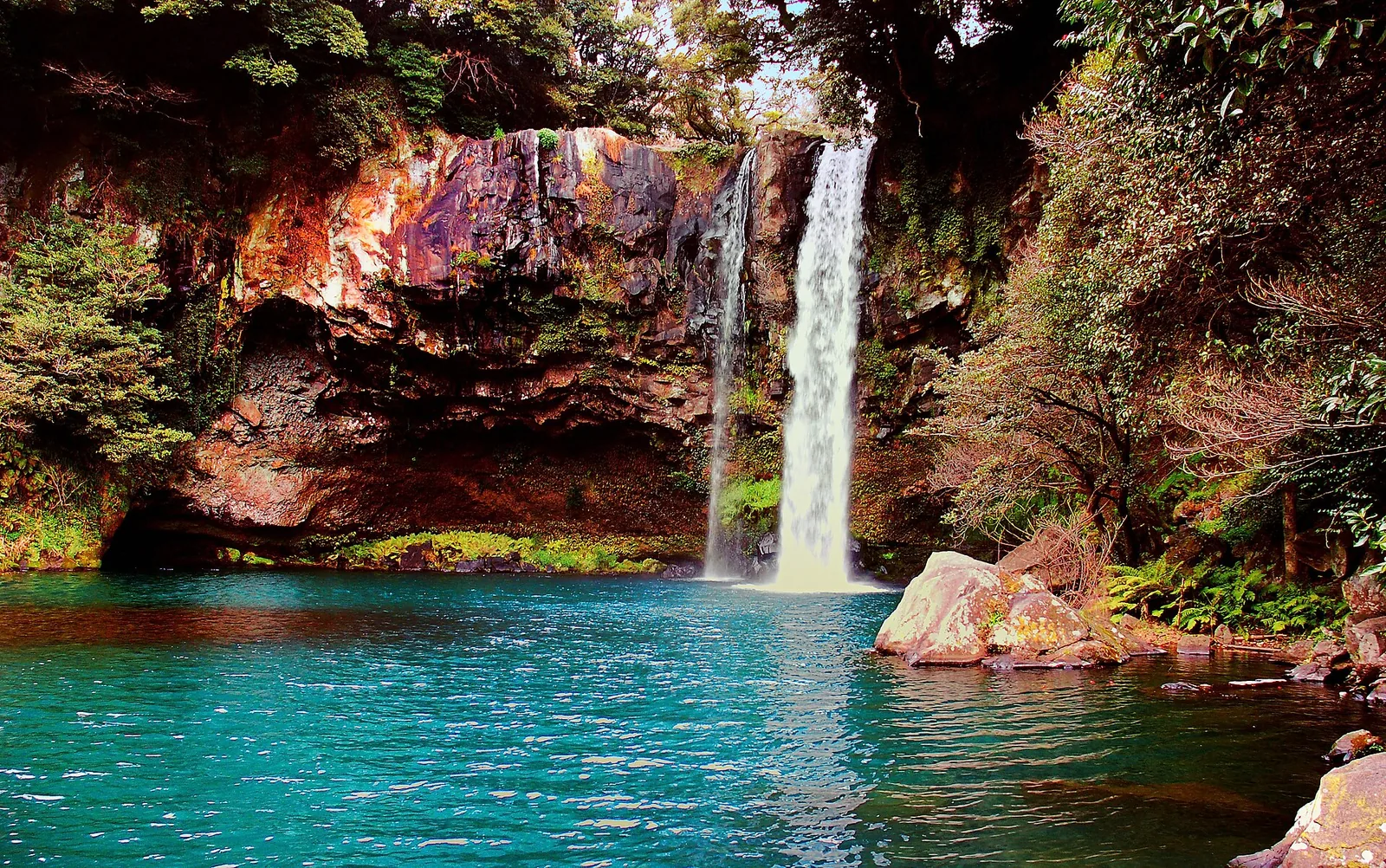
Seogwipo, on the south side, is my personal favourite base for a first proper trip. It feels a few degrees warmer, the town is smaller and calmer, and you are within a short drive of the famous waterfalls, the Olle coastal walking trails and the seafood market. Mornings here smell of citrus and salt rather than traffic.
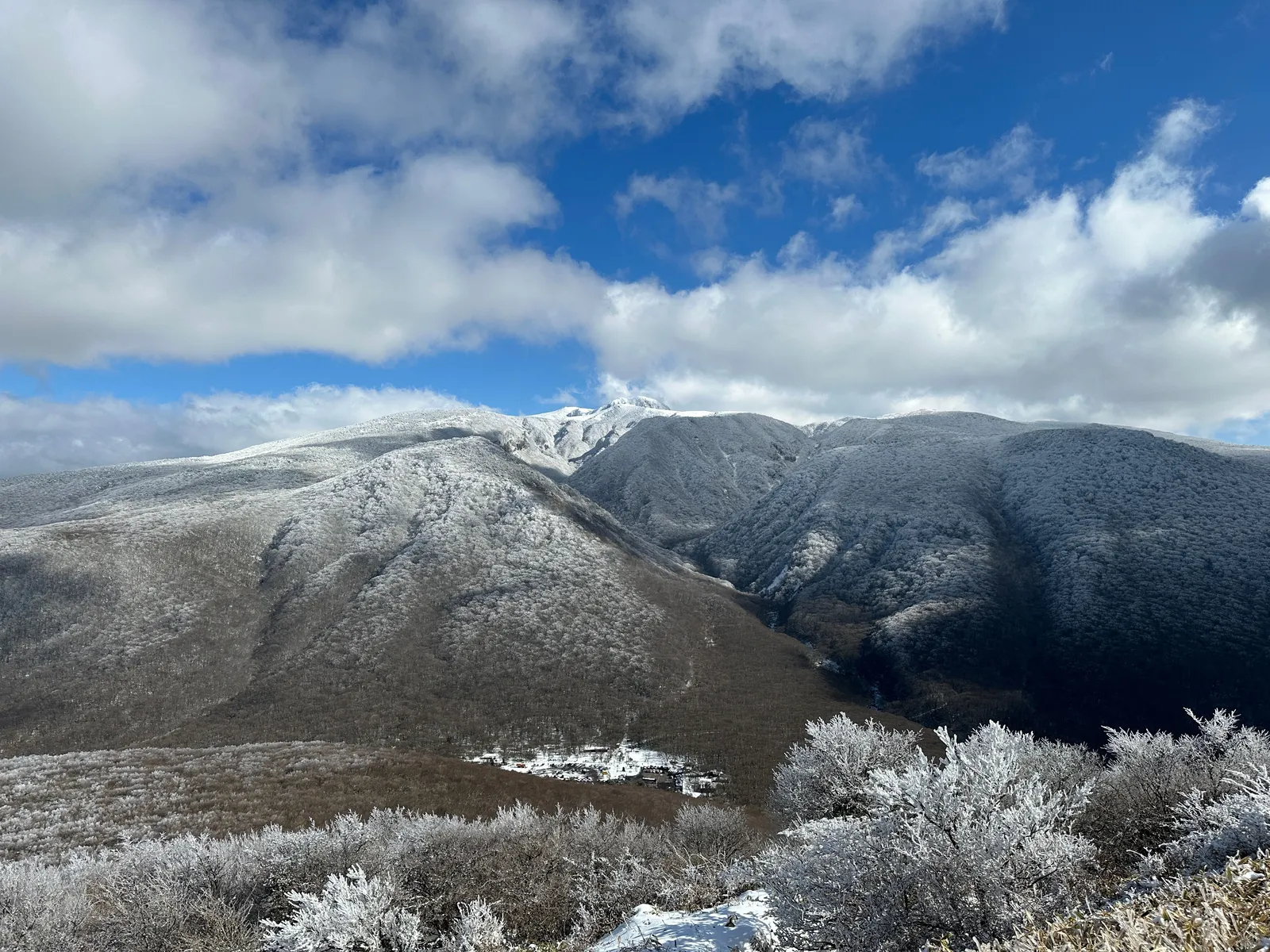
Seogwipo also sits at the foot of the mountain, so it is a natural launchpad if you are thinking of Climbing Hallasan: The Highest Point in South Korea. You do want a car from Seogwipo. The town itself is walkable for dinner and the market, but the coastline stretches in both directions and the buses are slow.
Jungmun: the resort strip for an easy, polished stay
Just west of Seogwipo, Jungmun is Jeju’s resort quarter: big-name hotels, manicured grounds, a golf-and-spa atmosphere and a proper sandy beach. This is where you stay if you want to unpack once and let the hotel handle everything, and it is the area many couples pick, which is why it comes up so often in Korea for a Honeymoon: The Island Koreans Themselves Go To.
Jungmun is comfortable but slightly sealed off. Restaurants outside the hotels are limited, so you either eat in the resort at resort prices or drive out. Without a car you can happily spend two or three days between the beach, the pool and the nearby attractions, but a car frees you from the resort bubble.
The quiet east and west coasts
If you have driven Jeju before, or you simply want slow mornings and empty roads, the east and west coasts are where I would send you.
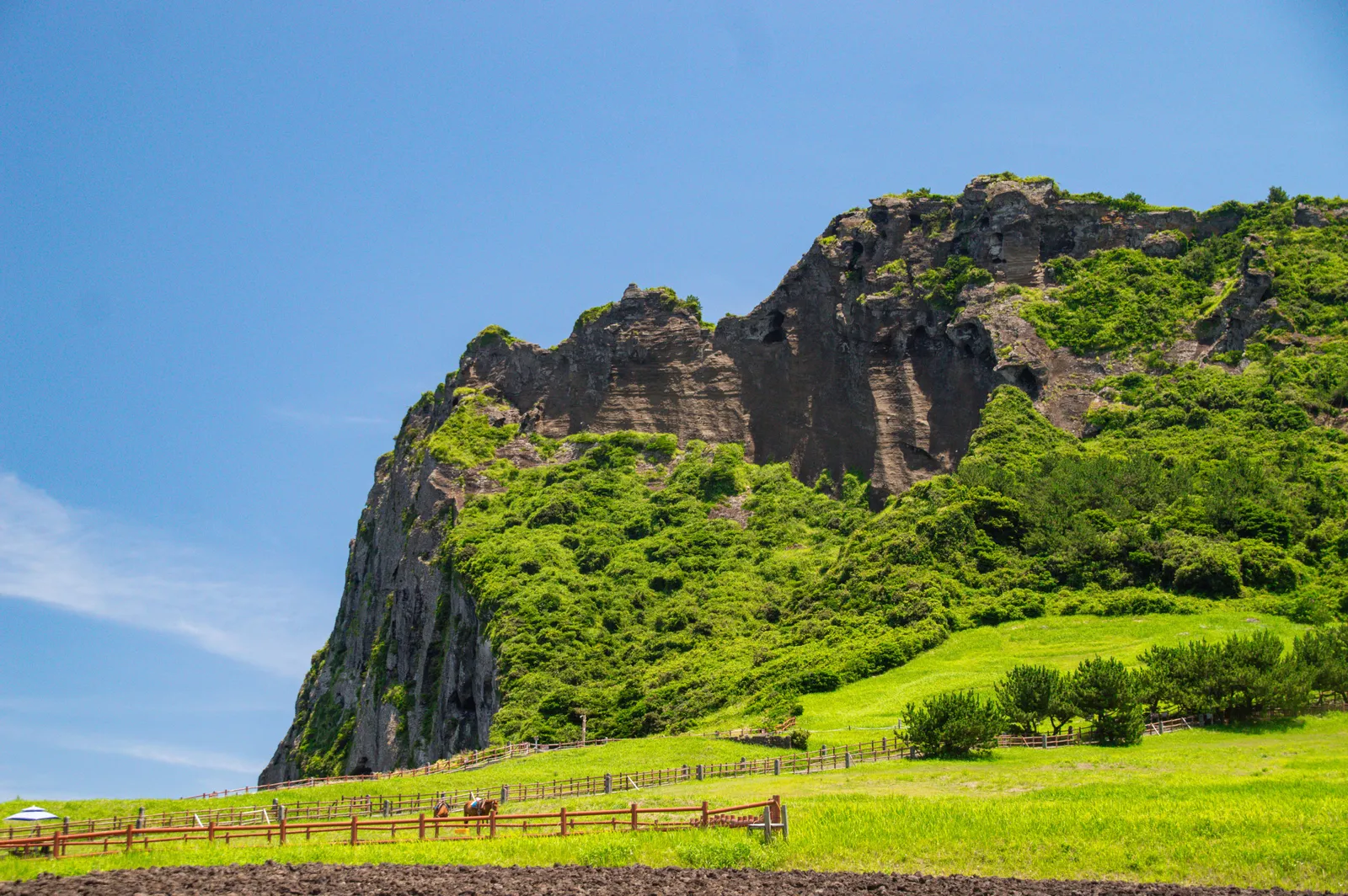
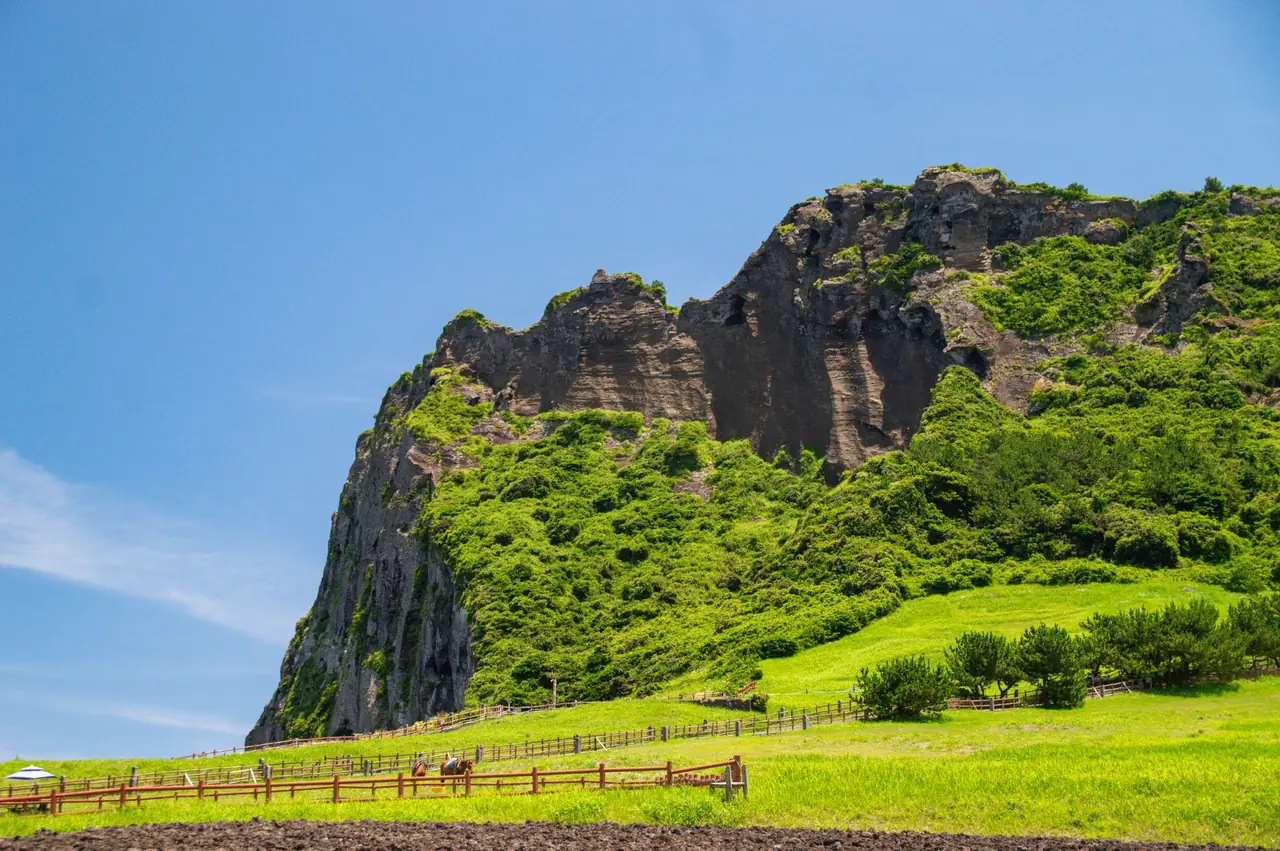
The east, around Seongsan and Woljeongri, gives you that sunrise-crater view, turquoise-water cafes and a gentler pace. The west, around Aewol and Hallim, has sunset coves, pretty coastal cafes and easy access to the western beaches. Both are stays where you are choosing scenery over convenience.
On either coast a car is not optional, it is the whole point. Public transport reaches these areas but slowly, and many of the best guesthouses and stays sit on quiet lanes a bus will not take you down.
Planning to drive Jeju's coast roads?Reserve early in peak season, many offers include free cancellationWhich base suits you
| Base | Best for | Car needed? | Vibe |
|---|---|---|---|
| Jeju City | Arrival, food, one or two nights | Helpful, not essential | Urban, practical |
| Seogwipo | First full trip, waterfalls, hiking | Yes | Relaxed town |
| Jungmun | Resort comfort, couples | Optional | Polished, sealed |
| East coast | Sunrise, cafes, slow pace | Essential | Scenic, quiet |
| West coast | Sunsets, beaches | Essential | Scenic, quiet |
How pricing behaves across the year
Jeju is a domestic holiday island for Koreans, so prices follow the Korean calendar more than the Western one. Expect the sharpest jumps during the summer school holidays in late July and August, and around the Chuseok autumn holiday and the Lunar New Year, when both rooms and rental cars can more than double and availability disappears. Weekends run higher than weekdays year round.
Shoulder seasons in spring and autumn are the sweet spot: mild weather, cheaper rooms, quieter roads. I always treat any price I see as approximate, because rates move a lot here, so confirm the current figure before you commit rather than trusting a number you read months earlier.
So, where should you actually stay?
For a first visit I would base myself in Seogwipo with a rental car, keep one night in Jeju City for the food and the flight, and add the east or west coast only if I had more than four or five days. Jungmun is the answer when comfort matters more than exploring. The island is small enough that no choice is a disaster, but the right base quietly gives you back an hour of daylight every single day.
Where would you rather wake up on Jeju, a citrus-scented town in the south or a quiet turquoise cove in the east? Tell me in the comments.