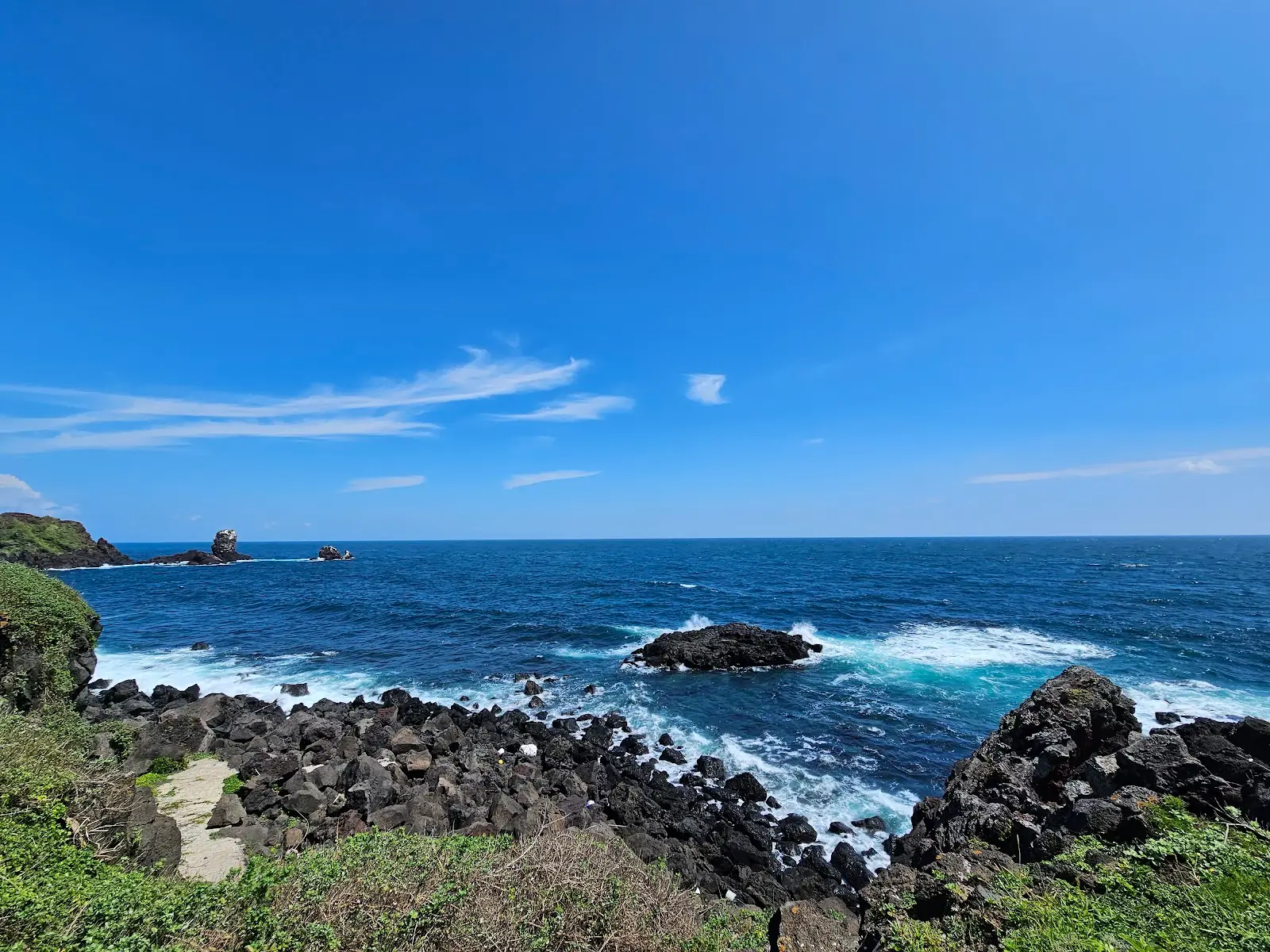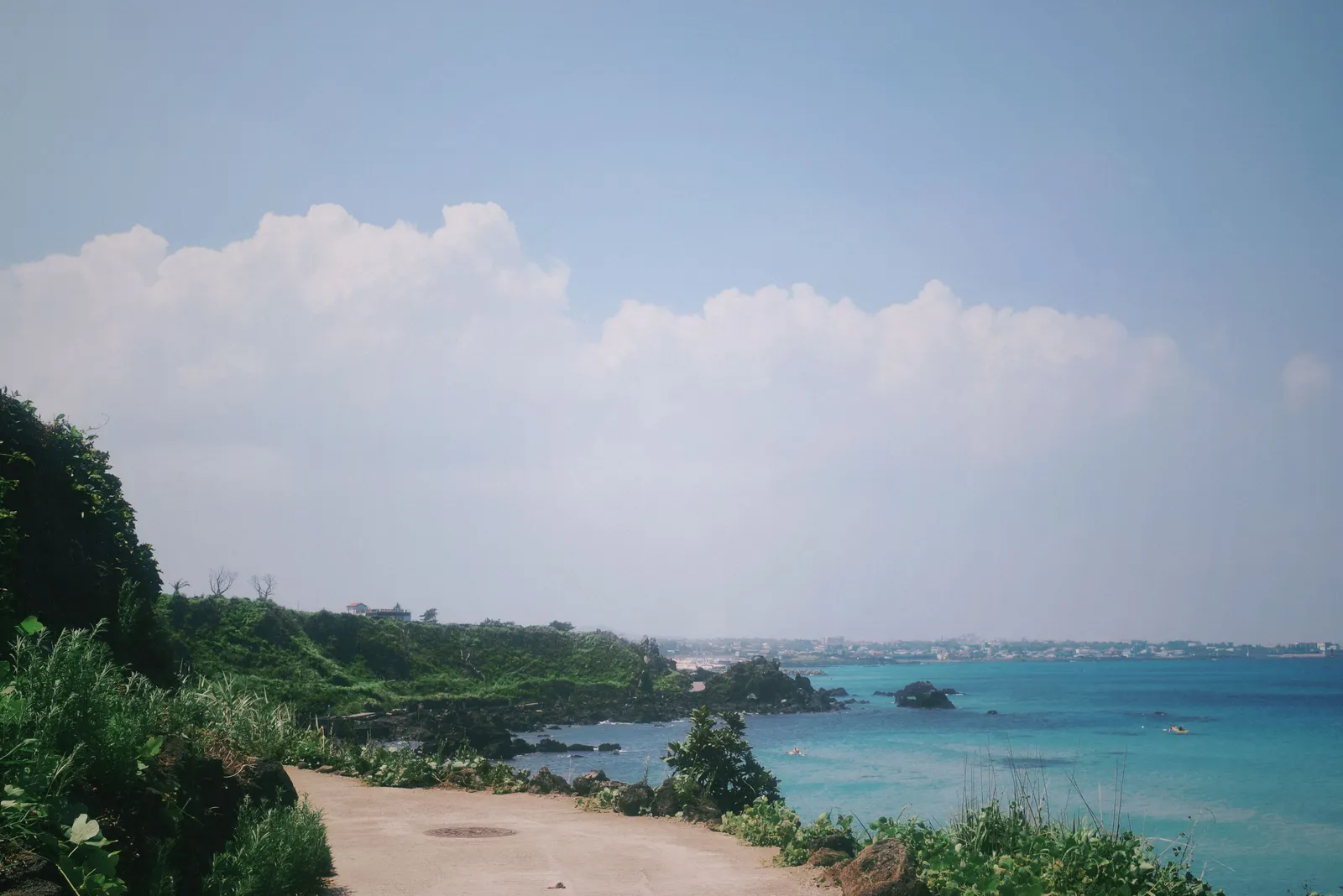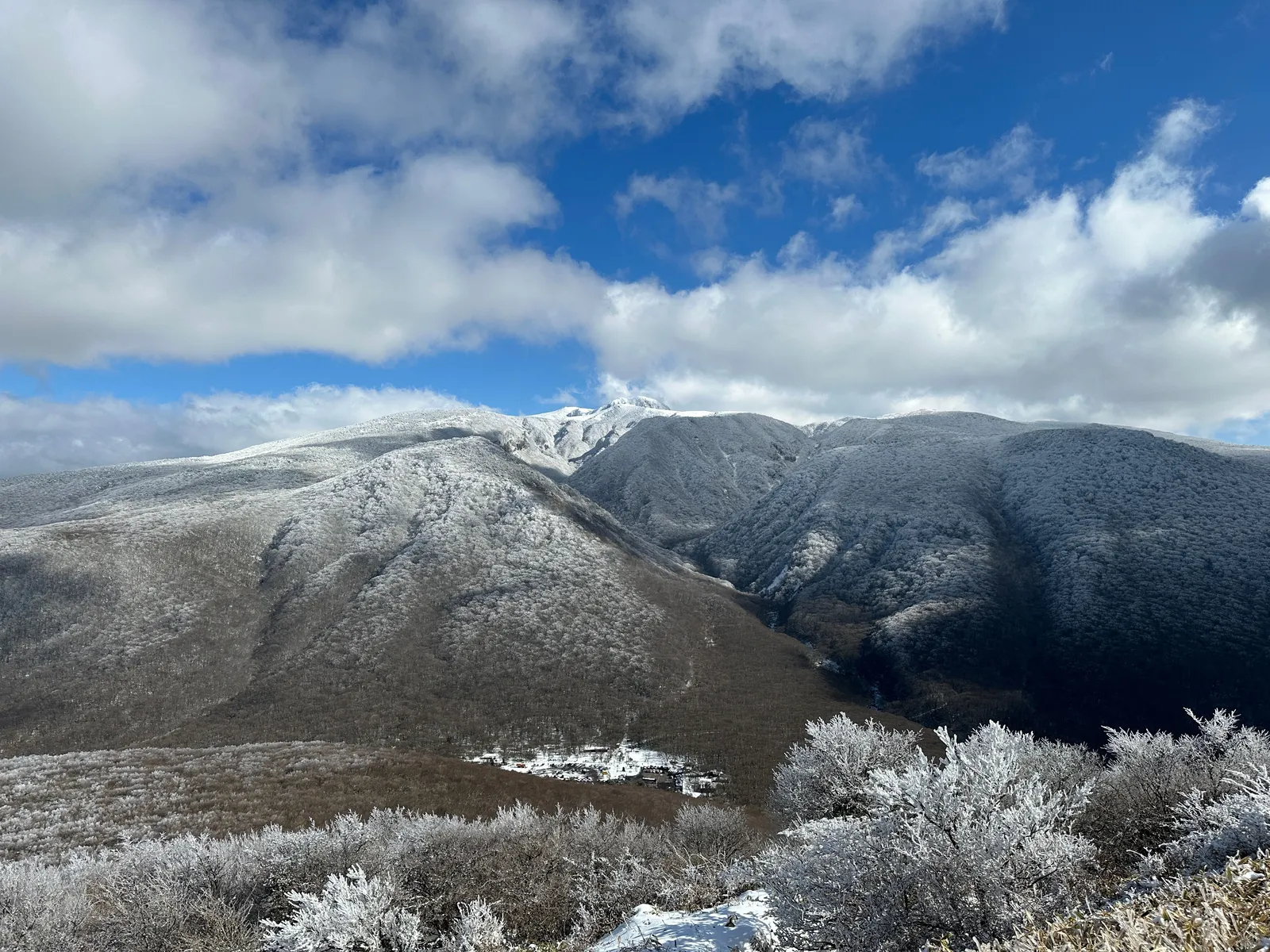
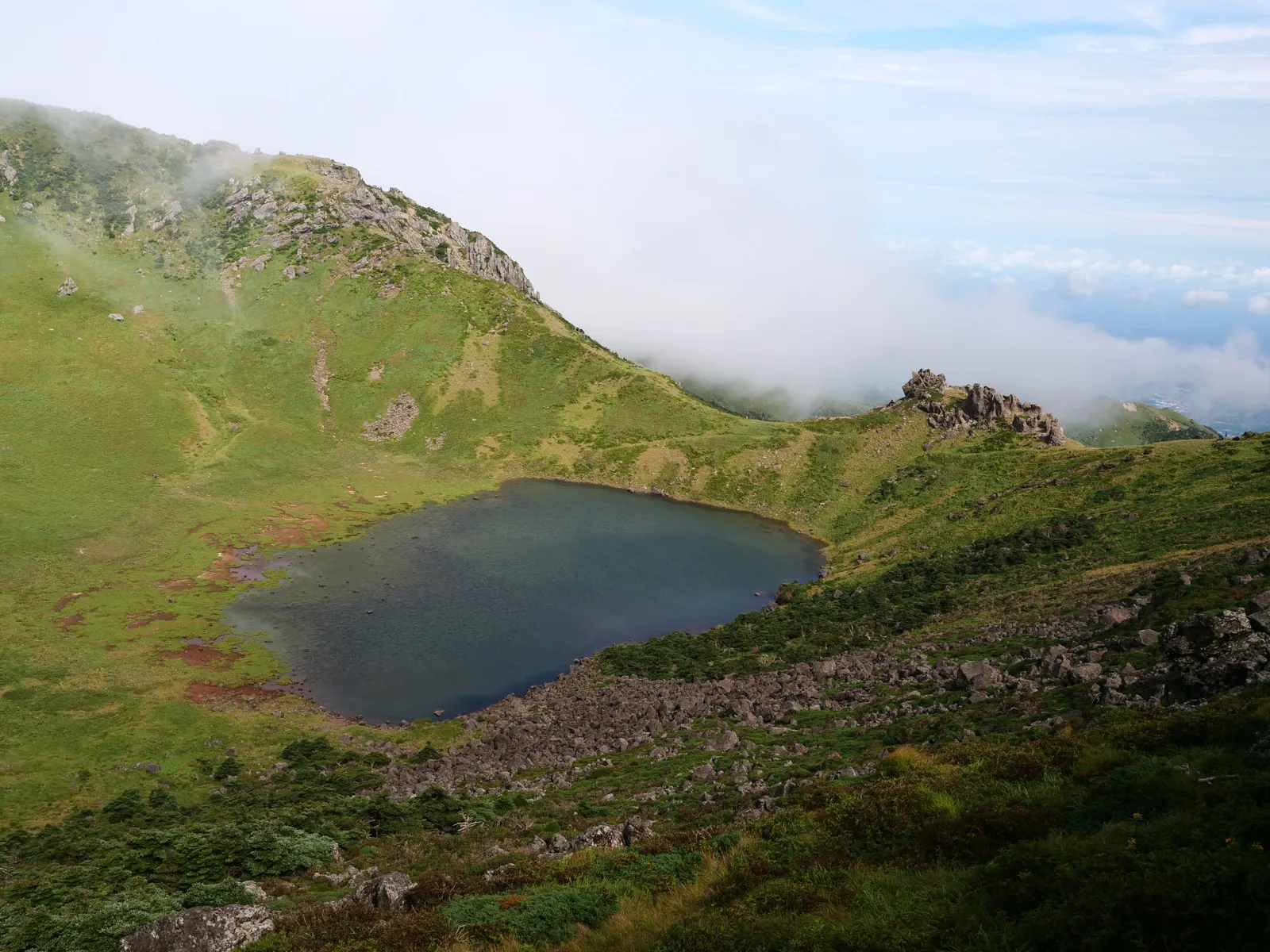
Jeju is a volcano with an island around it, and the volcano is Hallasan: just under two thousand metres, the highest point in South Korea, with a crater lake at the top. Two of the park’s trails reach the rim and the rest stop at viewpoints and shelters below it. Getting to the top is a full day of stone steps and boardwalk with enforced turnaround times, and the mountain is entirely capable of putting cloud over the crater ten minutes before you reach it.
What the climb involves
Eight to ten hours return on the summit trails for an average walker.
Stone steps and boardwalk for long stretches rather than a soft path.
Cut off times at the trailhead and at points on the route, enforced by rangers.
A crater lake at the top, which is frequently in cloud.
Shelters on the route selling basic supplies, with their own hours.
A descent that is harder on the knees than the ascent is on the lungs.
The trail options
Two summit routes, from different sides, differing in length and character.
Yeongsil, shorter, to a viewpoint below the top, with the best rock scenery.
Eorimok, another flank route ending below the summit.
Forest and lower trails, for a half day with no summit ambition.
The Olle coastal network, which is a completely different kind of walking.
Official park information for current access, which changes.
Practical notes
Water and food, more than you expect, because the shelters are limited.
Proper footwear, because the descent on stone steps punishes soft soles.
A warm layer in every season; the summit is far colder than the coast.
Trails close in typhoons and in heavy snow.
No accommodation on the mountain; there is no overnight option.
Buses serve the trailheads, but not early enough for the cut offs at all times of year.
The rest of the mountain
Sara Oreum and the smaller cones, which are short walks with big views.
The oreum, hundreds of parasitic volcanic cones across the island, most of them a half hour climb.
Lava tube caves, on the UNESCO listing, which are a completely different volcanic experience.
The forest trails on the lower slopes, which are cool in summer and beautiful.
Azaleas in late spring on the upper slopes.
October colour, which is the other reason to time it.
Where this fits in a Jeju trip
One full day of a four or five day island trip, with a rest day afterwards.
For the island as a whole and how to plan it, our guide to Jeju covers the ground.
For the coastal walking network that is the gentler alternative, our guide to the Olle trail covers the routes.
For the volcano without the ten hour day, the eastern side pairs a sunrise crater with a lava tube you can walk through, and our guide to volcanic Jeju covers that day.
And for the version of this island that most Korean visitors come for, our guide to Korea for a honeymoon covers the rest.
The short version
Check the national park’s current access rules for your dates rather than any article, because the reservation position has changed more than once. Sleep on the mountain side of the island the night before, because the cut off times are early and enforced. Allow eight to ten hours return, take more water than you want to carry and a warm layer, and expect stone steps rather than a path. If a full day does not appeal, take Yeongsil to the viewpoint instead, which is no disgrace at all.