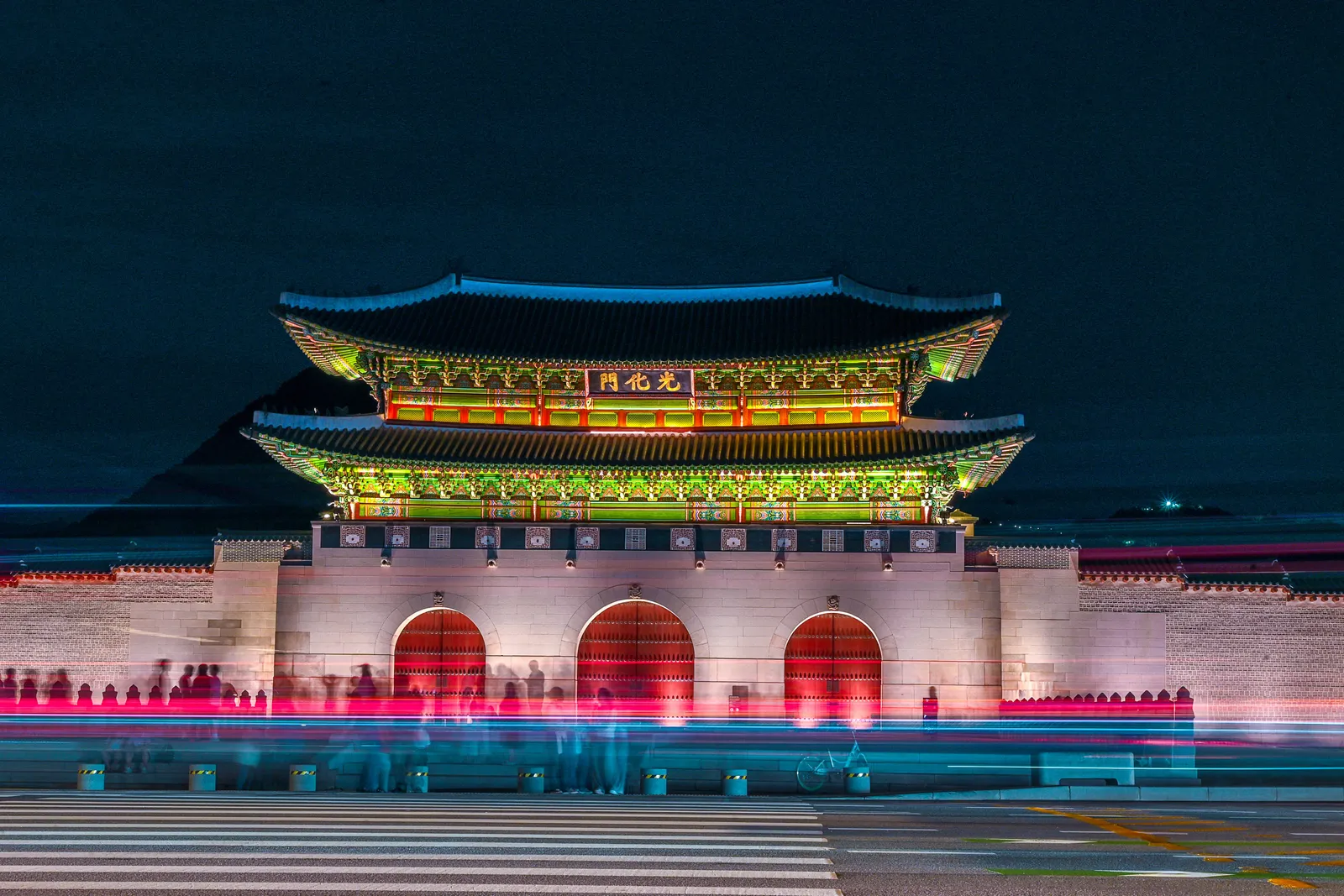
Five Days in Korea: A Realistic First-Timer Itinerary
What five days in Korea actually covers: four days built around Seoul, palaces, neighbourhoods and food, one day outside the city, and what you are trading away by skipping Busan or Jeju.
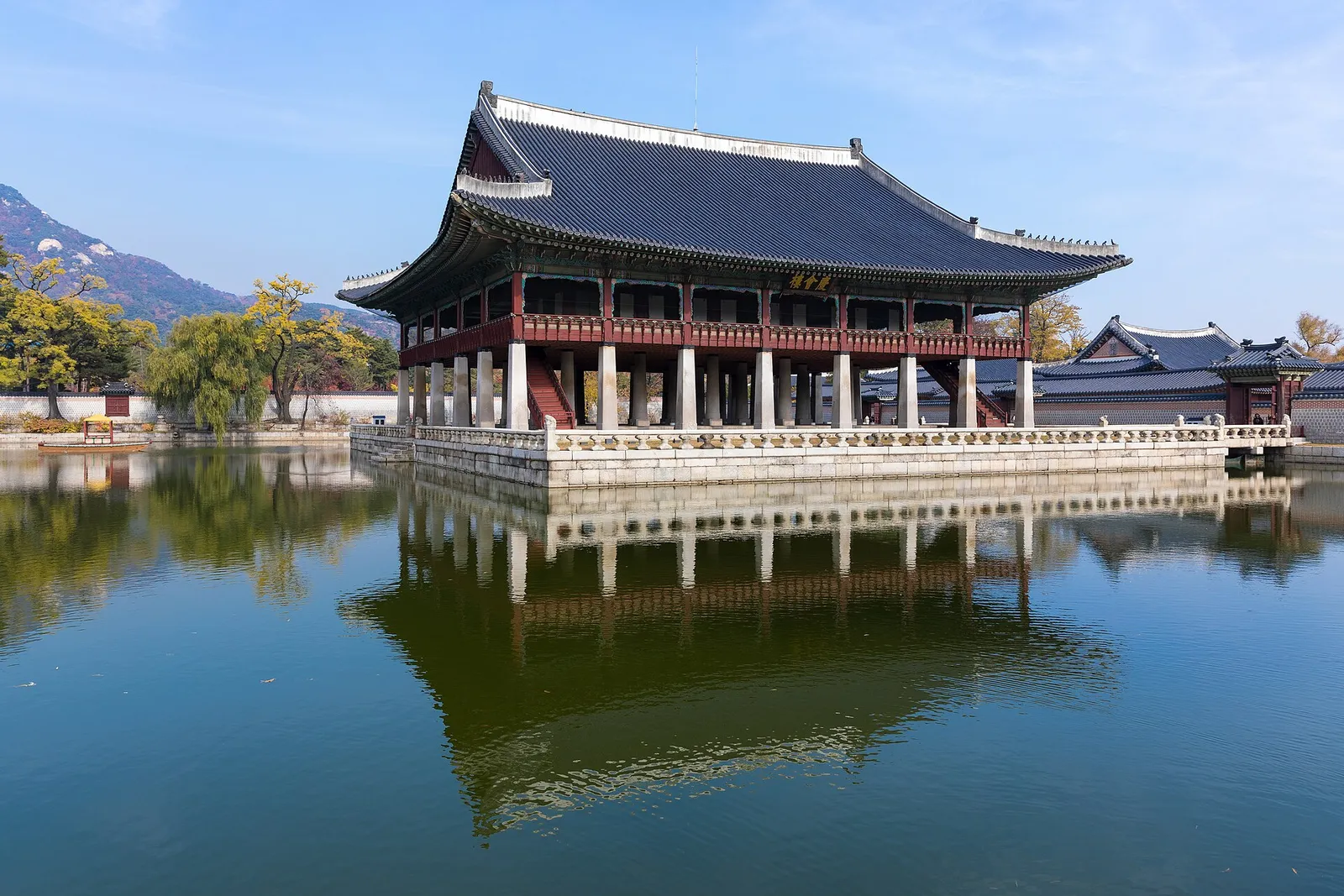
Everything you need to know about South Korea, sorted by topic, from Seoul and its palaces to Busan, Jeju and Korean food.
What five days in Korea actually covers: four days built around Seoul, palaces, neighbourhoods and food, one day outside the city, and what you are trading away by skipping Busan or Jeju.
The numbers to save before you land in Korea: 112, 119 and the 1330 tourist helpline, plus how pharmacies and clinics work, what to do about a lost passport, and the language gap.
Why insurance matters in a country with excellent hospitals and no free care for visitors: the medical limits to look for, the hiking and ski clauses, and what a claim really involves.
How entering South Korea works: who needs a visa, what K-ETA is and who is currently exempt, the arrival paperwork, passport validity, and the official sources to verify your own nationality against before you fly.
The Korean manners that actually matter to a visitor: two hands, shoes off, chopstick rules, pouring for others, how age shapes conversation, quiet trains, and why nobody expects a tip.
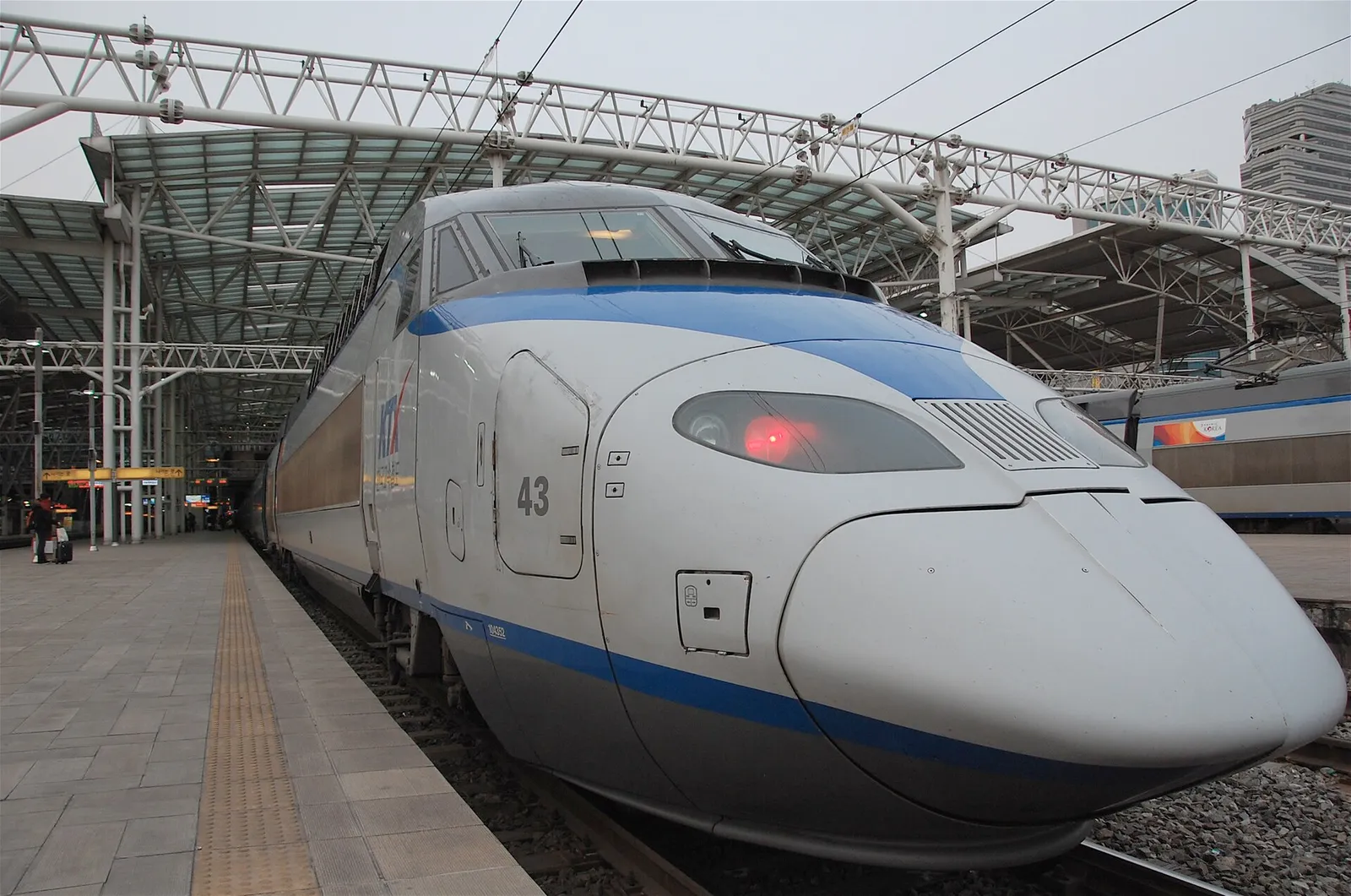
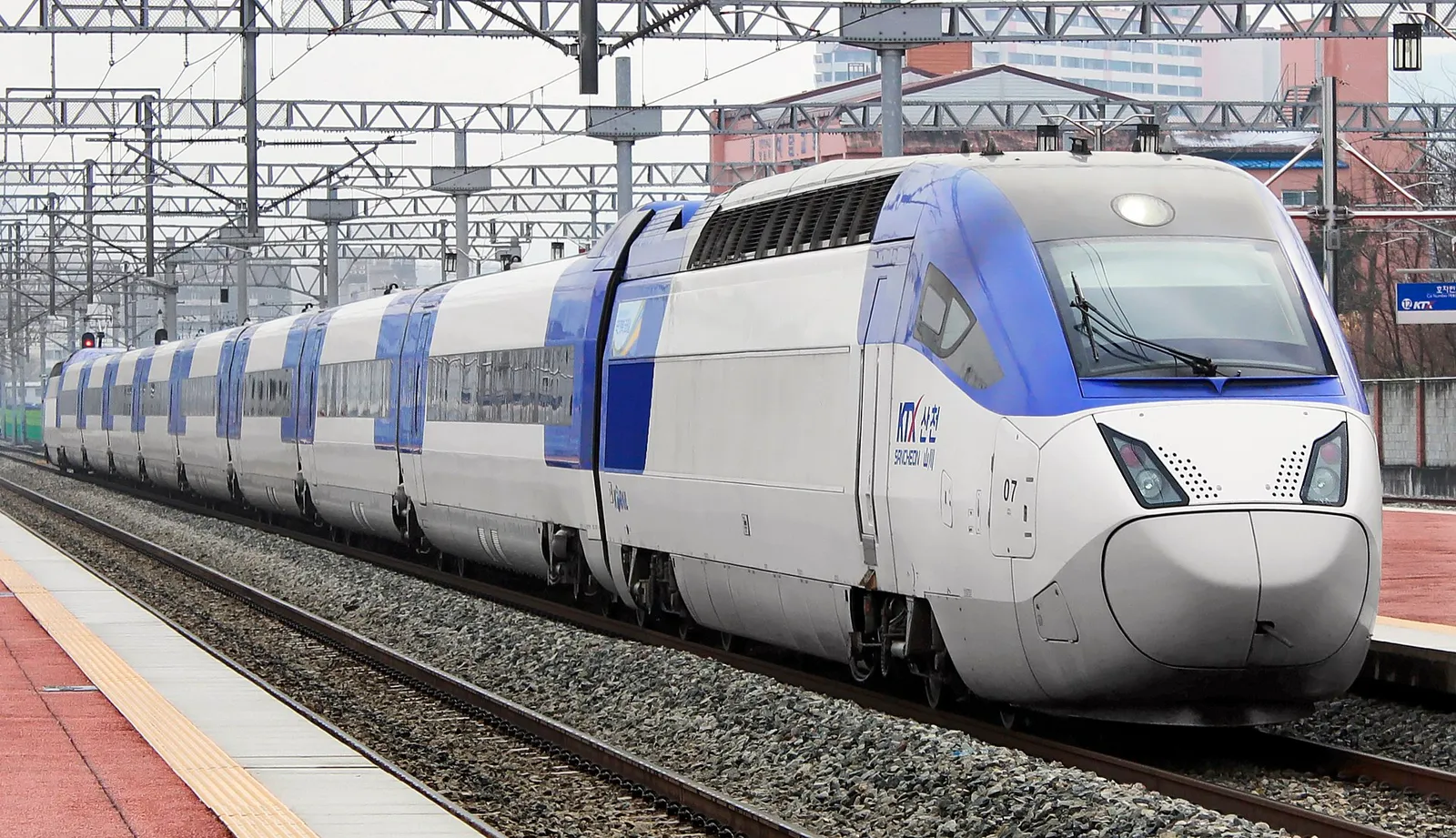
How Korea's high-speed KTX works: the main routes and journey times, how to book as a visitor, standard versus first class, the slower cheaper trains, and the rail passes worth buying.
How to get from Incheon Airport into Seoul: the AREX express and all-stop trains, the limousine buses, taxis and late-night arrivals, and which one fits where you are staying.
Which Seoul neighbourhood to book: Myeongdong, Hongdae, Insadong, Gangnam, Itaewon and the hanok quarters, what each is actually like at night, and the one thing to check before you pay.
One is the biggest in the country, outdoors, an hour from Seoul. The other is half indoors, on the subway, with an island in a lake. They suit different days.
Subways children can read, theme parks in the city, bathhouses families use routinely, and food that turns out to be far less alarming than the reputation.
Jeju has been the Korean honeymoon destination for generations, and Seoul does the other half well. Where to spend the nights and what actually works.
Planning a first trip to South Korea? Here is when to go, how to split your time between Seoul, Busan and Jeju, the K-ETA and visa basics, what to book ahead, money and etiquette, and the rookie mistakes to skip.
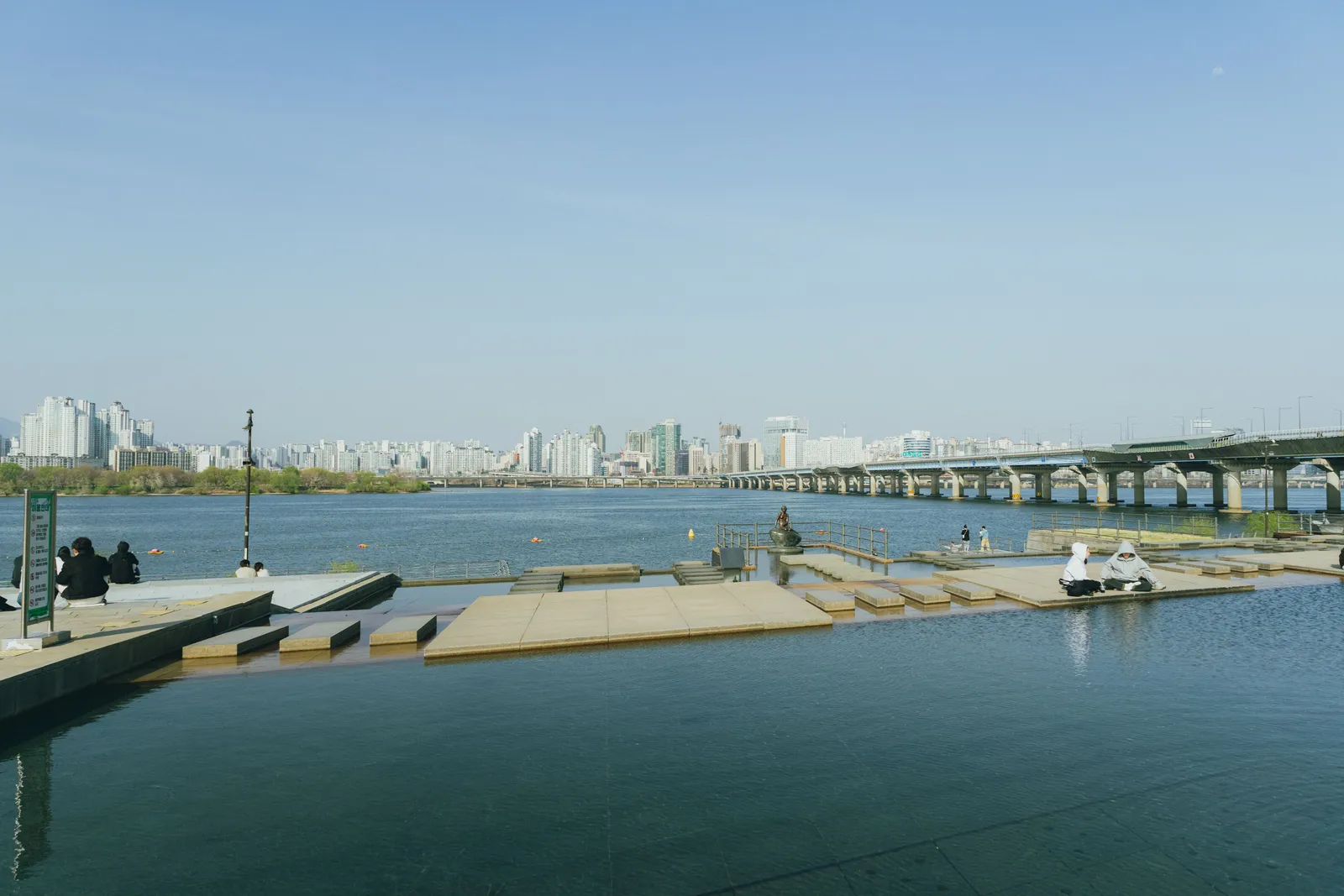
The river is Seoul's living room, used for picnics, cycling and sunset walks rather than sightseeing. Which parks suit which evening, how the convenience-store picnic actually works, and where to rent a bike.
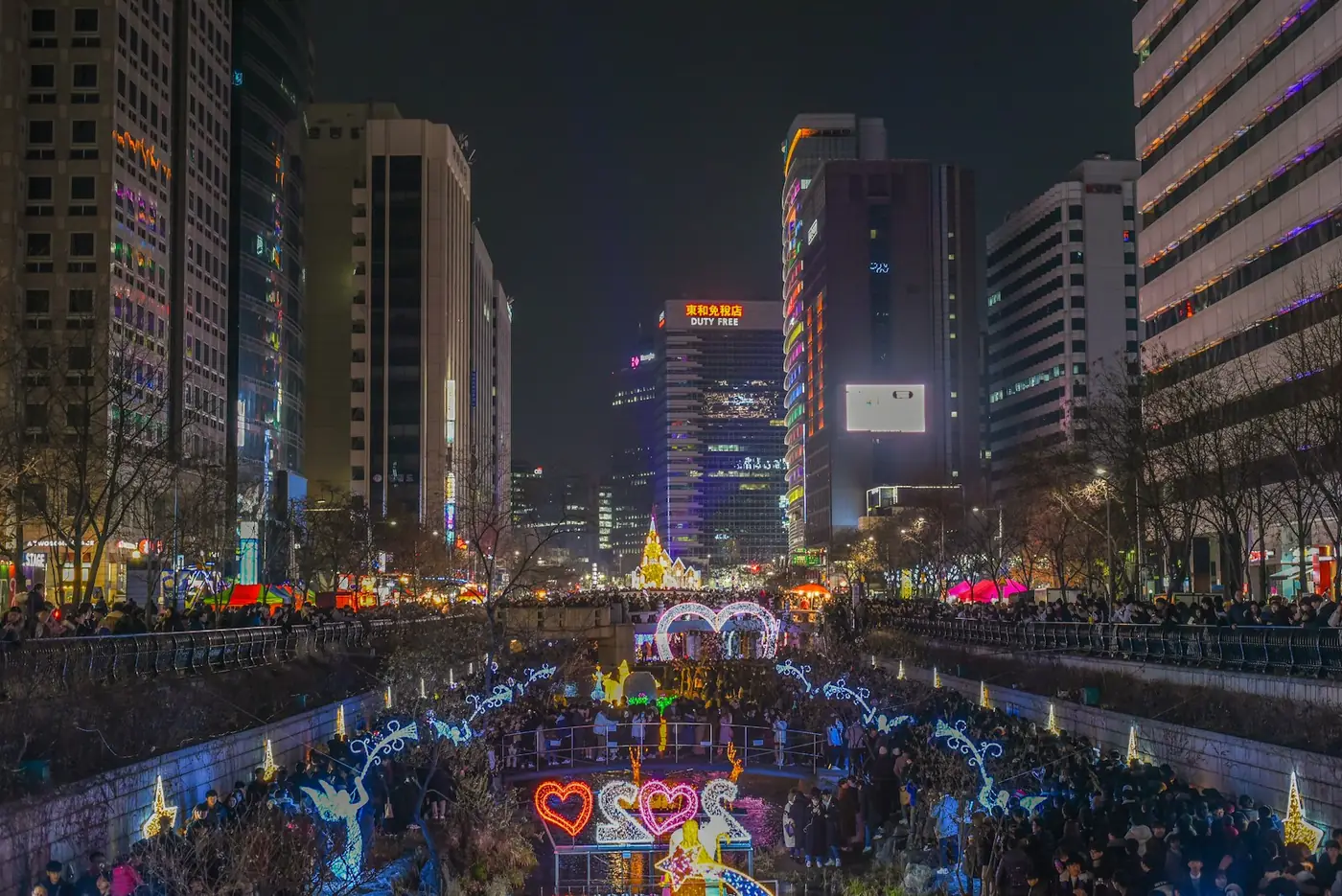
Christmas in South Korea is a public holiday built around couples more than family dinners. Where the winter lights and markets are, what to eat in the cold, and what usually happens as one year turns into the next.
What five days in Korea actually covers: four days built around Seoul, palaces, neighbourhoods and food, one day outside the city, and what you are trading away by skipping Busan or Jeju.
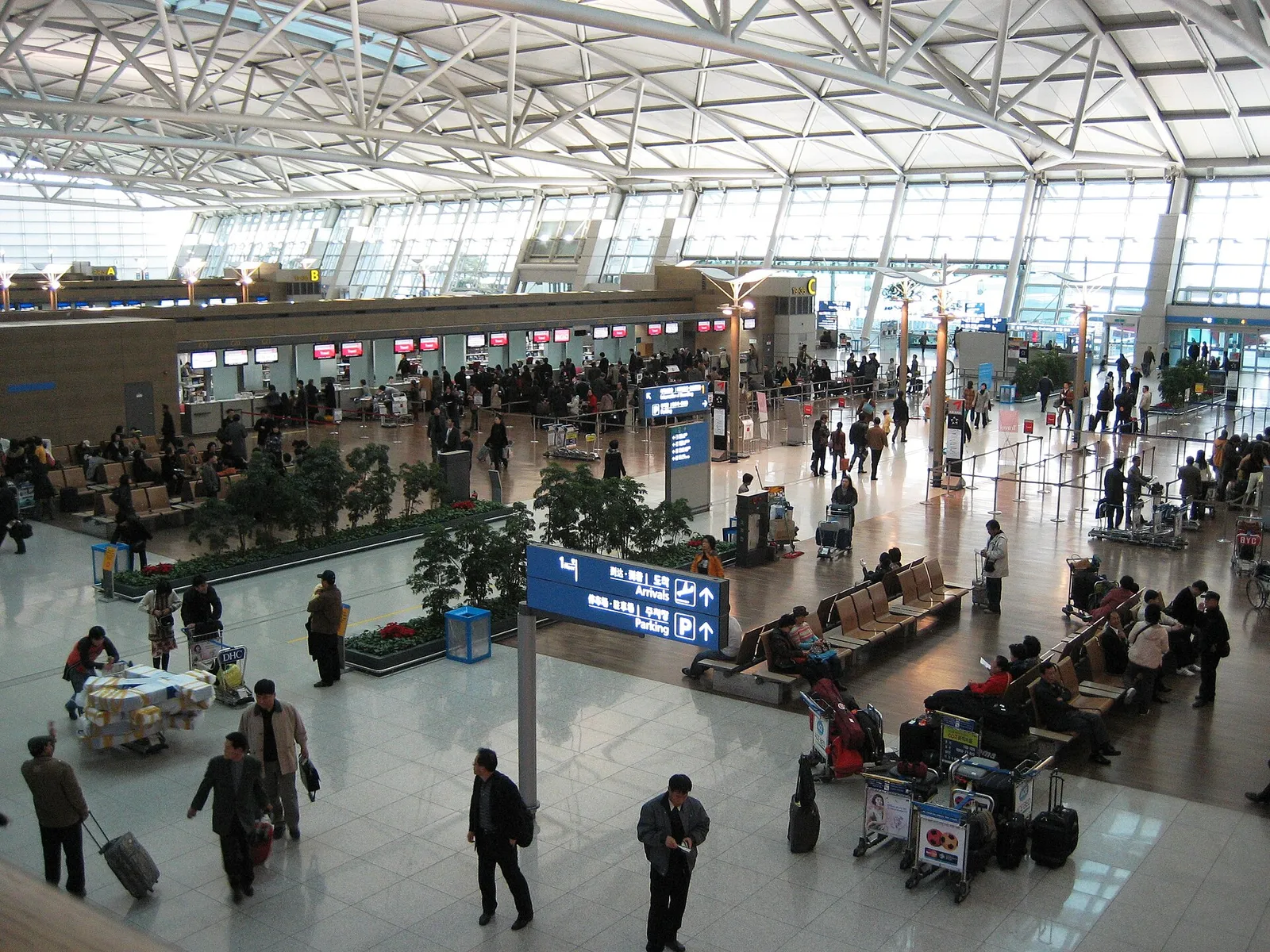
Seoul reuses the same stairs, murals, bridges and cafes across dozens of dramas. Where they actually are, what looks different in person, and how to see them without a paid tour or bothering the people who live there.
Which Seoul neighbourhood to book: Myeongdong, Hongdae, Insadong, Gangnam, Itaewon and the hanok quarters, what each is actually like at night, and the one thing to check before you pay.
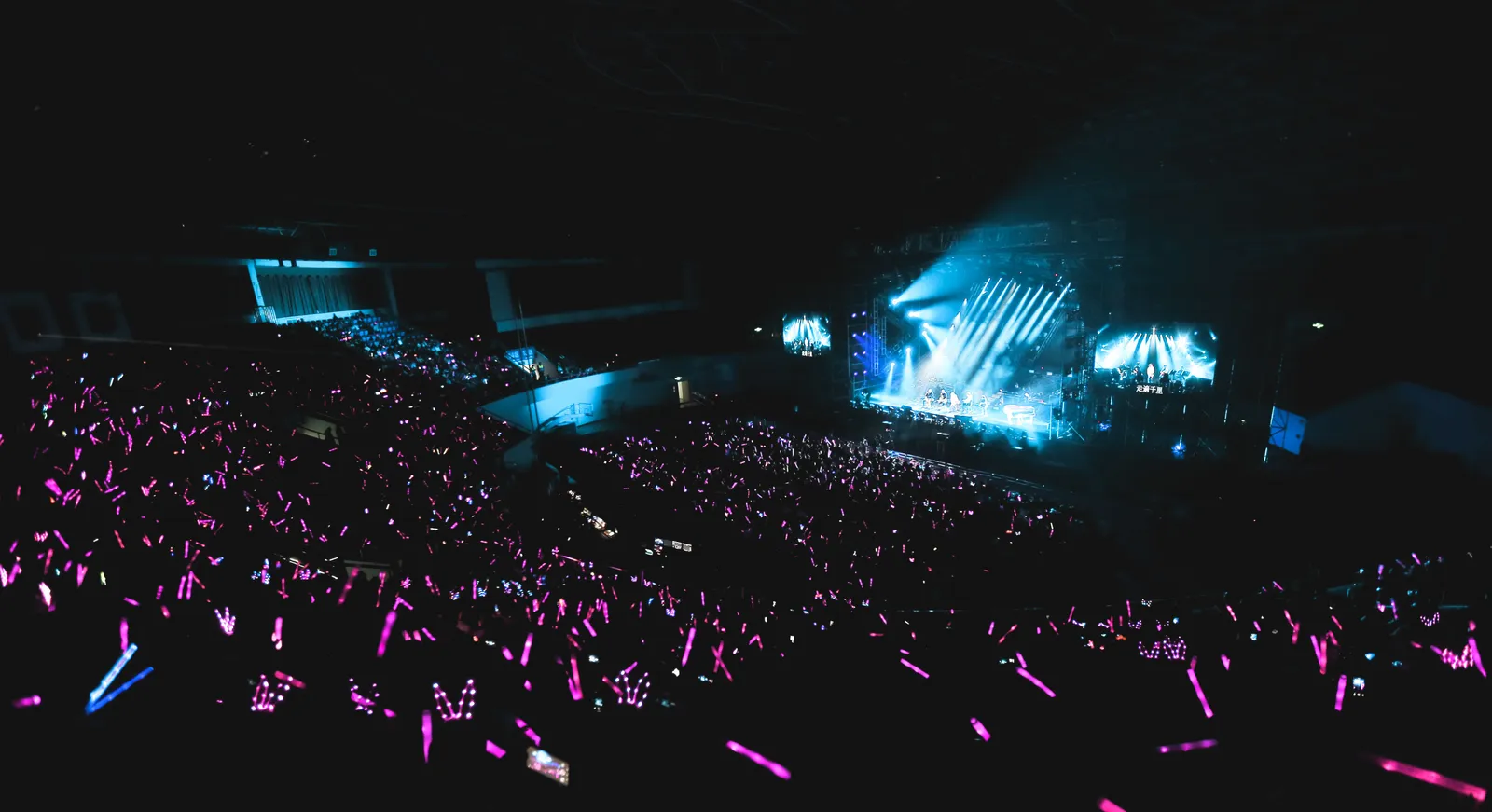
Agency buildings you can photograph from outside, busking in Hongdae, a lot of merchandise, and music show tickets that mostly require a fan club membership.
One is the biggest in the country, outdoors, an hour from Seoul. The other is half indoors, on the subway, with an island in a lake. They suit different days.
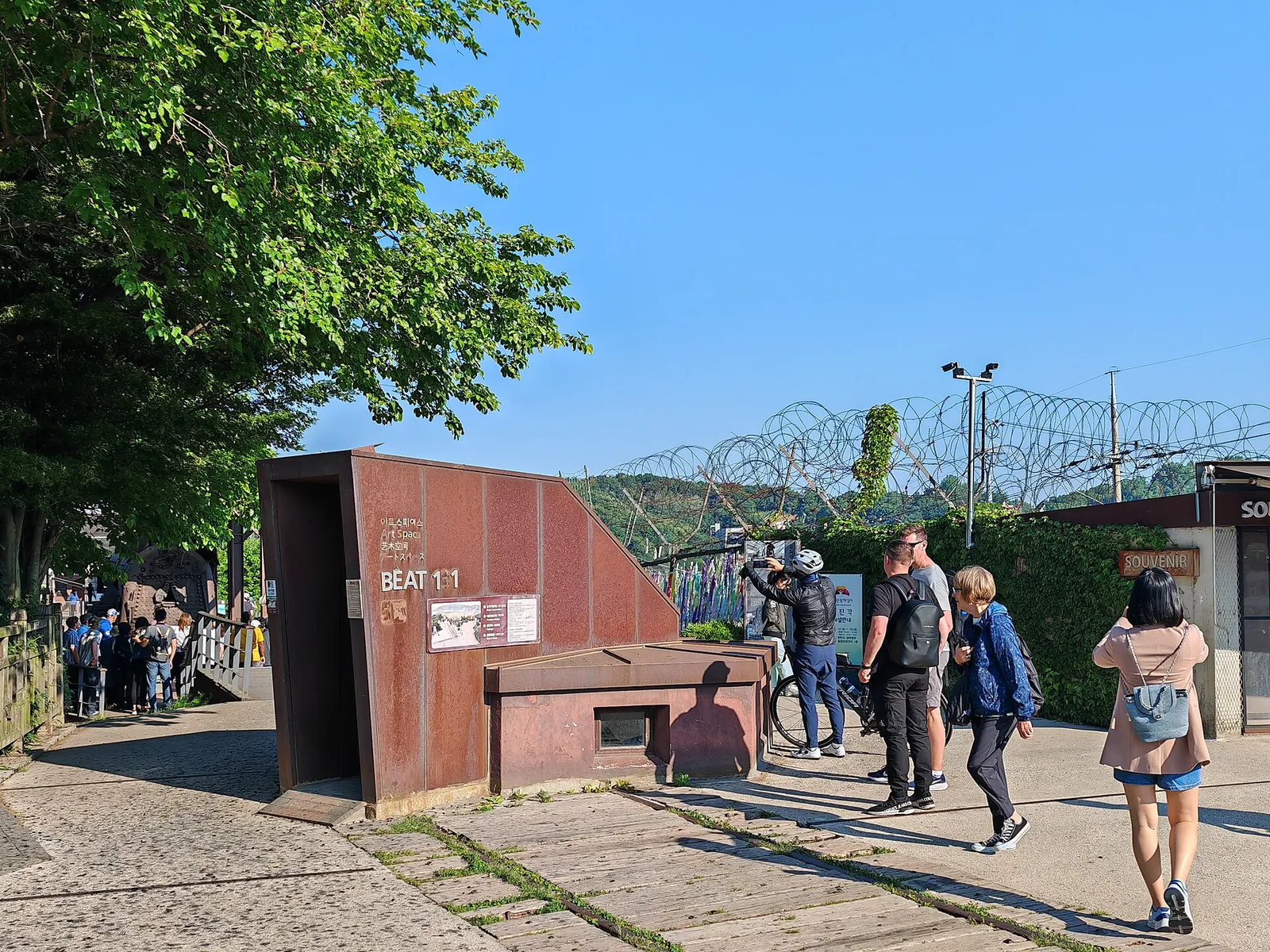
A four kilometre strip of no man's land an hour from Seoul, visitable only on an authorised tour, where what is open changes with the politics.
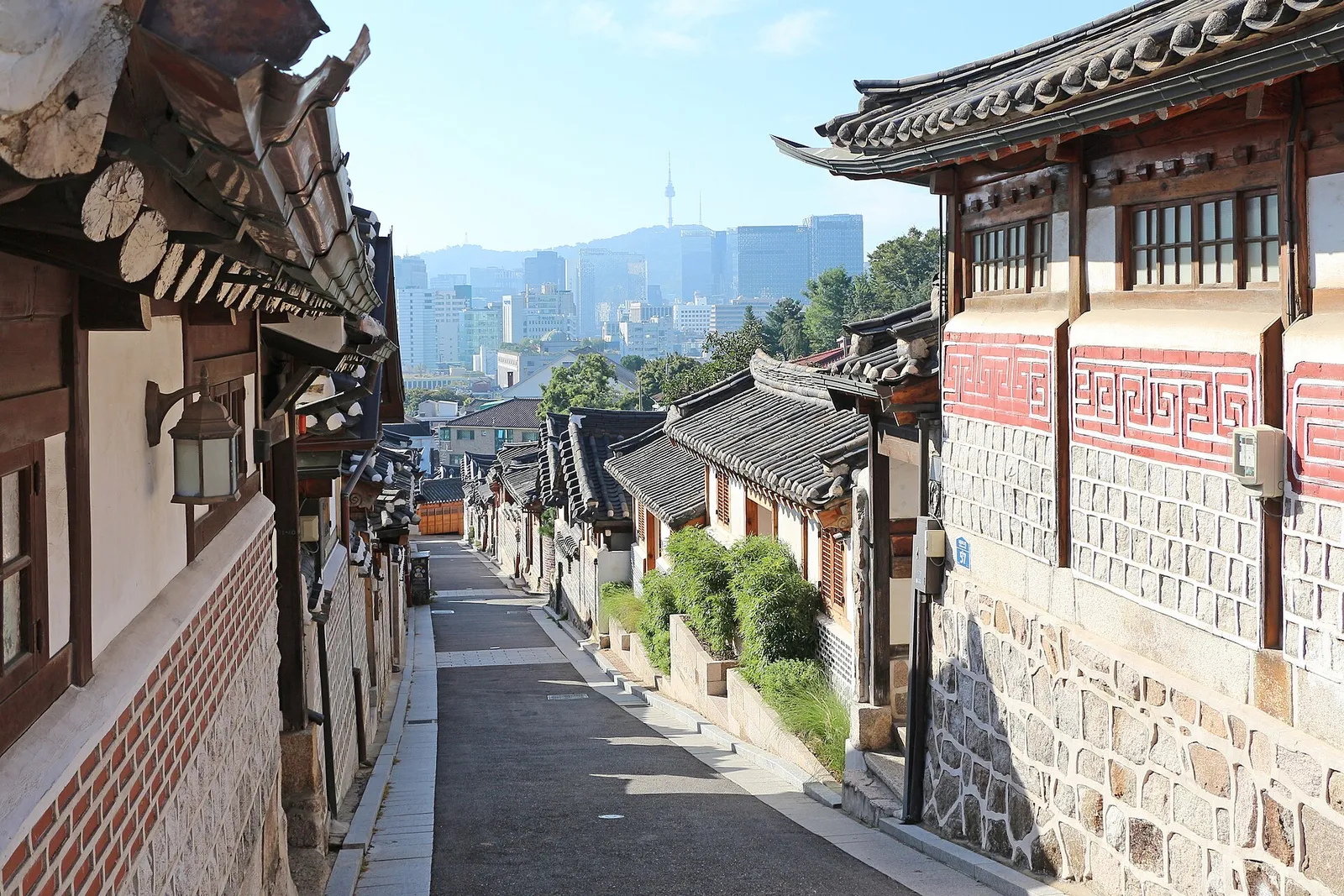
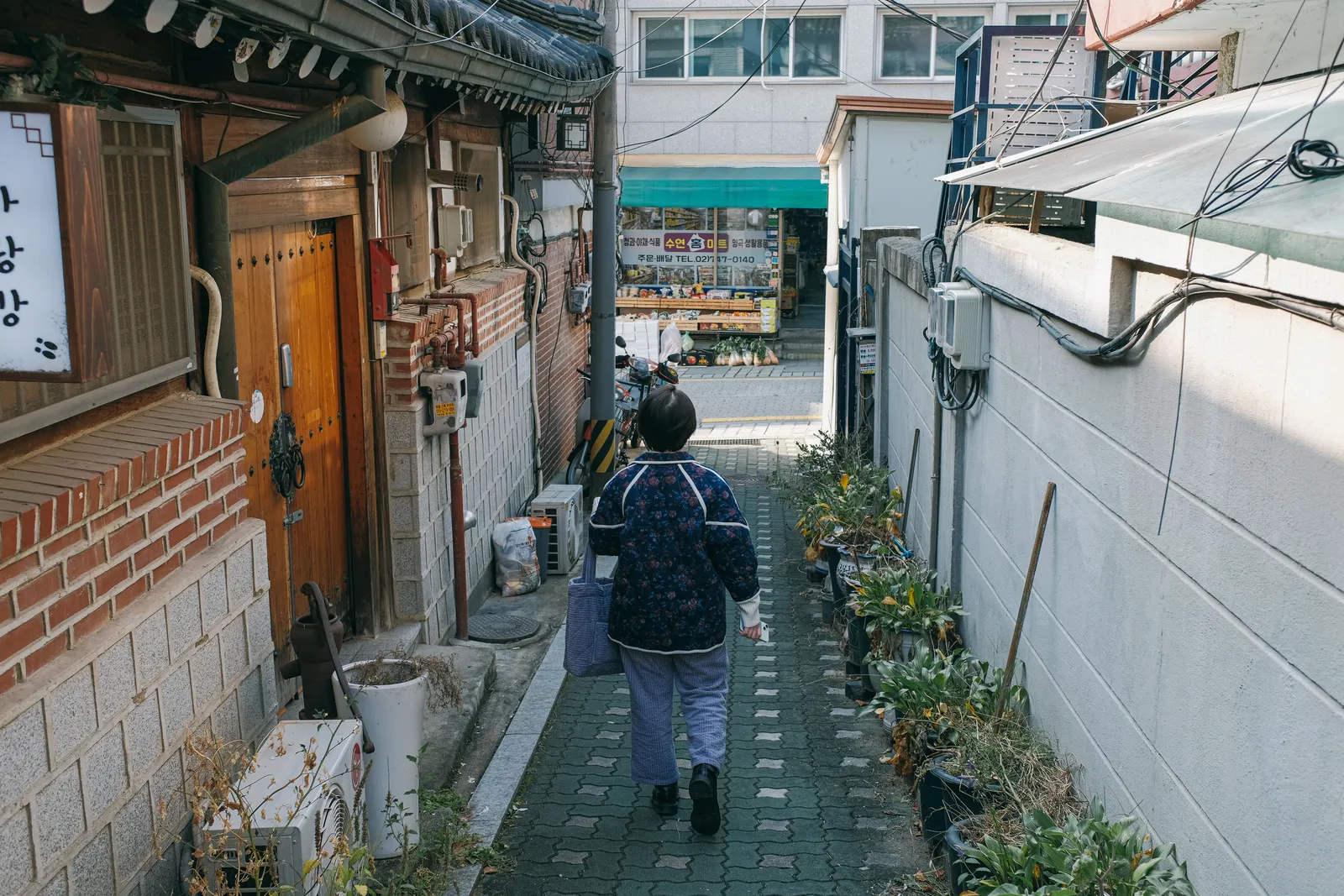
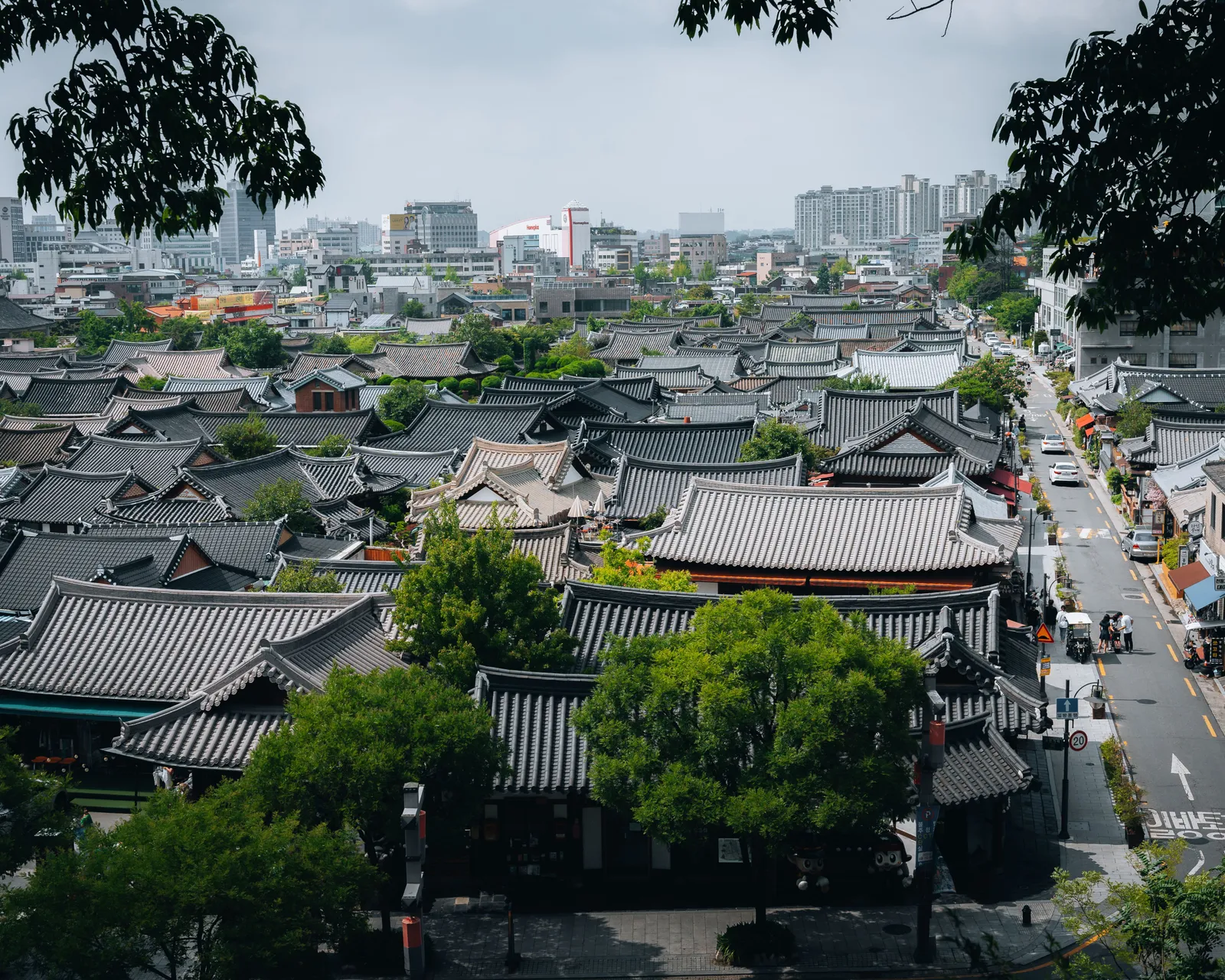
Six hundred traditional courtyard houses on a hillside in central Seoul, with people living in them, quiet hours signs on the gates and a view down over tiled roofs.
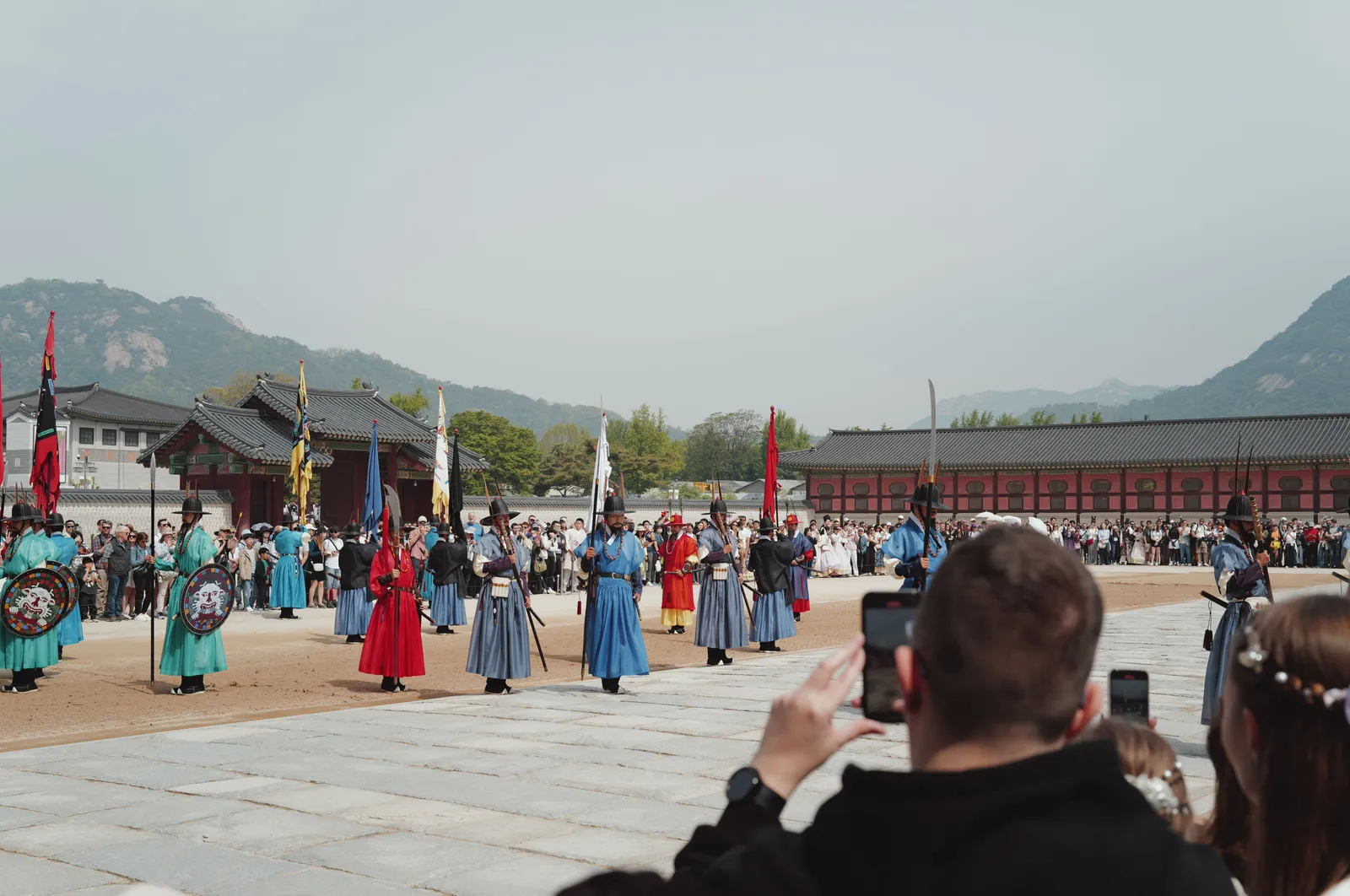
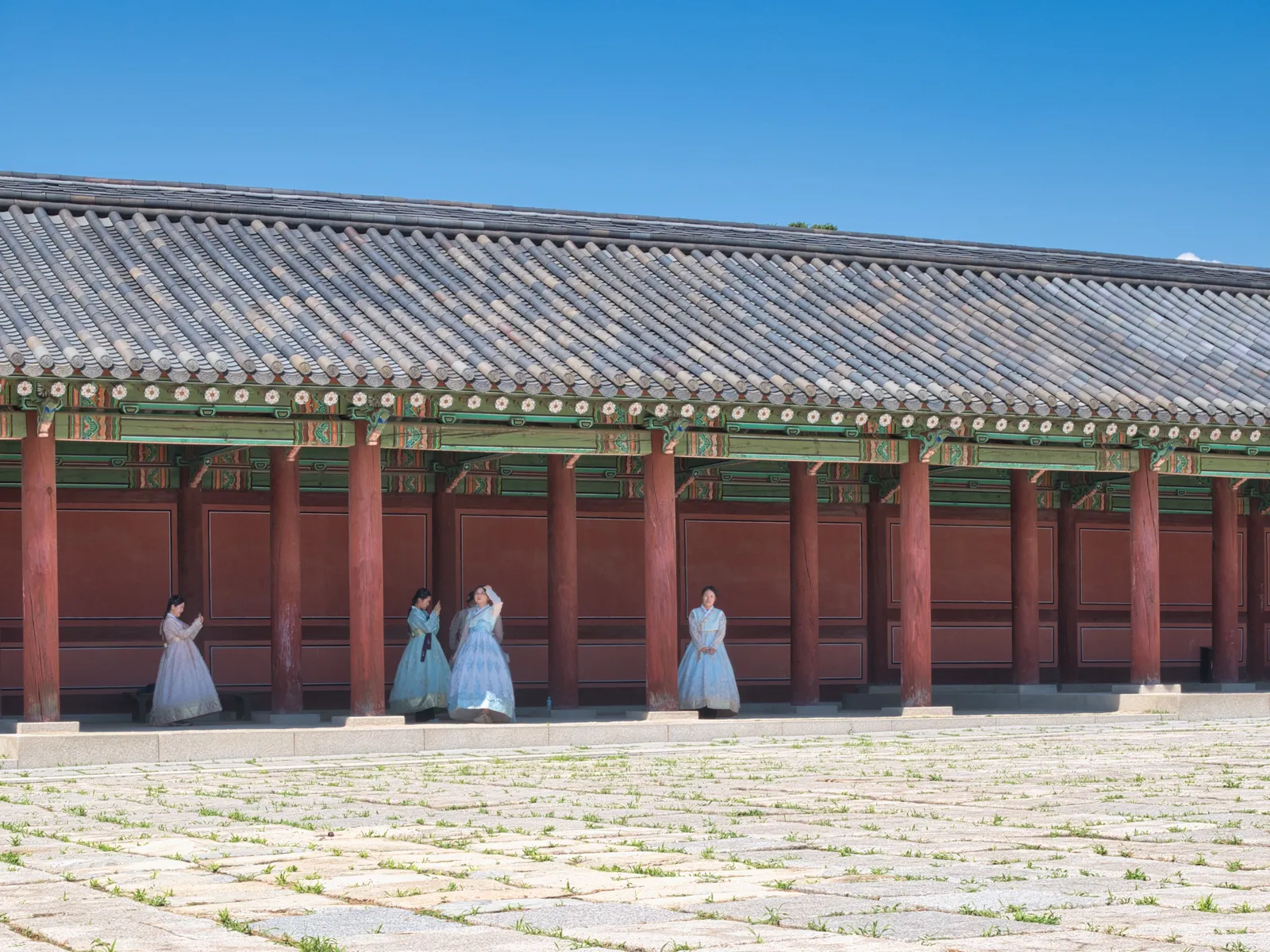
The main royal palace of Seoul, a guard changing ceremony twice a day, and a rule that lets anybody in traditional dress walk in for nothing.
A first-timer guide to Seoul: the neighborhoods that matter, palaces and hanok lanes, where to eat and shop, nightlife done right, the best day trips, and how to ride the metro like a local.
More cafes per square kilometre than almost anywhere on earth, open until midnight, where the room is as much the product as the coffee.
Cosmetics in Myeongdong, wholesale at four in the morning in Dongdaemun, young labels in Hongdae and stationery you did not know you wanted.
A fortress you walk on top of, an island of tree tunnels, a border you can look across and a Chinatown by the sea, all inside two hours of the city.
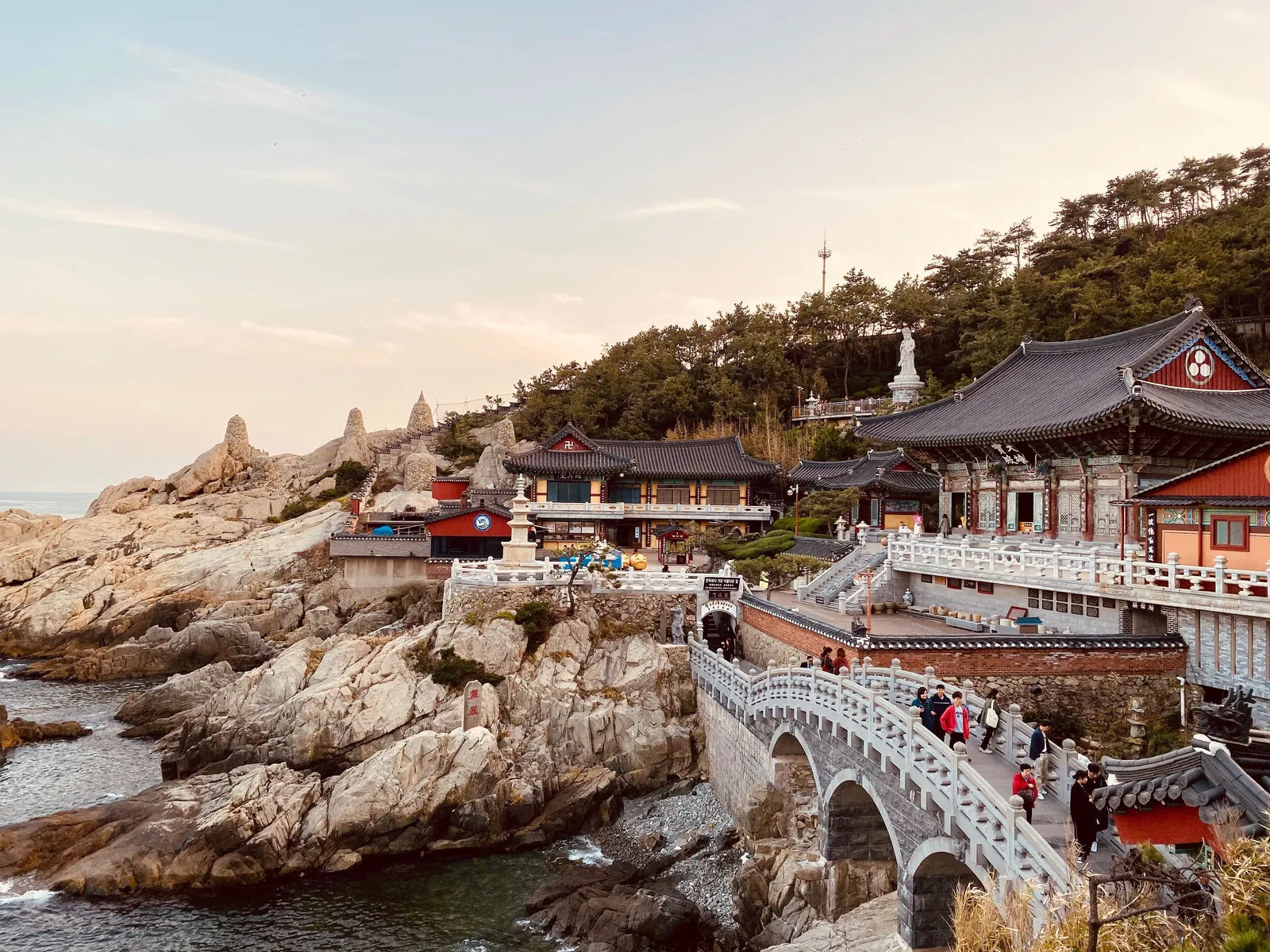
Busan's seaside temple sits on the rocks above the water rather than up a mountain, which is unusual in Korea. Why sunrise is the visit, how to reach it from Haeundae, and how to behave at a working temple.
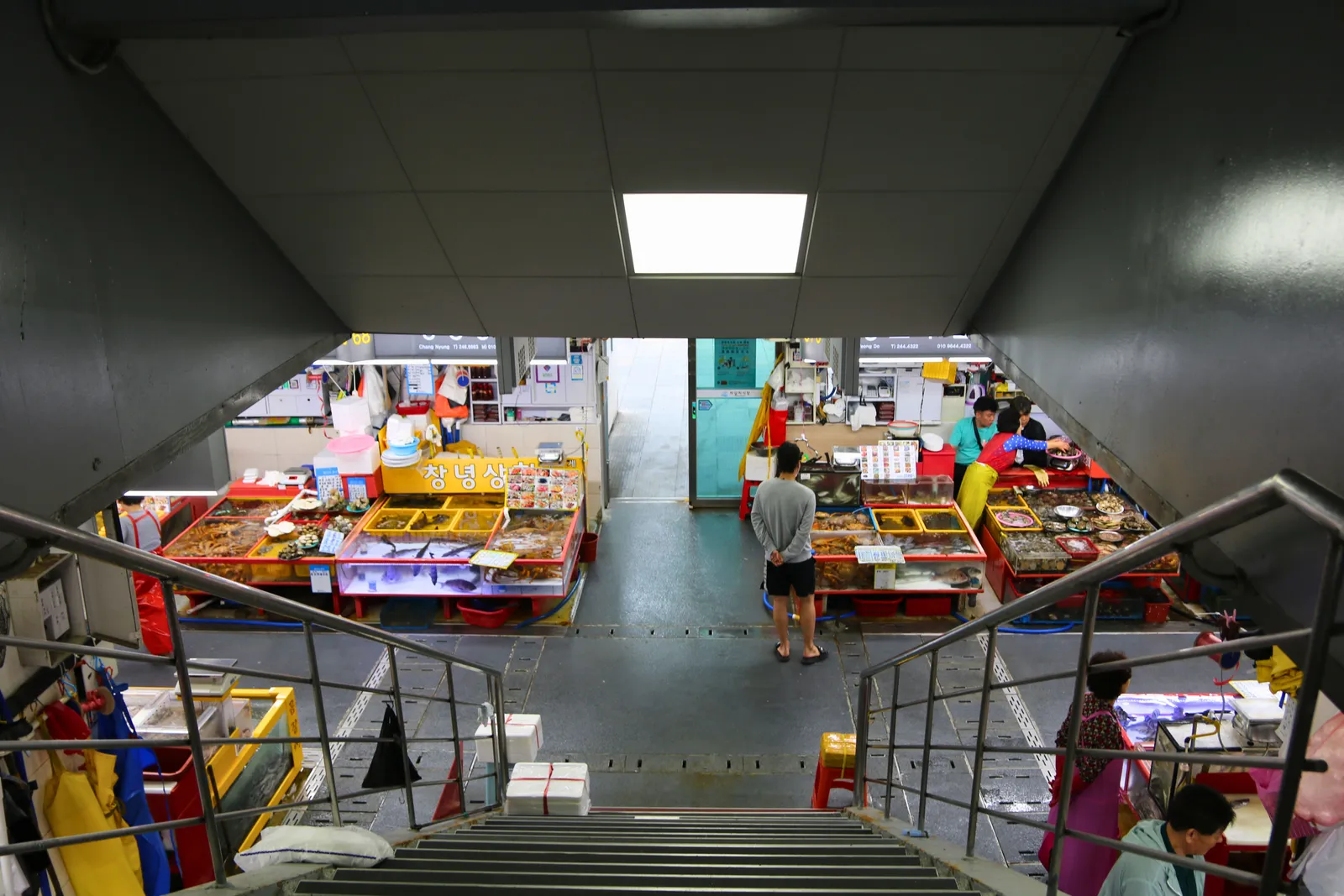
The largest fish market in Korea, run largely by women, where you buy something live downstairs and somebody upstairs cooks it while you wait.
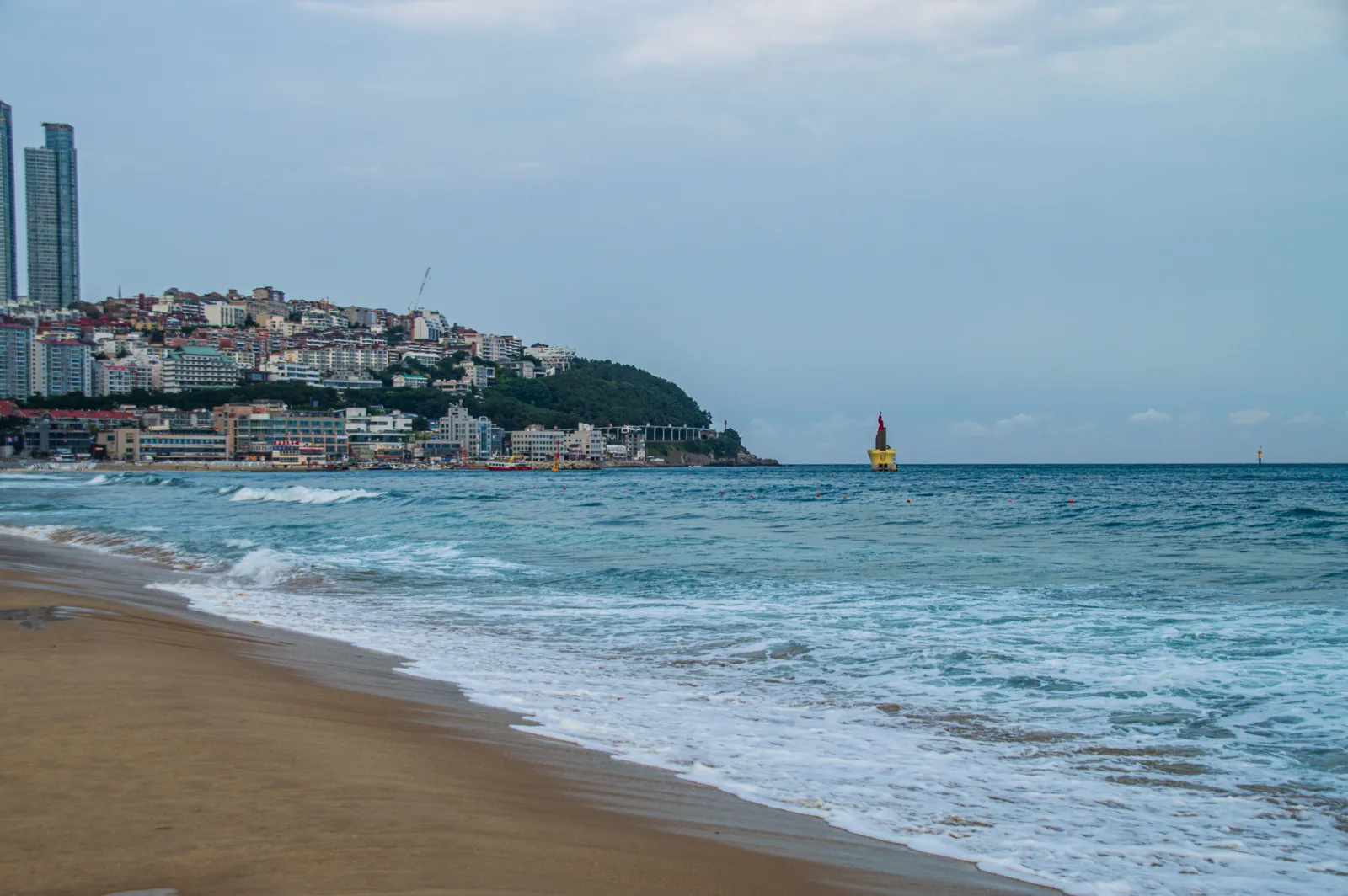
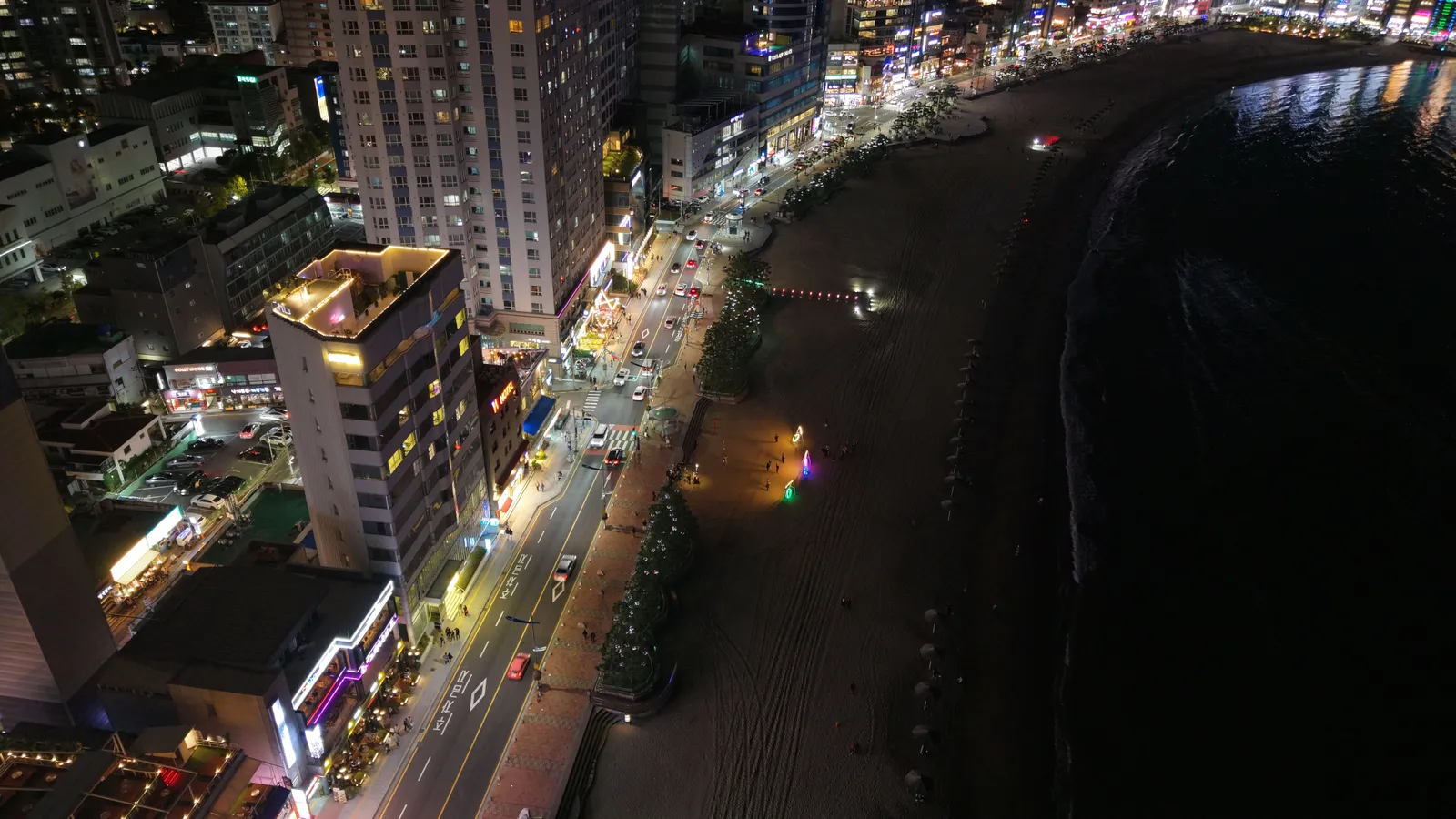
One is the famous one with the towers behind it. The other has a suspension bridge across the bay, a light show and better bars. They are twenty minutes apart.
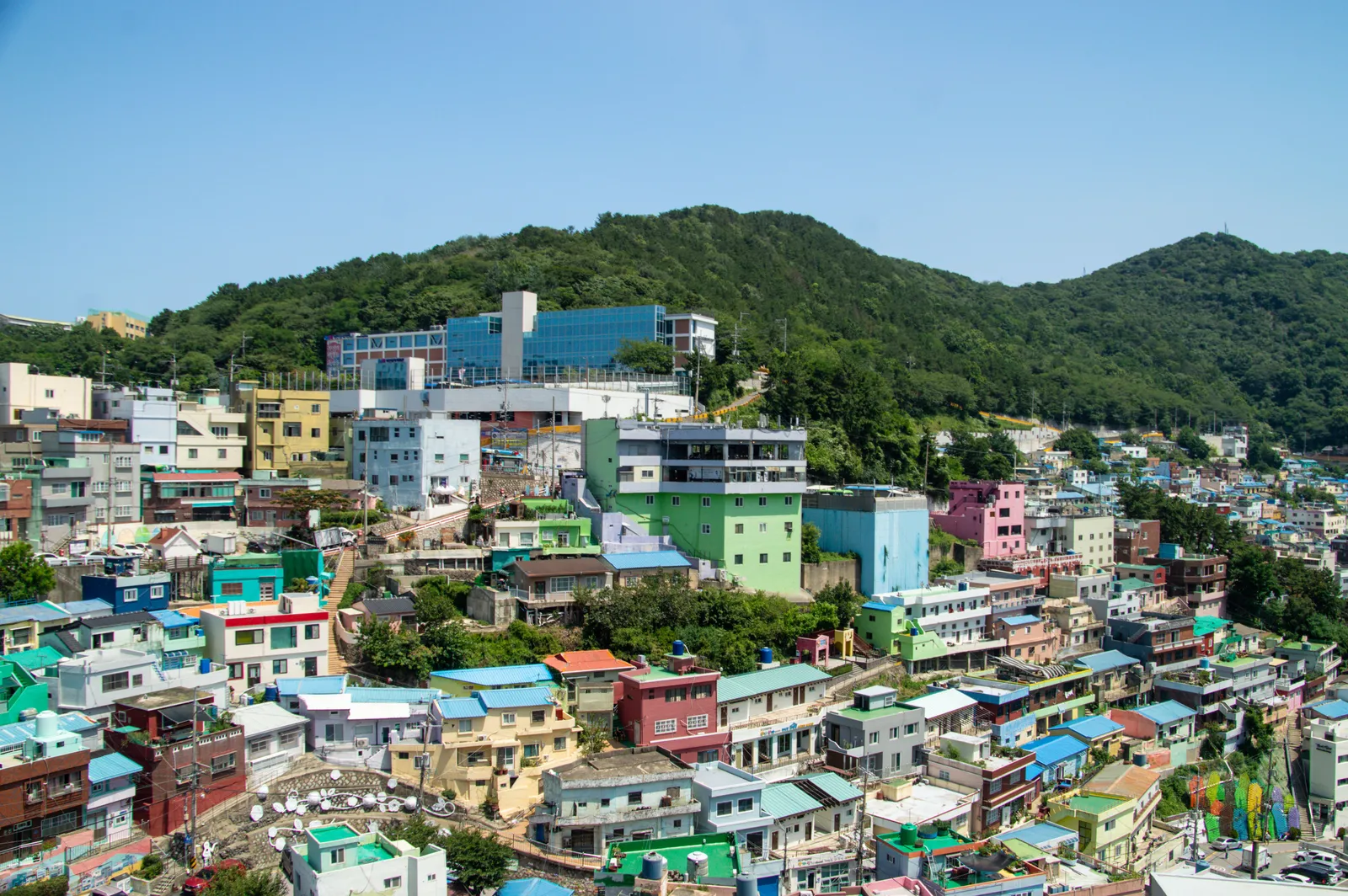
A refugee settlement on a Busan hillside, repainted by artists into one of Korea's most photographed places, with residents behind every one of those doors.
A first-timer guide to Busan: the beaches worth your towel, the colourful Gamcheon hillside village, the roaring Jagalchi fish market, temples on the sea, nightlife, day trips and how to get there from Seoul.
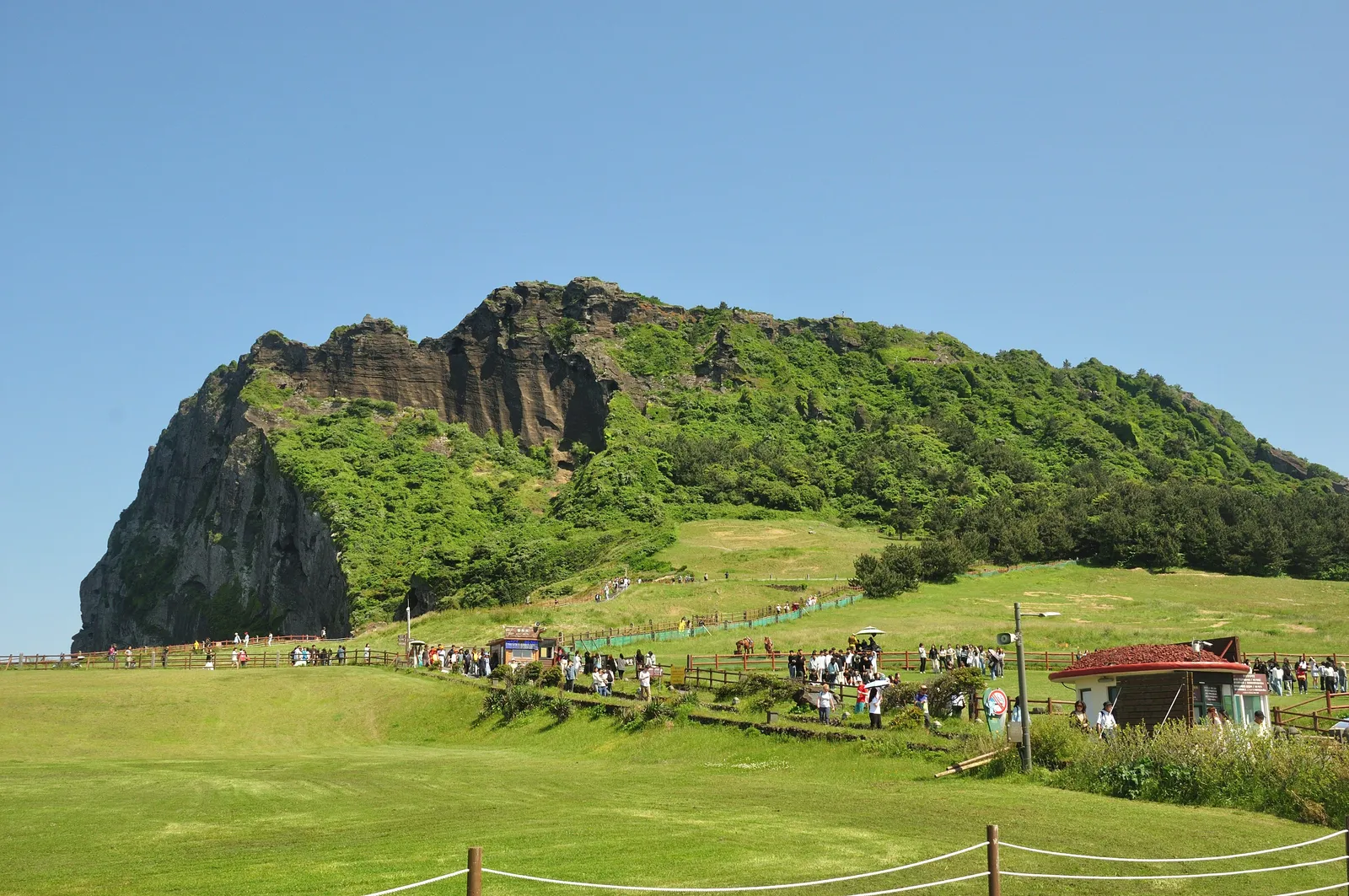
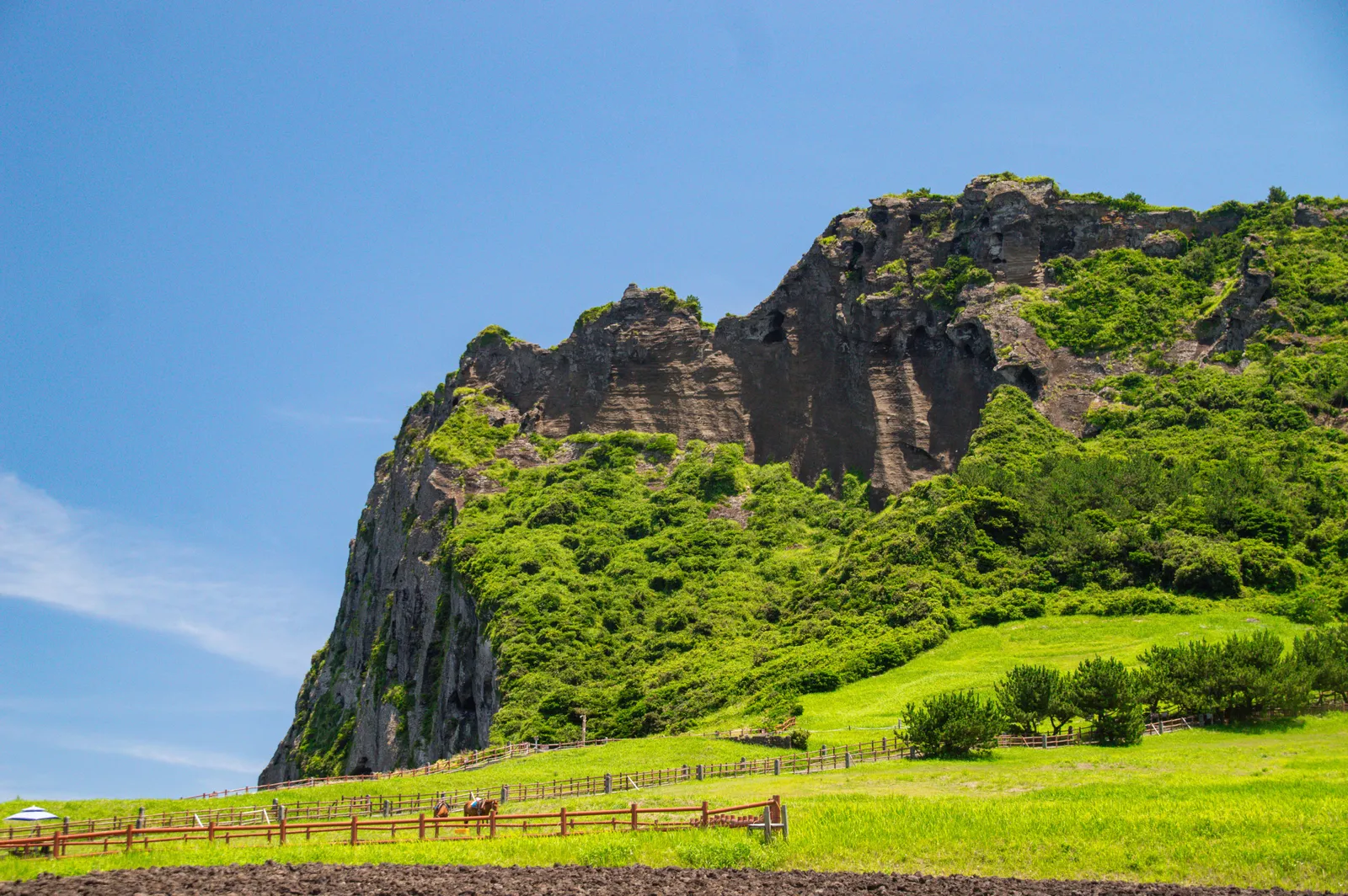
The eastern side of Jeju holds a tuff cone rising straight out of the sea and a lava tube you can walk inside. How to fit both into one day, in the right order, and what to wear underground.
Where to stay on Jeju in South Korea: how to choose between Jeju City, Seogwipo, Jungmun and the quiet coasts, whether you need a car, and how prices peak.
Jeju has been the Korean honeymoon destination for generations, and Seoul does the other half well. Where to spend the nights and what actually works.
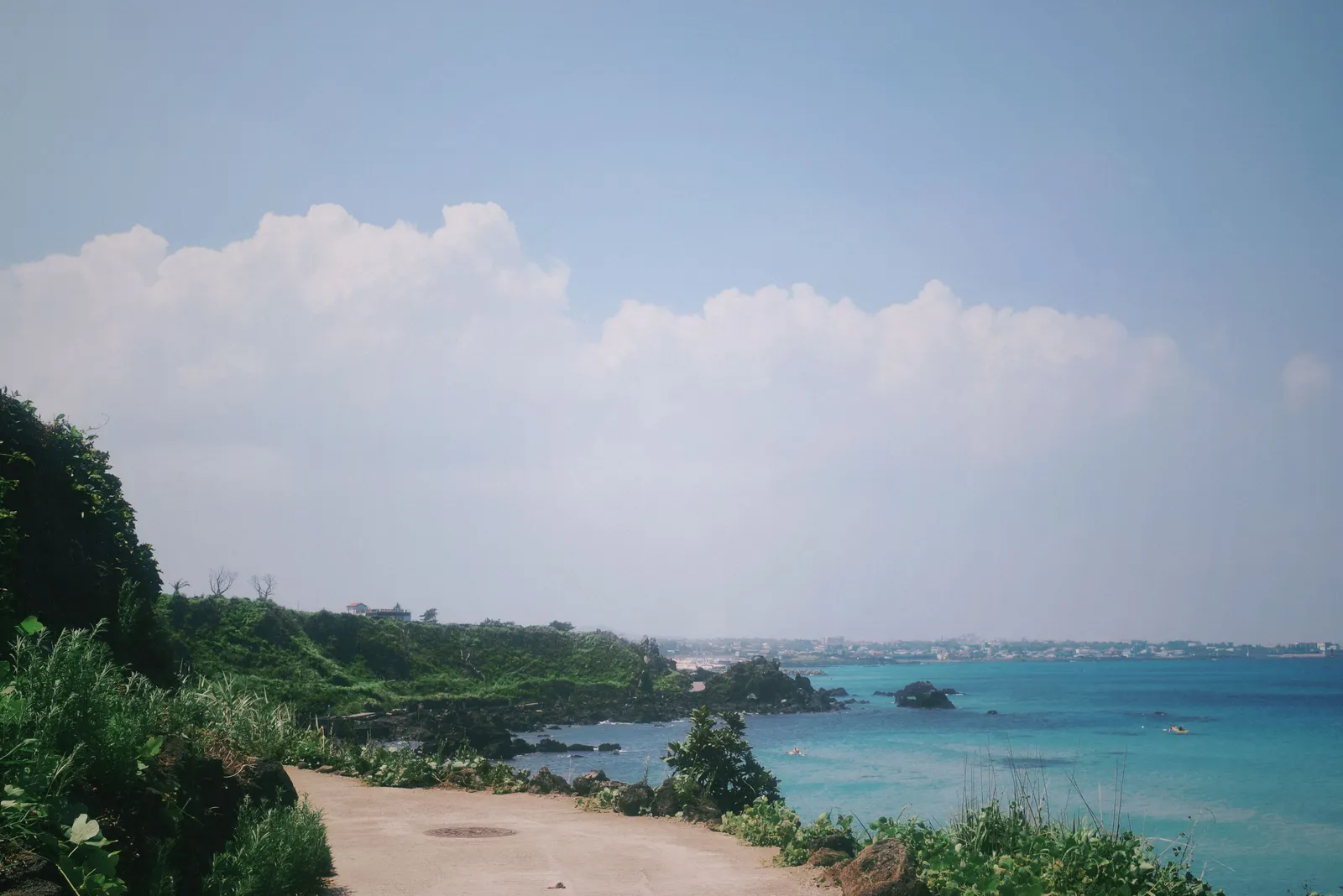
A waymarked coastal network of more than twenty numbered routes circling Jeju, each a day, marked by blue and orange ribbons and a small horse.
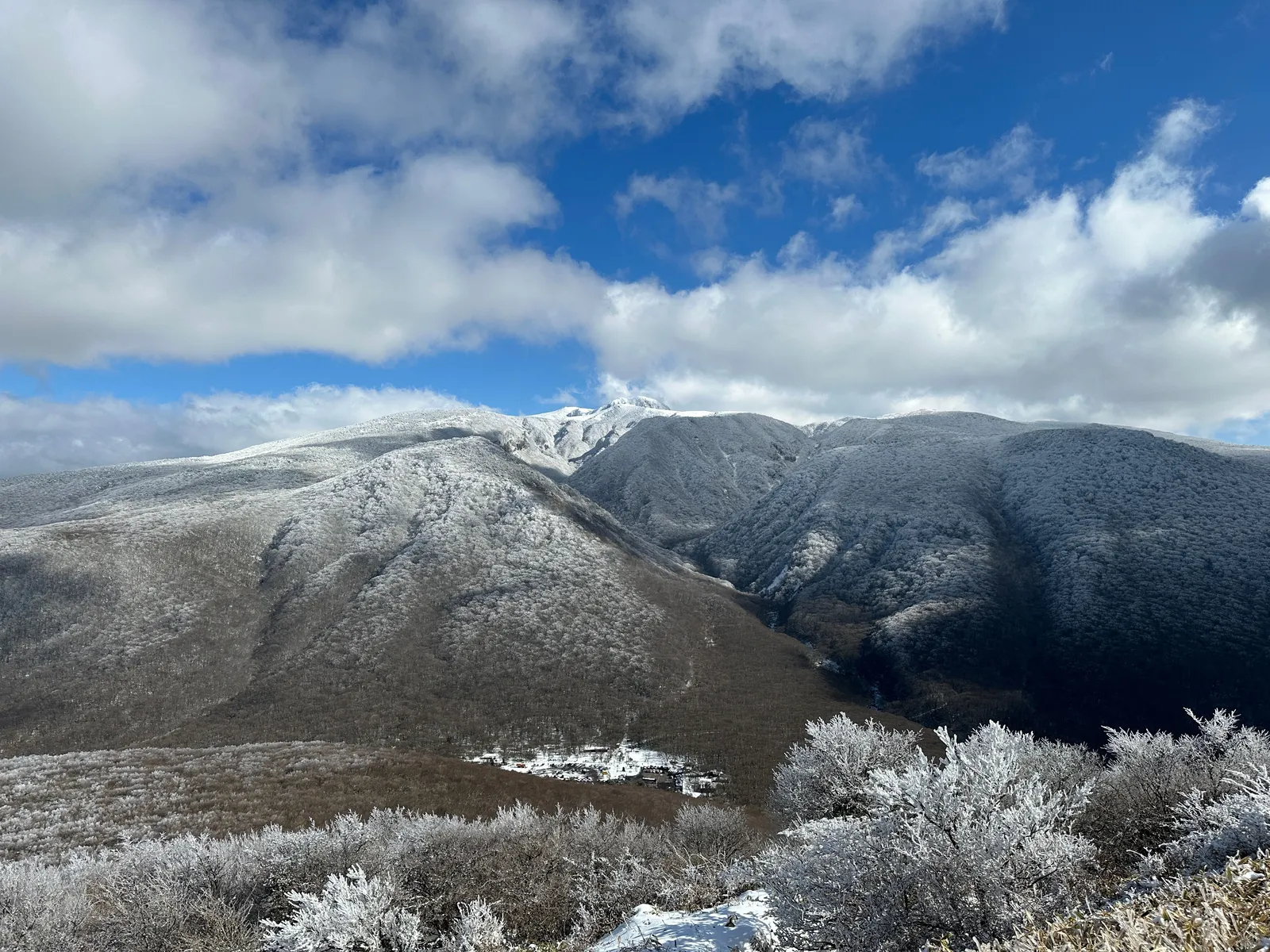
A shield volcano in the middle of an island, a crater lake at the top, two long summit trails with cut off times, and a booking system to read before you go.
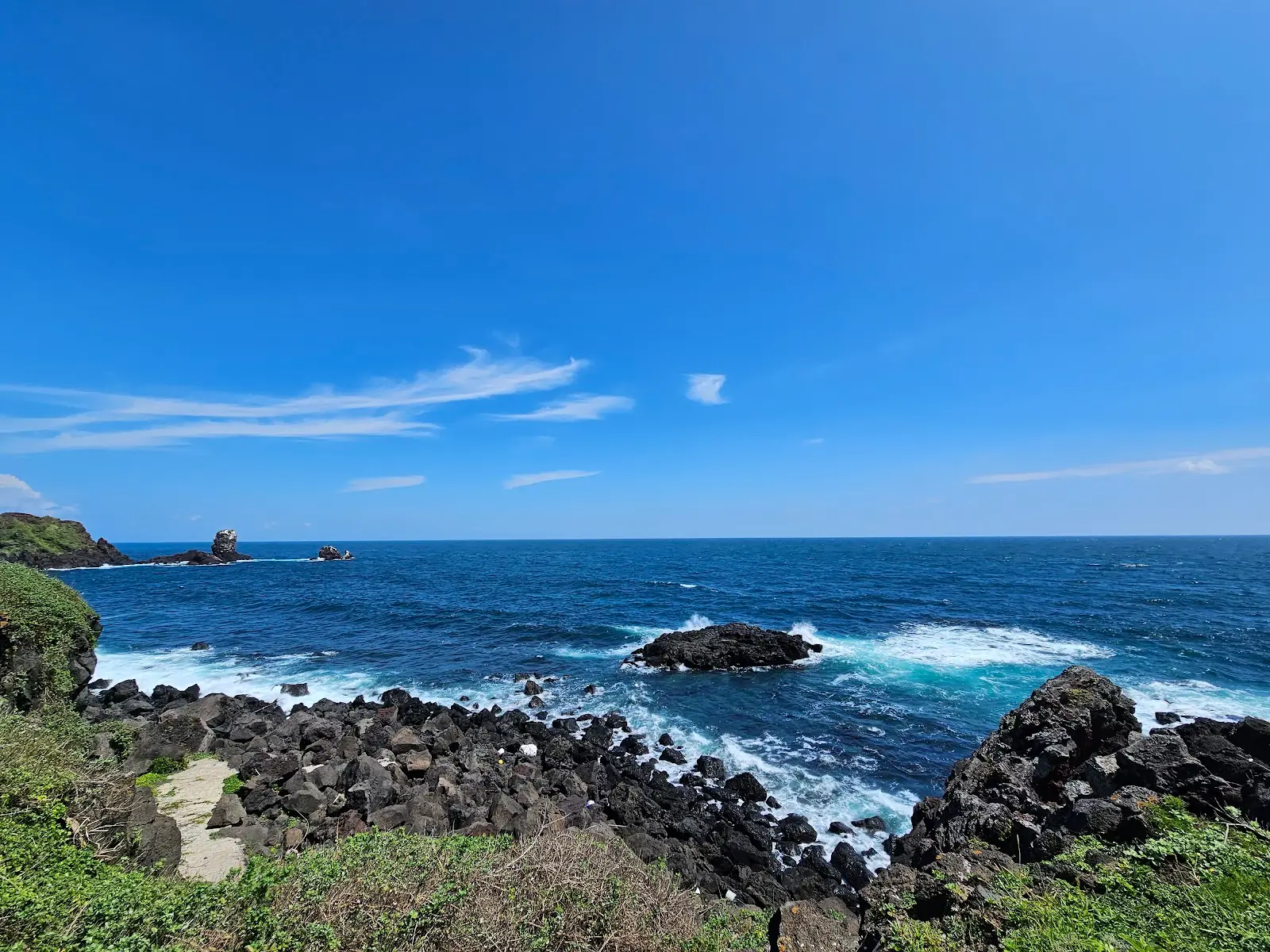
A first-timer guide to Jeju: the volcano and lava tubes, the best beaches and waterfalls, coastal walking trails, the island food, how to get there and get around, and how many days you really need.
The eastern side of Jeju holds a tuff cone rising straight out of the sea and a lava tube you can walk inside. How to fit both into one day, in the right order, and what to wear underground.
A waymarked coastal network of more than twenty numbered routes circling Jeju, each a day, marked by blue and orange ribbons and a small horse.
A shield volcano in the middle of an island, a crater lake at the top, two long summit trails with cut off times, and a booking system to read before you go.
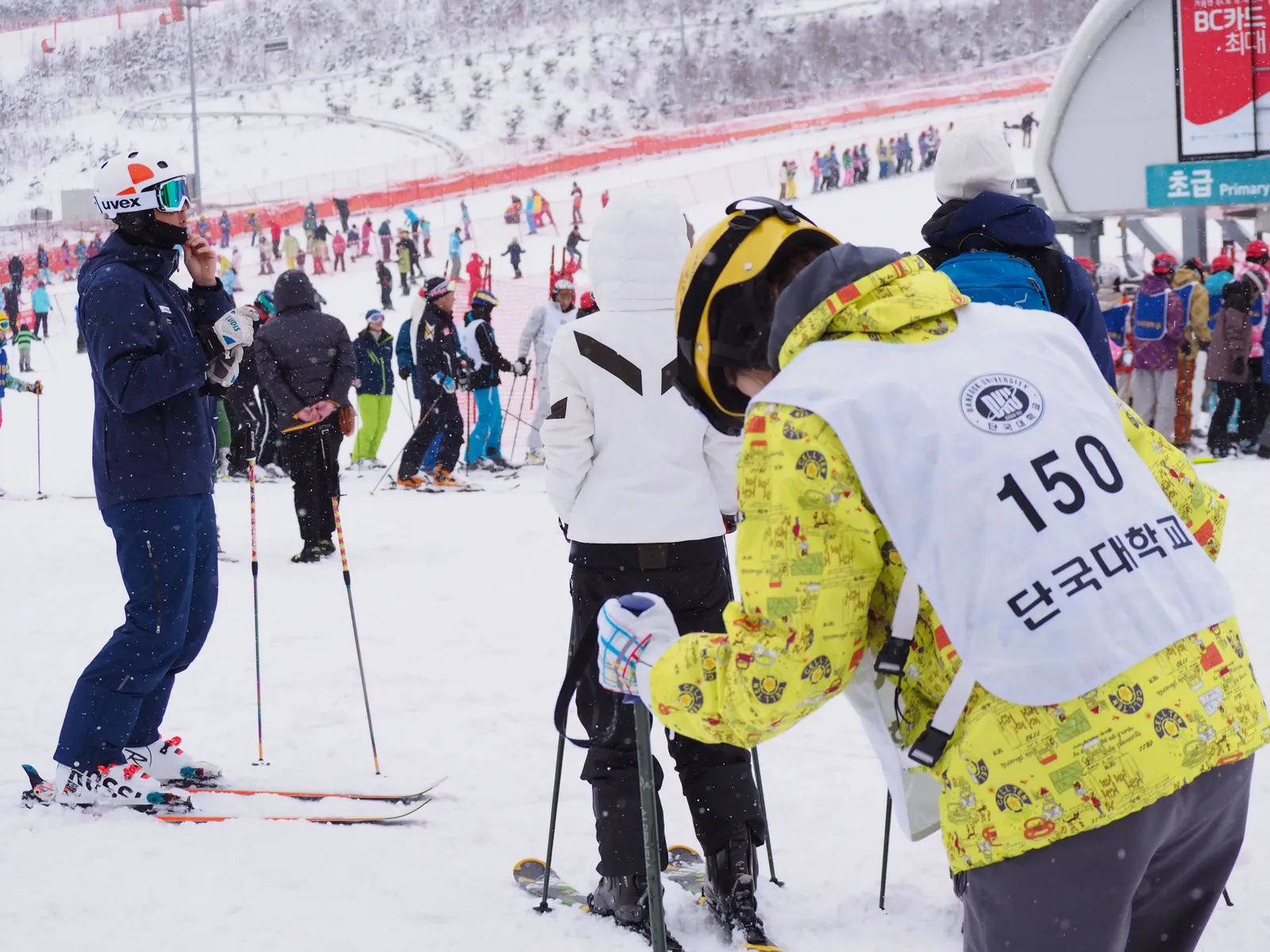
Resorts within two hours of Seoul, floodlit slopes until late, a reliable cold winter and equipment hire that costs less than lunch in the Alps.
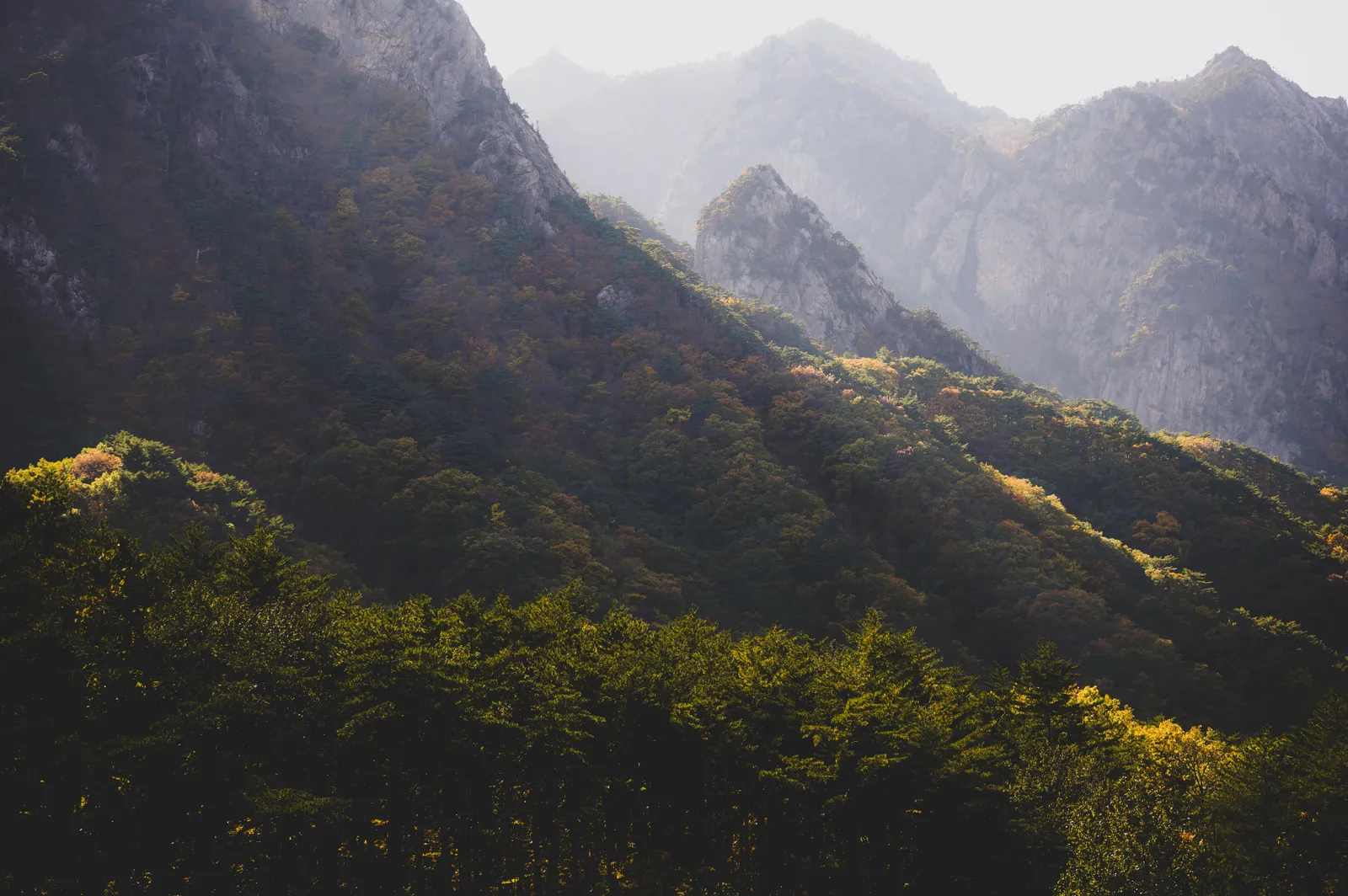
Granite ridges, a cable car, a temple in a bowl of mountains and a colour front that comes down from the peaks to the valleys over a fortnight in October.
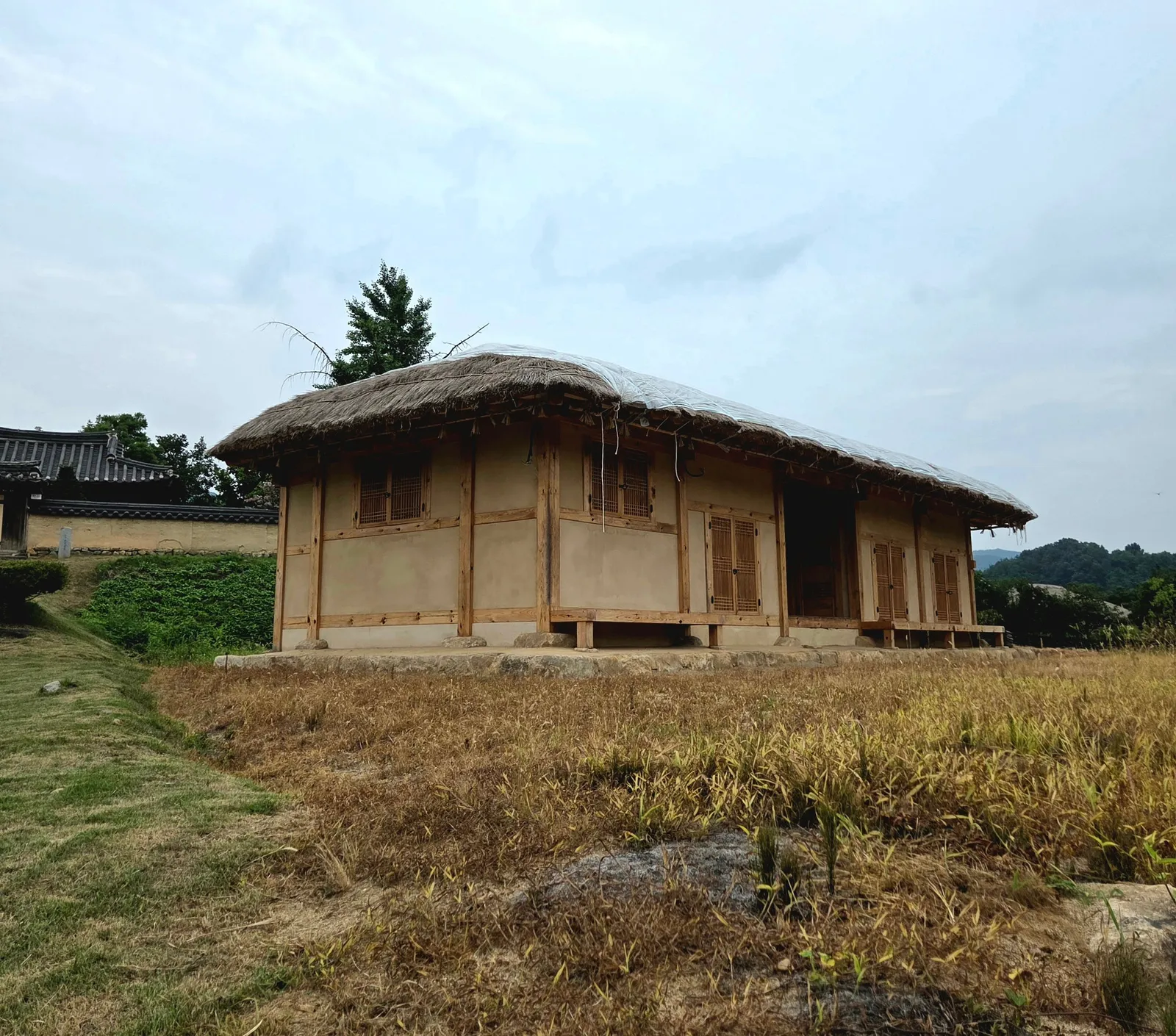
A Confucian village in a river bend where an aristocratic clan lived for six hundred years, a satirical masked dance, and the town's two great dishes.
The largest surviving hanok district in Korea, a dish the city is credited with inventing, and an alley of makgeolli houses that serve food you did not order.
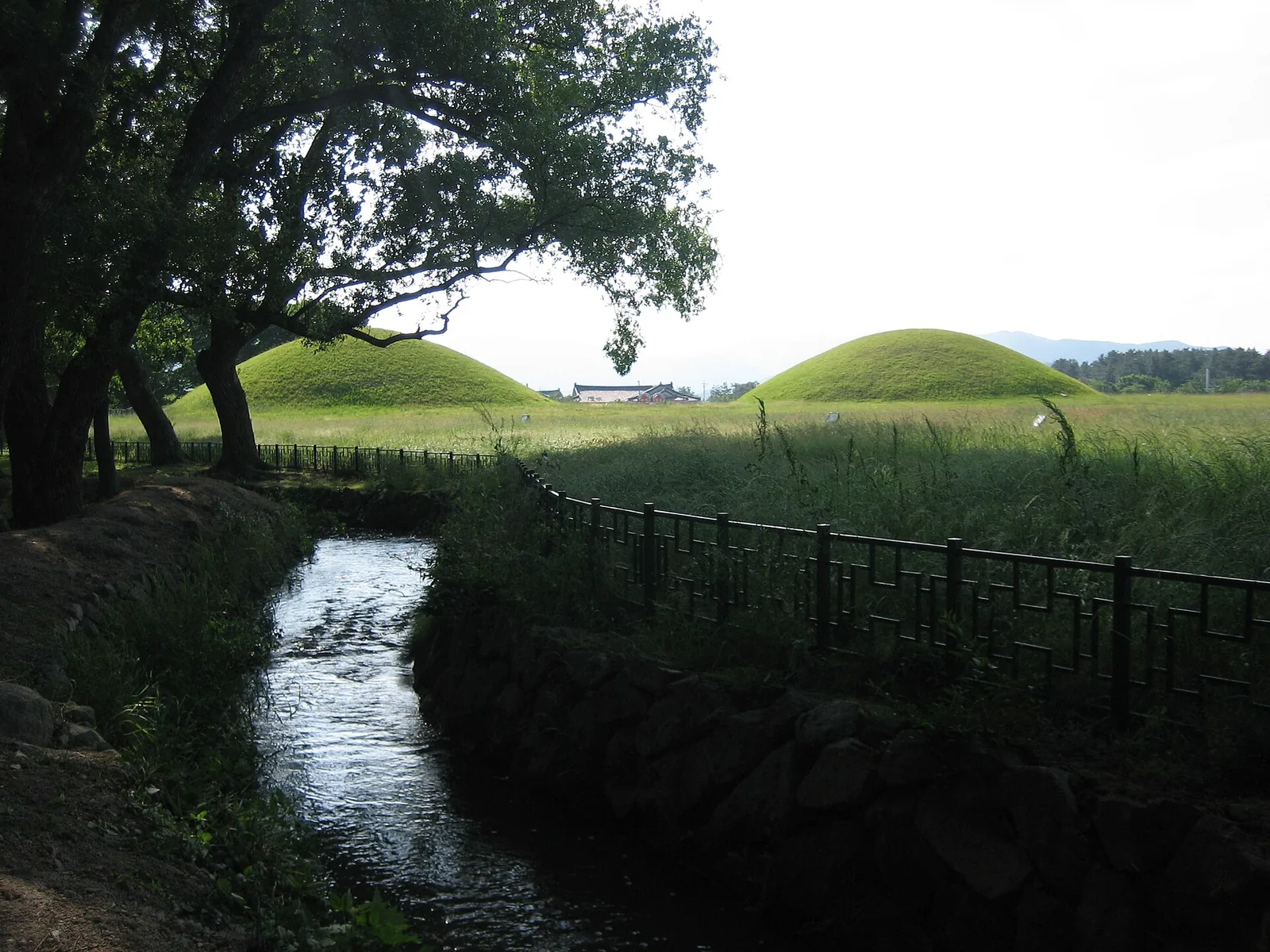
Royal burial mounds in the middle of town, an observatory, a UNESCO temple in the hills, and a city flat enough that a bicycle is the obvious way round it.
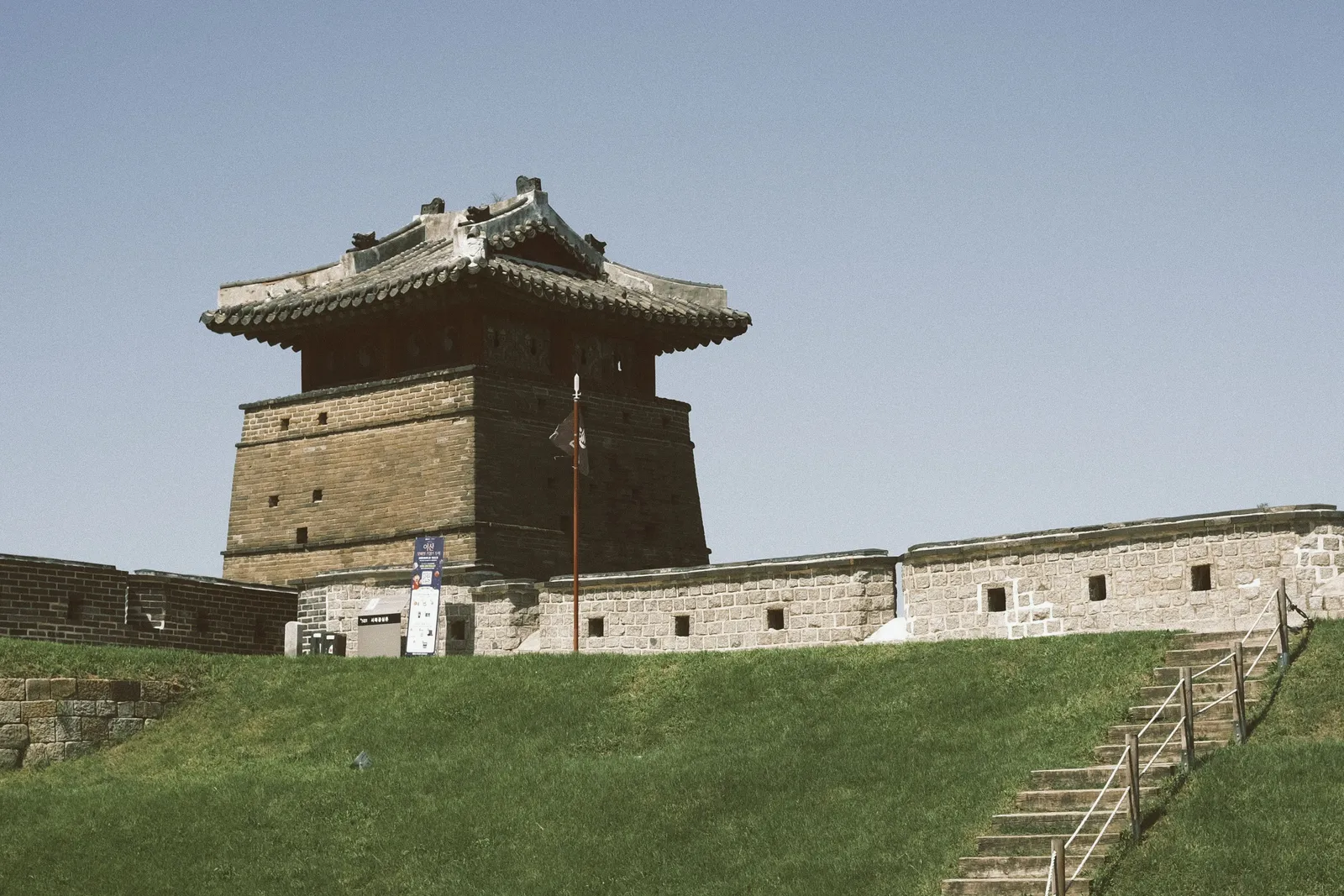
Nearly six kilometres of eighteenth century fortress wall with a walkway along the top, a palace inside it, and a working Korean city around it.
A fortress you walk on top of, an island of tree tunnels, a border you can look across and a Chinatown by the sea, all inside two hours of the city.
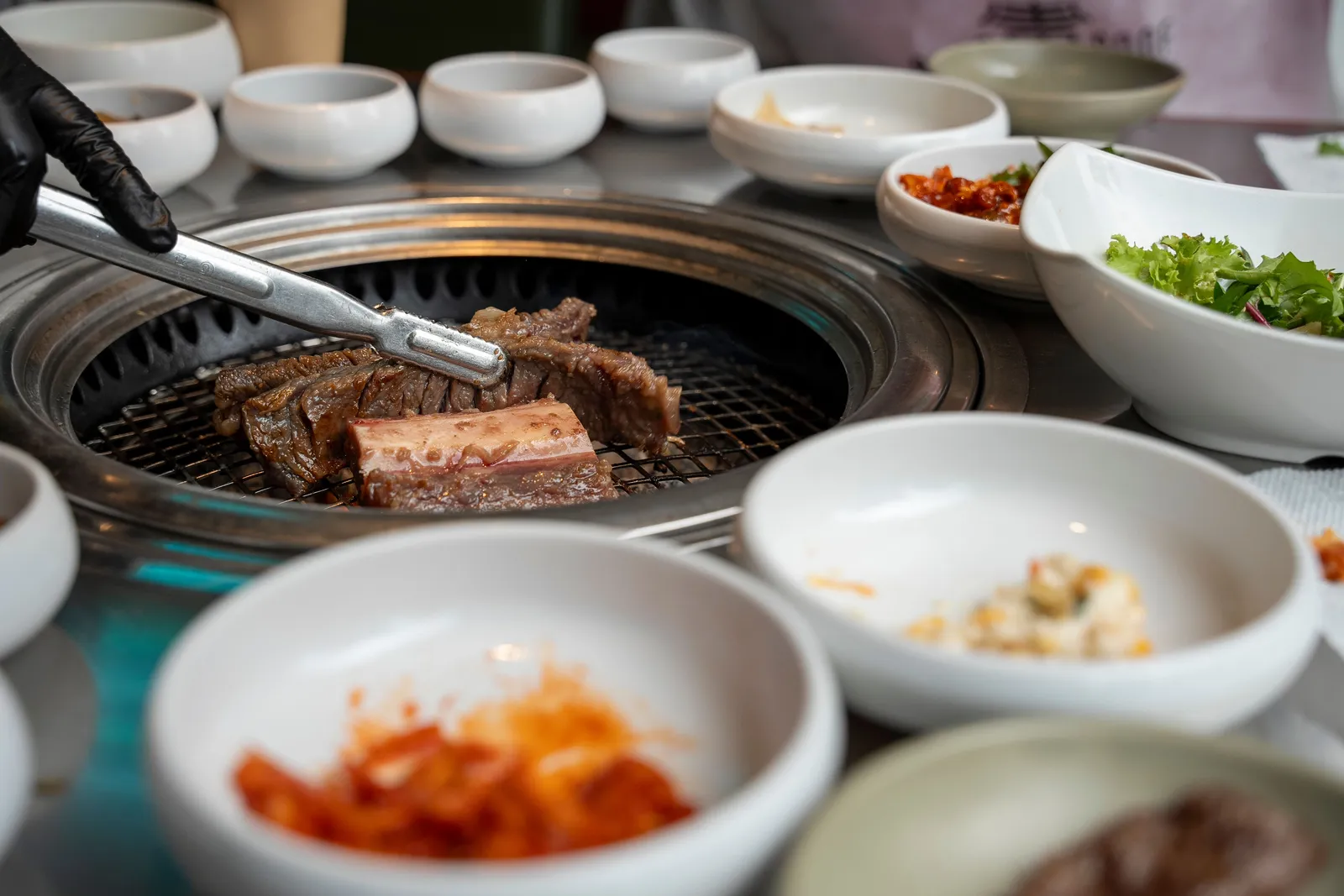
A traveller guide to Korean food: barbecue, stews and street food, the free banchan side dishes, kimchi and fermentation, what to order for beginners, drinking culture and simple table etiquette.
The largest surviving hanok district in Korea, a dish the city is credited with inventing, and an alley of makgeolli houses that serve food you did not order.
The largest fish market in Korea, run largely by women, where you buy something live downstairs and somebody upstairs cooks it while you wait.
More cafes per square kilometre than almost anywhere on earth, open until midnight, where the room is as much the product as the coffee.
Some of the fastest and cheapest mobile data anywhere, and the fifteen minutes of setup before you fly that decides whether your phone works the moment the plane lands.
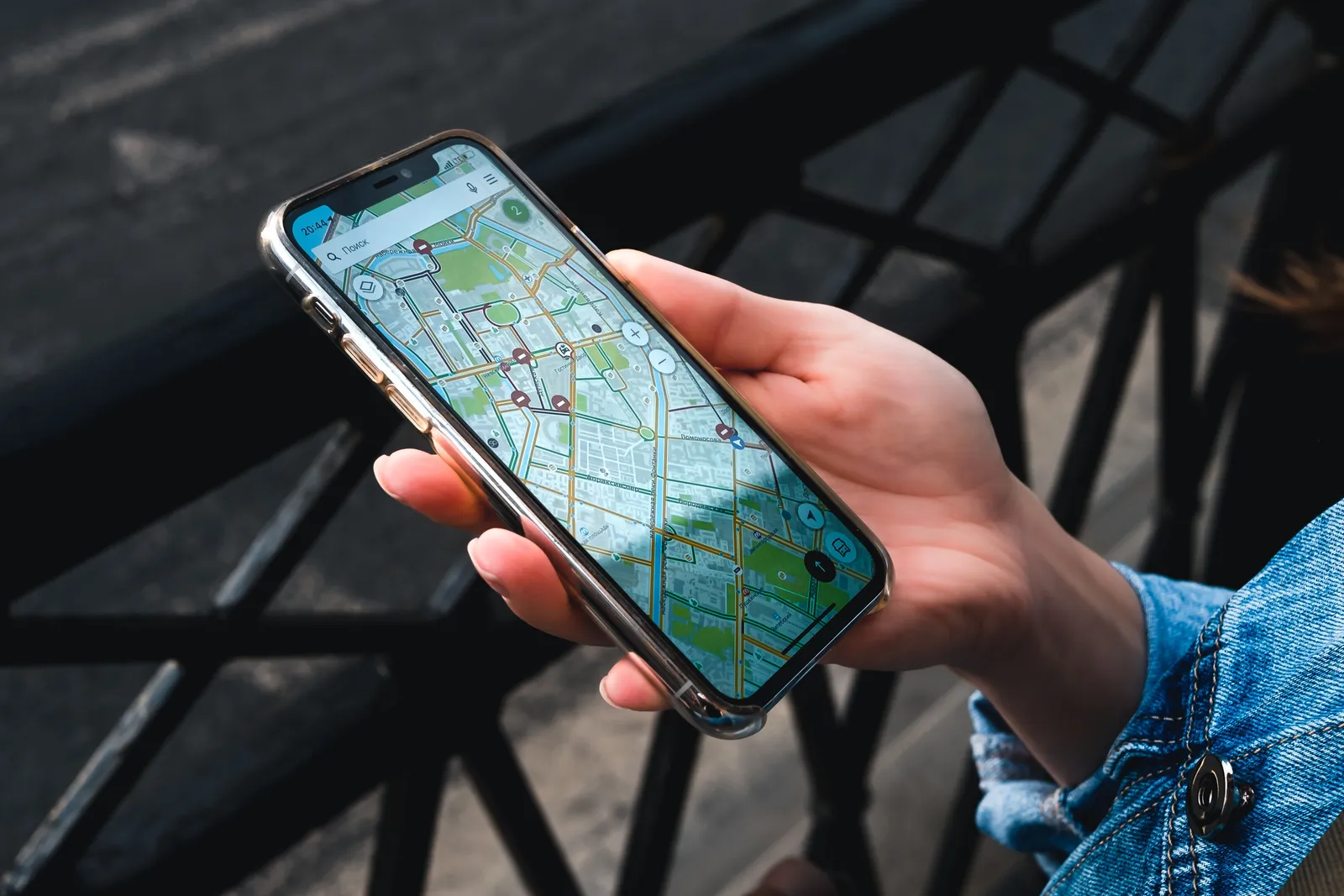
Why the mapping app on your phone loses walking and driving directions the moment you land, and which two Korean apps actually cover the country.
What a T-money card is, where to buy one, how to top it up, what it works on beyond the subway, and how to get your deposit and balance back before you fly home.
How Korea's high-speed KTX works: the main routes and journey times, how to book as a visitor, standard versus first class, the slower cheaper trains, and the rail passes worth buying.
How to get from Incheon Airport into Seoul: the AREX express and all-stop trains, the limousine buses, taxis and late-night arrivals, and which one fits where you are staying.
How to get around South Korea: the KTX bullet train, city subways, buses and taxis, the all-in-one T-money card, domestic flights to Jeju, driving, and the map apps you actually need.
Seoul reuses the same stairs, murals, bridges and cafes across dozens of dramas. Where they actually are, what looks different in person, and how to see them without a paid tour or bothering the people who live there.
Busan's seaside temple sits on the rocks above the water rather than up a mountain, which is unusual in Korea. Why sunrise is the visit, how to reach it from Haeundae, and how to behave at a working temple.
The Korean manners that actually matter to a visitor: two hands, shoes off, chopstick rules, pouring for others, how age shapes conversation, quiet trains, and why nobody expects a tip.
Agency buildings you can photograph from outside, busking in Hongdae, a lot of merchandise, and music show tickets that mostly require a fan club membership.
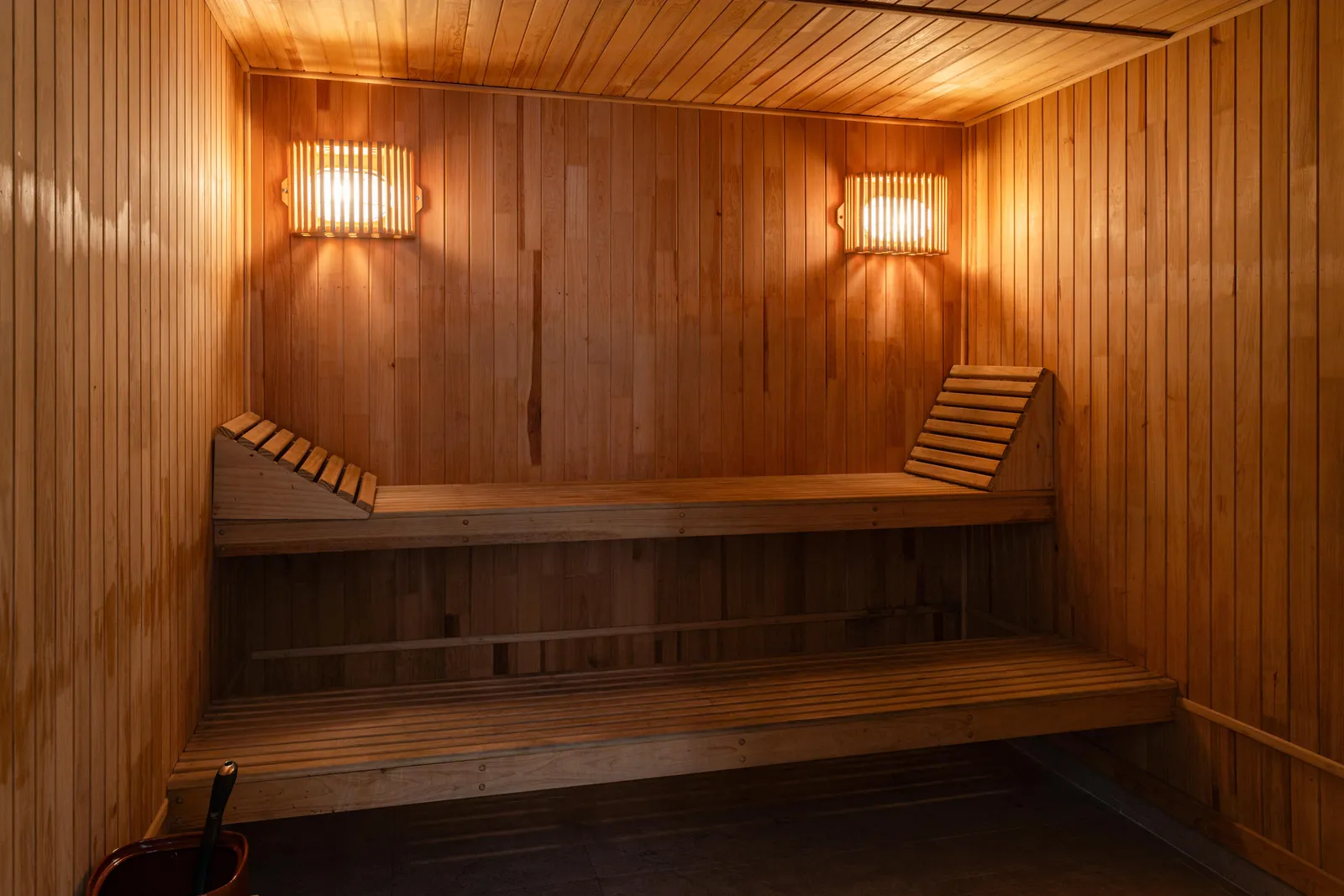
Naked bathing by gender, then shared heated rooms in issued pyjamas, a snack bar, a reading room, and permission to sleep there. Here is the order of operations.
A Confucian village in a river bend where an aristocratic clan lived for six hundred years, a satirical masked dance, and the town's two great dishes.
Royal burial mounds in the middle of town, an observatory, a UNESCO temple in the hills, and a city flat enough that a bicycle is the obvious way round it.
A refugee settlement on a Busan hillside, repainted by artists into one of Korea's most photographed places, with residents behind every one of those doors.
Nearly six kilometres of eighteenth century fortress wall with a walkway along the top, a palace inside it, and a working Korean city around it.
A four kilometre strip of no man's land an hour from Seoul, visitable only on an authorised tour, where what is open changes with the politics.
Six hundred traditional courtyard houses on a hillside in central Seoul, with people living in them, quiet hours signs on the gates and a view down over tiled roofs.
The main royal palace of Seoul, a guard changing ceremony twice a day, and a rule that lets anybody in traditional dress walk in for nothing.
Christmas in South Korea is a public holiday built around couples more than family dinners. Where the winter lights and markets are, what to eat in the cold, and what usually happens as one year turns into the next.
When to visit South Korea: cherry blossoms in spring, fiery autumn foliage, hot festival summers and crisp ski winters, month by month, with the best times for weather, crowds and value.
Resorts within two hours of Seoul, floodlit slopes until late, a reliable cold winter and equipment hire that costs less than lunch in the Alps.
Granite ridges, a cable car, a temple in a bowl of mountains and a colour front that comes down from the peaks to the valleys over a fortnight in October.
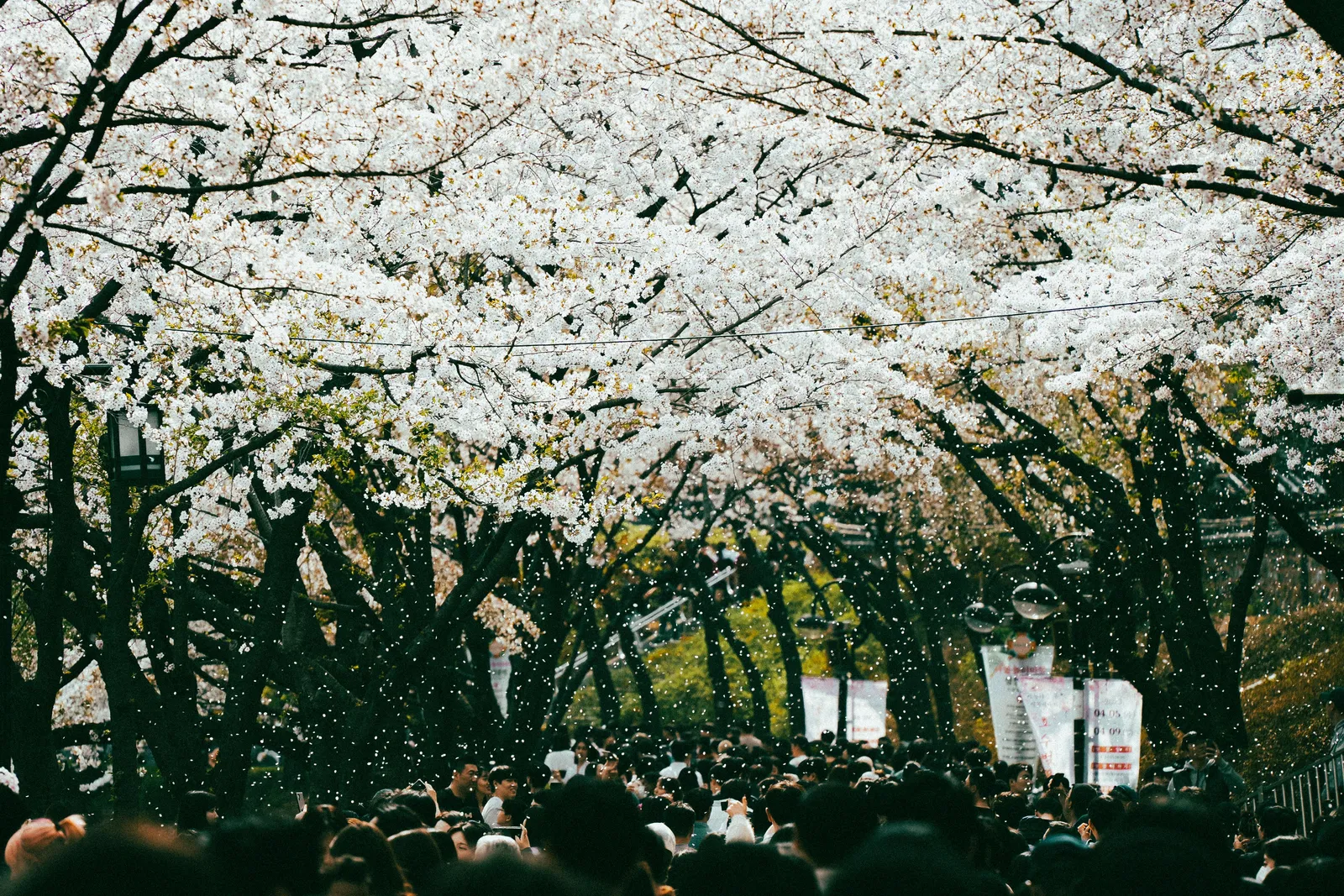
The bloom starts on Jeju and the south coast and reaches Seoul roughly a fortnight later, and the forecast is published rather than guessed at.
Where a foreign card works without a second thought in Korea, where it does not, which cash machines actually accept it, and why leaving a tip can cause more confusion than gratitude.
Some of the fastest and cheapest mobile data anywhere, and the fifteen minutes of setup before you fly that decides whether your phone works the moment the plane lands.
What a trip to South Korea actually costs: where the money goes on beds, food and transport, the free half of Seoul, the cheap wins nobody tells you about, and how to travel well without spending much.
The numbers to save before you land in Korea: 112, 119 and the 1330 tourist helpline, plus how pharmacies and clinics work, what to do about a lost passport, and the language gap.
What a T-money card is, where to buy one, how to top it up, what it works on beyond the subway, and how to get your deposit and balance back before you fly home.
Why insurance matters in a country with excellent hospitals and no free care for visitors: the medical limits to look for, the hiking and ski clauses, and what a claim really involves.
How entering South Korea works: who needs a visa, what K-ETA is and who is currently exempt, the arrival paperwork, passport validity, and the official sources to verify your own nationality against before you fly.
Naked bathing by gender, then shared heated rooms in issued pyjamas, a snack bar, a reading room, and permission to sleep there. Here is the order of operations.
Cosmetics in Myeongdong, wholesale at four in the morning in Dongdaemun, young labels in Hongdae and stationery you did not know you wanted.
The site has 49 guides covering all of South Korea: Seoul, Busan, Jeju, the heritage cities, food, transport and practical info. They are updated regularly.
Start with the general planning guide and "when to visit Korea", then move on to the Seoul guide, the Busan and Jeju guides, and the ready-made itinerary that matches the number of days you have.
No. Tourist areas have English signage, public transport is very easy to use, and navigation and translation apps handle almost everything. Our guides walk you through how to get by with no trouble.
A mix of ancient tradition and futuristic technology, superb street food, striking nature and seasons, K-pop and pop culture, and a very high level of safety. It is easy to get around and easy to fall for.