Korea is a strange case for travel insurance, because everything visitors normally worry about is fine. Crime is low, the roads are good, the hospitals are modern, the food is safe and the infrastructure works. What is not fine is the bill, because Korean healthcare is excellent and it is not free for you. This guide covers what a policy actually needs to say for this country, the two activity clauses that catch people out, and what making a claim here involves.
Why Korea specifically needs it
The argument here is different from the usual one.
There is no reciprocal healthcare arrangement covering most visiting nationalities. You are a private patient.
Treatment is paid at the time, and reclaimed afterwards, which means the policy needs to be one you can actually afford to front or one whose assistance line will guarantee payment directly.
The care itself is excellent, so this is not about the risk of poor treatment. It is about the risk of an excellent treatment you have to pay for.
Repatriation is the big number. A flight home from East Asia with medical support is the line that turns a manageable bill into a life-changing one, and it is the single most important thing to confirm is included.
The two clauses that catch people out
Almost every disappointed claim in Korea comes from one of these.
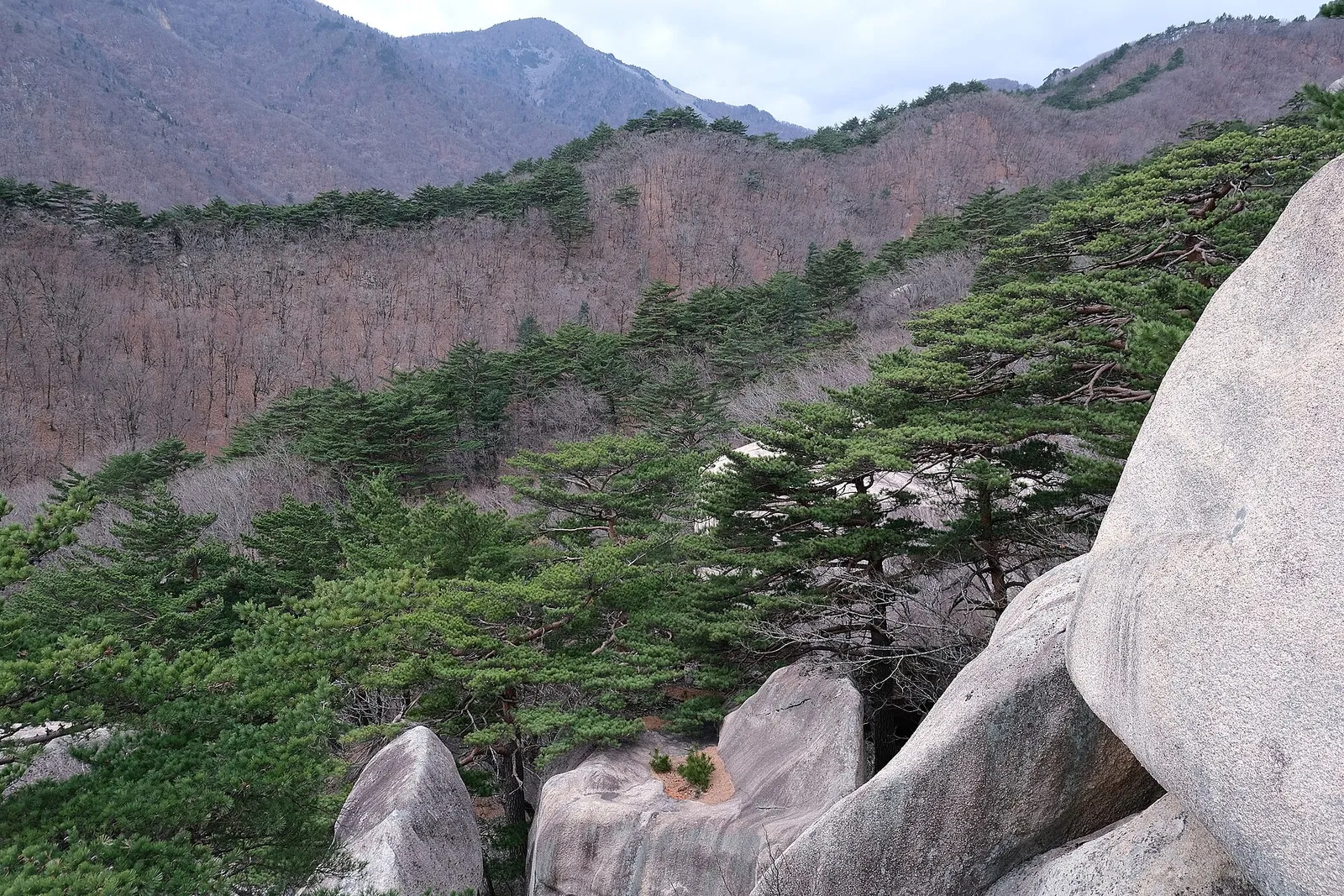
Hiking. Korea is genuinely mountainous, and its national parks are not gentle. Popular routes involve long ascents, steel stairways, chains and, in the wrong weather, real exposure. A base policy may cover walking and exclude anything it defines as mountaineering, or cap the altitude. Read the activity list before the trip, not after the ankle.
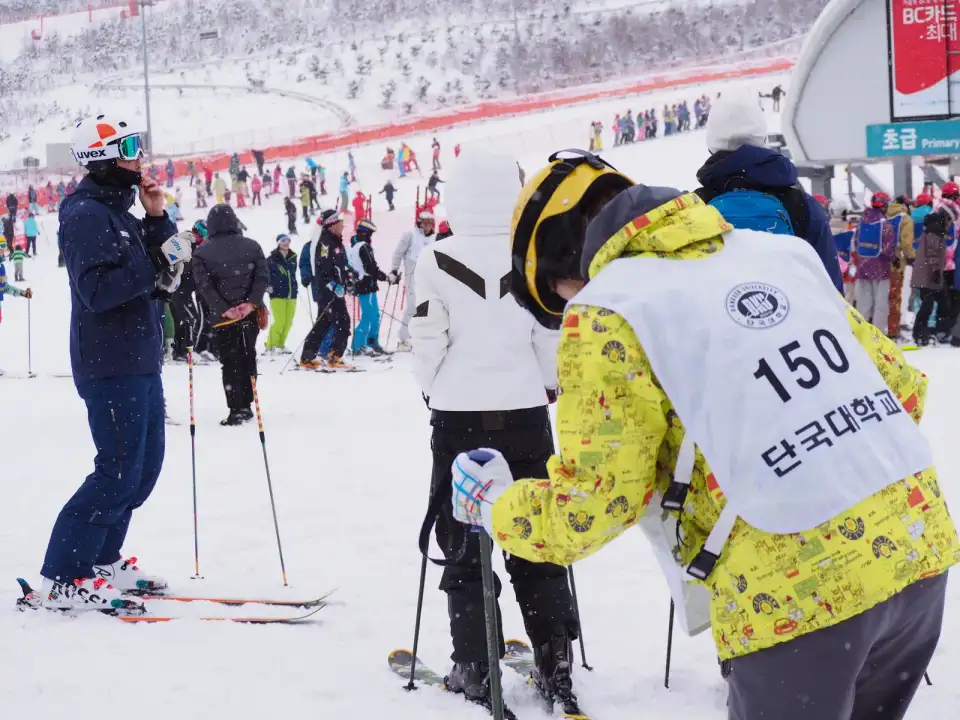
Winter sports. Korea has a real ski season and well-developed resorts, and skiing is an add-on in essentially every policy rather than a default inclusion. If there is any chance of a day on the slopes, tick the box at purchase.
What a good Korea policy includes
Five things, in rough order of importance.
A high medical limit with repatriation included. This is the whole point.
The activities you will actually do, named on the list, including hiking to the altitude you will reach and winter sports if relevant.
Theft cover with a realistic single-item limit, which matters mostly for cameras and laptops rather than because Korea is a risky place. It is not.
Cancellation and disruption cover, bought at the time of your first non-refundable booking rather than the week before departure, which is when it is already too late to be useful.
An excess you could pay without pain, since a low premium with a large excess is not a bargain on a small claim.
What it will never cover
Three things belong to somebody else, and knowing that in advance avoids an unpleasant discovery.
The rental car itself. Your travel policy covers your body, not the vehicle. The excess is the rental company’s product or a standalone excess policy.
Driving without the correct paperwork. Korea requires the appropriate international permit alongside a home licence, and a claim arising from driving without it is a claim that will not be paid.
Anything involving alcohol, which policies exclude routinely and which is worth remembering in a country whose social life runs on soju.
Making a claim, practically
Korean institutions are well organised and used to foreign patients, so the process is more administrative than difficult.
Call the insurer’s assistance line first where you can, because they will direct you to an appropriate hospital and may guarantee payment so you are not fronting a large sum.
Keep everything: itemised receipts, the medical report, the discharge summary.
For theft, get the written police report at the time. Insurers require it and it cannot be obtained retrospectively from another country.
Use 1330 if the paperwork stage is where the language gap bites. The tourist helpline interprets around the clock and is genuinely good at exactly this. Our guide to emergency numbers in Korea covers it along with the rest of the numbers worth saving.
Where it sits in the budget
Korea is not an expensive country by developed-world standards, which makes the insurance line look proportionally larger than it does for a trip to Western Europe and no less worth buying.
Set against a week of accommodation, transport and eating extremely well, the cover is a small line, and it is the only line in the whole budget with no ceiling on what it protects against. Our Korea budget guide sets out what the rest of the trip actually costs, which puts the comparison in proportion.
Buy it when you book the flights rather than the week before you go, because cancellation cover only works from the moment it exists. And if you have not yet worked out the journey from the airport, that is the other thing worth settling early; our guide to Incheon Airport transfers covers the options.
The short version
Korean healthcare is excellent and you are paying for it, so buy a policy with a high medical limit and repatriation included. Check the hiking altitude clause, because the national parks here are steeper than they look, and add winter sports if there is any chance of a ski day. Remember that the rental car excess and anything involving alcohol are not covered. Buy at booking time, keep every receipt, and get a police report on the spot for anything stolen.