Incheon is regularly voted one of the best airports in the world and the transfer into Seoul is one of the reasons why: there are four genuinely good ways to do it, they are all clearly signposted in English, and none of them involves haggling. The only real decision is which one matches where you are staying and how much you are carrying. Here is each option, what it actually gives you, and the two situations where the obvious answer is the wrong one.
The four options at a glance
The AREX express train runs non-stop to Seoul Station on a fixed fare and a fixed schedule. Fastest and most predictable.
The AREX all-stop train runs the same line with stops along the way, costs a fraction of the express, and connects into several subway lines rather than only at the terminus.
The limousine buses run from the arrivals kerb to specific hotel districts, with your luggage in the hold and one seat the whole way. Comfortable, door-adjacent, and at the mercy of traffic.
Taxis are plentiful, metered, honest and expensive, and they come into their own late at night and for groups.
Both terminals are served by all four and the signage is unambiguous, so the decision is worth making before you land rather than at the kerb.
Which one actually suits you
The choice comes down to two questions: where you are sleeping, and how much you are carrying.
Staying near a subway line with a normal amount of luggage? The all-stop train. It is cheap, frequent and puts you in the network rather than at one terminus.
Staying near Seoul Station or in a hurry? The express. You pay for speed and you get it.
Staying at a hotel on a bus route, or travelling with children or heavy cases? The limousine bus, without hesitation. Not carrying bags up and down station stairs is worth more than the time difference.
Landing after the trains stop, or travelling as three or four people? The taxi, split, which stops looking expensive once it is divided.
The trains in detail
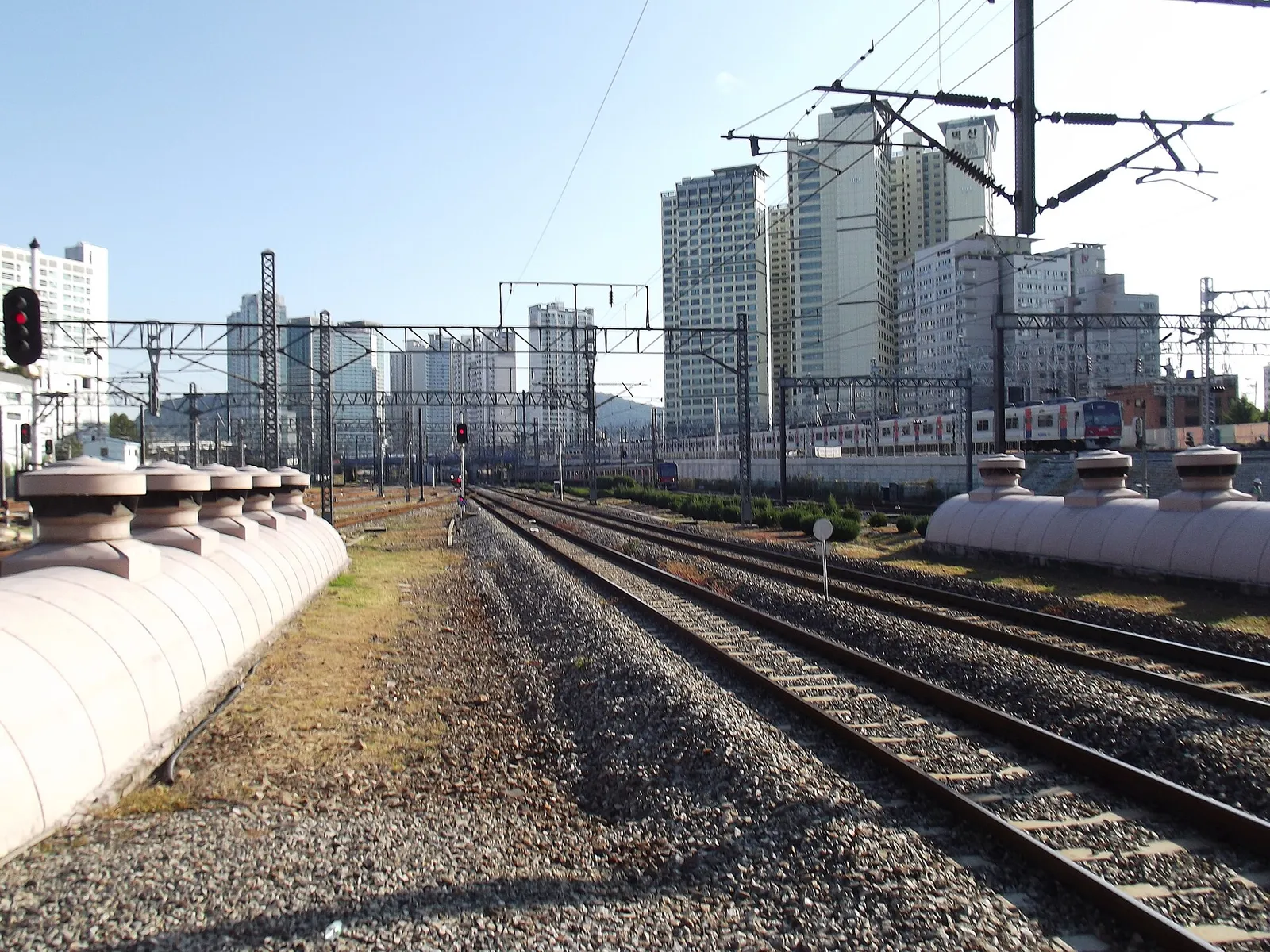
The airport railroad is the backbone of the transfer and it is genuinely excellent.
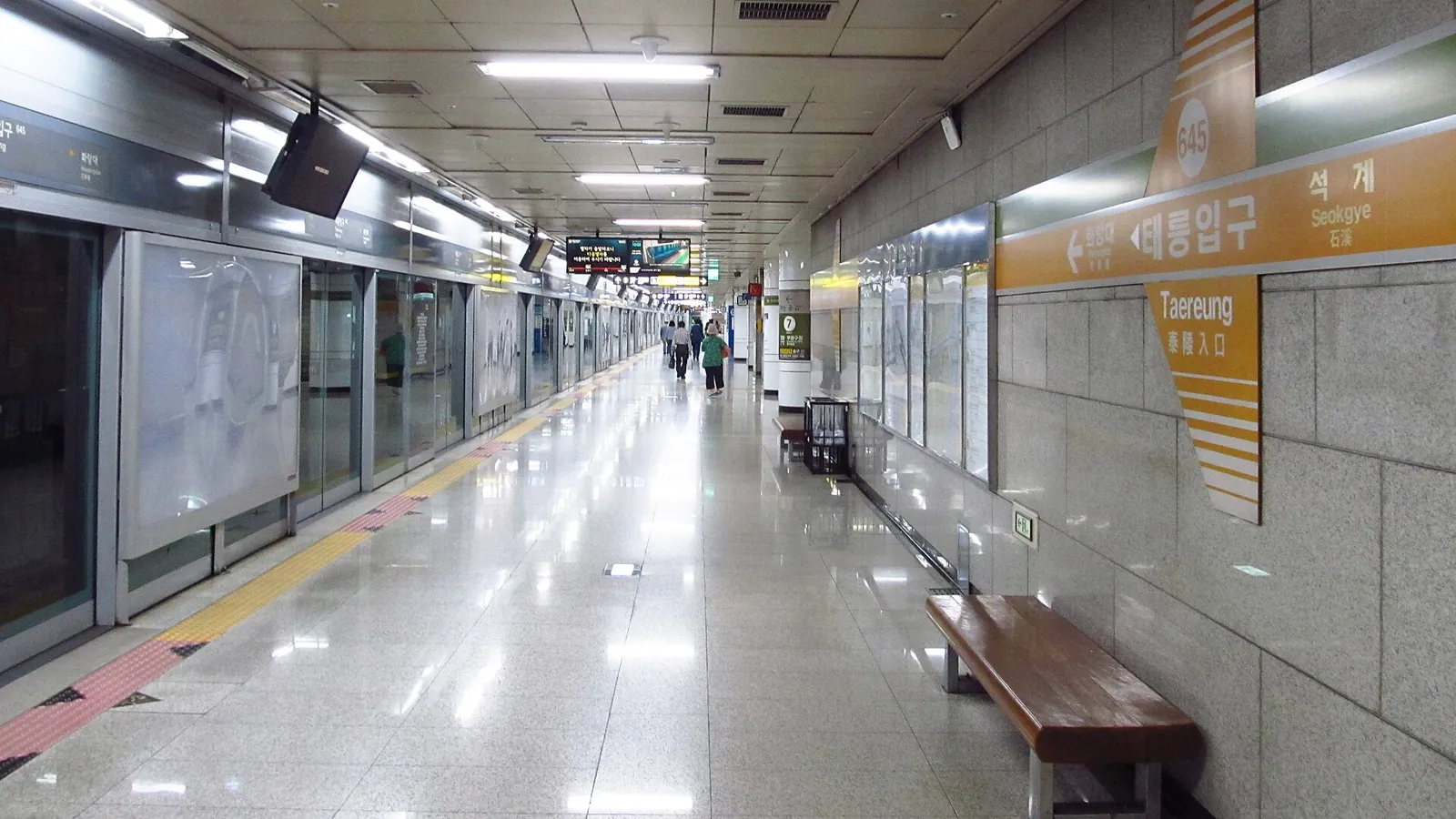
The express is a reserved-seat, non-stop service with luggage racks and a dedicated platform, and it terminates at Seoul Station where you connect to the subway and the national rail network. Because it does not stop, its journey time barely moves regardless of the hour.
The all-stop service is an ordinary commuter train on the same tracks. It takes longer, it fills up at the intermediate stations, and it costs very much less. Crucially, it stops at several stations that connect onward to different subway lines, which for a lot of accommodation is a shorter total journey than going all the way to Seoul Station and coming back out.
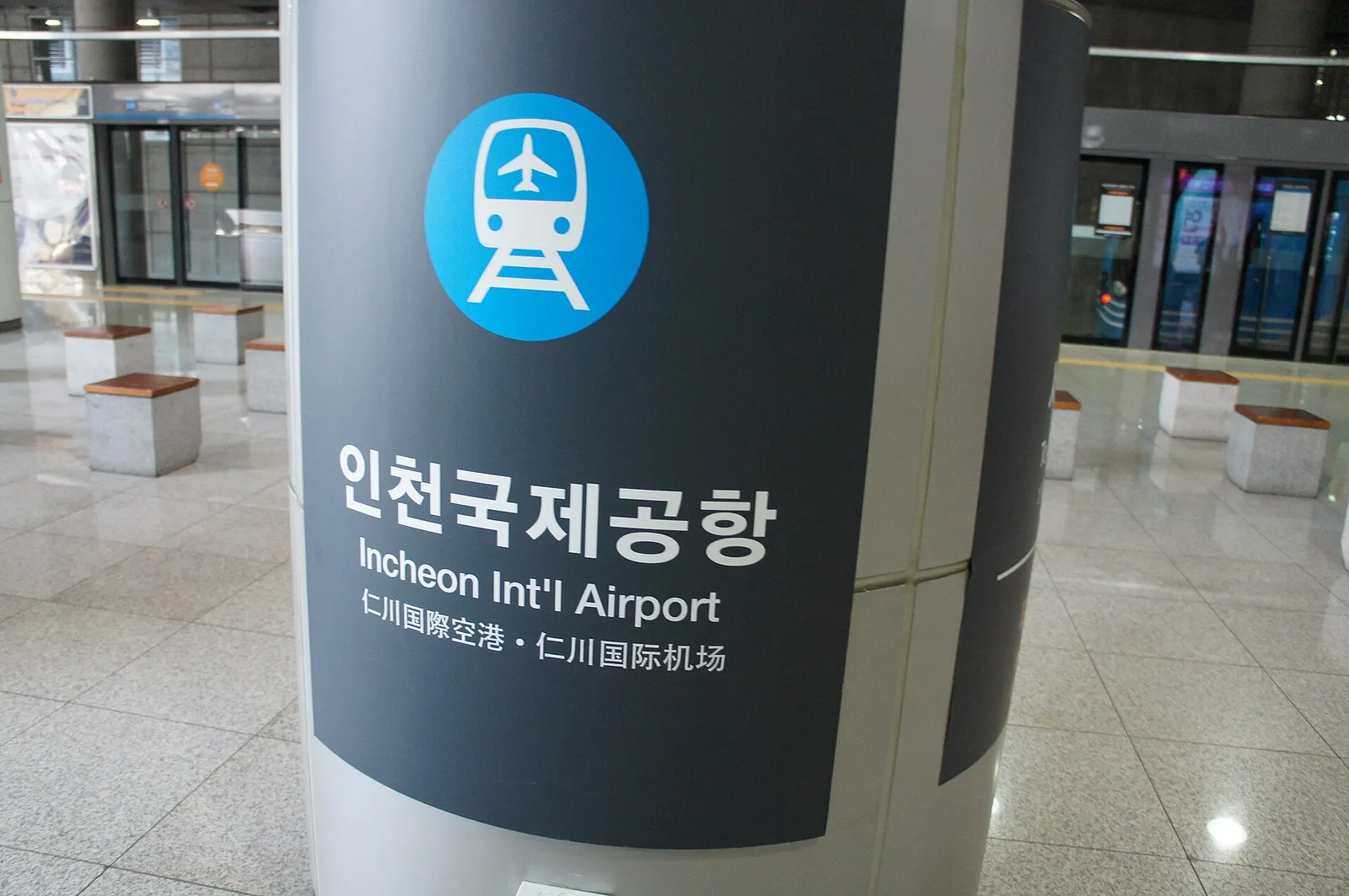
Both serve Terminal 1 and Terminal 2. If you are connecting between the two terminals there is a free shuttle, and the train runs between them as well.
The buses, and why people love them
The limousine buses are underrated by visitors who assume a train is always better.
They leave from clearly numbered stands outside arrivals, each route serving a set of hotels and districts. You buy a ticket at the booth or from the driver, your case goes in the hold, and you sit down once. For anyone arriving jet-lagged with a family, that single fact outweighs a lot of minutes.
The trade-offs are traffic, since Seoul at rush hour is slow and the bus is in it, and the drop-off, since these buses are excellent if your hotel is on the route and poor if it is a twenty-minute walk from the nearest stop. Check the route list against your address before you commit.
Arriving late, and leaving early
Two edge cases catch people out, and both have the same answer: plan them before you book the flight.
A very late arrival falls outside the train timetable. The options narrow to a taxi at the night rate, one of the limited night bus services, or staying put. Incheon is unusually comfortable to wait in, with rest zones and transit hotels, and a lot of experienced travellers simply take the first train rather than pay twice.
A very early departure is the same problem in reverse, and it is the more common one. If your flight leaves at dawn, getting to the airport from central Seoul may mean a taxi at night rates or a night before at an airport hotel. Working that out at booking time rather than the evening before is the difference between an easy start and an expensive one.
Practical notes for the first hour
The airport is large and the walk to the trains is longer than it looks. Cash is barely needed, since cards work almost everywhere and T-money covers the rest, though a small amount of won from an airport ATM is worth having. The two terminals are far apart, so check which one your airline uses before arranging any pickup. And luggage delivery services at the airport are genuinely useful if you are heading somewhere before check-in.
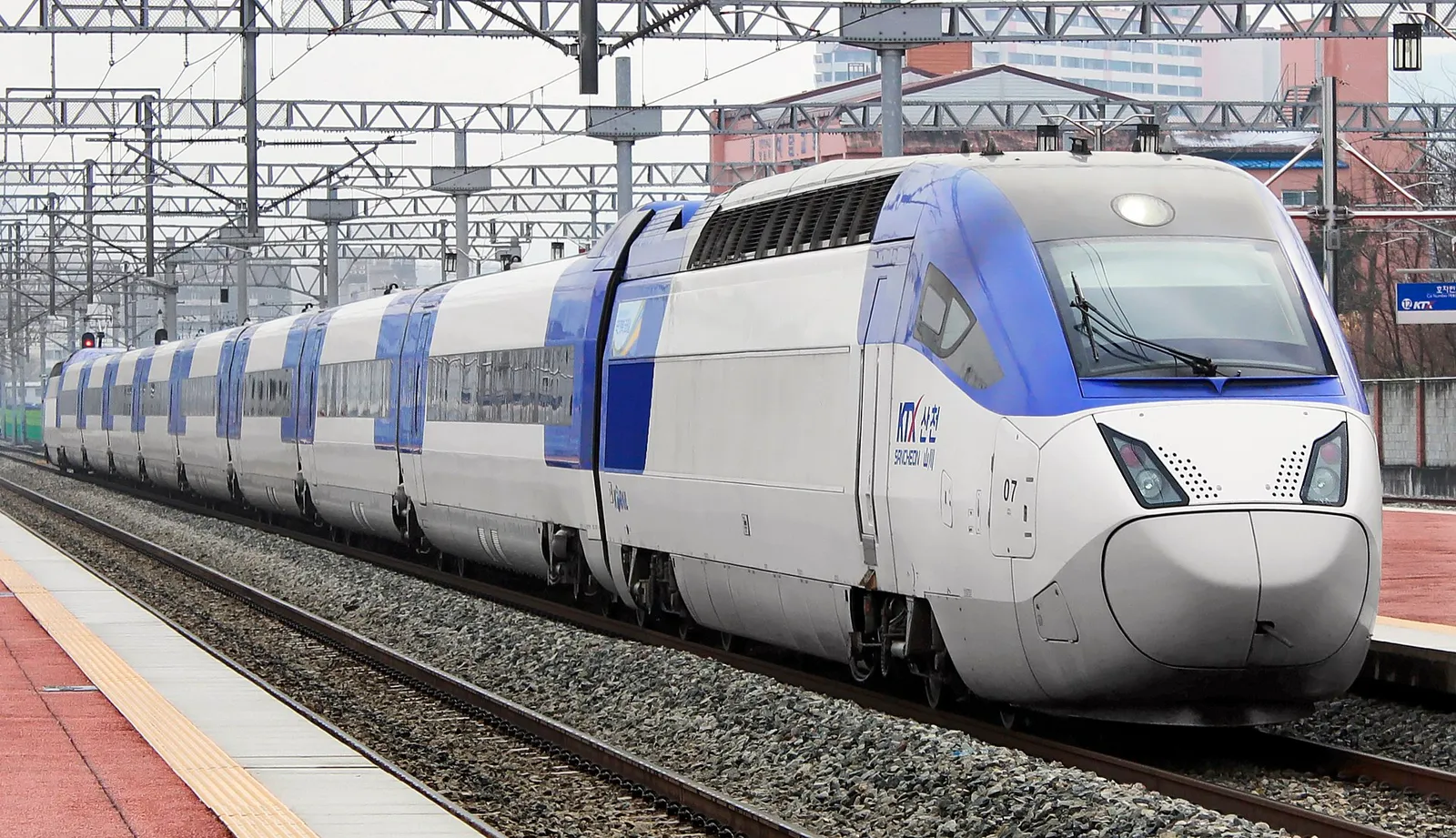
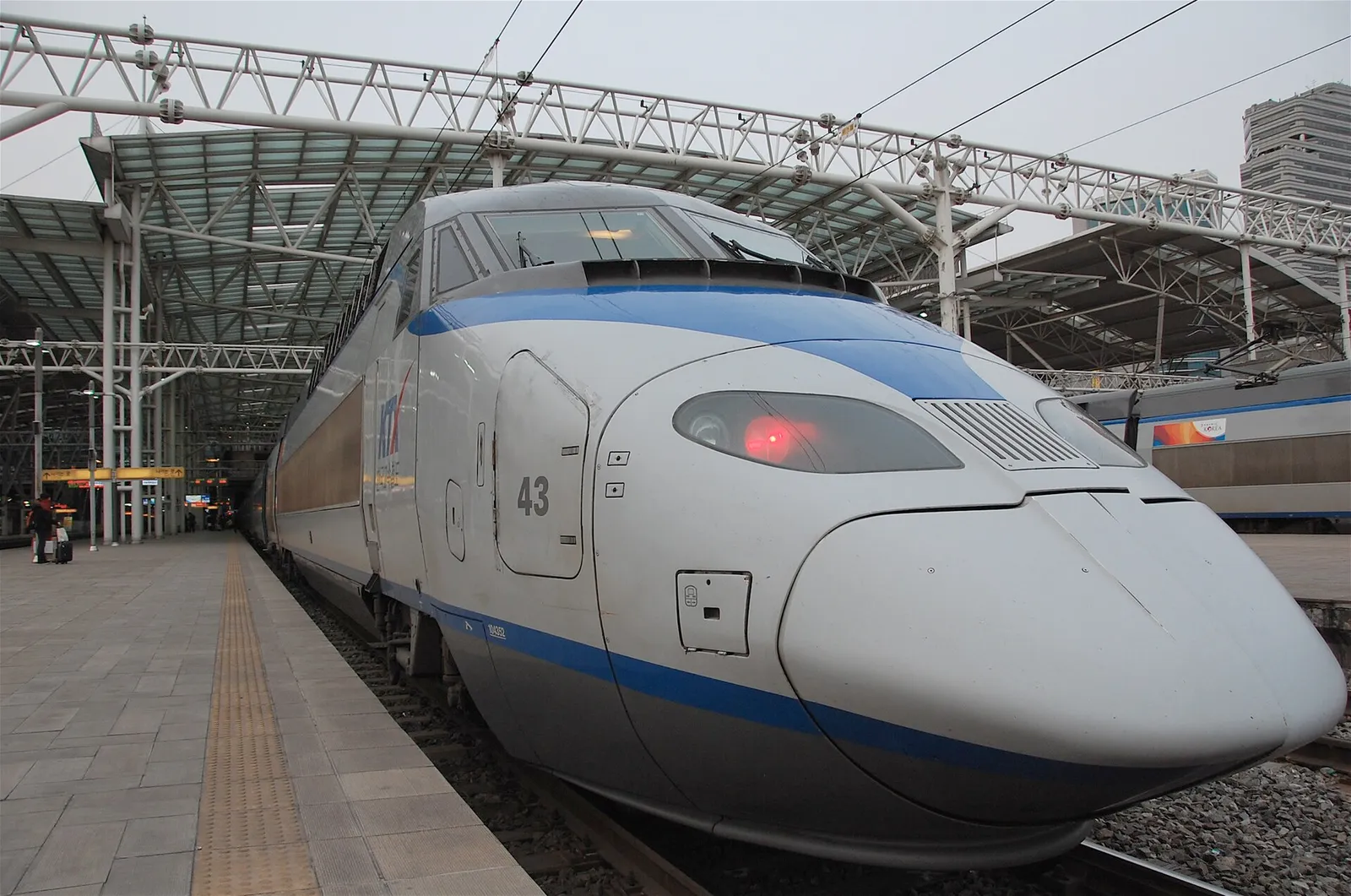
Where you go from Seoul Station is the next question, and it is a good one, because the same station is the head of the national high-speed network and the rest of the country is closer than you think; our guide to KTX trains in Korea covers booking, classes and which journeys are worth taking.
For the wider picture of subways, buses, taxis and domestic flights once you are settled, our guide to getting around South Korea puts the whole system together.
The short version
Take the all-stop AREX train if you are staying near a subway line, the express if you want speed or are near Seoul Station, a limousine bus if your hotel is on its route and you are carrying a lot, and a taxi only late at night or as a group. Buy a T-money card in the terminal before you leave. And if your flight lands after midnight or leaves before dawn, solve that at booking time rather than on the day.