If you buy one thing in your first hour in Korea, buy a T-money card. It is a plastic rechargeable card the size of a credit card, it costs almost nothing, and it turns the entire country’s public transport plus a surprising amount of everyday shopping into a single tap. Visitors who skip it spend the trip queuing for single tickets and discovering that their contactless bank card does not open the gate. Here is everything worth knowing, including the bit at the end about getting your money back.
What it is and what it covers
T-money is a stored-value card: you load it with cash and tap it as you go. There is no account, no app requirement and no registration for the standard version.
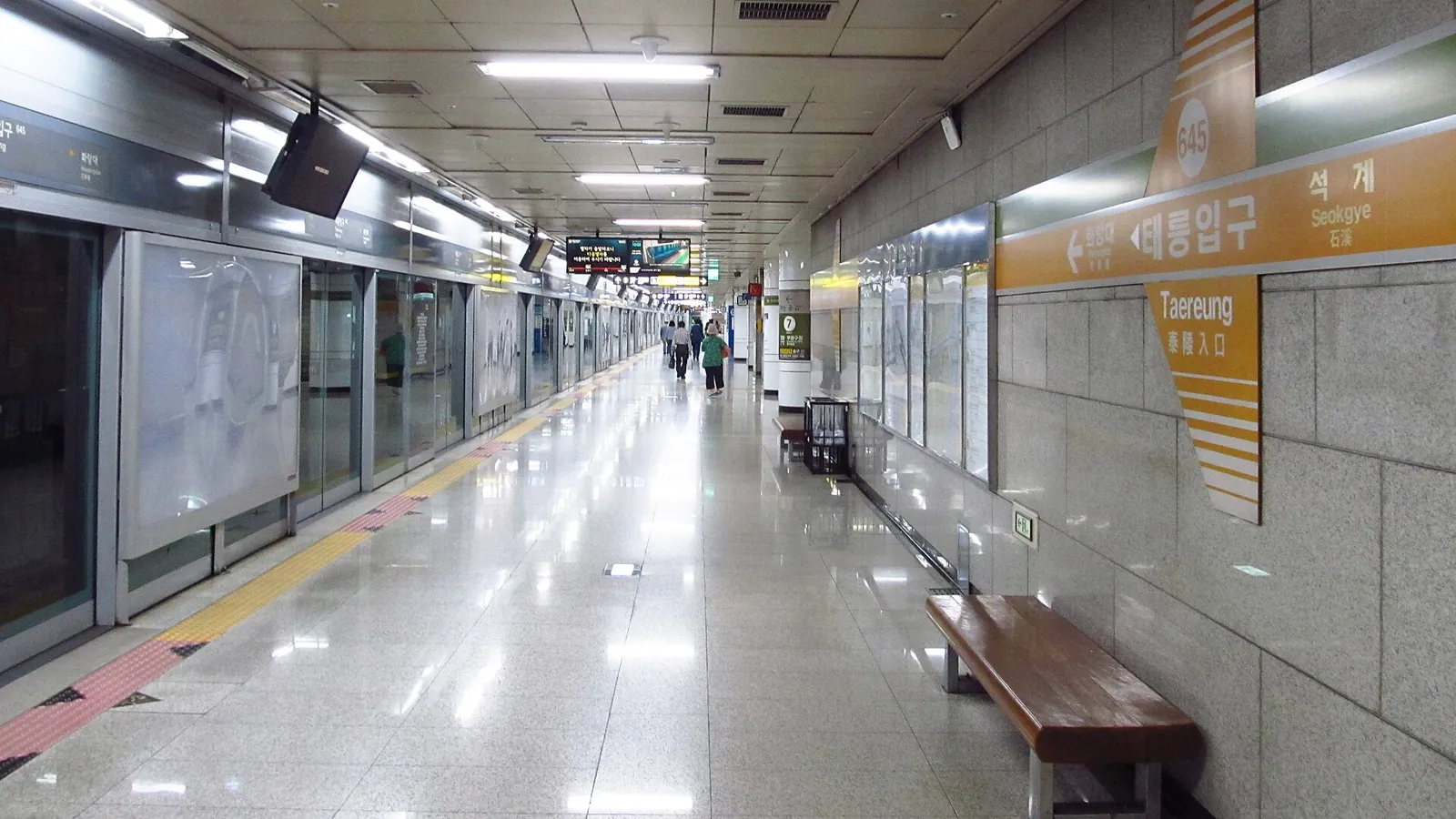
It works on subways in every major Korean city, not only Seoul, which surprises people who assumed it was a capital-only system. It works on city and intercity buses. It works in a great many taxis. And it works as a small-payments card in convenience stores, at some vending machines and for station lockers.
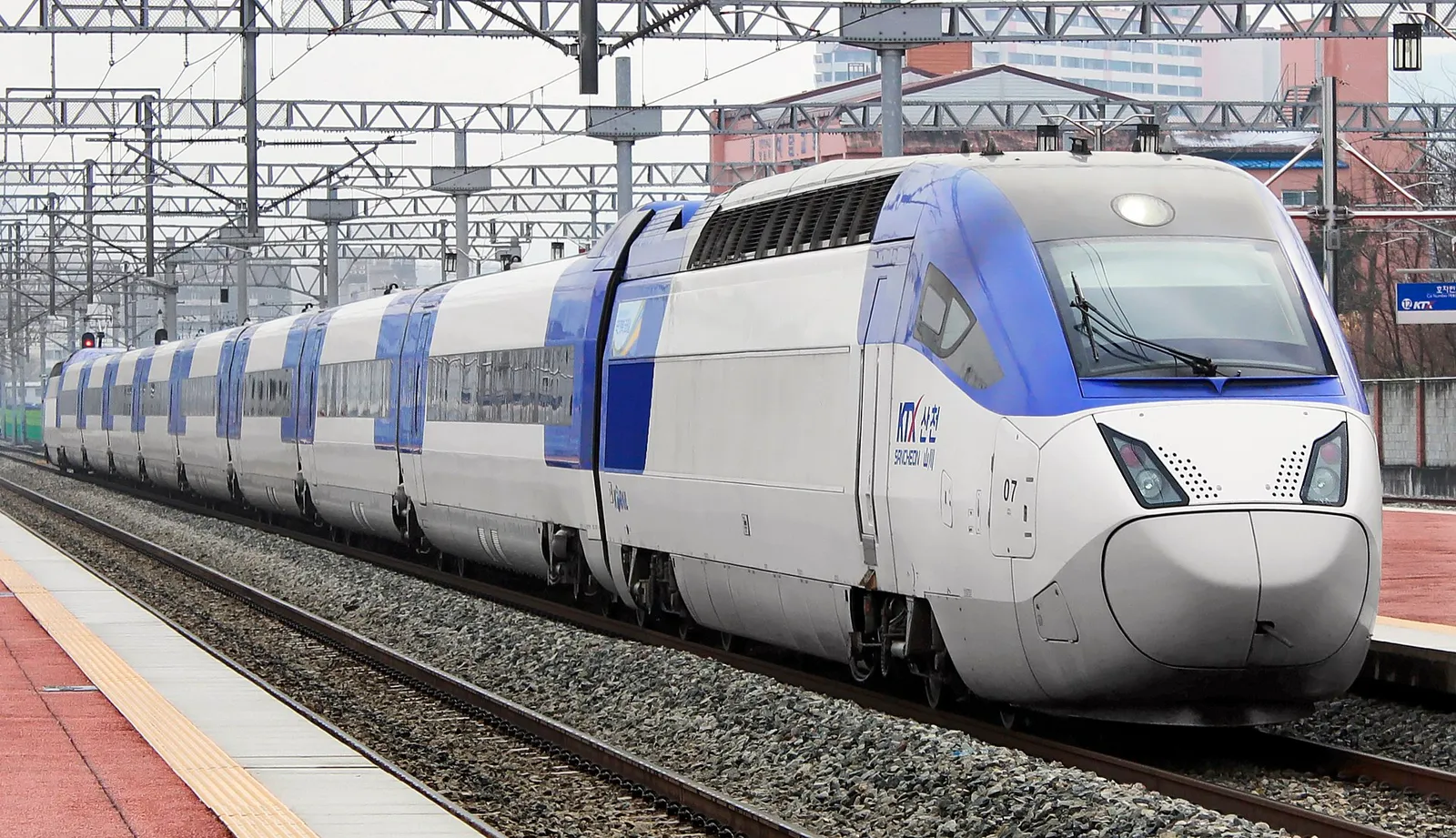
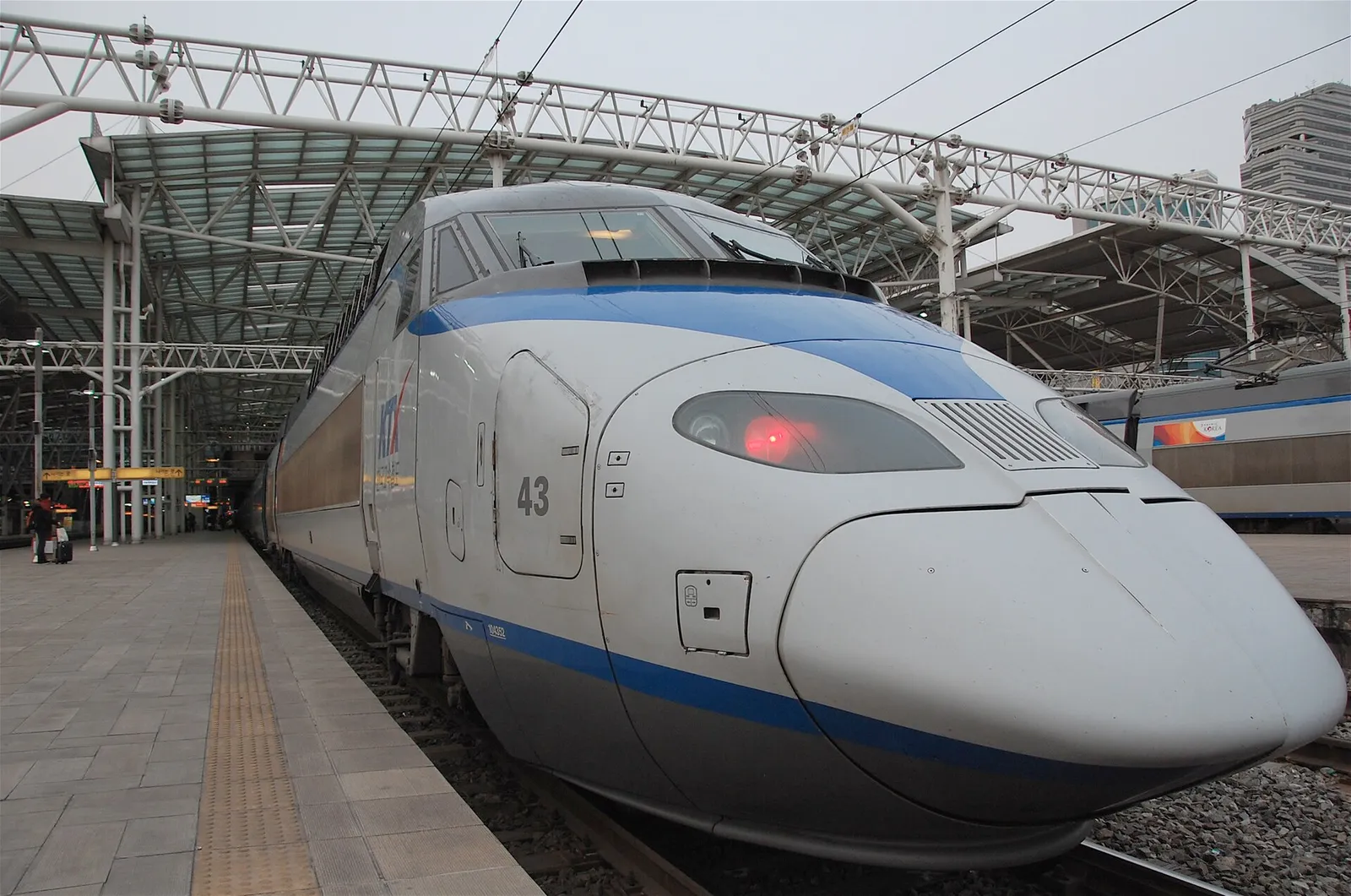
What it does not cover is the reserved long-distance network: KTX and the other intercity trains are booked separately, by app or at a counter. Our guide to KTX trains in Korea covers how that side works.
Buying and loading one
The process takes about two minutes and needs no paperwork.
Buy it at any convenience store showing the T-money logo, at a subway station machine, or at the airport before you leave the terminal. The card is sold empty for a small one-off price, and there are novelty and character versions at slightly higher prices if you want a souvenir that also works.
Load it in the same transaction by handing over cash, or at any station machine afterwards.
Keep it topped up as you go rather than loading a large amount at the start. This matters at the end of the trip, when refunding a big balance is fiddlier than spending it.
Tapping properly, and the transfer discount
Two habits are worth learning on day one because they save real money.
Tap in and tap out. On the subway this is enforced by the gates. On buses it is not always obvious, and it matters: tapping out when you get off is what registers the journey correctly.
The transfer discount treats a bus-then-subway or subway-then-bus journey inside a time window as one trip rather than two. Over a week of city travel that adds up, and the only way to lose it is to forget the tap out.
If a gate rejects the card, the usual cause is a balance too low for the maximum possible fare rather than an empty card. Top up and try again.
Where the card quietly saves the day
Three situations show why it is worth more than the fare it saves.
Convenience stores are a genuine institution here and are open around the clock. Paying with a tap when you have no cash and a foreign card that the terminal dislikes is a small relief that recurs daily.
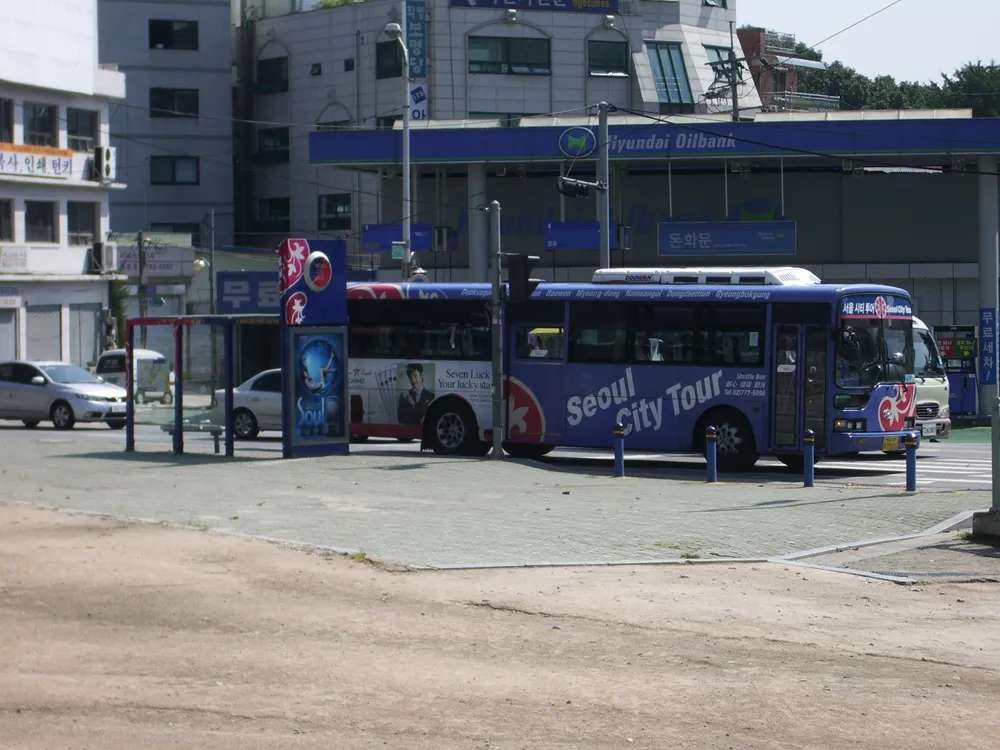
Buses in smaller cities frequently do not want cash and definitely do not want a foreign card. The T-money card works the same way in Busan or Gyeongju as in Seoul.
Station lockers take the card, which turns an awkward day between a checkout and a train into an easy one.
Ending the trip
The refund process is simple and the sensible strategy is to not need it.
Balances can be refunded at convenience stores and at machines in stations, generally minus a small handling fee, and there are limits on how large a balance can be refunded at a shop counter.
The card deposit is normally not refunded, which is another reason not to over-think it: the card costs very little and makes a decent souvenir.
The practical approach almost everyone lands on is to stop topping up two days before departure and spend the remainder on coffee, water and snacks, which is the most enjoyable form of currency conversion available.
For the wider picture of subways, buses, taxis, domestic flights and driving, our guide to getting around South Korea puts the whole system together. And if you have not landed yet, the card is worth buying at the airport before you even leave the terminal; our guide to Incheon Airport transfers covers the transfer options it pays for.
The short version
Buy a T-money card at a convenience store or airport shop in your first hour, load it with cash, and tap it on every subway and bus in the country as well as at convenience store counters. Carry some won specifically for the top-up machines, which often refuse foreign cards. Always tap out so the transfer discount applies. And stop topping up a couple of days before you leave, so the last balance goes on snacks rather than into a refund queue.