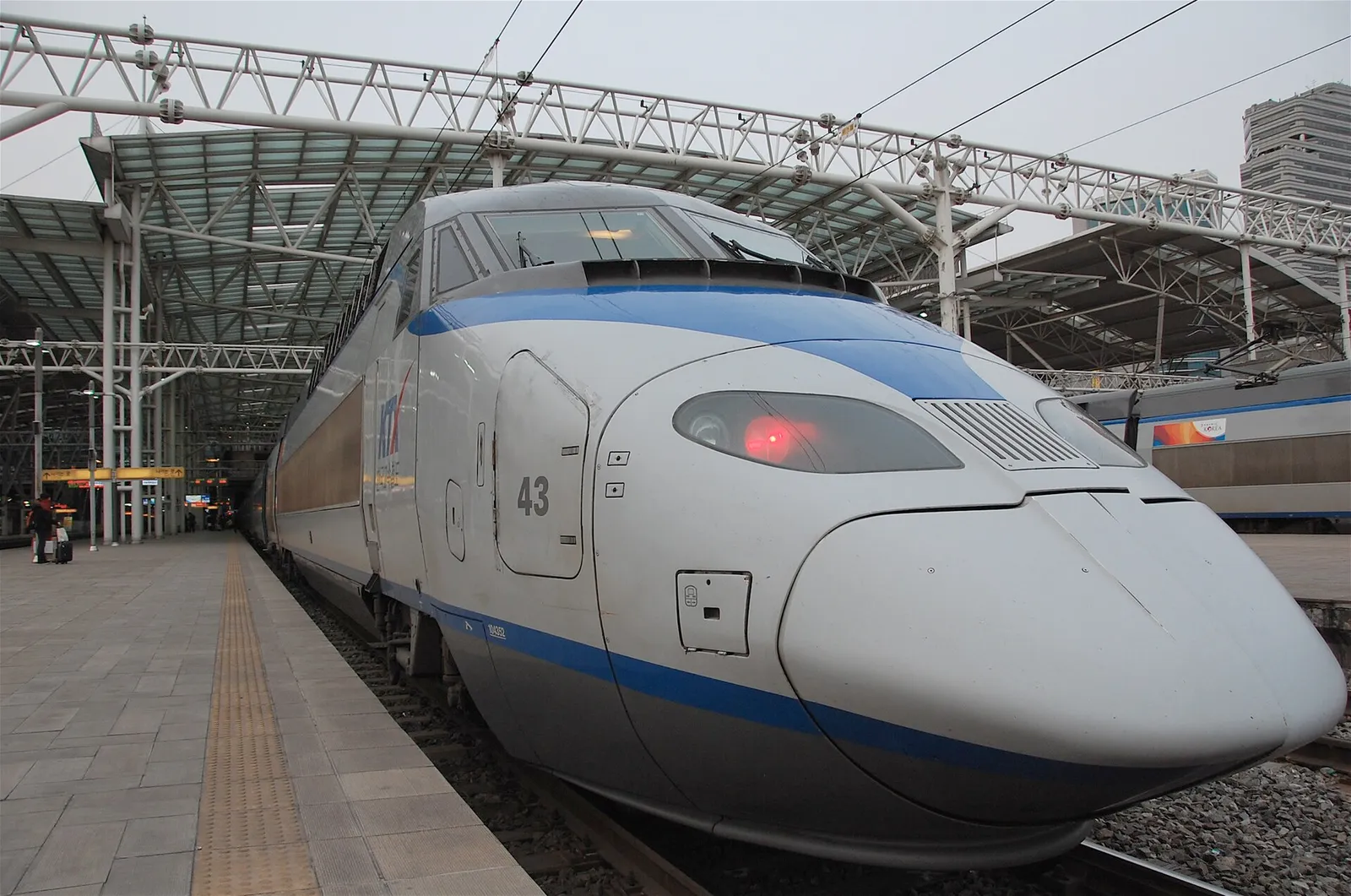
Korea is a small country with a very fast railway, and the combination changes how a trip works. Cities that look like separate holidays on a map turn out to be a couple of hours apart, which means the choice between Seoul and Busan is frequently not a choice at all. Here is how the network is structured, how to book as a visitor, and which routes actually earn their place in a short trip.
The network, in one look
Korean rail sorts into three tiers, and knowing which you are on explains both the price and the journey time.
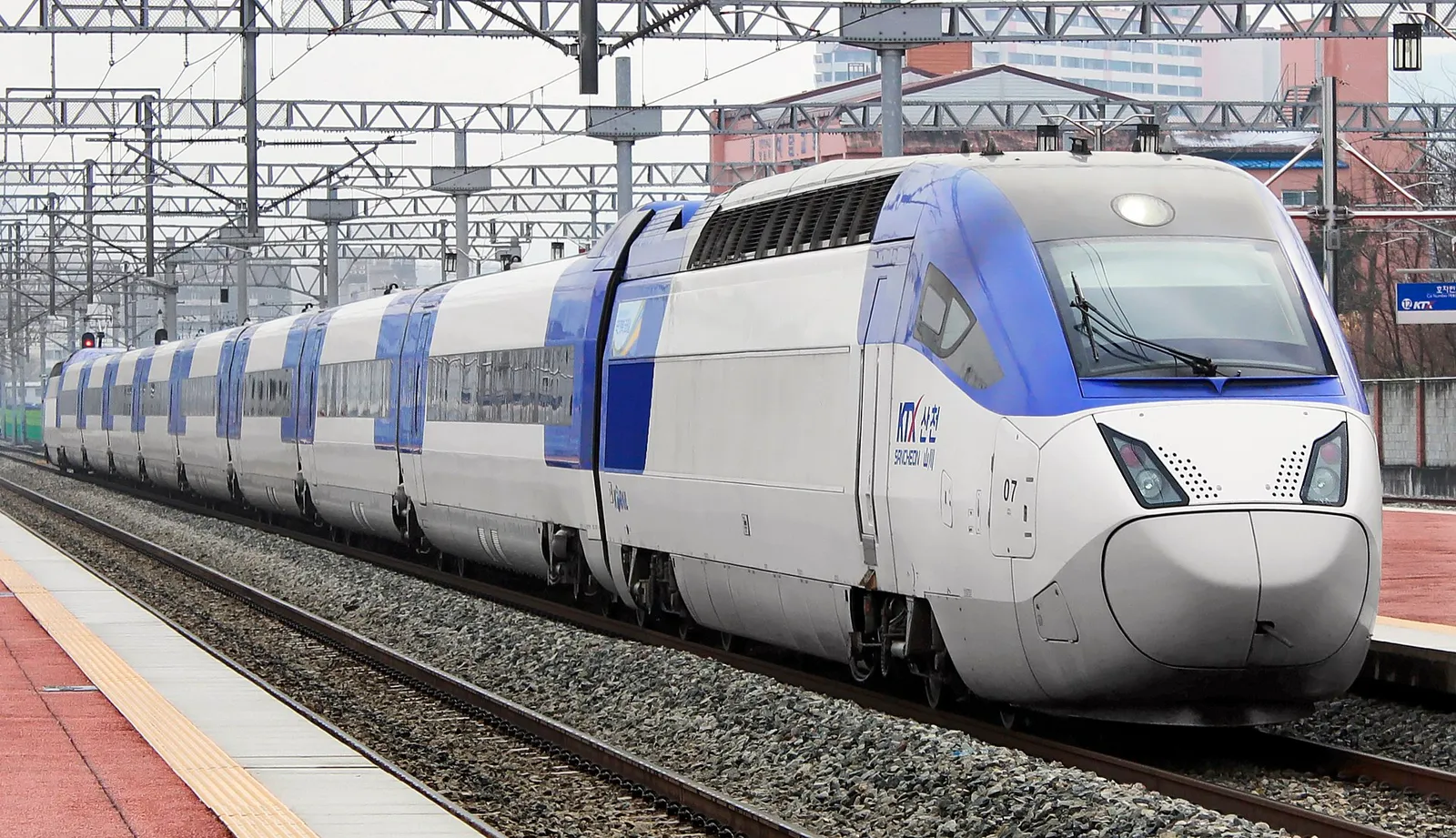
KTX is the high-speed service, running the main spine down the country and the western and southern branches. Fast, frequent, comfortable and the most expensive.
ITX services are the middle tier: slower, cheaper, still comfortable, and useful for medium distances where the high-speed line does not go.
Mugunghwa is the slow, cheap, stopping service that reaches smaller towns. It is not merely a budget option, it is frequently the more interesting way to see the countryside.
Almost every visitor’s first KTX journey is out of Seoul Station, which is also where the airport railway terminates; our guide to Incheon Airport transfers covers getting there in the first place.
Booking as a visitor
This is more straightforward than most rail systems and has one wrinkle.
The app and website of the national operator sell tickets in English and are the easiest route. Foreign cards sometimes fail at payment, which is the wrinkle, and the fallback is straightforward.
Station machines and counters sell the same tickets, take cash and cards, and the staff at major stations deal with visitors constantly.
Seat selection is worth caring about on the busiest routes. Forward-facing is not guaranteed by default, and the carriages do not turn around.
Standing tickets exist on sold-out services, which is a genuinely useful safety valve on a busy weekend, and precisely as comfortable as it sounds for two hours.
Which routes are worth taking
Not every journey needs the fast train, and a couple of them are the reason to build the trip around it.
Seoul to Busan is the flagship, under three hours on the fastest services, and it is the single journey that turns a Seoul trip into a Korea trip. Two cities, two coasts, one afternoon of travel.
Seoul to Gyeongju puts the old Silla capital within a morning, which makes an overnight or even a long day trip realistic for a period of history that otherwise gets skipped entirely.
Seoul to Jeonju reaches the country’s most celebrated food city quickly enough to be worth going for lunch, which people genuinely do.
The eastern routes towards the mountains and the coast are slower and more scenic, and this is where the cheaper stopping services are the better ride rather than the compromise.
Jeju is the exception that proves the rule: it is an island, so it is a flight rather than a train, and that is the one domestic journey where flying is not just faster but the only option.
Classes, comfort and the practical details
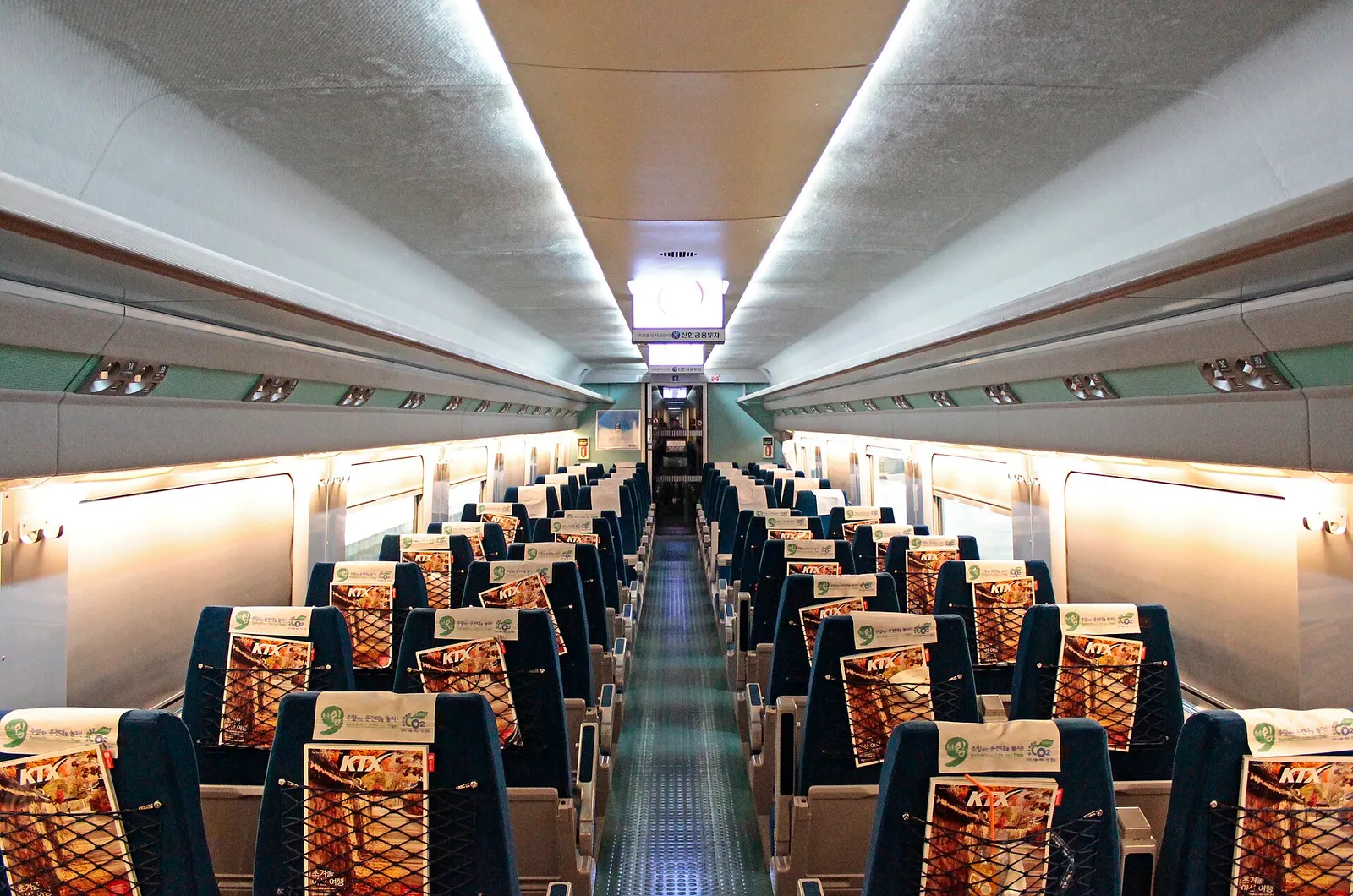
Standard class on the KTX is good enough that the upgrade question mostly answers itself.
Standard is clean, quiet, air conditioned and has power at the seats. Luggage racks are at the carriage ends and overhead.
First class adds width, a little more legroom and a calmer carriage. On the longest routes it is a pleasant indulgence and on a short hop it is money for very little.
Food is a vending trolley and station shopping rather than a restaurant car, and Korean stations are extremely good at station food, so buy before you board.
Quiet is the default. Phone conversations happen in the vestibules, and the carriages stay noticeably calm, which is worth matching.
Luggage has no formal limit within reason, but large cases are your problem to lift, and the racks fill on busy services.
Passes, and whether to bother
The rail passes sold to foreign visitors give unlimited travel across a set number of days, either consecutive or flexible.
The arithmetic is simple and worth doing honestly. If you are moving long distances most days, a pass wins comfortably. If you are based in Seoul with one excursion to Busan and back, individual tickets are cheaper.
The mistake is buying a pass because it feels like the thorough choice and then using it twice. Add up your intended journeys at published fares first.
For the wider transport picture, including subways, buses, taxis and domestic flights, our guide to getting around South Korea covers the whole system. And for everything that is not a long-distance train, the card you tap for it is the subject of our T-money card guide.
The short version
KTX is fast, frequent and the reason a short Korea trip can include two very different cities. Book through the operator’s app or at a station machine, expect standard class to be perfectly comfortable, and skip first class unless the journey is long. Book ahead for weekends and absolutely for the two national holiday periods. And do the arithmetic on a rail pass rather than assuming it saves money, because for a Seoul-based trip it usually does not.