Entering South Korea is, for most visitors, one of the easiest borders in Asia. The queues move, the officers are used to travellers, and the paperwork is minimal. What makes this page necessary is not difficulty but volatility: Korea has changed its entry authorisation rules more than once in recent years, and the arrangement that applies to a British passport is not necessarily the one that applies to a South African or an Irish one. Here is how the system is built, what to check for your own passport, and where people actually come unstuck.
The disclaimer that matters more than the rules
Any specific number printed in a travel article about visas has a shelf life, and Korea’s has been shorter than most. Permitted stays have been adjusted, and the K-ETA exemption programme has been extended repeatedly rather than settled, which means an article written eighteen months ago can be confidently wrong today.
What does not change quickly is the structure, and that is what this guide explains. For the entitlement attached to your specific passport, and for whether you need an authorisation at all, check an official Korean government source when you book and again a couple of weeks before you fly. Do not rely on a blog, do not rely on what a friend on a different passport experienced, and be especially wary of pages that do not show when they were last updated.
The three lanes, and which one you are in
Korea’s entry system sorts visitors into three groups, and almost every question people ask is really a question about which lane they are in.
Visa waiver. Korea has arrangements with a long list of countries whose citizens may visit for tourism without applying for a visa in advance. Most Western passports sit here. The permitted length of stay under these arrangements is not a single universal number; it varies by nationality and by the specific agreement, which is why a friend’s answer is not your answer.
Visa waiver plus an electronic authorisation. Being visa-free does not automatically mean turning up with nothing. Korea introduced K-ETA, an online pre-travel authorisation, for visa-free visitors, then temporarily exempted a list of nationalities from it. Whether you need to apply depends on where your passport sits against that list on the day you travel.
Visa required. Nationalities outside the waiver arrangements apply for a visa in advance through a Korean embassy, consulate or the official electronic system, with the category depending on the purpose of the visit.
The practical implication for most readers is short: you probably do not need a visa, and you may or may not need K-ETA. Both halves of that sentence need checking rather than assuming.
K-ETA, in plain terms
K-ETA is an online form, not an interview. You submit your passport details, a photograph, your travel and accommodation information and a few standard questions, pay the published fee, and receive an authorisation tied to your passport for a set validity period.
Three things are worth knowing beyond the mechanics.
It is applied for online, and only on the official channel. The government site and its official app are the only places worth using. Lookalike services exist in quantity, charge more for the same form, and sometimes handle your passport data in ways you would not choose.
It is not instant. Approvals are typically quick, but they are processed rather than issued automatically, and an inconsistency in the form can turn a quick approval into a wait. Apply when your flights are booked, not the night before you fly.
The airline checks it. This is the part that catches people. Carriers verify authorisation at check-in on the destination’s behalf, because they bear the cost of bringing in someone who is refused entry. A pending application at the check-in desk is the same as no application at all.
The passports that need to look most carefully
Guides written for a British or American audience routinely leave everyone else guessing, so it is worth being explicit about who should not assume.
South African passport holders should check their own position specifically. Entry requirements for South African travellers differ across Asia far more often than English-language travel writing acknowledges, and this is the most common gap in the genre.
Irish and EU passport holders should not assume that a rule described for the United Kingdom applies to them, since these arrangements are made country by country rather than by bloc.
Anyone travelling on a passport not commonly covered by Western travel media, including dual nationals choosing which passport to travel on, should check the specific document they will present at the airport rather than the one they think of as theirs.
Families with mixed nationalities need to check each passport separately, including children’s. The entitlement follows the document, not the household.
Passport validity and the paperwork nobody mentions
Two numbers on your passport decide whether you board, and both are enforced by the airline before Korea ever sees you.
Validity. Keep comfortable validity beyond your travel dates rather than counting to the day, and make sure there is a blank page. A passport that expires shortly after your return date is the classic reason a trip ends at the departure gate.
Condition. A damaged passport, particularly a water-damaged or detached photo page, is refused more often than people expect.
Beyond the passport, keep four things accessible offline on your phone rather than as links: your return or onward ticket, your first night’s accommodation address, any authorisation reference, and your insurance details. Korea uses electronic declarations on arrival, and the address is the question you are most likely to be asked while jet lagged.
Arrival, and the first hour
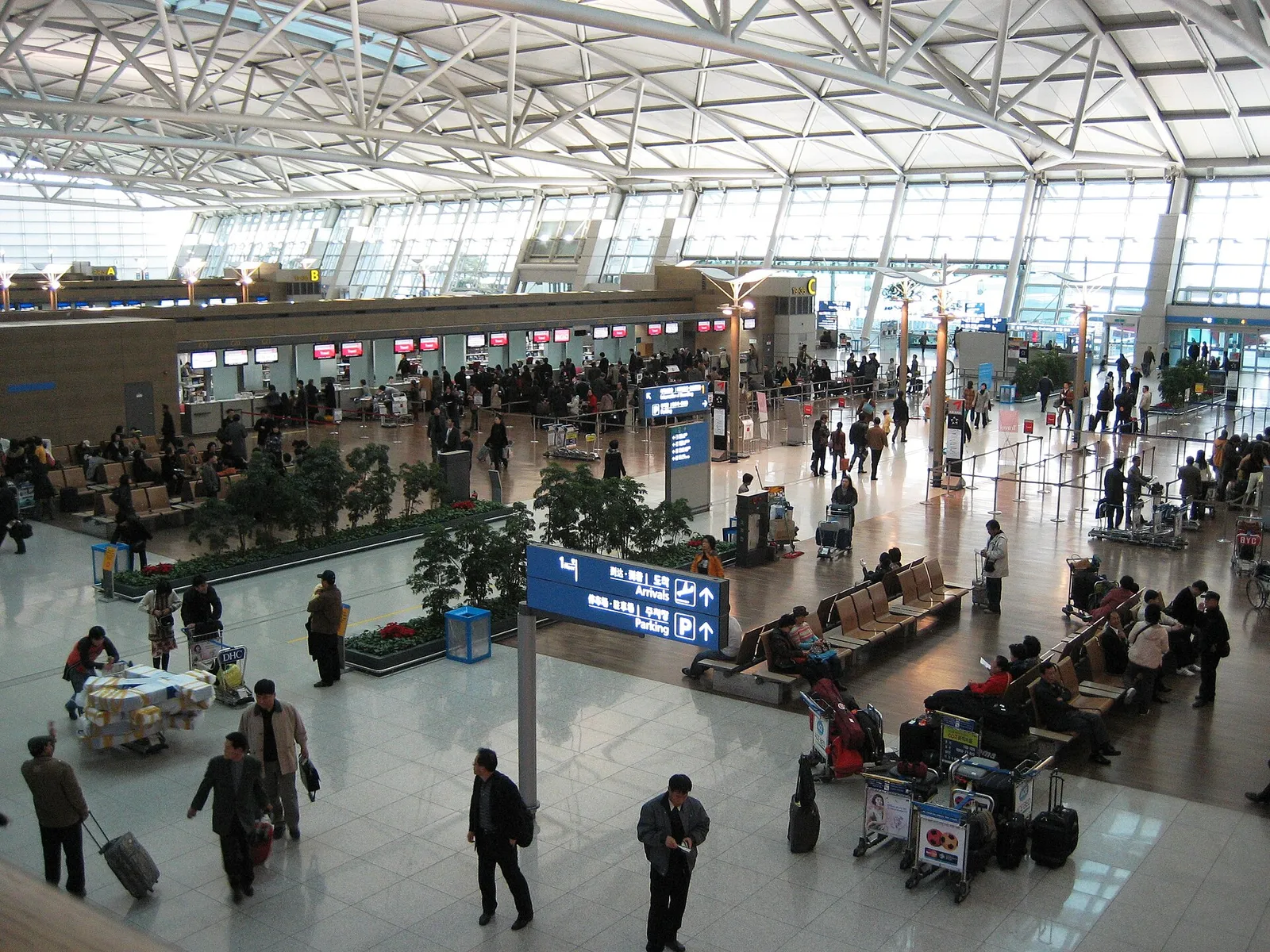
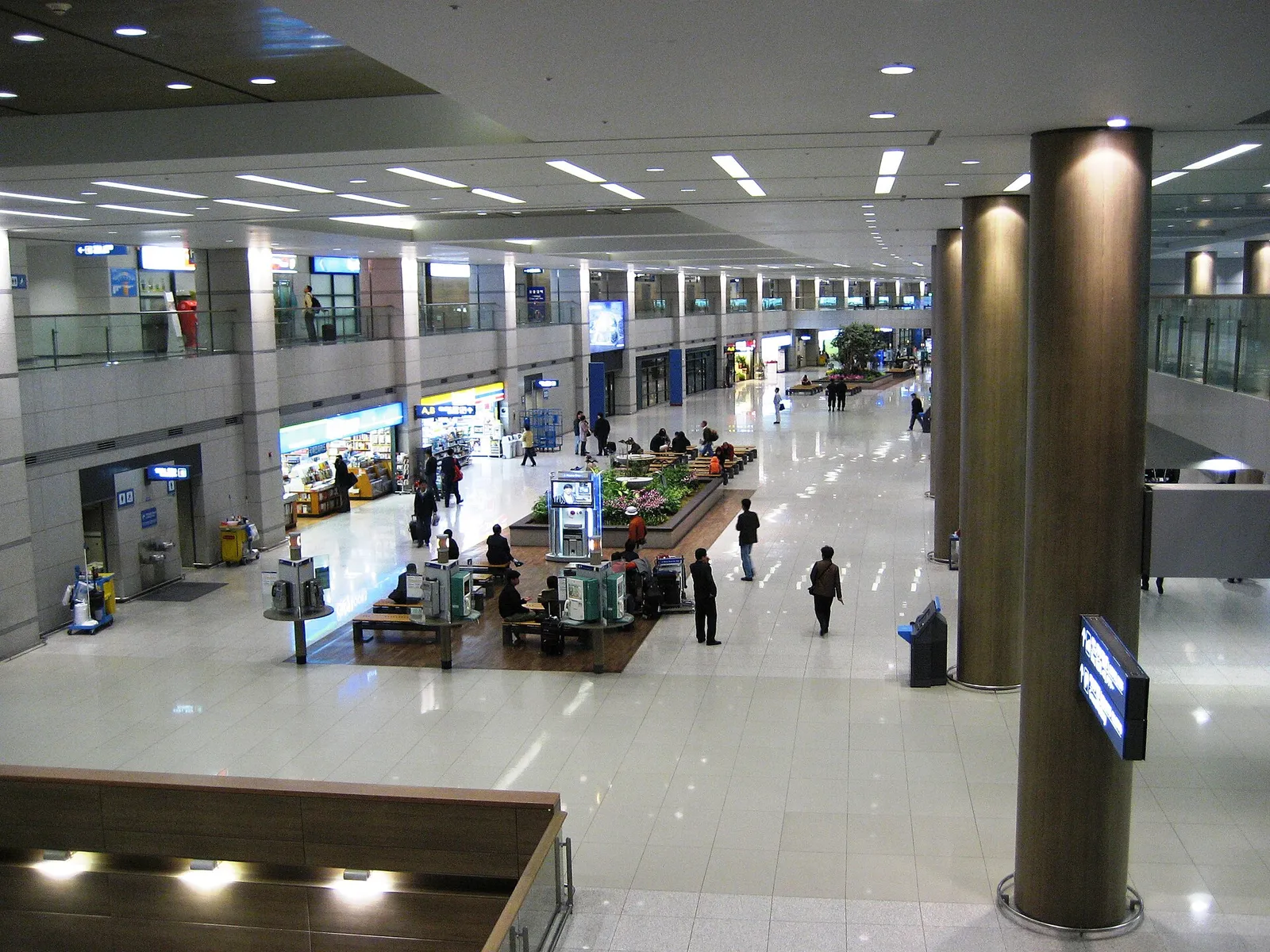
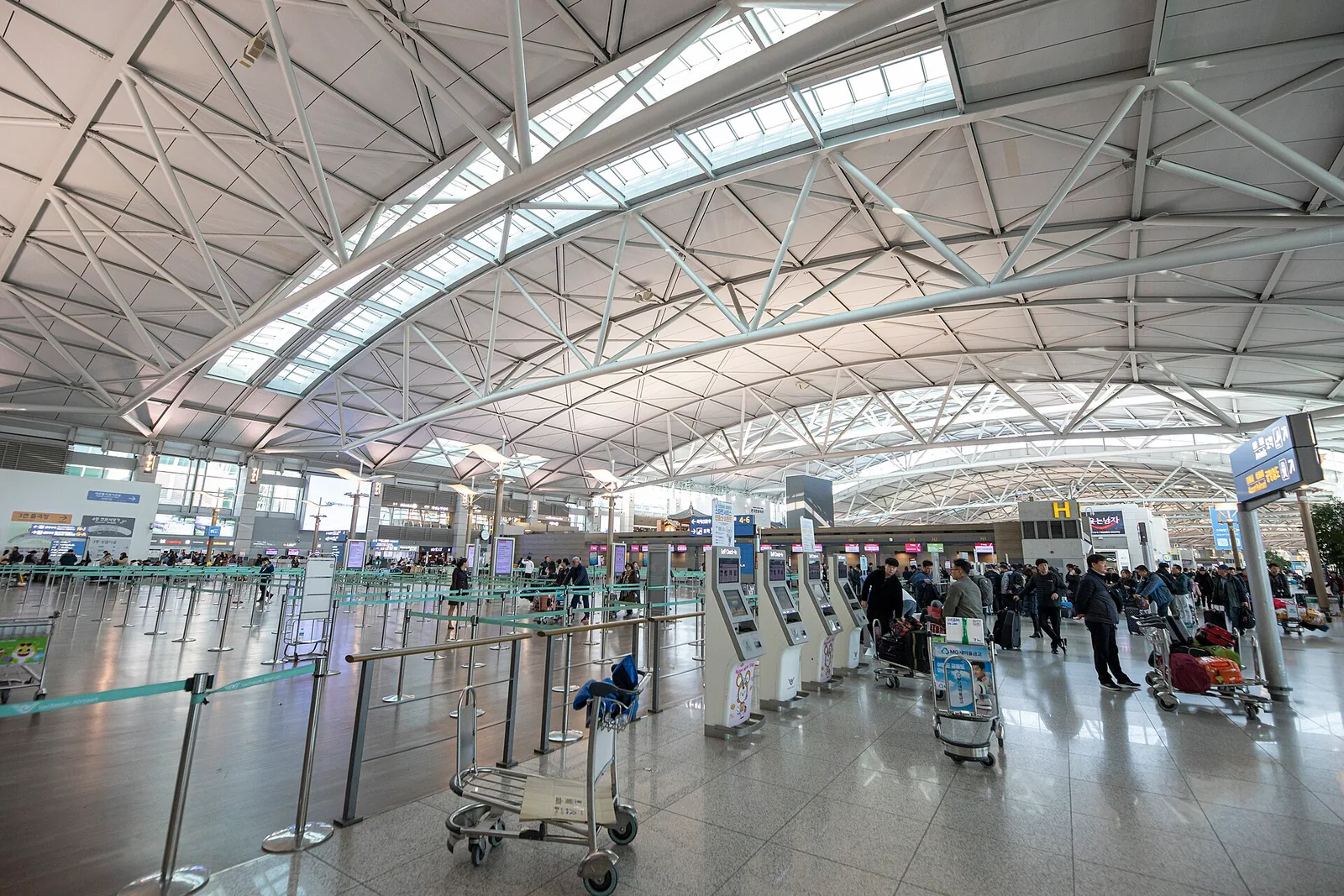
Incheon is a large, modern, exceptionally well-signposted airport, and immigration there is usually brisk. You queue, present your passport and whatever authorisation applies, answer a question or two about the purpose and length of your visit, and go through. Automated gates are available to some travellers, and the signage is in English throughout.
Two habits are worth the thirty seconds they take. Photograph your entry record, because it establishes your permitted stay and speeds up replacing a lost passport enormously. And put your last permitted day into your phone calendar on the day you arrive, with a reminder a week ahead.
After that, the useful thing to know is that the airport is some distance from central Seoul and the connection is excellent, which is a pleasant surprise after a long flight. Our guide to getting around South Korea covers the airport railway, the limousine buses and the transport card that makes the rest of the trip effortless.
Where entry actually goes wrong
Refusals of ordinary tourists are rare. The handful of problems that do occur are almost all preventable before you leave home.
A mismatch between the form and the passport. Names, middle names and passport numbers must match exactly, character for character. A typo entered during an authorisation application is the most common reason someone is stopped at check-in, and it is far easier to correct before travel than at the airport.
An unofficial website. Paying a third party is not merely wasteful; it introduces an intermediary between you and a government system that is perfectly usable directly.
No onward ticket. Airlines ask for it inconsistently, which lulls people into skipping it. The carrier bears the risk, so have something bookable rather than an argument prepared.
A story that does not add up. A stated plan longer than the entitlement being granted, no accommodation booked and no return flight is the combination that turns a thirty-second conversation into a long one.
Long stays, and the trap inside a generous system
Because entry is easy and the country is comfortable, visitors regularly stay longer than they planned. That is a compliment to Korea and a risk to your record.
The date on your entry is your responsibility, and the fact that nobody reminds you of it is precisely why it gets forgotten. Extensions exist and are handled by the immigration service from inside the country, but they are applications rather than formalities and are best begun well before the deadline rather than in the final days.
If a longer stay is genuinely the plan, treat it as a plan: look into the appropriate route in advance, and be aware that working remotely while on a tourist entry is a separate question with its own rules that differ by nationality and change. Confirm anything in that area officially rather than by consensus.
Timing, and what to sort next
Entry rules are the one part of a Korea trip that rewards doing early and then forgetting about. Once your authorisation is in hand and your passport checks out, the interesting decisions begin.
The first is when to come, and it matters more here than in many countries, because Korea has four genuinely distinct seasons and two short, spectacular, extremely popular windows; our guide to the best time to visit Korea sets out what each season actually delivers and what it costs.
The second is how to shape the trip, since the country is compact, the trains are fast and the classic route is well worn for good reason. Our first-time guide to South Korea covers the route, the budget and the practical decisions that follow once the border is behind you.
What the paperwork costs, and what comes after it
The entry admin is one of the cheapest parts of a Korea trip. Any authorisation that applies to your nationality carries a small published fee, paid once on the official channel, and there is nothing else to buy at the border.
That makes it a good moment to look at the rest of the numbers, because Korea is a country where the everyday spending is low and a few specific lines carry the cost. Our budget guide to South Korea sets out where the money actually goes, from beds and trains to the enormous free half of Seoul.
The short version
Most Western passports do not need a visa for a Korean holiday, but visa-free does not automatically mean paperwork-free: check whether K-ETA applies to your nationality on the official government site, apply as soon as your flights are booked, and never through a third-party site. Keep comfortable passport validity, have an onward ticket and your first address to hand, photograph your entry record, and diarise your last permitted day. Do that, and the border will be the least memorable part of a very memorable trip.
Two things belong in the same half hour as the entry paperwork, because both are cheapest to arrange before you fly. Insurance matters here because Korean healthcare is fast and excellent and is not free for visitors; our guide to travel insurance for Korea covers the limits and the activity clauses. And the numbers, particularly the round-the-clock helpline with interpreters that most visitors never hear about; our guide to emergency numbers in Korea has them.