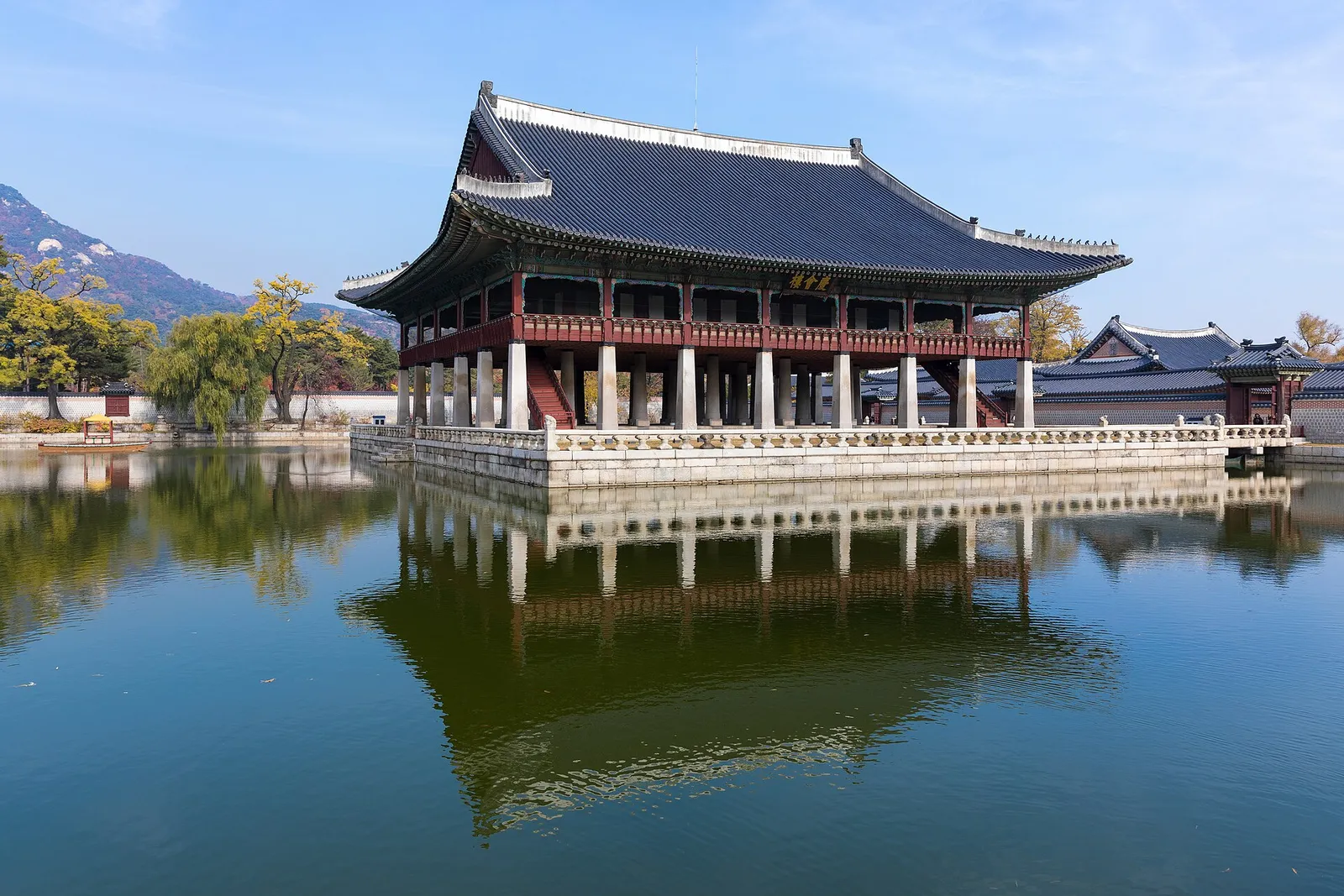
South Korea is one of the safest countries a visitor can travel in, with low crime, excellent infrastructure and a culture of leaving your bag on a cafe table while you order. Almost nothing in this guide will be needed. But the numbers here work differently from the single-number systems most visitors are used to, the language gap is real at exactly the wrong moment, and five minutes of preparation removes all of it. Save this, then forget it.
The numbers to save right now
Korea splits its emergency lines rather than routing everything through one number.
| Service | Number |
|---|---|
| Police | 112 |
| Fire and ambulance | 119 |
| Tourist helpline and interpretation | 1330 |
| Korea country code | +82 |
All are free from any phone. 119 is the medical one, which is the counterintuitive part for visitors from countries where the fire service has a separate number they never call.
When you call, give your location first. Korean addresses are genuinely hard to convey over a phone in a second language, so use the nearest subway station, a large building or an intersection instead.
1330: the number nobody tells you about
If you save one number from this page, make it this one.
1330 is the official tourist helpline, staffed around the clock with interpreters. It is not an information desk in the tourist-brochure sense. It will translate a conversation with a taxi driver in real time, tell you which hospital near you has English-speaking staff, explain what a form says, and talk you through a problem calmly.
Visitors who know about it use it constantly and visitors who do not spend their trip working much harder. It is genuinely the most useful thing in this guide.
Hospitals, clinics and pharmacies
The system is fast and good, and knowing its shape saves time.
Clinics are the everyday route. Small neighbourhood clinics are quick, inexpensive and everywhere, and for most complaints they are the right first stop rather than a hospital.
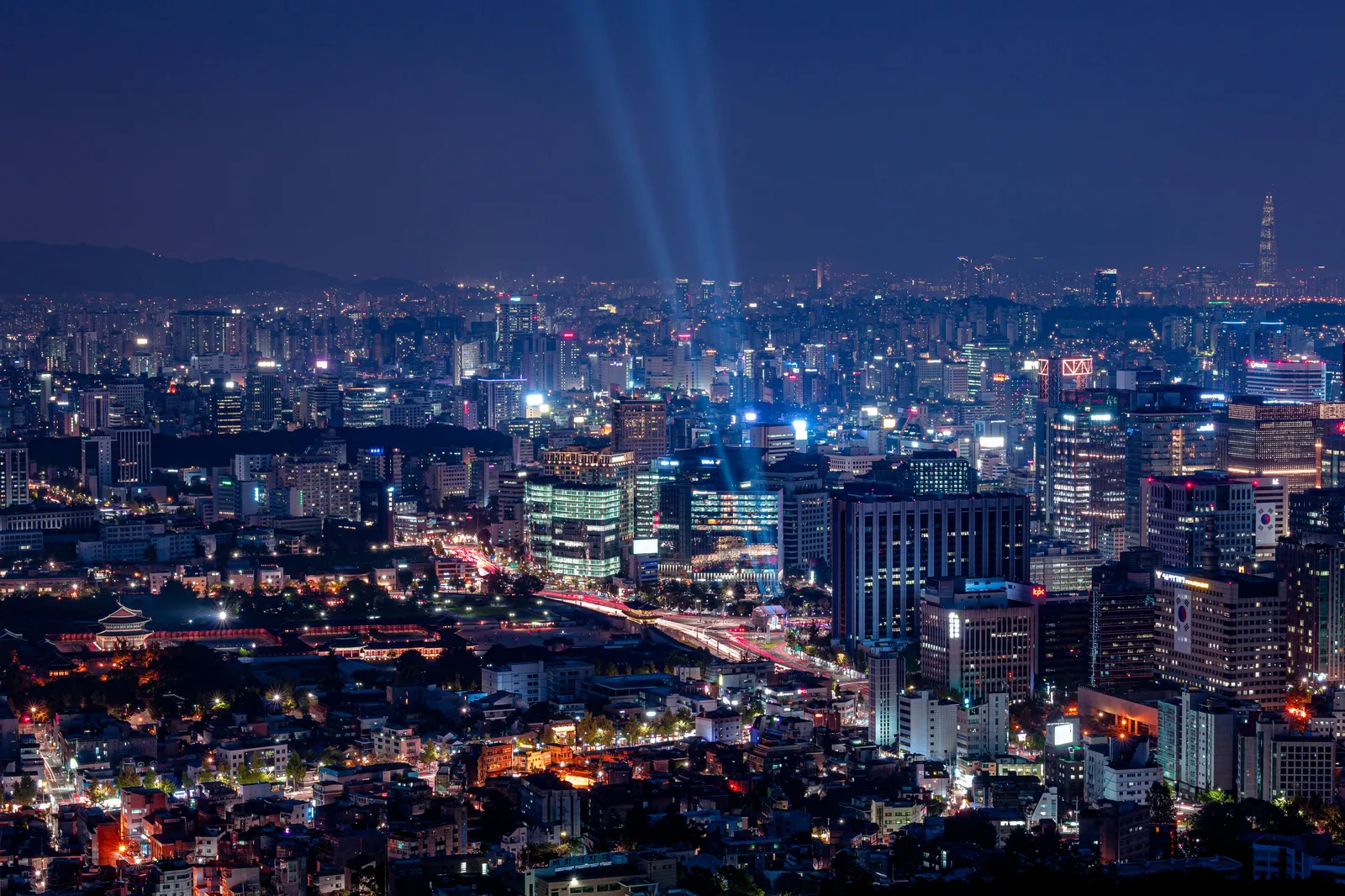
Hospitals in every city handle serious cases, and the large ones in Seoul and Busan have international health centres set up specifically for foreign patients, with English-speaking staff and a smoother administrative path.
Pharmacies, marked yakguk, are well stocked and the pharmacists are well trained. The thing that differs from some countries is that a wider range of medicines needs a prescription, so the clinic-then-pharmacy sequence is the norm rather than the exception.
Payment is expected at the time, and you claim afterwards, which is why the policy matters. Our guide to travel insurance for Korea covers what the cover actually needs to include here.
Crime, and what actually happens to visitors
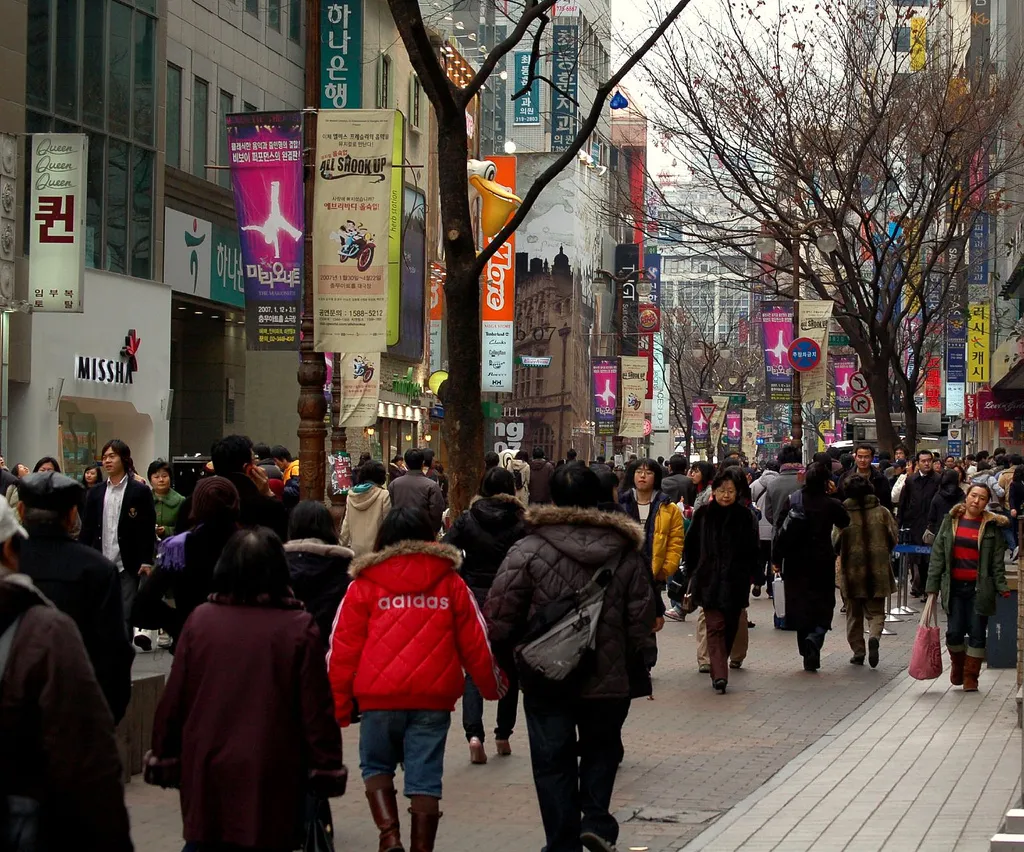
Violent crime against tourists is rare enough that the honest advice is about small things.
Petty theft is uncommon by international standards, to the point that Koreans leave laptops on cafe tables to reserve them. That is not an invitation to do the same with a passport.
Nightlife districts are where the very small amount of visitor trouble concentrates, and it is the ordinary kind: too much soju, a lost phone, an argument. Drink measures here are generous and the pace is fast.
Scams are unusual, though unlicensed taxis at nightlife hotspots late at night are the one recurring complaint. Use the apps.
If something is stolen, get a written police report, which your insurer will require and which the police are used to producing for visitors.
Practical things worth knowing
Tap water is officially safe to drink, though many Koreans prefer filtered water, which is freely available in almost every building.
Air quality varies seasonally and there are days when it is genuinely poor. The forecasts are widely available and masks are sold everywhere, which is worth knowing if you have a respiratory condition.
Summer heat and humidity are serious rather than merely uncomfortable, and heat-related problems are a real cause of visitor call-outs in July and August.
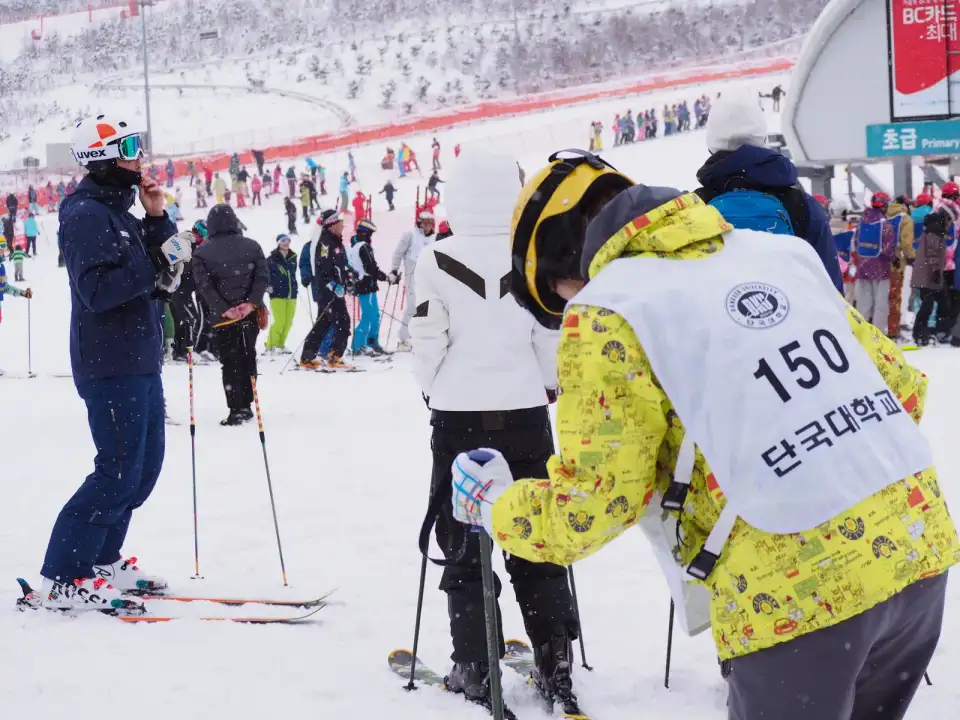
Winter in the north of the country is properly cold, and the mountains more so.
Your embassy is almost certainly in Seoul, and checking its location and emergency contact before you travel is the five-minute task that pays off exactly once.
For everything else about arriving prepared, our first-time guide to Korea covers the groundwork, and if you have not sorted the journey in from the airport yet, our guide to Incheon Airport transfers covers the options.
The short version
Save 112 for police, 119 for fire and ambulance, and above all 1330, the round-the-clock tourist helpline with interpreters, which is the number that actually solves problems here. Use clinics rather than hospitals for everyday complaints, expect to pay and claim afterwards, and carry a policy that makes that painless. Get a written police report for anything stolen, know where your embassy is, and treat the summer heat and the soju with more respect than the crime rate.