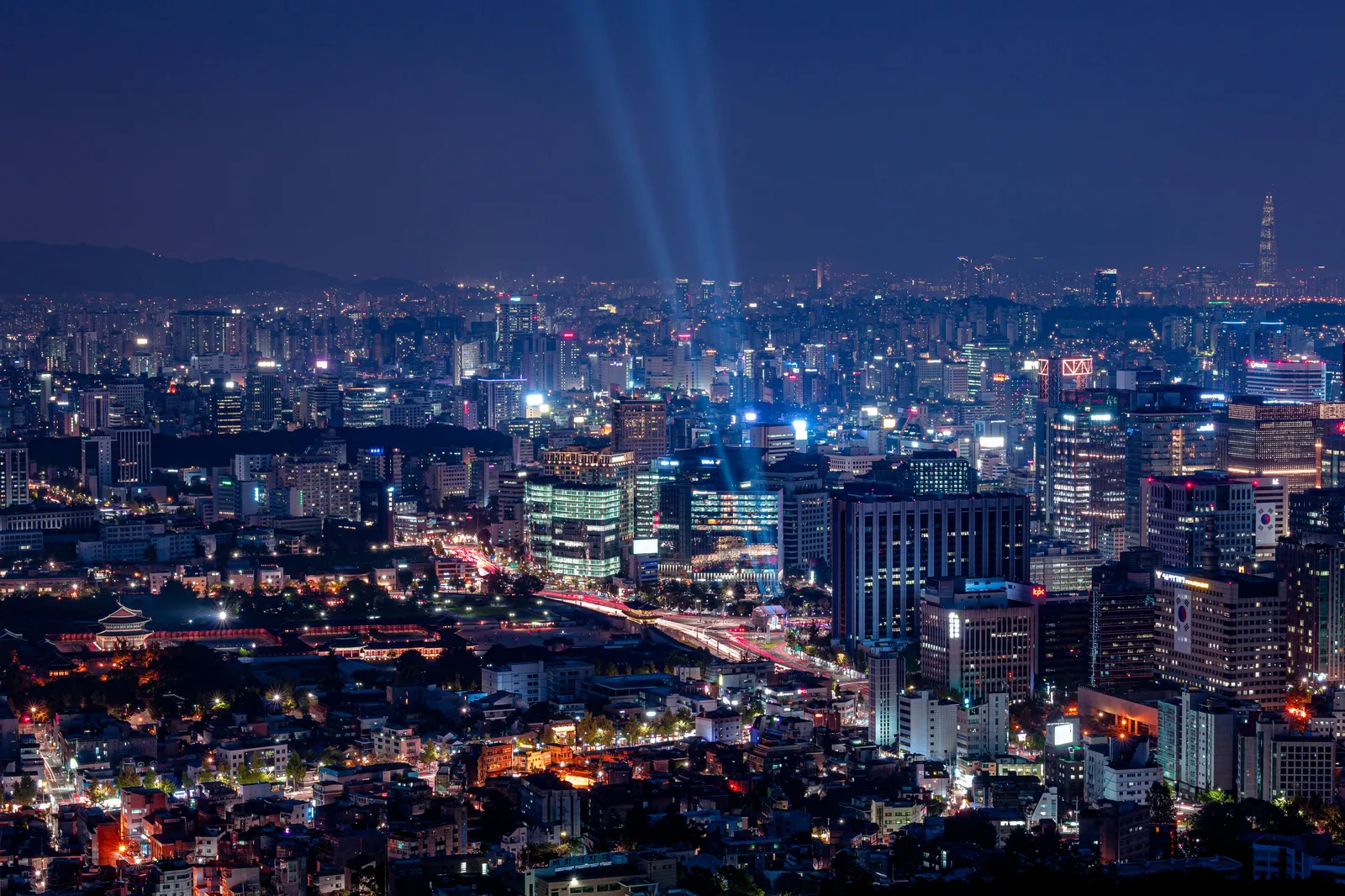
South Korea rewards a little planning and punishes almost none of it. You can land in Seoul with nothing booked and still have a wonderful trip, thanks to one of the best public transport systems on earth and a country that runs on convenience. But a handful of decisions made before you fly, when to go, how to split your days between the capital, the coast and the island, and what to reserve early, are the difference between a smooth first visit and one spent solving problems on the ground. This is the guide we wish someone had handed us the first time.
When to go
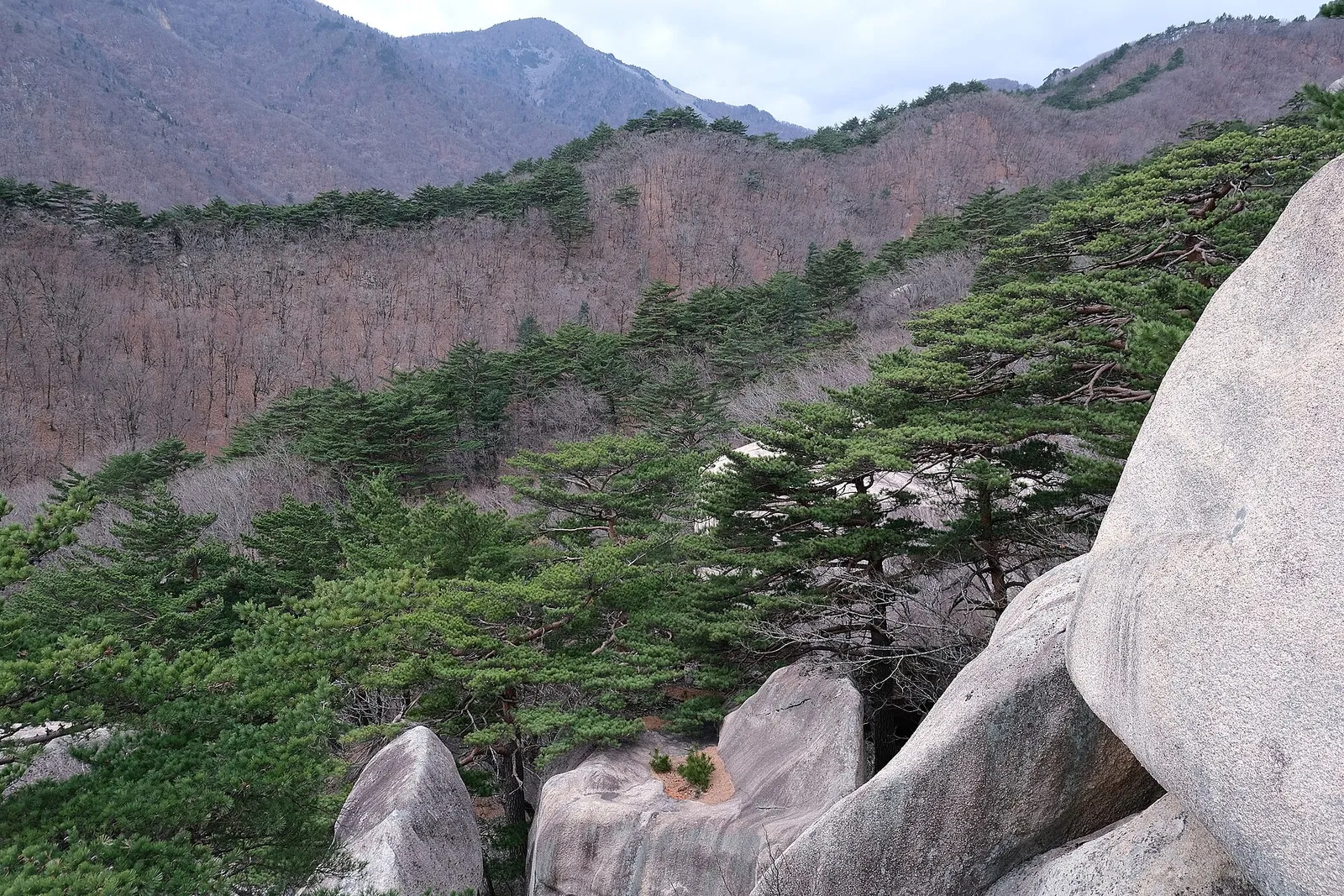
Korea has four sharply defined seasons, and two of them are close to perfect. Spring, from late March to May, brings cherry blossoms, mild days and a country in bloom. Autumn, from late September to November, brings crisp air, golden light and some of the best foliage in Asia. Both are ideal for city walking and mountain hikes.
Summer, June to August, is hot, humid and includes a rainy stretch called jangma, though it is also festival season and the best time for Jeju beaches. Winter, December to February, is cold and dry, quiet in the cities but excellent for skiing and steaming outdoor spa pools. If you can pick, aim for the shoulder seasons and read our season-by-season guide for the details.
The K-ETA and entry, sorted properly
There are two separate questions here, and mixing them up is how people end up at the check-in desk with a problem.
Question one: do you need a visa? For most readers, no. Tourists from the US, UK, Ireland, EU countries, Australia and New Zealand enter visa-free for up to 90 days. Canadians get an unusually generous six months. South Africans are also visa-free, but for a shorter 30 days, so a long southern-Africa-to-Asia trip needs planning around that.
Question two: do you need a K-ETA? The K-ETA is Korea’s online travel authorisation, applied for before departure and, once approved, valid for three years and multiple entries. Visa-free visitors normally need one. However, Korea has been running a temporary waiver for a named list of roughly two dozen countries and territories, among them the US, UK, Canada, Australia, New Zealand, Japan, Singapore, Taiwan, Hong Kong and much of Western Europe, and that waiver has been extended to the end of 2026.
The catch is that the waiver list is specific rather than regional. Ireland is not on it, so Irish passport holders still need to apply, as do travellers from several other European countries and from South Africa. The application is quick and cheap, but approval is not instant, so allow a few days rather than doing it at the airport. Because both the list and its expiry date have been extended and revised repeatedly, check your own nationality on the official K-ETA portal before you book anything, and print or screenshot the approval.
How long, and what shape
| Length | A shape that works | What you give up |
|---|---|---|
| 4 to 5 days | Seoul, with a day trip | The rest of the country |
| 7 days | Seoul plus Busan, or Seoul plus Jeju | The other one |
| 10 days | Seoul, Busan and Jeju, unhurried | Very little |
| 14 days | All three plus Gyeongju or the mountains | Almost nothing |
Two ready-made routes cover most first trips. A short break works best as the capital plus one other place, and a fuller loop adds the south and the island, with the high-speed train legs doing the work in between.
The rule underneath both: move fewer times than you think. Korea is compact and its transport is superb, which tempts people into five stops in ten days, and the result is a lot of very efficient travelling and not much sitting still.
Seoul first, then the rest
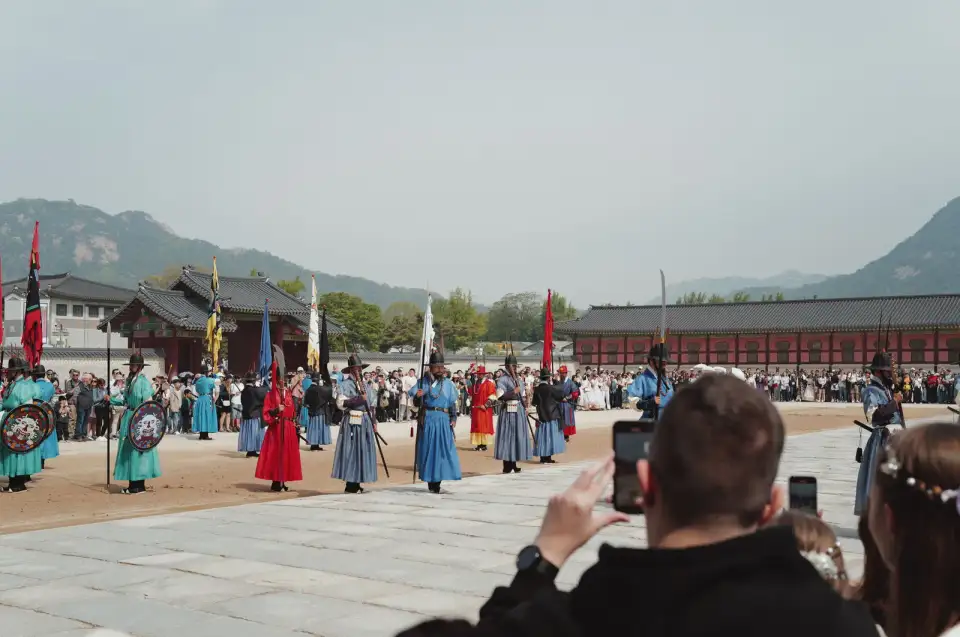
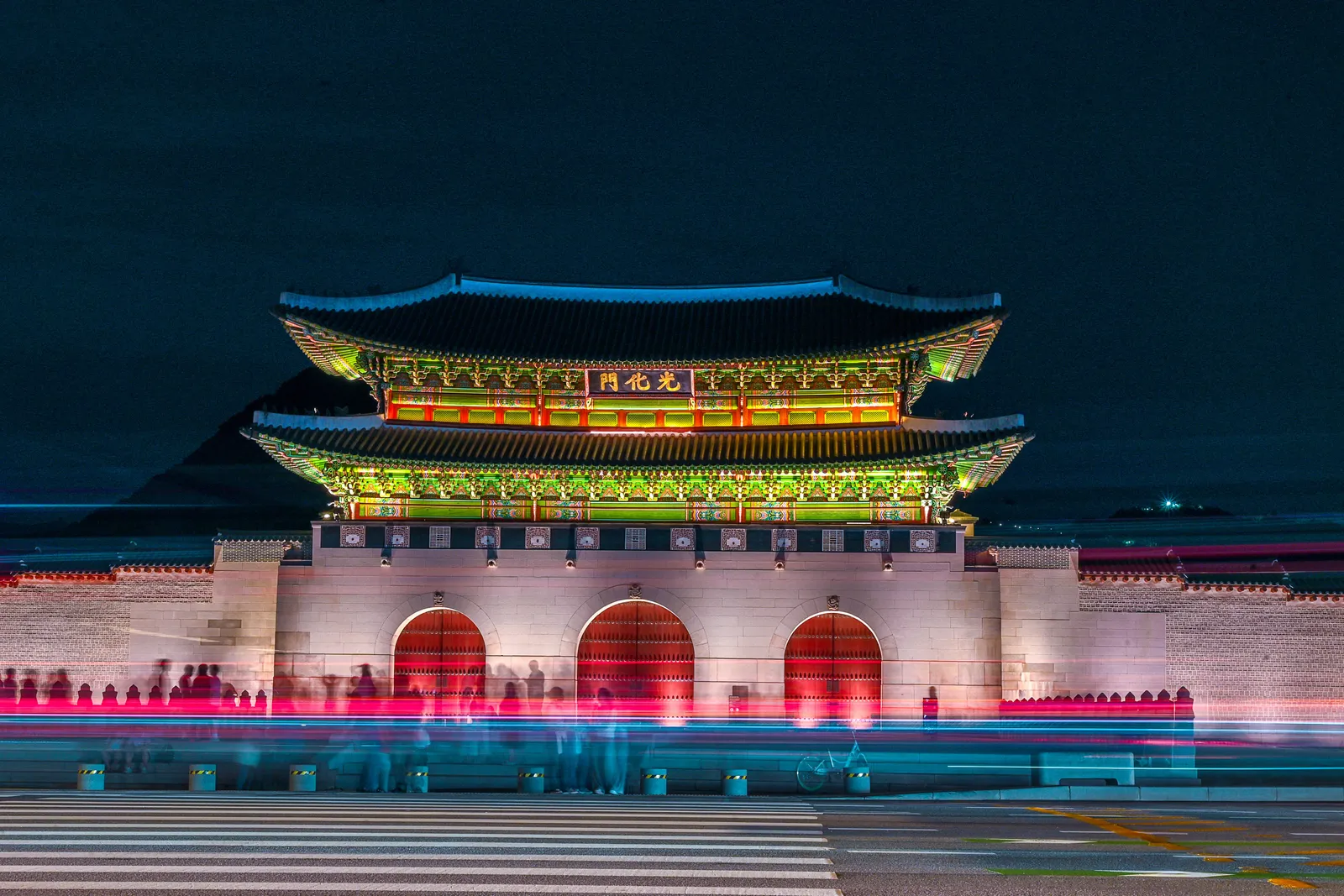
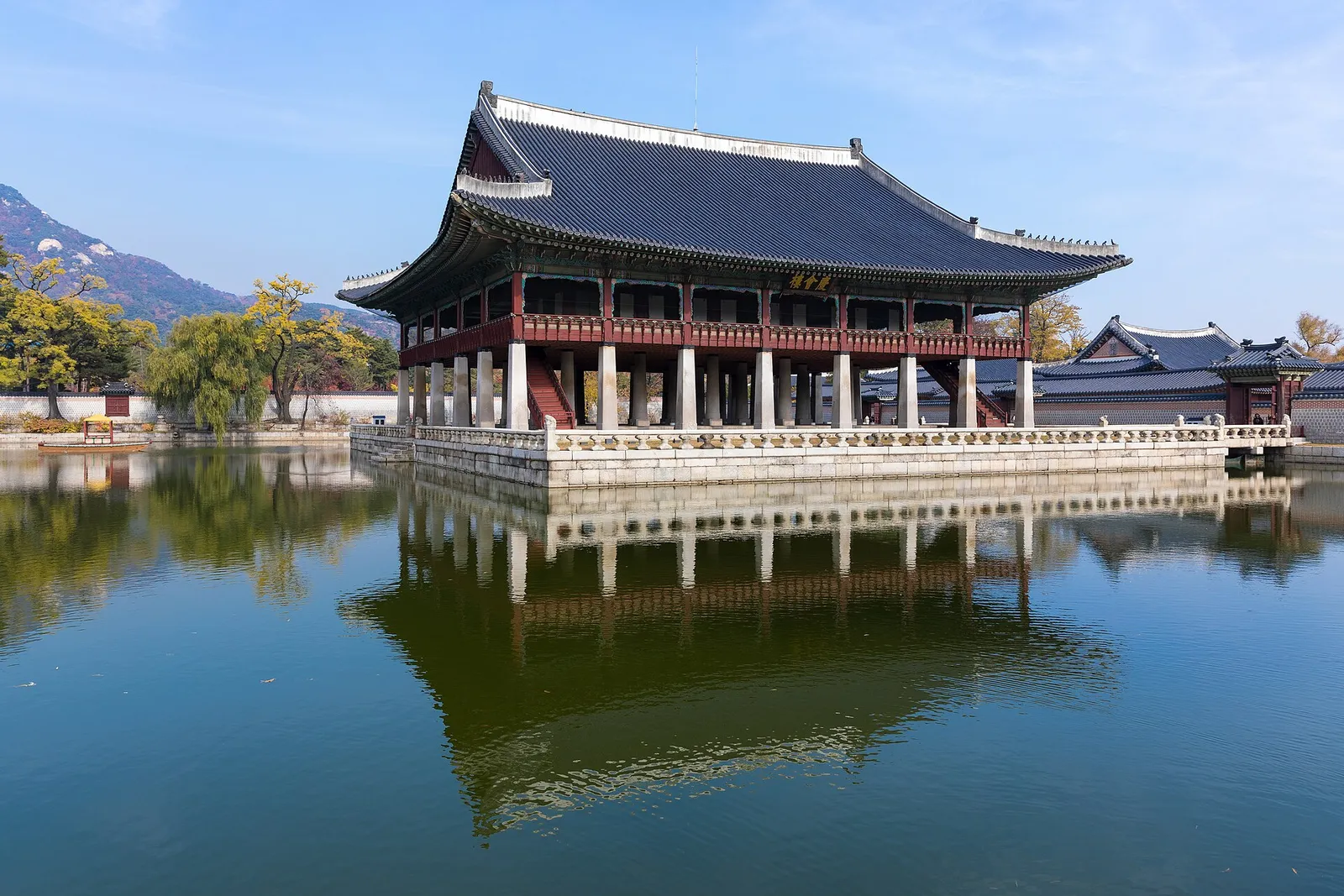
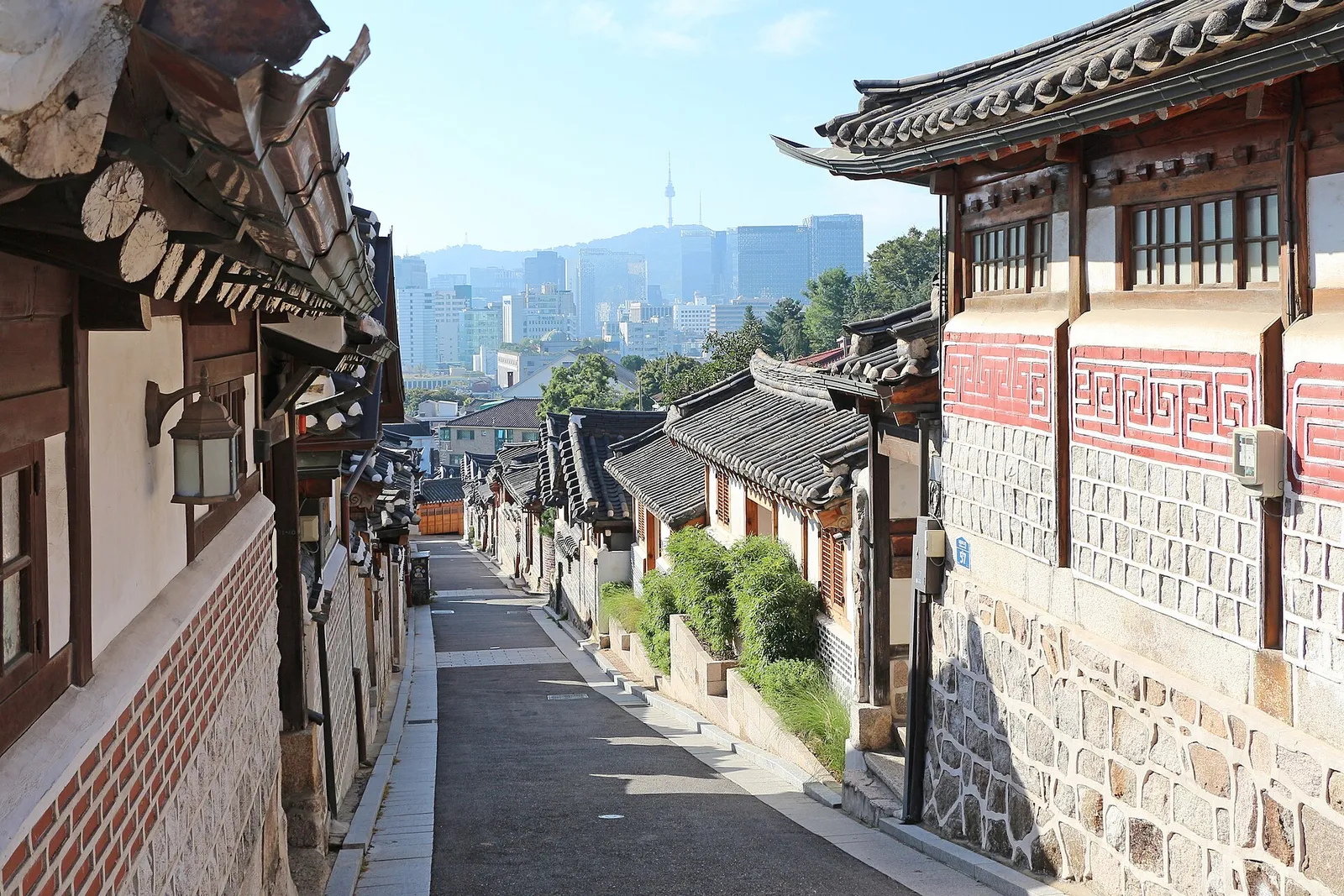
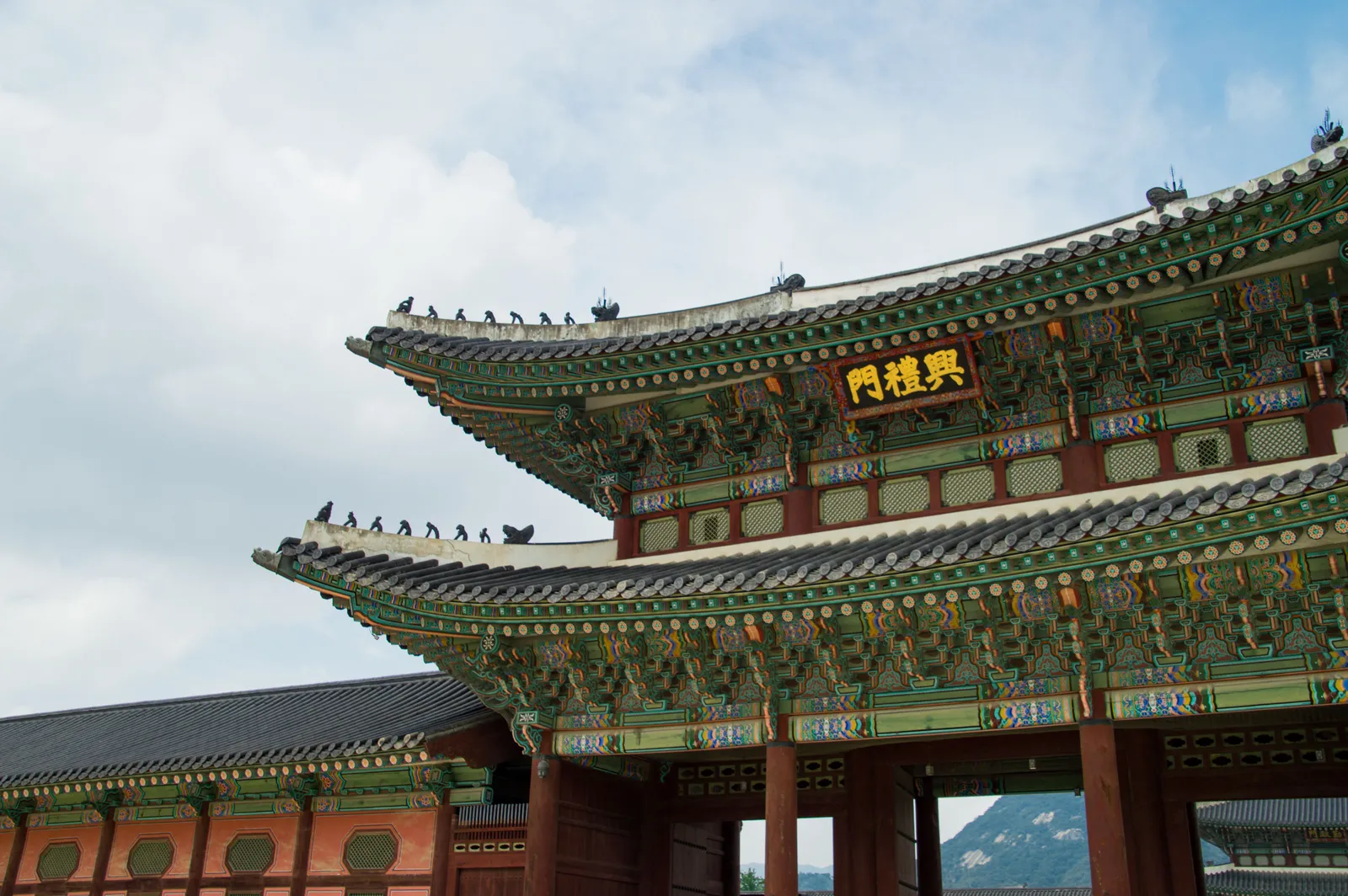
Almost every first trip starts in Seoul, and it should. Give it at least three full days: the grand royal palaces and the hanbok crowds around them, the hanok lanes of Bukchon, the shopping and street food of Myeongdong and Insadong, and a night out in Hongdae or Itaewon. Seoul is also the hub from which the fast trains and flights fan out across the country.
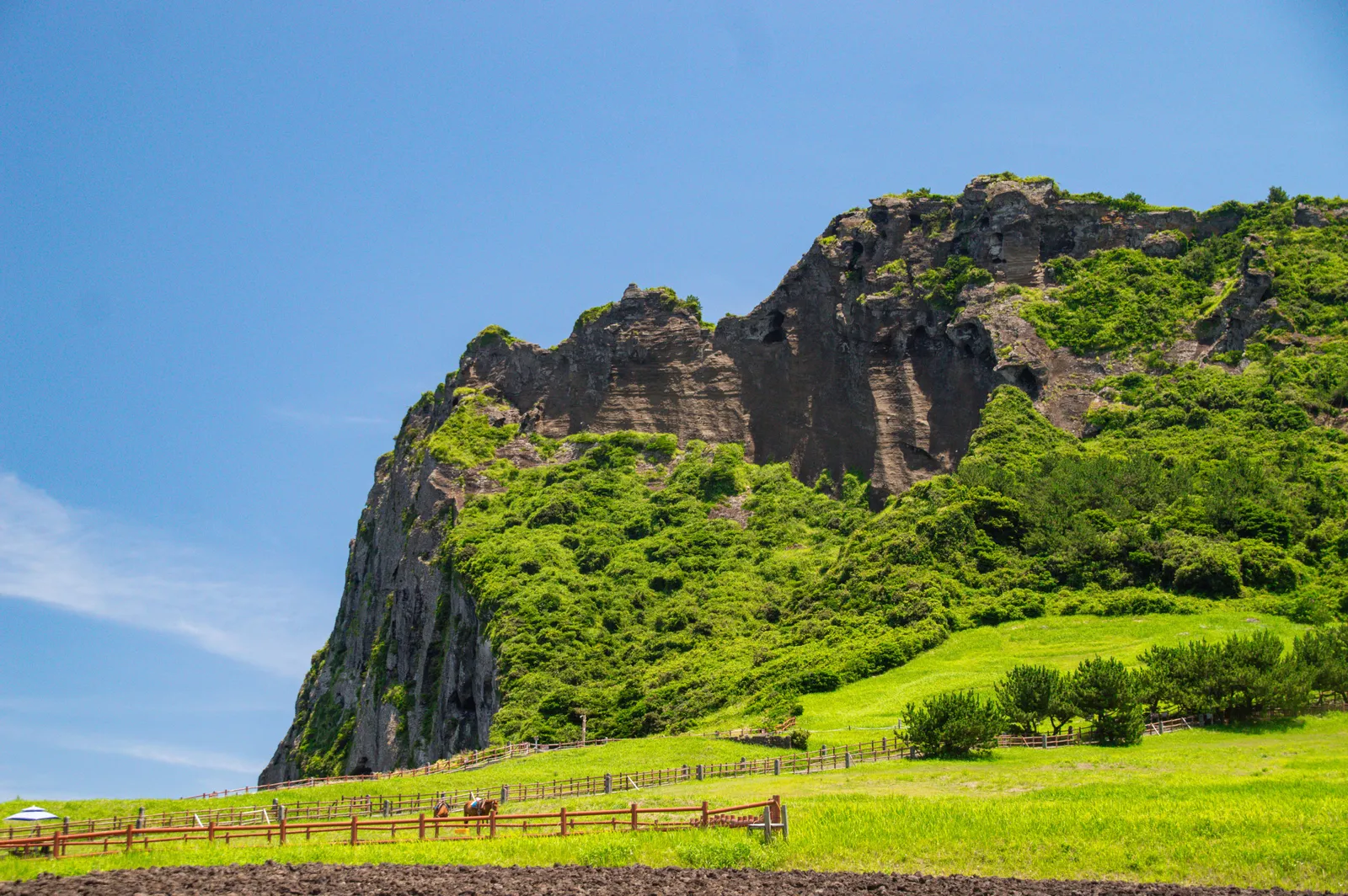
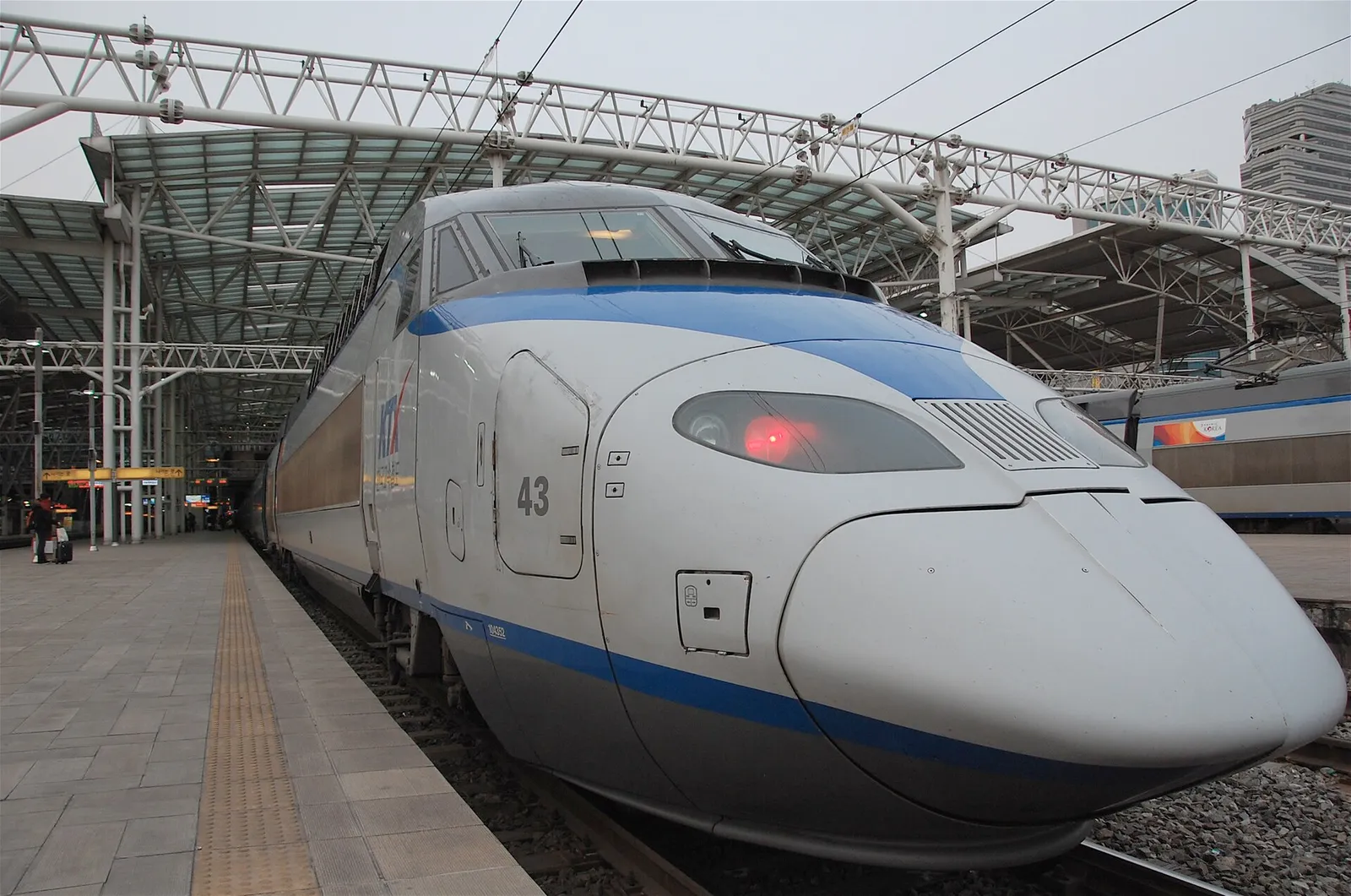
From Seoul, the two classic additions are Busan, the relaxed southern port city reached in under three hours by KTX bullet train, and Jeju, the volcanic holiday island a short domestic flight away. For a first week, pair Seoul with one of them. For 10 days, do both, and put Jeju last so the trip ends slowly rather than in a city. Our guide to Jeju covers what the island actually offers, which is volcanic landscape, coastal walking and the best seafood in the country rather than a resort holiday.
How to get around
Korea makes this easy. Buy a T-money card at any convenience store or station machine, top it up, and tap onto subways, buses and even some taxis nationwide. Seoul and Busan both have clean, cheap, English-signed metro systems that reach almost everywhere a visitor wants to go.
Between cities, the KTX high-speed rail is the star: Seoul to Busan in roughly two and a half hours, comfortable and punctual. For Jeju, you fly, and the Seoul to Jeju route is one of the busiest air corridors in the world, so tickets are frequent and often cheap. You rarely need to rent a car unless you are exploring Jeju or the countryside, where it genuinely helps.
Turn travel days into guided onesA small-group day tour reaches the temples, coastlines and villages that are awkward to reach on your ownWhat to book ahead, and what to leave loose
Book your first two nights so you land somewhere sorted, your hotels for cherry-blossom and autumn-foliage season (the good-value rooms vanish first), your domestic flights to Jeju if your dates are fixed, and any headline experiences like a DMZ tour, which must be booked in advance and cannot be visited independently. Sort an eSIM or a pocket wifi too, so you have data and maps the moment you clear the airport.
Almost everything else, restaurants, markets, palaces, hikes and neighbourhood wandering, can be handled on the day for less, so resist the urge to over-schedule. Korea is a country best met with a loose plan and a good appetite.
What a trip actually costs
Korea surprises people by being cheaper on the ground than the flights suggest. Getting there and accommodation are the two big lines, and both spike in cherry blossom and autumn foliage season. Everything else is modest: transport is remarkably cheap for the quality, a bowl of noodles or a market dinner costs very little, and a great many palaces, parks, temples and mountain trails are free or nearly so.
Where the money goes if you are not careful: cafes, which are lovely and add up; barbecue and fried chicken nights, which are worth it; and taxis taken out of tiredness when the metro would have done. None of these will ruin a budget, and the season you choose will move it far more than any of them.
Money, food and small courtesies
The currency is the Korean won (KRW). The rate has shifted substantially in recent years, so check a converter shortly before you travel rather than working from a figure in an older guide. Korea is largely cashless: cards work almost everywhere, and a T-money card covers transport and convenience stores. Still, carry a little cash for traditional markets and small eateries. Tipping is not customary and can even confuse; good service is simply included.
Korean food is one of the great reasons to come, so arrive hungry. Meals are social and shared, side dishes called banchan arrive free and refillable, and the barbecue, stews and street food are the stuff of the trip. Our food guide covers the dishes and the ordering so you arrive knowing what to ask for. A couple of etiquette notes: use two hands when giving or receiving something from an elder, do not stick your chopsticks upright in rice, and pour drinks for others rather than yourself.
Culture, courtesy and getting it slightly wrong
Korea is easy to travel and mildly formal in ways that are worth knowing, and a small effort is warmly received. Age shapes politeness: two hands to give or receive anything from someone older, and let them start eating first at a shared table. On the subway, priority seats stay empty even when the carriage is packed, and taking one is a genuine faux pas rather than a technicality.
Public behaviour is quieter than in many Western cities: people do not eat on the metro, phone calls on public transport are kept short, and raised voices are rare. None of this is a test, and nobody expects a visitor to get it all right. Learning annyeonghaseyo for hello and kamsahamnida for thank you covers most situations and lands well.
Staying safe and connected
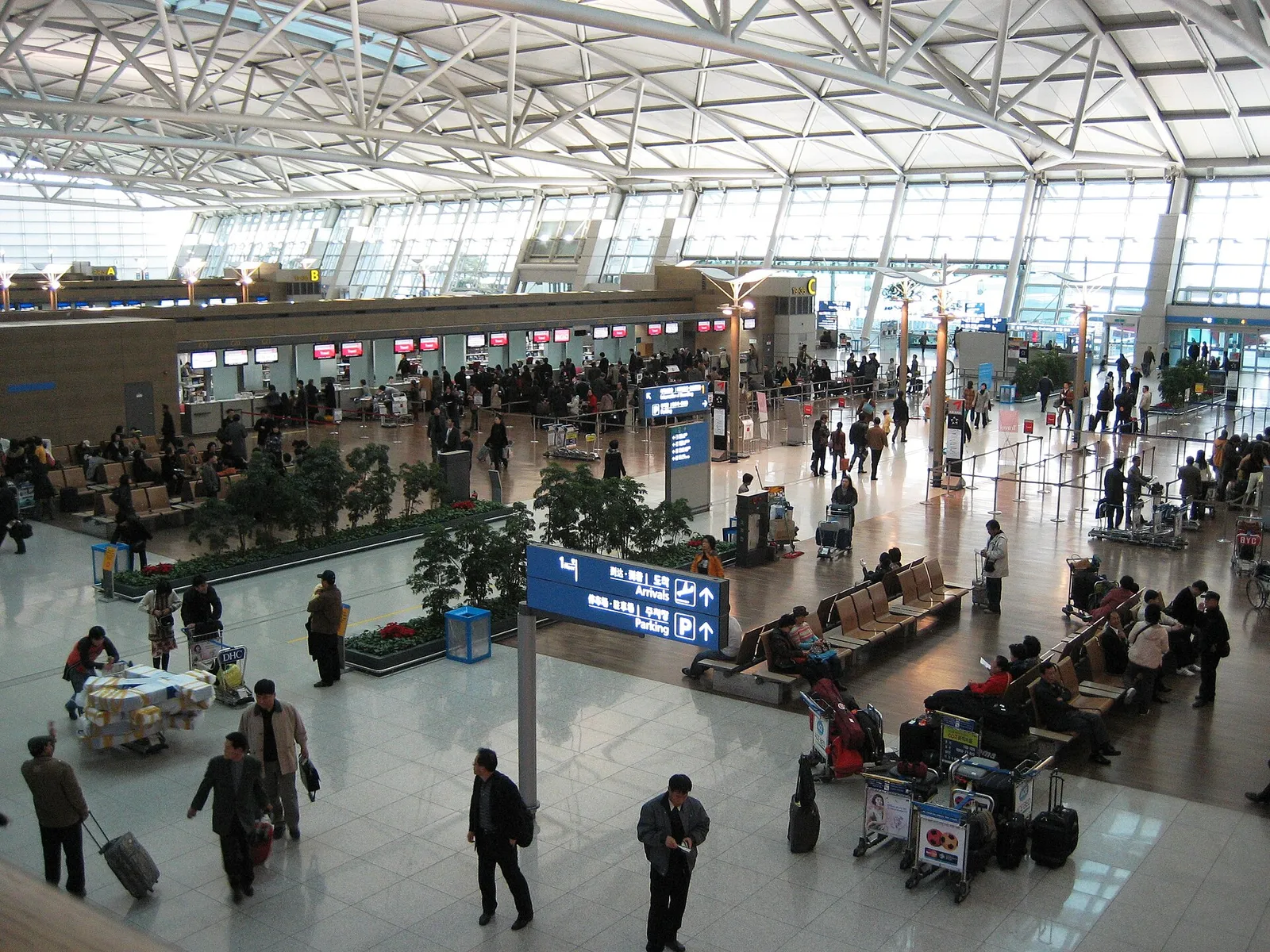
Korea is one of the safest countries you can travel in, with very low levels of street crime, and the practical concerns are logistical rather than personal. Data is the one thing to sort in advance, because so much here runs on apps: maps, taxis, translation and ticketing. An eSIM arranged before you fly means all of it works from the airport train onward.
Two health notes. Summer heat and humidity are more demanding than the temperature suggests, so plan indoor breaks. And pharmacies are excellent and widespread for minor problems, with hospitals in the cities well equipped and used to foreign patients, though treatment is paid for, so travel insurance is worth having as it would be anywhere.
The mistakes first-timers make
Four, and all four are avoidable at the planning stage. Assuming Google Maps will work, which it does not fully, and losing a day to it. Leaving the K-ETA question until late, when the waiver list is specific and approval is not instant. Booking five stops in ten days, when the trains being fast is not a reason to keep using them. And treating Seoul as a stopover, when three or four days is the honest minimum for a city this size.
The short version
Start in Seoul, then add Busan by bullet train or Jeju by short flight rather than trying to see everything; if you want that shape laid out day by day, our 10-day route through Seoul, Gyeongju, Busan and Jeju does exactly this without a rushed morning. Go in spring or autumn if you can, book your peak-season rooms and any DMZ tour early, sort your K-ETA (or confirm your nationality is on the current waiver list) and an eSIM before you fly, and get a T-money card the moment you land. Come hungry, carry a few polite phrases, and leave your evenings loose for the barbecue dinners and market wanders you did not plan. Do that, and your first Korean trip will feel less like a logistics puzzle and more like the start of a habit of coming back.
Two things are worth sorting in the same sitting as the flights. The high-speed train is what makes a second city realistic on a short trip, and it is easier to book than most rail systems; our guide to KTX trains in Korea covers routes, classes and whether a rail pass pays. And insurance matters here for an unusual reason, since Korean healthcare is excellent and is not free for visitors; our guide to travel insurance for Korea sets out what a policy needs to say.
If five days is what you have, the trip is a set of choices rather than a shorter version of the same route. Our five days in Korea sets out the realistic first-timer plan, including what to leave out.