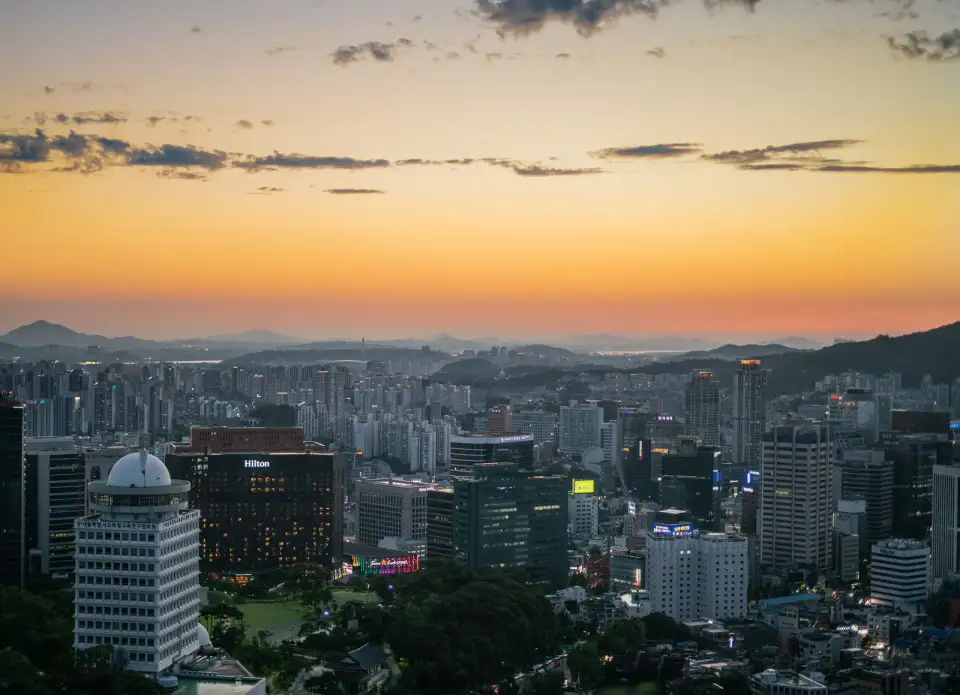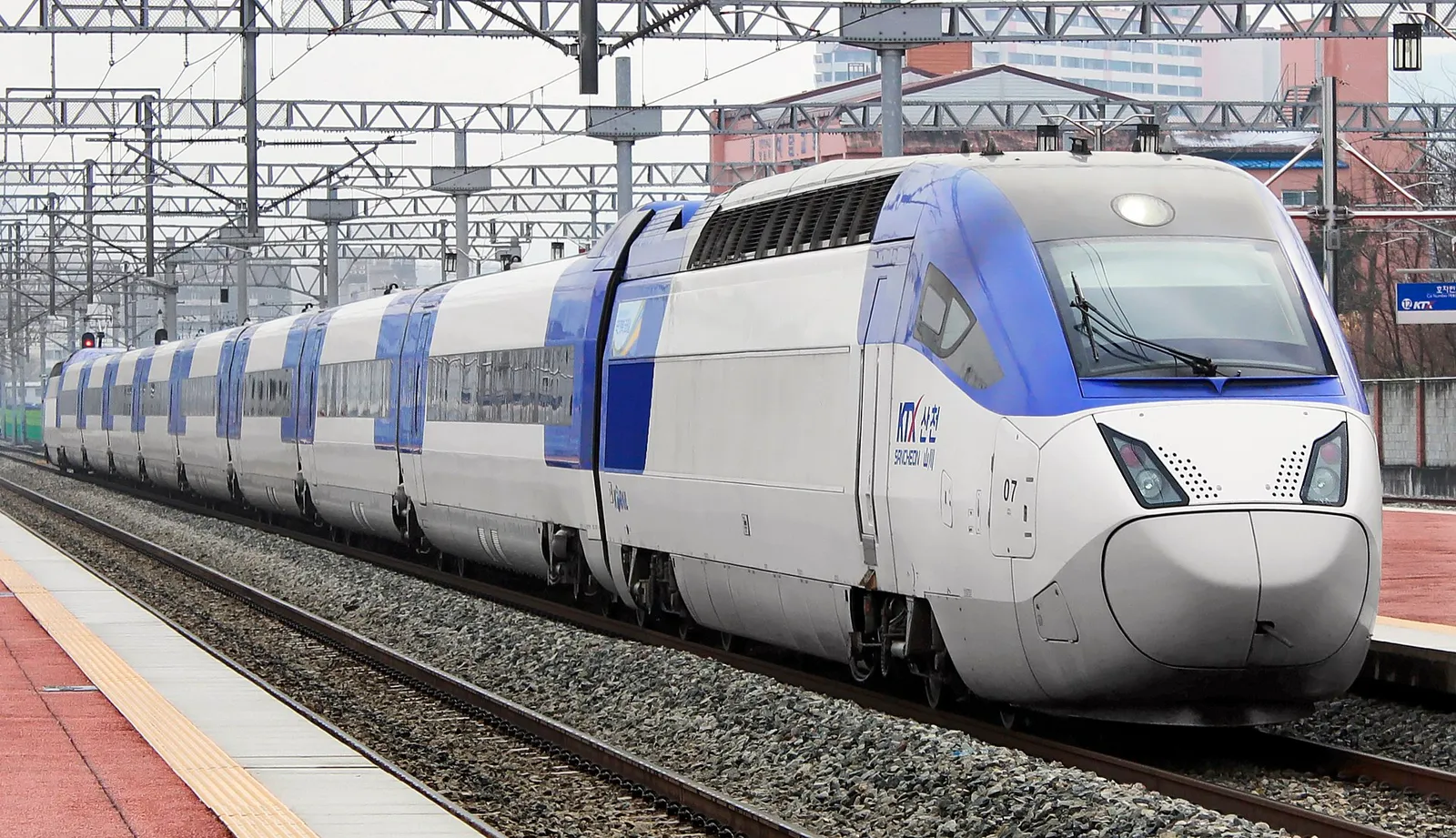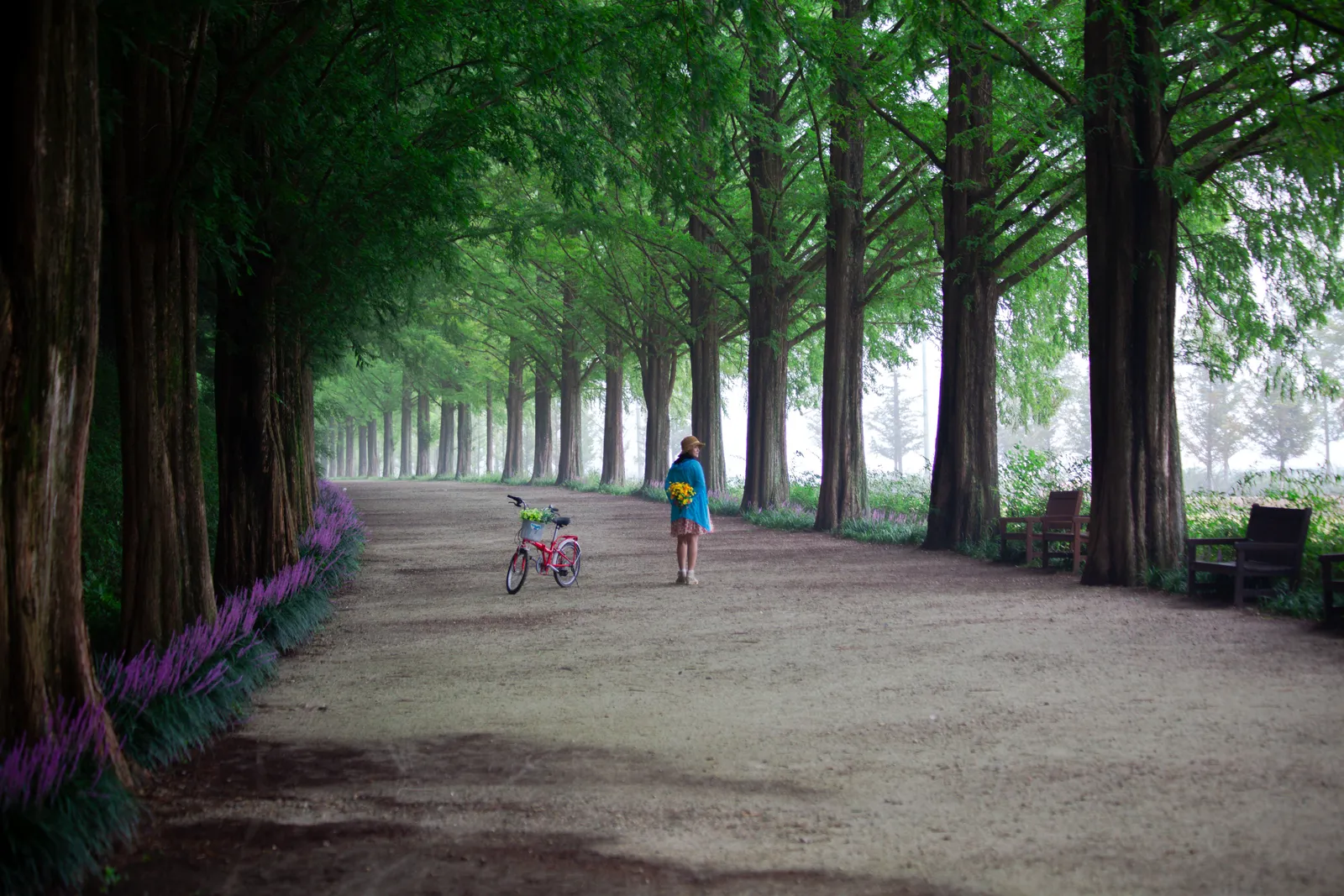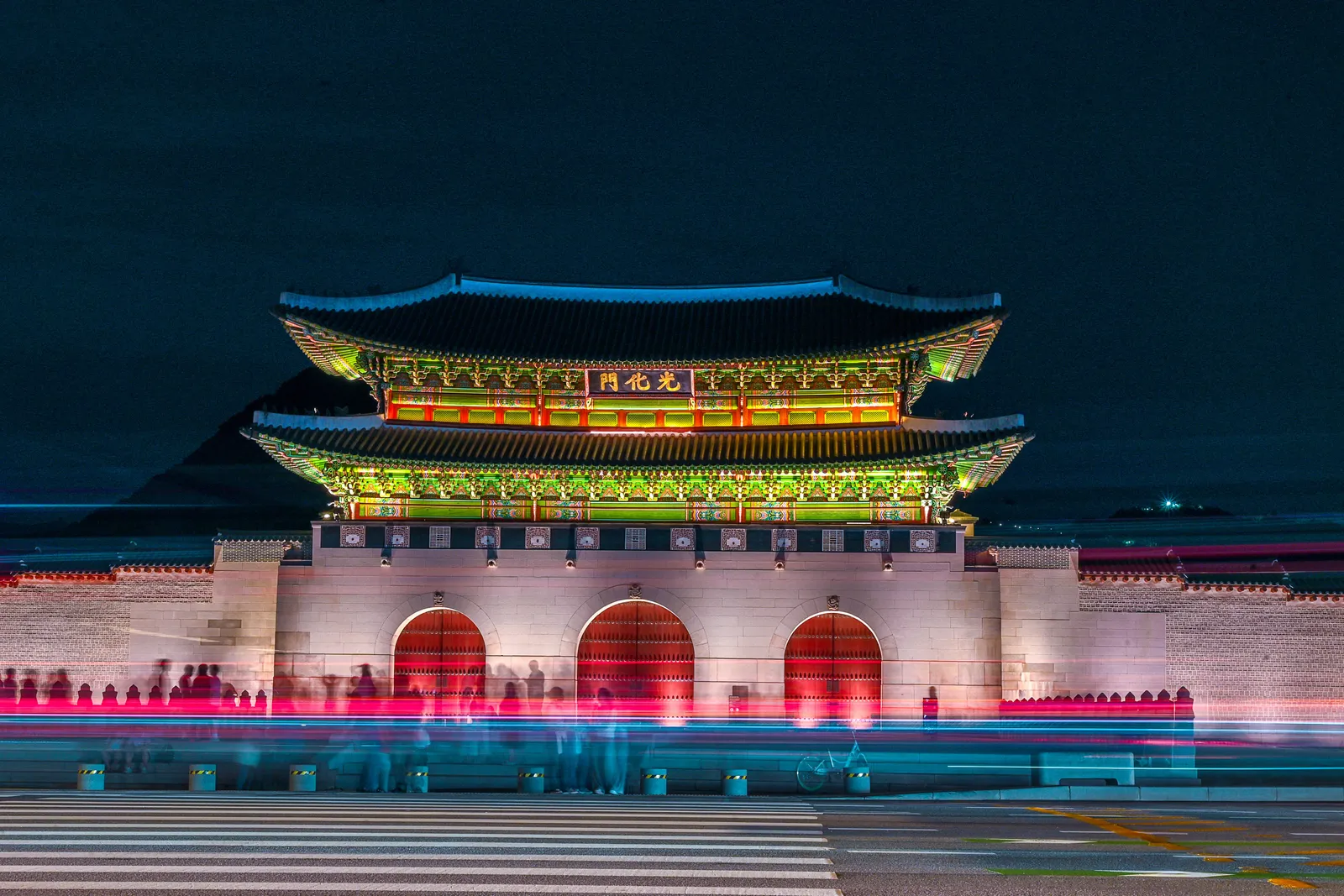
Five days is not enough to see Korea. It is, however, enough to see Seoul properly and still have a day left over for somewhere that shows you a different side of the country. That is the trip this itinerary is built for: not a rushed loop of the whole peninsula, but four days in the capital and one day out of it, structured so that nothing feels squeezed.
Anyone weighing this itinerary against a longer one should read it as a deliberate trade, not a compromise. Trying to add Busan or Jeju on top of five days almost always means arriving somewhere new, unpacking for one night, and leaving again before the place has had a chance to make sense.
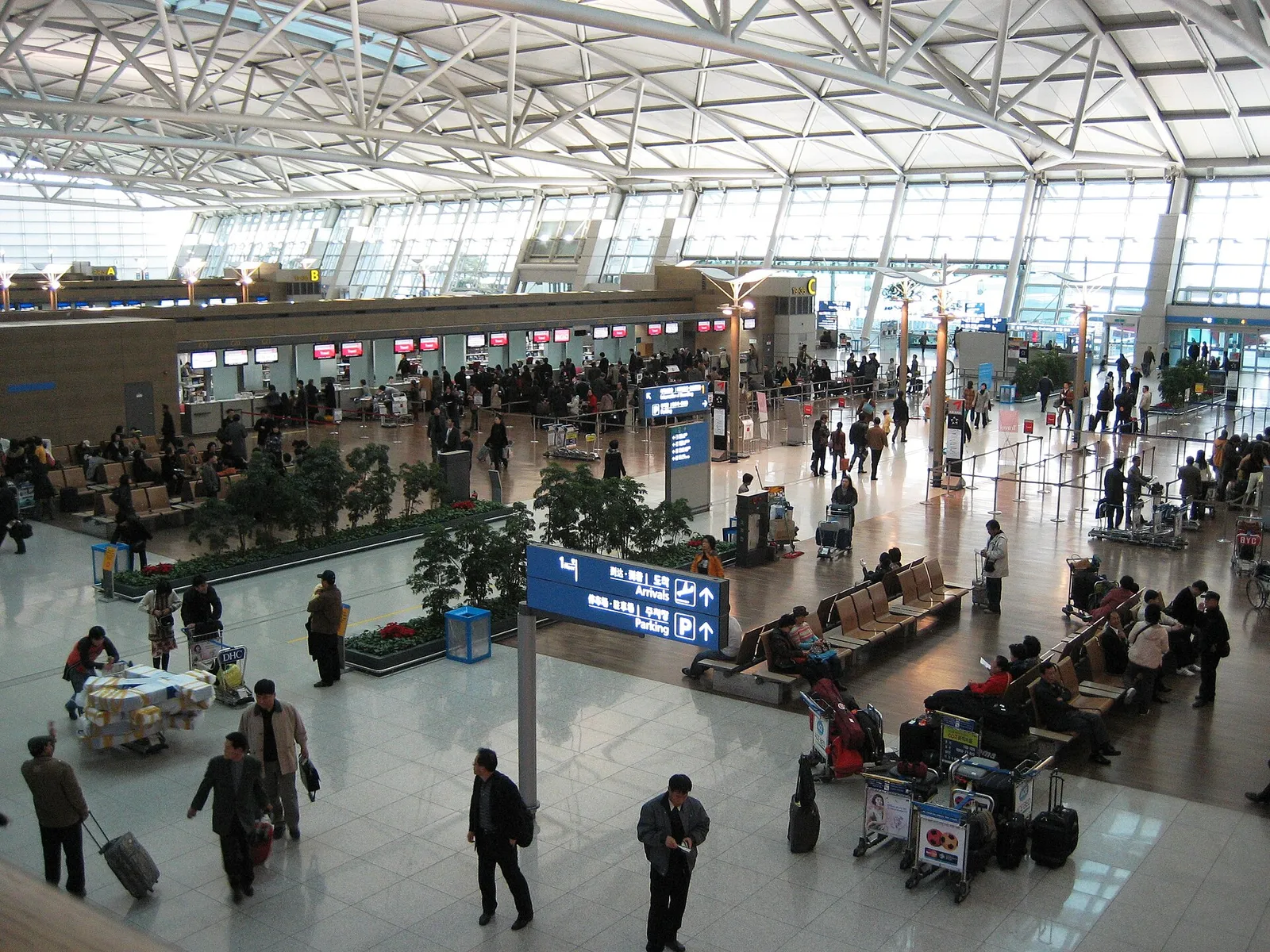
Think of it as five full days rather than five calendar days, and plan the arrival and departure ones accordingly. Most international flights land in the afternoon or evening, which leaves the first day for settling in, finding a convenience store, and a slow first walk rather than a packed itinerary, and the last day usually shrinks to a morning once the airport transfer is accounted for. Build the plan below around the middle days and treat the edges as bonus time rather than counting on them.
Day one: palaces and hanok
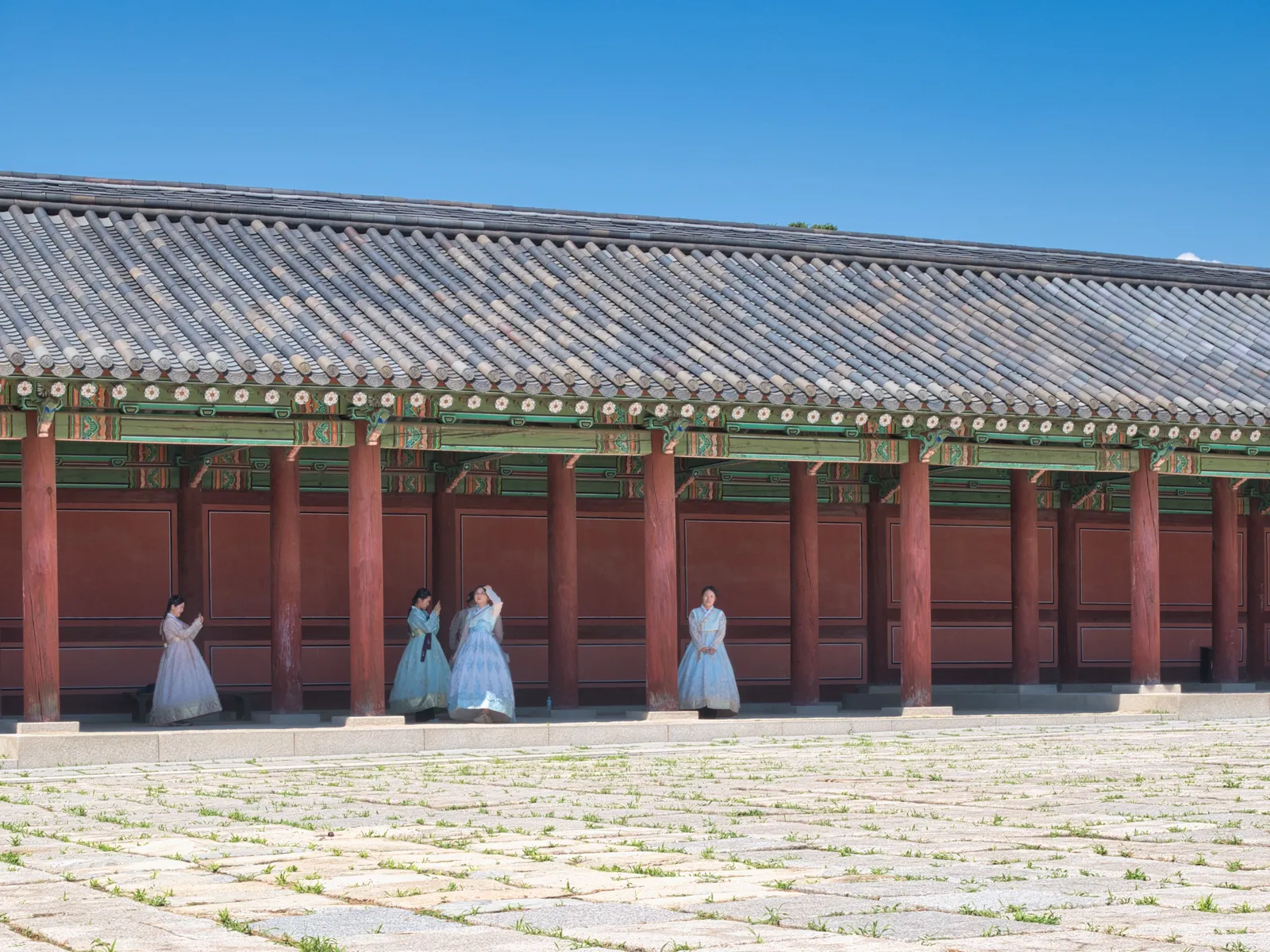
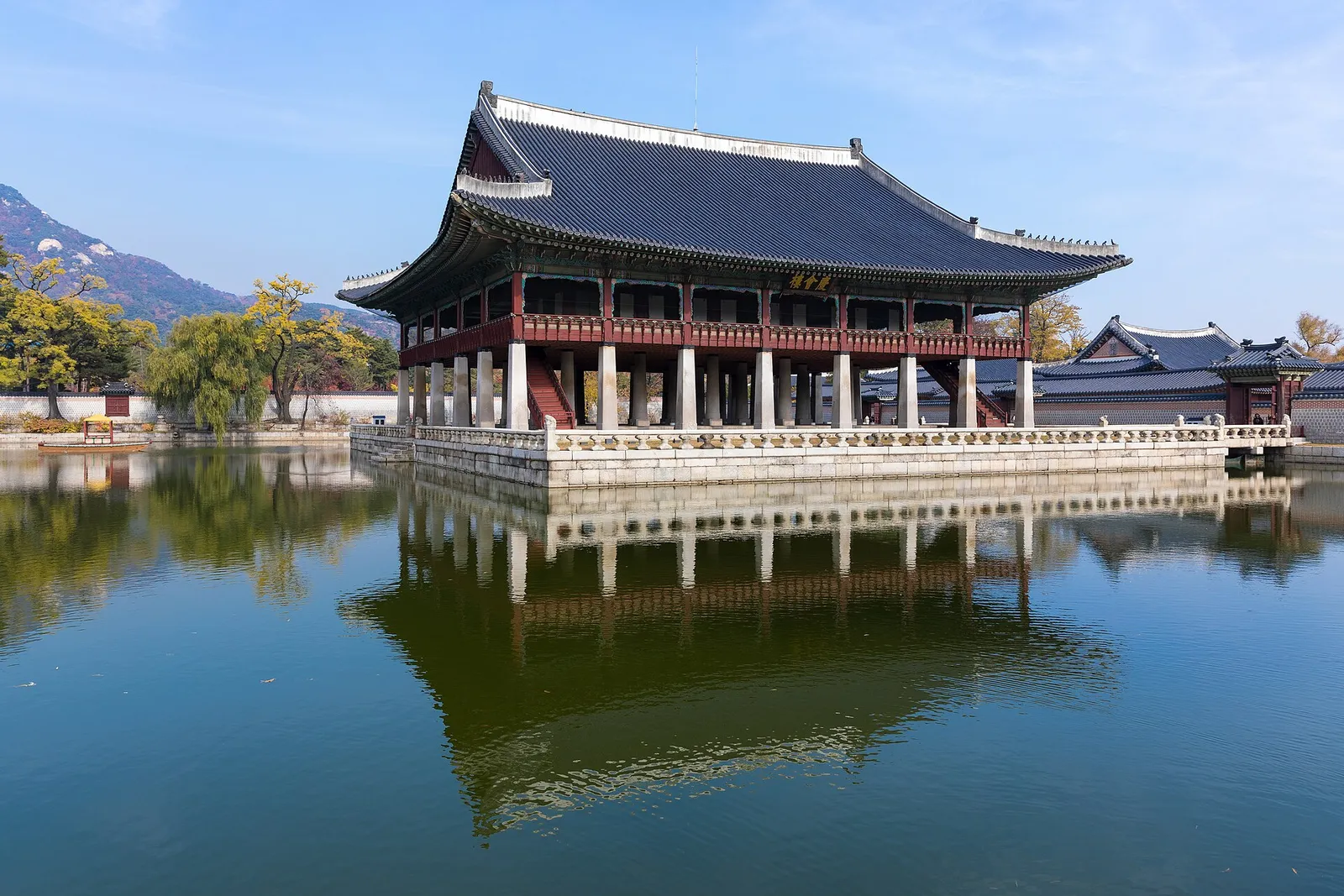
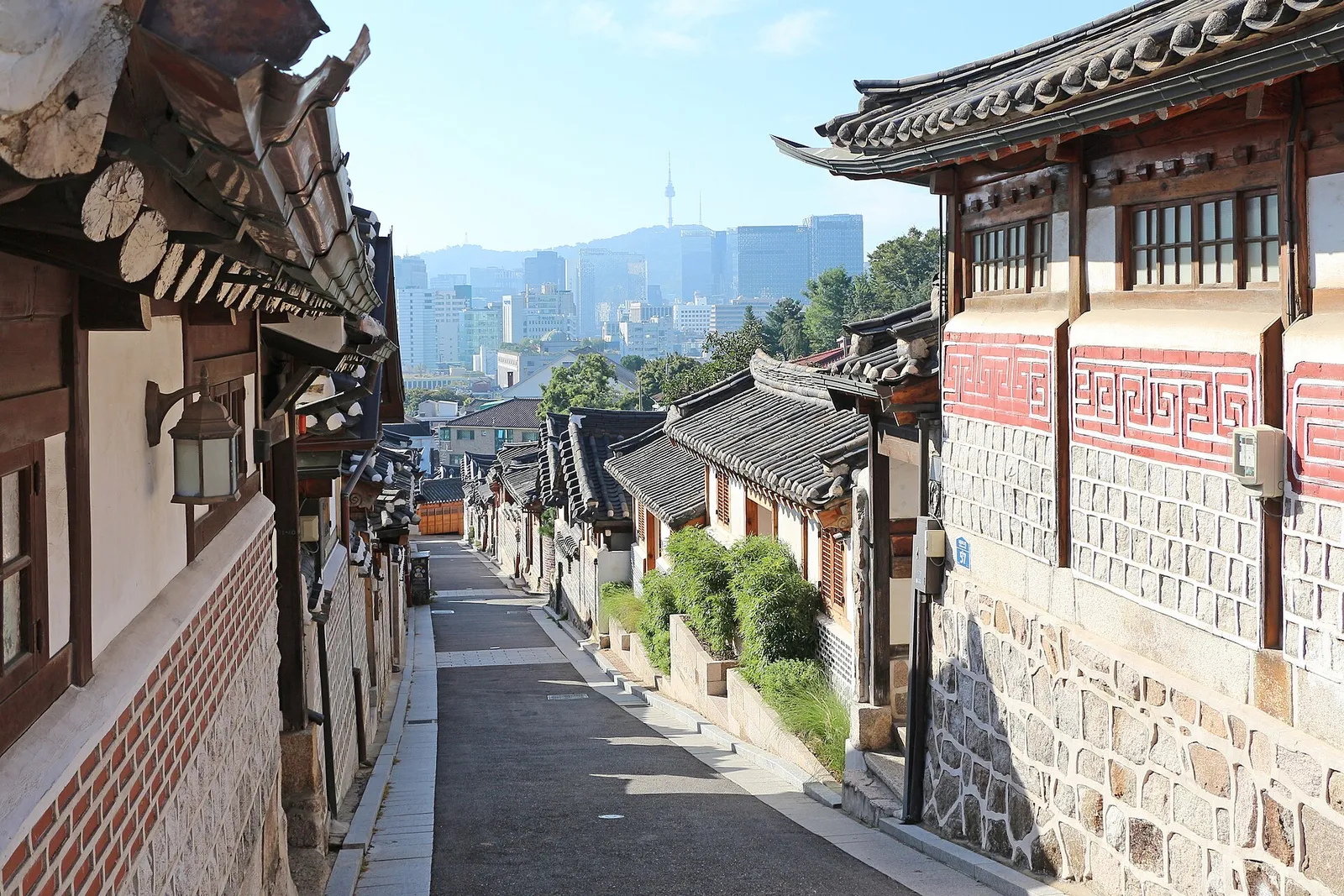
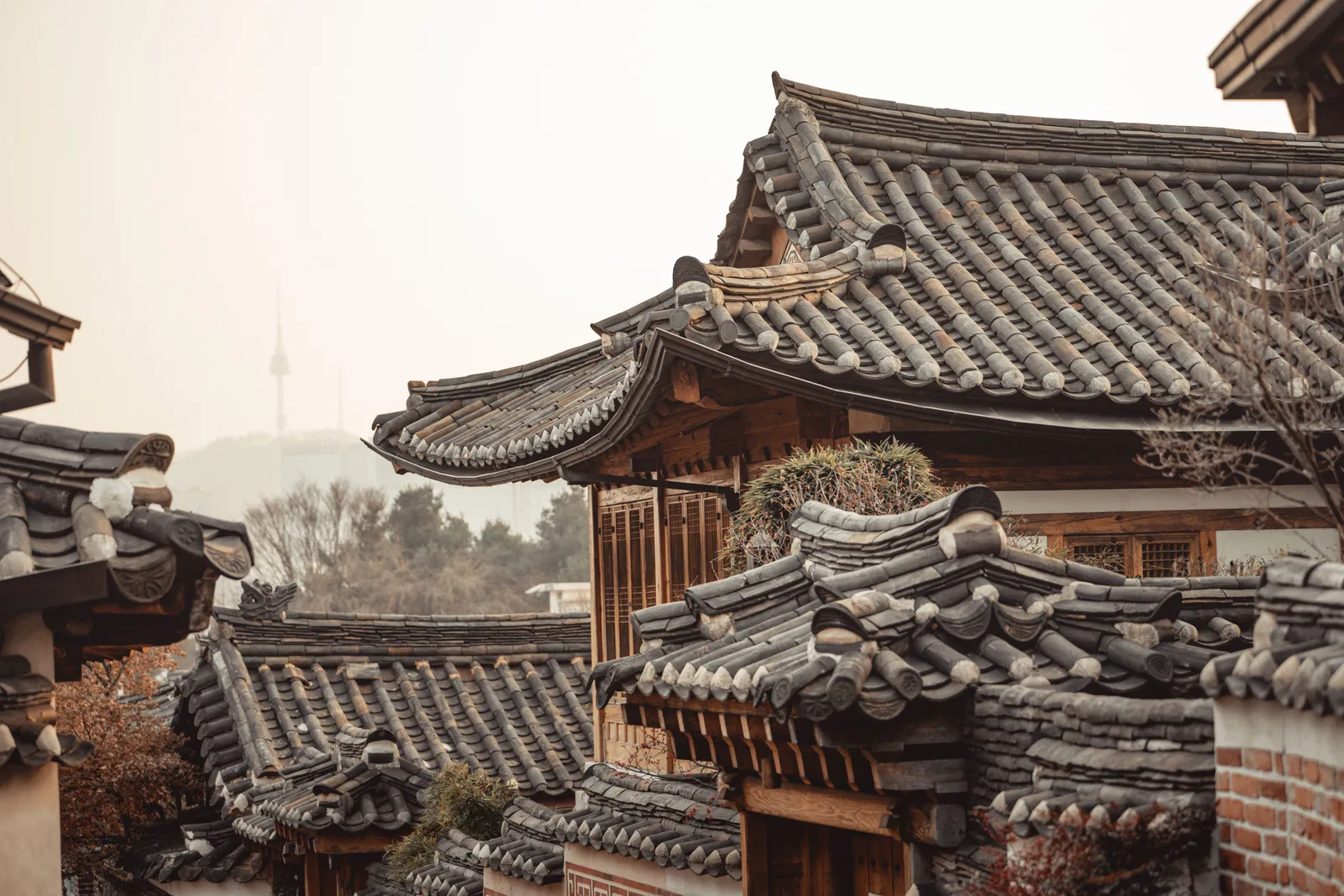
Start with Gyeongbokgung, the largest of Seoul’s royal palaces and the easiest to get an immediate sense of scale from, and give it the first part of the morning, changing of the guard at 10:00 included. Walk into Bukchon Hanok Village, the hillside neighbourhood of traditional wooden houses just behind it, only after that: its most photographed lane is a restricted zone open to tourist visits between 10:00 and 17:00, with a fine for turning up outside those hours, and the hours are posted at the entrances and can change. The two sit close enough together that the morning does not need a taxi or a subway change, only a walk uphill through narrow lanes between the tiled roofs.
Renting a hanbok for the palace grounds is a genuinely common thing to do rather than a tourist trap, and it comes with free palace entry on the day, which is worth knowing before you buy a separate ticket. Save some energy for the afternoon in Insadong, the traditional arts and tea district a short walk east, where the pace drops and the shopping turns towards ceramics, calligraphy tools and paper crafts rather than souvenirs.
Day two: neighbourhoods and food
Day two has no single sight to build around, and that is deliberate. Spend the morning in Myeongdong or Hongdae, whichever suits your energy: Myeongdong for shopping streets and street food stalls, Hongdae for a younger, more creative pace with cafes and independent shops. Either way, this is a walking and eating day rather than a ticking-boxes day.
In the evening, book a table for Korean barbecue, ideally somewhere that specialises in one cut rather than an all-you-can-eat format, because the quality difference is real and visitors who try both usually notice it. If you have not eaten street food yet, a market like Gwangjang in the late afternoon fills the gap before dinner without spoiling your appetite for it.
Day three: outside the city
This is the one day with a fixed point in the schedule, and it is worth building the rest of the week around it rather than the other way round. Two options cover most visitors well, and they suit different travellers.
| Option | Best for | What it needs |
|---|---|---|
| DMZ tour | The trip you will talk about afterwards | Booking ahead, passport, an authorised tour operator |
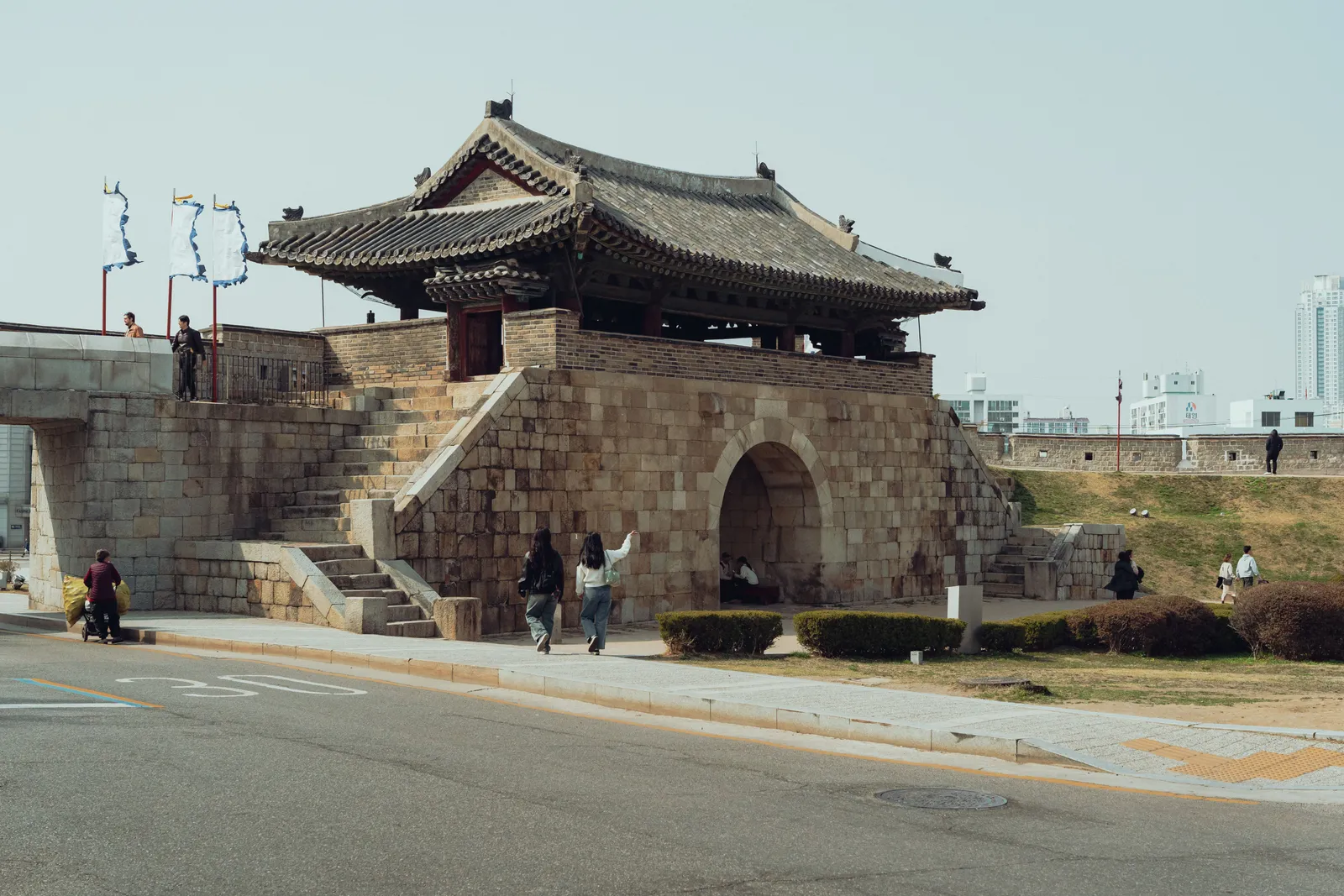
| Suwon and Hwaseong Fortress | One substantial sight with no advance planning | About an hour by metro, no booking |
The DMZ cannot be visited independently and needs a tour booked in advance with your passport details, so this is the one part of the whole itinerary worth locking in before you arrive. Suwon, by contrast, is a straightforward metro ride with a complete walled fortress town at the other end, and it needs nothing arranged beforehand. Neither choice is wrong, and both are covered in full in our guide to Seoul day trips, including which suits a weekday visit better than a weekend.
One day, and one decision to makeCompare guided options for the DMZ and beyondDay four: a museum and the river
After a full day out, day four is a lower key mix of a museum morning and a riverside afternoon. The National Museum of Korea is the obvious choice for a rainy morning or simply a break from walking outdoors, with a scale that rewards picking two or three galleries rather than trying to see everything.
In the afternoon, head to the Han River, which cuts through the middle of the city and has parks on both banks built for exactly this kind of unhurried visit: renting a bike along the riverside path, buying fried chicken and beer from a convenience store to eat on the grass, or simply watching the city from a bench as the light changes. It is the closest this itinerary gets to a rest day, and after three fuller days it earns its place.
Day five: the flexible day
Keep the last day open rather than planned. By this point you will know what you skipped, what you loved enough to repeat, and what the weather is doing, and a genuinely open day lets you respond to all three instead of following a schedule written before you arrived.
Common uses for it: a second, slower visit to a neighbourhood you rushed on day two, a market you missed, a cafe district if you have not covered one yet, or simply packing and leaving room for the airport transfer without a morning activity stacked in front of it. Getting between all of this is straightforward once you understand the subway and the T-money card system, covered fully in our guide to getting around South Korea.
What you are giving up
Five days in Seoul plus one day out means Busan and Jeju are not part of this trip, and it is worth being honest about that rather than trying to squeeze them in. Busan needs at least one overnight to justify the return journey, and Jeju needs a flight each way, so either one turns a five day trip into mostly transit if it is bolted on at the end.
Neither is a loss so much as a decision about what this particular trip is for. A first visit that gets Seoul right, with a genuine day trip alongside it, tends to be remembered more fondly than one that touched three cities and rushed all of them. The south of the country is a strong reason to come back rather than a box that needed ticking on trip one.
There is a middle option worth mentioning: dropping the day out of the city entirely and spending all five days in Seoul instead. It suits travellers who would rather go deep on one place than see two, and it opens up a second neighbourhood day, a slower museum visit, or simply more time to sit in cafes without a schedule. Neither version is more correct than the other. It comes down to whether you would rather leave Korea having seen Seoul thoroughly, or Seoul plus one clear look at what lies beyond it.
The short version
Build the week around Seoul and treat the one day out as the highlight rather than an afterthought. Book the DMZ ahead if that is your choice, and leave Suwon flexible if it is yours. Keep the last day open, resist the pull to add Busan or Jeju on top of five days, and plan for a second Korea trip instead of trying to force this one to cover everything at once.
Where the days actually go
Five days divides most comfortably into three in the capital and two elsewhere, and the temptation to even it out is worth resisting. Seoul is large enough that three days is already a compression, and our Seoul guide covers what fills them.
The two days outside are better spent on one destination than two. A single overnight somewhere else gives you an evening and a morning in it, which is the difference between visiting a place and passing through it.