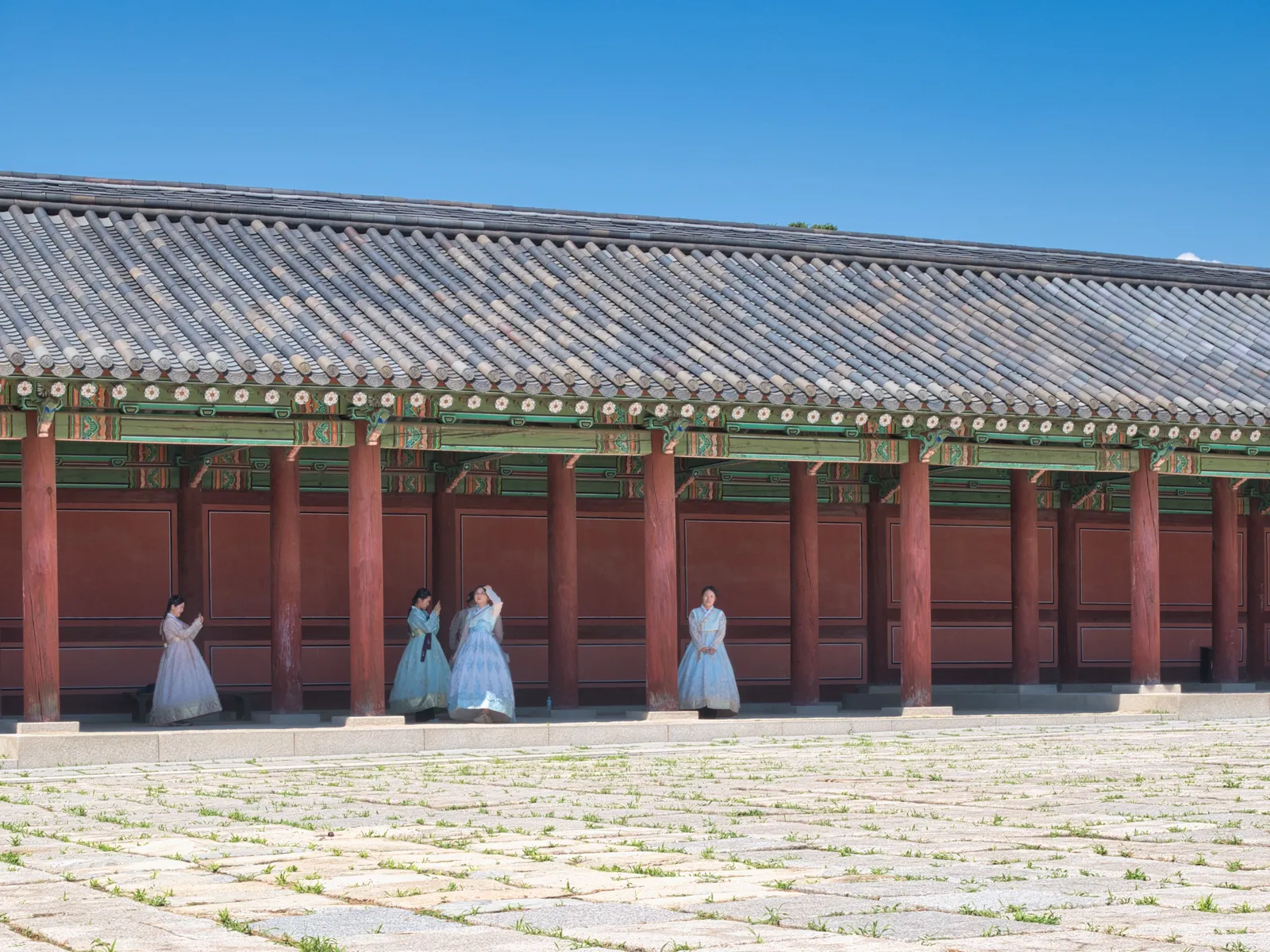
Seoul is not one city, it is a dozen cities stitched together by the best metro network in Asia, and every one of them has its own mood. That is the thing to understand before you arrive: you will never “see Seoul,” and you should not try. You pick a few neighborhoods, go deep, eat everything, and let the trains carry you between them. Do that, and a metropolis of ten million people starts to feel not overwhelming but strangely easy.
How Seoul is put together
The city sprawls on both banks of the Han River. North of the river sit the historic core and most of the sights a first-timer wants: the palaces, the old hanok quarters, the markets and the nightlife. South of the river is Gangnam, the newer, glossier business and shopping district. Between them, the metro ties everything together.
Get a T-money card the moment you land, top it up, and tap in and out of the subway. Download Naver Map or KakaoMap before you go, since Google Maps does not give full walking directions in Korea for regulatory reasons. With a transit card and the right app, you will navigate the whole system within a day and barely touch a taxi.
The neighborhoods that matter
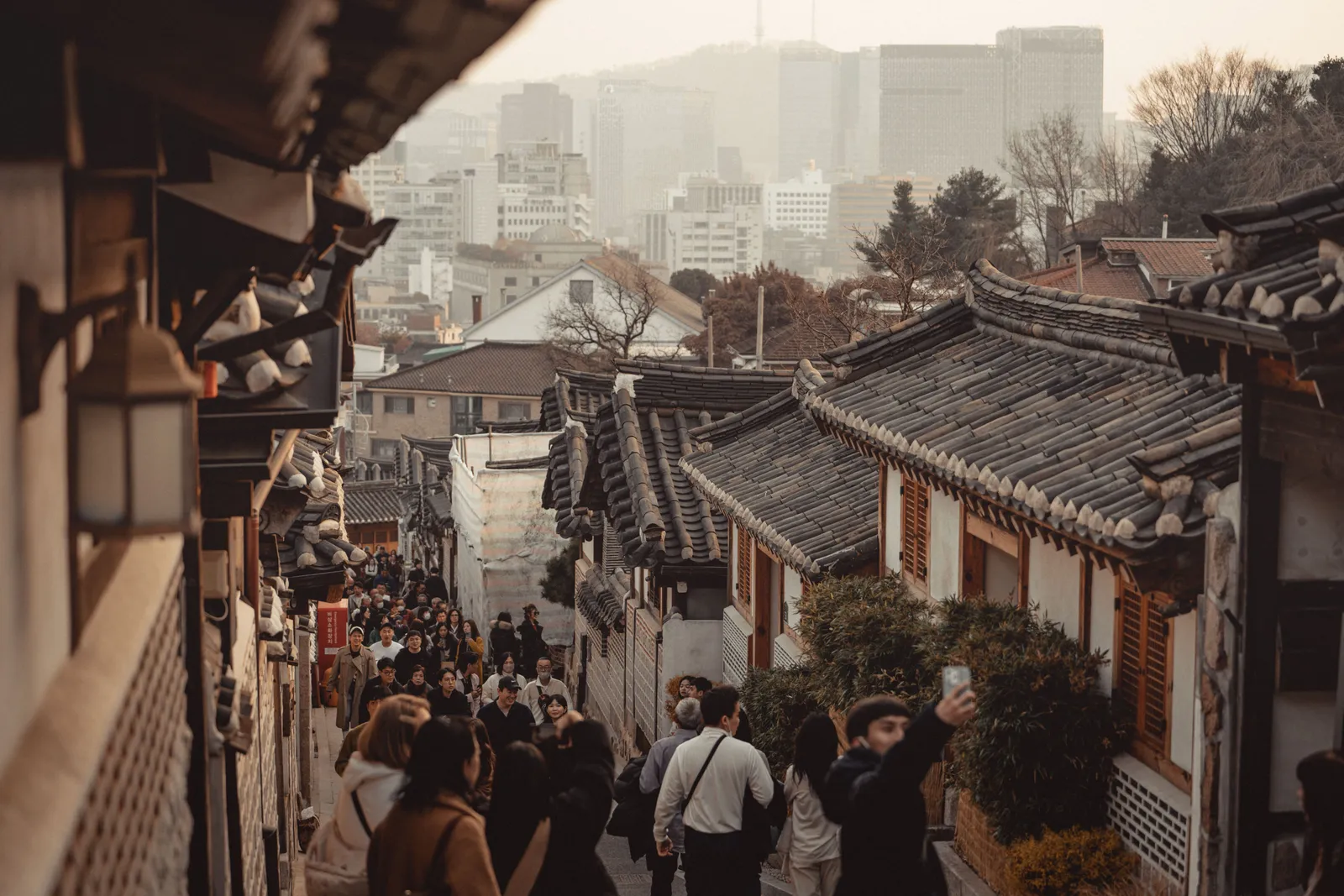
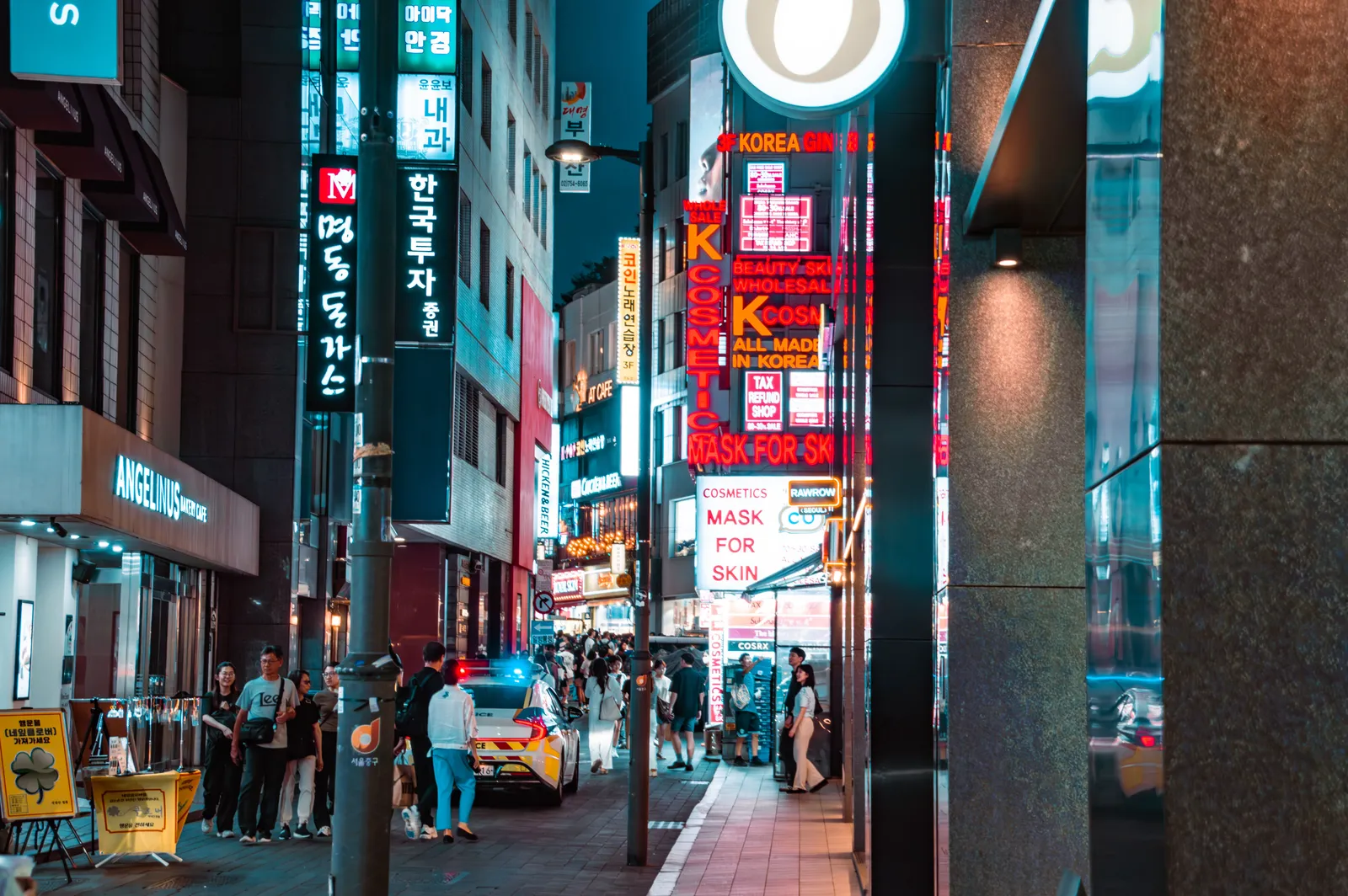
Jongno, the historic heart, holds the grand Gyeongbokgung and Changdeokgung palaces, the picture-perfect hanok lanes of Bukchon, the antique and craft shops of Insadong, and the vast Gwangjang Market. Myeongdong, next door, is the shopping and street-food engine room, packed with cosmetics stores and food carts.
Hongdae, around the arts university, is young, loud and creative: indie music, street performers, cafes and a nightlife that runs late. Itaewon is the international quarter, good for bars and world food. Across the river, Gangnam is polished shopping and dining, and nearby Seongsu has become the city’s Brooklyn, all warehouse cafes and boutiques. For a view, ride up Namsan to the N Seoul Tower or hike one of the granite peaks that ring the city.
The palaces, and how to do them properly
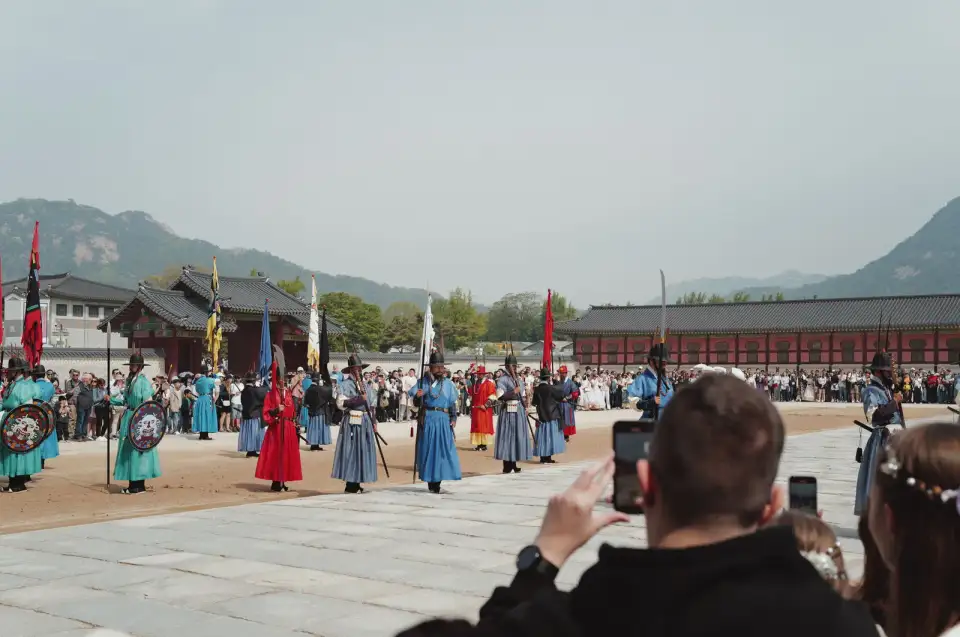
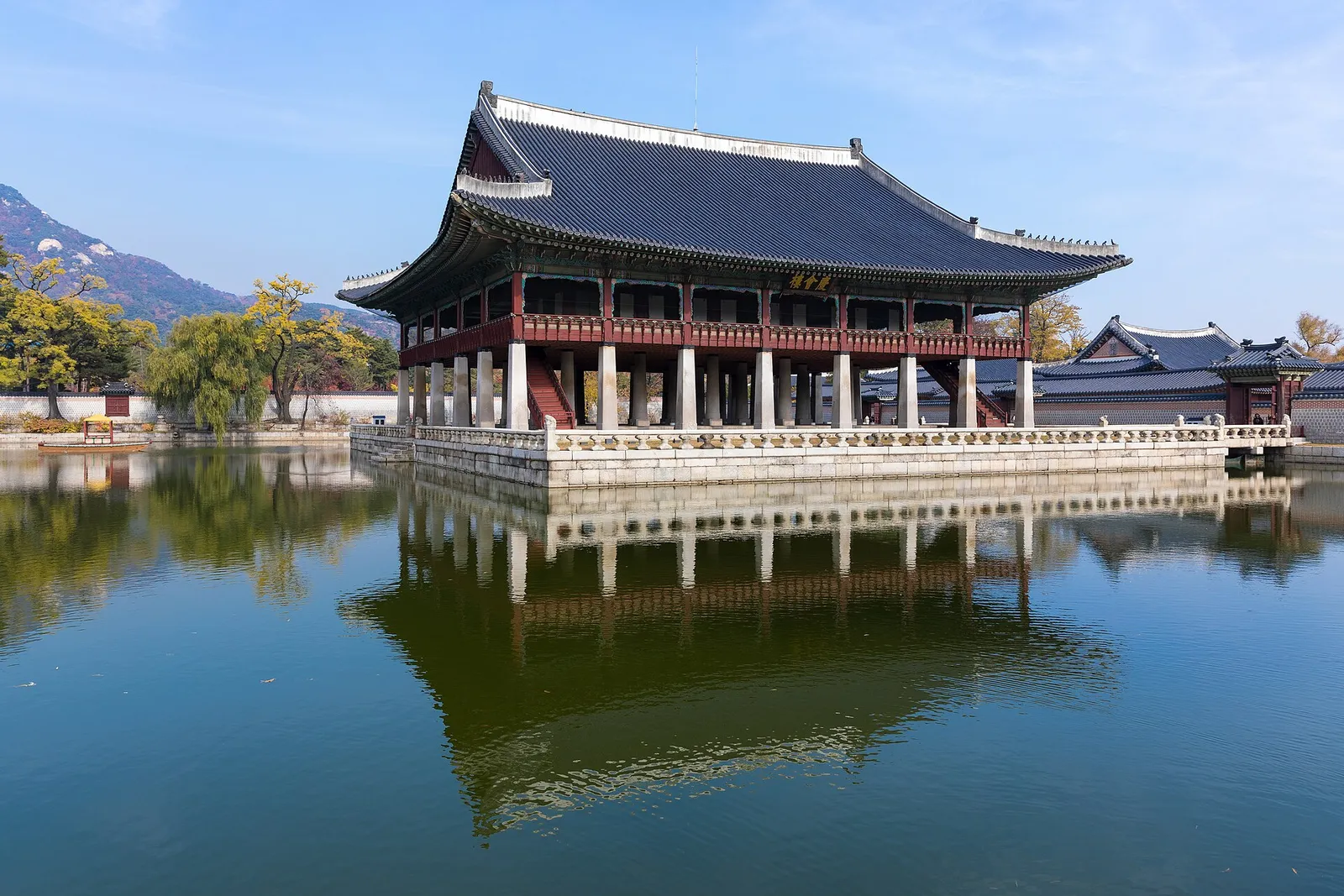
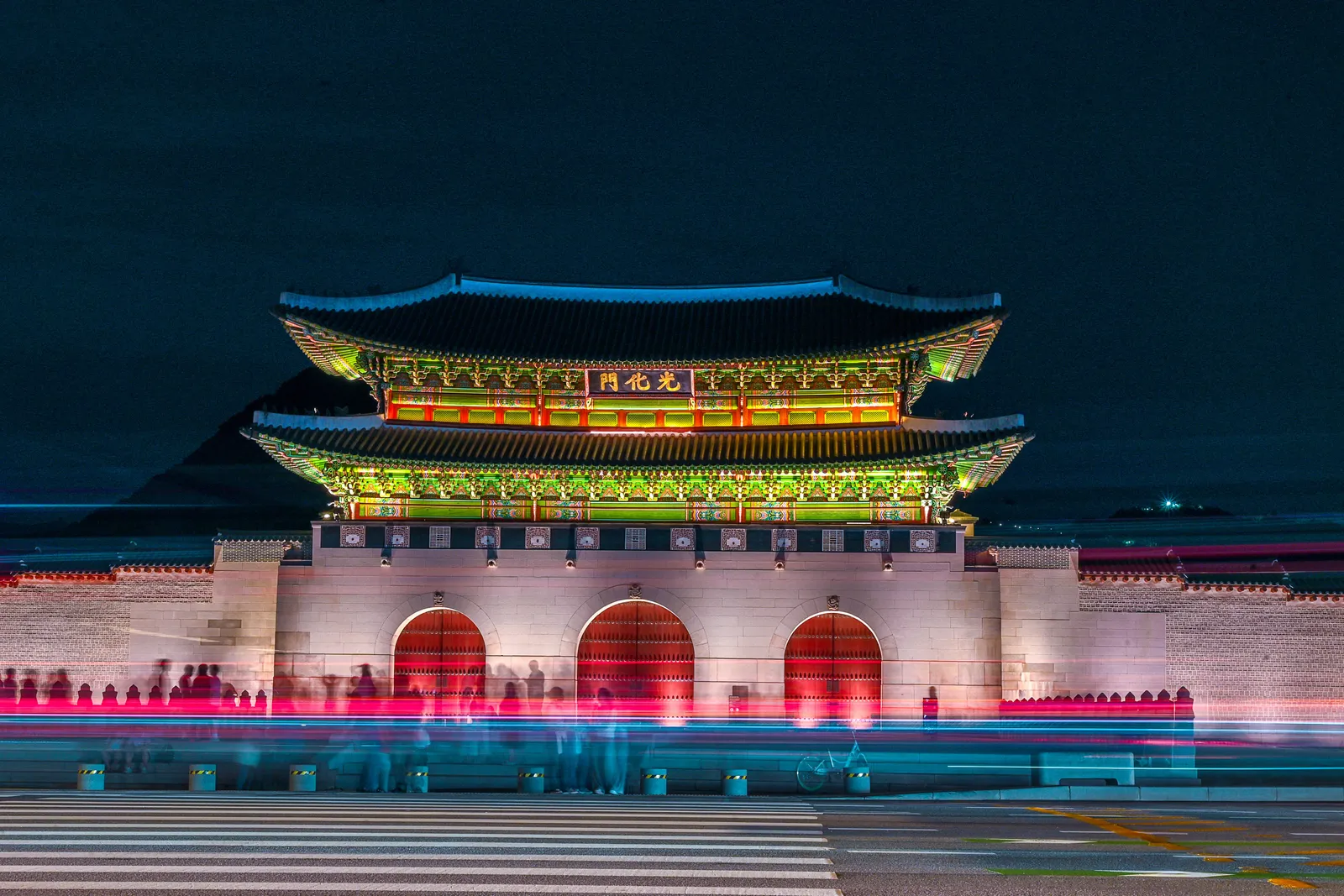
Seoul has five royal palaces, and visiting all of them is a mistake. Two do the job. Gyeongbokgung is the grandest, set against the mountains with the changing of the guard at its gate, and it is the one to see if you see only one. Changdeokgung is smaller, older-feeling and arguably lovelier, and its Secret Garden is the finest corner of royal Seoul, visited on a separate timed ticket that is worth booking.
Two practical points. Each palace closes one day a week, and crucially not the same day, so a morning planned around a single palace can find a locked gate; check before you go. And renting a hanbok from one of the shops nearby gets you in free while you are wearing it, which is why half the courtyard is in silk. It is enjoyable rather than embarrassing, and Koreans visiting with their families are doing exactly the same thing.
What to actually do
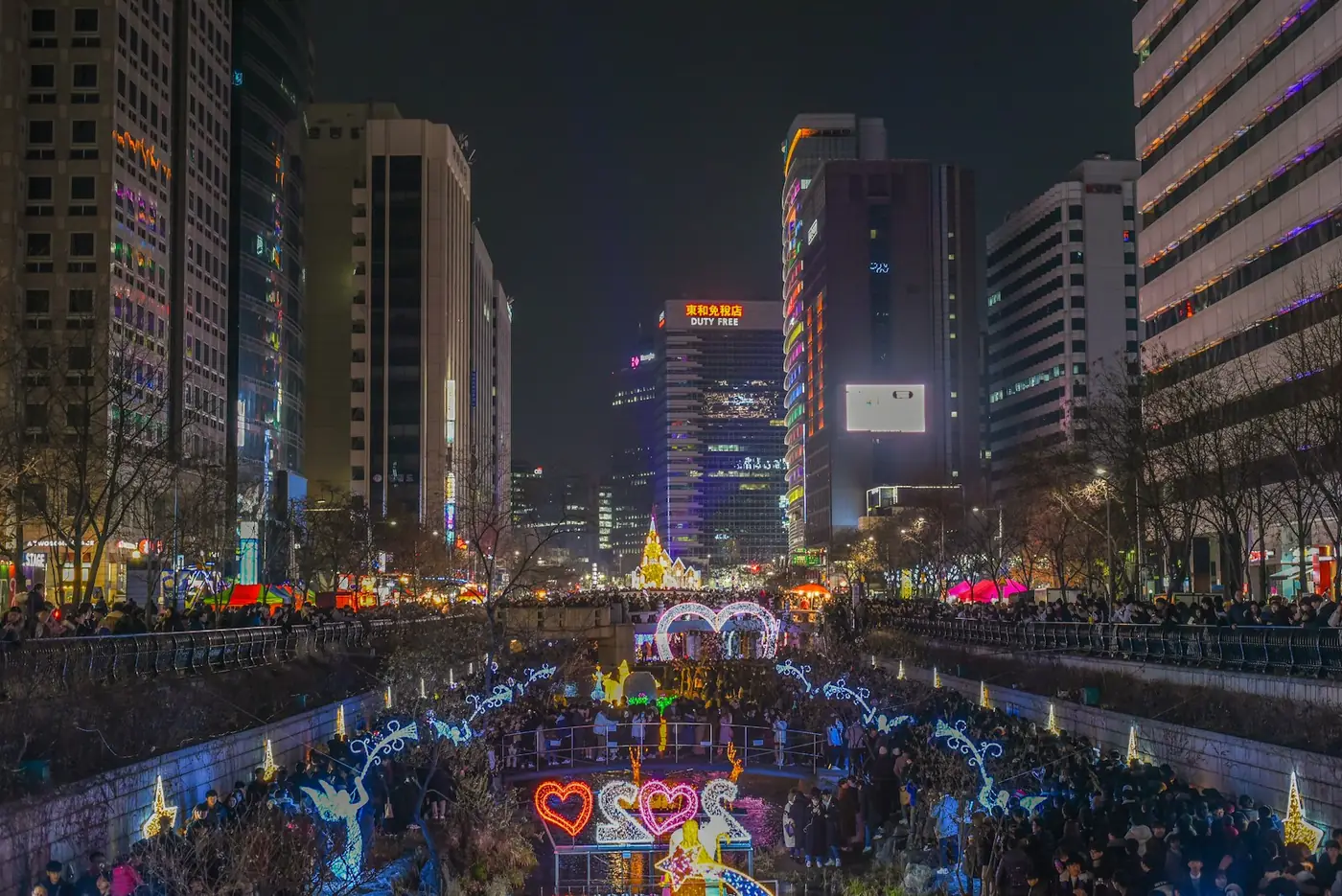
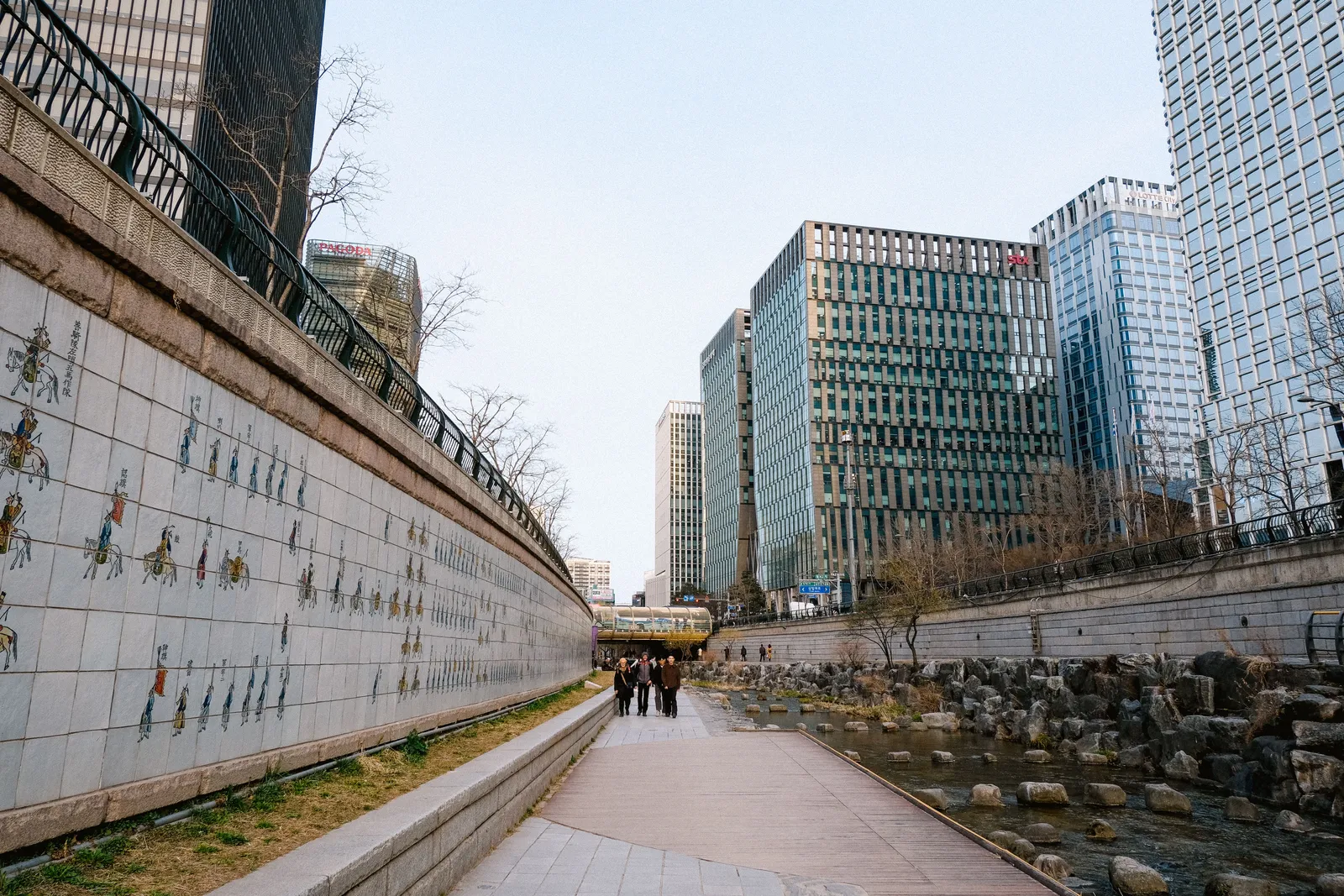
Start with the free and the historic. Watch the changing of the guard at Gyeongbokgung, then wander its courtyards; rent a hanbok nearby and your palace entry is free while you are wearing it. Get lost in the Bukchon Hanok Village, keeping in mind that its most photographed lane, Bukchon-ro 11-gil and the streets around it, is a restricted zone that takes tourist visits between 10:00 and 17:00 only, with a fine for turning up outside them, so aim for the first hour after opening, before the crowds and the residents’ patience wear thin. Walk the restored Cheonggyecheon stream through downtown, and browse the endless stalls of Gwangjang Market with a bindaetteok mung-bean pancake in hand.
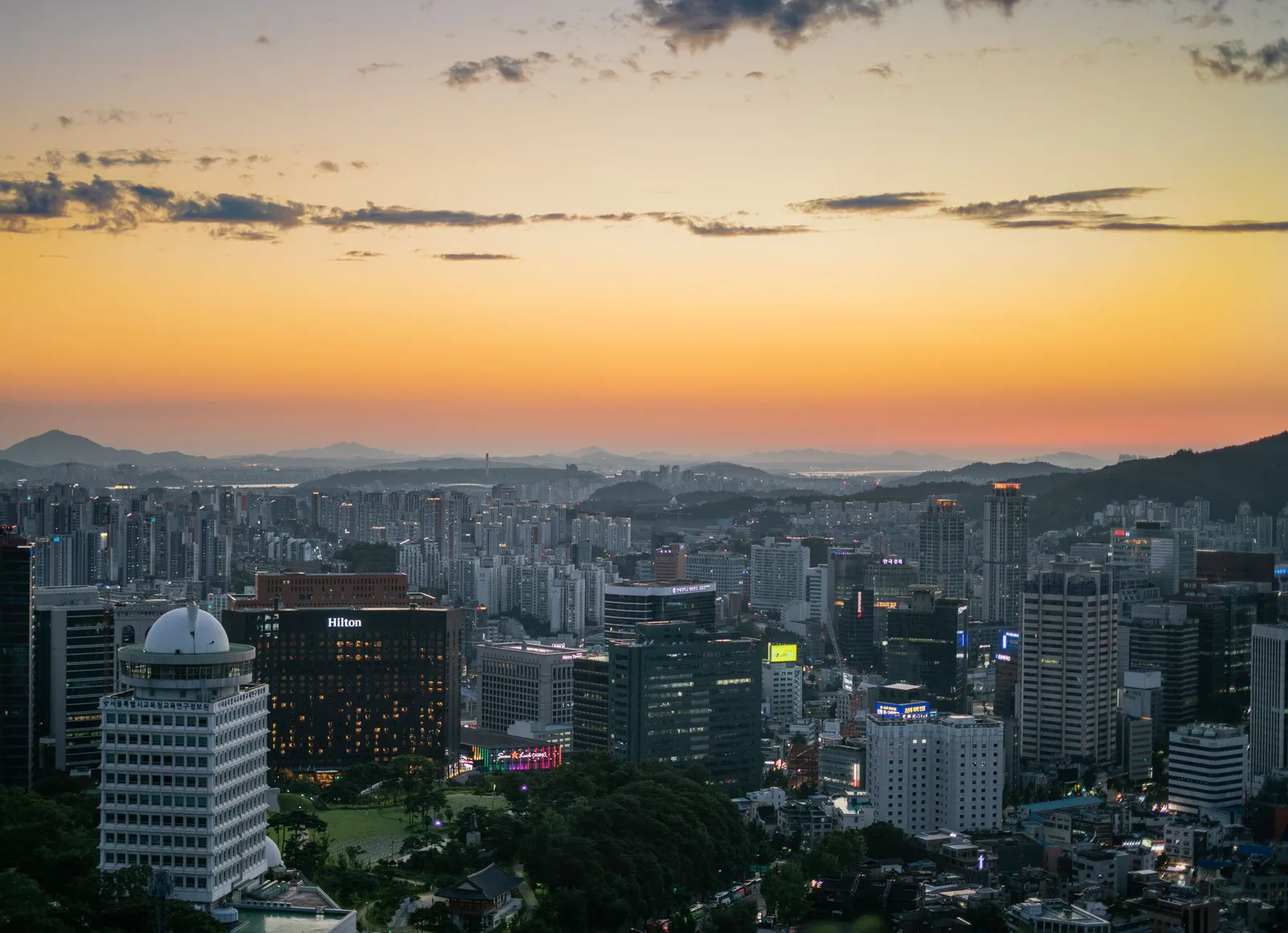
Then pick your splurges. A DMZ tour to the tense border with the North is one of the most memorable half-days in the country and must be booked ahead through an authorized operator. Know what you are actually booking: the standard tours run to the Third Infiltration Tunnel, the Dora Observatory looking across into North Korea, and Imjingak park, all of which reliably operate. The Joint Security Area at Panmunjom, with the blue huts straddling the line, is a separate and far more restricted trip that has been closed to routine tourist visits since 2023, and any operator promising it should be treated with caution. The War Memorial and the National Museum of Korea are both excellent and free. And at least one evening, ride up Namsan at dusk and watch the endless city switch on its lights below you.
Book the tours that sell outThe DMZ border trip and popular food walks fill up fast, so reserve the big ones before you arriveWhere to eat
Seoul is one of the great eating cities on earth, and the everyday food is the real story. Sit at a Korean barbecue grill and cook marbled pork belly or short rib at your table. Slurp a bowl of kalguksu hand-cut noodles or a fiery budae jjigae army stew. Line up at a street cart for tteokbokki rice cakes, hotteok sweet pancakes and fresh gimbap.
For the full sensory version, spend an evening at Gwangjang or Namdaemun market, eating your way from stall to stall. Then follow curiosity down a side street, because some of the best meals in Seoul happen when you sit at a six-seat counter with no English sign and simply point.
The daytime city: cafes, river and hills
Seoul’s cafe culture is not a footnote, it is where a large part of the city’s social life happens, and the spaces are frequently extraordinary: converted warehouses in Seongsu, rooftop terraces, tiny specialist roasters, and dessert served as the main event. Spending two hours in one is a normal Korean afternoon rather than an indulgence, and each neighbourhood does it differently.
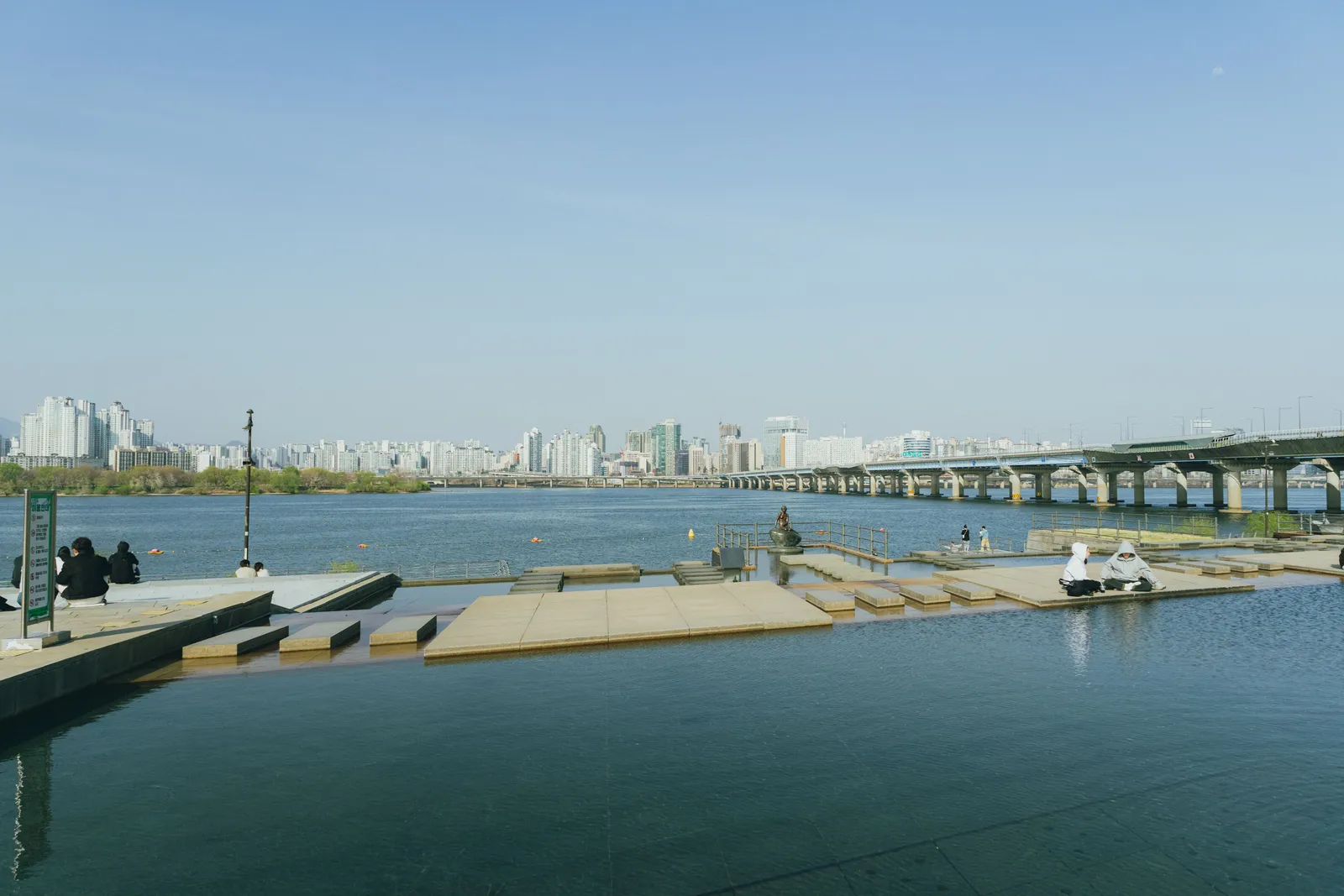
The other two daytime pleasures are free. The Han River parks run along both banks with bike hire, lawns and the local ritual of eating instant noodles from a riverside convenience store while the sun goes down, which is more fun than it sounds. And the mountains, which is the thing nobody expects of a city this size: Bukhansan and several smaller peaks rise inside the city limits, reachable by metro, with proper trails and a view back over ten million people.
Nightlife, done right
Seoul after dark is a choose-your-own-adventure. For energy and youth, dive into the clubs, live-music bars and pojangmacha street tents of Hongdae. For a more international scene, work through the bars of Itaewon. For upscale lounges and clubs, head south to Gangnam.
Do not miss the quieter Korean traditions either: a noraebang private karaoke room where you sing until the small hours, a hof beer hall over fried chicken and cold lager, the beloved pairing Koreans call chimaek. The metro stops around midnight and restarts before dawn, so either plan the last train or plan to stay out until the first one.
Easy day trips
When the city gets loud, the escape valves are close. The DMZ sits about an hour north and is visited on a guided tour, taking in the infiltration tunnel and the observatory over the border, though the Panmunjom truce village itself is not part of a standard trip. Suwon, half an hour south by train, has the magnificent walled fortress of Hwaseong. The folk village and palaces of Yongin, the porcelain kilns of Icheon, and the hiking trails of Bukhansan National Park, which begin inside the city limits, all make easy outings. Some are comfortable on public transport and some are far easier with a tour, which is the question worth settling before you set an alarm.
Where to stay
The rule is simpler than the list of neighbourhoods suggests: be within a few minutes of a metro station, and everything else is preference. Myeongdong and around Seoul Station are the safe first-timer choice, central and superbly connected, if a little characterless. Insadong or Bukchon put you among the palaces and hanok lanes for a more traditional feel. Hongdae suits younger travellers who want to walk home from the bars. Gangnam is polished, business-like and further from the historic sights than most first visits want.
One thing to weigh: Seoul is enormous, and a cheap room forty minutes out costs you eighty minutes a day for the length of the trip. Paying a little more to be central is usually the better deal here.
Seoul, then where?
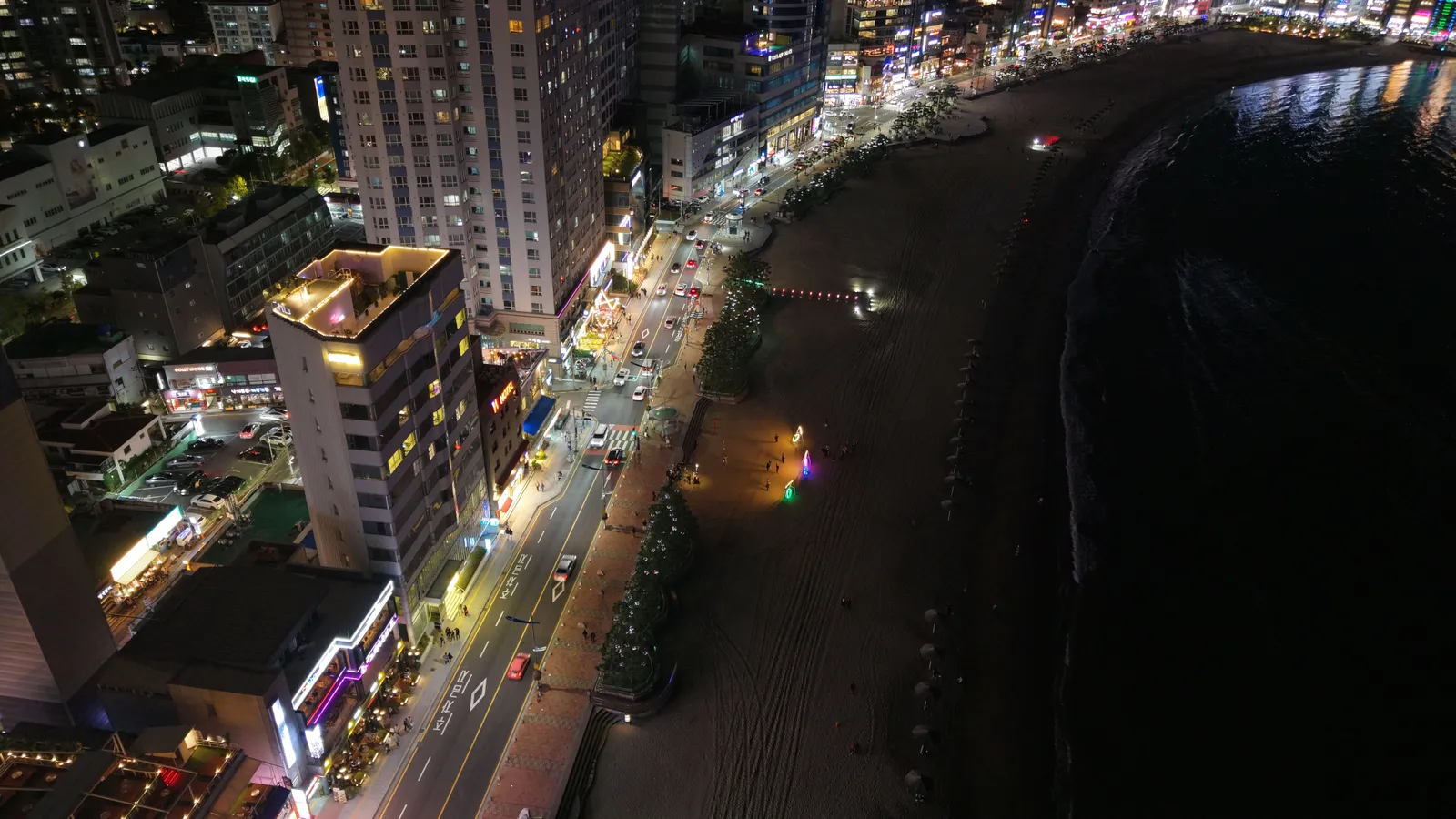
Three or four days in Seoul is the right length, and the natural second stop is Busan, two and a half hours away on the fast train and a completely different Korea: coastal, slower, warmer and built around beaches and seafood rather than palaces and neon. Our guide to Busan covers what to do with two or three days there.
The other strong option is Jeju, a short flight south for volcanic landscapes and coastal walking. Either turns a city break into a proper trip, and both are easy enough that not doing one is usually a matter of days rather than difficulty.
Practicalities that make Seoul easy
Four things cover almost everything. Get a T-money card at any convenience store on arrival and use it for the metro, buses and small purchases. Install a Korean map app before you leave home. Expect cards everywhere and contactless as the default, with a little cash useful only at market stalls. And do not tip, since it is not part of the culture here.
Two more worth knowing. Larger shopping purchases can qualify for a tax refund for foreign visitors, with kiosks at the airport, so keep receipts if you buy anything substantial. And connectivity is excellent, with widespread public wifi, though an eSIM sorted before you fly is the simplest way to have data from the moment you land.
The short version
Do not try to conquer Seoul, inhabit a few corners of it. Base yourself near a central metro line, get a T-money card and a Korean map app, and give each day to one or two neighborhoods with plenty of eating in between. Book any DMZ tour and headline experiences ahead, save a night for a noraebang and fried chicken, and slip out to Suwon or the DMZ when you want a change of scene. Seoul does not reward the checklist. It rewards the wanderer with an appetite.
And if a particular series is what brought you here, our guide to drama filming locations covers which of them are ordinary public streets and which need a ticket.
Two decisions shape all of that before you arrive. Which district you sleep in determines which of these neighbourhoods you walk to and which you commute to, and in a city this size the difference is an hour a day; our guide to where to stay in Seoul compares them. And the five minutes on the numbers, particularly the round-the-clock helpline with interpreters, which is the thing that turns a language problem into a short phone call; our guide to emergency numbers in Korea covers it.
The river is the part of Seoul that visitors walk past and residents live on. Our guide to the Han covers the picnic parks, the cycle path and where the sunset is actually worth planning around.