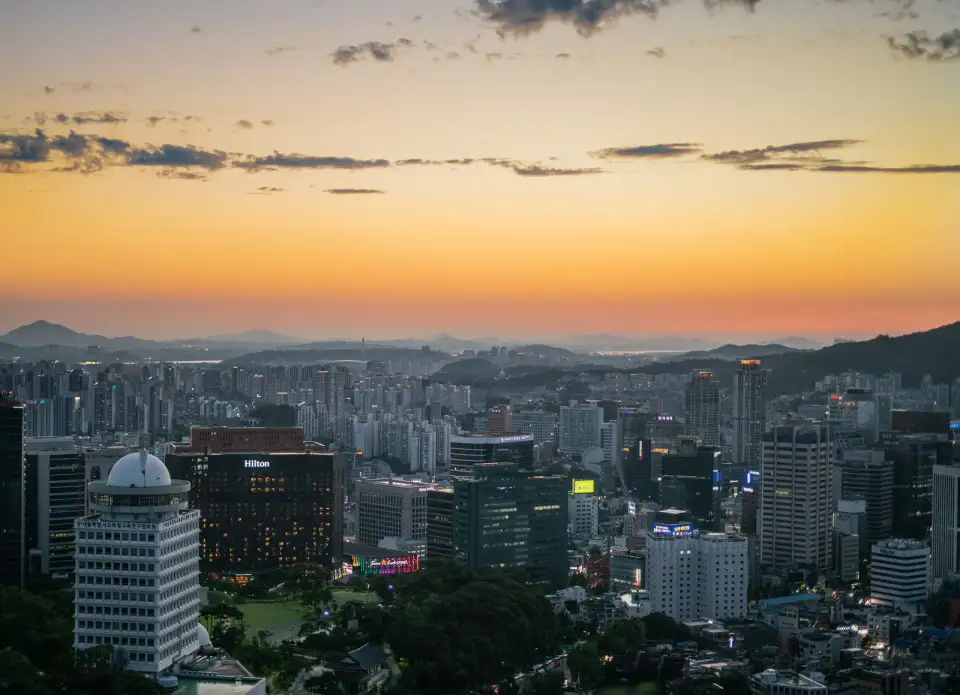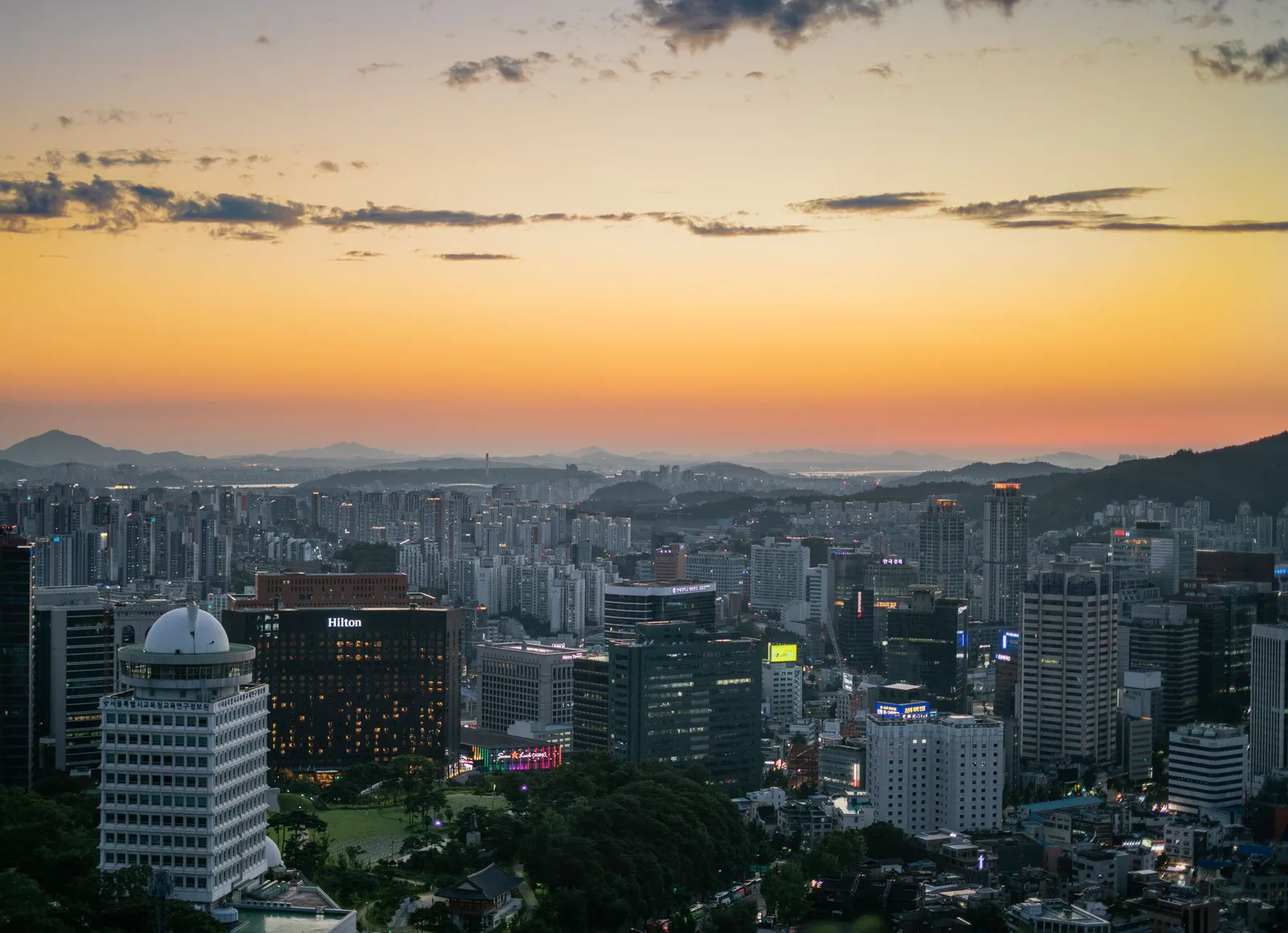
Seoul is a city of ten million people spread over both banks of a wide river, and the district you book decides more about your trip than the hotel does. Get it right and the palaces, the markets and the food streets are a walk away. Get it wrong and you spend an hour a day on a train that is excellent but is still an hour. Here is what each of the main areas is actually like, including at midnight, and the single check that matters more than any of them.
The areas, and who each suits
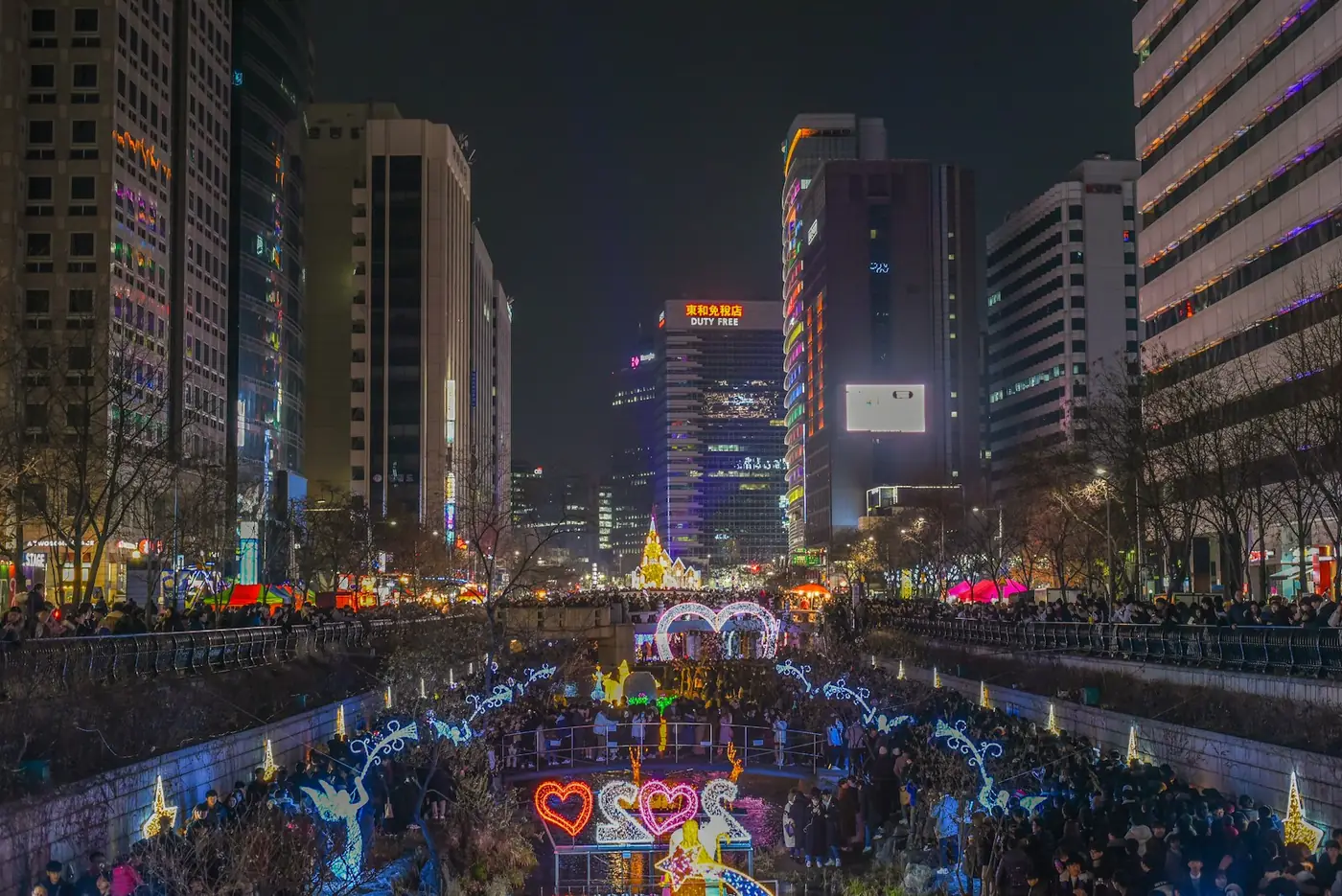
Myeongdong is the tourist heart: shopping streets, street food, cosmetics shops, hotels at every price and several subway lines. It is convenient, central and unapologetically commercial, and it is busy from morning until late. Best for a first visit where convenience beats character.
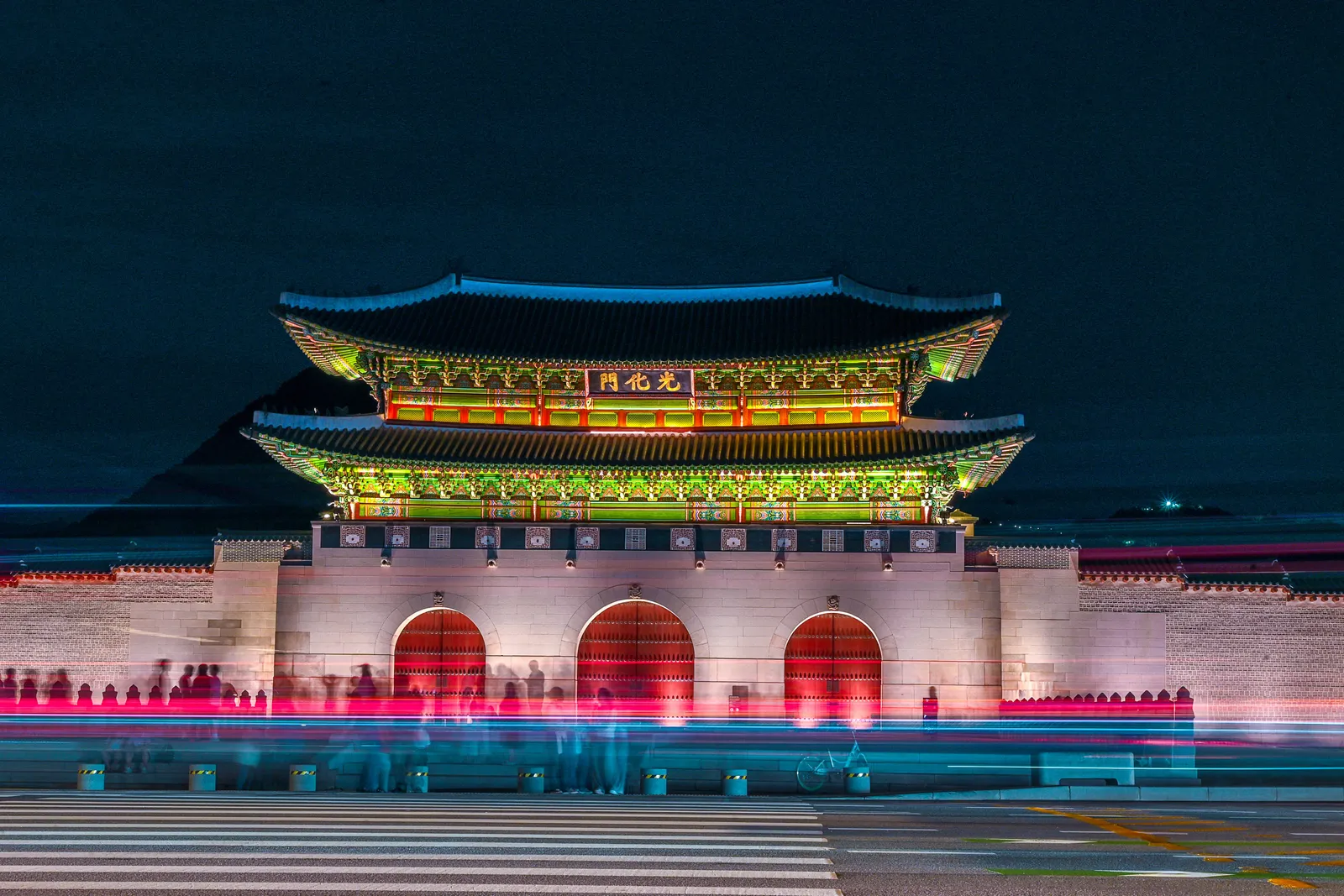
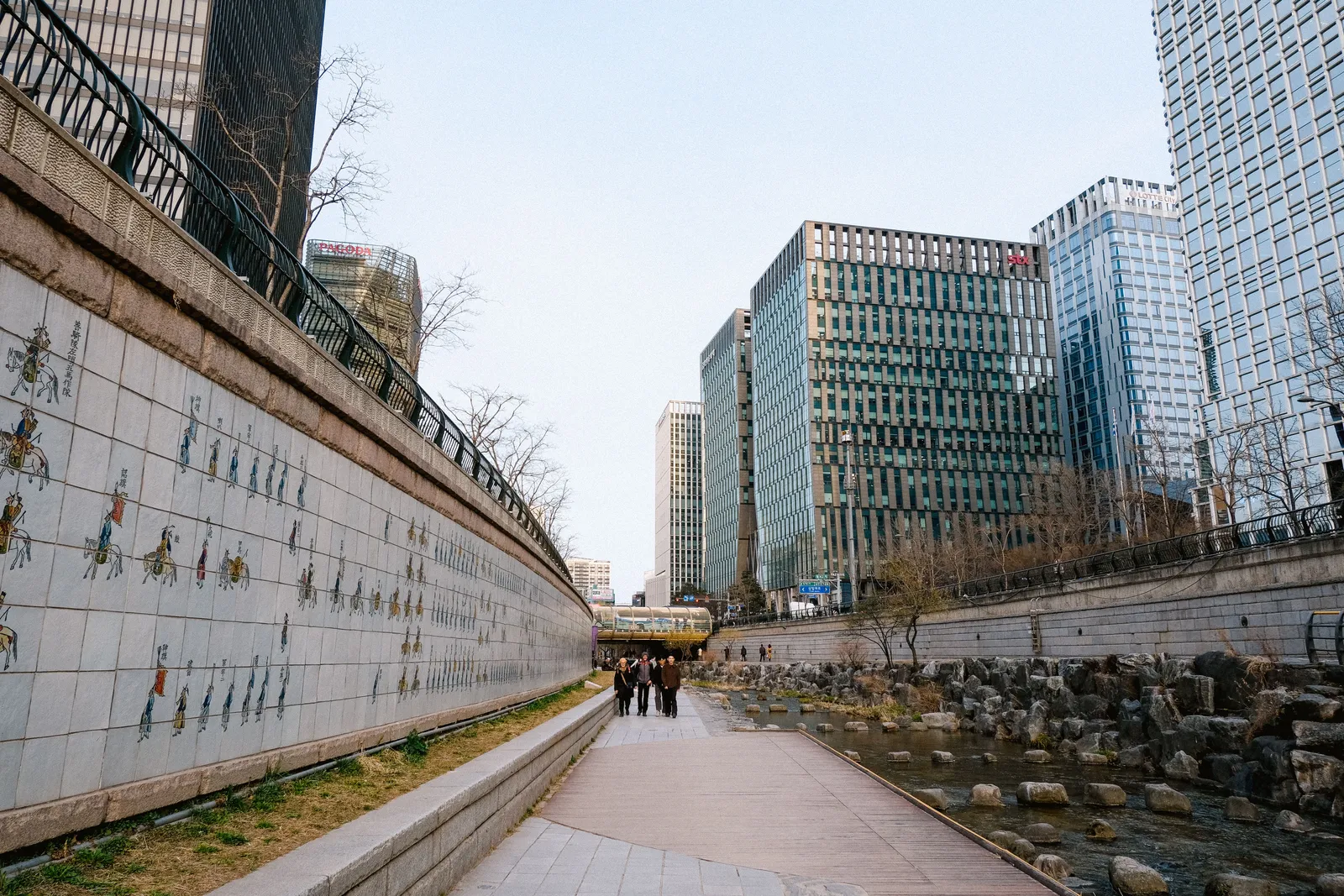
Jongno and Insadong put you in the old city, within walking distance of the palaces, the traditional tea houses and the markets, with a calmer evening than Myeongdong and equally good transport. Best for a first visit where character matters.
Hongdae is the student and music district: cheap food, live venues, bars and the latest nights in the city. Best for a younger crowd and anyone whose trip has a soundtrack.
Itaewon is the international quarter, with the widest range of foreign food and a more mixed nightlife. Best for longer stays and for travellers who want a break from Korean food, which does happen.
Gangnam is the modern business and shopping district south of the river: newest hotels, widest streets, least old-Seoul atmosphere. Best for business and for shopping-led trips.
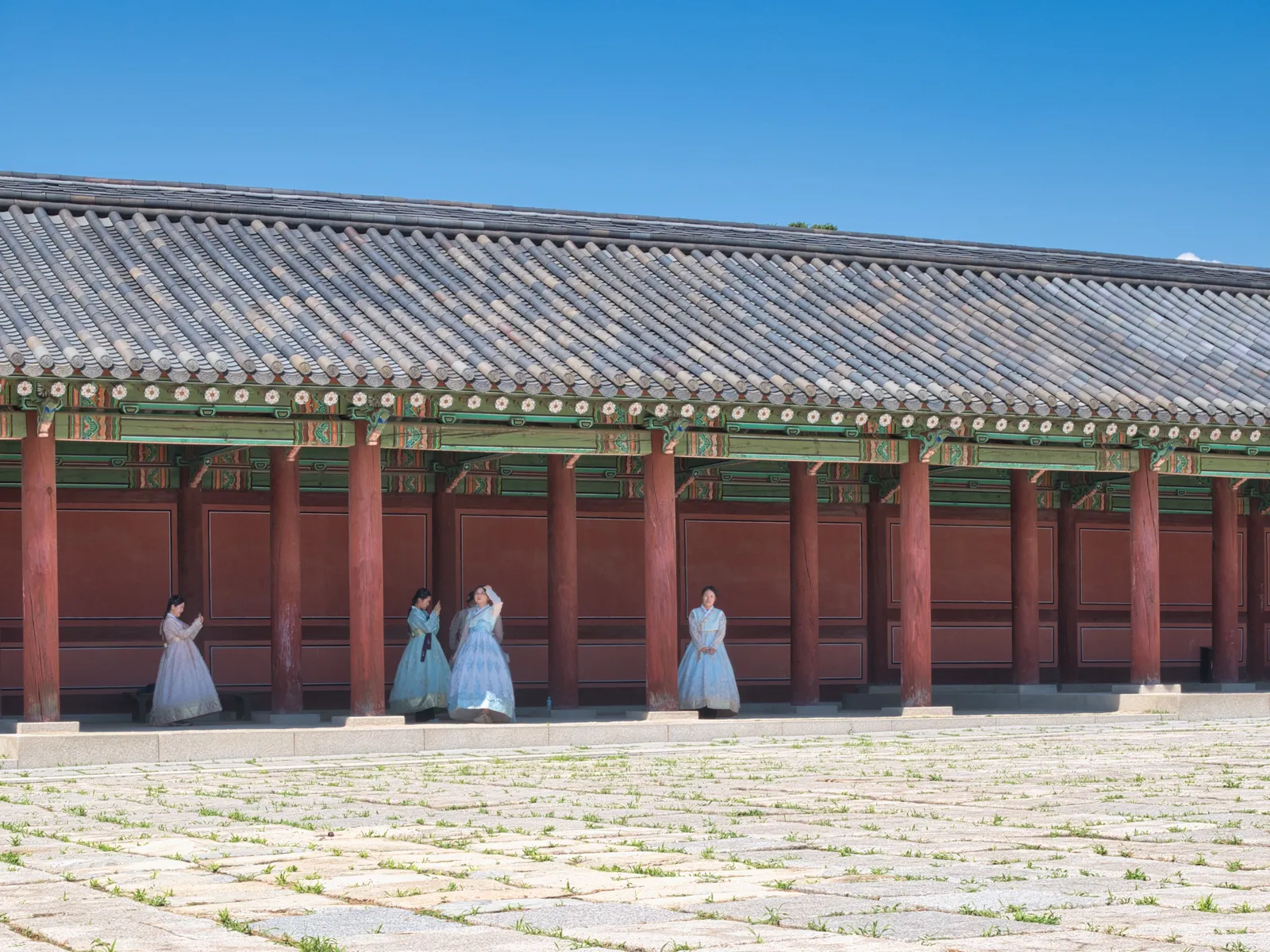
Bukchon and Seochon are the hanok quarters, residential and beautiful, with converted traditional houses to stay in. Best for a night or two of something memorable rather than a base.
The check that matters more than the district
Almost every regret about a Seoul hotel is a transport regret rather than a neighbourhood one.
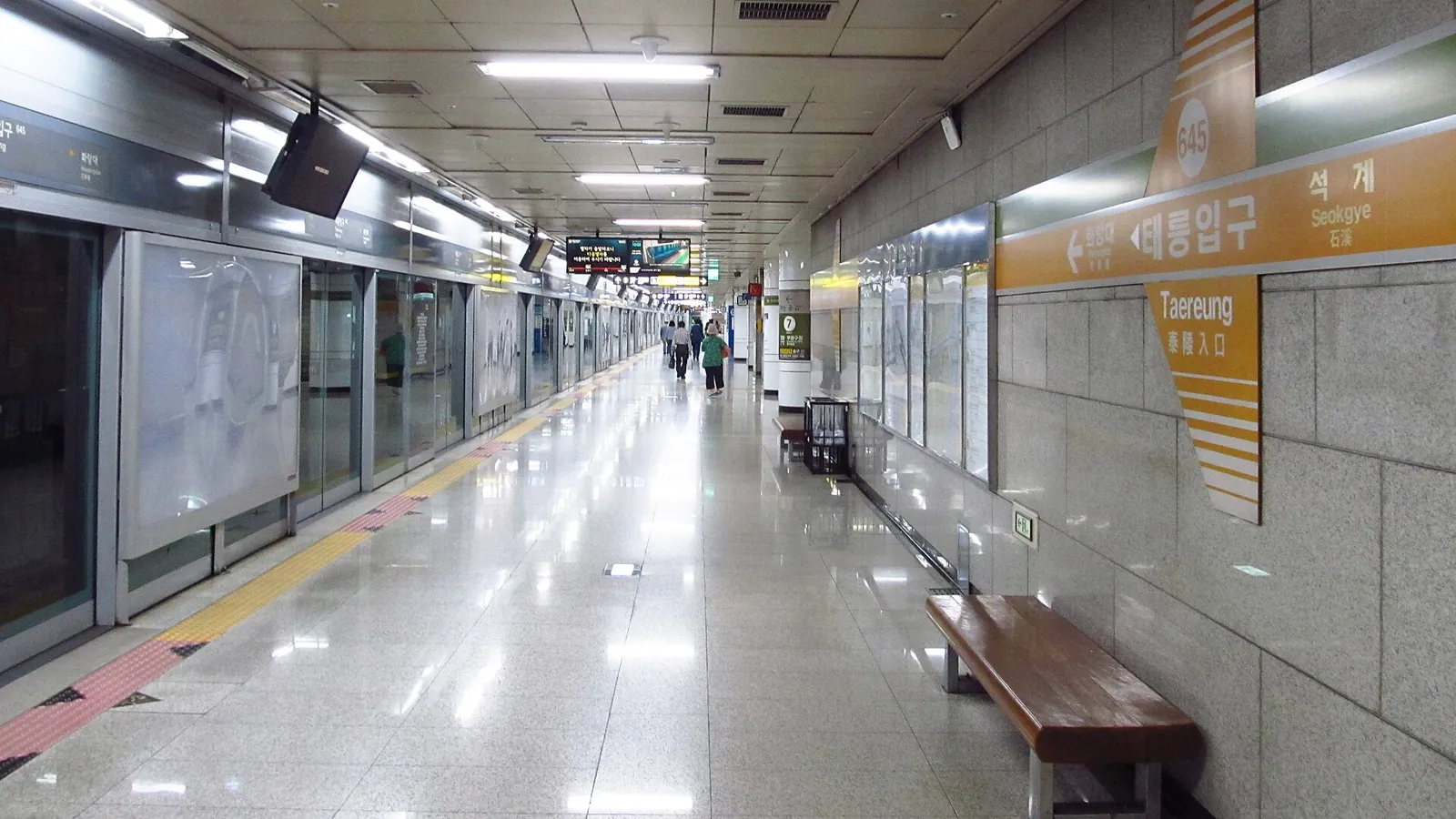
Look at the subway first. Seoul’s system is superb, cheap and signposted in English, and it is how the city is actually crossed. A hotel two minutes from a station on an intersecting line beats a nicer one fifteen minutes’ walk from a single line, every time.
Check the exit number, not just the station. Major Seoul stations have a dozen or more exits spread across a large area, and “next to the station” can mean a ten-minute walk underground with a suitcase.
Check the floor area. Central Seoul rooms are compact and the photographs flatter them.
North of the river or south
This is the real dividing line and it is worth understanding before comparing hotels.
North of the Han is old Seoul: the palaces, the hanok quarters, the markets, the historic streets, and the districts most visitors picture. Myeongdong, Jongno, Insadong, Hongdae and Itaewon are all here.
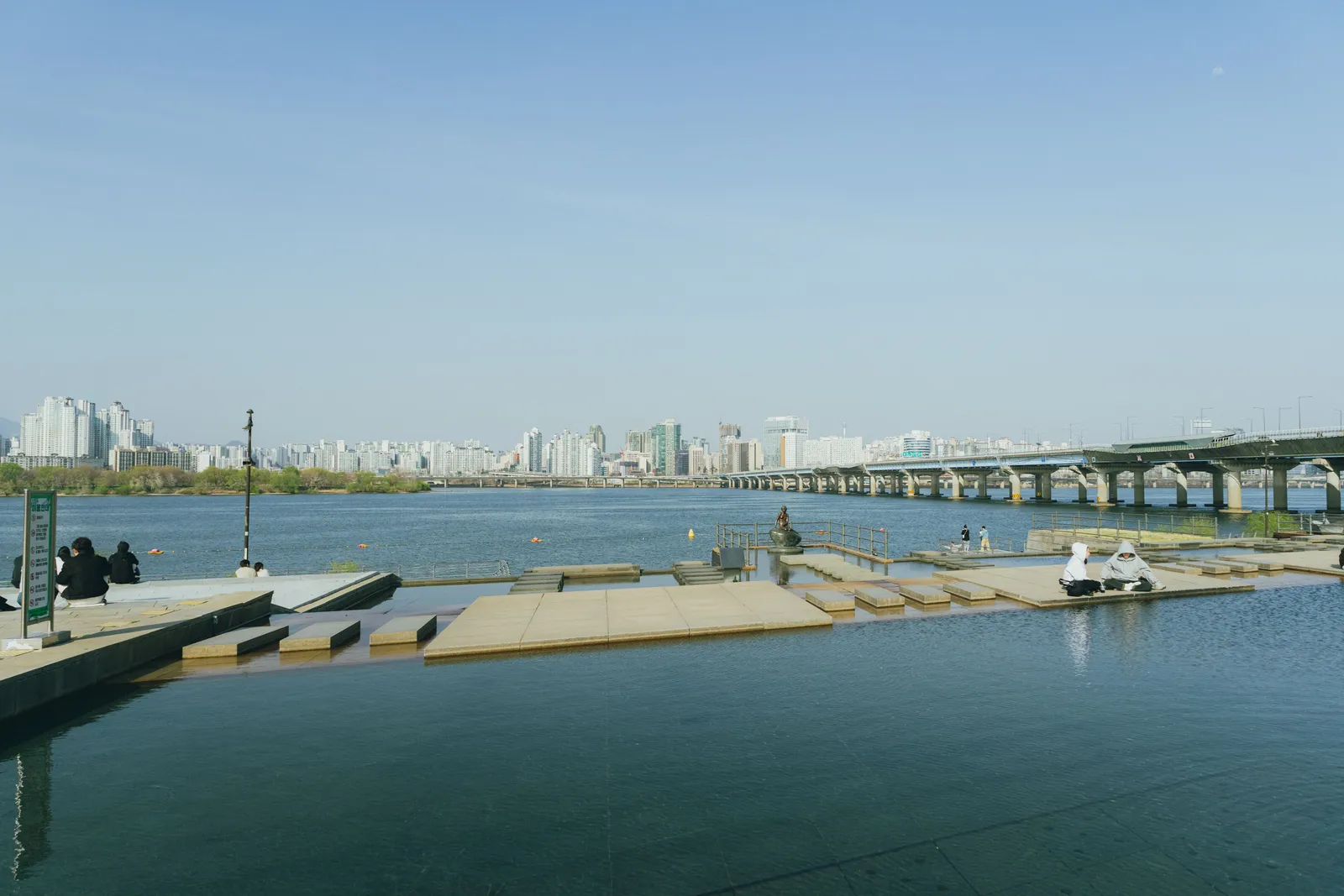
South of the Han is newer Seoul: Gangnam and its neighbours, built later and built wide, with the shopping, the corporate towers and the newest accommodation.
For a short first trip, north of the river is almost always the answer, simply because that is where the things you came to see are. Our Seoul guide covers what those things are and how they cluster, which is worth reading before you pick a district.
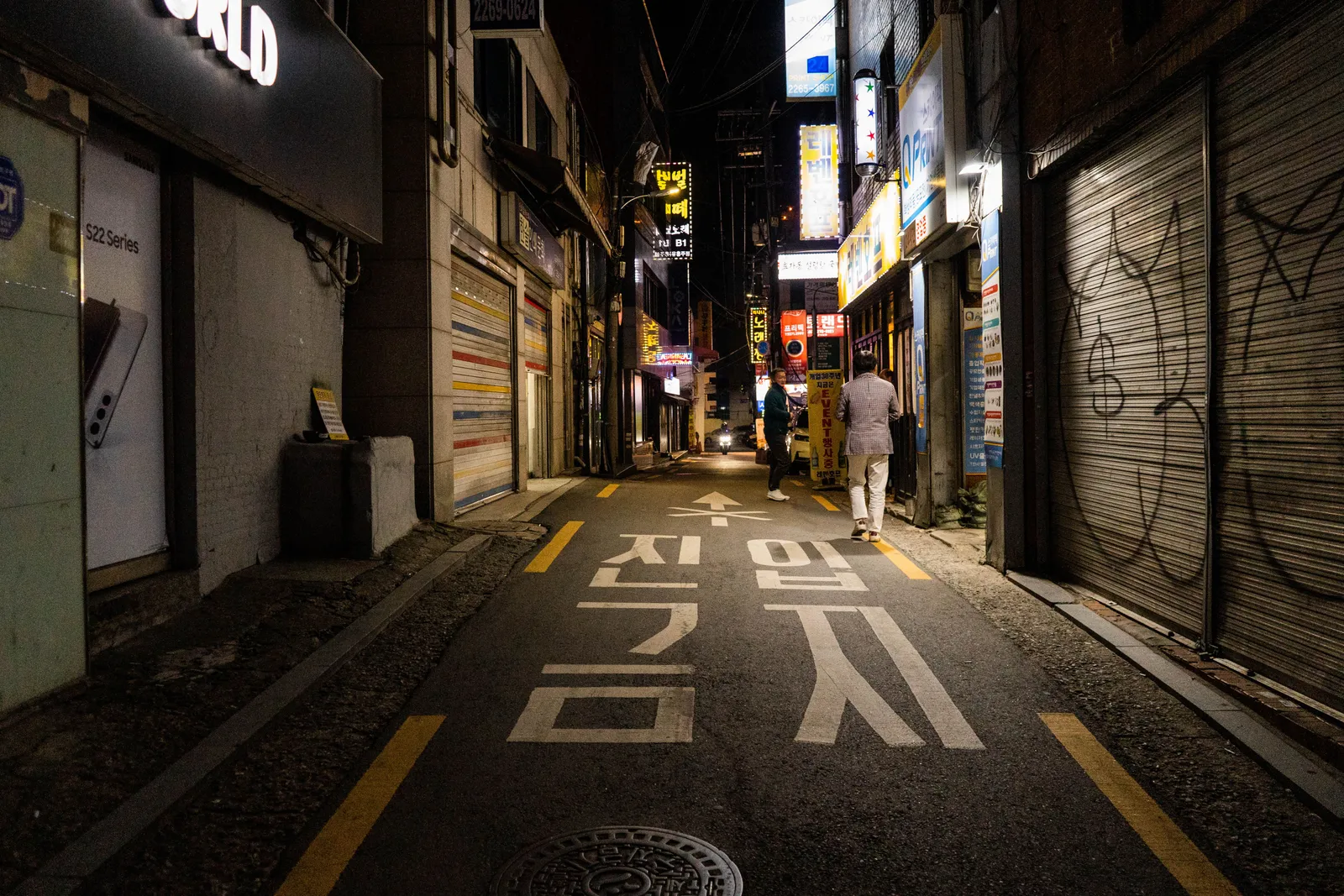
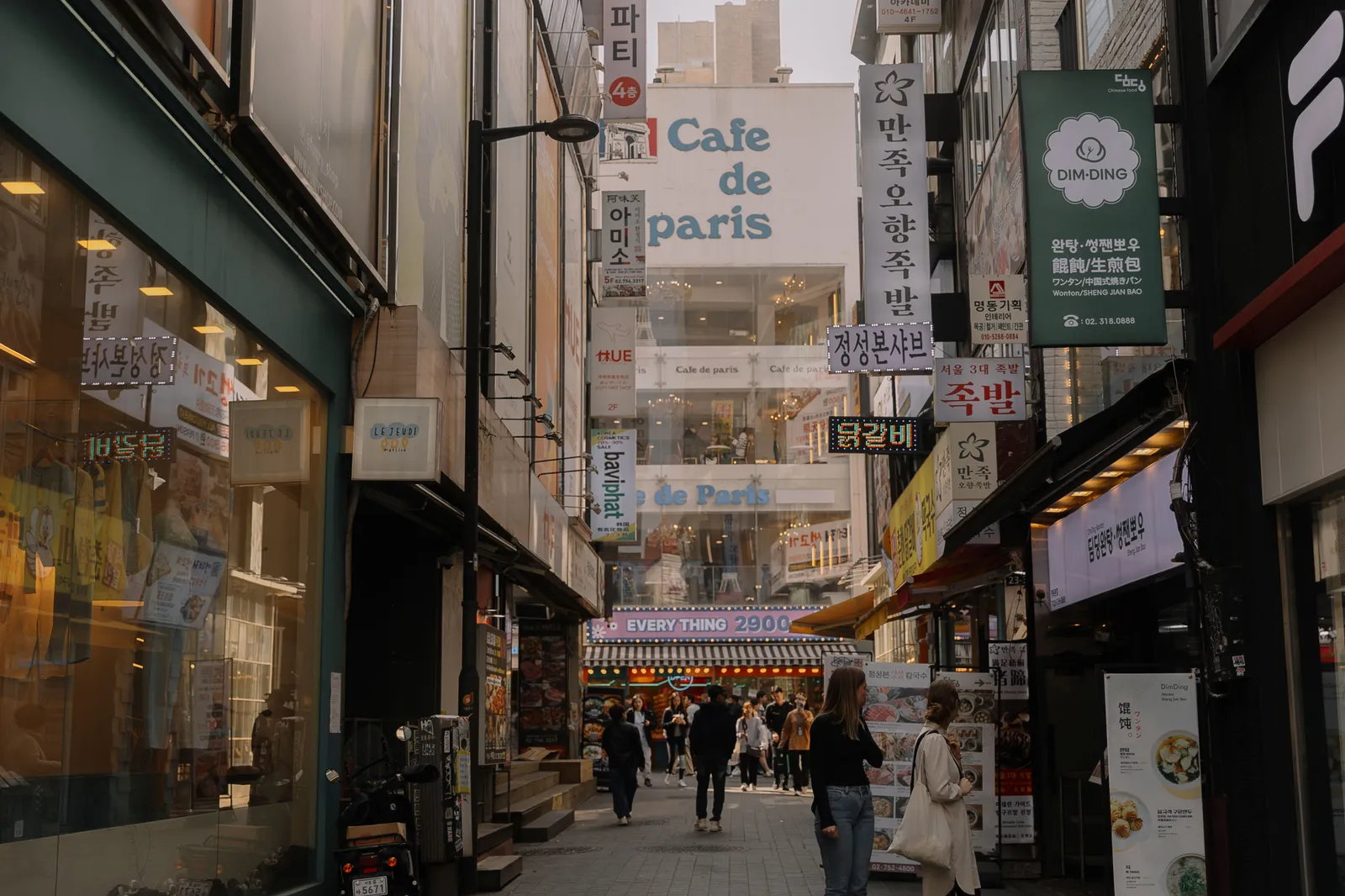
Types of accommodation
Seoul offers a wider range of accommodation types than most cities, and two of them are unfamiliar to visitors.
Hotels run from international chains to small business hotels, and the mid-range business hotel is the reliable workhorse: small, clean, well located, unremarkable.
Guesthouses and hostels cluster in Hongdae and around the old city, and the standard is generally high.
Hanok stays are converted traditional houses with courtyards, wooden structure and floor bedding. Wonderful for a night, and worth knowing that floor sleeping and shared bathrooms are part of the deal.
Serviced residences and officetels suit longer stays, with a kitchen and a washing machine, and they are the sensible choice for anything beyond a week.
Love hotels exist in quantity, are perfectly respectable to use as budget accommodation, and are the reason some very cheap rooms have unusual decor.
Timing and booking
Two seasons drive demand and both are the ones you probably want.
Spring, around the blossom, and autumn, around the foliage, are the peaks. Rooms in the central districts go early and prices rise accordingly.
Summer is hot, humid and wet, and is correspondingly easier and cheaper.
Winter is cold, clear and quiet, with the ski season pulling demand out to the mountains rather than the city.
Whenever you come, the journey from the airport is worth settling in the same sitting as the room, because the right transfer depends entirely on which district you chose; our guide to Incheon Airport transfers covers the options district by district.
The short version
Stay north of the river on a first trip: Myeongdong for convenience, Jongno and Insadong for old-city character, Hongdae for nightlife, Itaewon for international food, and a hanok for a memorable night or two. Gangnam is comfortable and is not where the sights are. Check the subway line and the station exit before you check anything else, expect central rooms to be small, and book early for the blossom and the autumn colour.