South Korea sits in an unusual place on the money map: noticeably cheaper than Japan for the same trip, considerably dearer than Southeast Asia, and structured so that the everyday things are inexpensive while a few specific lines carry the cost. That shape is good news for a traveller who knows where it applies, because you can eat brilliantly and move constantly on very little, and then choose where to spend. Here is where the money actually goes.
The shape of a Korean budget
Three lines dominate, and they behave very differently.
Accommodation is the decision. It has the widest range of anything on the trip, and it is the one place where the difference between careful and careless is large. Everything else is priced within a fairly narrow band.
Food is the bargain. The everyday Korean meal is cheap, generous and excellent, and the free side dishes mean a modest order feeds you properly. You can eat superbly here without ever making it a budget decision.
Transport is cheap in the cities and moderate between them. A metro ride costs very little, an intercity bus is inexpensive, and the high-speed train is the one transport line that will make you think.
Around those sit the smaller variables: paid attractions, which are mostly modest, and the coffee-and-dessert habit, which is a genuine cultural institution and adds up faster than any single meal.
The single biggest multiplier across all of it is season. Cherry blossom and autumn colour lift accommodation prices everywhere at once, and travelling three weeks either side of them is the cheapest change you can make to a Korea trip.
Where you sleep, from cheapest to dearest
Korean accommodation is unusually well stratified, which makes it easy to pick a tier and stay there.
Guesthouses and hostels are the budget layer in every city, generally clean, safe and centrally located, with private rooms alongside dorms. This is where most independent travellers stay and there is no stigma to it.
Business hotels are the workhorse tier: compact, spotless, reliable, usually near a subway station, and often with coin laundry. Rooms are small by Western standards and efficient rather than luxurious, which is the same bargain Japan offers at a lower price.
Hanok stays, in traditional courtyard houses, are the memorable splurge and sit anywhere from mid-range to expensive depending on the house.
International hotels are priced as they are anywhere, and the value proposition is weaker here than the tiers below.
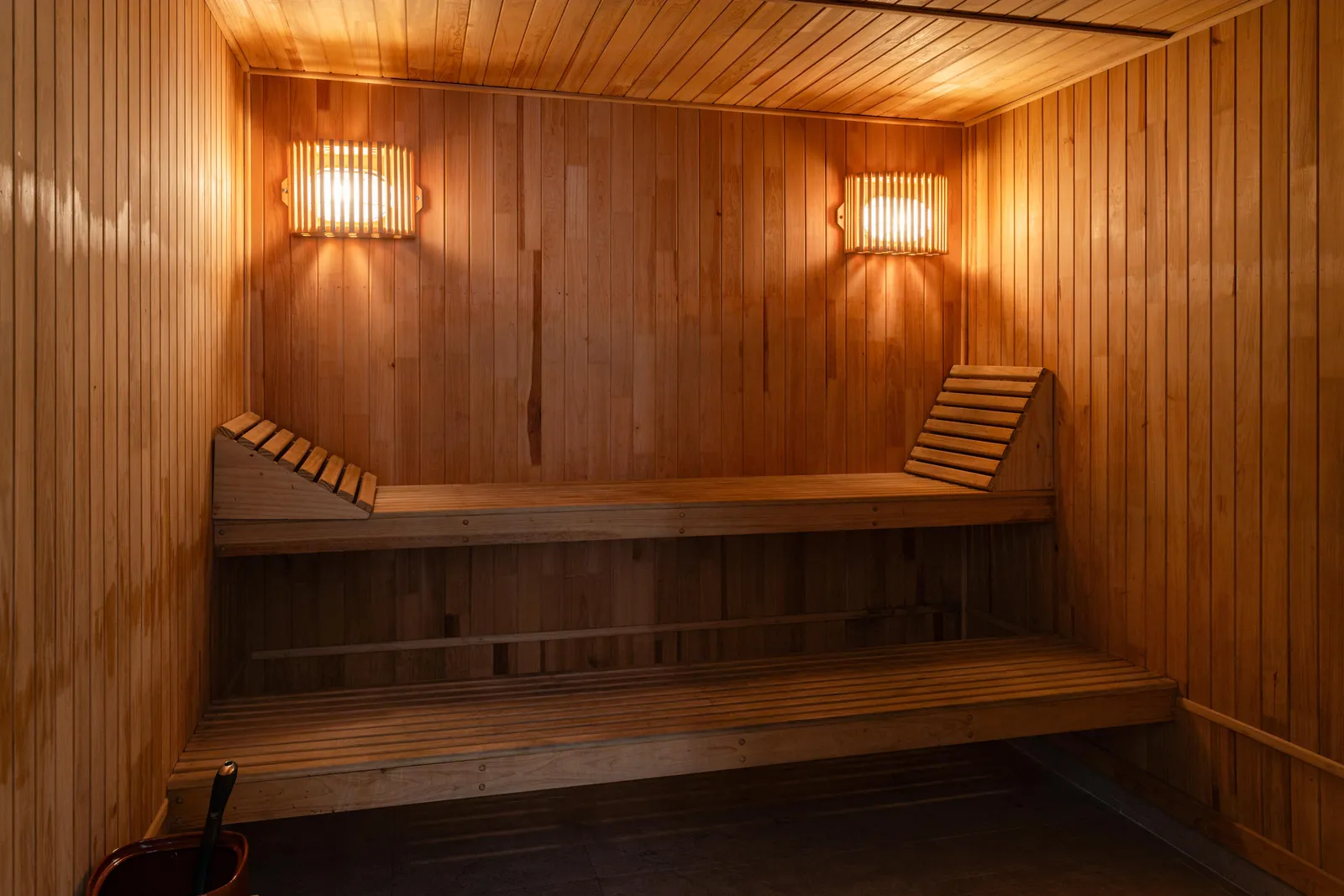
Two Korean specialities deserve a mention. Jjimjilbang, the bathhouse and sauna complexes, are open around the clock and used by locals as an emergency bed for a very small sum. It is a mat on a heated floor in a communal room rather than a hotel, and it is an experience worth having once. And love motels, despite the name, are frequently the best-value private rooms in a small city, perfectly ordinary to check into, and often larger than a business hotel room.
Eating well for very little
The reason Korea feels cheaper than it is on paper is that the food is so good at the bottom of the price range.
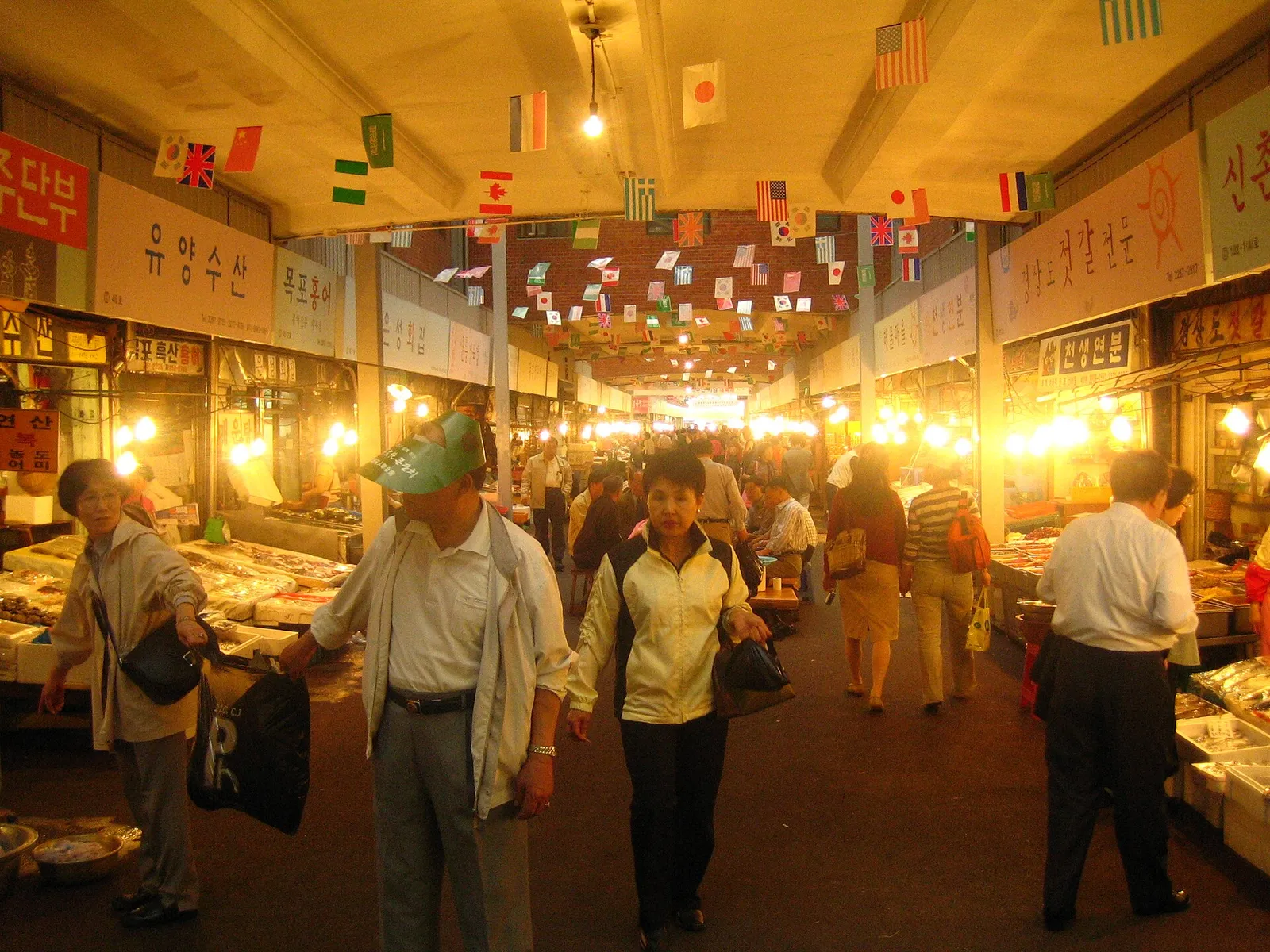
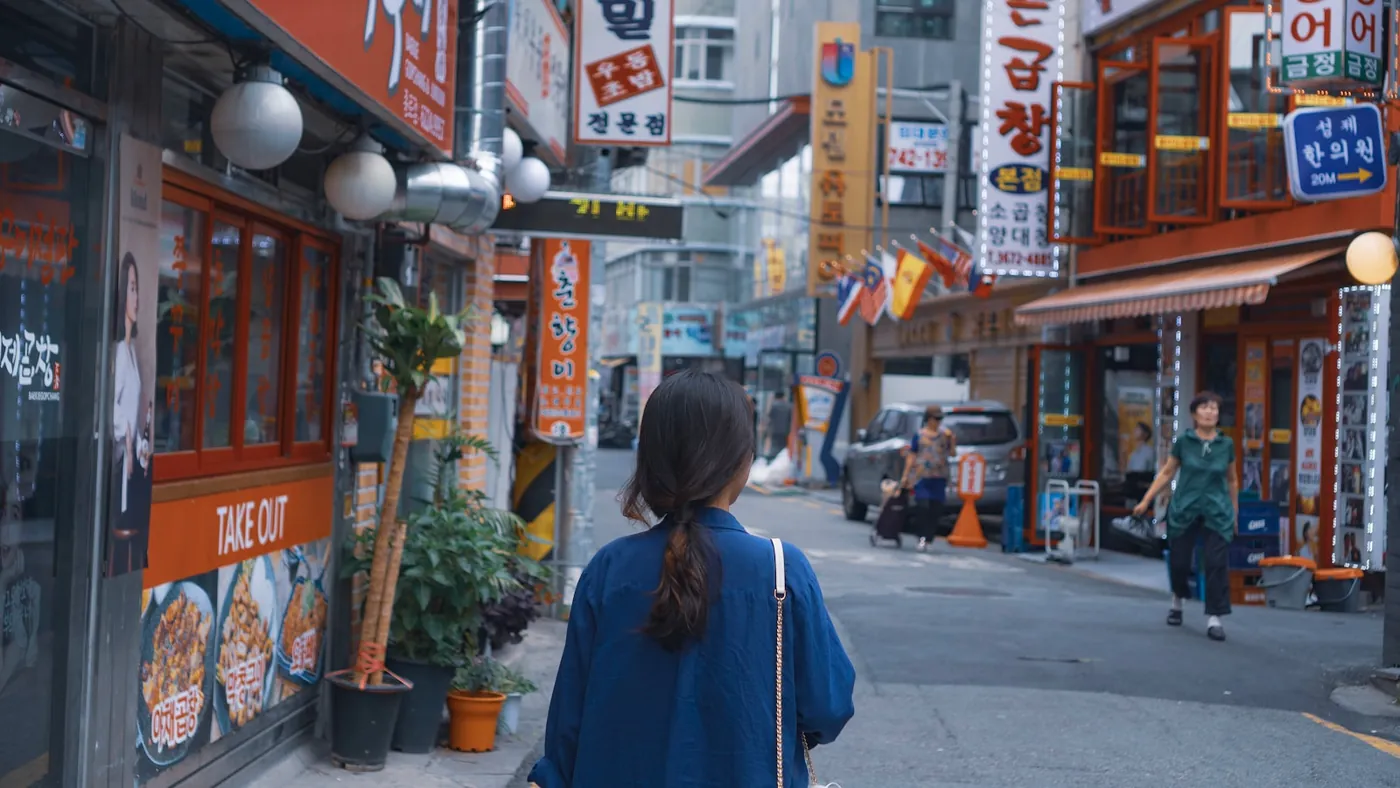
The cheapest tier is genuinely excellent: market stalls, noodle counters, gimbap shops, rice-and-stew places and the ubiquitous convenience stores, which sell hot food, instant noodles you cook at the counter and full meal boxes for very little. Korean students and office workers live on these, which is why they are good rather than sad.
The middle tier is the everyday restaurant, where a single main plus the banchan arrives at a modest price, and the side dishes are refilled for free. Ordering one dish per person and letting the banchan fill the table is exactly how locals eat and how the price stays low.
The step up is Korean barbecue and seafood, where the bill climbs quickly, particularly for beef. This is an occasion meal for Koreans too, and treating it as one rather than as a nightly habit keeps a budget intact.
The quiet budget leak is cafes. Korea has one of the most developed coffee cultures anywhere, the rooms are beautiful, sitting in one for two hours is a normal afternoon, and the prices are closer to Western capitals than to the noodle shop. It is worth doing and worth counting.
Getting around, and the one line that costs
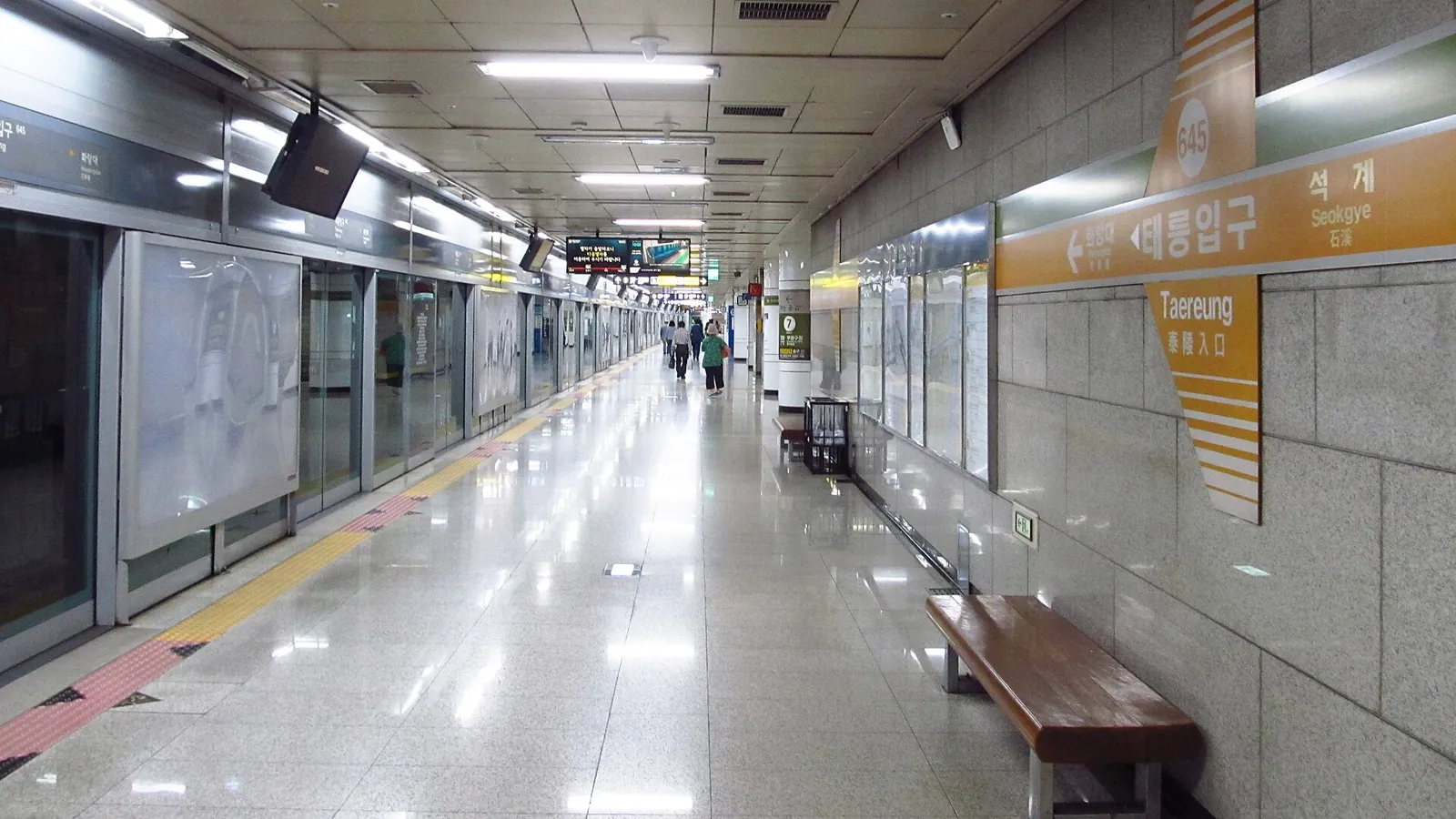
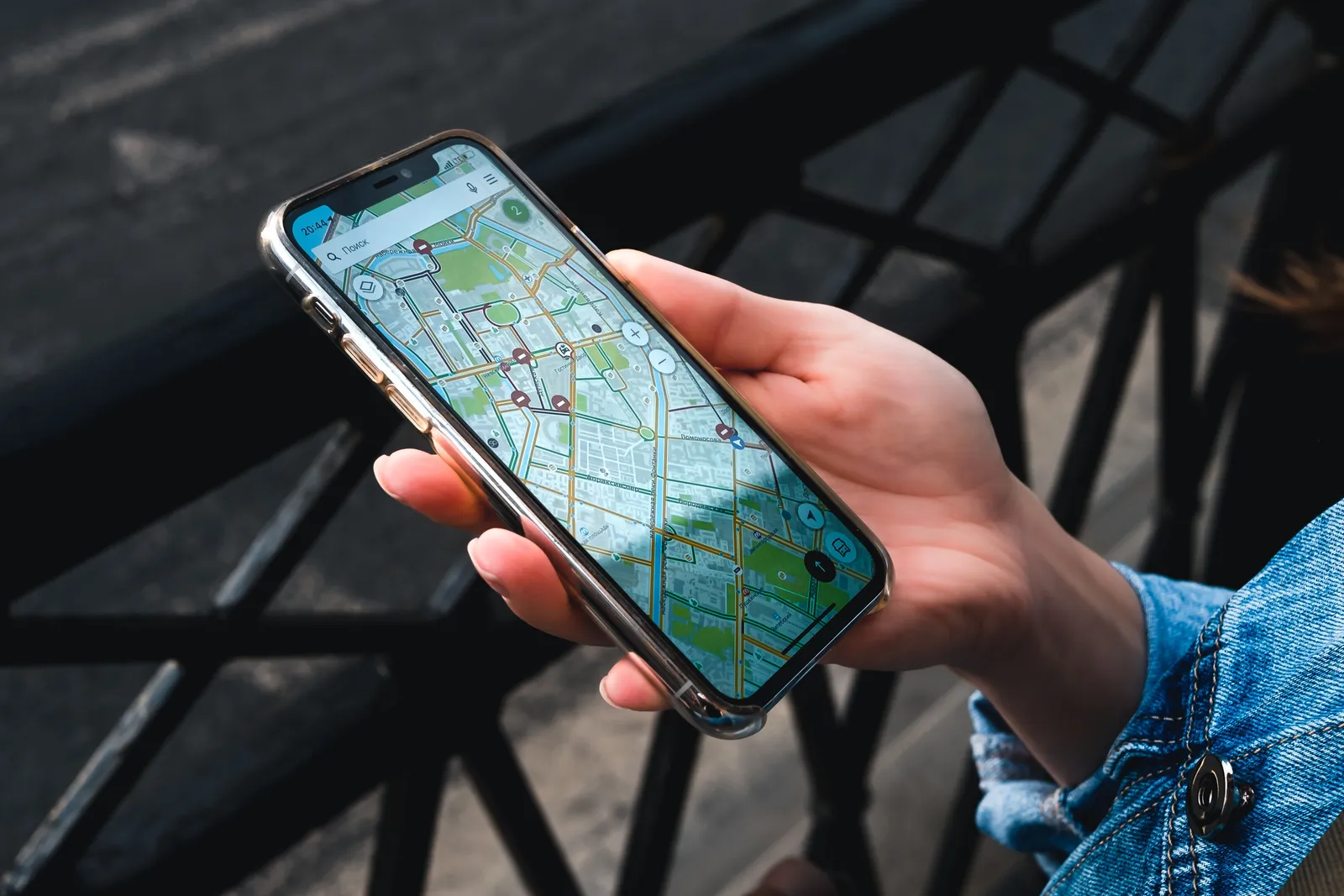
City transport is close to a rounding error. Subways and buses are cheap, frequent and clean, and the rechargeable transport card works nationwide across metro, buses, many taxis and convenience stores, with transfers between modes discounted as long as you tap out as well as in.
Between cities, you choose. The high-speed train is fast, comfortable and the priciest transport you will buy here. The express bus network is cheaper, extremely comfortable on the premium services, and reaches a great many towns with no railway station. Domestic flights to Jeju are competitive and frequently cheaper than the sea-and-rail alternative.
Taxis are inexpensive by Western standards and worth using late at night or with luggage. Rail passes exist for visitors, in consecutive-day and flexible-day versions, and either one only pays off if you are covering long distances on most of the days it is valid for, which most trips do not; price your actual route as individual tickets first. Our guide to getting around South Korea sets out the options and where each one earns its keep.
One more saving that nobody mentions: luggage delivery services move a suitcase between hotels or from the airport for a modest fee, which turns an awkward transfer day into an easy one for less than the taxi you would otherwise take.
The free half of the country
An unusually large share of what makes Korea memorable costs nothing at all.
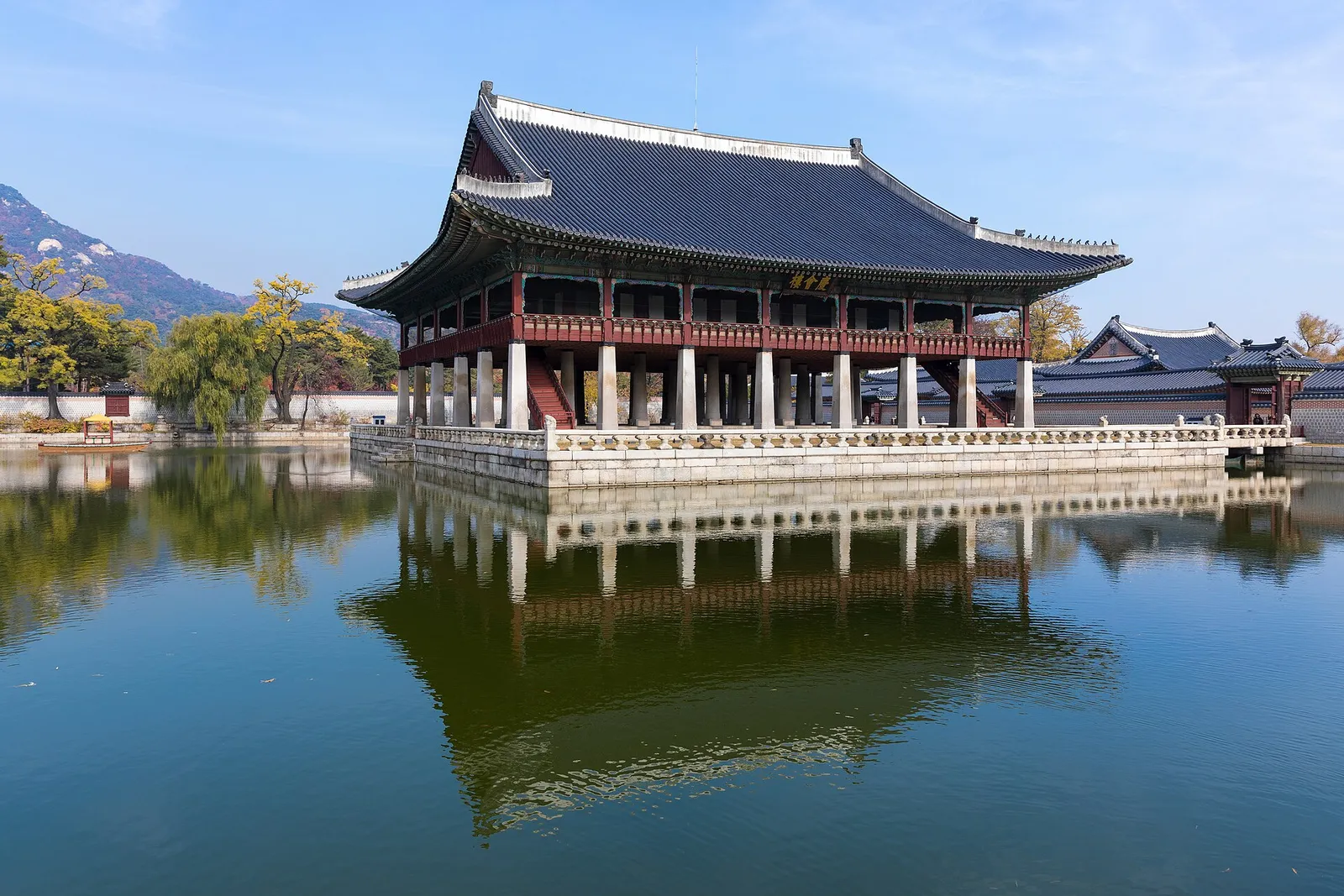
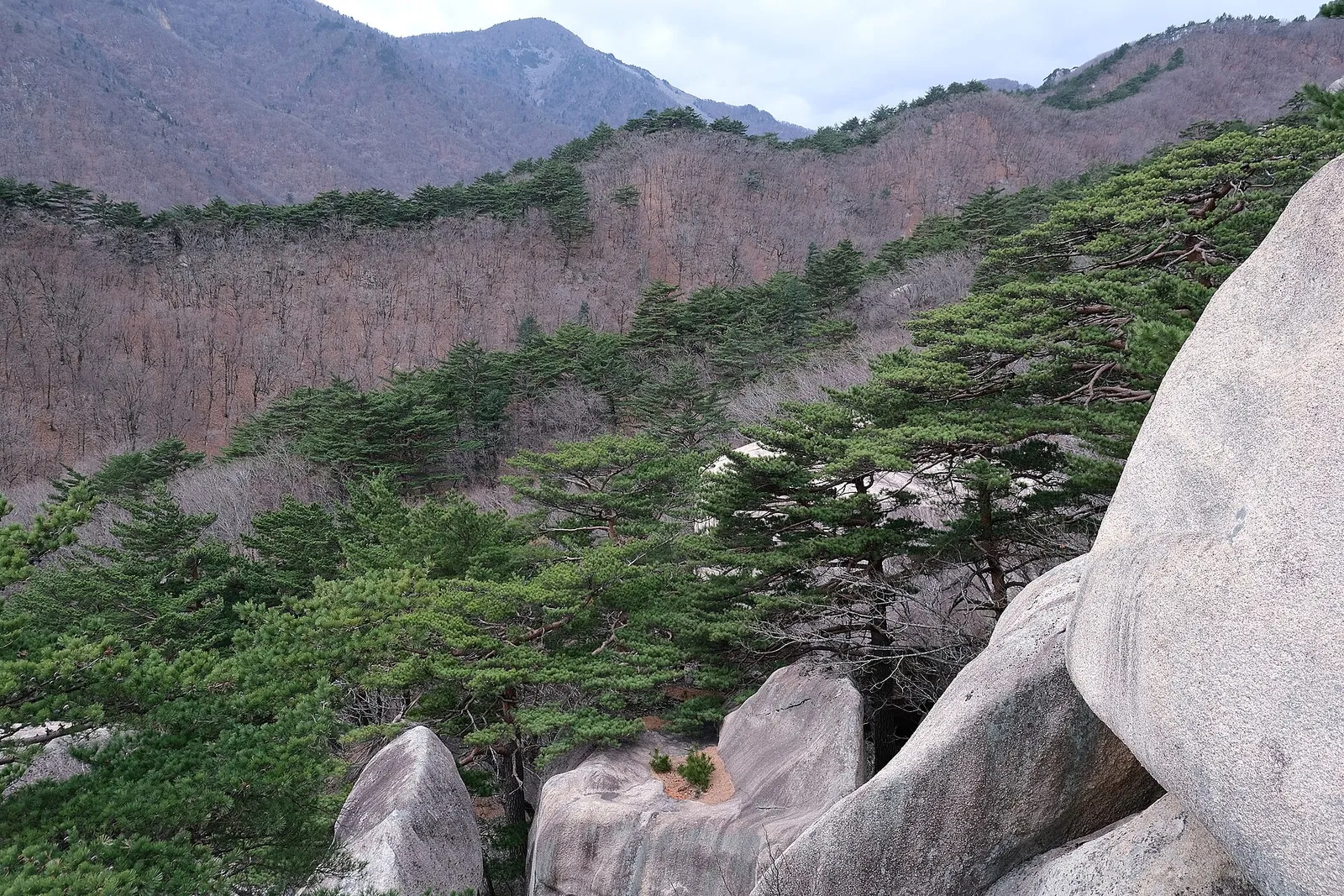
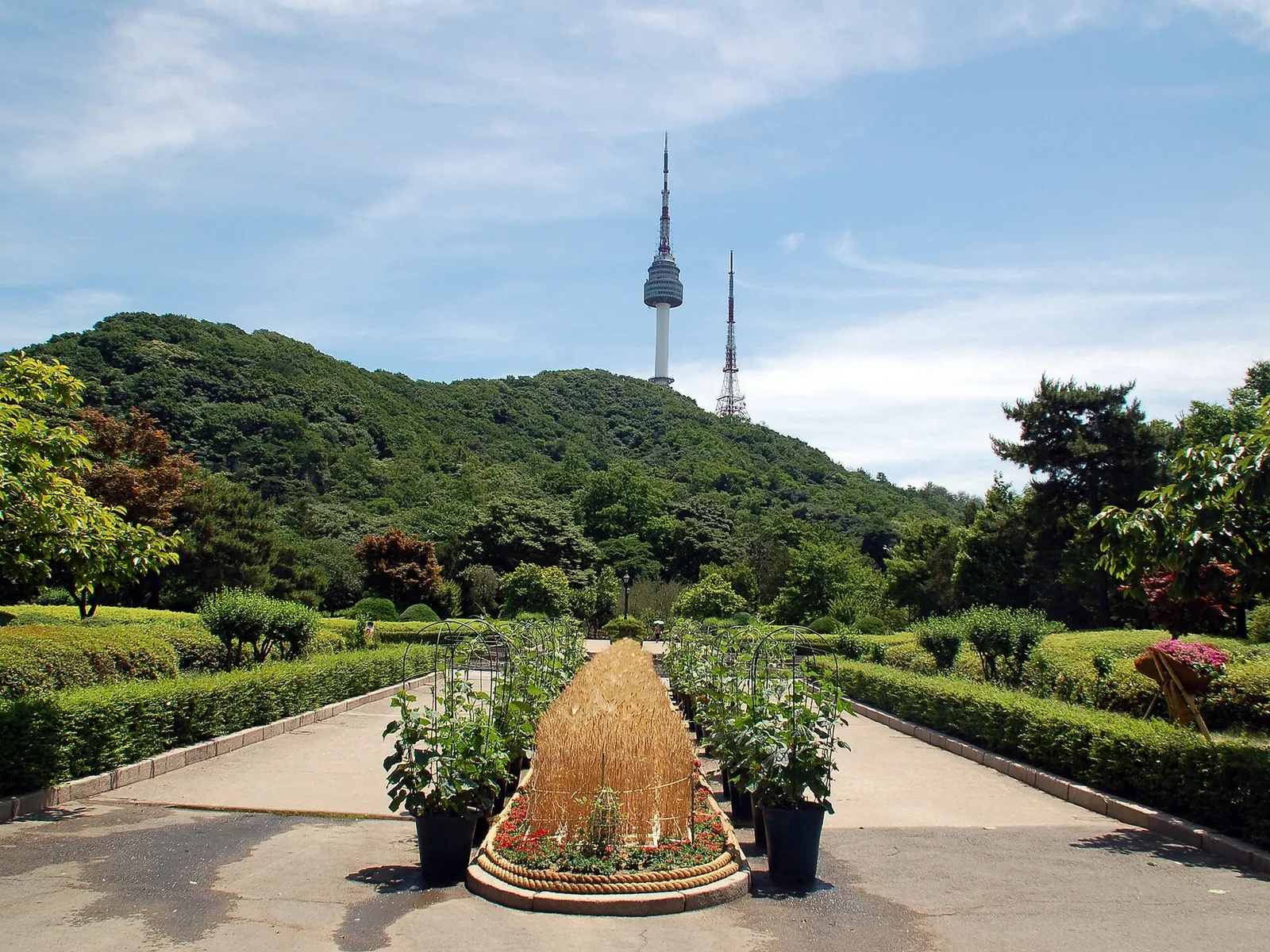
The palace grounds and the changing of the guard, the old city walls and the trail along them, the Han River parks with their cycle paths and evening crowds, the mountain trails that begin inside Seoul itself, most temples, the markets, and the neighbourhoods that are the point rather than the backdrop. Several major museums are free, and the palaces waive entry for anyone wearing hanbok, which is why so many visitors rent one.
Add the everyday free things: wifi almost everywhere, drinking water and side dishes at restaurants, and the extraordinary number of public spaces designed to be sat in.
A well-built day in Seoul usually pairs one paid thing with several of these, and it is genuinely hard to run out of the free ones.
Season, and the cheapest weeks of the year
Timing moves a Korean budget more than any daily habit.
Cherry blossom in spring and autumn colour are the two peaks, and they lift accommodation prices nationwide while filling every popular sight. They are beautiful and they are expensive, and the fortnight either side of each delivers most of the pleasure at a fraction of the price.
Midsummer is hot, humid and includes the monsoon, which suppresses prices but also suppresses the outdoor half of the trip.
Winter is the value season: cold, often clear and bright, cheapest for beds, quietest at the famous sights, and the only time the ski resorts are an option. Our guide to the best time to visit Korea sets out what each season delivers, and the budget conclusion is simple, which is that the shoulders of the famous seasons are where the value lives.
Five habits that save real money
Eat where the queue is. The cheapest food is the best food here, so this costs you nothing.
Buy the transport card on arrival and stop thinking about individual fares.
Book beds by area, not by name. A guesthouse or business hotel a stop or two from the centre, on a subway line, is routinely far cheaper for a five-minute difference.
Treat barbecue as an event. Two or three across a trip rather than nightly, with market food and noodle counters in between.
Choose your season deliberately. Travelling outside the two peaks is worth more than every other saving on this list combined.
What it adds up to
Korea rewards a middle path better than almost anywhere. At the bottom, a guesthouse bed, convenience-store breakfasts, market lunches and the metro produce a genuinely cheap day with no sense of hardship. In the middle, a business hotel, restaurant meals and the occasional train produce a comfortable trip for far less than the equivalent in Japan or Western Europe. At the top, Korea will happily take as much as you want to give it, and the return is smaller than at the tiers below.
Prices are in won and move with the season and the exchange rate, so treat any figure you read, ours included, as a range rather than a quote, and check current rates for your own dates.
Where the money is genuinely well spent is the food, which is the thing people talk about when they get home. Our Korean food guide covers what to order at every price level, and the honest answer is that the cheapest things on it are among the best.
The cost that comes before the trip
Two pre-trip lines belong in any honest Korea budget, and both are easy to forget when adding up beds and meals.
The first is entry. Most Western passports do not need a visa, but an electronic authorisation may apply depending on your nationality, and it carries a published fee that is small in itself and worth budgeting for alongside the flights. It is also the one item that must be paid on an official government channel rather than through the cheaper-looking third-party site a search result offers; our Korea visa and entry guide sets out which lane your passport is in.
The second is insurance, which is not an entry condition here but is the difference between an inconvenient day and an expensive one. Korean healthcare is excellent and, for a visitor without cover, priced accordingly.
The short version
Sleep decides your budget, food barely dents it, and the season multiplies everything. Stay in guesthouses or business hotels near a subway line, eat at markets, noodle counters and convenience stores with barbecue as an occasional event, buy the transport card on day one, and lean on the enormous free half of the country. Travel in the shoulders rather than the peaks, and South Korea turns out to be one of the best-value countries in the region for the quality it delivers.
Two lines belong in the budget that the daily rate hides. The transport card is the cheapest thing you will buy and the one that quietly saves the most, partly through the transfer discount most visitors never notice; our T-money card guide covers it. And medical costs, which are the one item here with no ceiling, since the care is excellent and the bill is yours; the numbers to save are in our guide to emergency numbers in Korea.
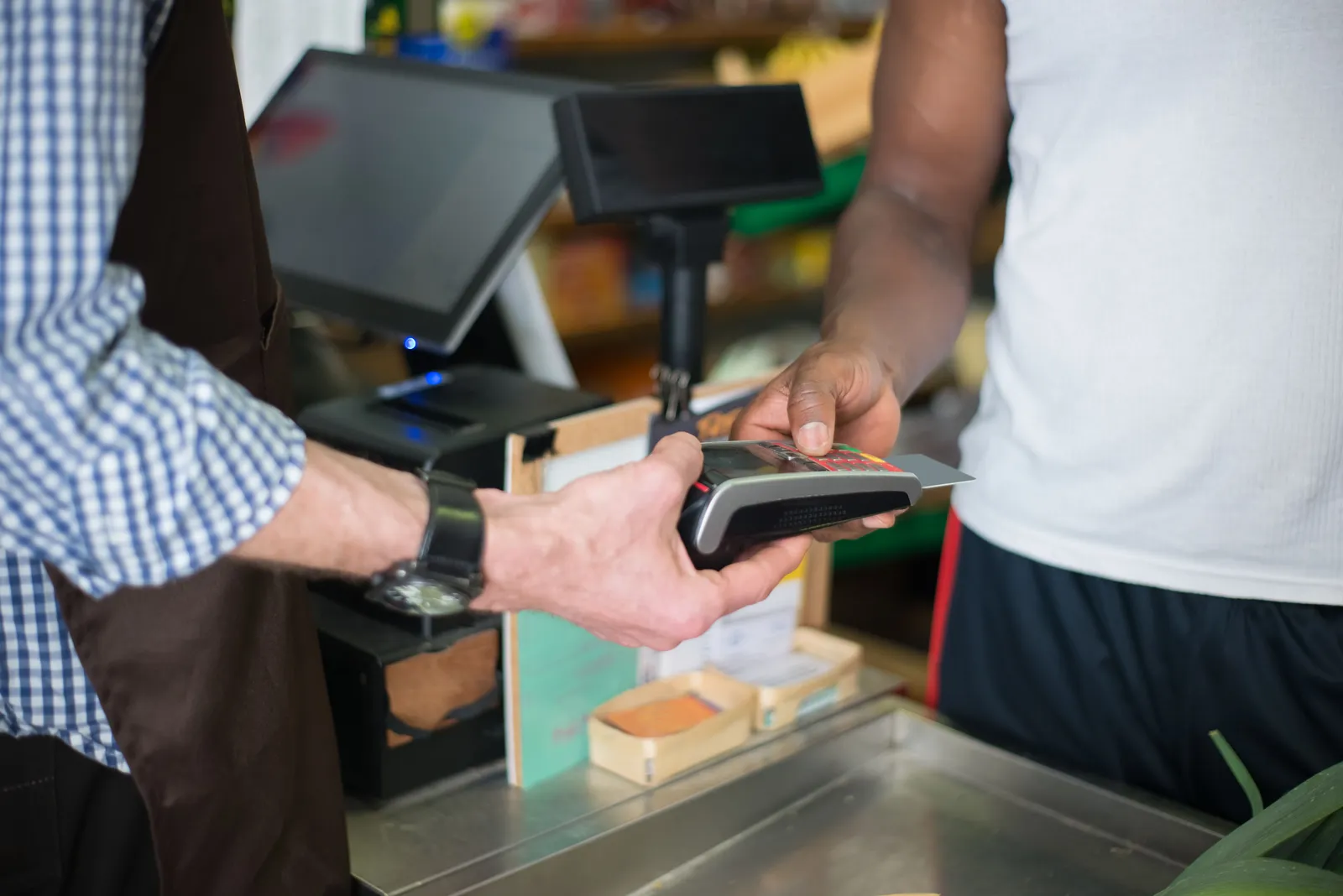
One habit to unlearn before you arrive: Korea is close to cashless, and tipping is not part of the culture. Our guide to paying in Korea covers cards, ATMs that take foreign cards and where cash is still the only option.