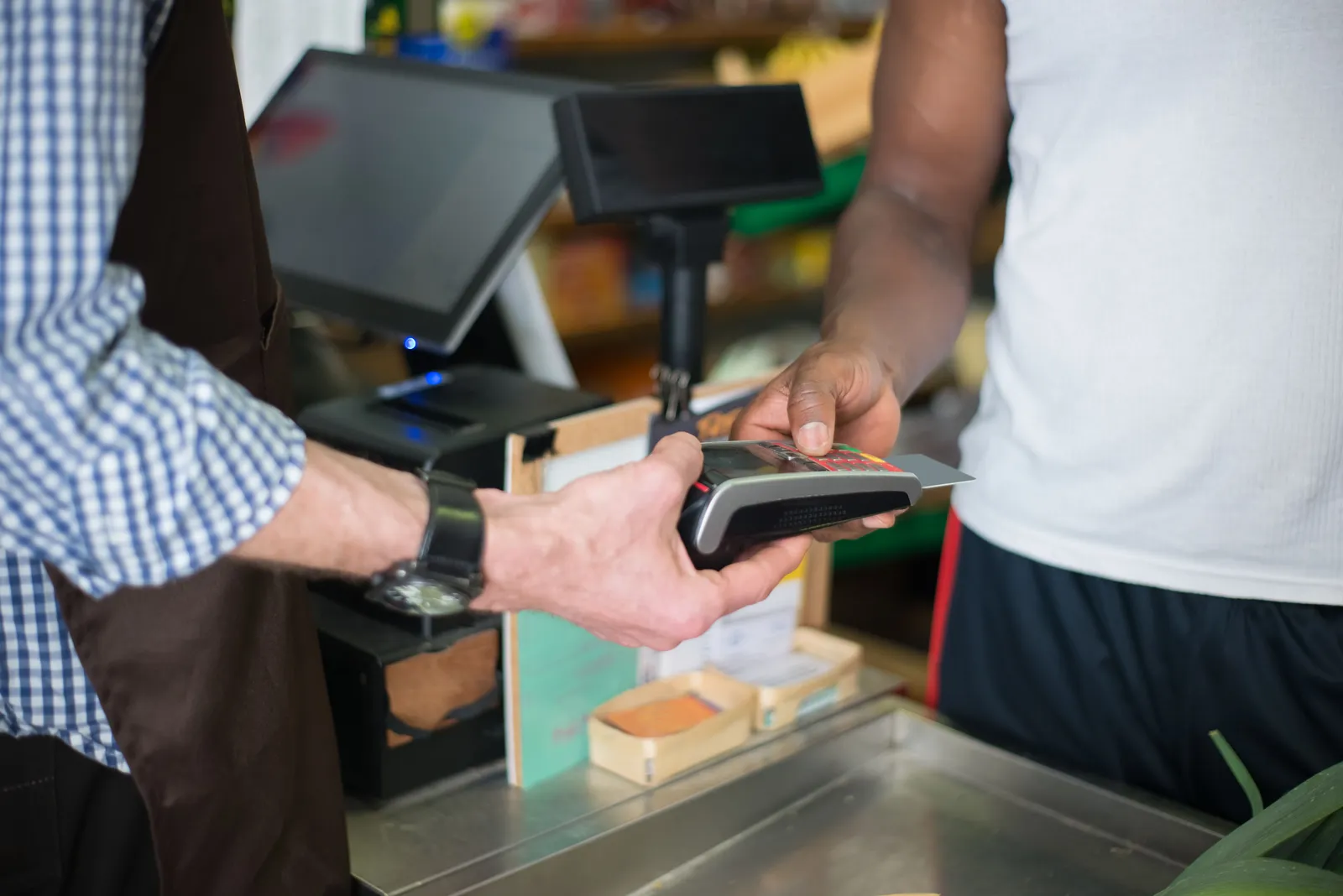
Korea runs on cards to an extent that surprises visitors from countries where cash still has a real role. Restaurants, cafes, convenience stores and taxis all expect a card, and staff can look faintly puzzled if you offer cash for a small bill. The exceptions are specific and worth knowing in advance, because they are exactly the moments where a visitor without won gets stuck.
Where card payment is the norm
Restaurants and cafes of every size, from casual noodle counters to sit-down places, take cards as a matter of course.
Convenience stores, which are everywhere and open around the clock, are almost entirely card friendly.
Taxis accept card payment through a reader in the back seat in the large majority of cases.
Hotels and guesthouses in cities expect a card at check-in even if you plan to pay cash for extras.
Shopping, from department stores down to small boutiques, is built around card payment.
Where cash still matters
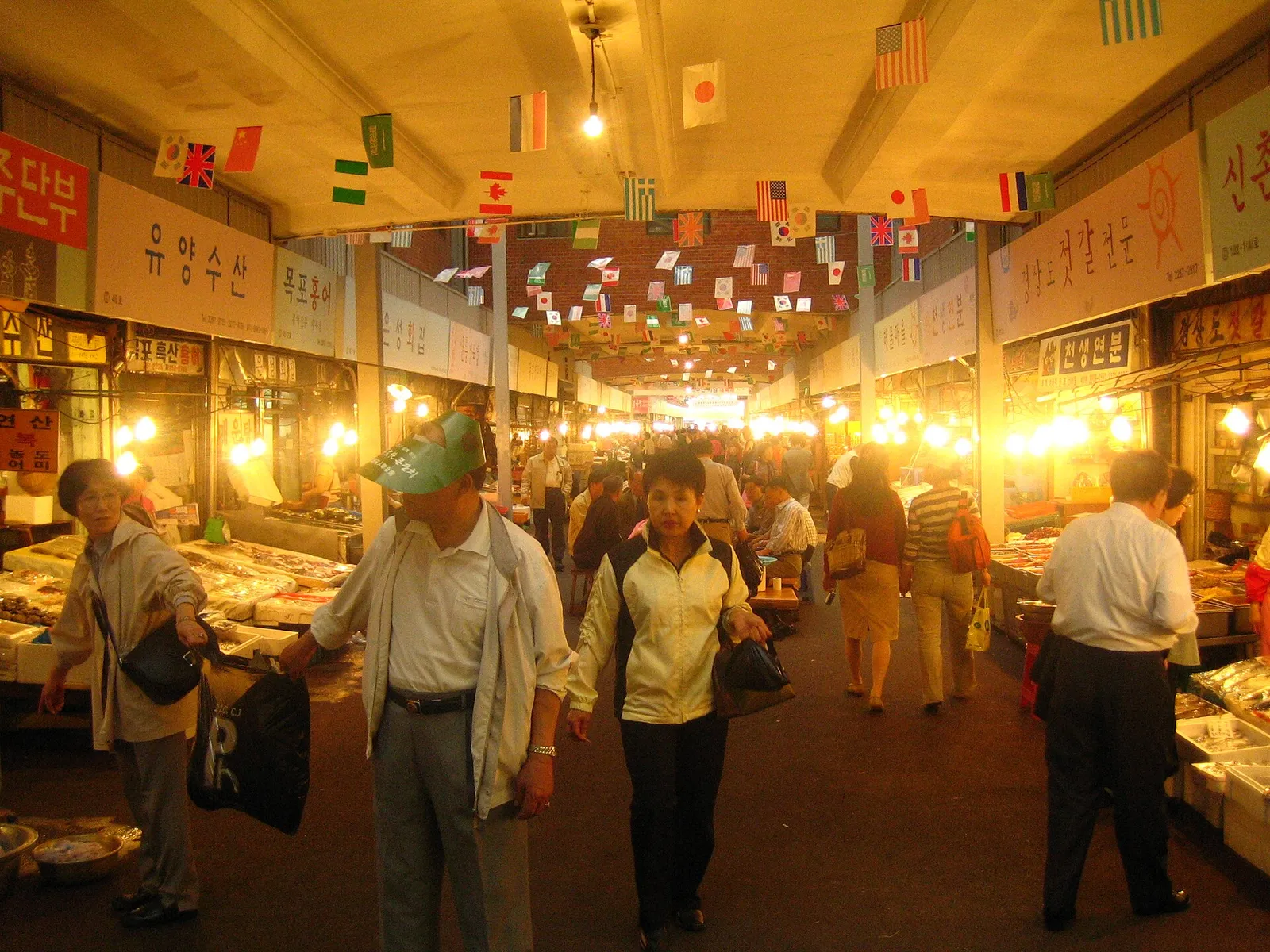
Traditional markets are the clearest gap. Many individual stallholders, particularly for street food and small produce, deal in cash only, and card readers are rare or absent between stalls even where the market as a whole has a modern entrance. Older street food carts follow the same pattern.
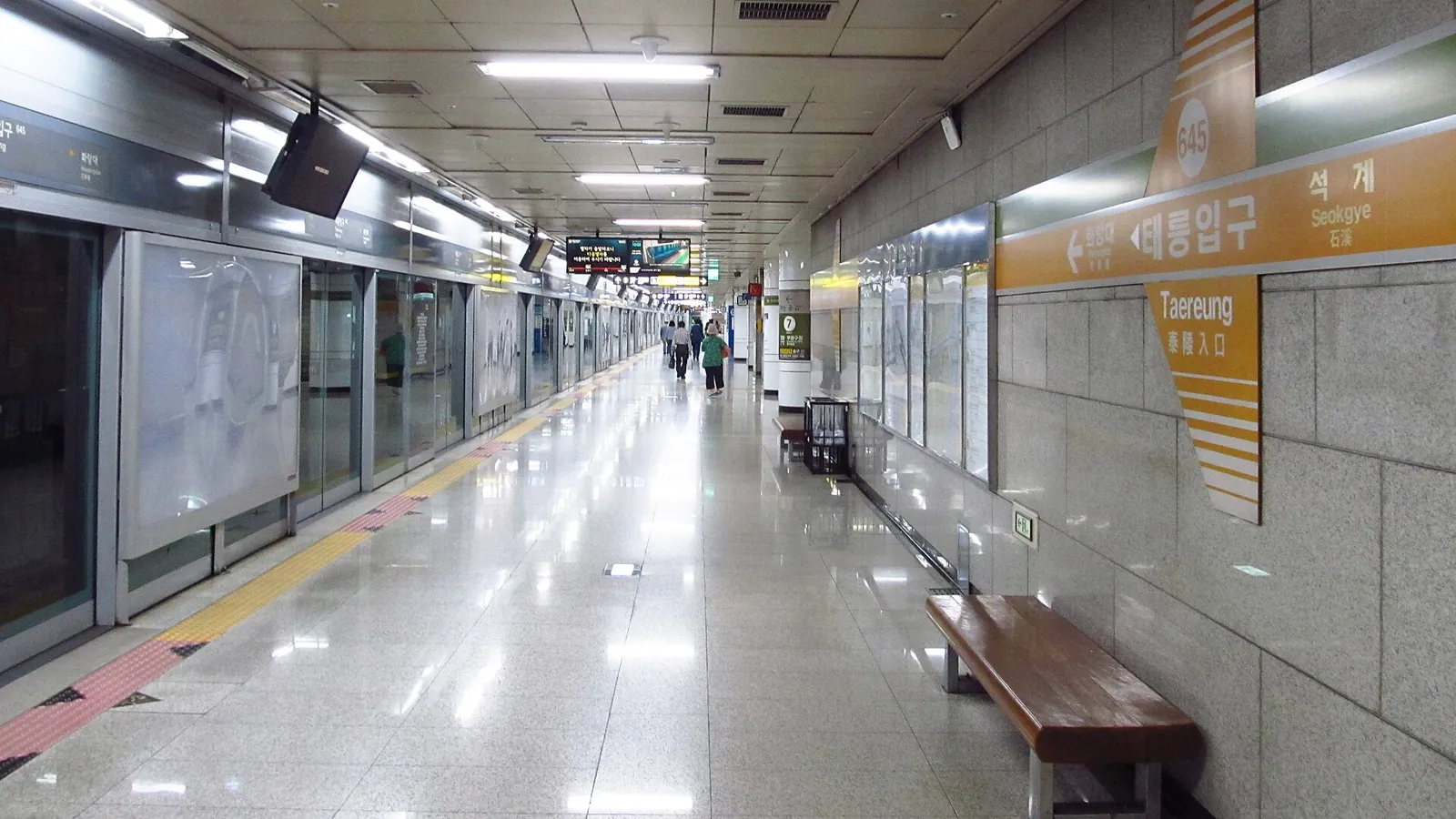
Small guesthouses outside the main cities, temple donation boxes, and a scattering of very small local shops also default to cash. And the transport card top-up machines in subway stations are a genuine trap: a good number of them do not accept foreign bank cards at all, so keep some won in reserve specifically for topping up.
A little cash also smooths over the small everyday moments a card cannot: a coin for a locker, a note dropped in a street performer’s case, or the odd vending machine that has not been updated for contactless payment. None of these are large sums, but arriving with absolutely none can turn a minor convenience into a small errand.
| Situation | Card usually works | Cash usually needed |
|---|---|---|
| Restaurants and cafes | Yes | Rarely |
| Convenience stores | Yes | Rarely |
| Traditional markets | Sometimes | Often |
| Transport card top-up machines | Not reliably | Usually |
| Taxis | Yes | Backup only |
| Temple donation boxes | No | Yes |
ATMs and the currency question
Cash machines run by the larger commercial banks, plus the machines inside convenience store chains and post offices, are the most consistent for foreign cards, and most show the international network logos your own card carries. A machine that declines a card is more often a sign to try a different bank’s machine than a sign your card has stopped working.
At both ATMs and card terminals, you will frequently be offered a choice between being charged in Korean won or in your home currency, a practice known as dynamic currency conversion. The home currency option looks convenient but almost always applies a worse exchange rate along with an extra fee, hidden inside a number that is presented as a favour. Choosing won and letting your own bank handle the conversion is, with very few exceptions, the cheaper route.
A withdrawal at a Korean cash machine typically carries a fee charged by the machine’s own bank, on top of whatever your home bank or card provider adds for a foreign withdrawal, so a handful of larger withdrawals over a trip usually costs less in total fees than many small ones. Check what your own bank charges for cash withdrawals abroad before you fly, since that side of the cost is entirely outside Korea’s control and varies enormously between providers.
Digital wallets are largely a local affair
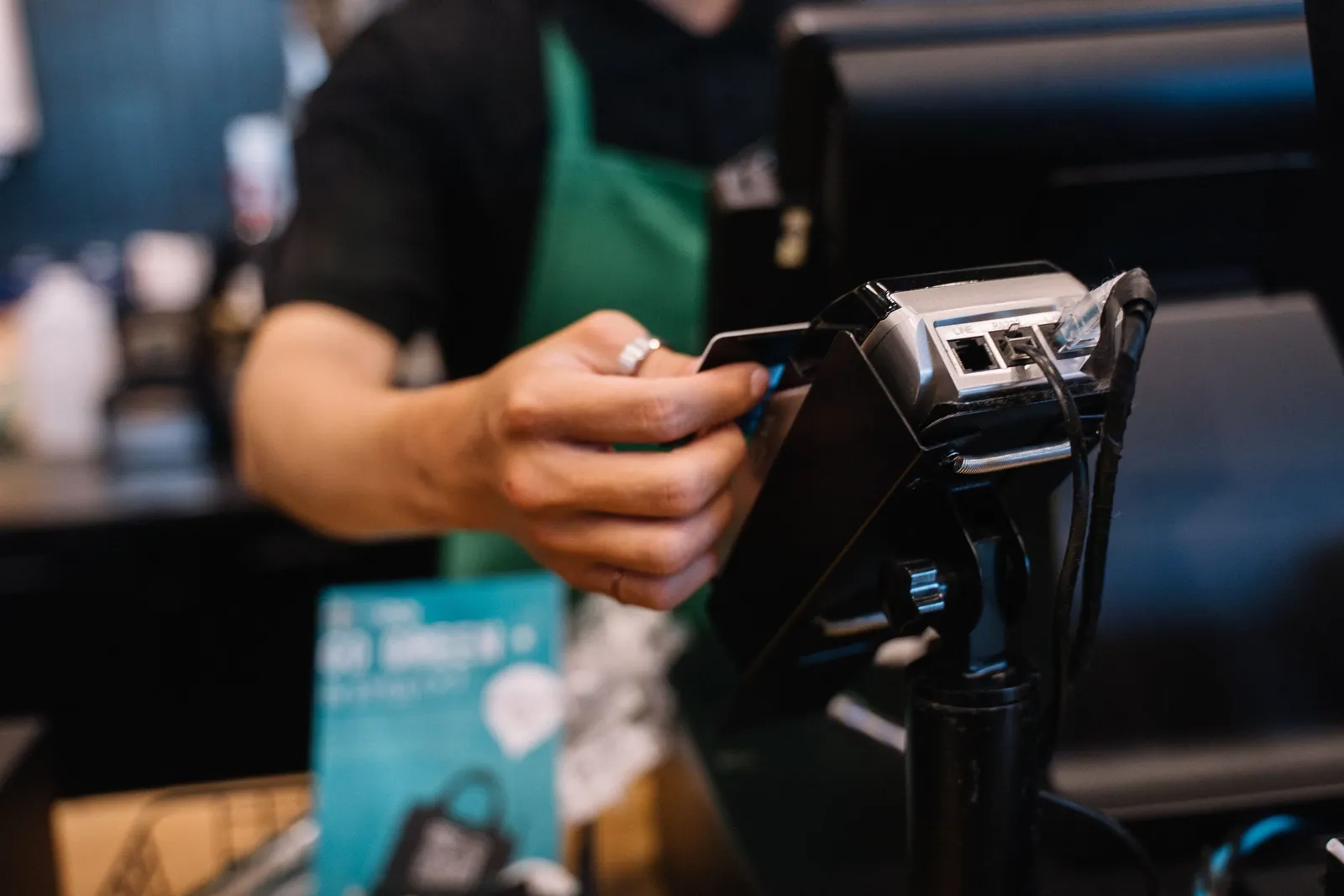
Korea is a heavy user of mobile payment, but the popular apps behind it, including Kakao Pay, Naver Pay and Samsung Pay, are generally set up around a Korean bank account or a Korean-issued card, which makes them awkward or impossible for a short-term visitor to use in practice. Support for international mobile wallets on Korean card terminals has historically been patchy compared with what visitors are used to at home, so do not assume your phone’s usual tap-to-pay method will simply work everywhere. A physical card is the more dependable option to carry as your main method, with the local wallets treated as a curiosity rather than something to rely on.
Why tipping is not the answer
Tipping is not part of Korean service culture, and this is not a soft cultural preference so much as a structural one: prices already include the cost of service, and staff wages are not built around gratuities the way they are in some other countries. Leaving extra money on a restaurant table is more likely to produce a server chasing after you to return it than a smile, and rounding up a taxi fare or handing a bellhop a note can create a small moment of confusion rather than the intended goodwill.
There is a narrow exception. A privately arranged tour guide or driver, particularly for a full-day booking made directly rather than through a large platform, may accept a tip as a personal gesture, and it remains entirely optional. Beyond that specific situation, good service in Korea is simply the service you paid for, and nothing extra is expected or, in most cases, wanted.
Handling what is left over
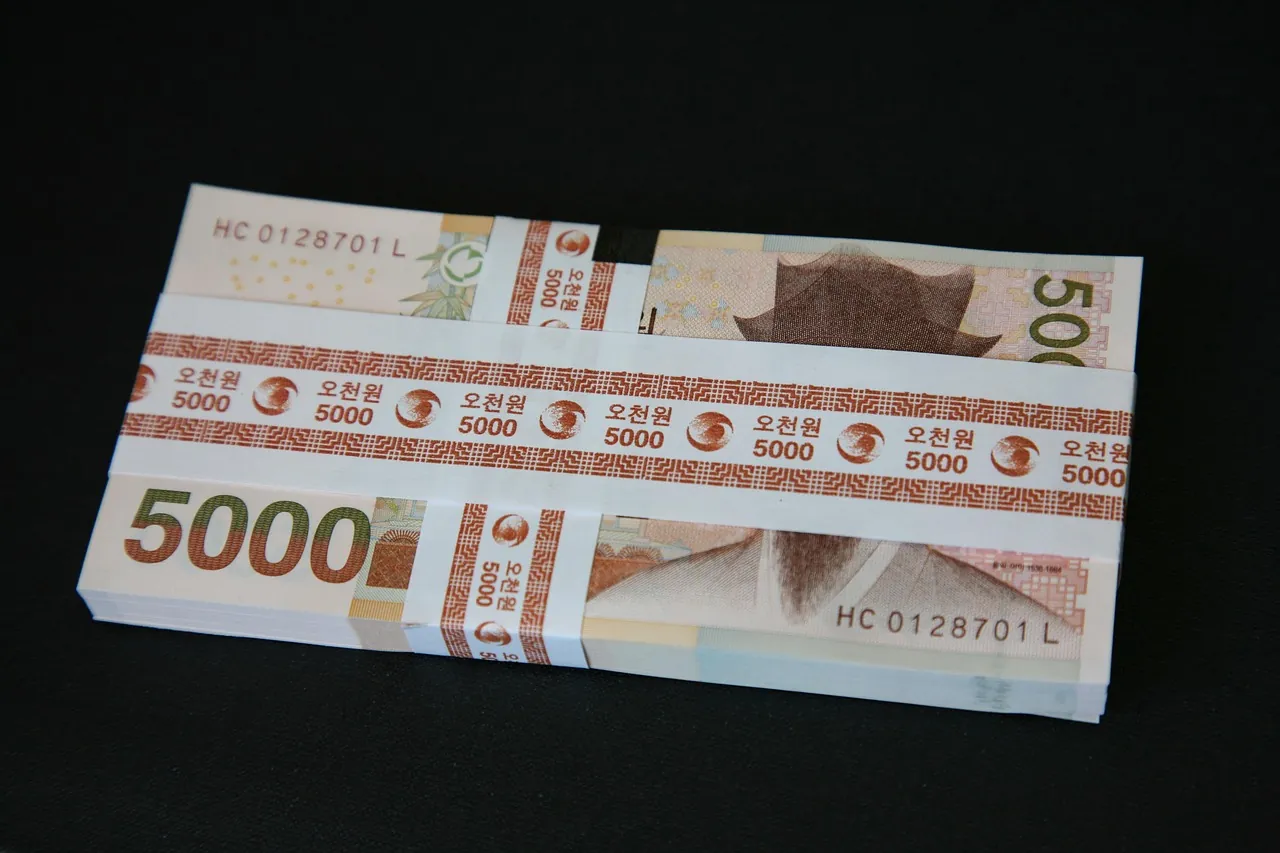
The most efficient way to deal with leftover won is to spend it deliberately rather than to change it back. Convenience stores, airport food courts and duty free counters absorb small notes and coins easily on your last day, and airport currency exchange counters tend to offer weaker rates than banks and machines in the city. A transport card balance is a separate matter and can usually be refunded at a station machine or a convenience store counter, generally minus a small handling fee.
If you do end up with a larger amount of won than you can reasonably spend, a bank counter at the airport will change it back, though it is worth comparing that rate against simply keeping a small amount for a return trip, since exchanging back and forth twice tends to lose more to fees than either single conversion.
For the fuller picture of what a trip actually costs day to day, our guide to a Korea travel budget puts payments in context alongside accommodation and food. For the transport card itself, which is the one thing worth carrying cash specifically to top up, our guide to the T-money card covers how it works. And for the wider first-timer picture, our guide for a first trip to Korea covers what else to prepare before you land.
The short version
Bring a card as your main way to pay in Korea, since it works almost everywhere in the cities, and carry a modest amount of won specifically for traditional markets, older street stalls and transport card top-up machines. Choose to be charged in won rather than your home currency whenever a terminal or a cash machine offers the choice. Do not tip in restaurants, taxis or hotels, since prices already include service and extra money is more likely to be returned than accepted. And spend down small notes before you fly home rather than exchanging them back at the airport.