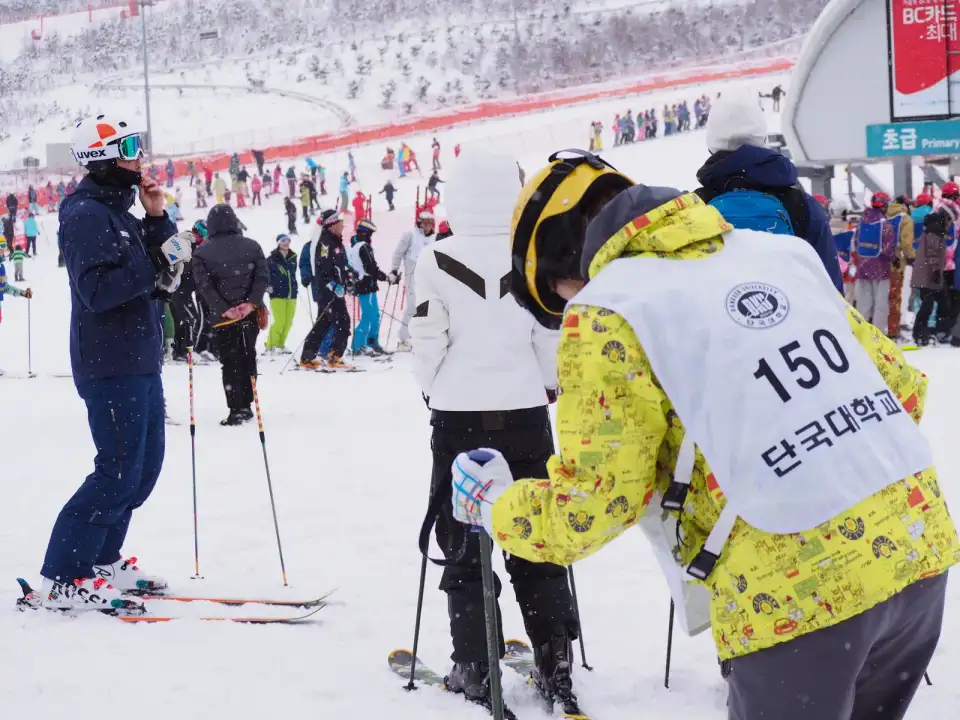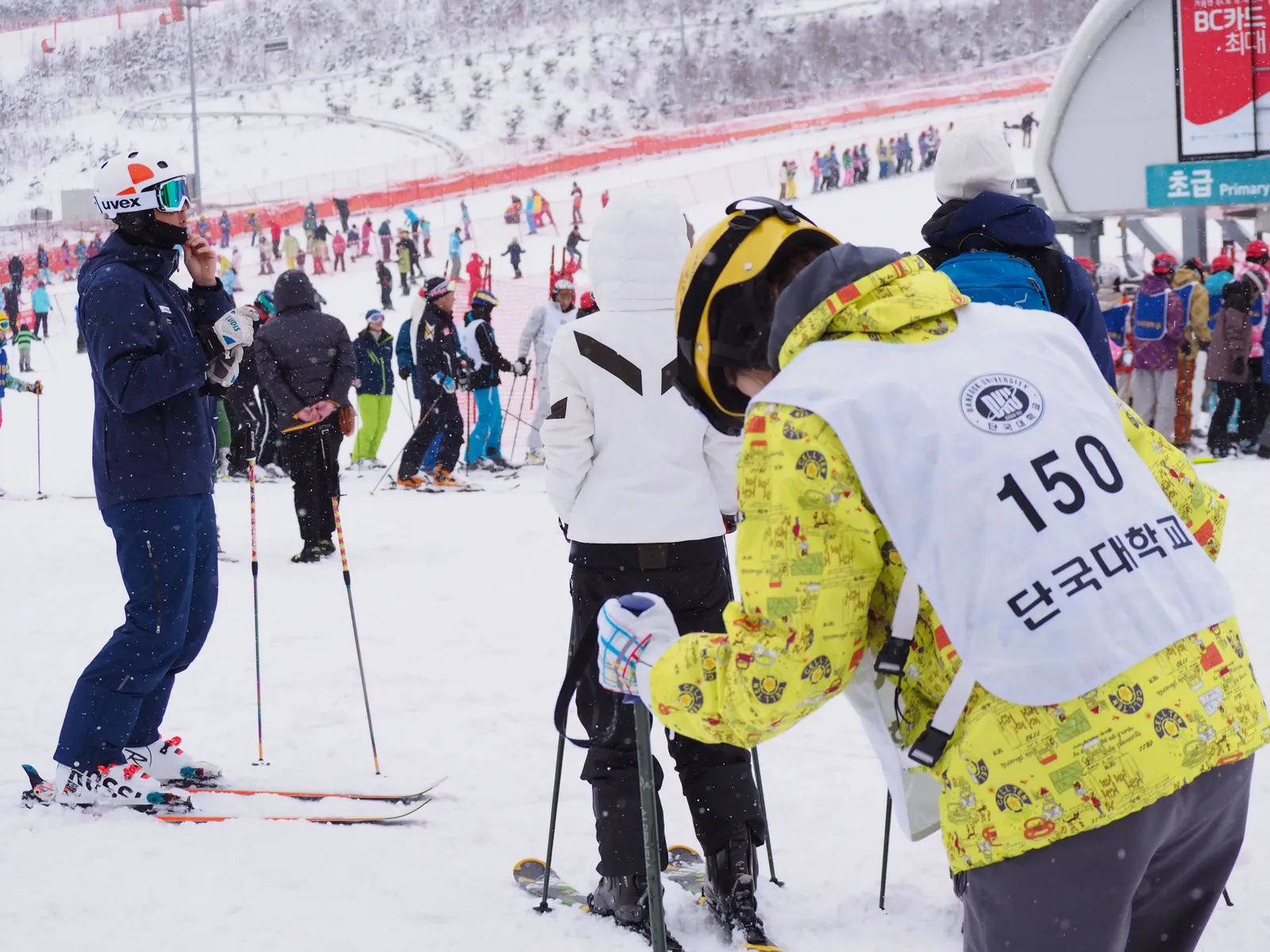
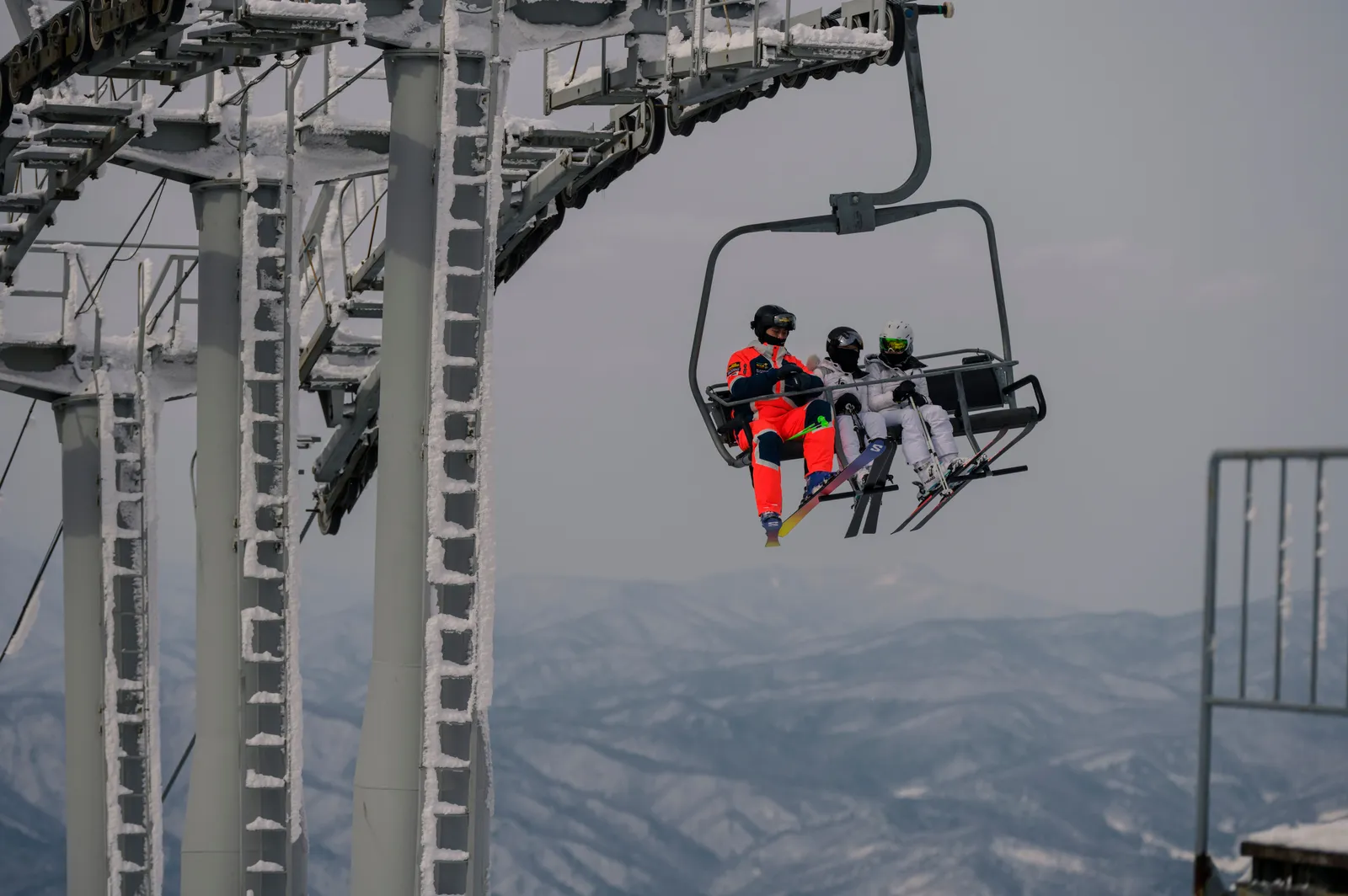
Nobody flies to Korea to ski, and a surprising number of people who come here in winter end up skiing anyway. The reasons are practical rather than romantic: the resorts are within two hours of Seoul, the winter is dependably cold so the snowmaking works, the lifts run into the evening under floodlights, and a day with a lift pass, hire and a lesson costs less than a lift pass alone in most of Europe. What you do not get is vertical, length or powder.
What Korean skiing actually is
Short runs, well groomed, on modest mountains.
Reliable cold rather than reliable snowfall, with heavy reliance on snowmaking.
Floodlit night skiing on a large share of the terrain, with cheaper evening passes.
Very cheap hire, lessons and passes by international standards.
Busy at weekends, when Seoul arrives, and quiet on weekdays.
Resort villages rather than towns, with hotels and condominiums rather than character.
The resorts
Yongpyong, the largest, in the Pyeongchang area, with the longest runs.
High1, comparable in size and generally quieter.
Alpensia, in the same Olympic area, smaller and family oriented.
Vivaldi Park and Jisan, close to Seoul and built for day trips.
Muju, further south, which is a genuine option from the southern cities.
Most within two hours of Seoul by coach.
Practical notes
Hire everything rather than bringing skis for a two day trip.
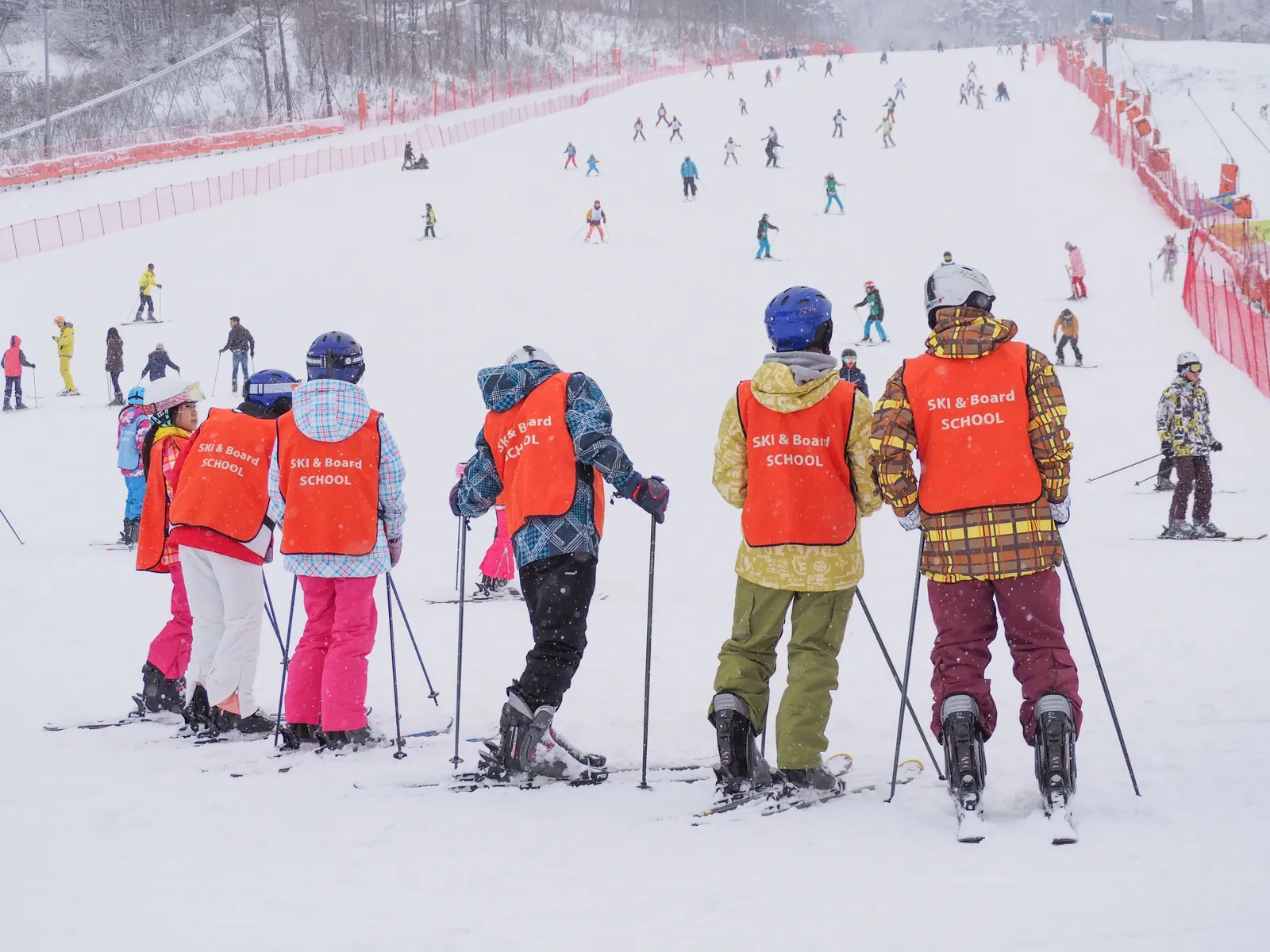
Lessons in English are available at the larger resorts and are inexpensive.
Weekdays are dramatically quieter than weekends.
Layers, because Korean winter cold is dry and sharp rather than damp.
Cards everywhere, including the rental desks.
Winter sports insurance, which is not included in a standard policy.
Combining it with the rest of a winter trip
Seoul, which is fully open and much cheaper in winter.
The east coast, an hour from the Pyeongchang resorts, for seafood and empty beaches.
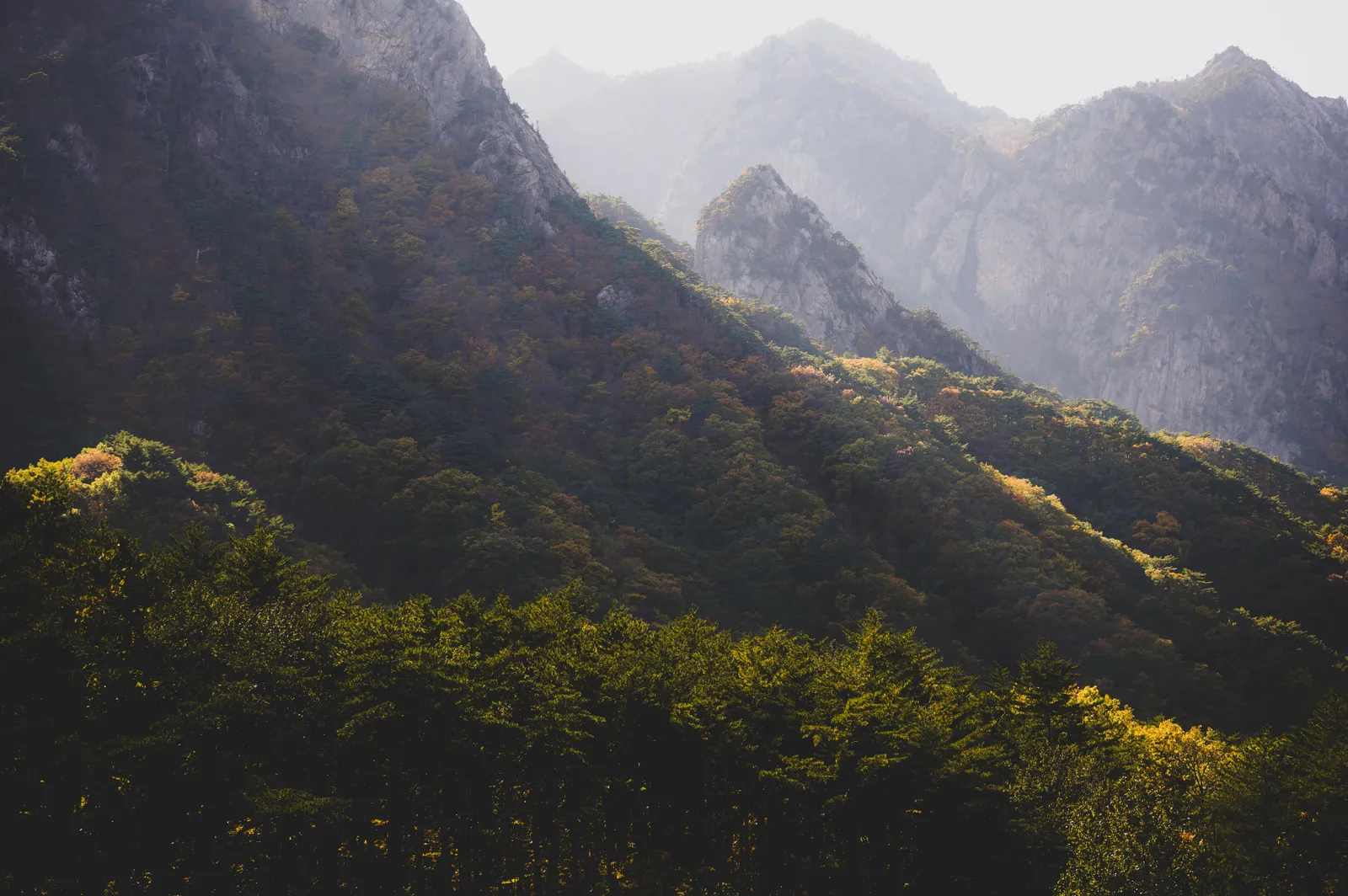
Seoraksan, in the same region, which is spectacular under snow.
Jjimjilbang, in the evenings, which is the correct thing to do after a day on snow.
Ice fishing festivals, in January, which are a genuine Korean winter institution.
Two or three days of skiing inside a two week trip, rather than a week of it.
Where this fits in a Korea trip
Two or three days from Seoul in January or February, inside a longer winter itinerary.
For the seasons and what each one delivers, our guide to the best time to visit Korea covers the year.
For the same mountains two months earlier, in their better known season, our guide to Seoraksan in autumn covers October.
And for whether any of this works with children, our guide to Korea with kids covers the practicalities.
The short version
Come to Korea for other reasons and ski for two or three days while you are here, because the mountains are modest and everything else about it is good value. Take a shuttle package from Seoul rather than arranging transport, passes and hire separately. Ski the floodlit evening session, which is the best of it, and go on a weekday. Hire everything. Add the winter sports extension to your insurance, because a standard policy does not cover it. And finish in a bathhouse.
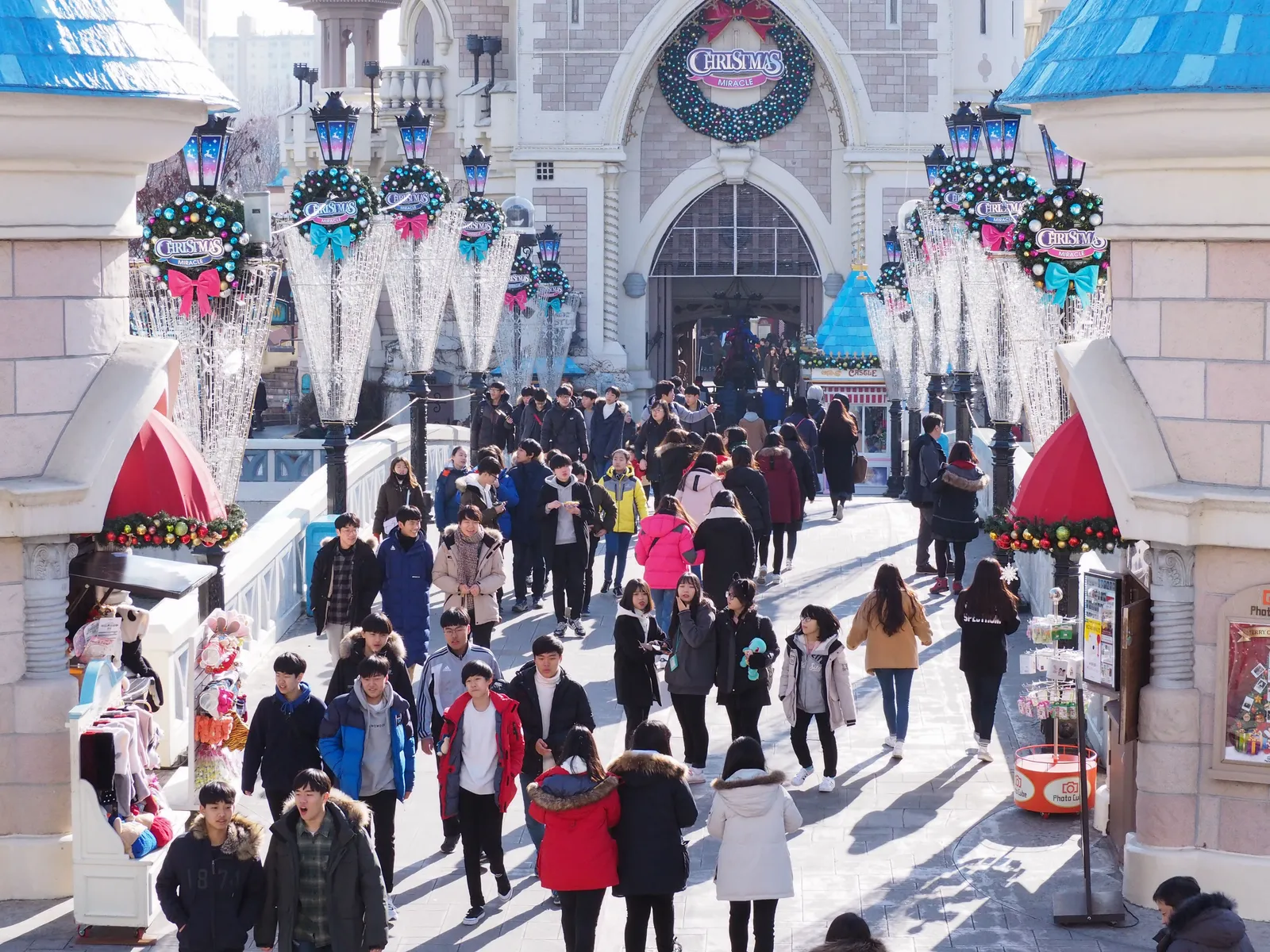
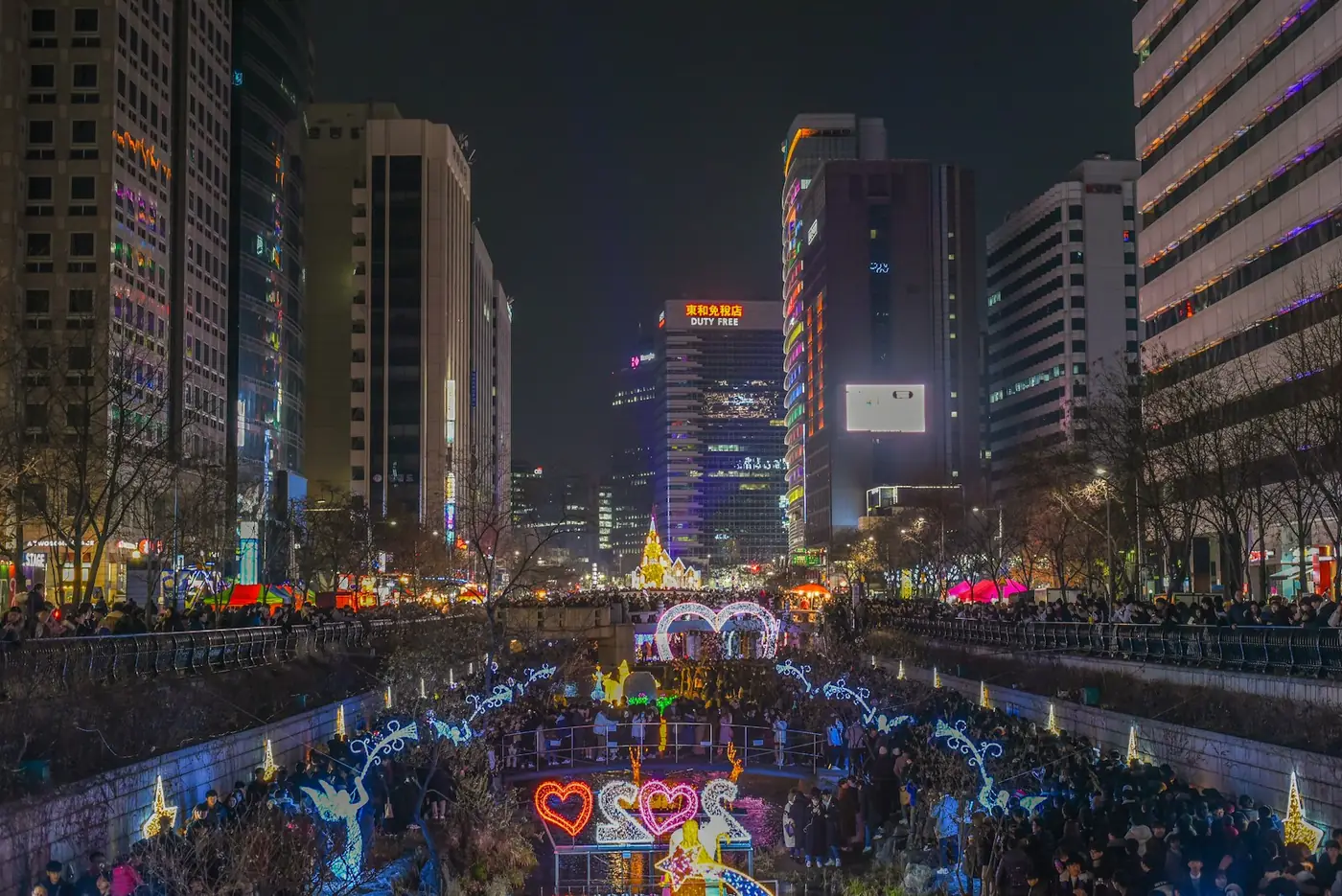
The city has its own winter season that has nothing to do with the slopes. Our guide to Christmas and winter lights in Seoul covers the displays, the markets and when they switch on.