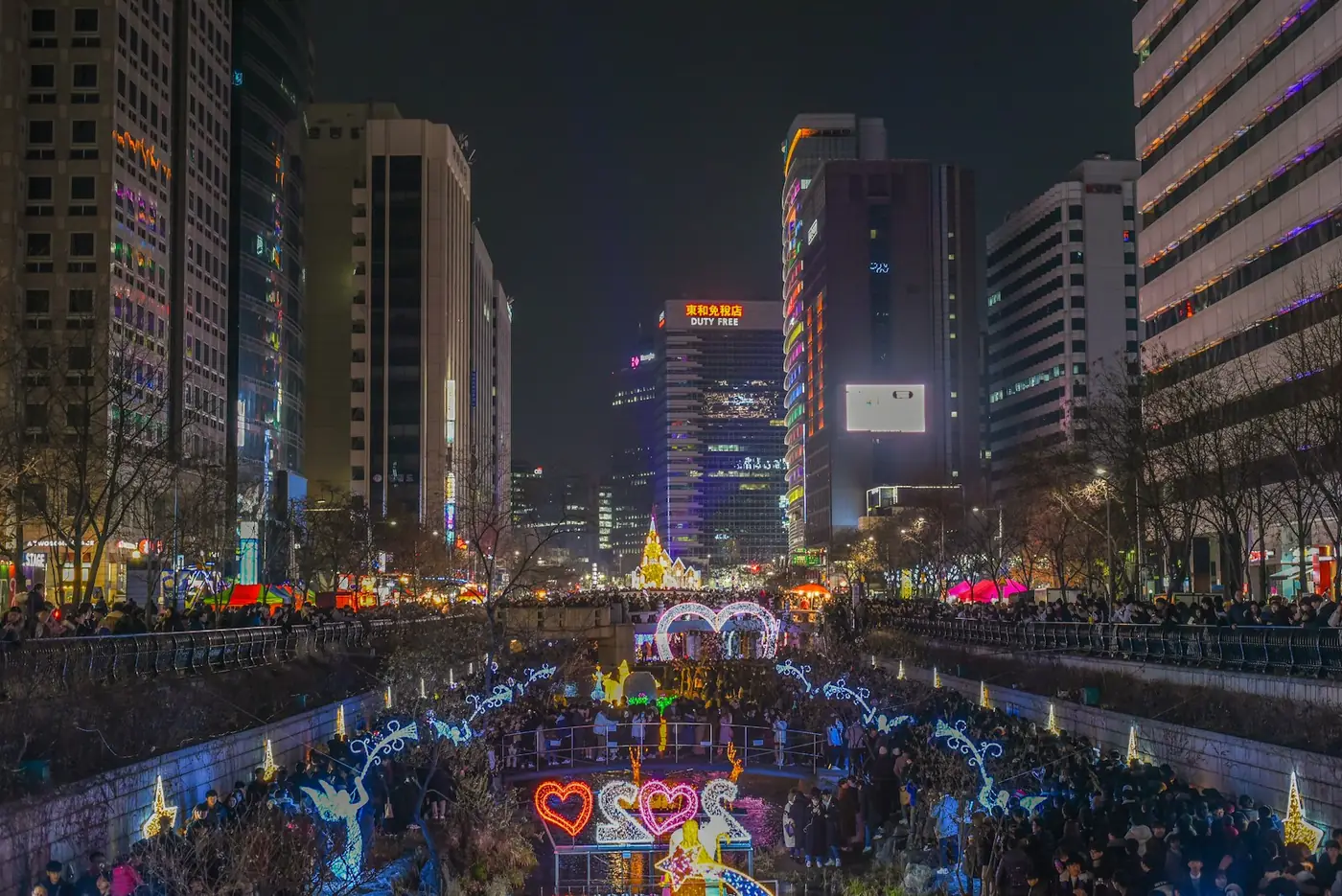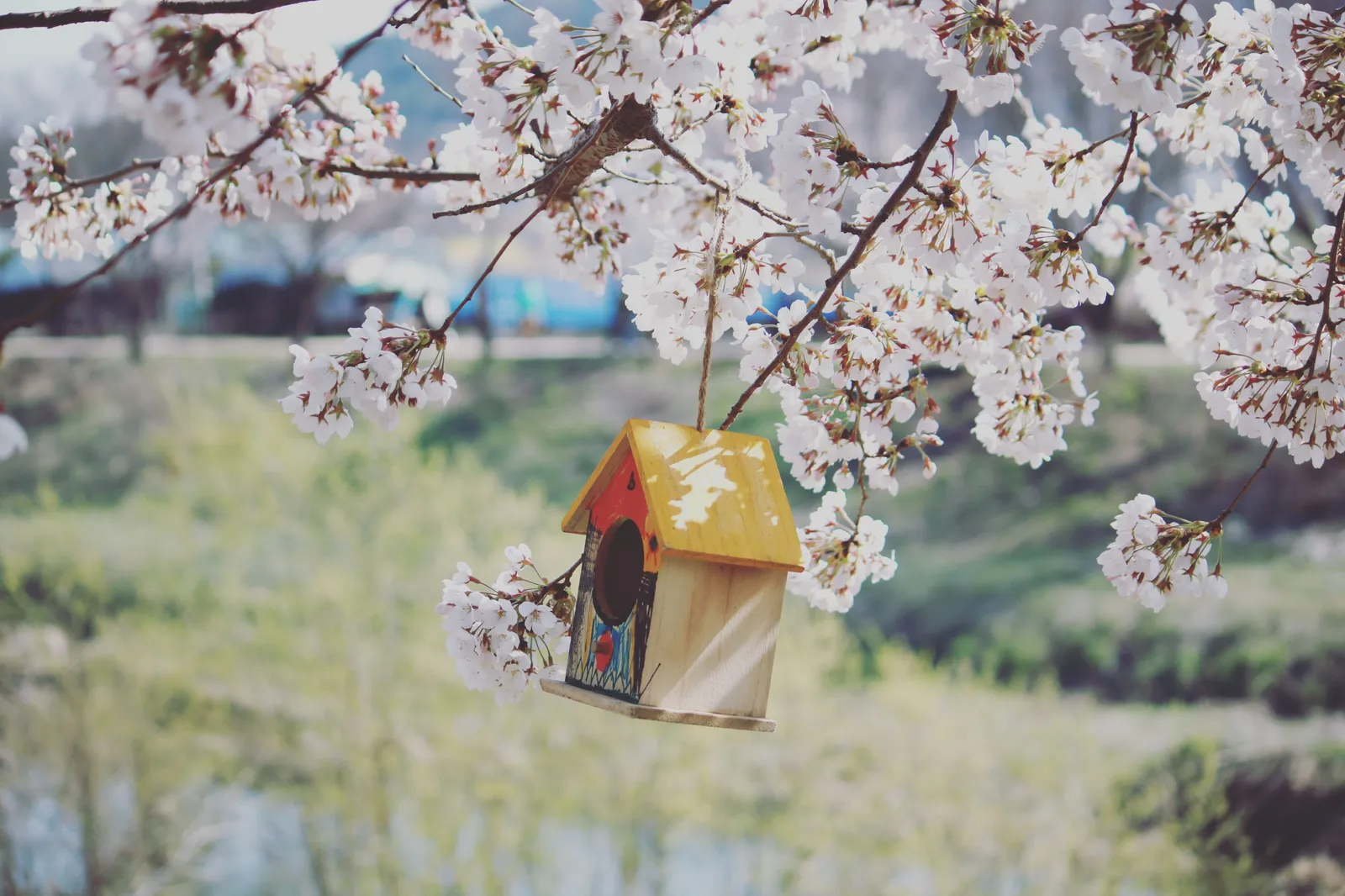
South Korea has four sharply defined seasons, and choosing when to visit shapes the whole character of your trip. Come in spring and you walk under clouds of cherry blossom; come in autumn and the mountains blaze red and gold; come in summer and you hit festival season and Jeju’s beaches through heat and humidity; come in winter and you ski, soak in outdoor spas and have the palaces almost to yourself. There is no truly bad time, only trade-offs, and this guide lays them out so you can match the season to the trip you want.
The year at a glance
| Month | Weather | What is happening | Verdict |
|---|---|---|---|
| January | Cold and dry | Ski season, quiet palaces | Cheap, crisp, empty |
| February | Cold, easing late | Skiing, lunar new year | Quiet, watch the holiday |
| March | Cool to mild | Blossom starts in the south | Spring begins |
| April | Mild and lovely | Cherry blossom peak | Beautiful and busy |
| May | Warm, dry | Green everywhere, festivals | Superb all-rounder |
| June | Hot, humidity building | Early summer, rain arriving | Mixed |
| July | Hot and wet | Jangma rainy season | Demanding |
| August | Hottest, humid | Beaches, festivals, typhoon risk | Hard work, good value |
| September | Easing, clearing | Chuseok, humidity breaking | Improving fast |
| October | Crisp and clear | Foliage begins, best hiking | The finest month |
| November | Cool and dry | Foliage in the south, quiet | Underrated |
| December | Cold, dry | Ski season opens, lights | Cheap and atmospheric |
Spring: March to May
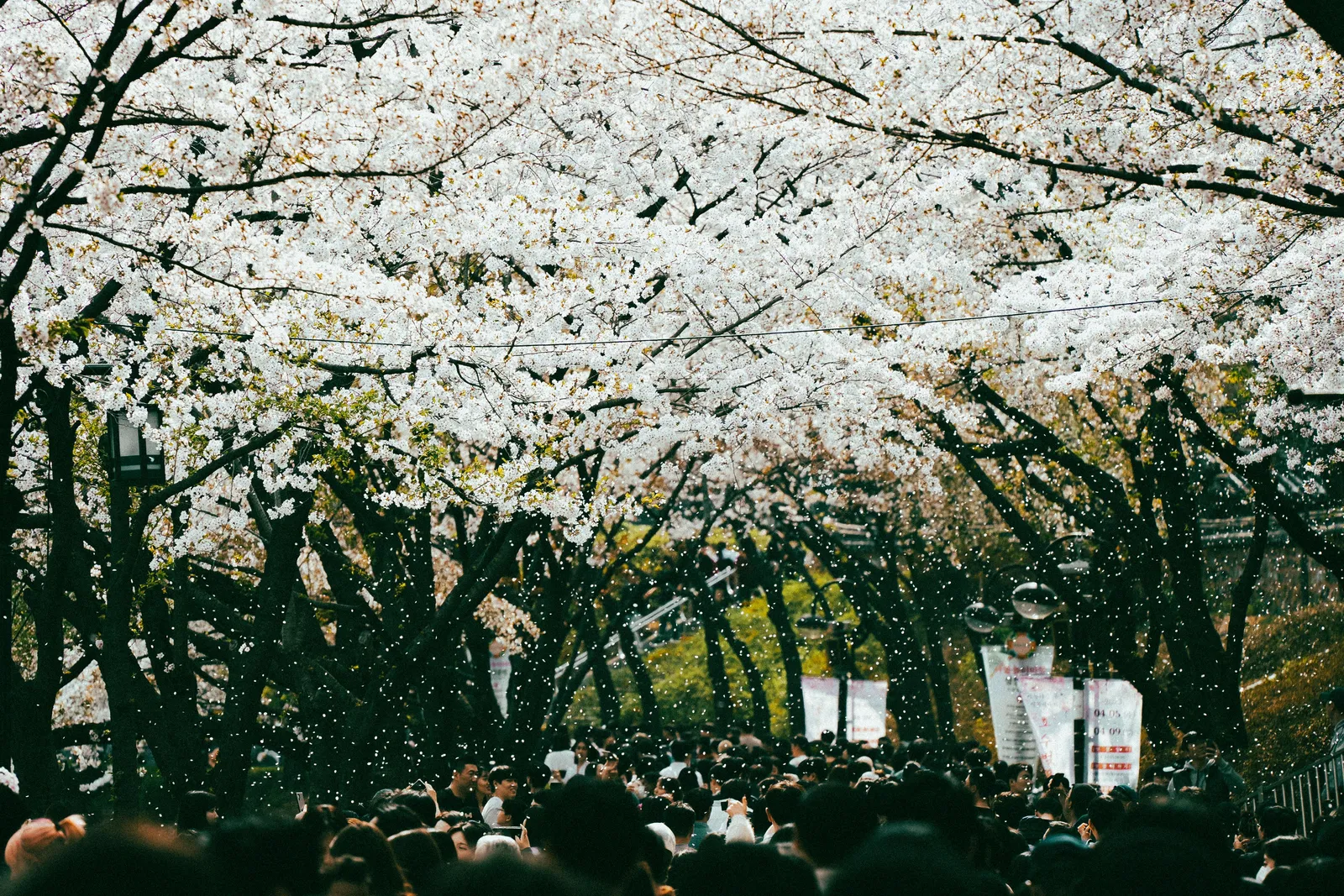
Spring is Korea at its prettiest and, for many, its best. As the country warms from south to north, the famous cherry blossoms sweep up the peninsula, usually from late March on Jeju and Busan to mid-April in Seoul, though the exact dates shift each year, so follow the seasonal blossom forecasts if this is your reason for coming. Palaces, riverbanks and whole avenues turn pink for a fleeting, magical week or two.
The weather is mild and mostly dry, ideal for walking cities and hiking mountains, and by late spring the canola fields of Jeju glow yellow. The catch is popularity: blossom season draws crowds and the best rooms book up fast, so reserve early. If you can, aim for the shoulder weeks just after the peak for the same fine weather with a little more breathing room.
Summer: June to August
Summer is hot, humid and lively. Temperatures climb into the thirties Celsius, and mid-summer brings jangma, a rainy season of heavy, sometimes days-long downpours, followed by a muggy late-summer stretch with a small chance of a passing typhoon. It is the most physically demanding season for sightseeing, so plan indoor breaks and carry water and a compact umbrella.
That said, summer has real rewards. It is beach season on Jeju and in Busan, the water is warm, and it is peak time for festivals, from music events to the joyous mud festival on the west coast. The mountains are lush and green for hiking once the rain clears. Prices can dip slightly outside the school holidays, and if you plan around the heat and the rain, a summer trip can be excellent value and great fun.
Autumn: September to November
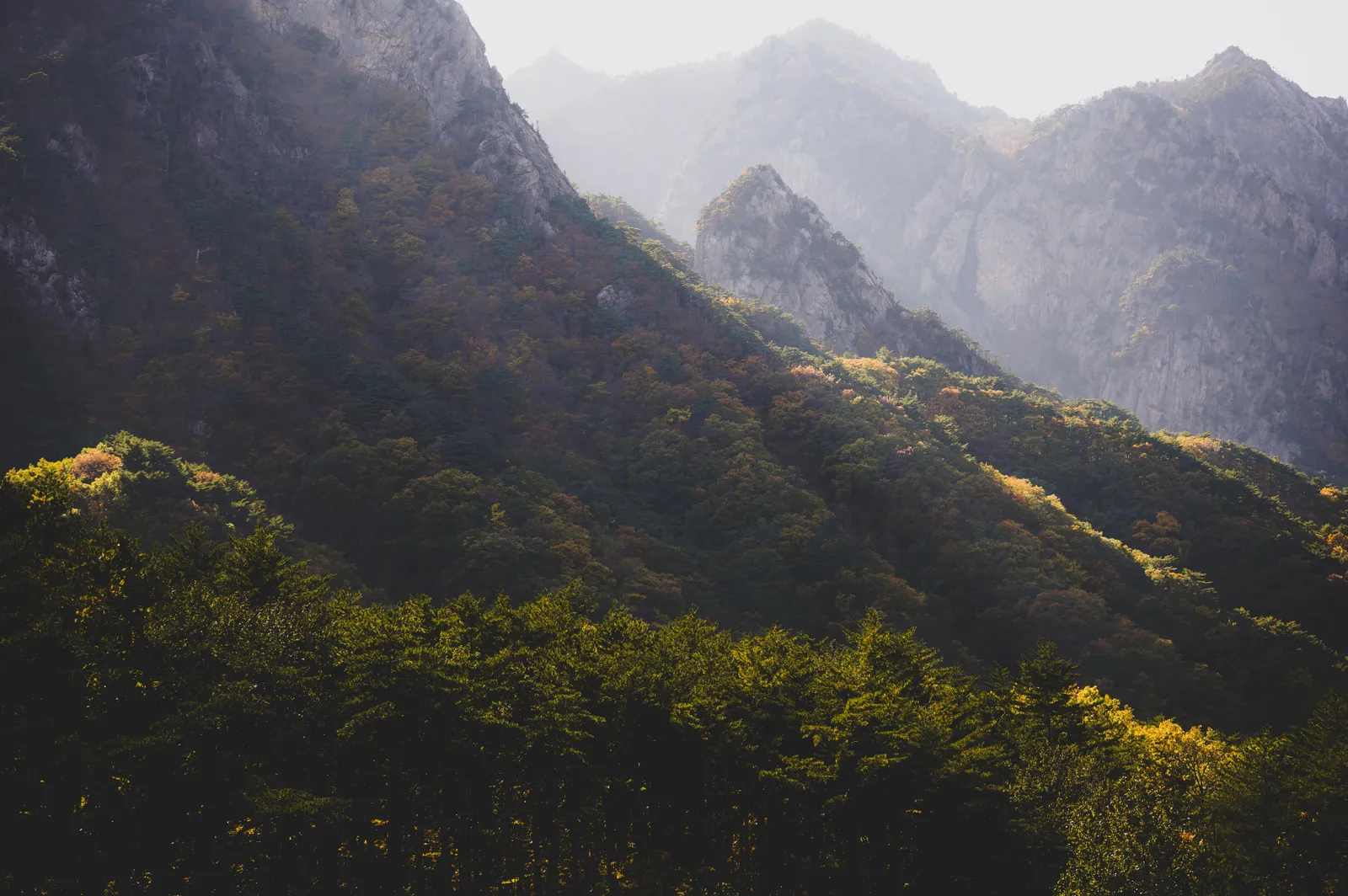
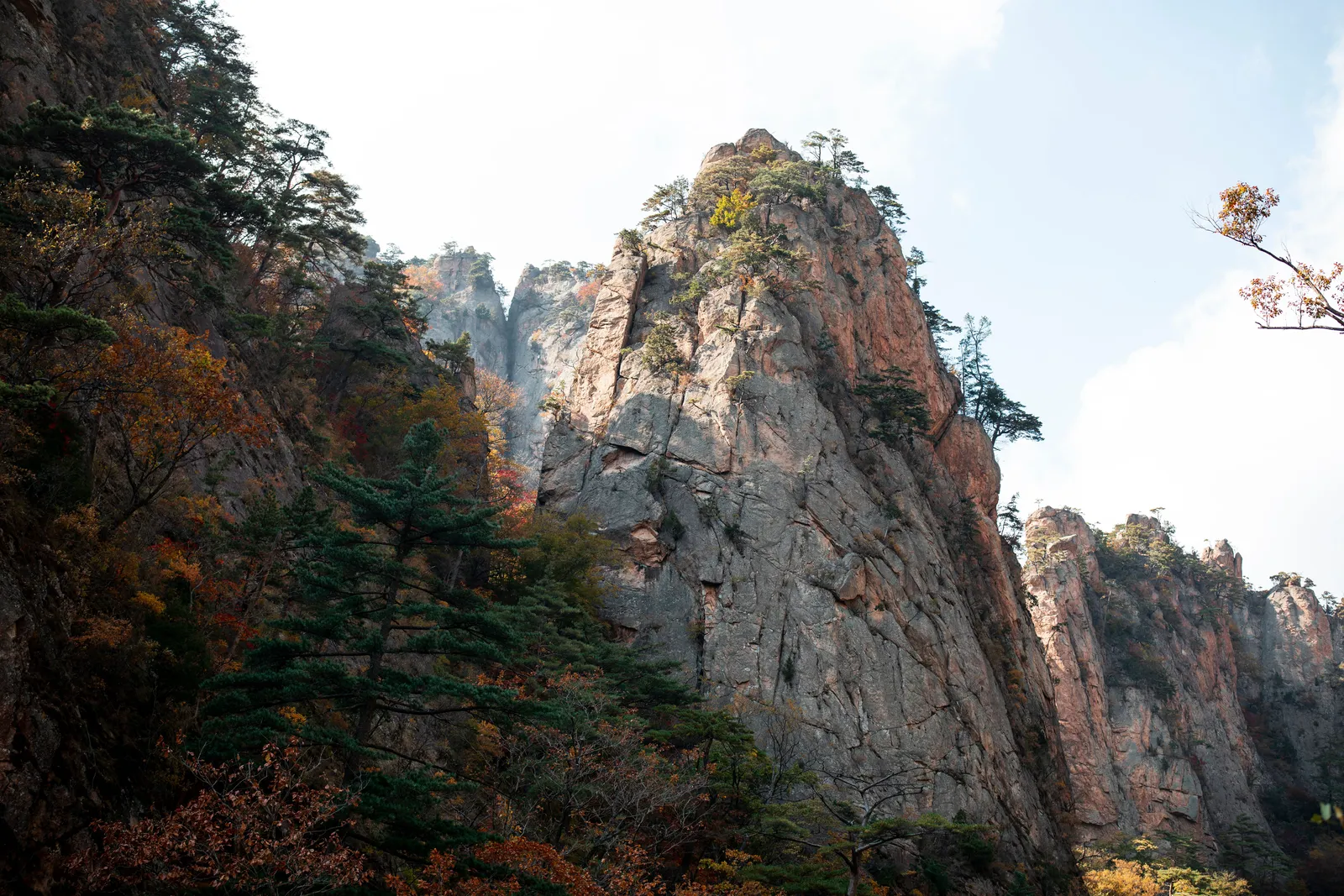
For many seasoned visitors, autumn is the finest season of all. From late September the humidity breaks, the skies turn a deep clear blue, and through October and into November the foliage ignites, sweeping down from the northern mountains to the southern parks in a blaze of crimson and gold that rivals anything in Asia.
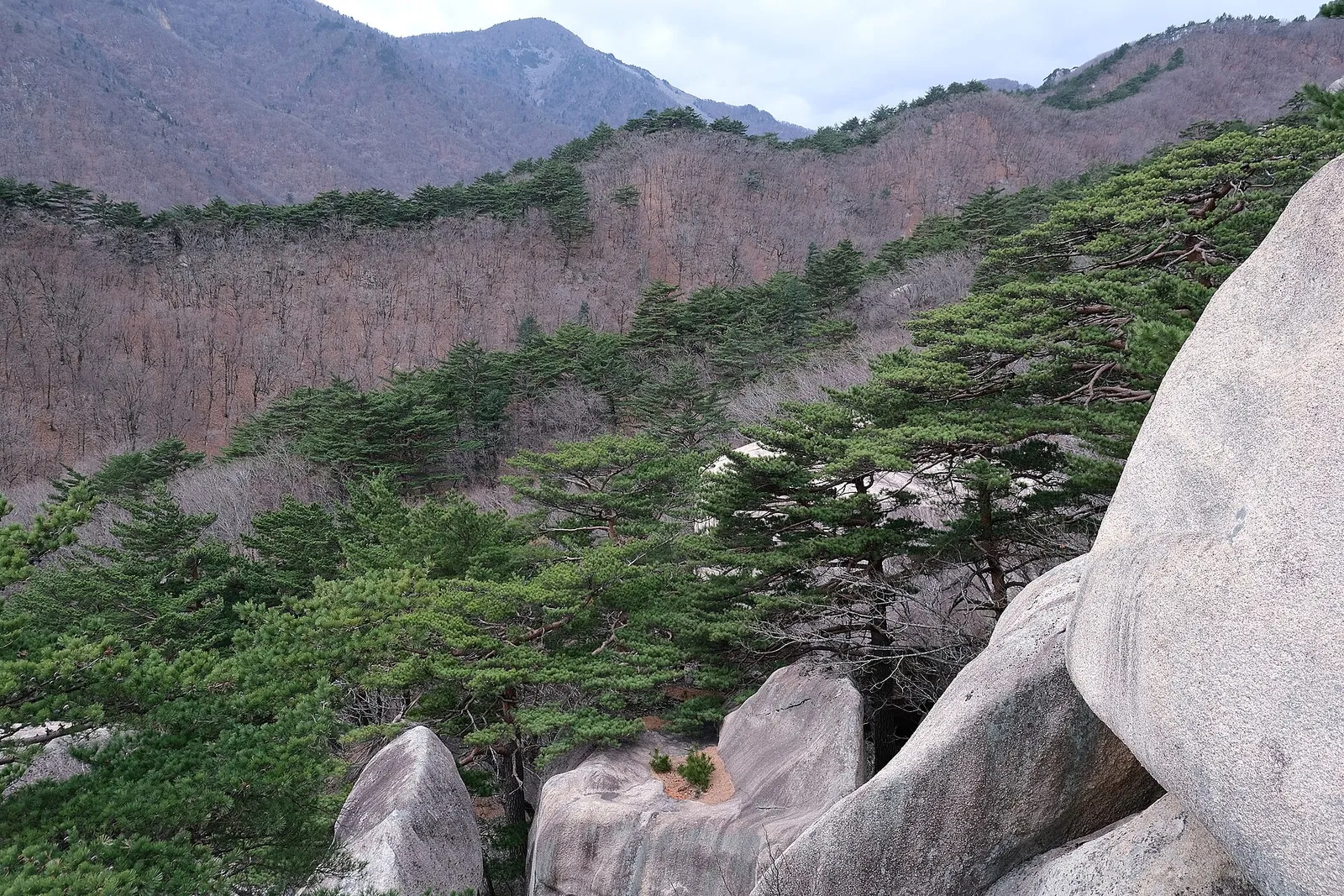
The weather is crisp, dry and made for walking, whether you are wandering Seoul’s palace grounds or hiking the granite ridges of Seoraksan and Bukhansan. Harvest festivals fill the calendar, and the food, from fresh crab to warming stews, is at its best. Like spring, autumn is popular, so book your rooms ahead, especially around the foliage peak, but the reward is Korea at its most beautiful and comfortable.
Catch the blossoms and foliage at their peakA seasonal day tour times your visit to the best viewing spots without the guessworkThe two holidays that move the whole country
Two dates matter more than any weather forecast, and both shift each year with the lunar calendar. Seollal, the lunar new year in winter, and Chuseok, the autumn harvest holiday, are when Korea travels: families return to hometowns, trains and buses sell out weeks ahead, motorways gridlock, and a good number of small restaurants and shops close for several days.
Neither is a reason to avoid a trip, and both are genuinely interesting times to be here, with palaces free or hosting events and a completely different atmosphere in the cities. But they are a reason to check the dates and book transport very early, since turning up expecting to buy a train ticket on the day will not work.
Winter: December to February
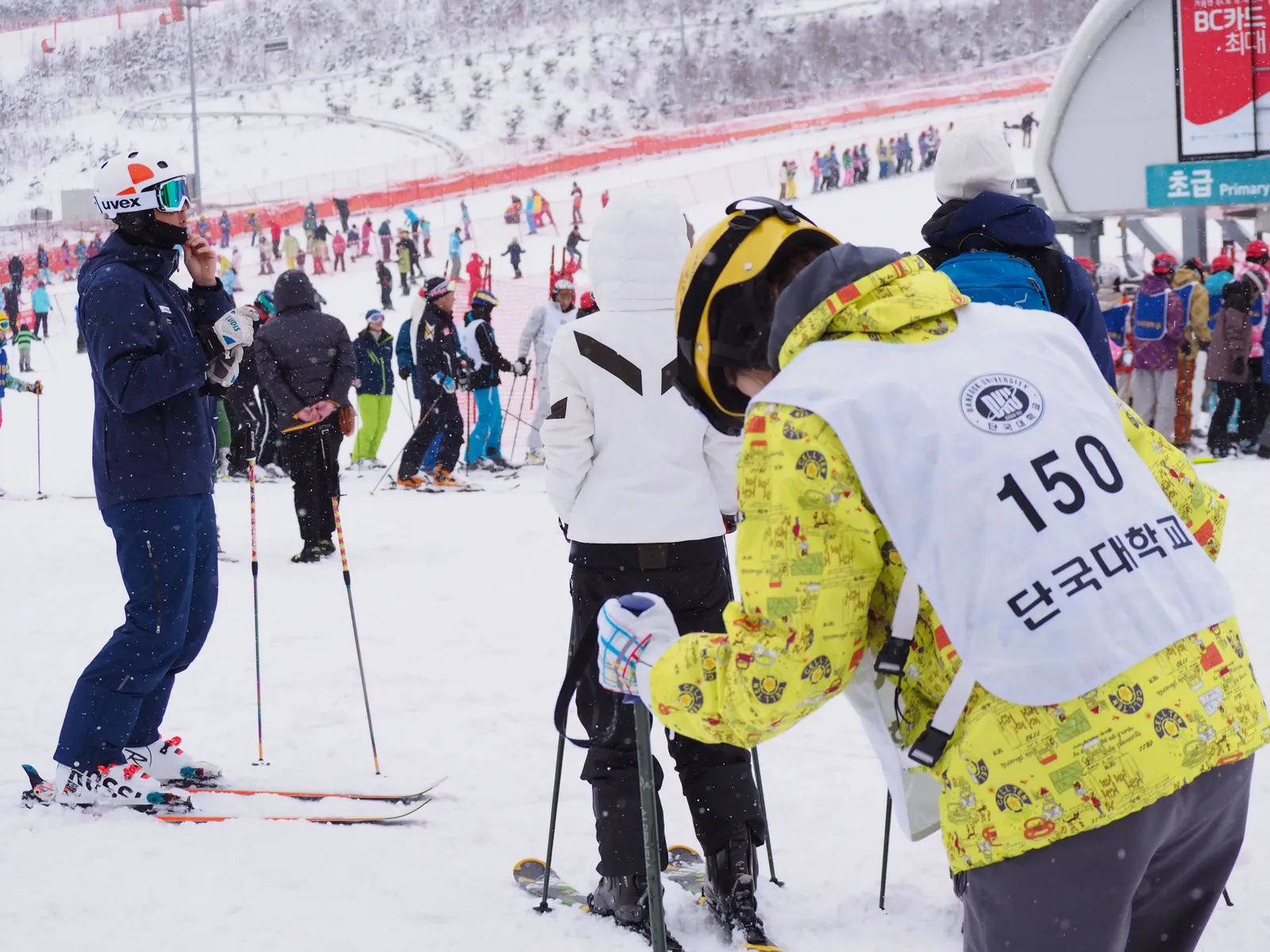
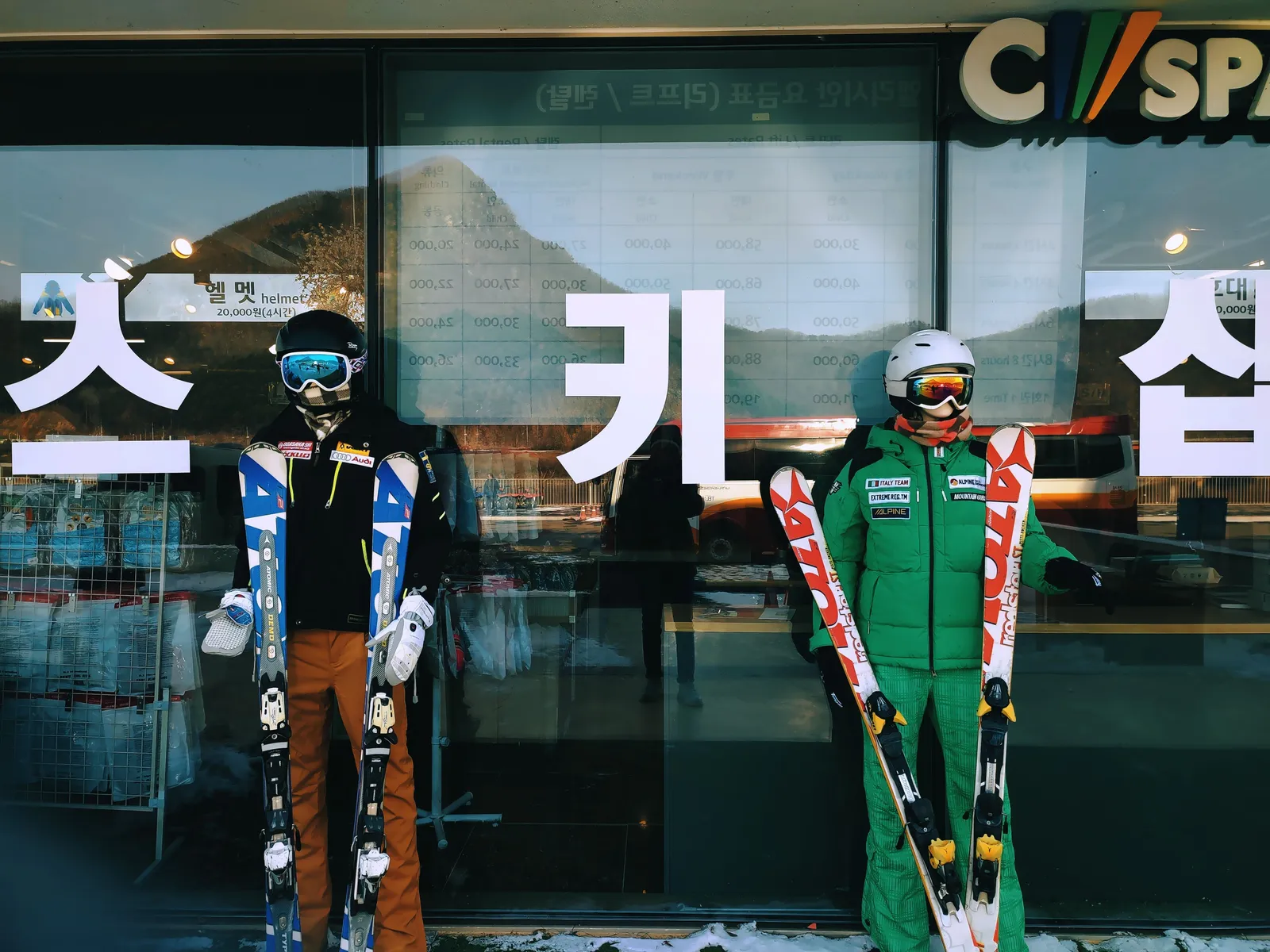
Winter is cold and dry, particularly in Seoul and the north, where temperatures often sit below freezing and a dusting of snow can settle on the palace roofs. The cities are well heated indoors, though, and this quiet season has genuine charms. It is prime time for skiing and snowboarding at the resorts of Gangwon Province that hosted the Winter Olympics, and there is no greater pleasure than a steaming outdoor jjimjilbang spa or bathhouse on a frosty day.
Sightseeing crowds thin right out, so palaces and popular spots feel almost private, and prices outside the ski areas and holidays often soften. Jeju stays mild by mainland standards and can even show early camellias and blossoms. Pack serious layers, a good coat, gloves and a hat, and winter becomes a crisp, atmospheric and affordable time to travel.
What each season means for the practical trip
Prices and crowds track the two beautiful seasons rather than the weather: spring blossom and autumn foliage are when accommodation costs the most and sells out first, and winter outside the ski areas is the bargain. Summer sits in between, expensive in the school holidays and reasonable either side.
Hiking, which is close to a national sport here, is at its best in October, when the air is dry and the mountains are on fire with colour, and in May. Summer is possible early in the morning and unpleasant later; winter trails are beautiful and need proper gear.
Indoor Korea, meaning the palaces, museums, markets, cafes, bathhouses and eating, works in every month of the year, which is the real reason there is no bad season. A wet July afternoon in a jjimjilbang or a market food alley is not a compromise.
What to pack, by season
Spring and autumn need layers above all, since mornings and evenings are considerably cooler than the middle of the day, plus comfortable walking shoes, because you will do more of it than you expect.
Summer means the lightest clothes you own, plus a compact umbrella rather than a rain jacket, which is what everyone here carries and is far more practical in the humidity. Add sunscreen and something to change into.
Winter is dry cold rather than damp, so proper thermal layers, a windproof coat, gloves and a hat do the job, and indoor heating is excellent, which means dressing to remove layers rather than to survive. Slip-resistant shoes matter more than fashionable ones on icy palace courtyards.
Matching the season to your trip
If you want the classic postcard, come in spring for the blossoms or autumn for the foliage, accept the crowds, and book early; these are the safe, beautiful choices for a first visit. If you dream of Jeju beaches and festivals and do not mind heat and rain, take on summer and reap the lower shoulder prices. If you love skiing, spas and quiet, cheap sightseeing, embrace winter and pack warm.
Whatever you choose, a few things hold true year round: the cities are always worth it, the food is always excellent, and the transport always runs. Two more resources if a season is the reason you are coming. The bloom moves north across the country over several weeks, and the window in any one place lasts barely a week, so the workable plan is to pick a region rather than a date. And the summer monsoon, jangma, is far more manageable than the rainfall figures suggest, arriving in heavy bursts with usable dry hours around them. Read the first-time guide to build the rest of your plan around whichever season you pick.
One more thing the season does not change
Whatever month you land in, the small courtesies are the same, and they are the fastest way into the warmer version of the country: two hands when giving and receiving, shoes off where the floor steps up, and a quiet carriage on the train. Our guide to Korean etiquette covers the handful of habits that matter most to a visitor, and none of them take more than a day to absorb.
The short version
Spring and autumn are the crowd-pleasing best, one for cherry blossoms and one for fiery foliage, both mild and dry, and both worth booking early. Summer trades heat and rain for beaches, festivals and value; winter trades cold for skiing, spas and blissfully quiet sights. Pick the season that matches the trip you want, reserve your rooms ahead if you are chasing blossoms or leaves, and pack for the weather. Korea delivers in every season, as long as you come prepared for the one you choose.
Two things follow from the season you pick. Winter puts skiing on the table, and that is an insurance add-on rather than a default inclusion in most policies, which is worth knowing before rather than after; our guide to travel insurance for Korea covers the activity clauses. And whatever the month, the first purchase on arrival is the same one, since blossom crowds and snow days are both easier when every subway and bus is a single tap; our T-money card guide covers it.