Lava Tubes and a Sunrise Crater: Volcanic Jeju in One Day
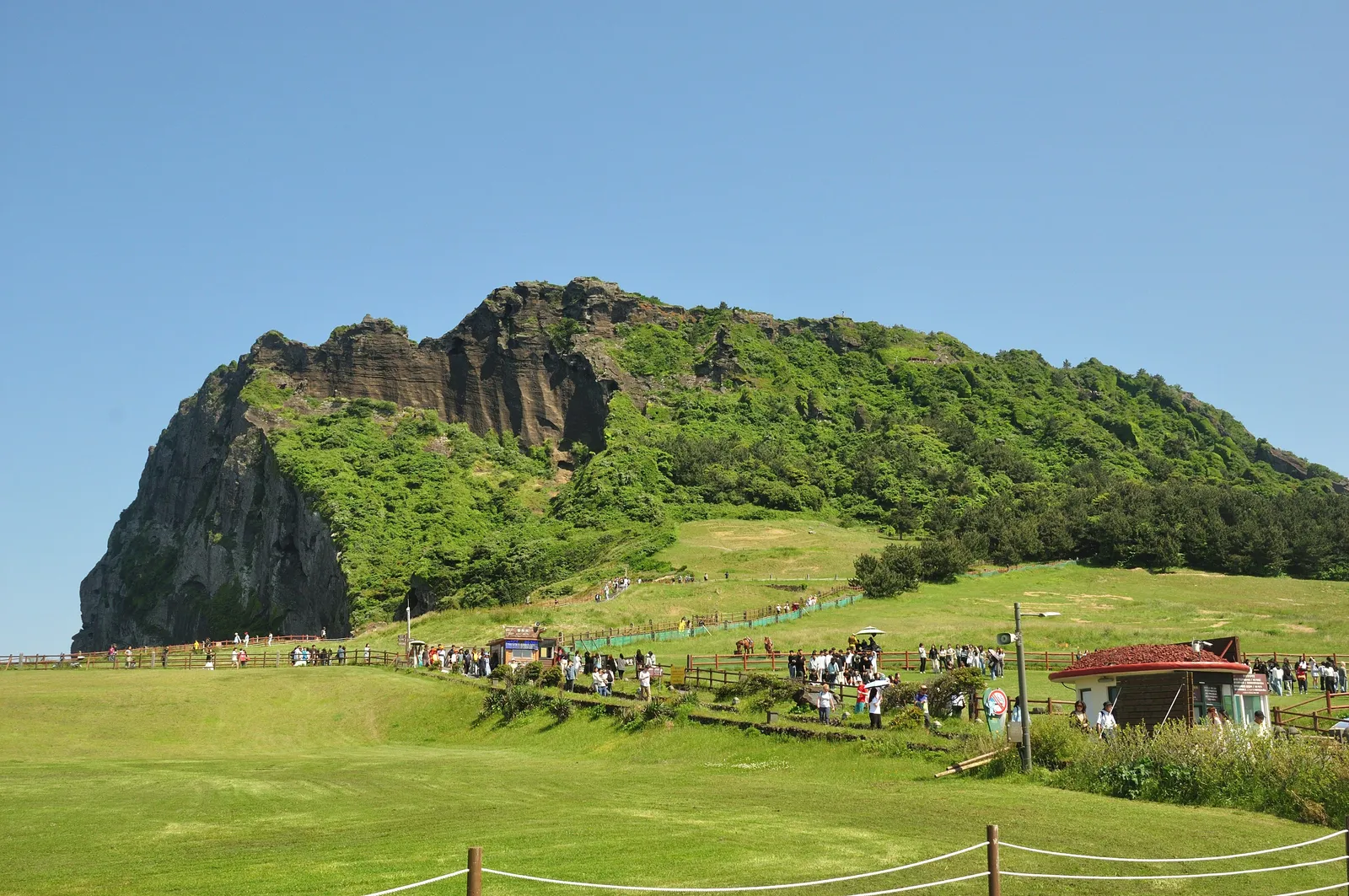
The eastern side of Jeju holds a tuff cone rising straight out of the sea and a lava tube you can walk inside. How to fit both into one day, in the right order, and what to wear underground.
Every guide about Beyond the cities for a trip to South Korea, in one place.
The eastern side of Jeju holds a tuff cone rising straight out of the sea and a lava tube you can walk inside. How to fit both into one day, in the right order, and what to wear underground.
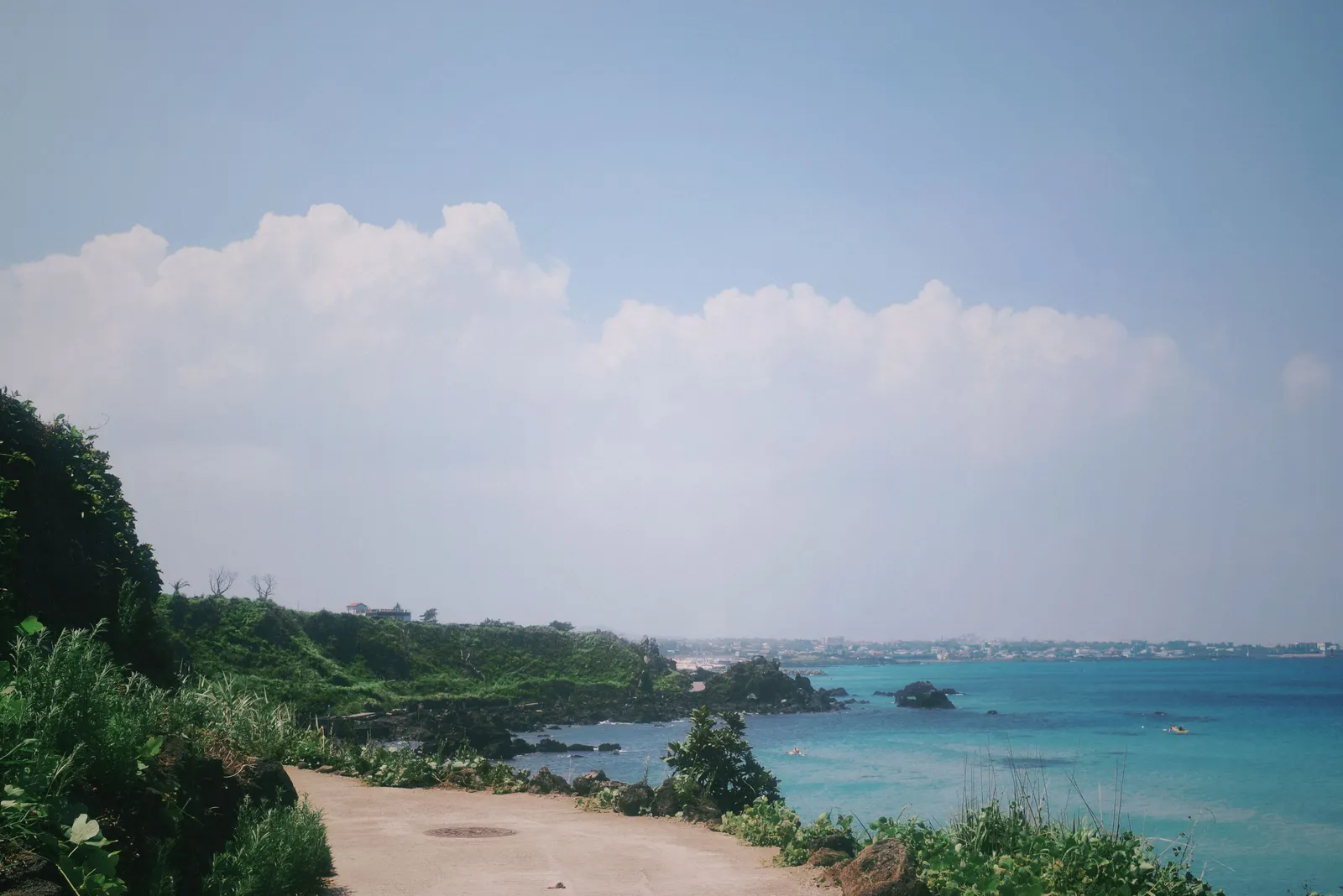
A waymarked coastal network of more than twenty numbered routes circling Jeju, each a day, marked by blue and orange ribbons and a small horse.
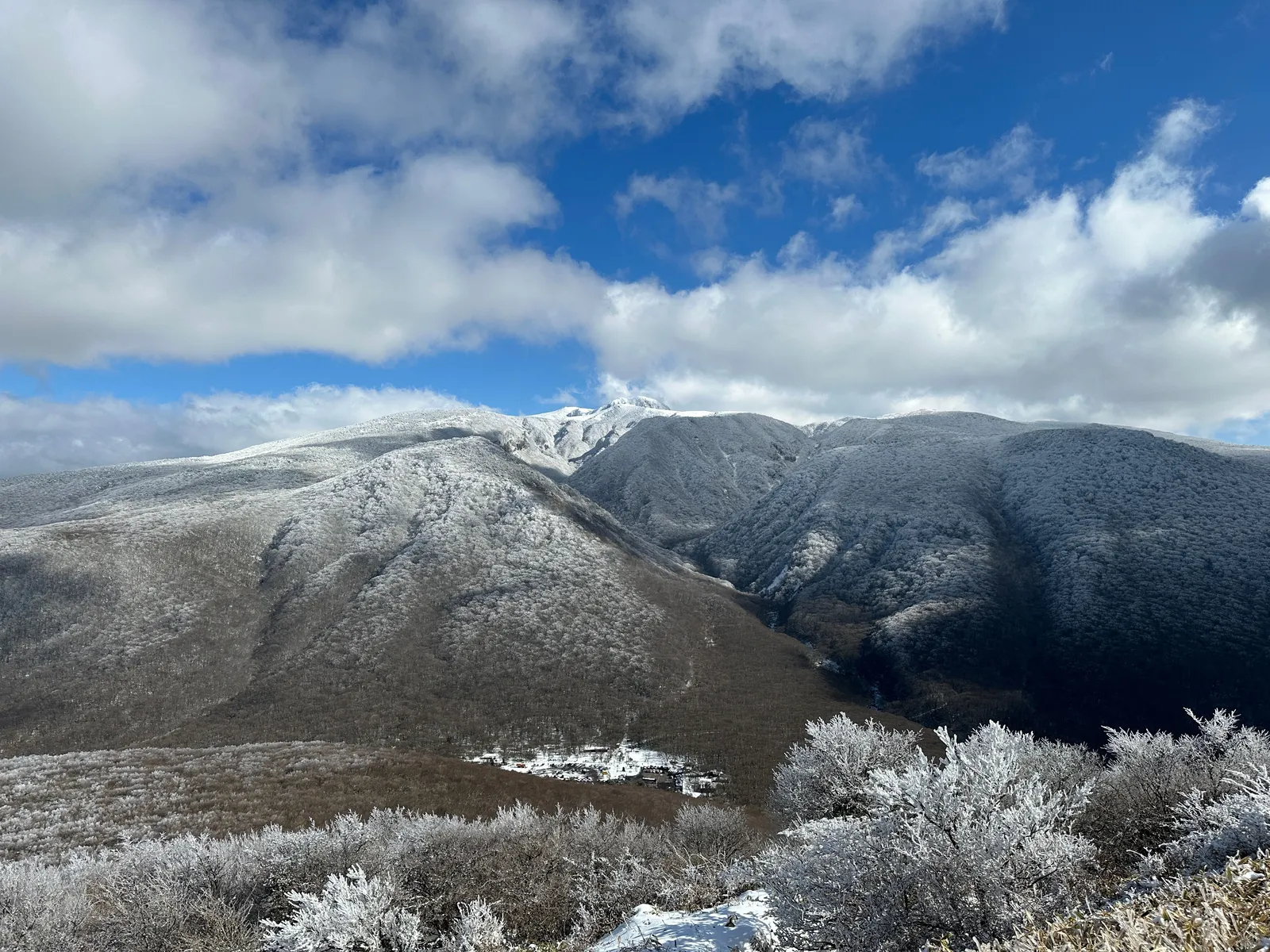
A shield volcano in the middle of an island, a crater lake at the top, two long summit trails with cut off times, and a booking system to read before you go.
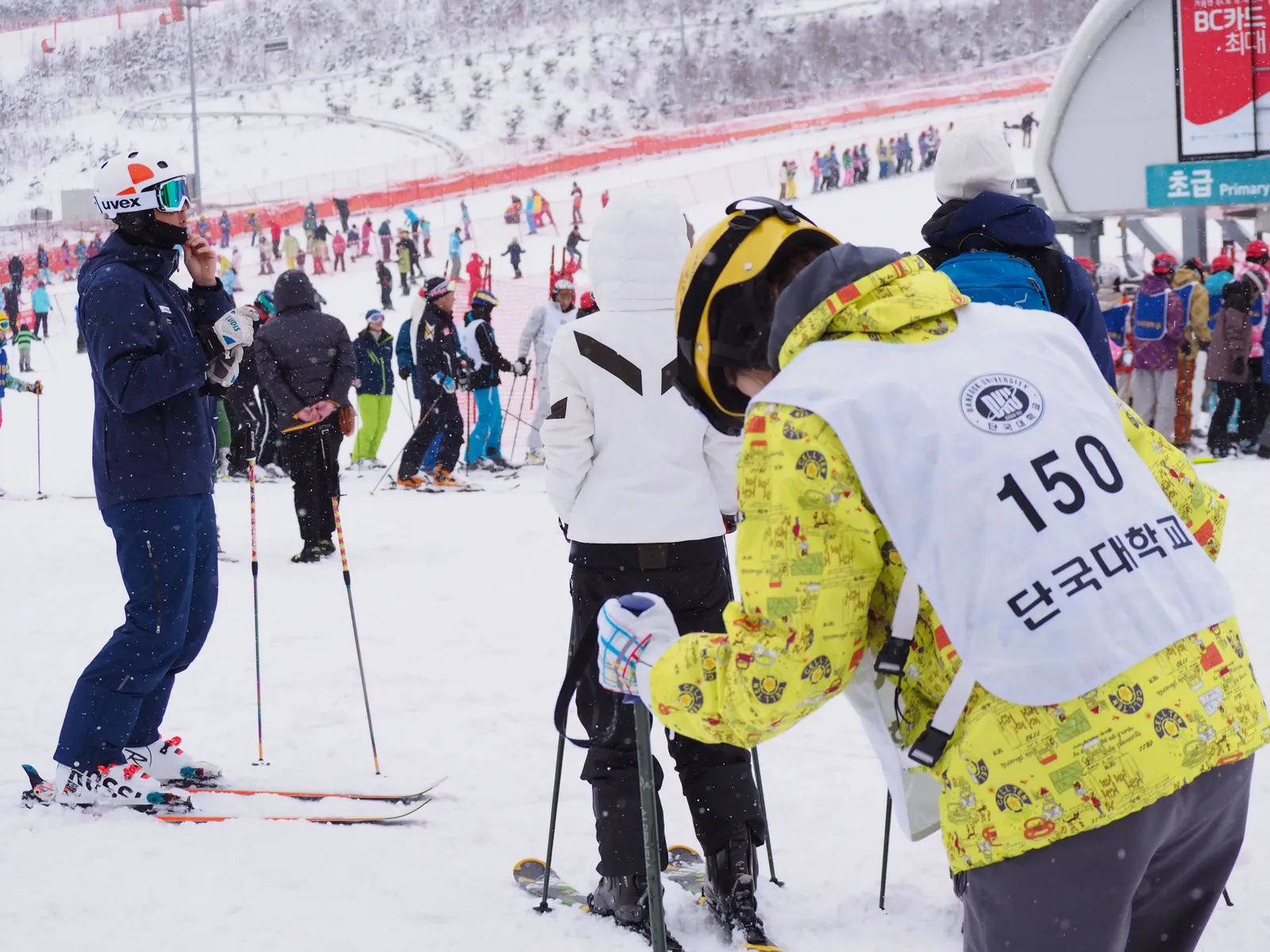
Resorts within two hours of Seoul, floodlit slopes until late, a reliable cold winter and equipment hire that costs less than lunch in the Alps.
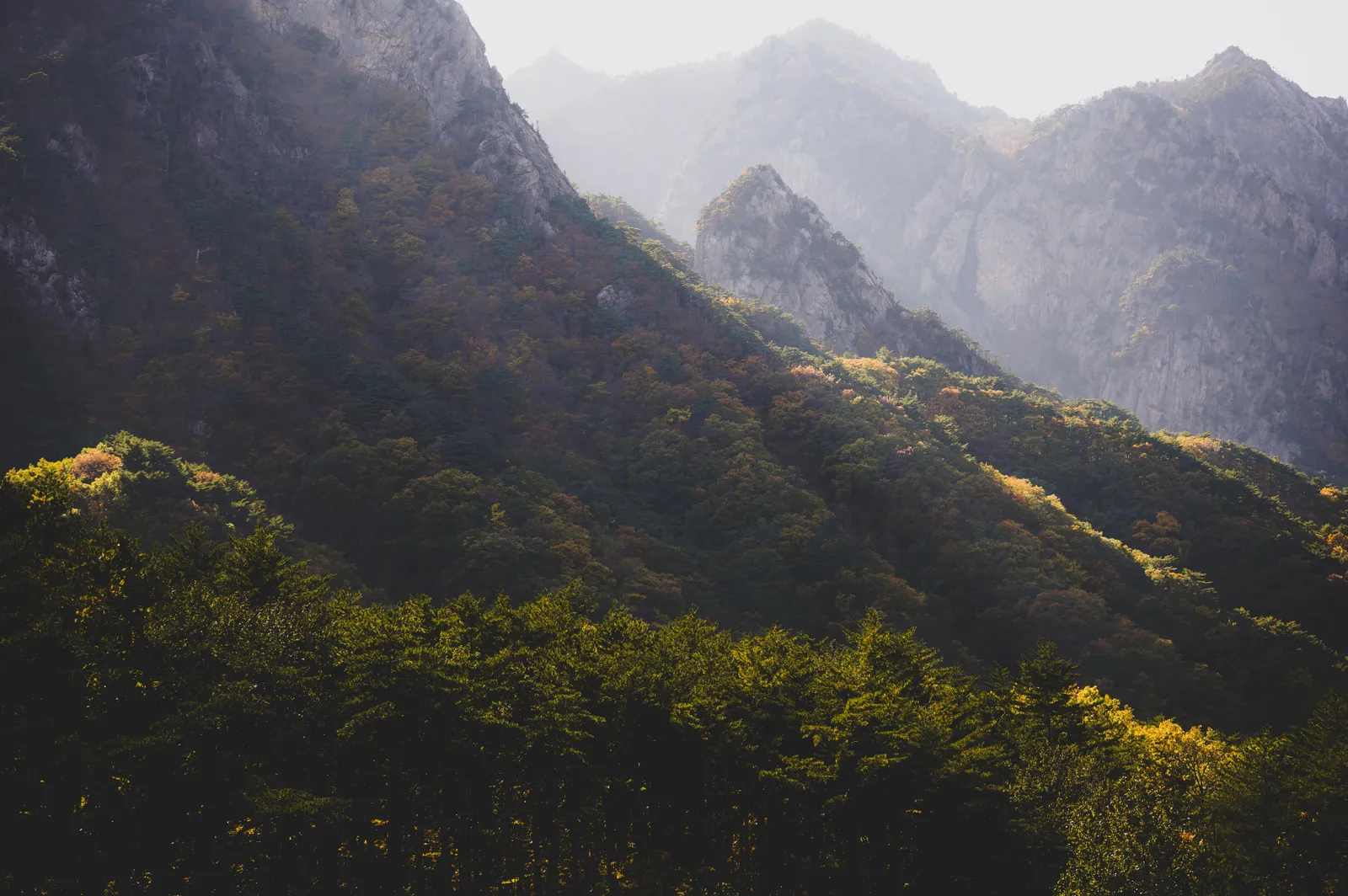
Granite ridges, a cable car, a temple in a bowl of mountains and a colour front that comes down from the peaks to the valleys over a fortnight in October.
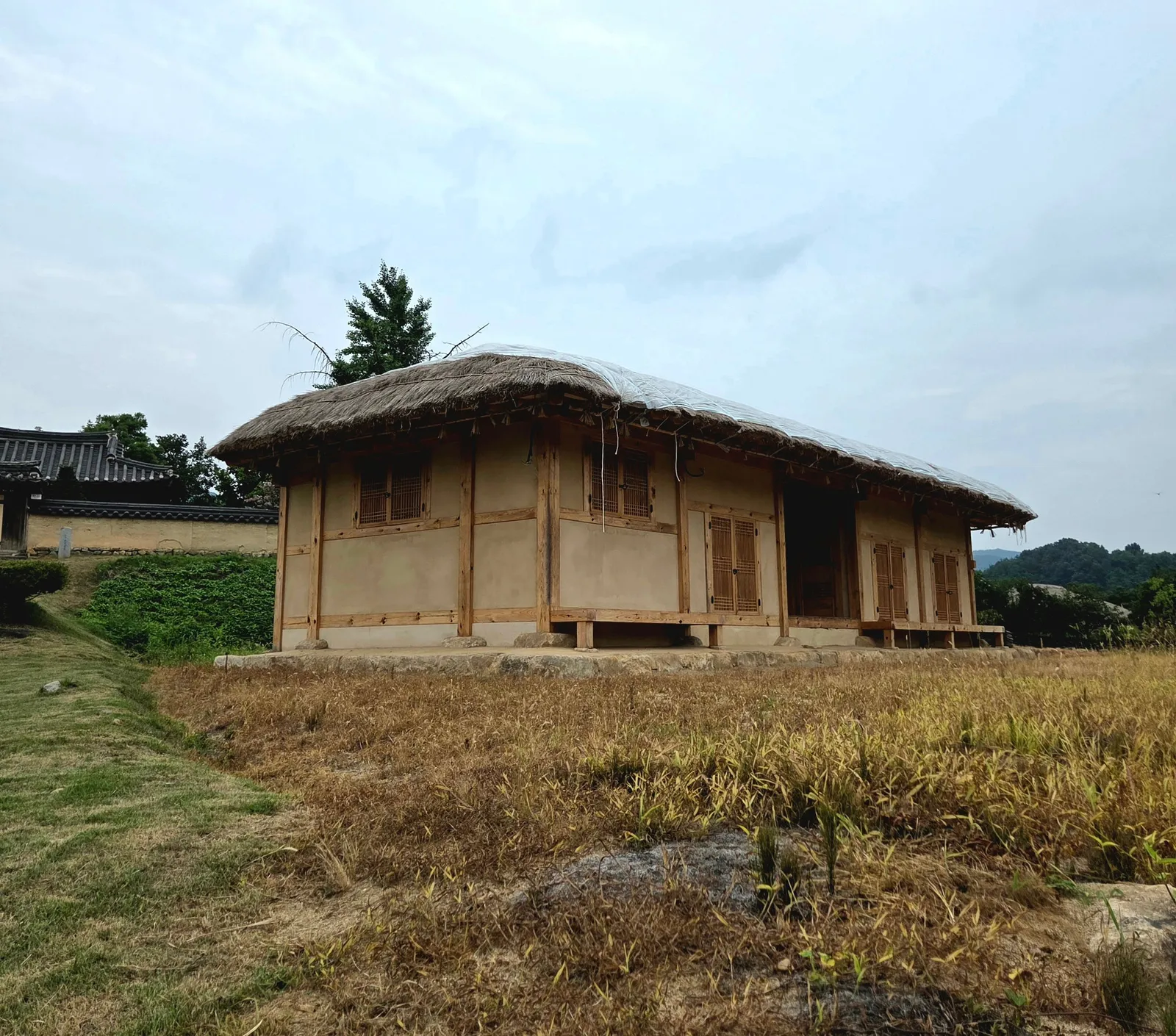
A Confucian village in a river bend where an aristocratic clan lived for six hundred years, a satirical masked dance, and the town's two great dishes.
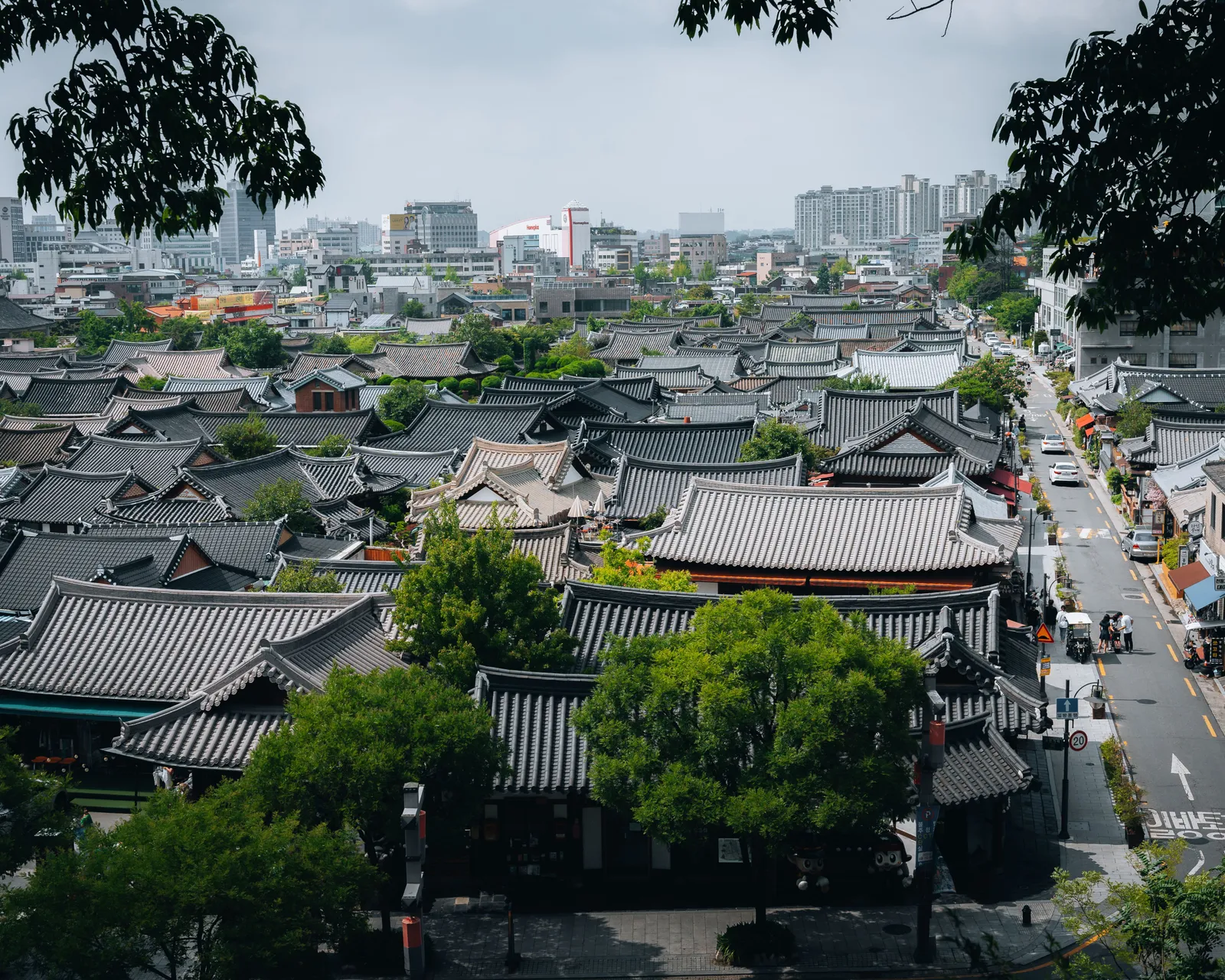
The largest surviving hanok district in Korea, a dish the city is credited with inventing, and an alley of makgeolli houses that serve food you did not order.
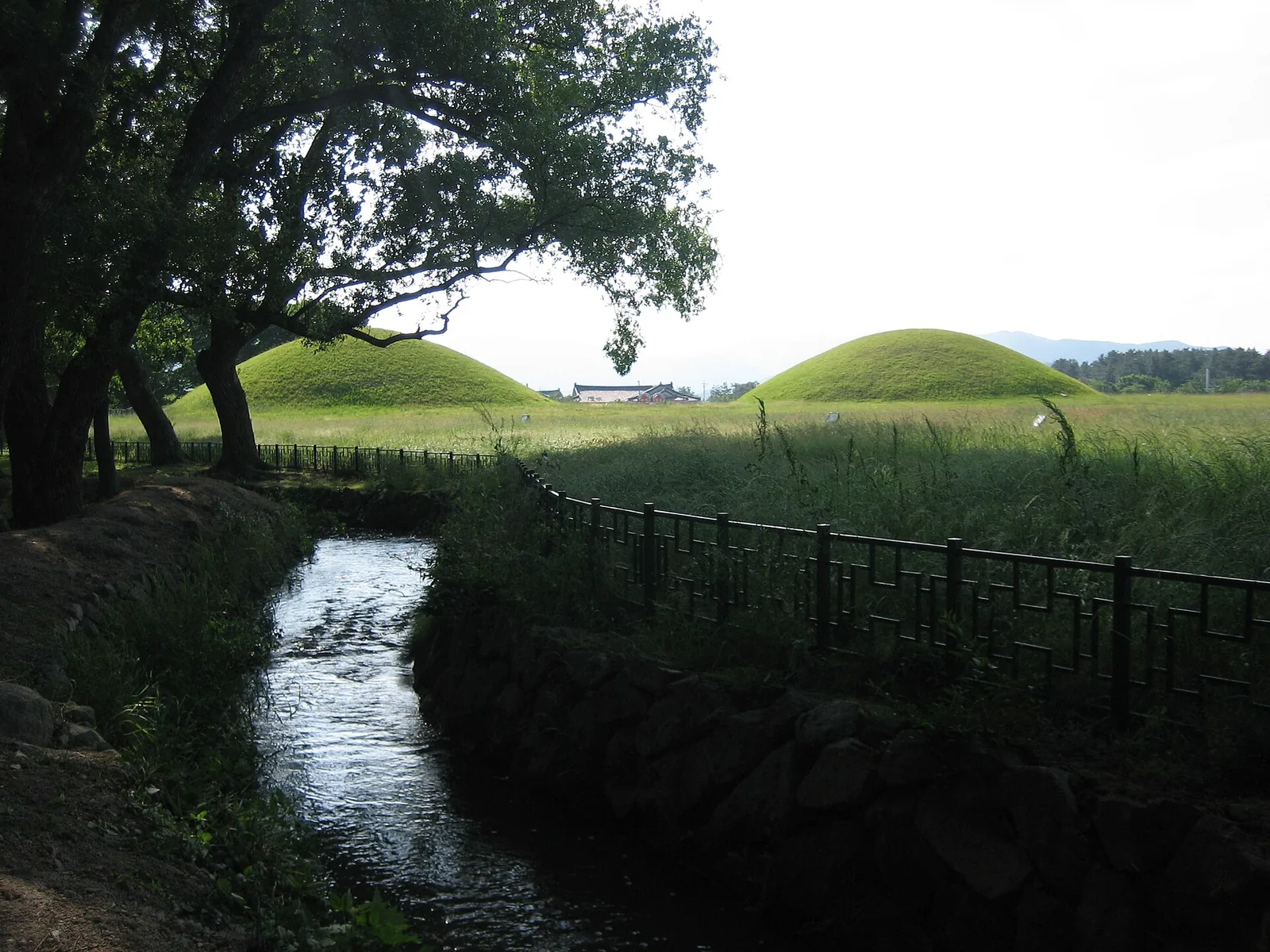
Royal burial mounds in the middle of town, an observatory, a UNESCO temple in the hills, and a city flat enough that a bicycle is the obvious way round it.
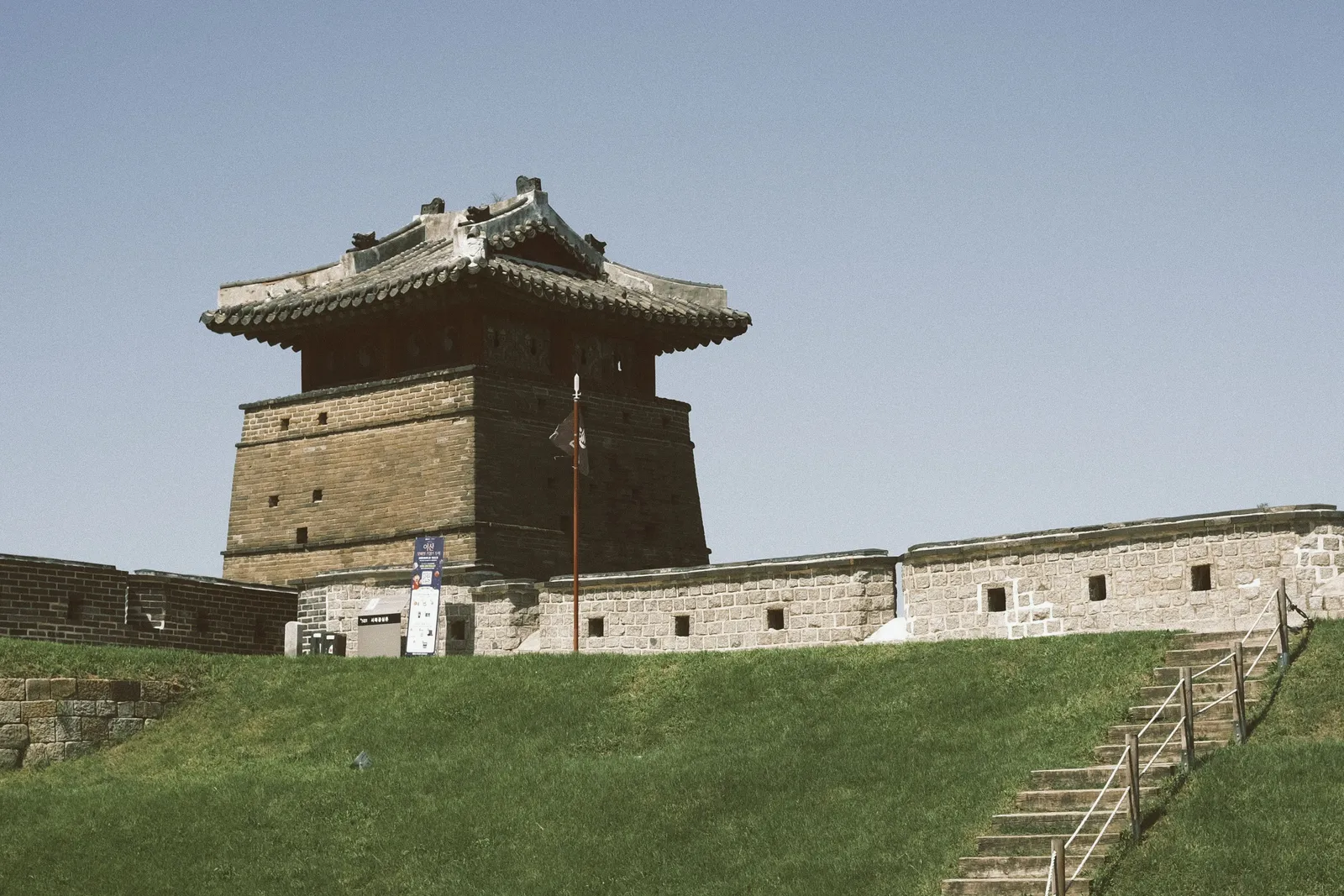
Nearly six kilometres of eighteenth century fortress wall with a walkway along the top, a palace inside it, and a working Korean city around it.
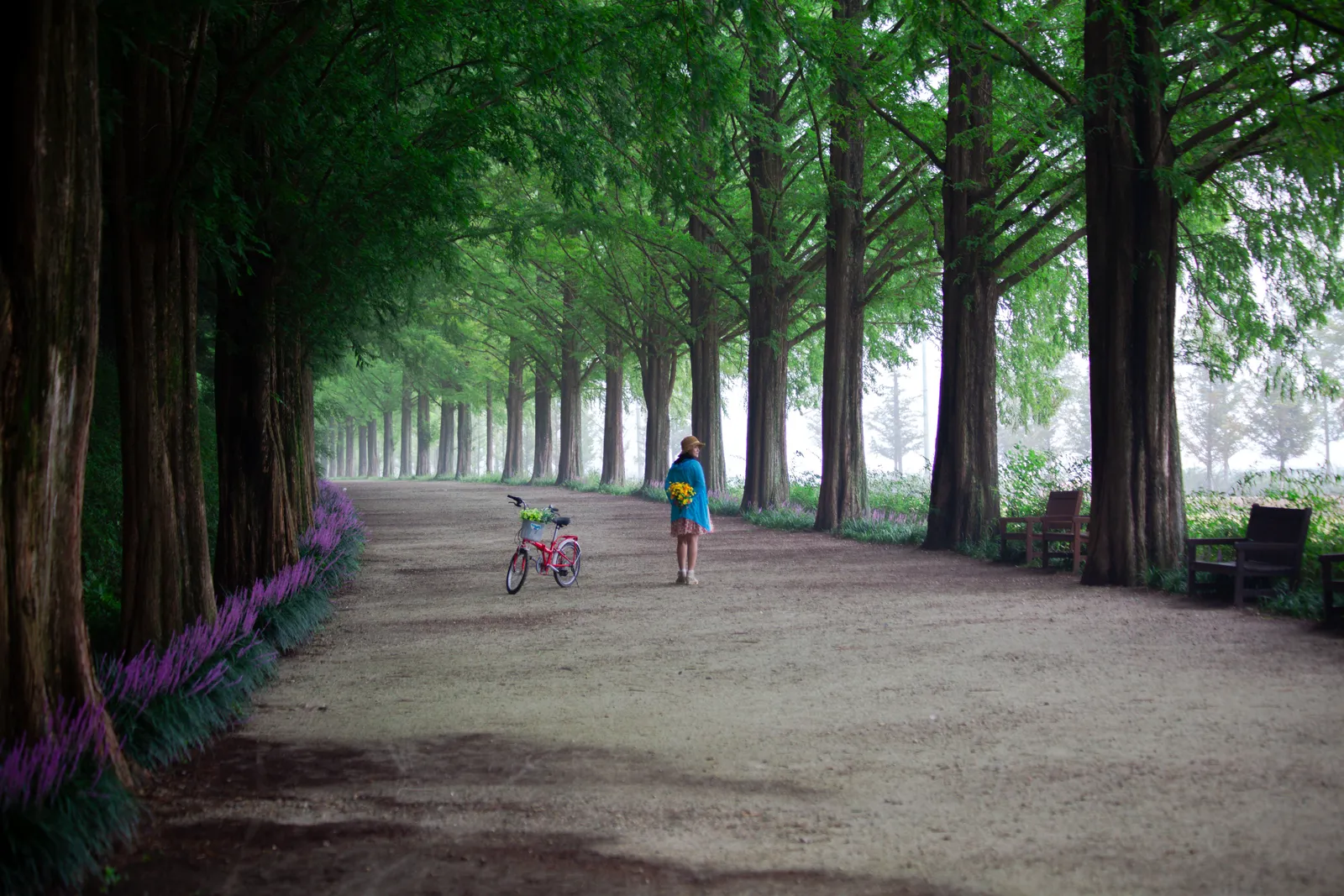
A fortress you walk on top of, an island of tree tunnels, a border you can look across and a Chinatown by the sea, all inside two hours of the city.