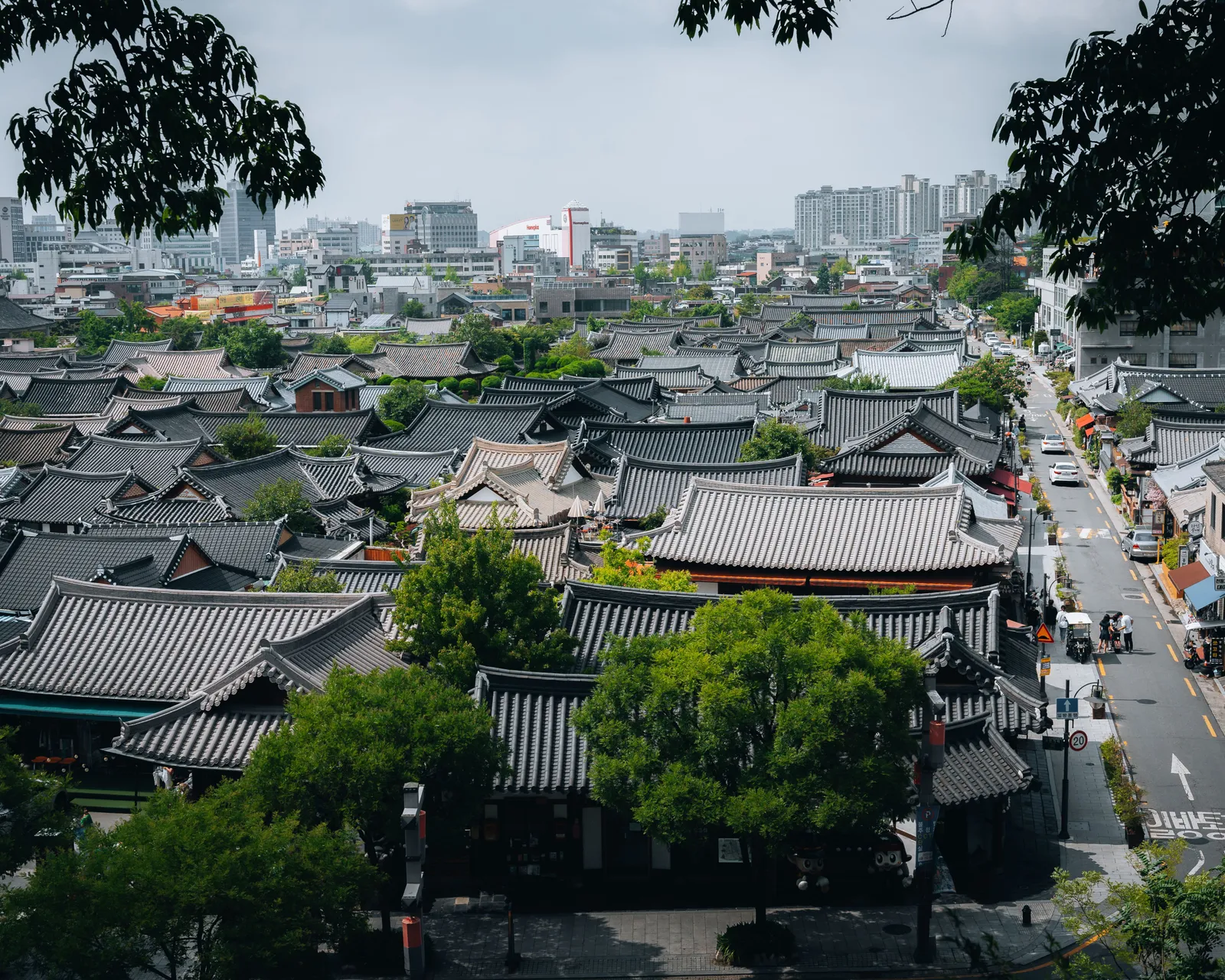
Jeonju has two claims and both are solid. The first is architectural: several hundred hanok in a single quarter, which makes it the largest surviving traditional district in Korea and considerably bigger than the better known one in Seoul. The second is culinary, and Koreans take it more seriously than visitors do. This is the city credited with bibimbap, it has an alley of rice wine houses where the food arrives free with the drink, and it has a street food scene that people travel from Seoul for.
The hanok district
Several hundred traditional houses, in a walkable quarter with a main axis and quiet lanes off it.
Gyeonggijeon shrine, in the middle, holding a royal portrait and worth the entry.
A Catholic cathedral immediately beside it, which is an odd and photogenic juxtaposition.
Hanbok rental, everywhere, worn by most of the domestic visitors.
Craft museums and workshops, including paper making, which is a Jeonju speciality.
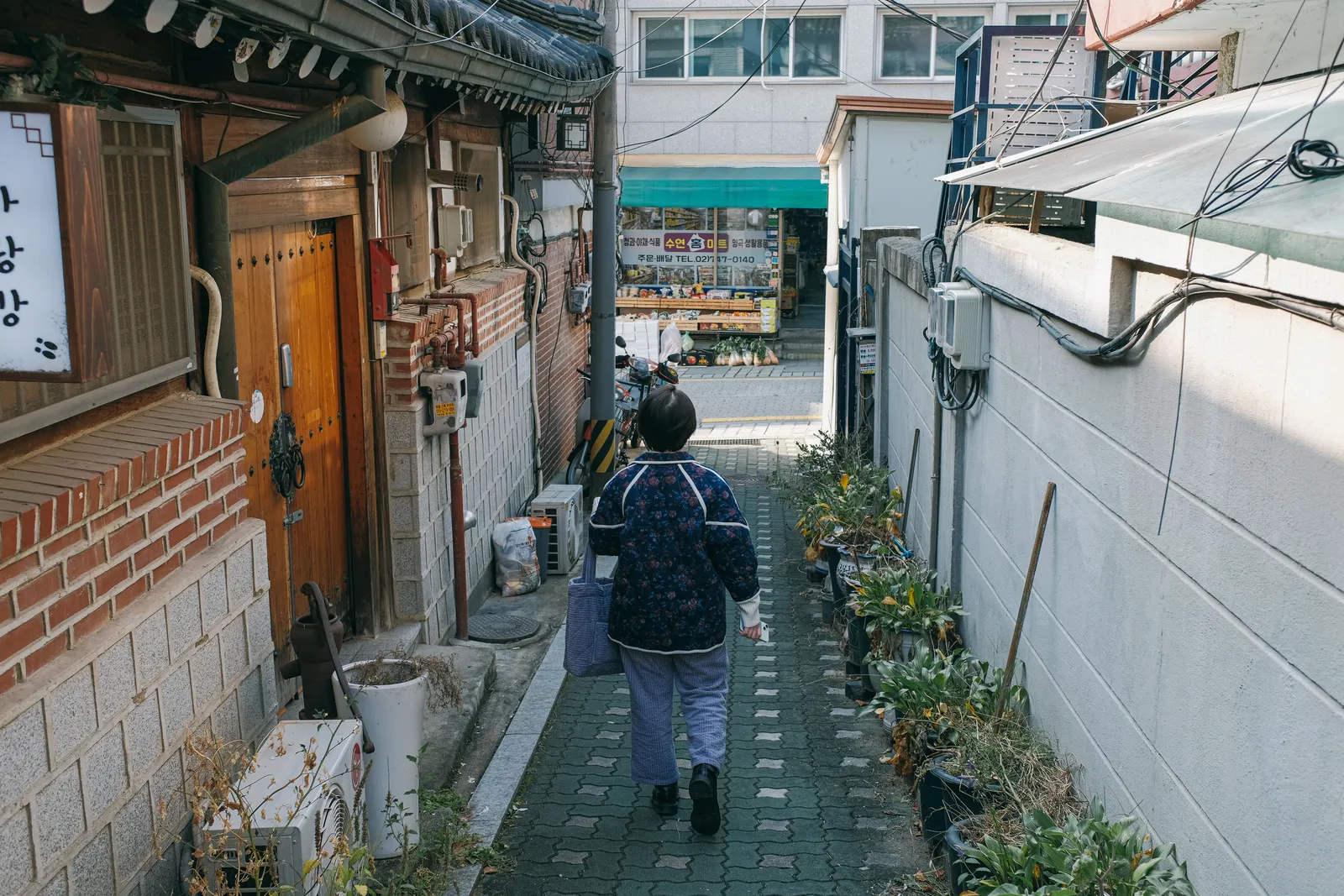
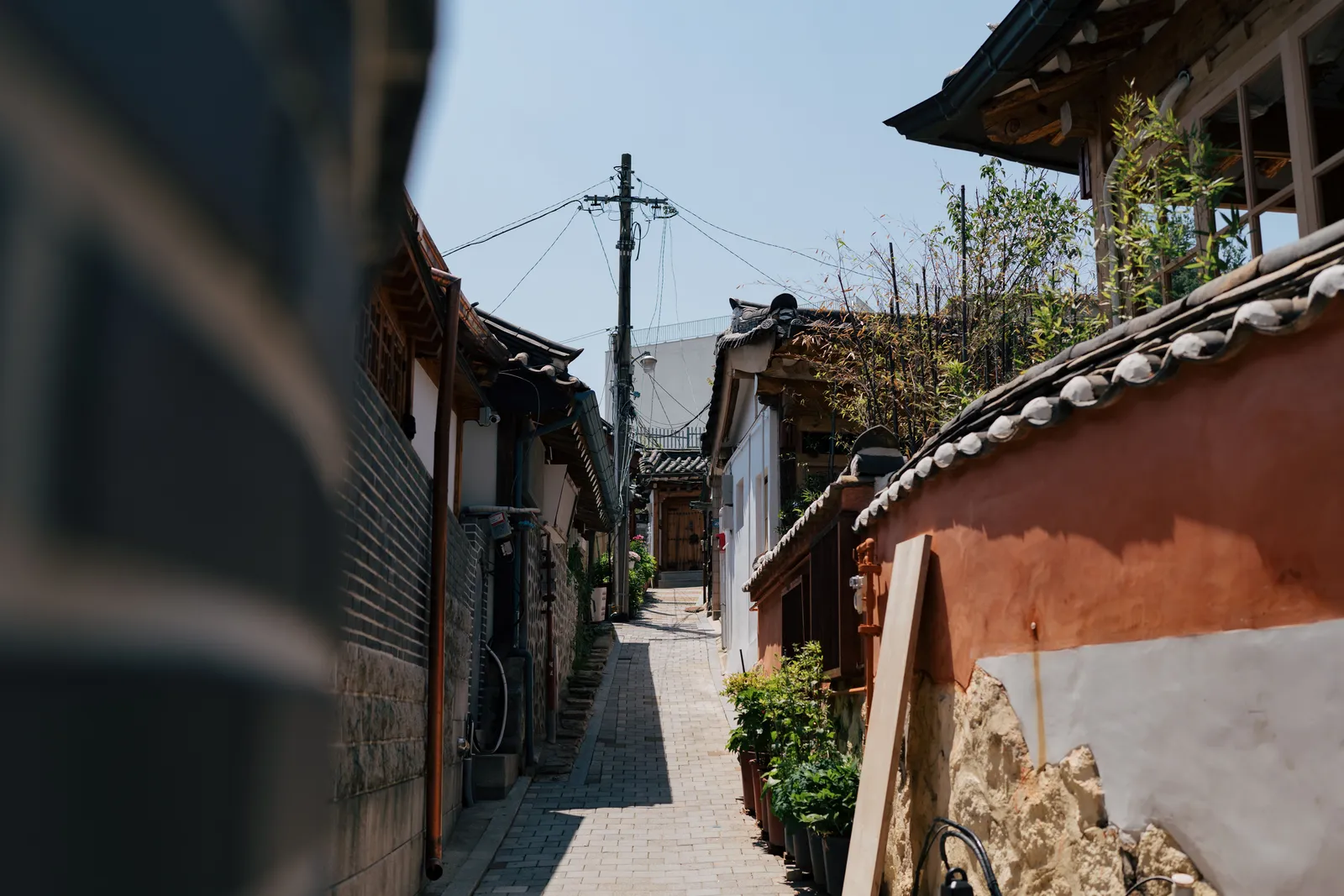
Residential lanes two streets off the main run, which are where to actually walk.
The food
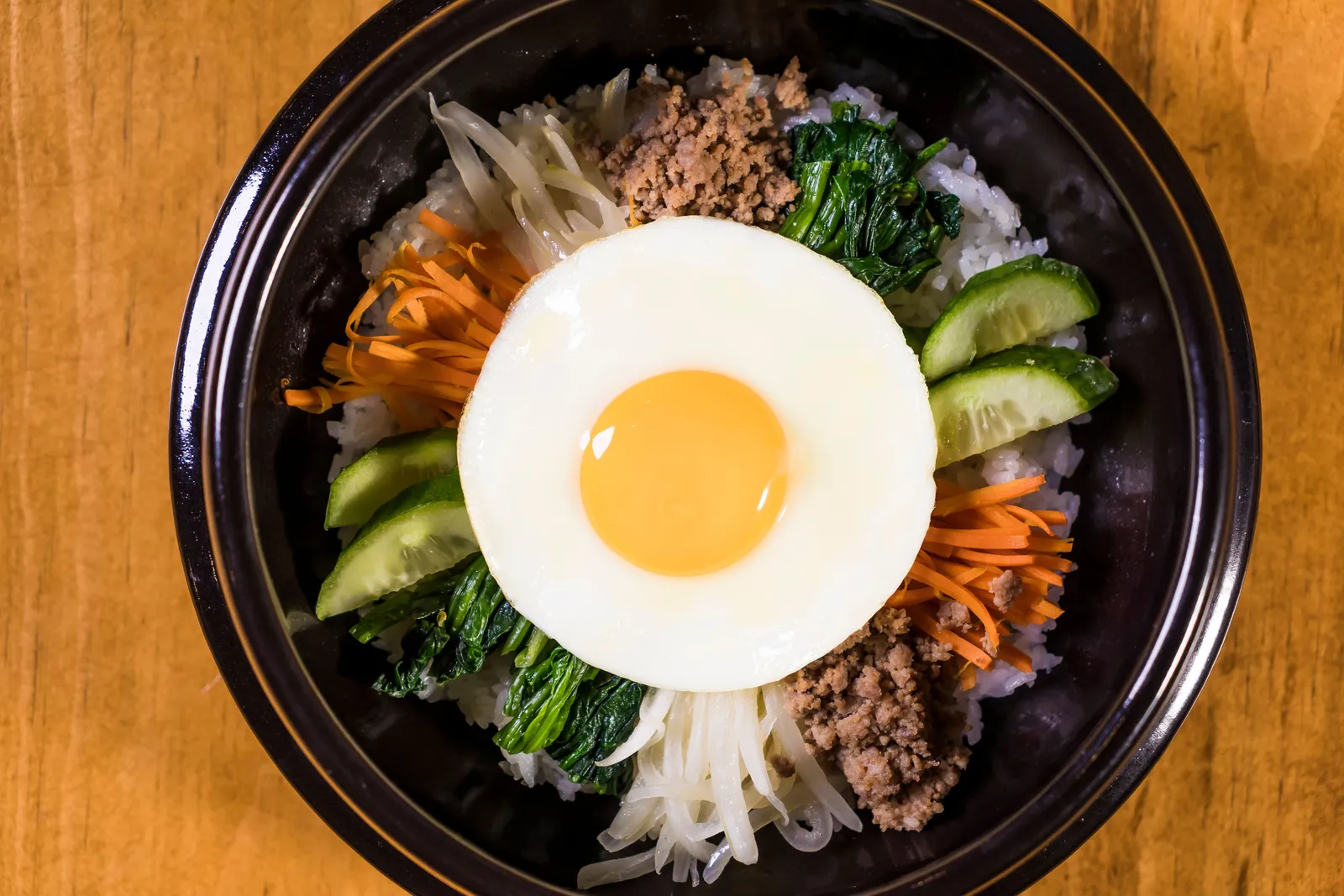
Jeonju bibimbap, in a brass bowl, with rice cooked in broth and a wider set of vegetables.
Kalguksu and kongnamul gukbap, the bean sprout soup that is the local hangover cure.
Street food on the main hanok street: skewers, filled buns, croquettes, ice cream.
Makgeolli houses, by the kettle, with free side dishes that escalate.
Choco pie, from a specific local bakery, which has become a genuine phenomenon.
Moju, a spiced low alcohol rice drink, which is the town’s own.
Practical notes
Trains from Seoul in about two hours, with a bus or taxi from the station.
Weekdays rather than weekends, which fill with domestic visitors.
Cards everywhere, including the street stalls.
The main street is crowded and the lanes off it are not.
Hanbok rental is cheaper here than in Seoul and the district is built for it.
Late afternoon and evening are when the district is worth being in.
What else is nearby
Jeonju’s museums, including the paper and craft collections.
Omokdae, the hill above the district, for the view across the roofs.
Nambu market, which has a night market at weekends and a young food hall.
Jeondong cathedral, beside the shrine, which is a listed building.
The wall and gate remnants at the edge of the old town.
Maisan, a strange pair of rock peaks with a temple, an hour out by bus.
Where this fits in a Korea trip
One night between Seoul and the south, ideally arriving mid afternoon.
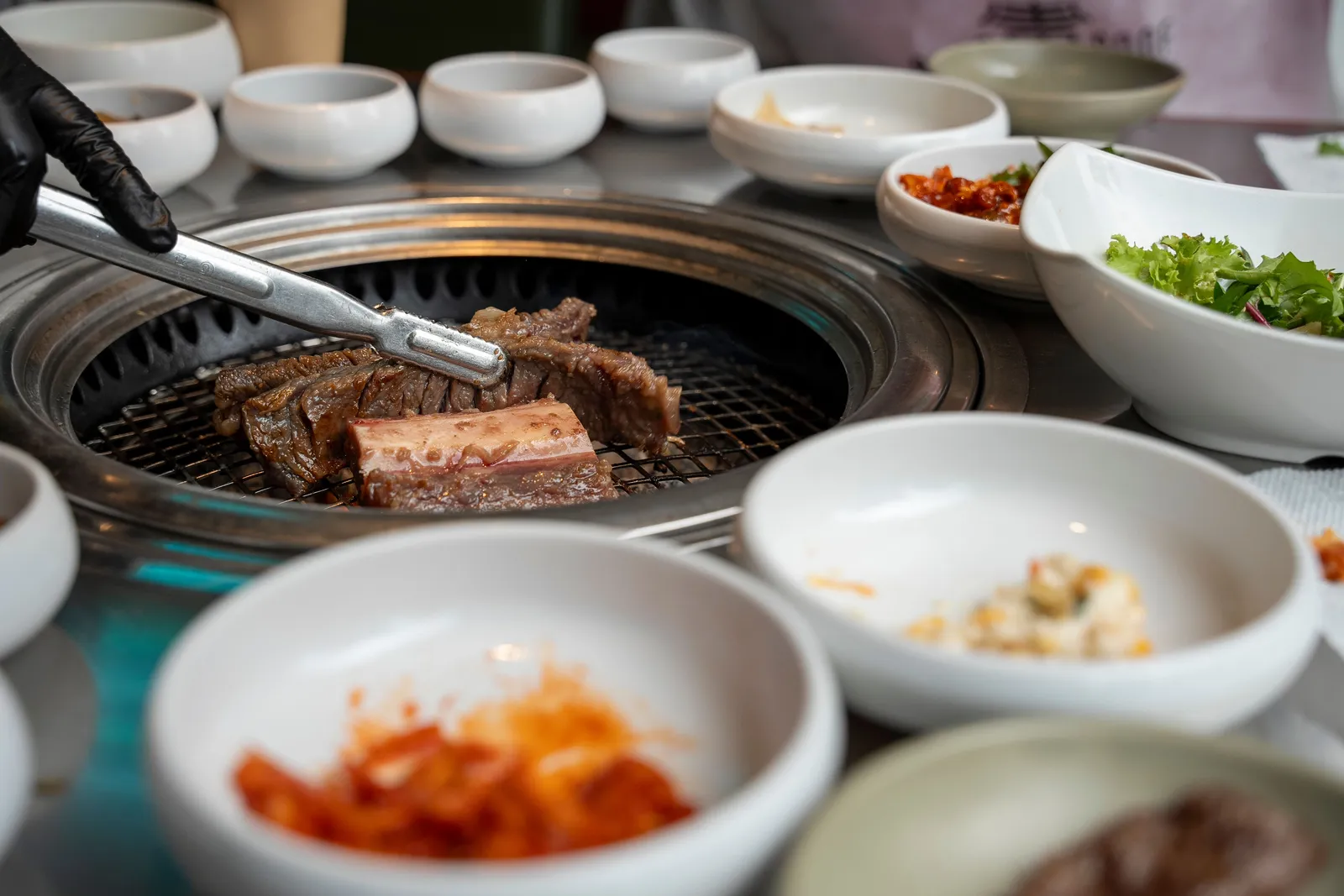
For understanding what everything on a Korean menu actually is, our guide to Korean food covers the ground.
For the smaller and more residential hanok district in the capital, our guide to the Bukchon alleys covers that walk.
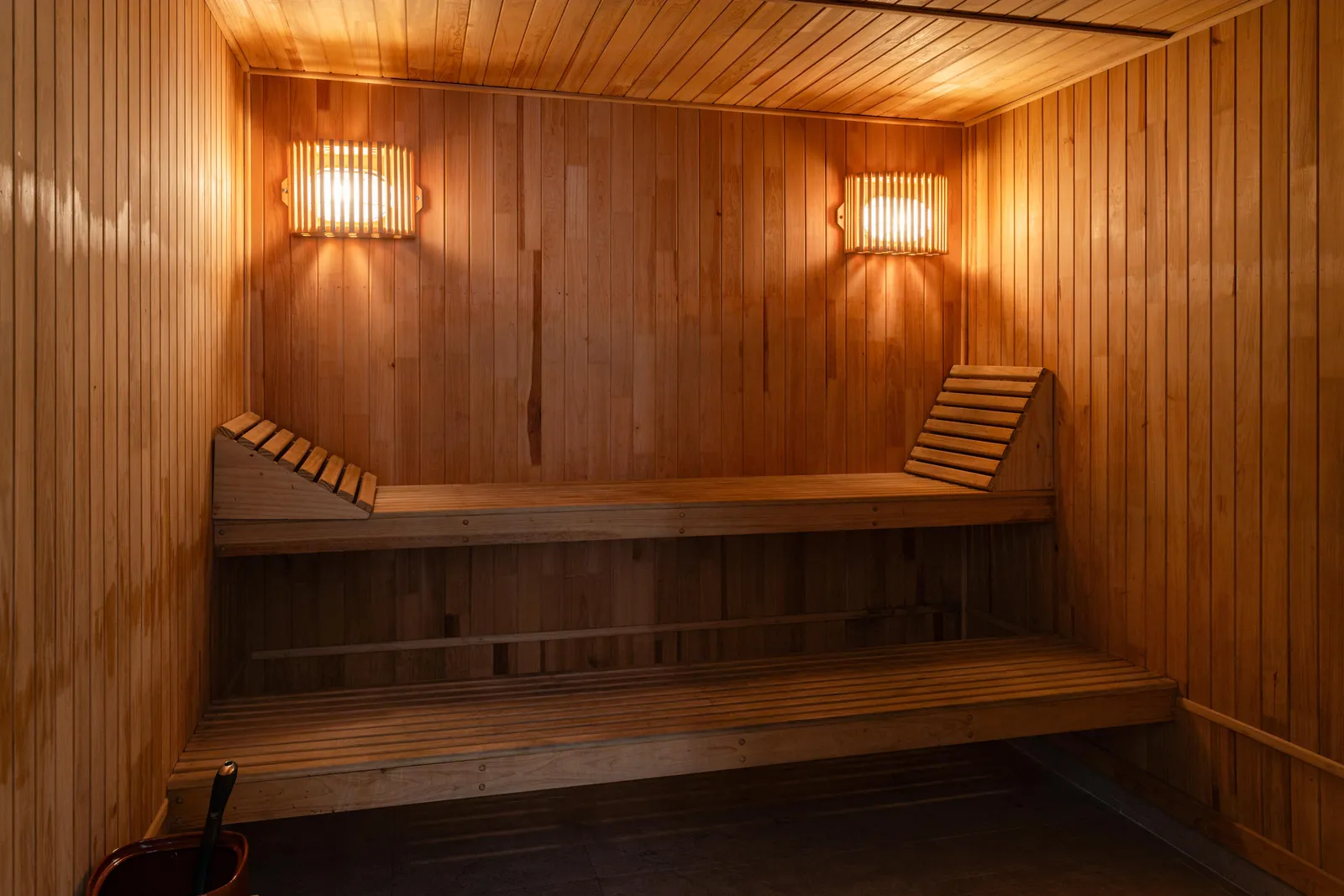
And for the bathhouse that is the traditional cure for a makgeolli evening, our jjimjilbang guide covers how it works.
The short version
Come for one night rather than a day, arriving mid afternoon, because the district empties at about five and that is when it becomes good. Walk the quiet lanes rather than the main axis. Eat bibimbap in a brass bowl at a proper specialist, then spend the evening in the makgeolli alley ordering by the kettle and letting the free food arrive. Sleep in a hanok, which here are big enough to be comfortable. And have the bean sprout soup in the morning.