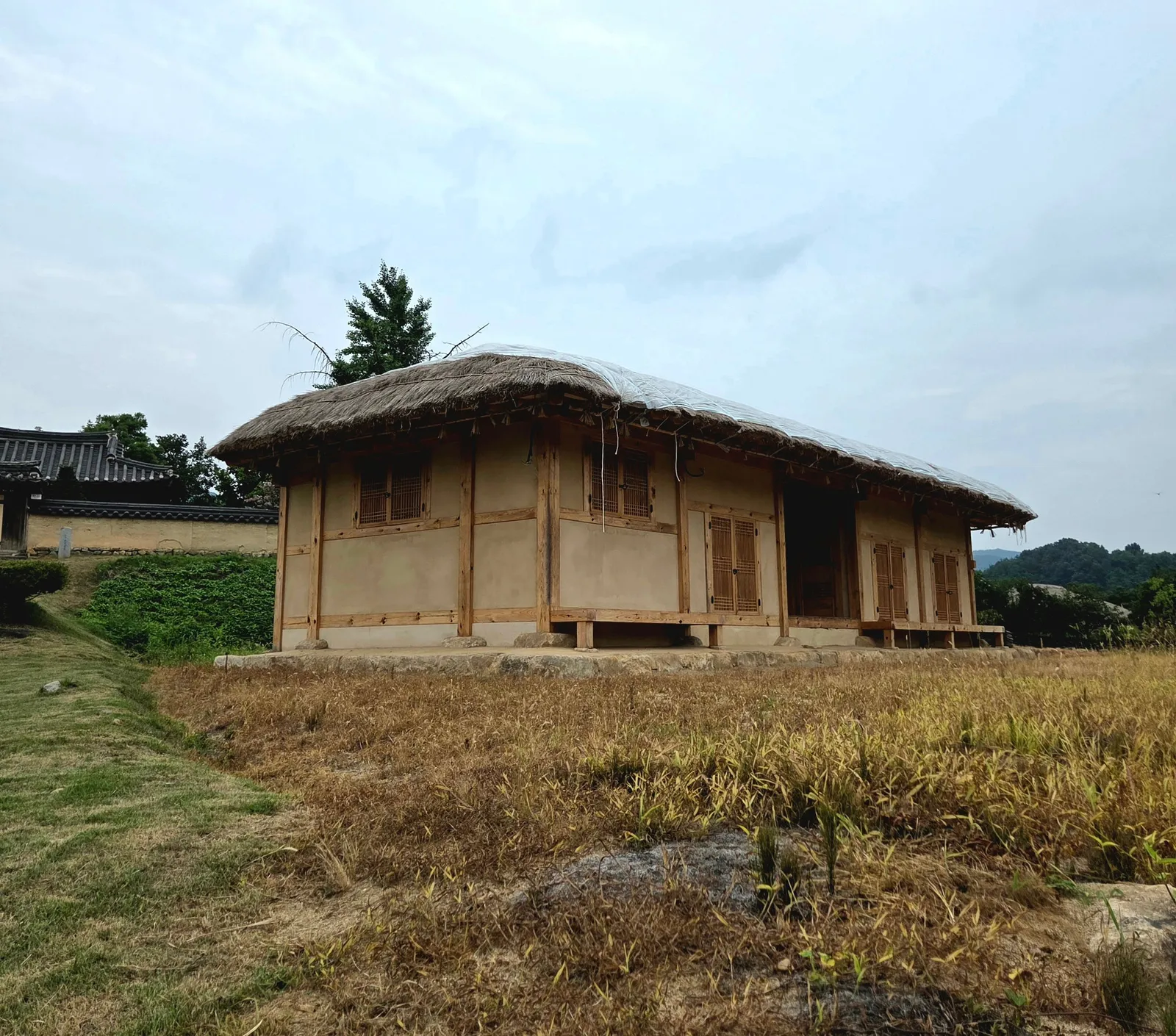
Andong is where you go to see the Korea that the Confucian scholars built. Inside a bend of the Nakdong river there is a village that has been occupied by the same clan for something like six hundred years, laid out according to geomantic principle, with the tiled roofs of the aristocratic houses and the thatch of the servants’ houses standing in the same arrangement they always did. It is a UNESCO site, it is still inhabited, and the masked dance that comes from it spends its entire performance making fun of the class that built the place.
Hahoe village
Inside a river bend, with the layout dictated by geomantic reading of the site.
Tiled and thatched houses side by side, marking the social order they were built under.
A six hundred year old clan, still resident, in a working village rather than a museum.
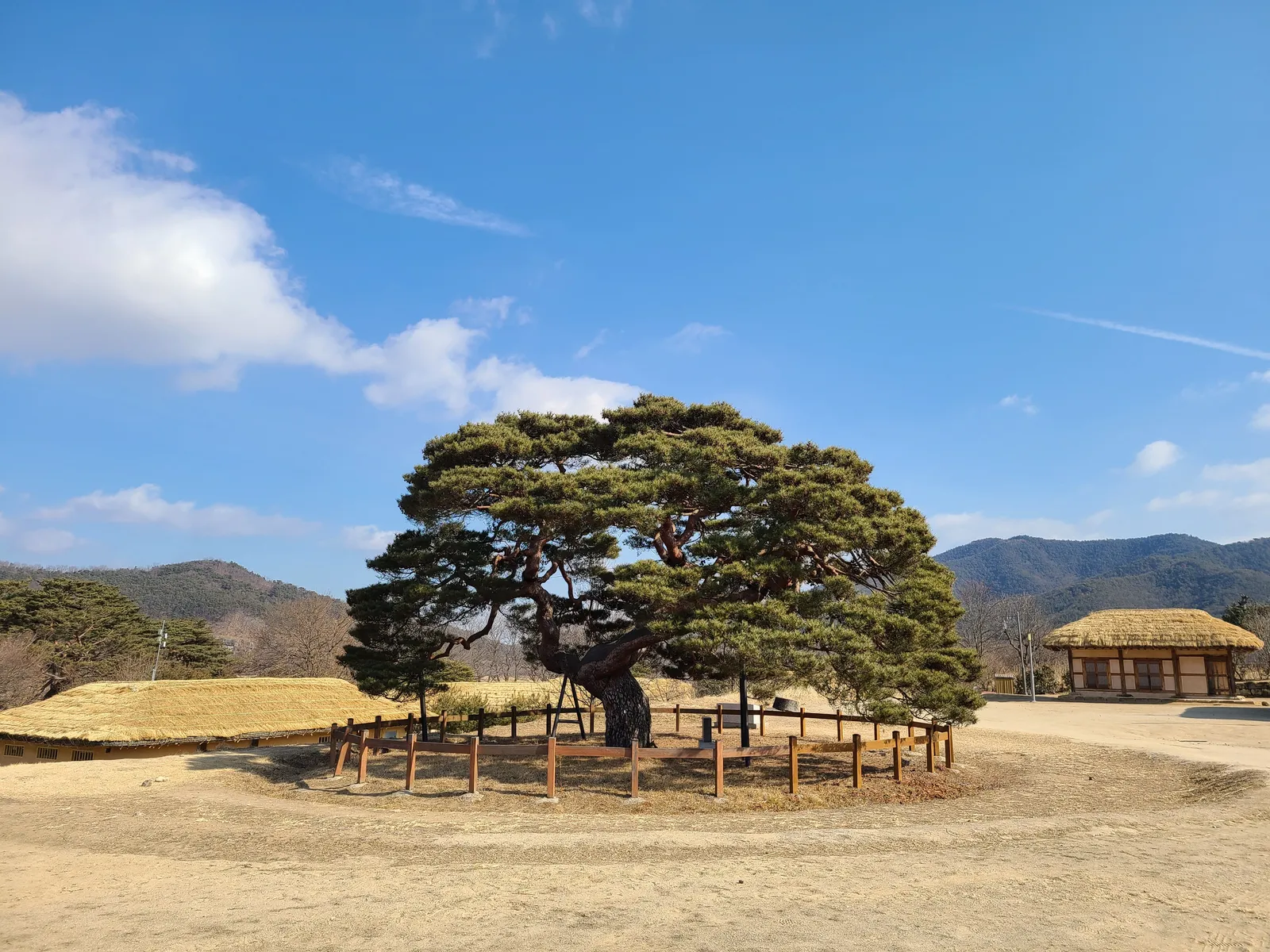
An ancient tree at the centre, tied with written wishes, which is a genuine local practice.
The mask museum, at the entrance, small and good.
A cliff and river view from the far side, reached on foot.
The mask dance
A village ritual originally, performed for the community rather than for an audience.
Carved wooden masks, each a stock character, with a museum devoted to them.
Satirical content, mocking monks, aristocrats and pretension of every kind.
Scheduled performances for visitors, on published days and times.
An autumn festival, which is the full version with visiting companies.
Free or inexpensive, depending on the performance.
The rest of the area
Dosan Seowon, a Confucian academy on the lakeside, which is the other UNESCO listing nearby.
Woryeonggyo, a long wooden footbridge over the river, lit in the evening.
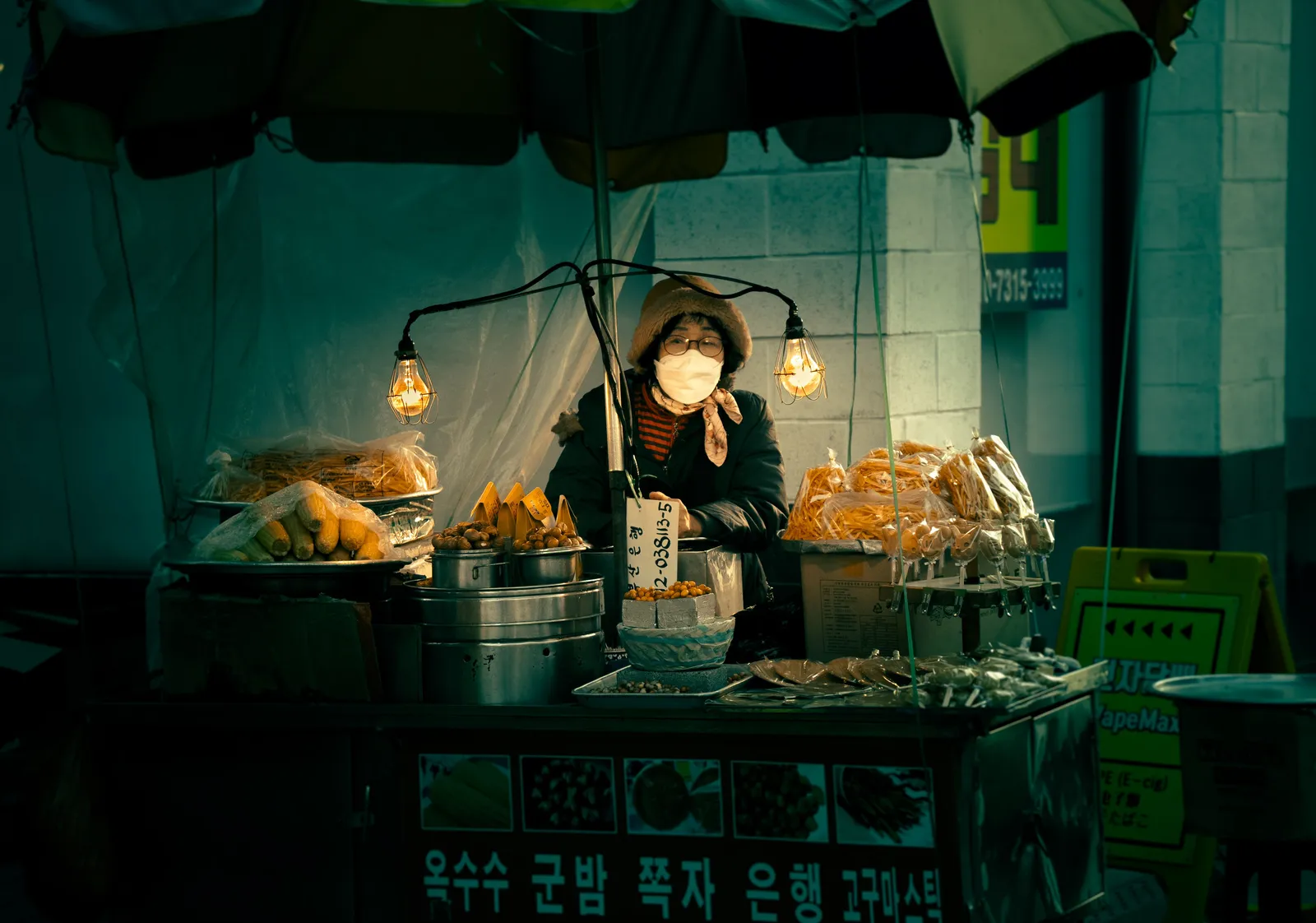
The old market in Andong town, for jjimdak alley and salted mackerel.
Bongjeongsa, a temple in the hills with one of the oldest wooden halls in Korea.
Confucian sites generally, which this province has more of than anywhere else.
Very few foreign visitors, at any of it.
Practical notes
Train or coach from Seoul, two to three hours.
Local buses to Hahoe are infrequent; check the return time first.
A taxi from Andong to the village is affordable and saves the timetable problem.
Cash is useful in the village and the old market.
Dress modestly in the village, which is somebody’s neighbourhood.
Autumn is the best season and the festival period is the busiest.
Where this fits in a Korea trip
A full day with a night in Andong, on a second visit or a longer inland loop.
For the social rules that this whole region is the origin of, our guide to Korean etiquette covers the ground.
For the other great historic town inland, flatter and easier, our guide to Gyeongju by bike covers that trip.
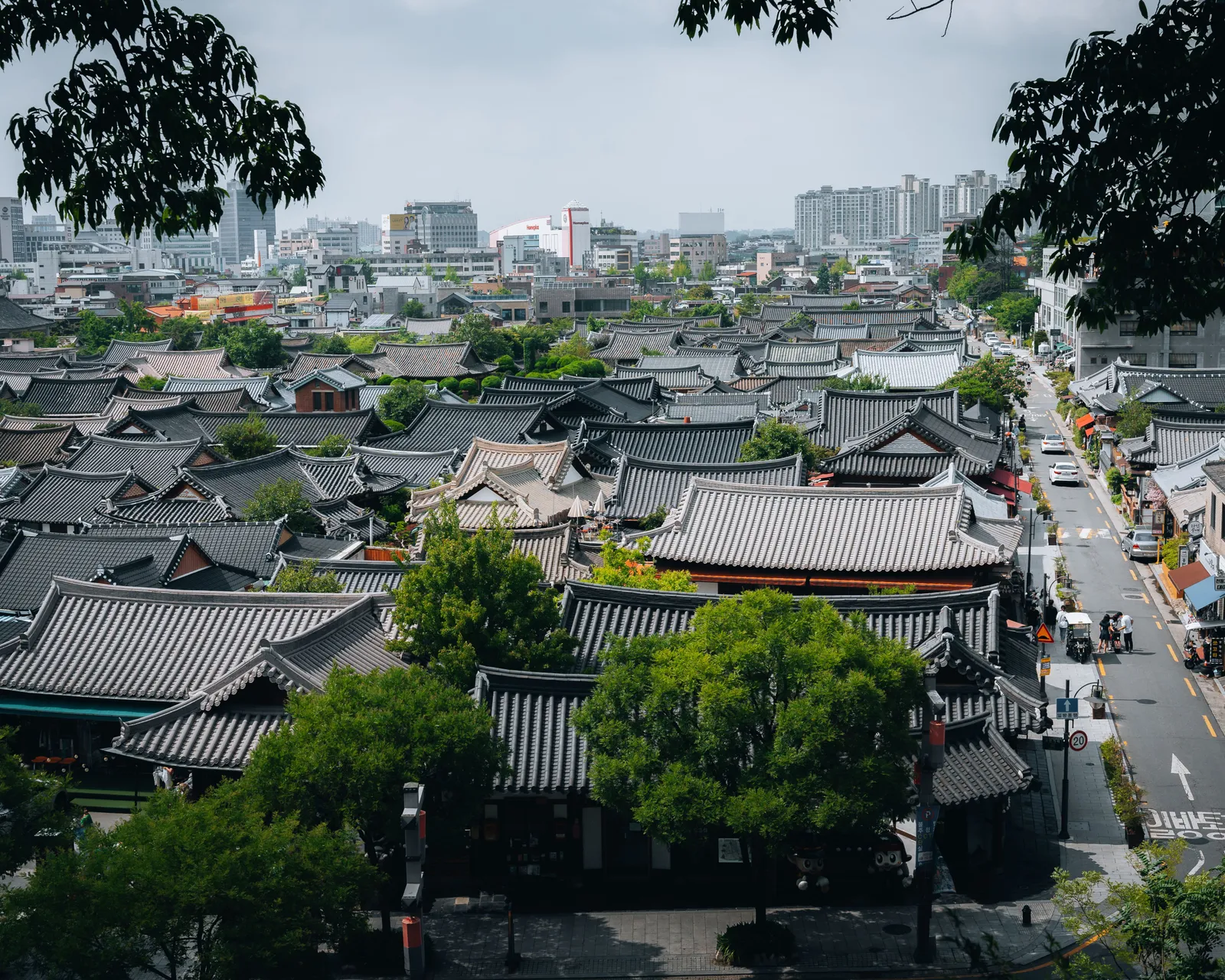
And for the hanok district that is closer, larger and about food, our guide to Jeonju covers the visit.
The short version
Check the mask dance schedule and the local bus times before fixing the date, because both run to timetables rather than continuously. Take a taxi from Andong out to Hahoe if the bus does not fit. Walk the village, including the far side with the river view, and do the mask museum. Eat jjimdak with at least two other people, because the platter defeats individuals. Have one glass of the local distilled soju and take the rest home. And come in autumn if you can.