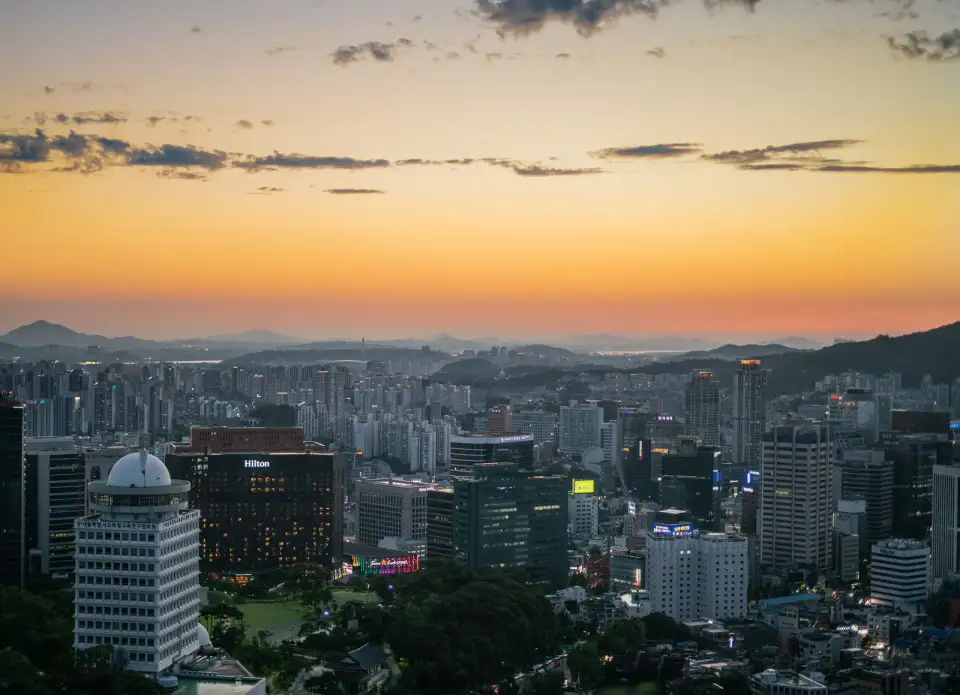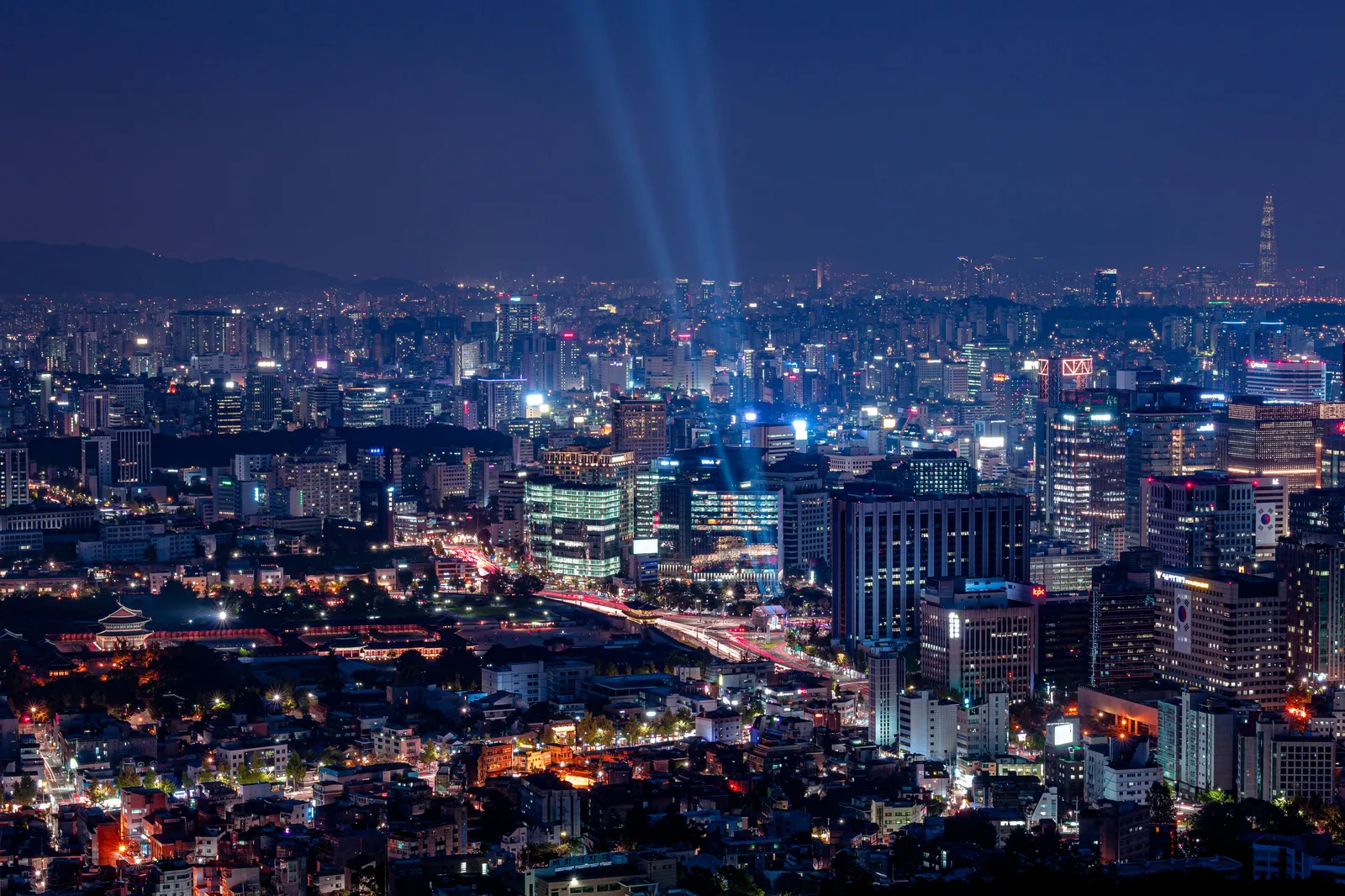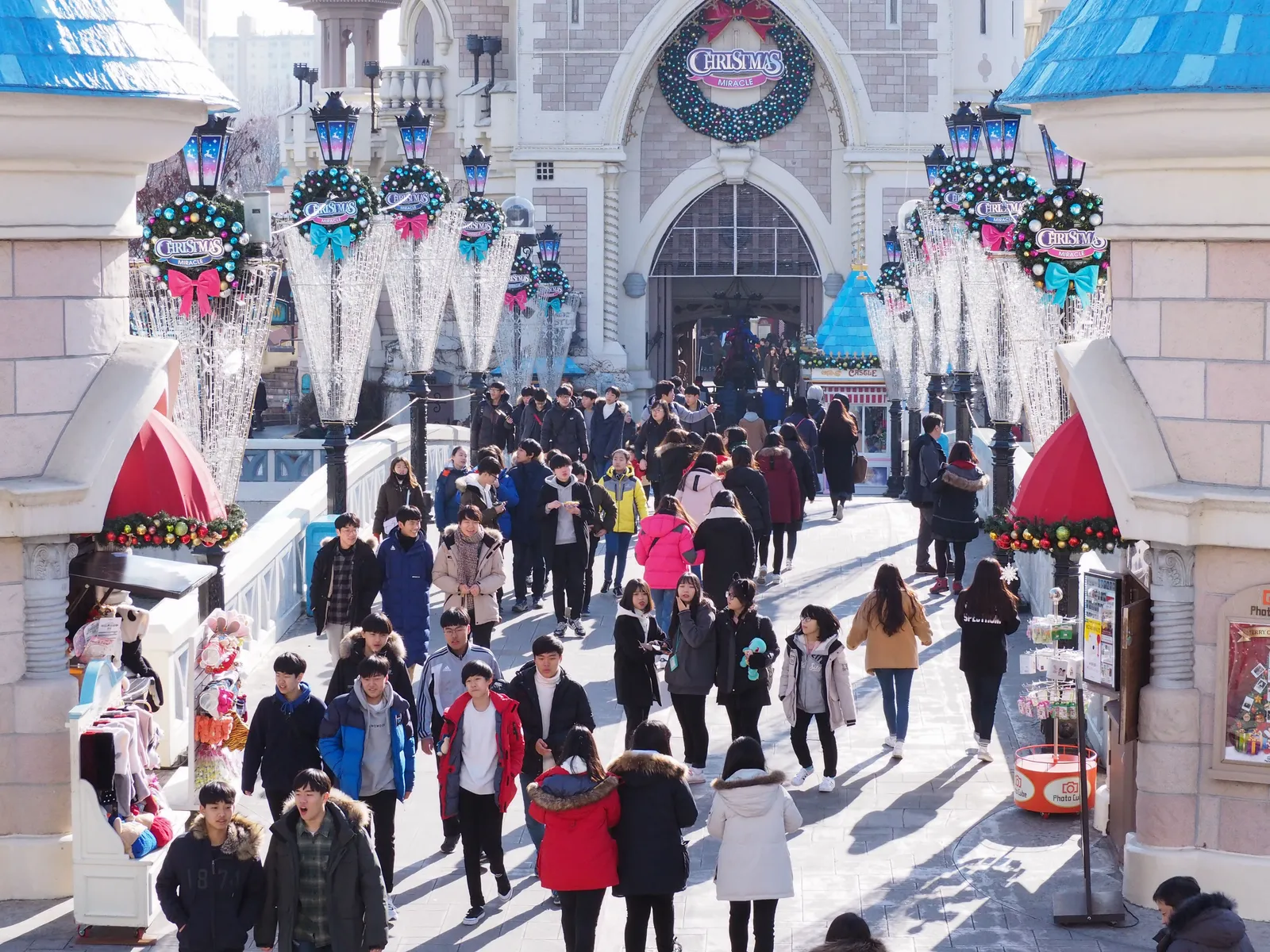
Korea is one of the easier countries in Asia to bring children to and almost nobody says so, because the reputation is built on late night barbecue, spicy stews and a work culture. The reality on the ground is a country with immaculate public transport that children can navigate, clean toilets everywhere, theme parks inside the cities, bakeries on every corner, and a general public warmth towards small children that makes the ordinary business of travelling with them noticeably less stressful.
What works well
The metro, cheap, clean, air conditioned and mostly step free, with English signage.
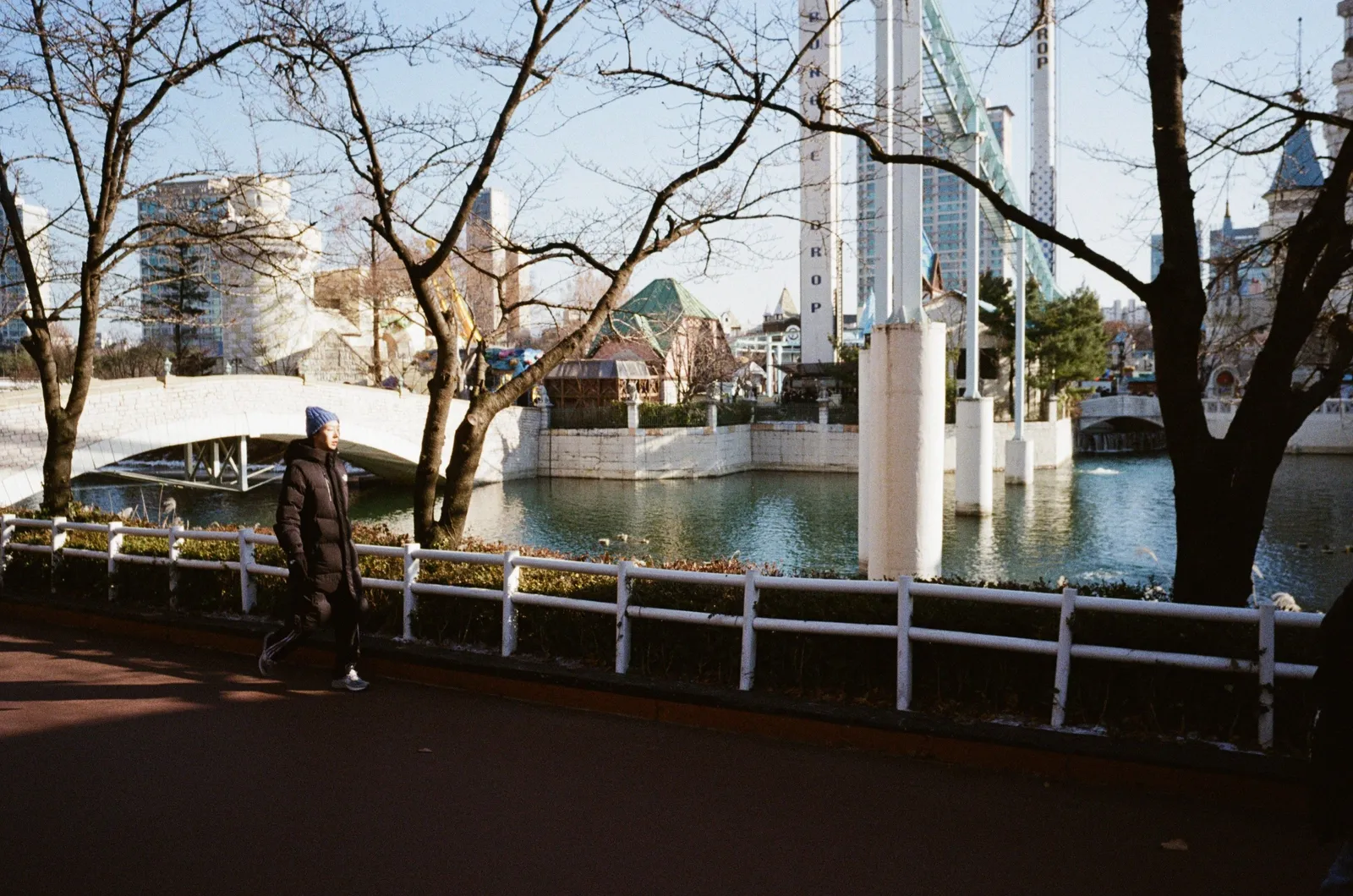
Theme parks in and near both main cities, which are genuinely good.
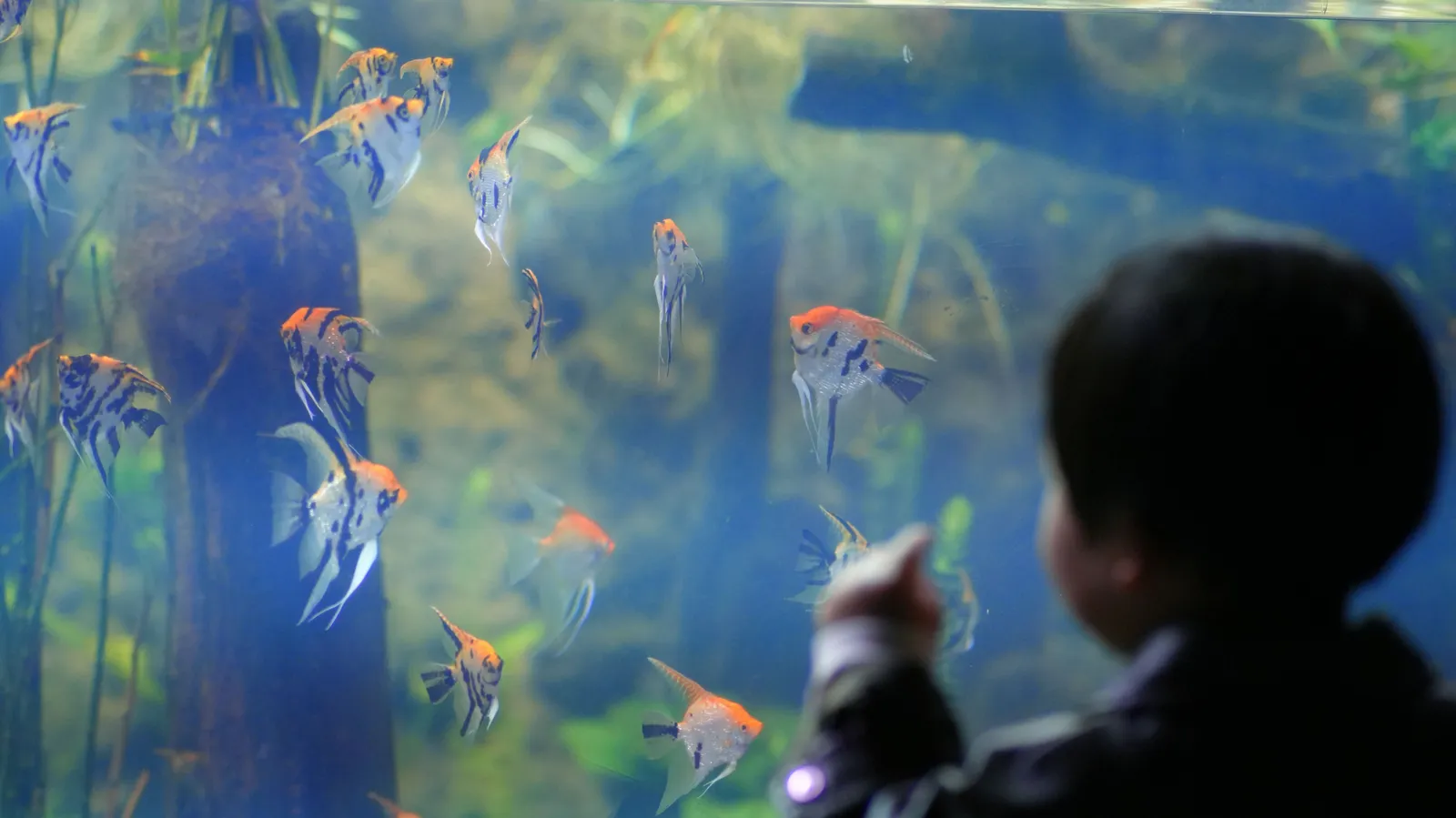
Aquariums, science museums and children’s museums, several of them excellent.
Cable cars, in Seoul, Busan and elsewhere, which are a reliable hit.
Han river parks, with bicycle hire, grass and convenience stores.
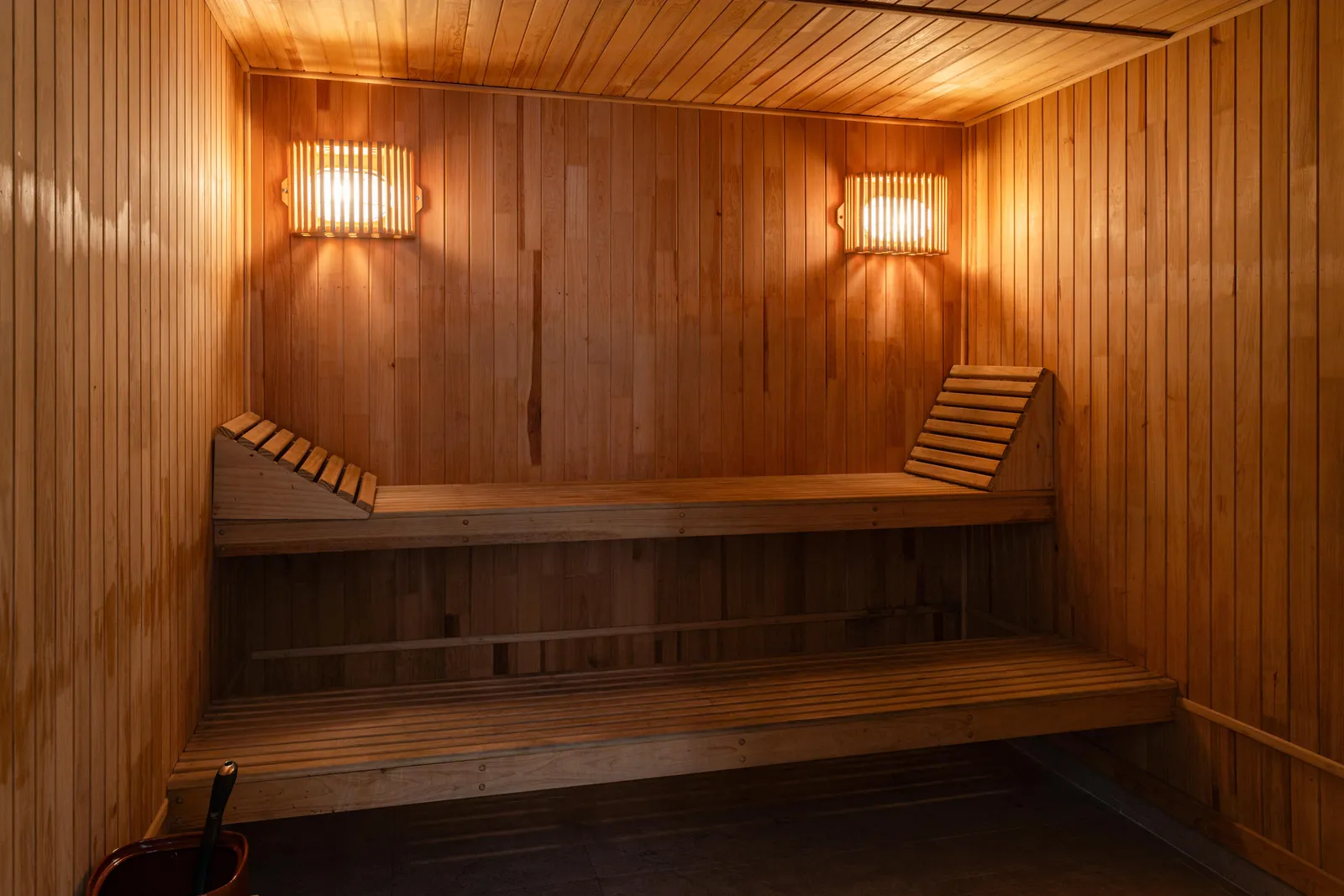
Jjimjilbang, which Korean families use routinely and children usually enjoy.
The food question
Not everything is spicy, and the spicy things can be ordered mild.
Rice, seaweed, grilled meat, dumplings, fried chicken and noodles, all straightforward.
Korean bakeries, on every corner, which solve breakfast and afternoons.
Convenience stores, which are a genuine food source here rather than a last resort.
Side dishes, which arrive free and give children something to try.
Tteokbokki without the chilli, which most places will do if asked.
What to plan around
Summer, which is hot, then very wet, then humid.
Rush hour on the metro, which is genuinely crowded.
Late dinners in the restaurant culture, though bakeries and convenience stores fill the gap.
Long travel days if you try to do Seoul, Busan and Jeju in a week.
Hotel room configurations, which are built for two people.
Weekend crowds at the theme parks and the aquariums, which are considerable.
Practical notes
Pharmacies and clinics are widespread, cheap and used to foreign patients.
Baby change and nursing rooms in stations, malls and department stores, and they are clean.
Cards everywhere; children can use transport cards for everything.
Taxis are inexpensive and a reasonable fallback with a tired child.
Car seats are not standard in taxis; bring a travel booster if that matters to you.
Luggage delivery services between cities exist and are cheap, which is worth knowing.
Where this fits in a Korea trip
The same itinerary at a slower pace, with one theme park and one bathhouse built in.
For the practical basics of a first visit here, our first time guide to Korea covers the ground.
For choosing between the two big theme parks, our Everland and Lotte World comparison covers the decision.
And for the bathhouse, which is cheaper and stranger than any attraction, our jjimjilbang guide covers how it works.
The short version
Book a serviced residence rather than two hotel rooms, for the kitchen and the washing machine. Give children over six their own transport cards and let them navigate, because the metro is built for it. Use the bakeries and convenience stores to fill the gap before late Korean dinners, and ask for dishes to be made less spicy. Put one theme park and one bathhouse in the trip. Come in late spring or autumn, and do not attempt Seoul, Busan and Jeju in a single week.