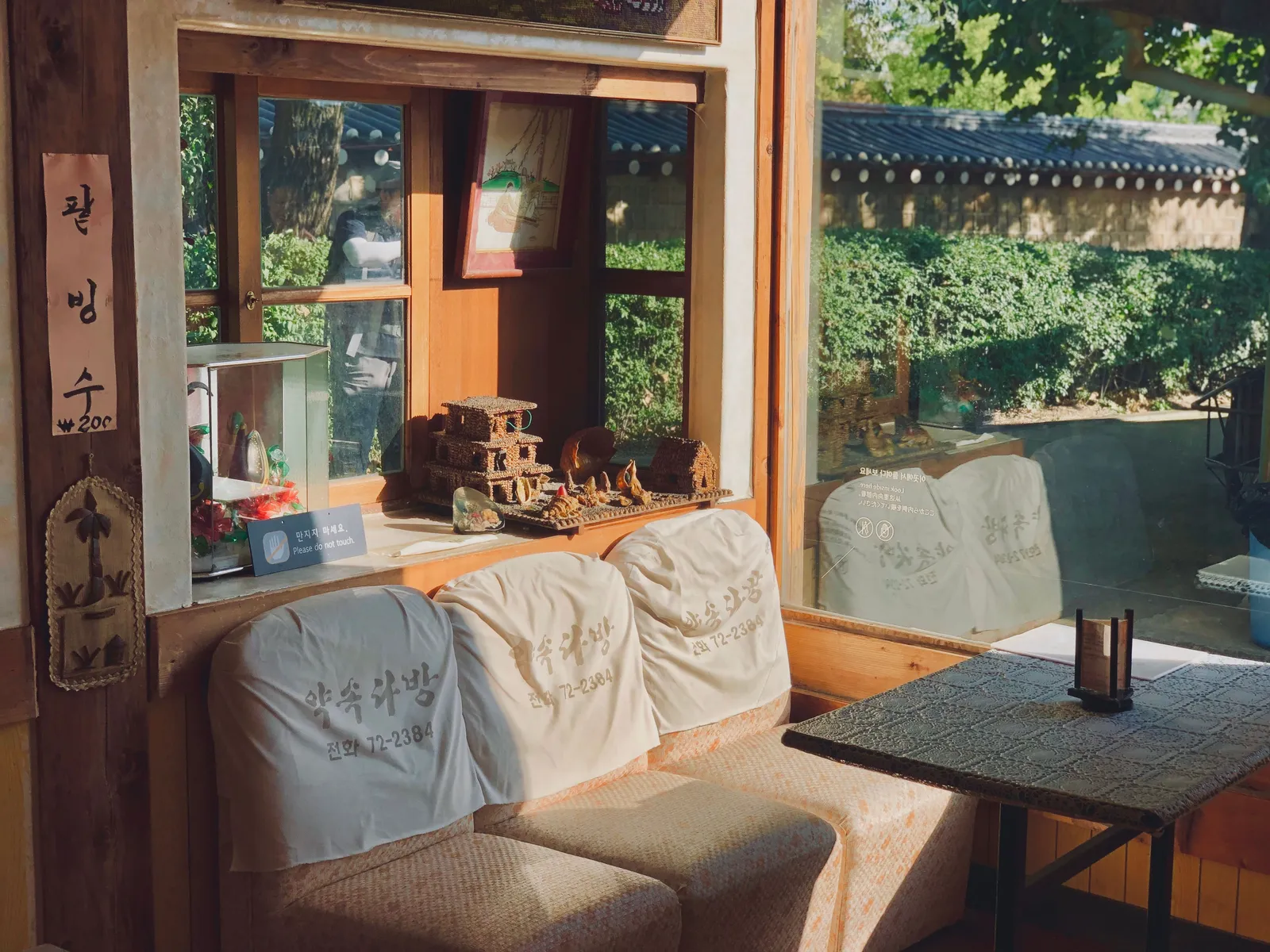
Seoul has an extraordinary number of cafes and it is not really about coffee. In a city of small apartments, long hours and expensive space, the cafe is the room people do not have at home: where you study, work, meet somebody, kill two hours, or simply sit somewhere pleasant that is not your desk. Because there are so many of them competing for exactly that, the interior became the product, and the result is a city where you can spend a week visiting rooms rather than buildings.
The districts
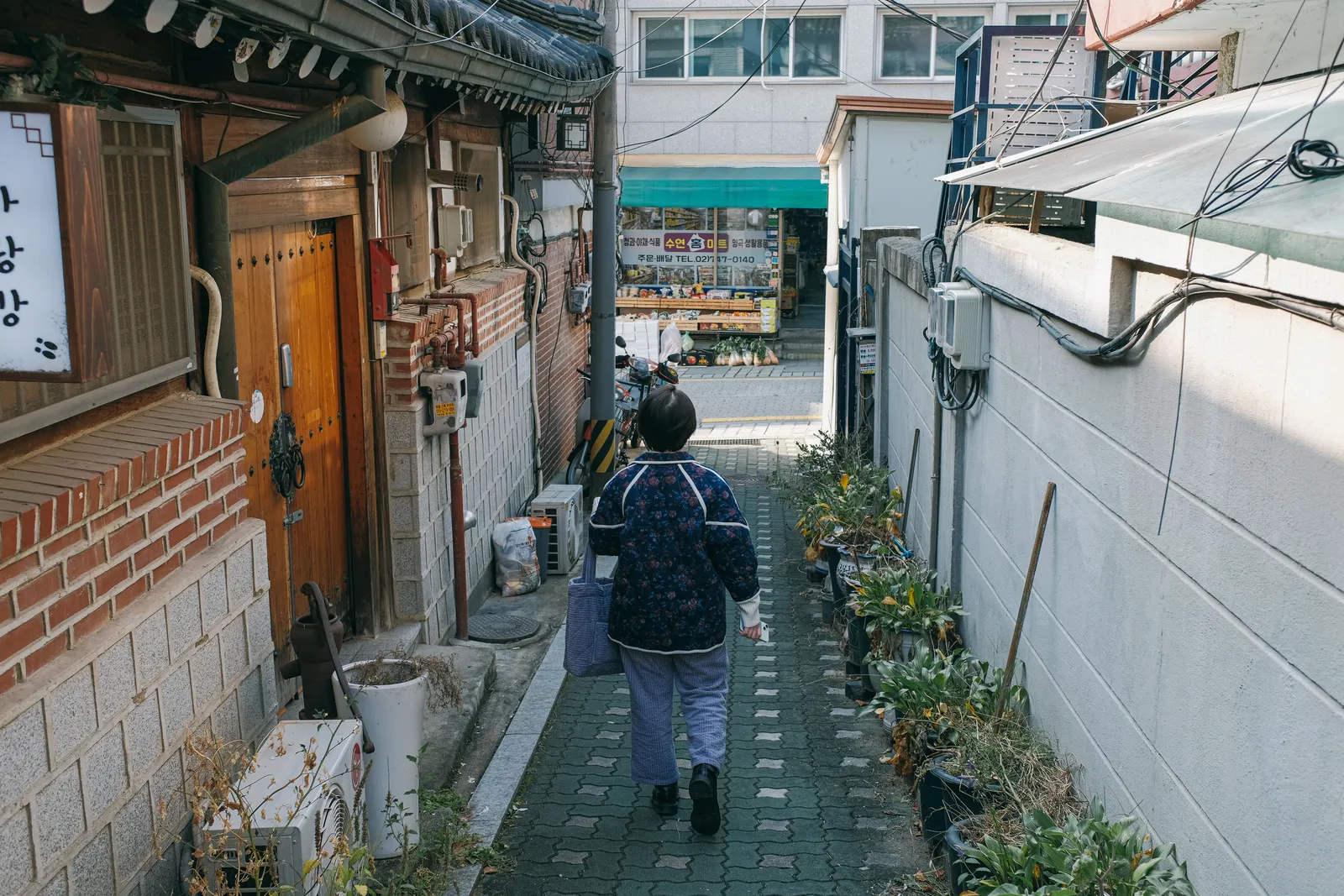
Ikseondong, a lane network of restored hanok courtyard houses converted into cafes and small restaurants.
Yeonnamdong and Mangwon, west of the centre, for small independents and a residential feel.
Seongsu, for industrial conversions, roasters and the design crowd.
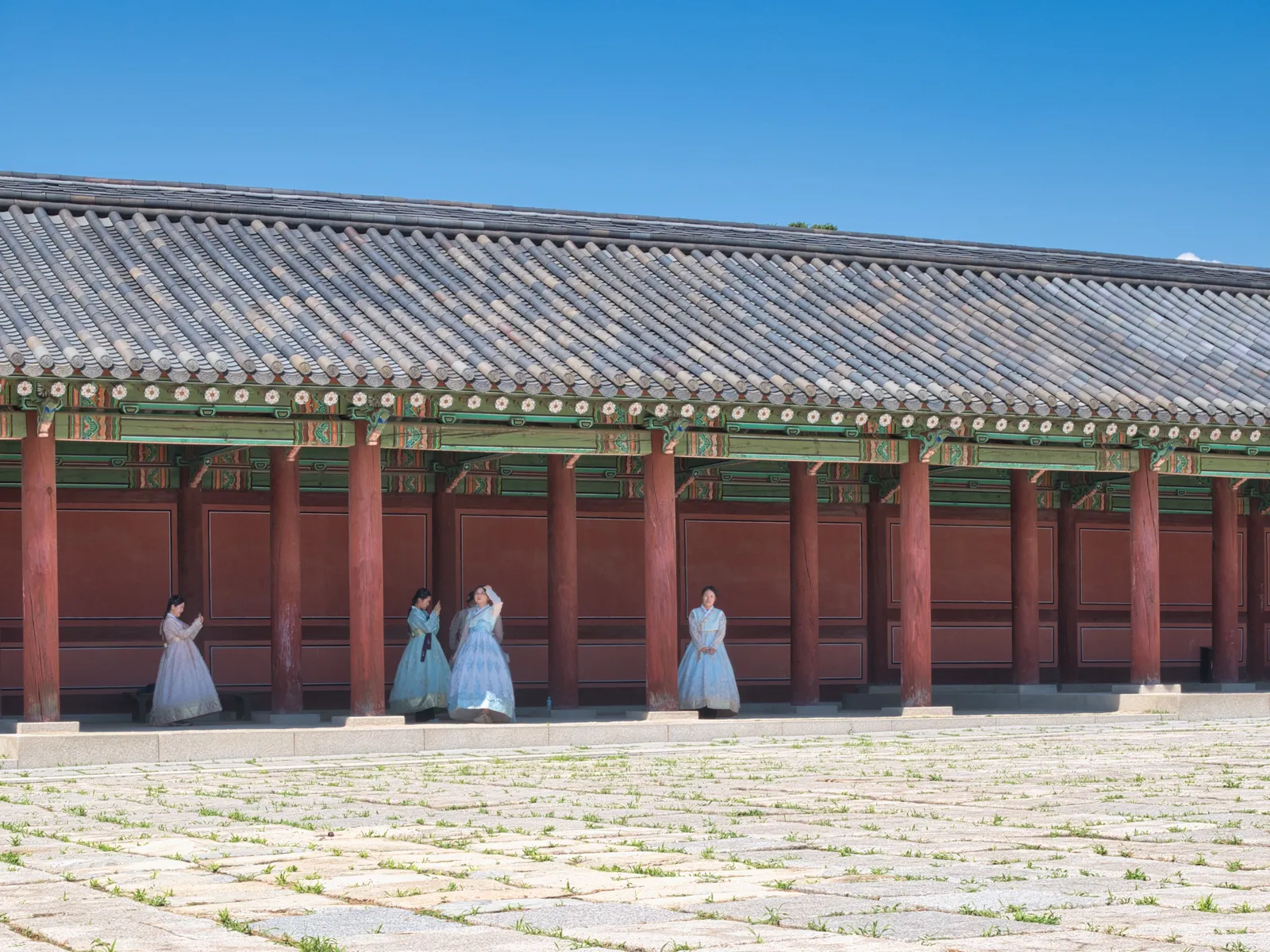
Bukchon and Samcheongdong, for traditional tea houses with courtyards and hillside views.
Hongdae, for the loud, young, late version.
Anywhere residential, because every neighbourhood has three good ones.
What to order
Filter coffee, which is taken seriously and frequently single origin.
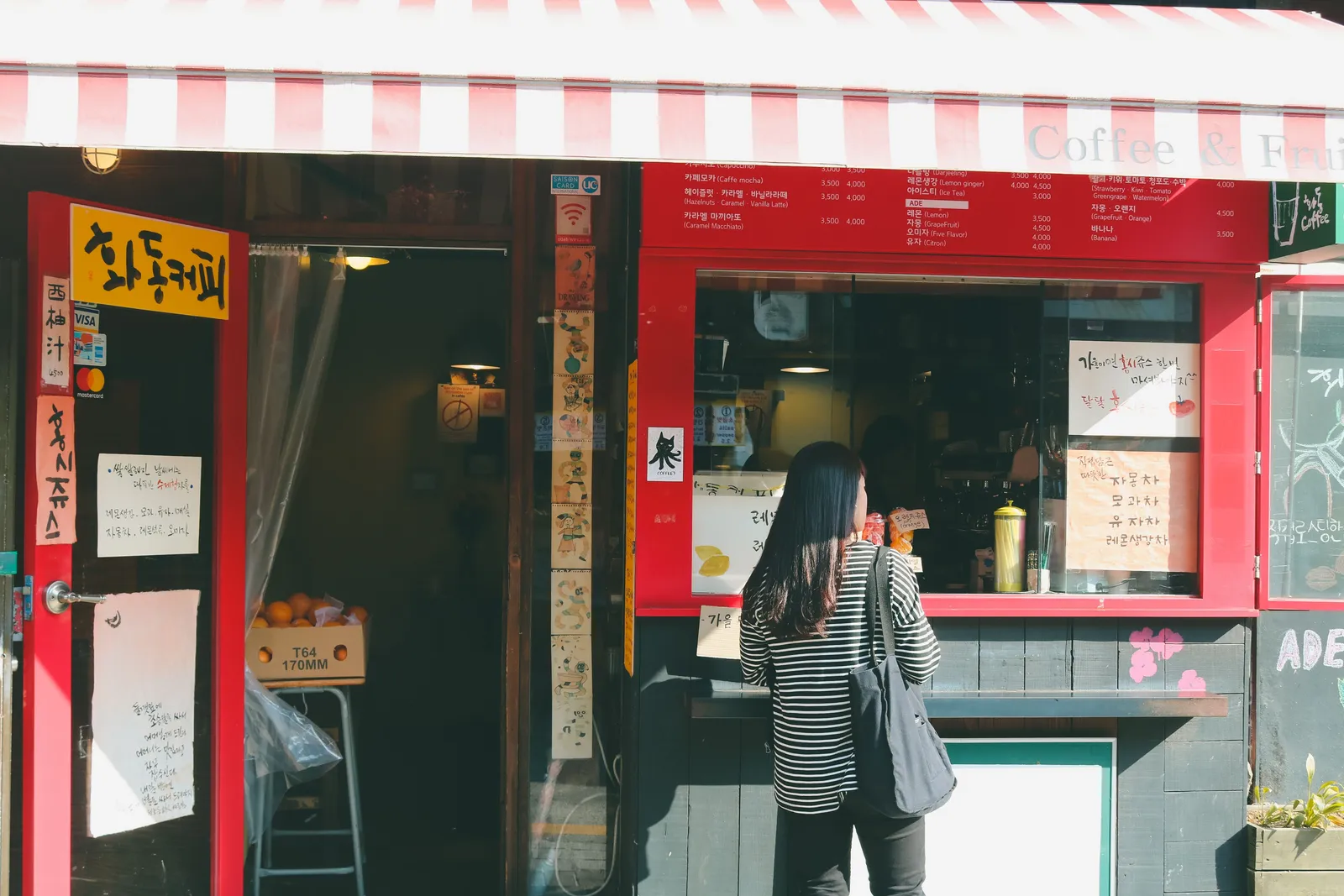
Citron or plum tea, hot or iced, which is the Korean cafe classic.
Misugaru, a roasted grain drink, which is better than it sounds.
Injeolmi latte, made with rice cake powder, which is a genuine local invention.
Cake, because Korean cafe patisserie is a serious industry.
A seasonal tea in a traditional tea house, with whatever rice sweet arrives beside it.
How the etiquette works
Order and pay first, at the counter, then find a table.
Long stays are expected, and nobody will move you on.
Laptops are normal, and plugs are common.
Clear your own table into the return station on the way out.
Shoes off in some hanok and tea house rooms; there will be a step and a shelf.
Cash is unnecessary; cards and phone payment work everywhere.
Practical notes
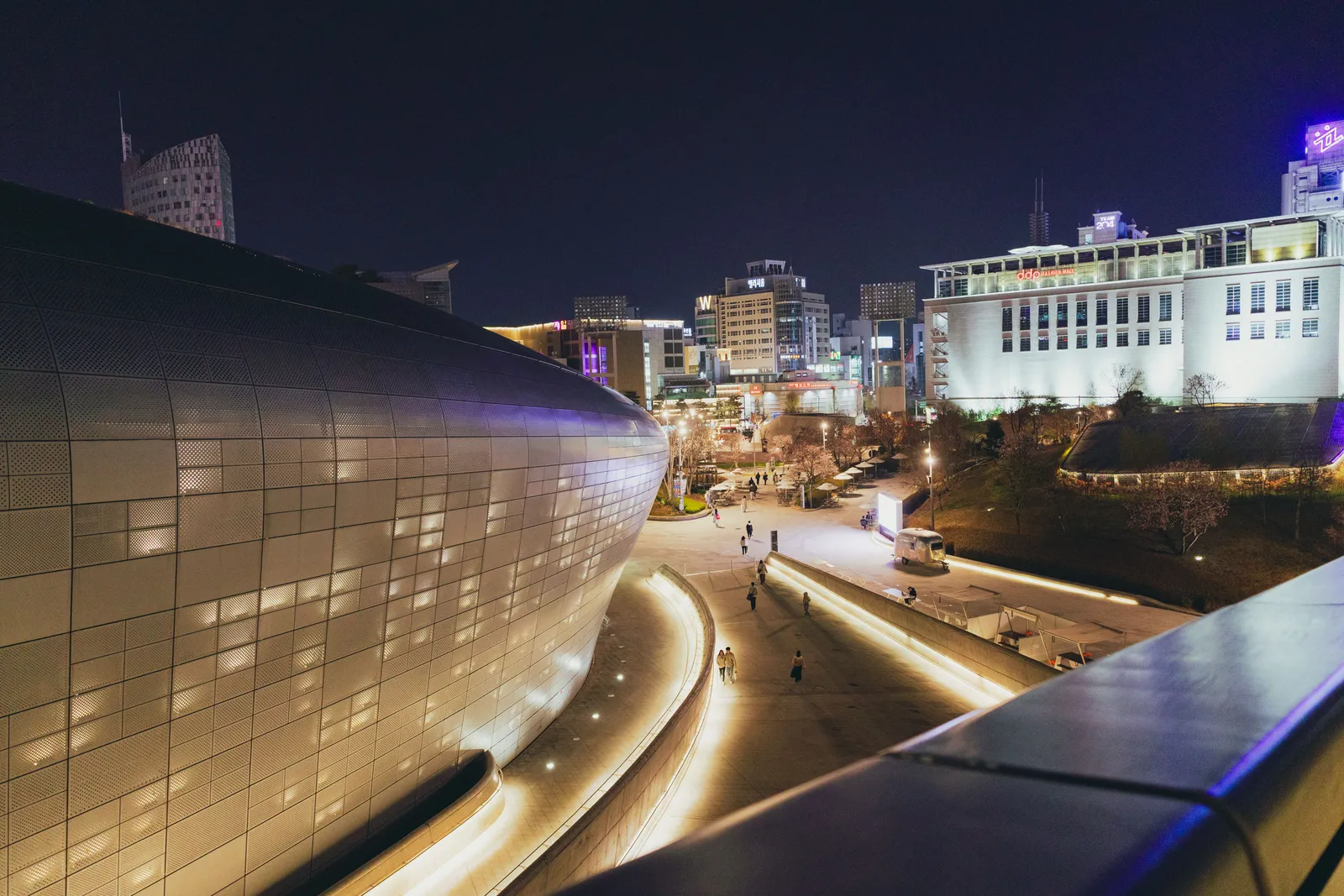
Late opening makes an evening coffee easy, which is rare in most cities.
Weekend afternoons fill the photogenic places completely.
Study cafes charge by the hour and are silent by rule.
Dessert cafes are a separate category and worth one visit.
Prices are the one non cheap thing in Korea; convenience store coffee is the budget answer.
Third floor and basement are where to look, in every district.
Where this fits in a Seoul trip
Two or three a day, as punctuation rather than as a destination.
For the city and how the districts connect, our guide to Seoul covers the ground.
For the shopping districts these cafes sit inside, our Seoul shopping guide covers where to go for what.
And for the hanok neighbourhood where the tea houses and courtyard cafes are, our guide to the Bukchon alleys covers the walk.

The short version
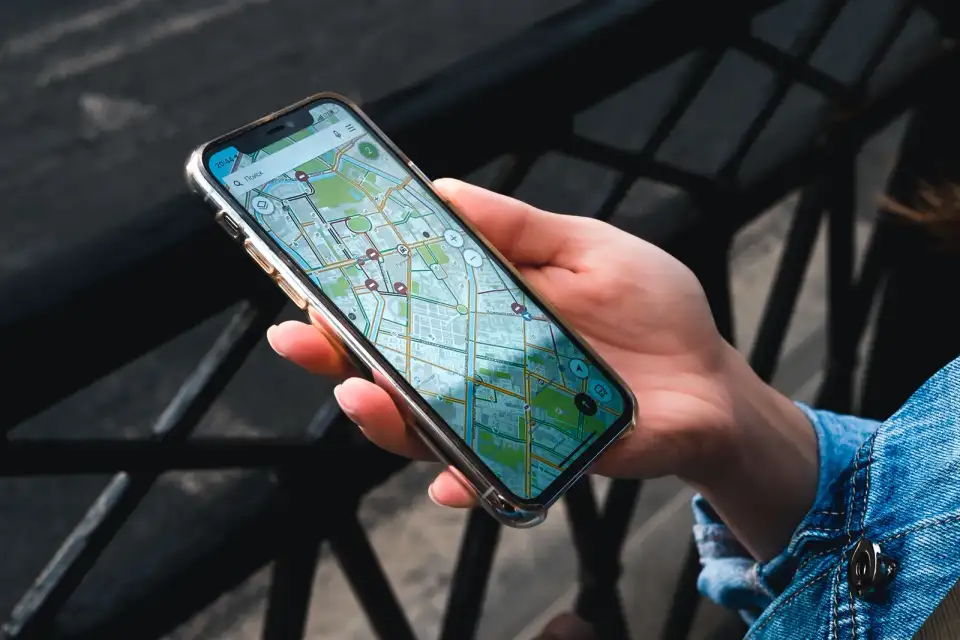
Treat cafes as one of the things to do here rather than as a coffee stop. Use Naver Map or Kakao Map, because the good places are on the third floor or in a basement and international mapping does not list them. Go to Ikseondong for hanok courtyards, Yeonnamdong for independents, Seongsu for roasters and Bukchon for traditional tea. Order the citron tea or a rice cake latte at least once. Stay as long as you like, clear your table, and use the late opening.