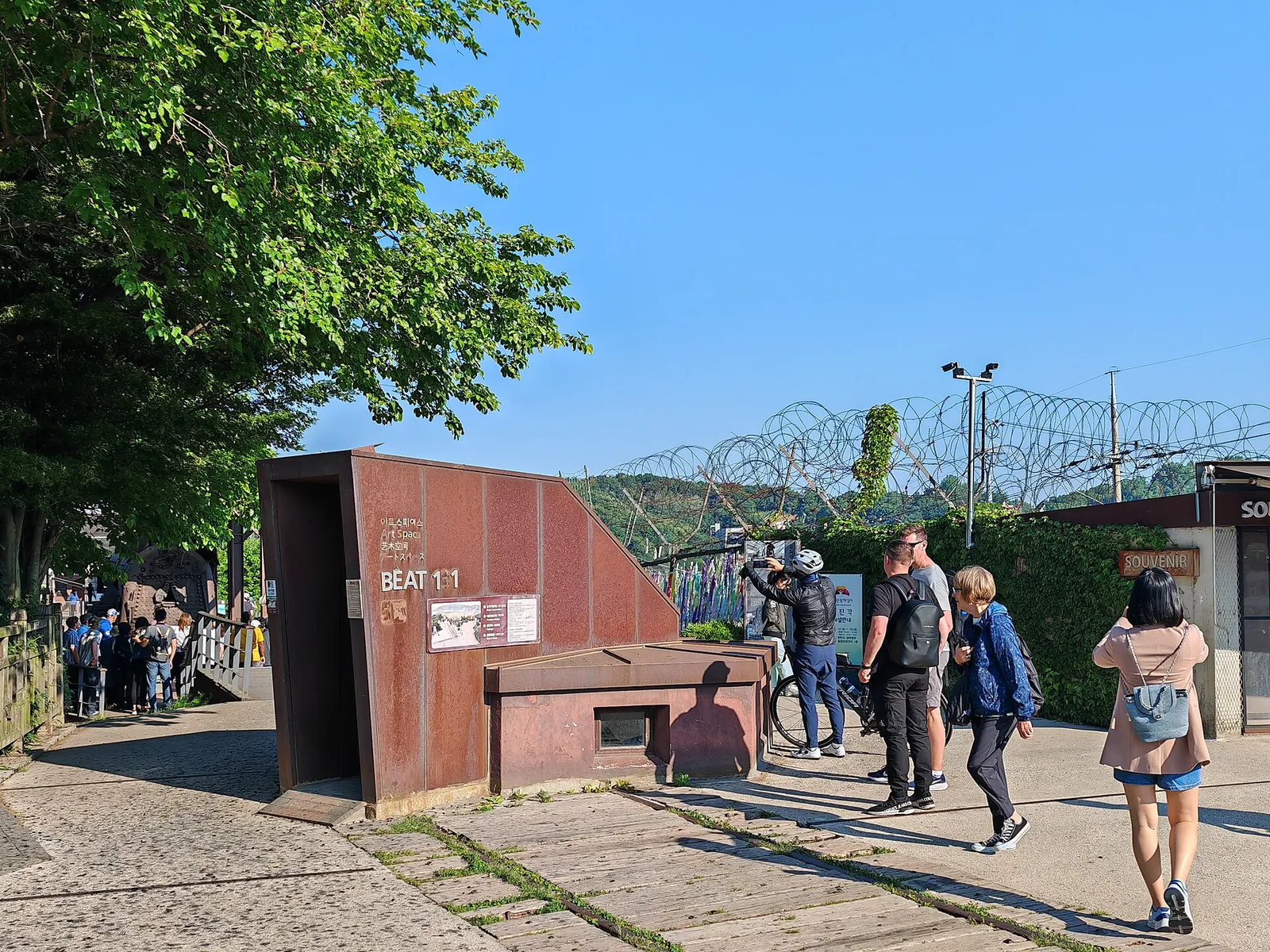
An hour north of Seoul the country simply stops. A four kilometre wide strip runs across the whole peninsula, empty of people for seventy years, fenced on both sides, and behind the southern fence there is a visitor operation: coaches, observatories, a tunnel you can walk down, a railway station with a platform for trains that do not run. It is the strangest thing you can do from Seoul and the most administratively awkward, because nothing about it is a normal sight and none of it is guaranteed to be open.
What a tour usually includes
An observatory, looking north across the zone with mounted binoculars.
An infiltration tunnel, one of several dug under the border and discovered, walkable in part.
A railway station built for a line that was intended to run north.
A bridge or a memorial in the controlled area, depending on the operator.
A film or exhibition, which varies from informative to dated.
A great deal of waiting, checkpoints and coach time.
What is not included
The Joint Security Area with the blue huts, which is a separate, more restricted visit.
Anything north of the border, obviously.
Freedom to walk around, since you stay with the group throughout.
Photography in several designated areas, where it is prohibited and enforced.
A guarantee, because closures happen at short notice.
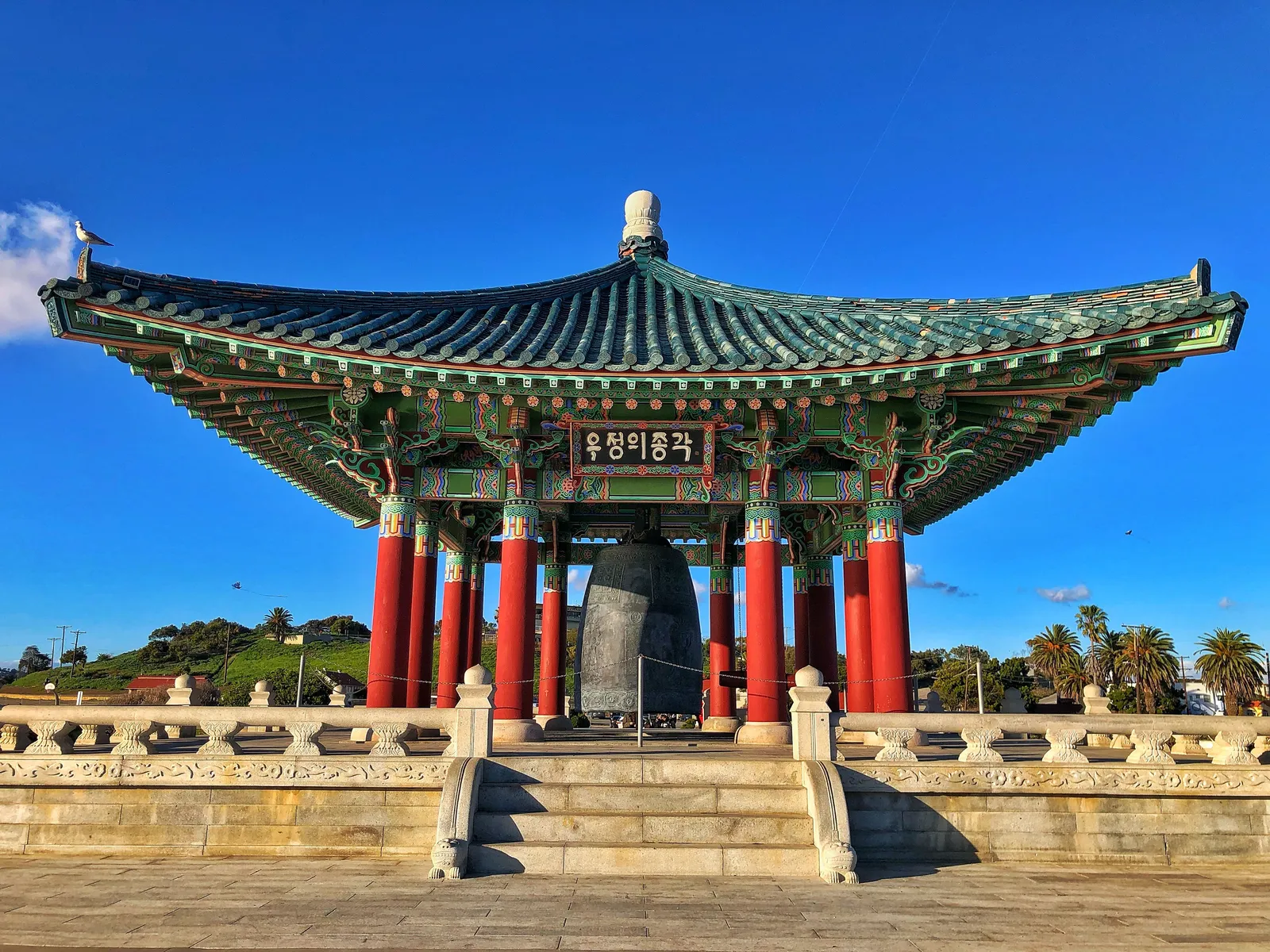
Practical notes
Passport, physical, in your hand, for every checkpoint.
Dress code applies on some tours; the operator will state it.
Minimum ages apply on some itineraries, particularly the more restricted ones.
Early start, typically from central Seoul, with a return in the afternoon.
Nothing to buy except at the visitor centres, and the food stops are basic.
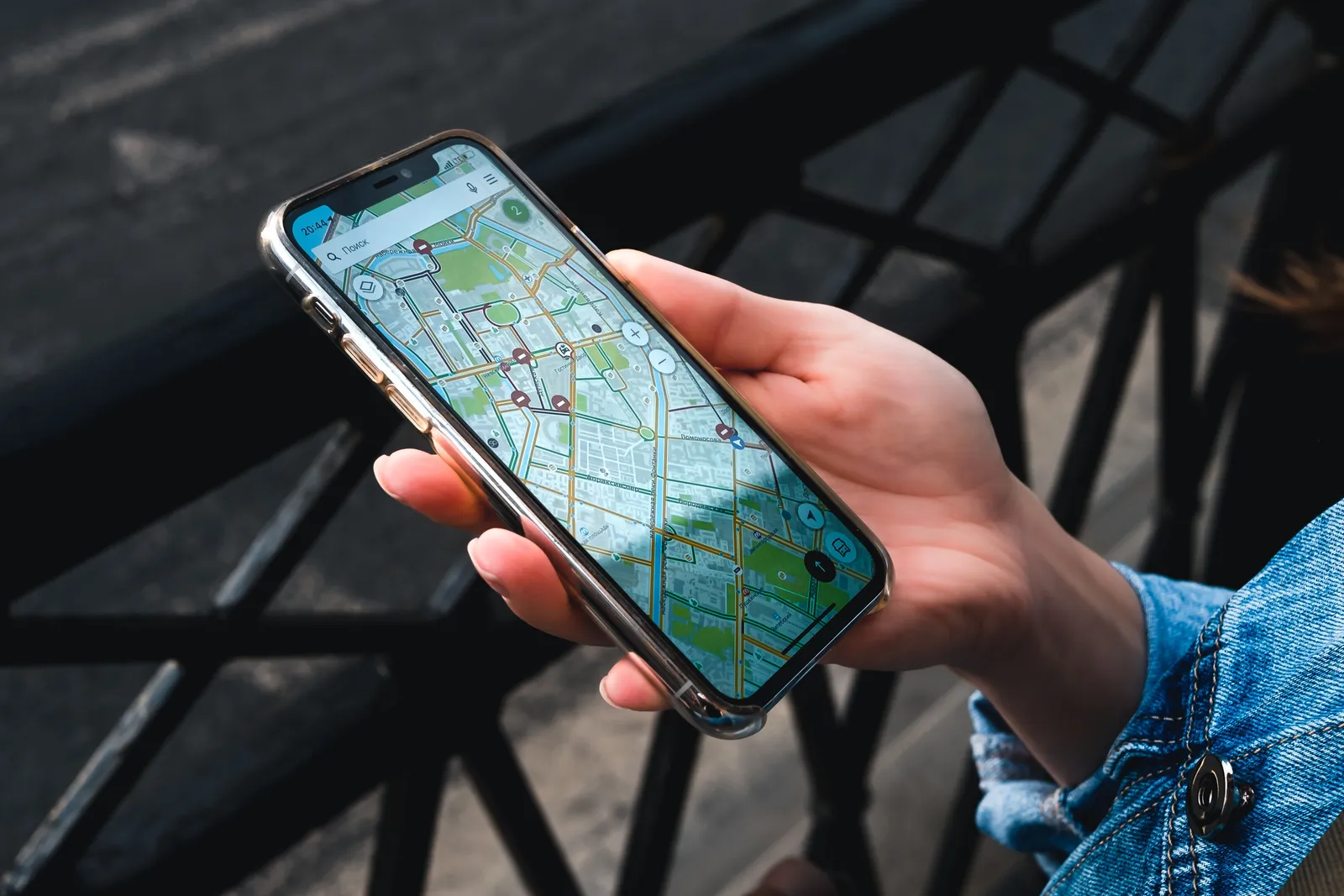
Keep the phone charged, because the day is long and the signal is intermittent.
How to think about it
As history, rather than as scenery, which is what it delivers.
As a live situation, not a museum, which is why the rules are firm.
Half a day to a full day, depending on the itinerary.
Once, for almost everybody.
Read something first, because context is most of the value.
Listen to the guide, who will explain what a plaque cannot.
Where this fits in a Seoul trip
One day, booked in advance, ideally not the day before a flight.
For the city you are leaving in the morning, our guide to Seoul covers the ground.
For the alternatives if the border is closed or does not appeal, our guide to day trips from Seoul covers the other options.
And for keeping your phone useful on a long day out of the city, our guide to SIM cards, eSIMs and mobile data in Korea covers the options.
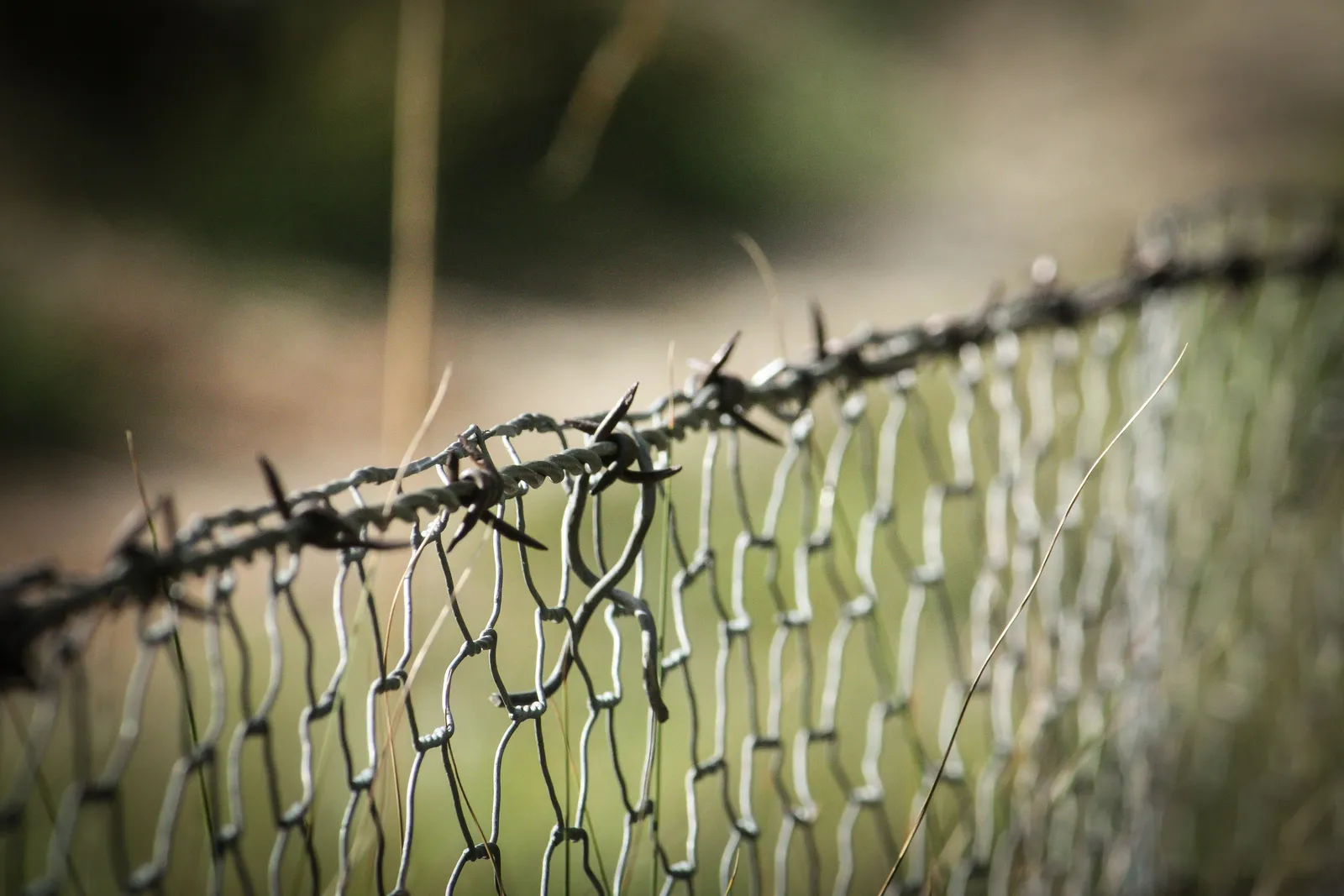
The short version
You cannot go independently, so book an authorised operator and ask in writing which sites are open on your date. Take your actual passport, expect identity checks, and follow the photography and movement rules exactly. Do not book on the assumption that the Joint Security Area will be available, because it frequently is not. Go for the history and the strangeness rather than for the views, allow a full day, and put nothing important immediately afterwards.